


- Home
- Product
- GOST standard motor
- IEC standard motor
 MC Series single phase capacitor start asynchronous motor
- MY MYT series single phase capacitor running asynchronous motor
- ML Series single phase dual-capacitor asynchronous motor
- ME2 series three phase high efficiency aluminum housing motor(IE2)
- ME3 series three phase high efficiency aluminum housing motor(IE3)
- MS series three-phase aluminum housing motor (IE1)
- Y2 series three phase cast iron motor (IE1)
- YE2 series three phase high efficiency cast iron motor (IE2)
- YE3 series three phase high efficiency cast iron motor (IE3)
- Special application motor
- Rolling door motor
- Industry application
- News
- About us
- Contact us
- Certifications
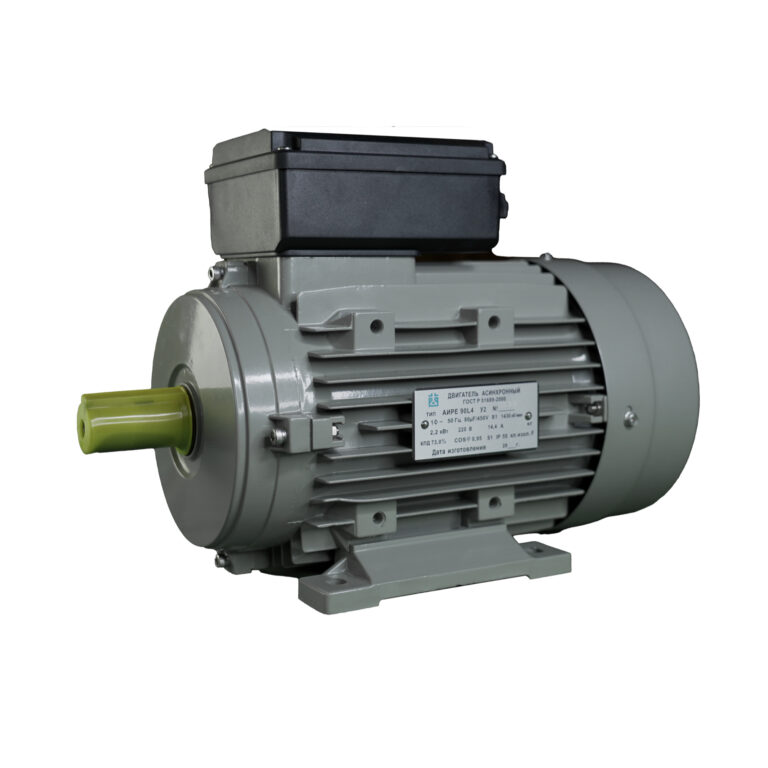
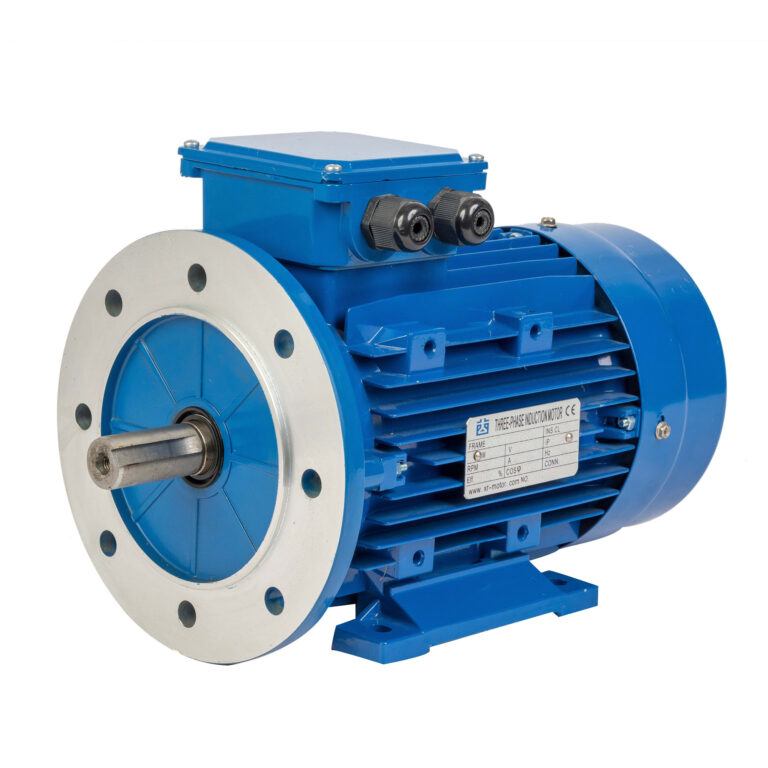
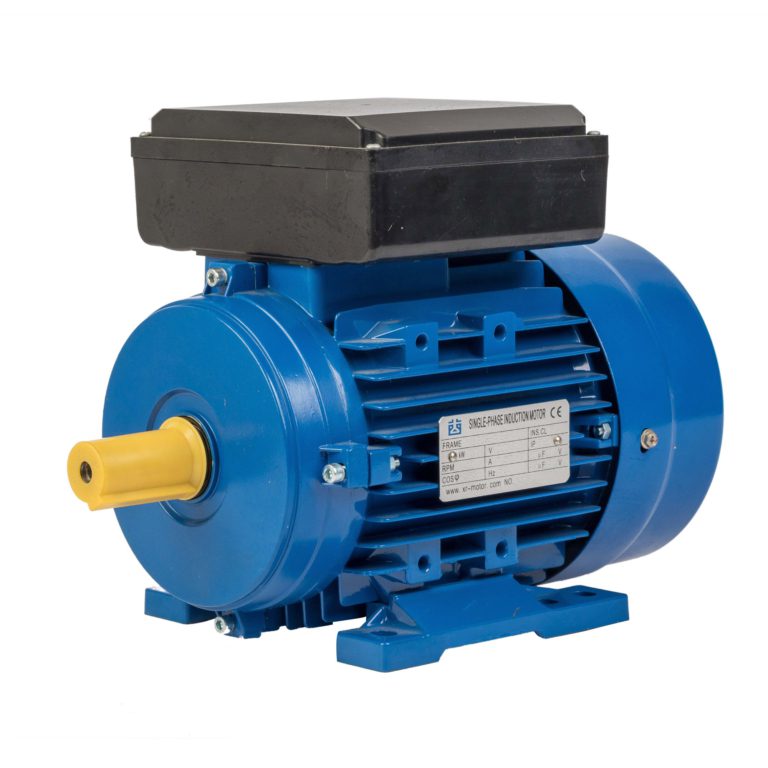
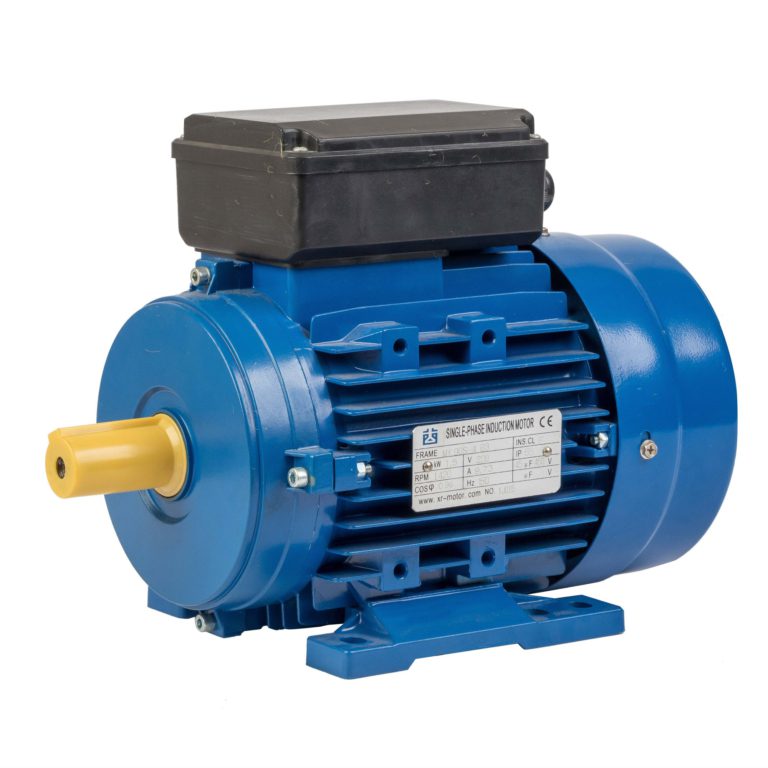
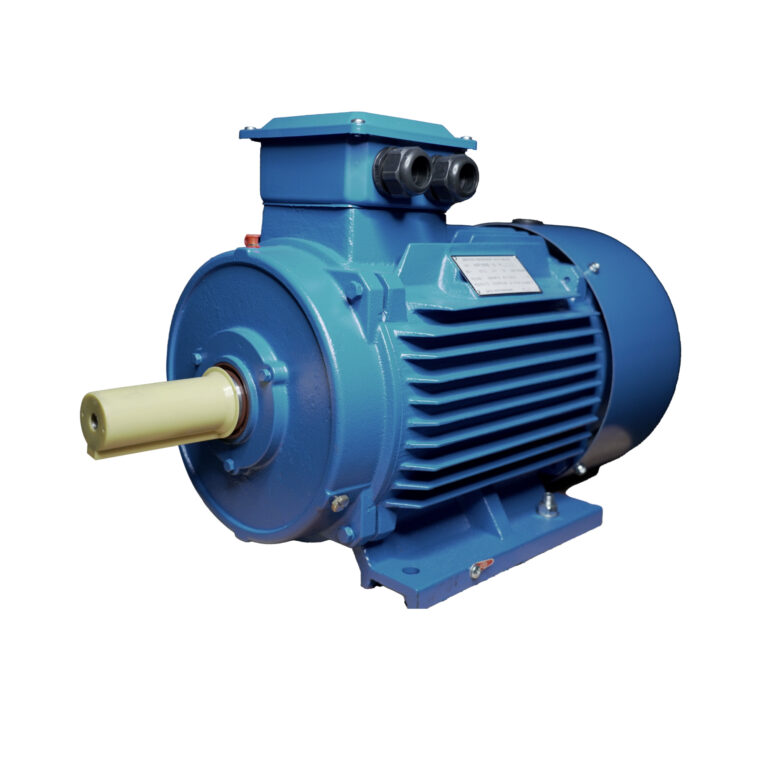
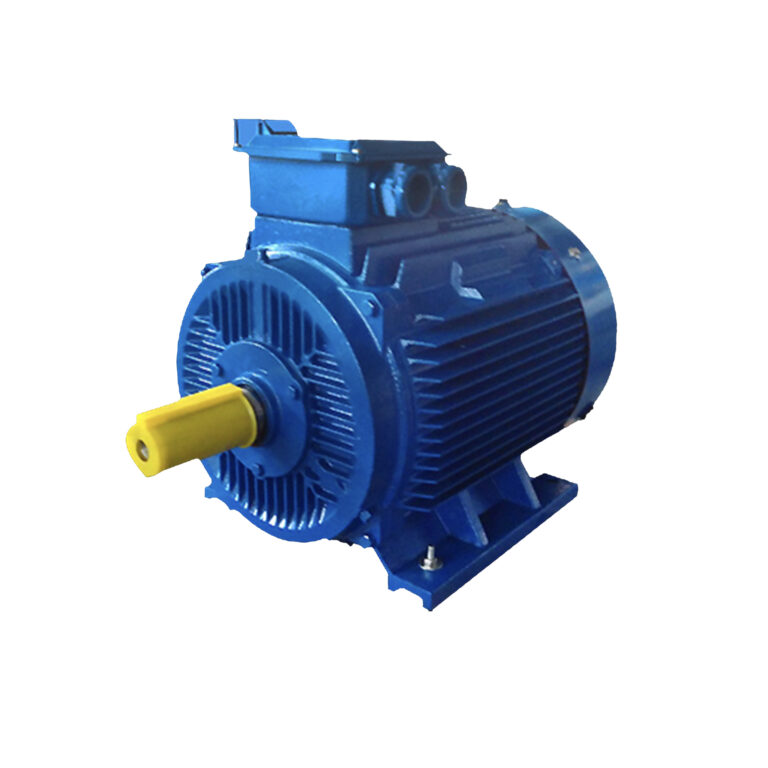
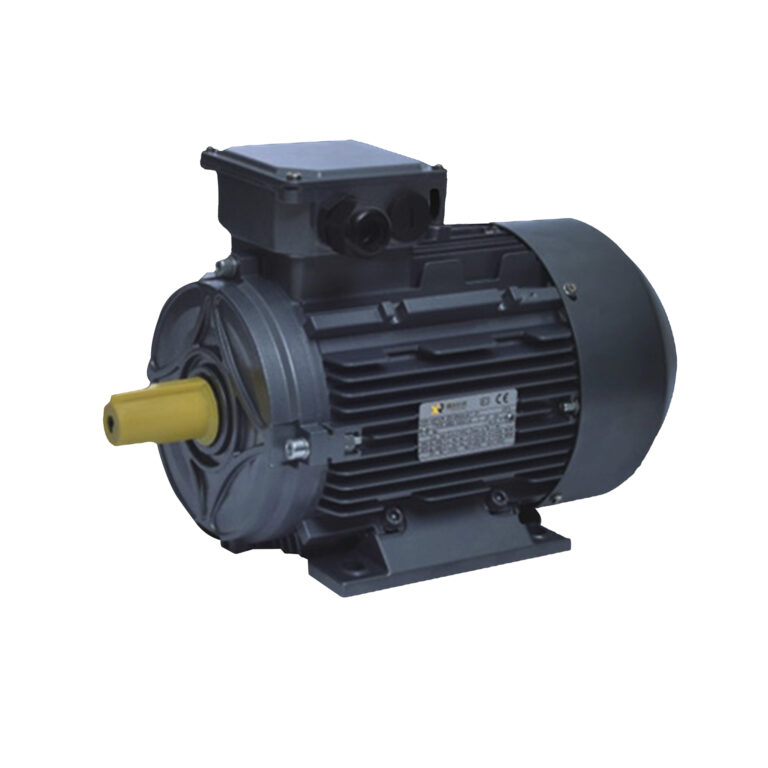
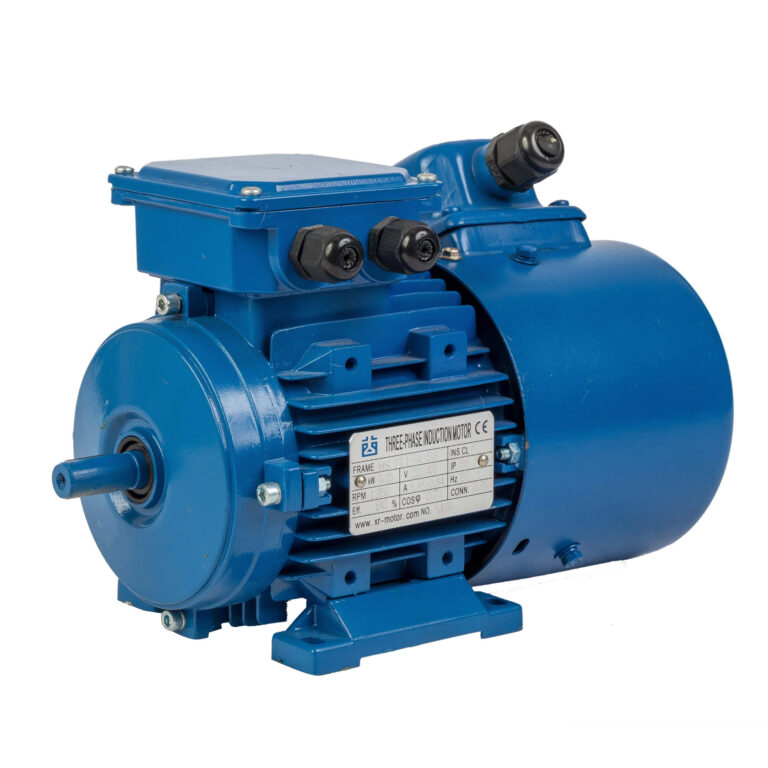
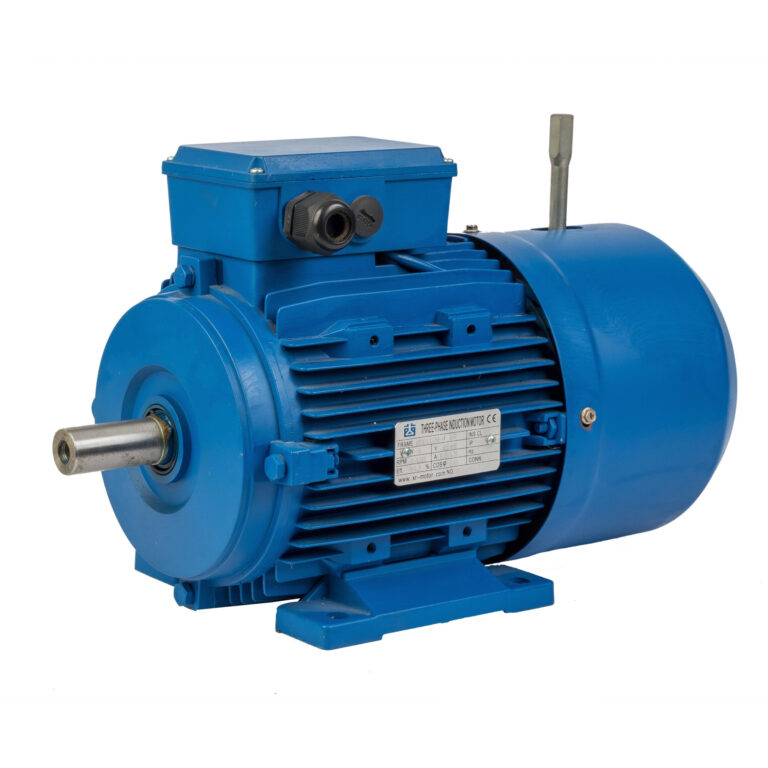
How to Choose a Three Phase Motor for Industrial Equipment
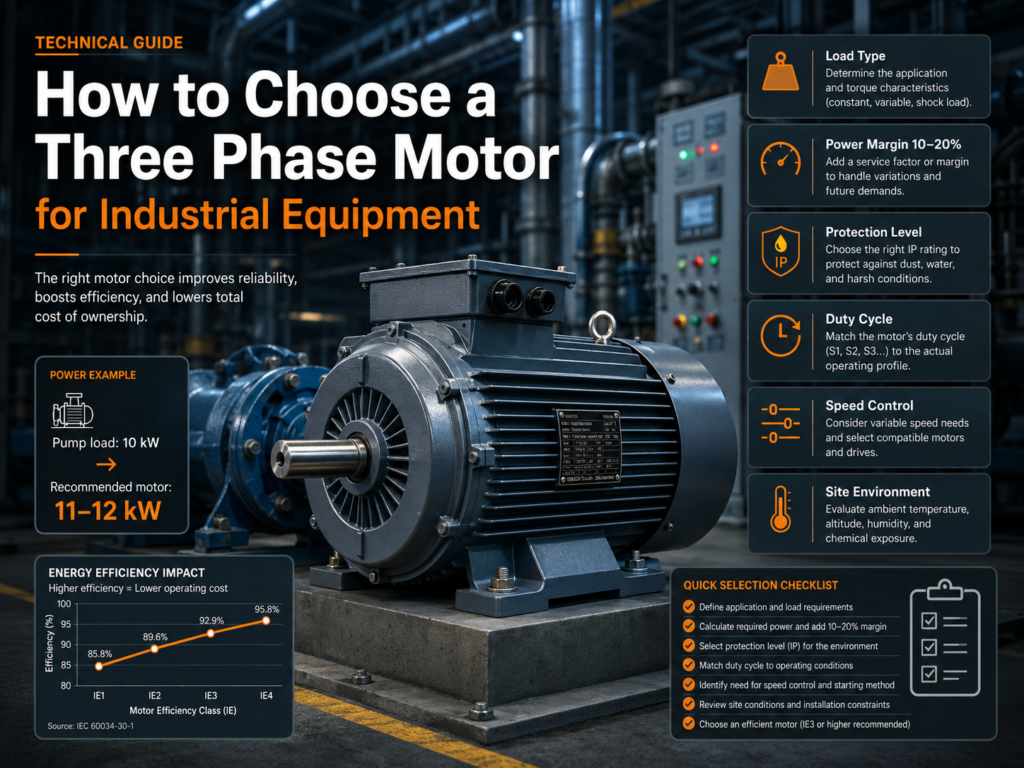
Understanding the Real Working Conditions
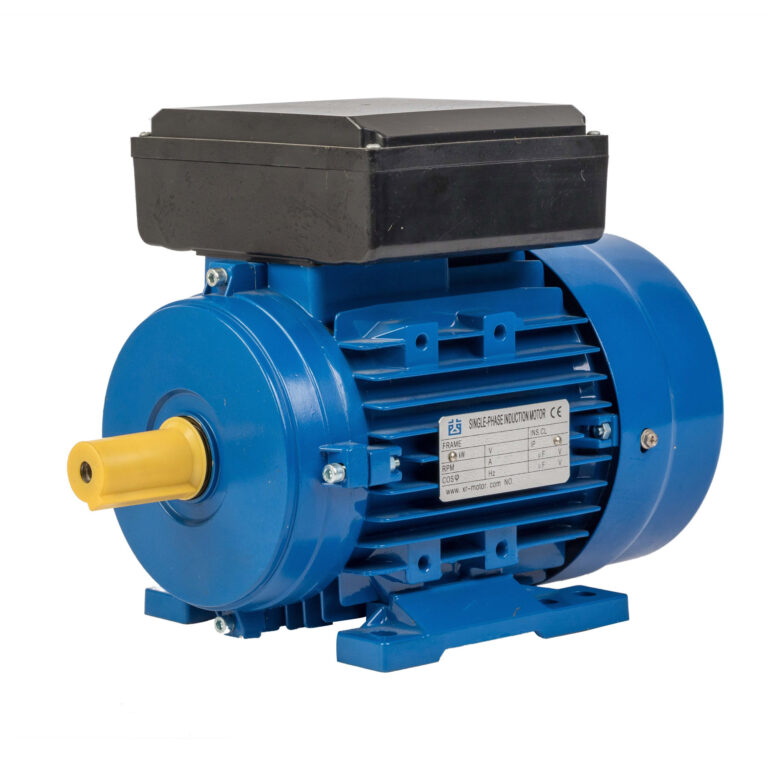
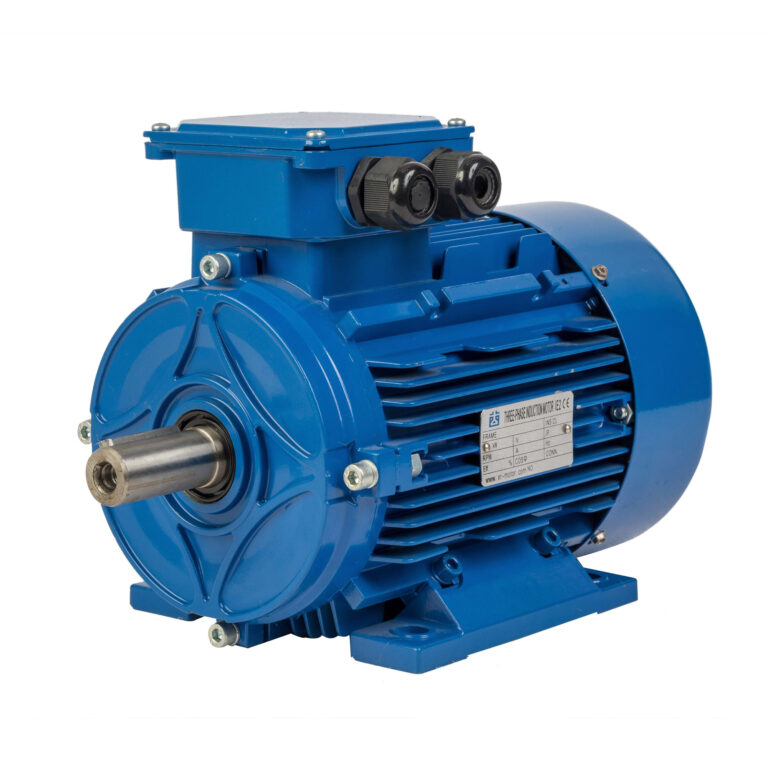
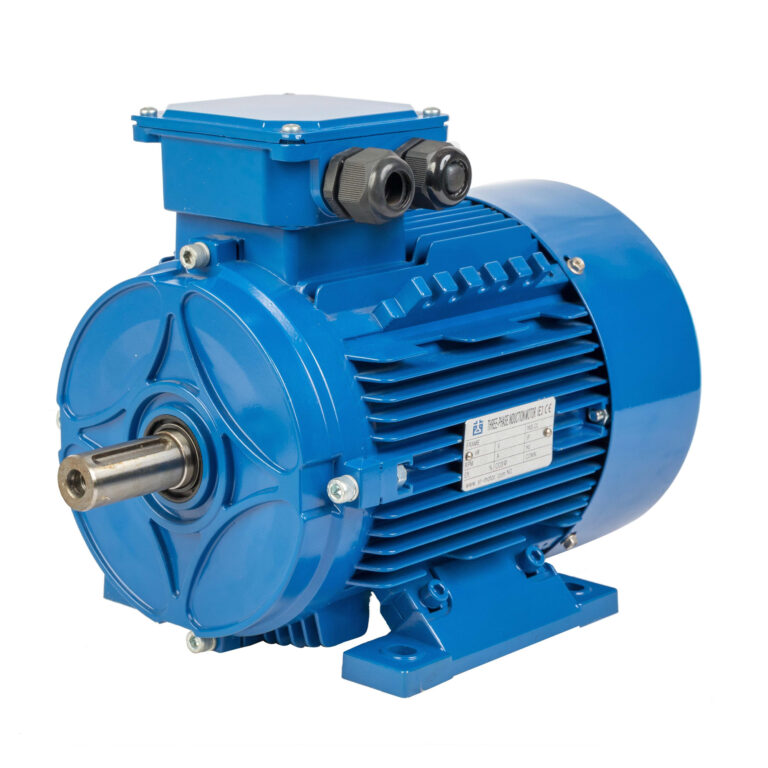
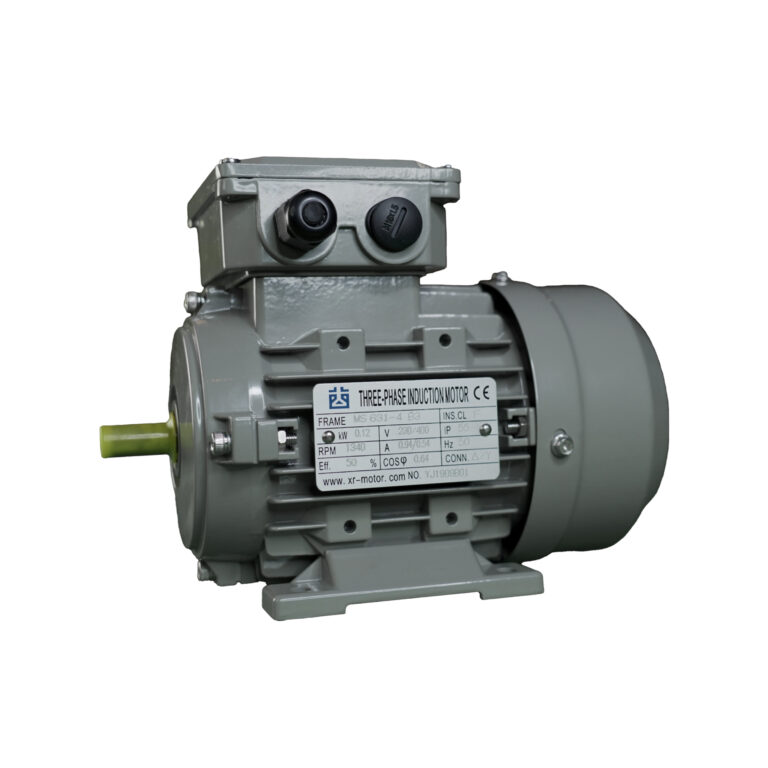
When I help a factory choose a three phase motor, I usually spend more time asking about the machine than talking about the motor itself, because the right industrial motor is never selected by power rating alone; it has to match the load, working hours, environment, control method, and maintenance habits of the site.
Fans, pumps, compressors, and other steady-load equipment usually need stable speed, reasonable efficiency, and reliable continuous operation, while crushers, conveyors, mixers, and lifting equipment often demand stronger starting torque and better overload capacity.
Matching Motor Power to the Actual Load
Power selection should be based on the load instead of guesswork, and for equipment that runs continuously, I often recommend leaving about 10% to 20% extra capacity. If a pump requires 10 kW, choosing 11 kW or 12 kW is usually more reasonable than jumping to a much larger model, because an oversized three phase motor may increase electricity costs and lower operating efficiency over time.
In one pump station project I worked on, the client originally wanted a much larger motor “just to be safe,” but after checking the flow curve and working schedule, we selected a more suitable industrial motor, which reduced unnecessary energy use without affecting performance.
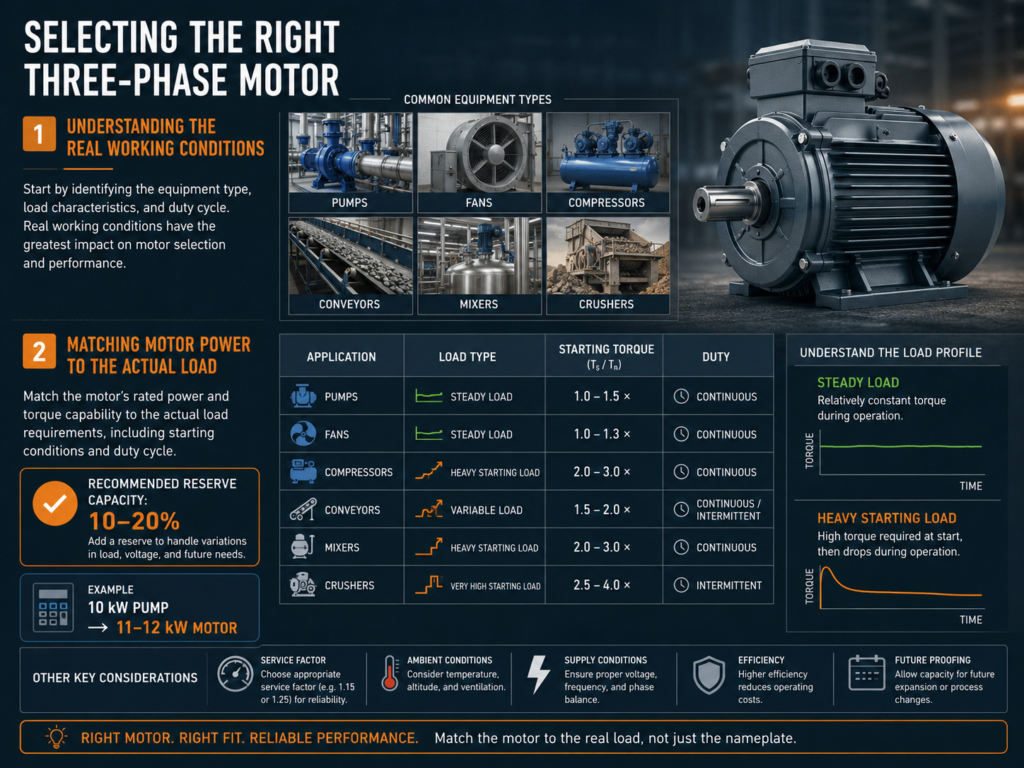
Choosing the Right Protection Level for the Site
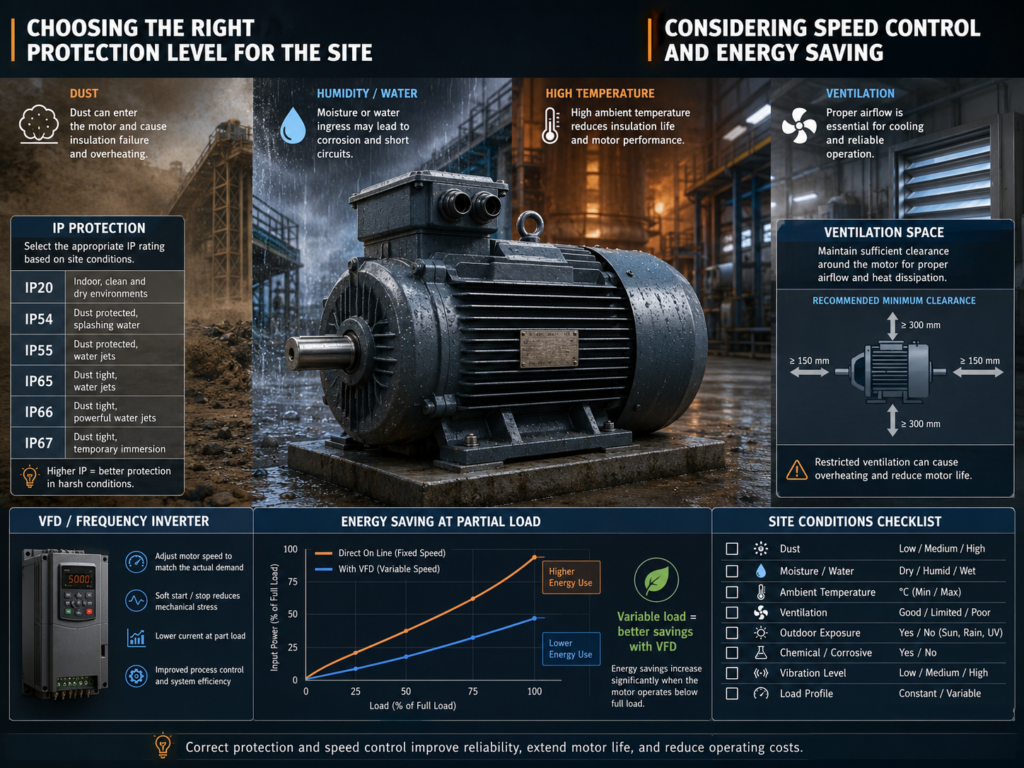
The working environment deserves serious attention, especially in humid, dusty, outdoor, chemical, or high-temperature conditions. A standard workshop may only need a common protection grade, but mining plants, grain processing lines, and chemical sites may require higher protection or explosion-proof designs.
From my experience, many motor failures are not caused by poor power selection, but by ignoring dust, moisture, ventilation, or installation space around the industrial motor.
Considering Speed Control and Energy Saving
Speed control should not be treated as an optional detail. If the equipment runs at different loads during the day, pairing a three phase motor with a frequency inverter can reduce mechanical stress, save energy, and make the process easier to control.
This is especially useful for fans, pumps, conveyors, and production lines where fixed-speed operation often wastes power during lighter-load periods.
Working with a Reliable Motor Supplier
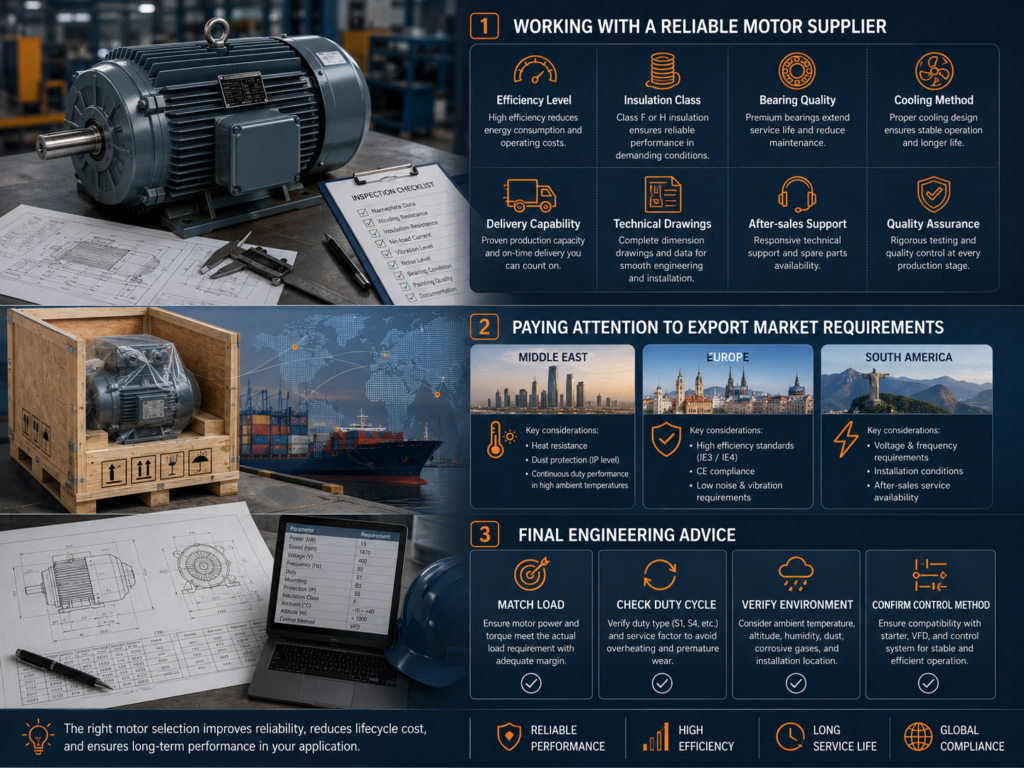
For international buyers, supplier reliability matters just as much as the motor model. A qualified three phase motor manufacturer in China should be able to provide selection support, technical drawings, customization options, and after-sales communication, not just a price list.
DAYOU MOTOR works with customers across different industrial applications, and in my view, this kind of practical support is valuable because many purchasing mistakes happen before the motor is even installed.
Paying Attention to Export Market Requirements
When buyers search for an industrial motor supplier in Asia, I suggest comparing efficiency level, insulation class, bearing quality, cooling method, delivery capability, and service response together, because a cheap motor can become expensive if downtime occurs.
For projects such as a three phase motor for Middle East projects, heat resistance and stable operation under demanding site conditions should be considered carefully, while an industrial motor for European factories may need closer attention to efficiency standards and long-term energy savings.
A good supplier should also understand export requirements, documentation, and application differences between markets. For example, a three phase motor exporter to South America may need to support mining, water treatment, agriculture, and general manufacturing projects with different voltage and installation requirements.
Final Engineering Advice
In practical engineering work, I have learned that the best motor is not always the biggest, the most expensive, or the one with the longest specification sheet. The best industrial motor is the one that starts smoothly, runs efficiently, survives the site conditions, and keeps the production line moving with fewer interruptions.
A well-selected three phase motor should match the load type, power demand, protection level, duty cycle, speed control method, and service environment, while a dependable partner such as DAYOU MOTOR can make the selection process easier for factories, contractors, and equipment manufacturers who want stable performance and lower lifetime costs.