


- Home
- Product
- GOST standard motor
- IEC standard motor
 MC Series single phase capacitor start asynchronous motor
- MY MYT series single phase capacitor running asynchronous motor
- ML Series single phase dual-capacitor asynchronous motor
- ME2 series three phase high efficiency aluminum housing motor(IE2)
- ME3 series three phase high efficiency aluminum housing motor(IE3)
- MS series three-phase aluminum housing motor (IE1)
- Y2 series three phase cast iron motor (IE1)
- YE2 series three phase high efficiency cast iron motor (IE2)
- YE3 series three phase high efficiency cast iron motor (IE3)
- Special application motor
- Rolling door motor
- Industry application
- News
- About us
- Contact us
- Certifications
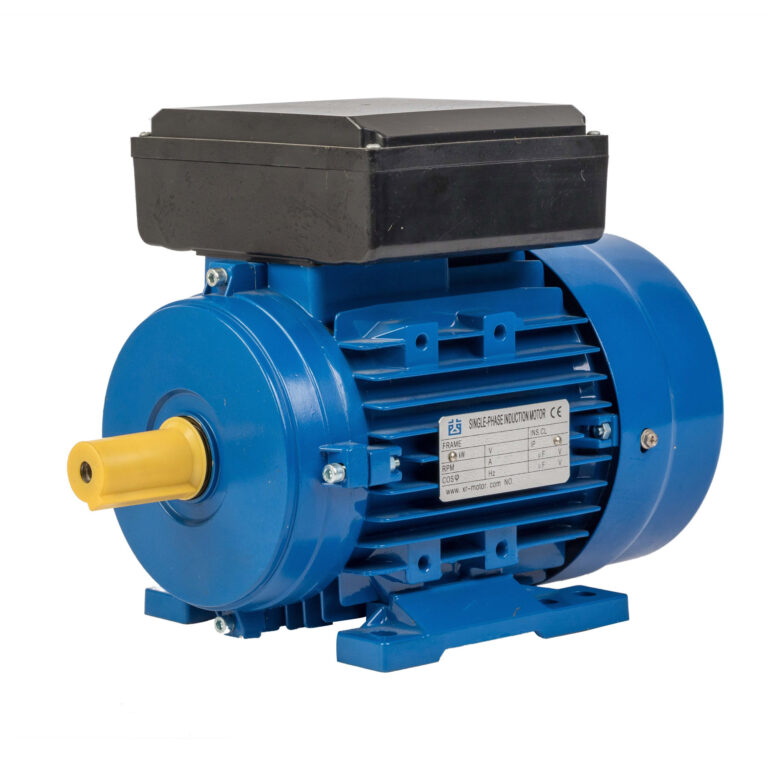
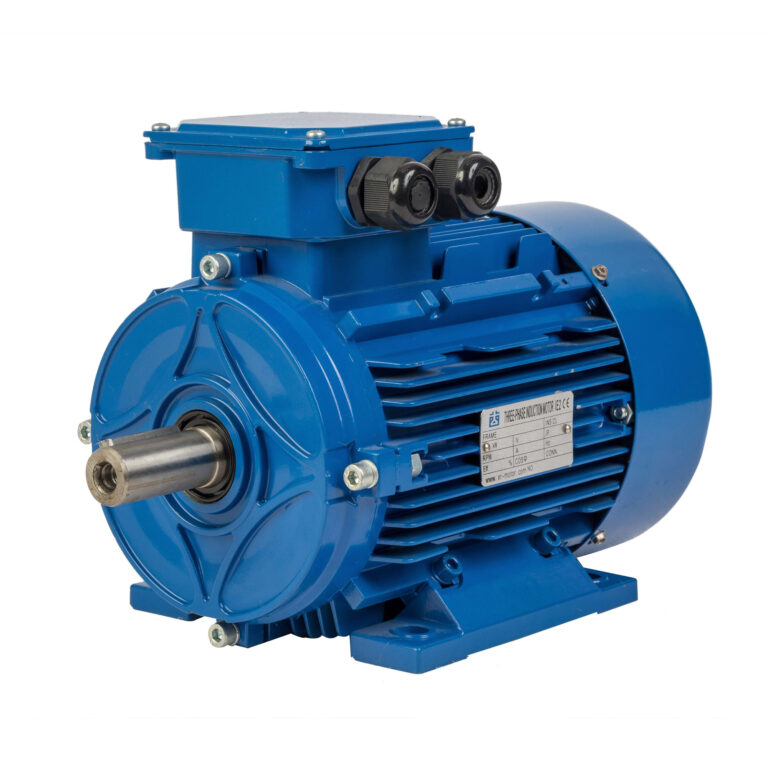
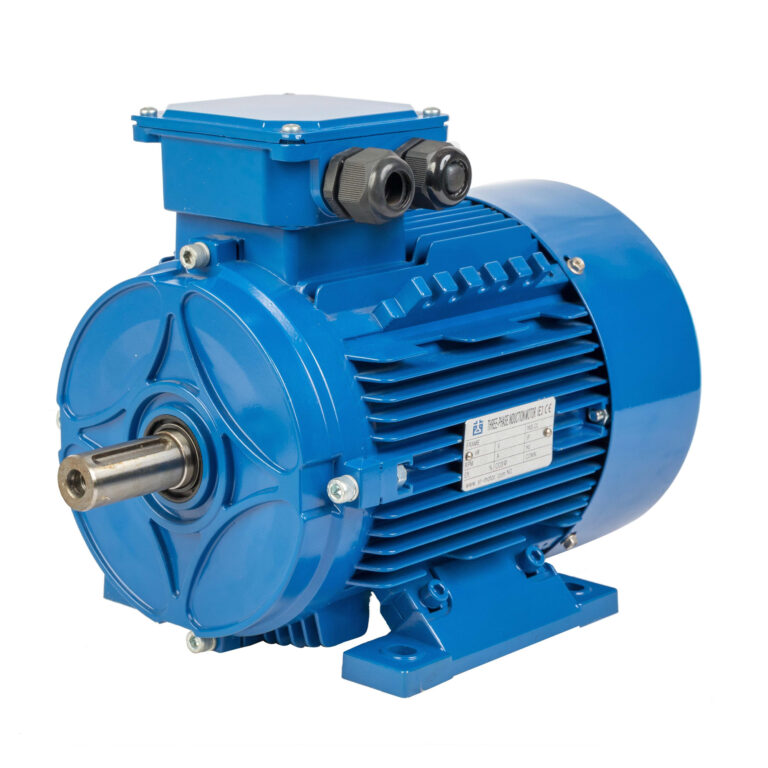
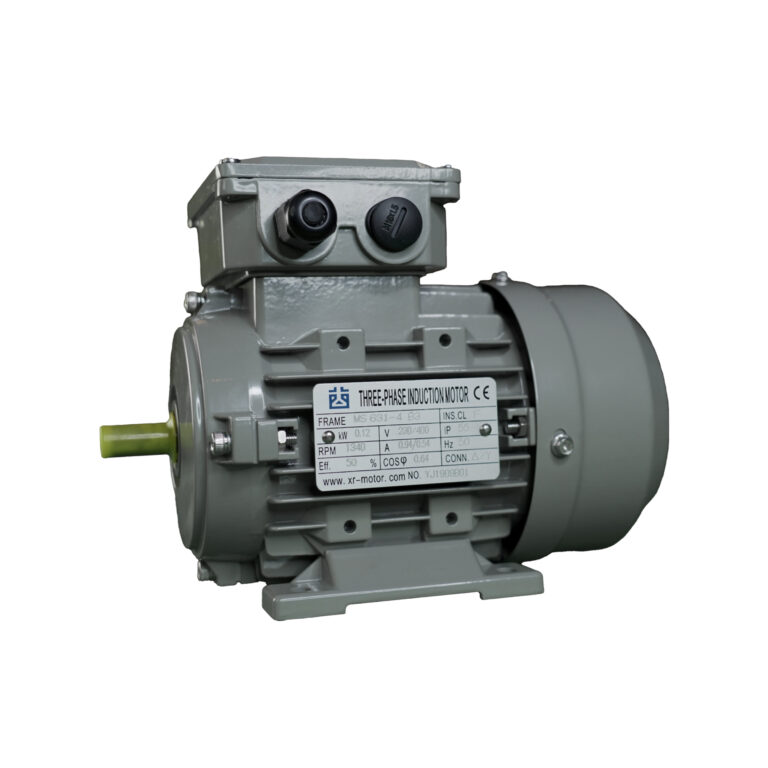
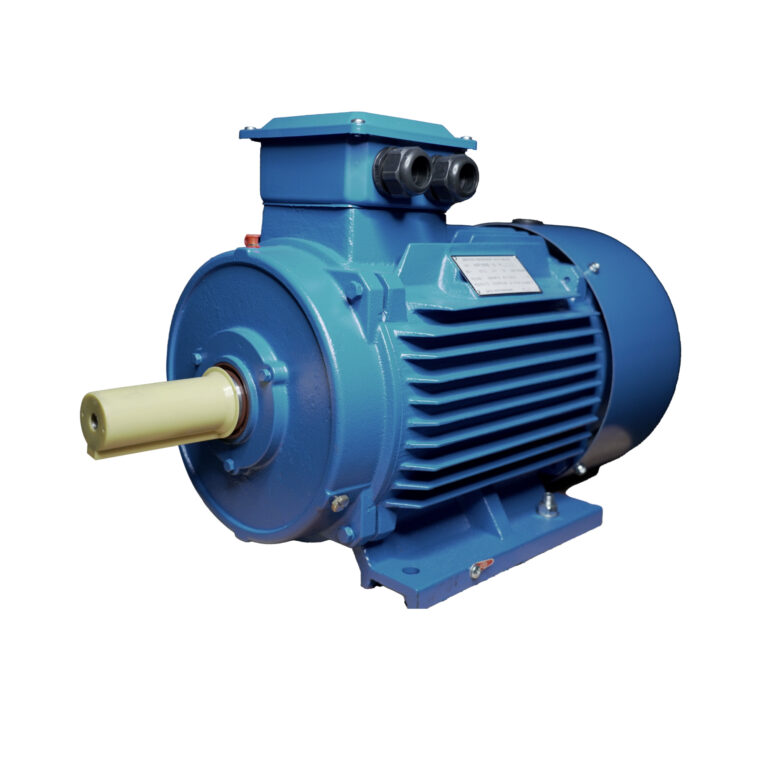
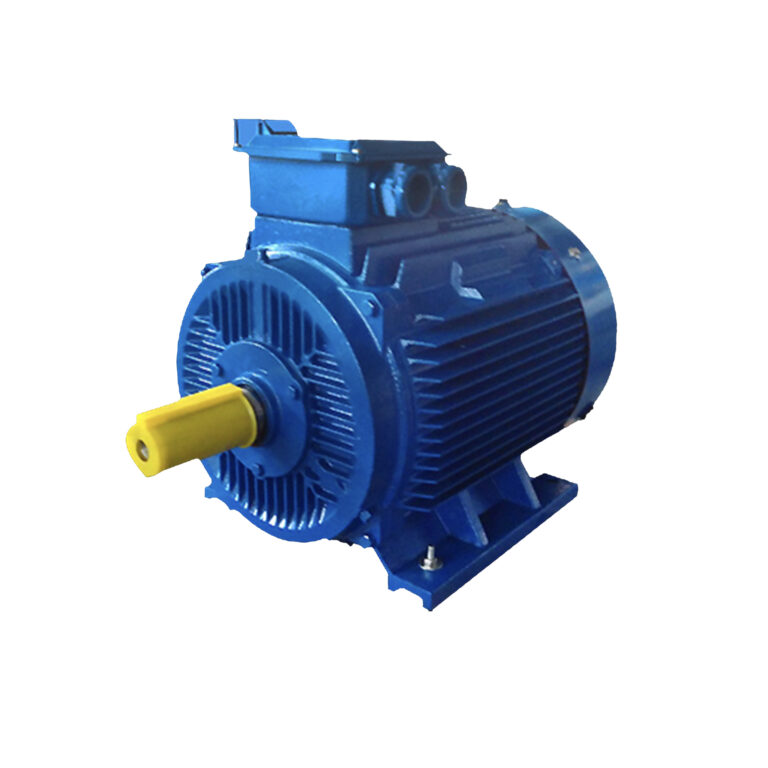
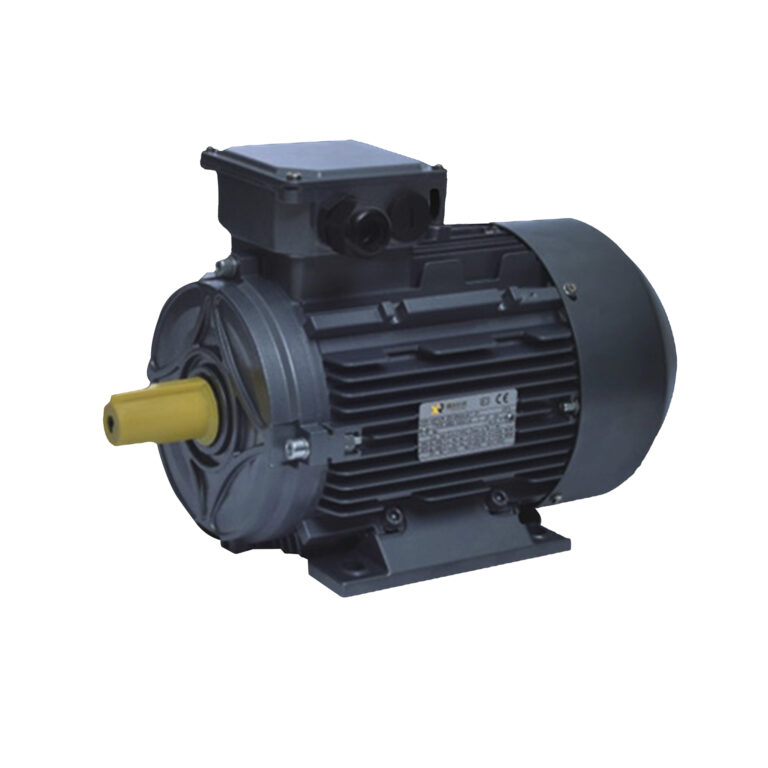
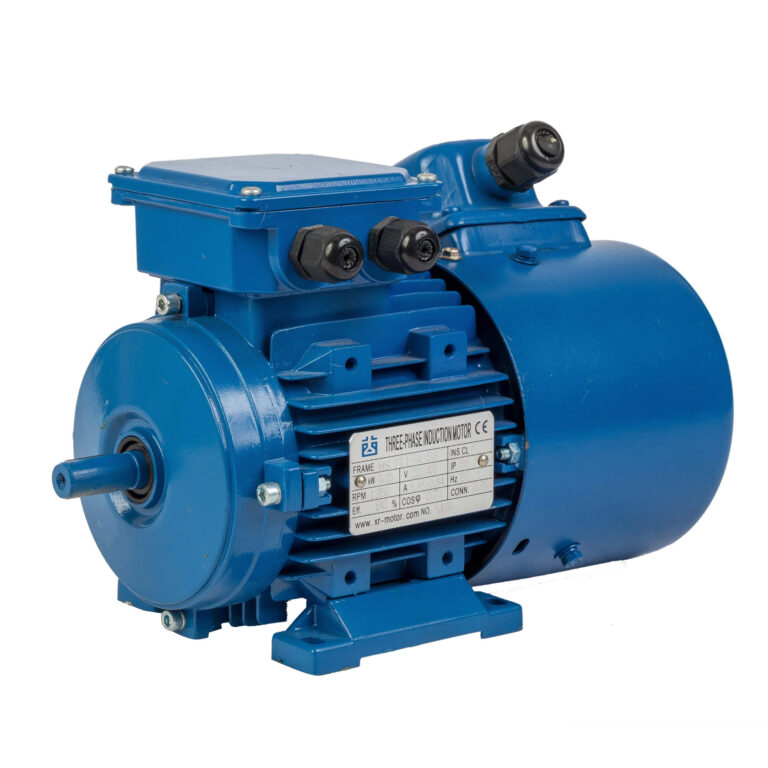
IE3 Electric Motor Buying Guide for OEMs and Distributors
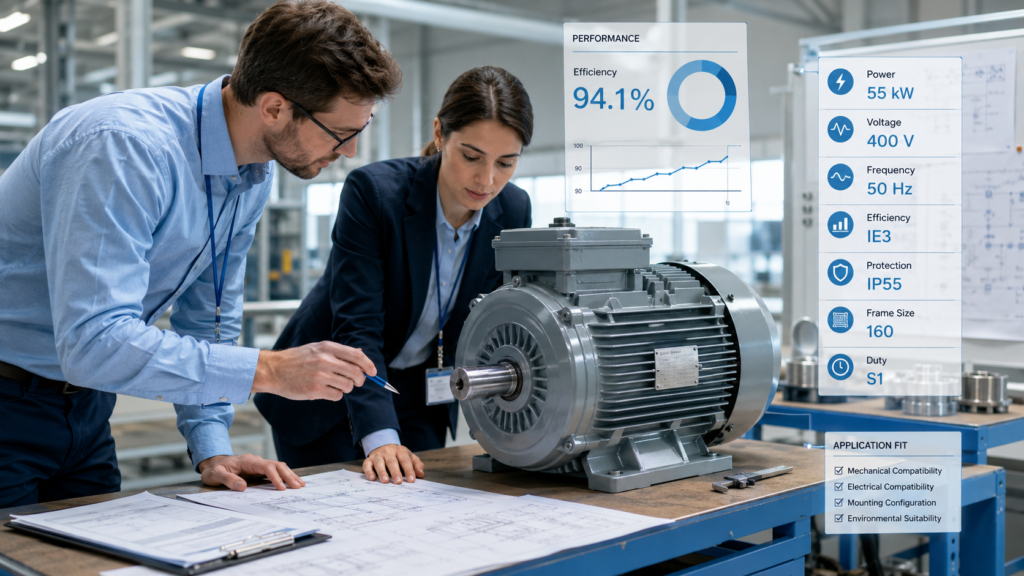
Buying an IE3 electric motor for industrial equipment often looks straightforward until the motor reaches the assembly line or the customer’s site, where a mismatch in shaft size, voltage, starting torque, or cooling arrangement can turn a seemingly correct purchase into an expensive delay. From my experience as a motor engineer, the best procurement decisions come from treating efficiency, application conditions, mechanical compatibility, variable-frequency operation, delivery stability, and service support as one connected requirement rather than as separate checklist items.
Efficiency Claims Need to Be Supported by Real Documentation
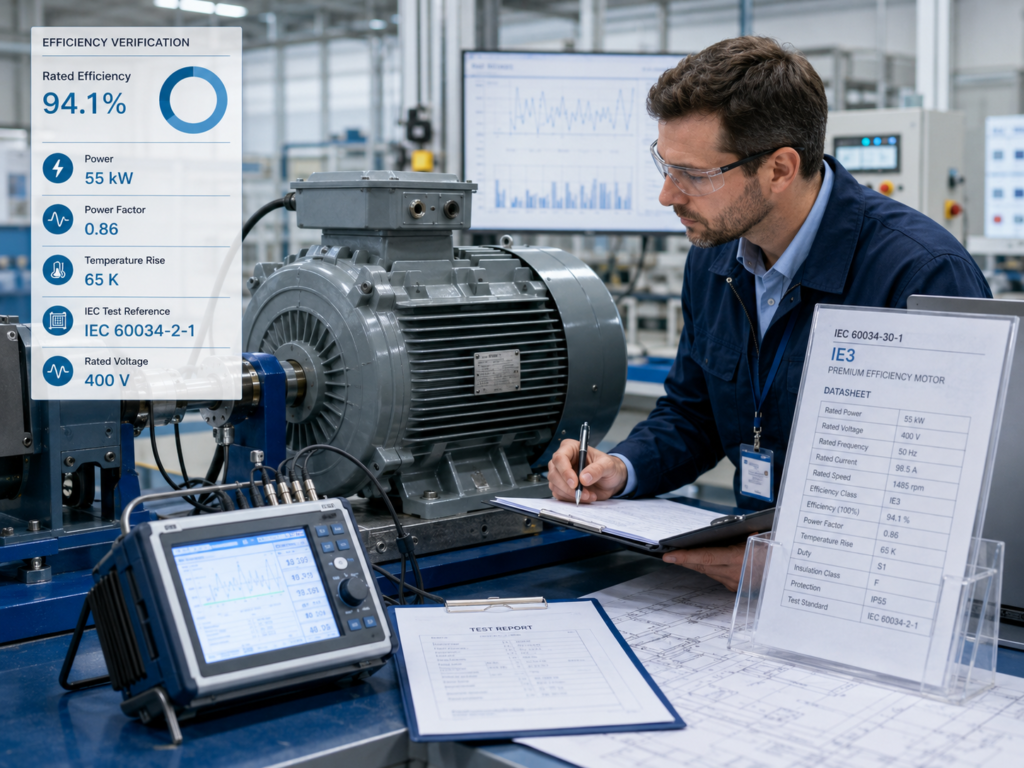
Although IE3 is widely recognized as an efficiency class, an IE3 electric motor should never be selected solely because the label appears on a quotation or catalog page. IEC 60034-30-1 defines efficiency classes for specified line-operated AC motors within defined limits for power, voltage, pole number, duty capability, ambient temperature, and testing conditions, while power-drive-system losses from cables, filters, and frequency converters are outside its scope. For this reason, I always recommend requesting the complete model code, nameplate details, rated efficiency value, and test documentation before approving a motor. A responsible motor manufacturer should be able to show that the quoted efficiency corresponds to the exact configuration being supplied, rather than relying on a general claim for an entire series.
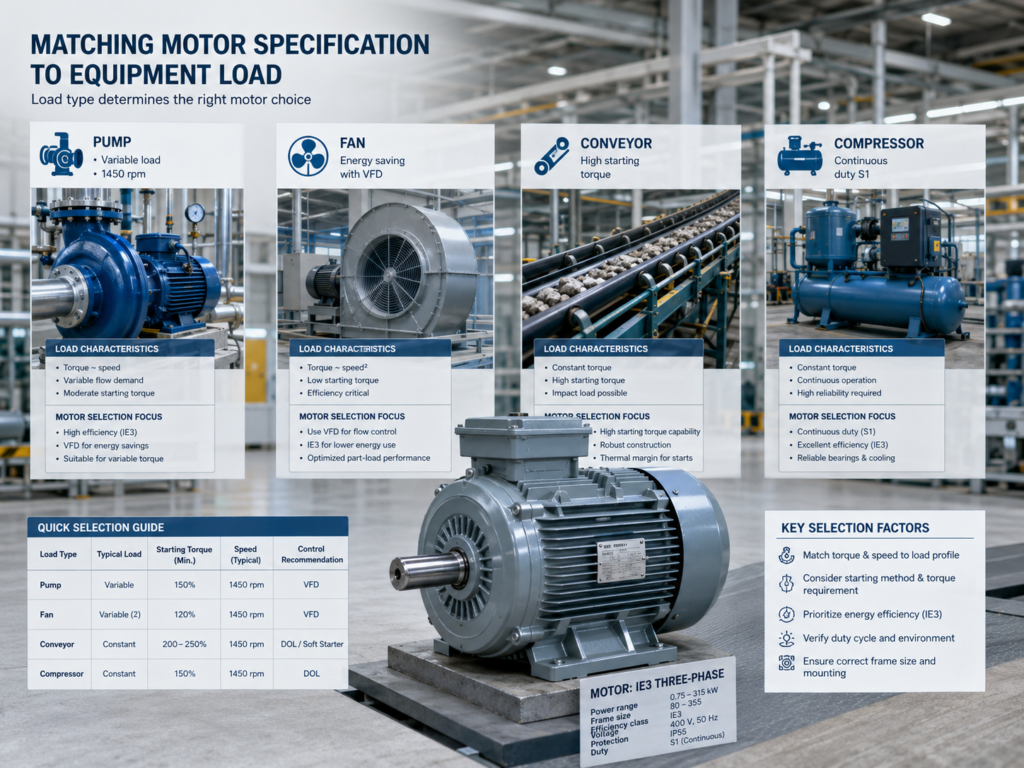
The Equipment Load Should Determine the Specification
A pump, fan, compressor, conveyor, crusher, and mixer may all use motors of a similar power rating, yet their actual operating demands can be very different. Pumps and fans frequently run at partial load, while conveyors and crushers may need higher starting torque or stronger resistance to temporary overload, so the rated power alone does not tell the complete story.
I once reviewed a conveyor project where the selected IE3 electric motor had the correct kW rating, but the equipment still experienced repeated startup trips. After looking more closely at the gearbox ratio, material loading, and starting method, we found that the issue was not the motor’s efficiency level but insufficient starting performance for the real load. That project reinforced something I have seen many times: a motor can meet the catalog specification and still be unsuitable for the machine.
Mechanical Interfaces Must Remain Consistent in Every Batch
For OEM buyers, dimensional consistency is often more valuable than a small difference in unit price. Frame size, mounting arrangement, shaft diameter, shaft extension, keyway, flange dimensions, terminal-box orientation, paint color, and nameplate content should be confirmed in drawings or technical agreements before mass production begins.
A dependable motor manufacturer understands that changing a bearing, cooling fan, fan cover, winding material, or production location without approval can affect noise, vibration, service life, and equipment assembly. DAYOU MOTOR supports OEM customers by confirming these technical details early, which helps prevent unwanted differences between the approved sample and later deliveries.
Variable-Frequency Operation Needs Its Own Review
When a motor will run with a VFD, buyers should define the speed range, torque characteristics, low-speed cooling requirements, insulation system, cable length, and bearing-current protection needs. Standard mains-operated motors may perform well in some inverter-driven applications, but frequent low-speed operation or high switching stress can raise winding and bearing risks if the specification is incomplete.
An experienced IE3 electric motor manufacturer in China should be prepared to discuss the complete application, including the inverter model and the expected operating profile. In my view, sample validation should include temperature rise, vibration, noise, no-load current, full-load current, and startup performance, because this practical testing often reveals issues that are not obvious in a datasheet.
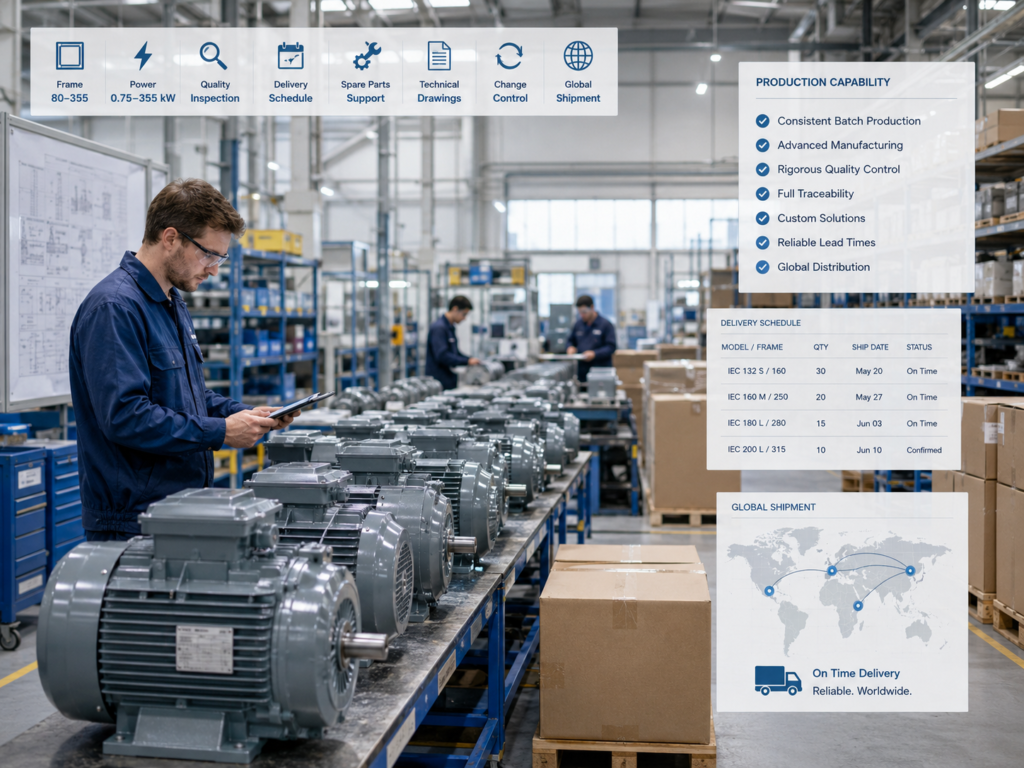
OEM Buyers Should Purchase Reliable Production Capability
An OEM is not simply purchasing one approved motor; it is purchasing a component that must fit the same machine repeatedly over months or years. Clear rules for first-article approval, incoming inspection, packaging, delivery schedules, spare parts, and design-change control create a much stronger supply relationship than price comparison alone.
For customers searching for an IE3 electric motor supplier in the Middle East, heat resistance, dust protection, voltage requirements, project schedules, and after-sales response may carry as much weight as the nominal efficiency value. DAYOU MOTOR works with buyers to align motor selection with the actual site conditions, especially where continuous operation leaves little room for installation errors or unexpected downtime.
Distributors Need Stock That Is Easy to Replace and Support
Distributors usually achieve better inventory turnover when they stock common combinations of voltage, frame size, pole number, mounting type, and protection class, while separately managing non-standard products such as brake motors, explosion-proof motors, corrosion-resistant designs, or special-voltage units.
A practical substitution chart should compare rated power, speed, frame, shaft dimensions, flange arrangement, and wiring method instead of matching products by kW alone. An IE3 electric motor distributor in South America may also need a stock plan that reflects local demand from agriculture, mining, water treatment, and general industrial maintenance.
Market expectations vary from region to region. A motor manufacturer for European OEMs may need to focus closely on efficiency documentation and lifecycle energy costs, whereas a motor manufacturer for Southeast Asian factories may need to prioritize climate conditions, voltage flexibility, and rapid replacement support.
Procurement Becomes Safer When Performance Is Verifiable
An IE3 electric motor is a sensible investment when its documented efficiency is combined with the correct load match, mechanical fit, environmental protection, and control compatibility. In my experience, the most reliable motor manufacturer is not simply the one that offers a low price, but the one that provides consistent production, traceable documents, responsive technical support, and a willingness to solve real application problems.
DAYOU MOTOR aims to support OEMs and distributors with that broader view of procurement, helping customers buy motors that fit their equipment, remain dependable in service, and create value long after installation.