


- Home
- Product
- GOST standard motor
- IEC standard motor
 MC Series single phase capacitor start asynchronous motor
- MY MYT series single phase capacitor running asynchronous motor
- ML Series single phase dual-capacitor asynchronous motor
- ME2 series three phase high efficiency aluminum housing motor(IE2)
- ME3 series three phase high efficiency aluminum housing motor(IE3)
- MS series three-phase aluminum housing motor (IE1)
- Y2 series three phase cast iron motor (IE1)
- YE2 series three phase high efficiency cast iron motor (IE2)
- YE3 series three phase high efficiency cast iron motor (IE3)
- Special application motor
- Rolling door motor
- Industry application
- News
- About us
- Contact us
- Certifications
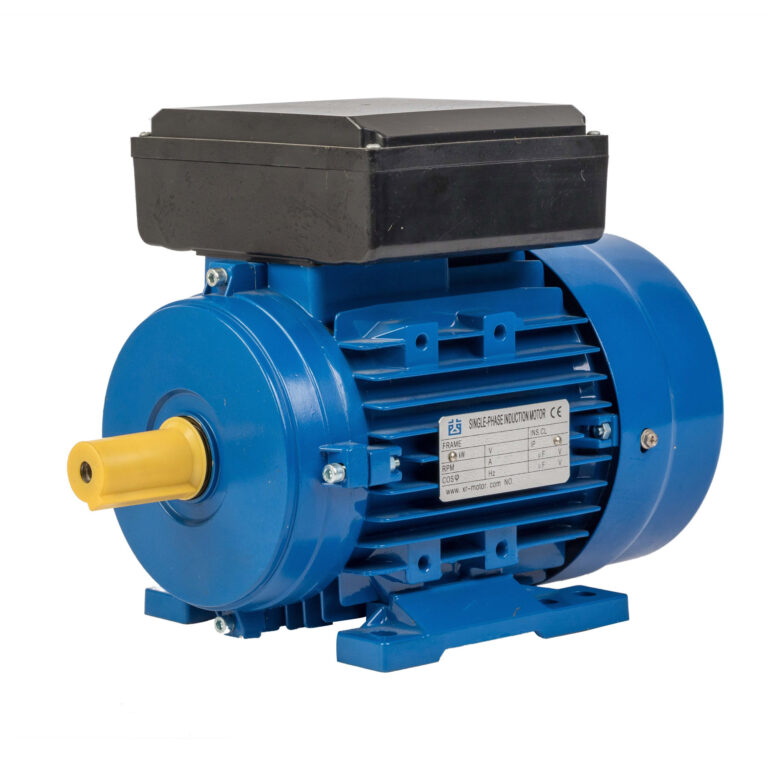
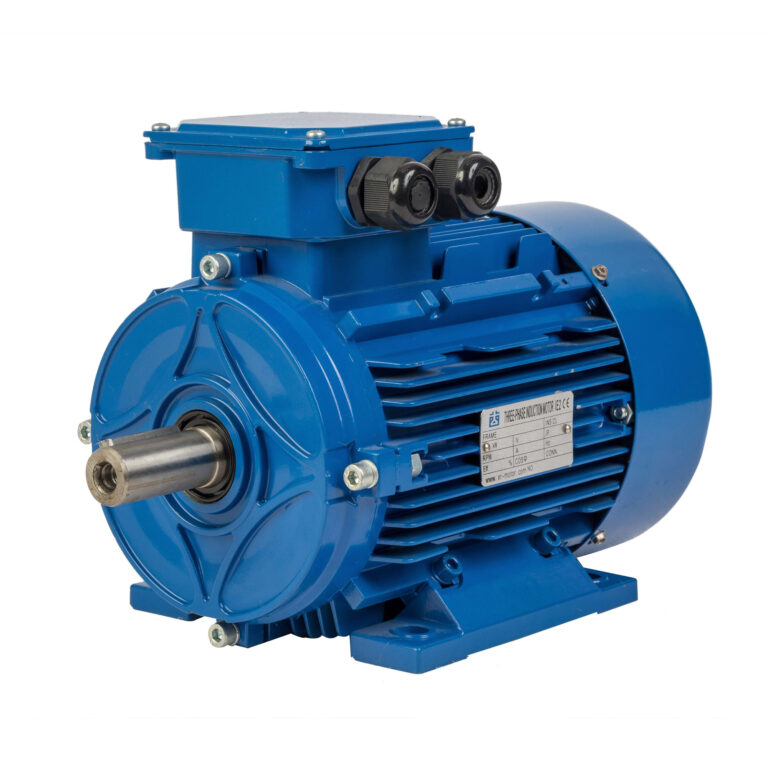
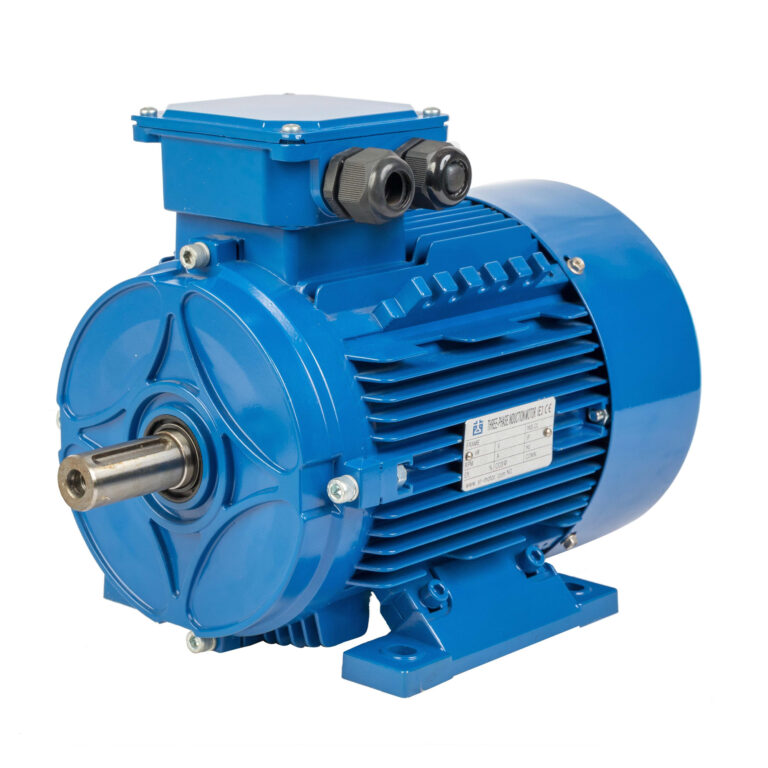
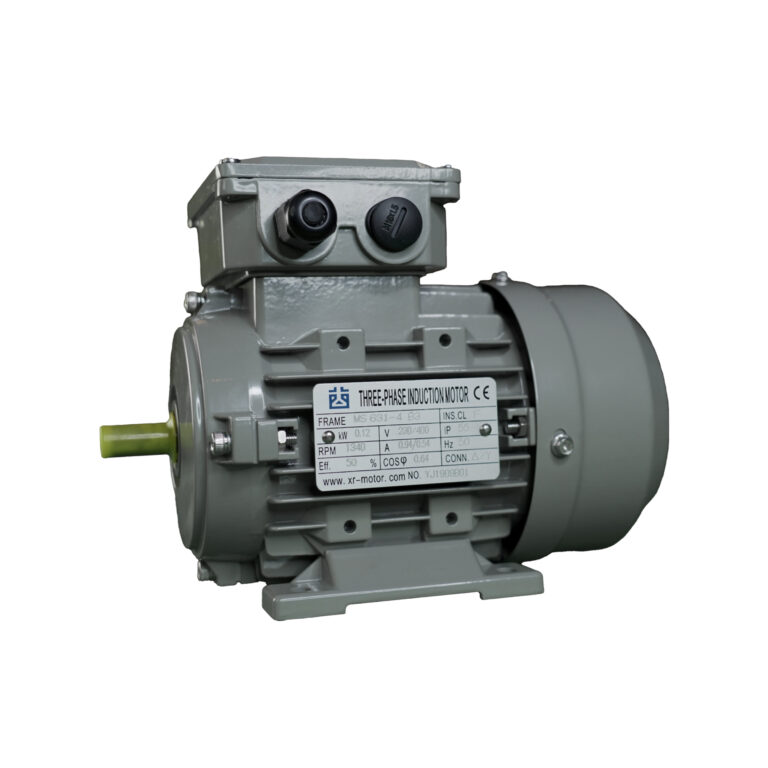
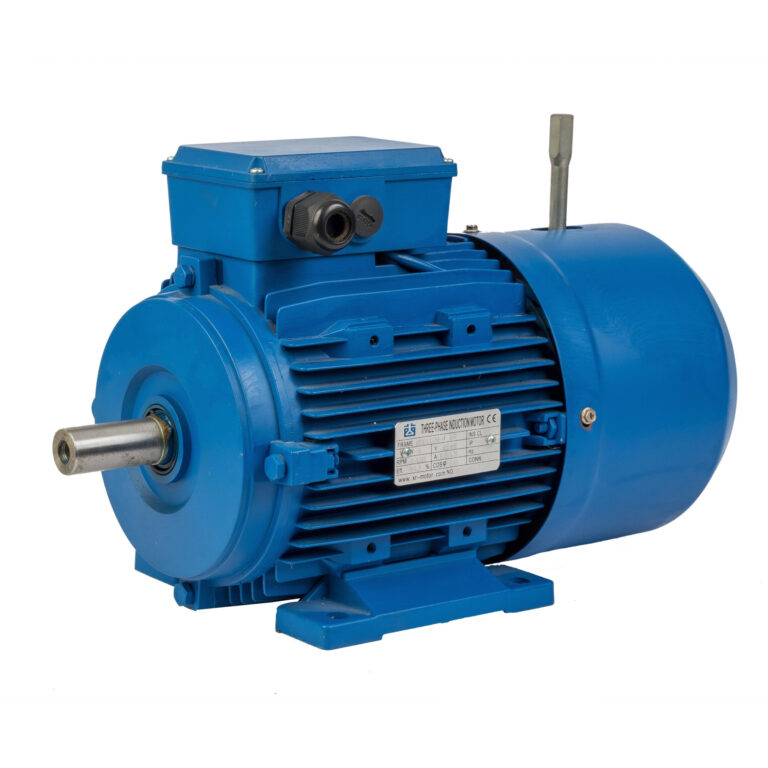
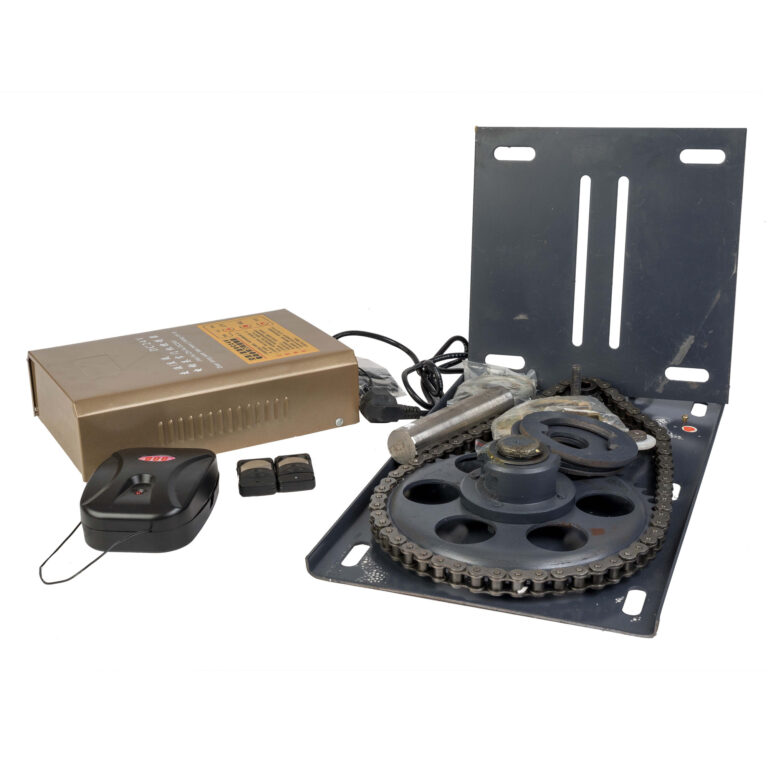
Aluminum vs Cast Iron Electric Motors: Which One Should You Choose?
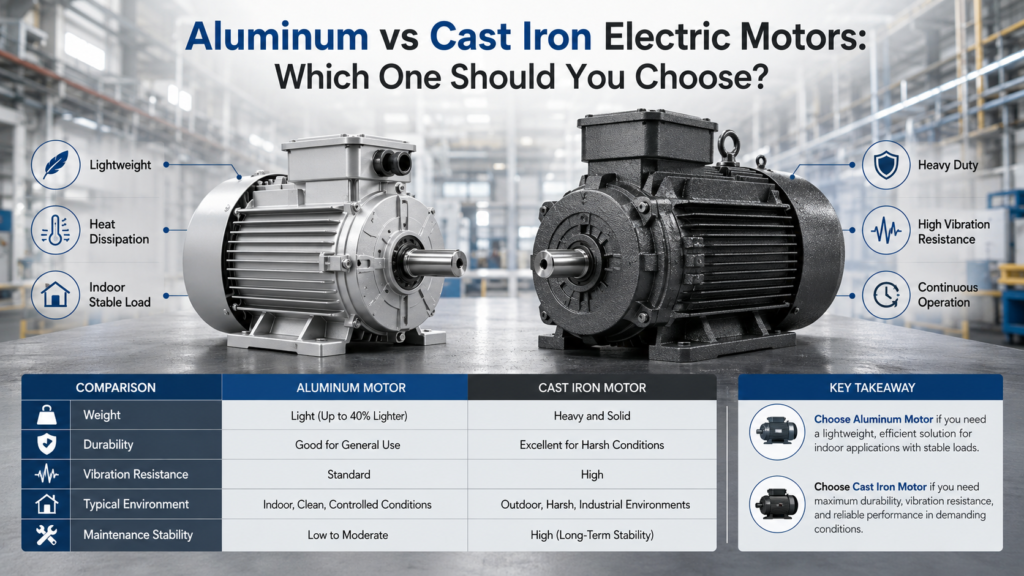
Whether an aluminum motor or a cast iron motor is the better choice depends less on which housing appears stronger in a catalog and more on how the equipment will operate every day. Weight, vibration, ambient conditions, duty cycle, maintenance access, and load characteristics all shape the decision, which is why DAYOU MOTOR encourages customers to evaluate the whole application rather than selecting a motor by housing material alone.
Aluminum Housings Work Well When Weight and Flexibility Matter
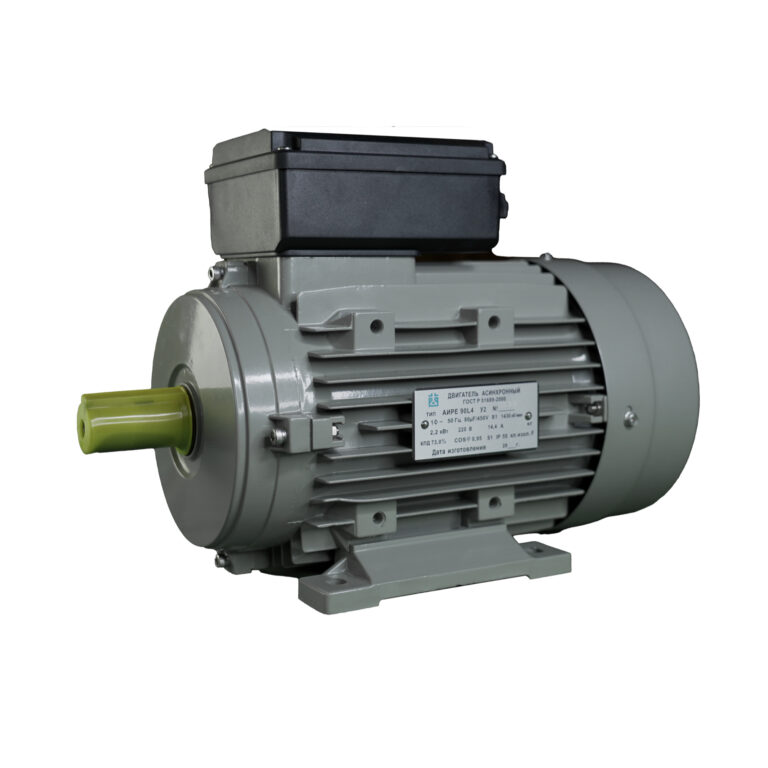
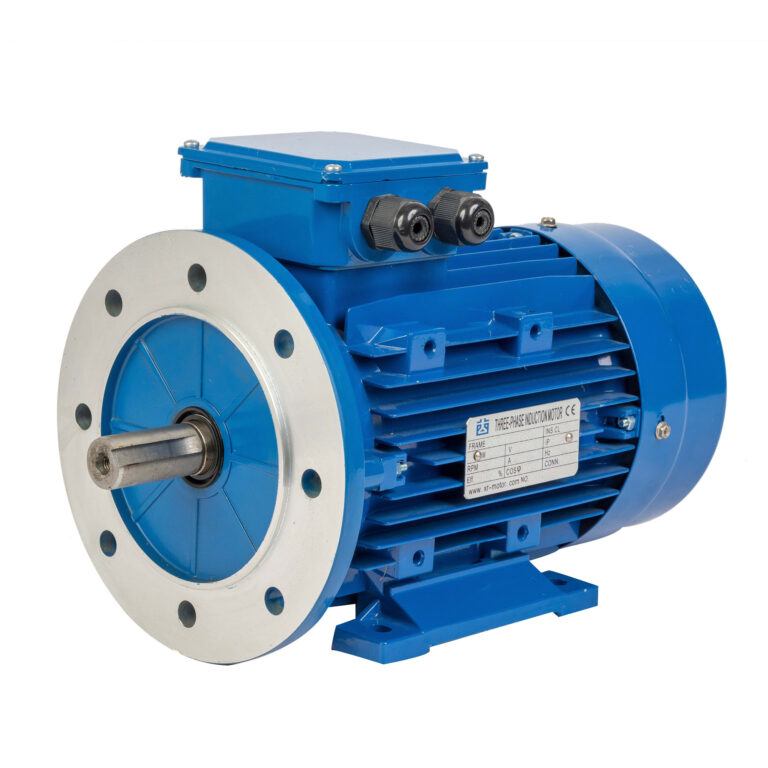
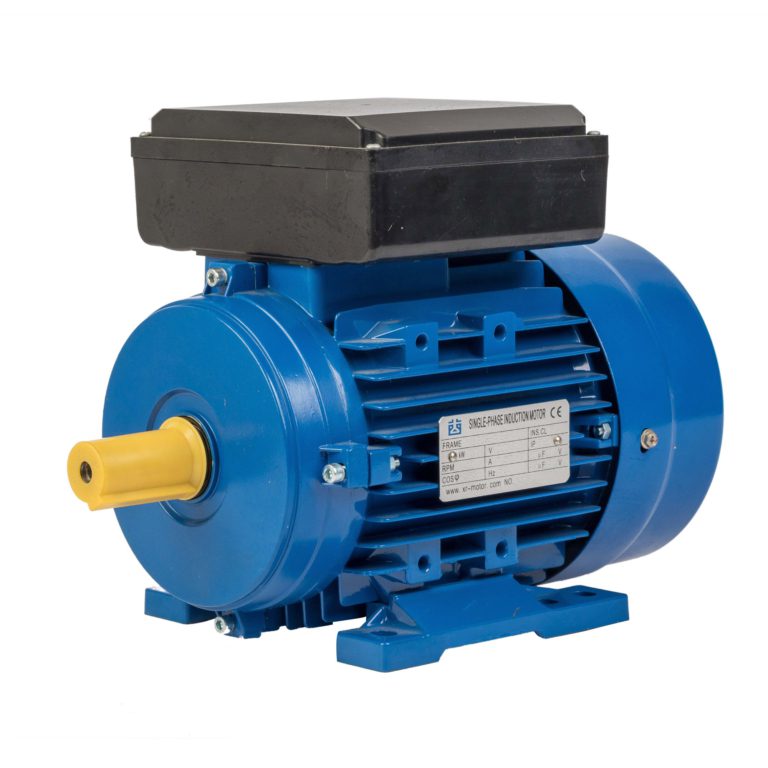
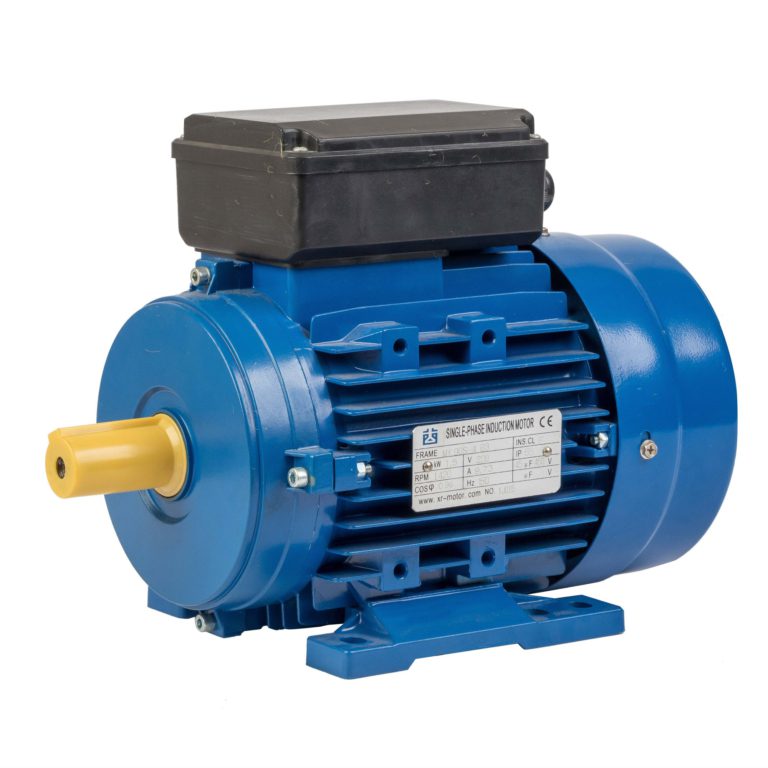
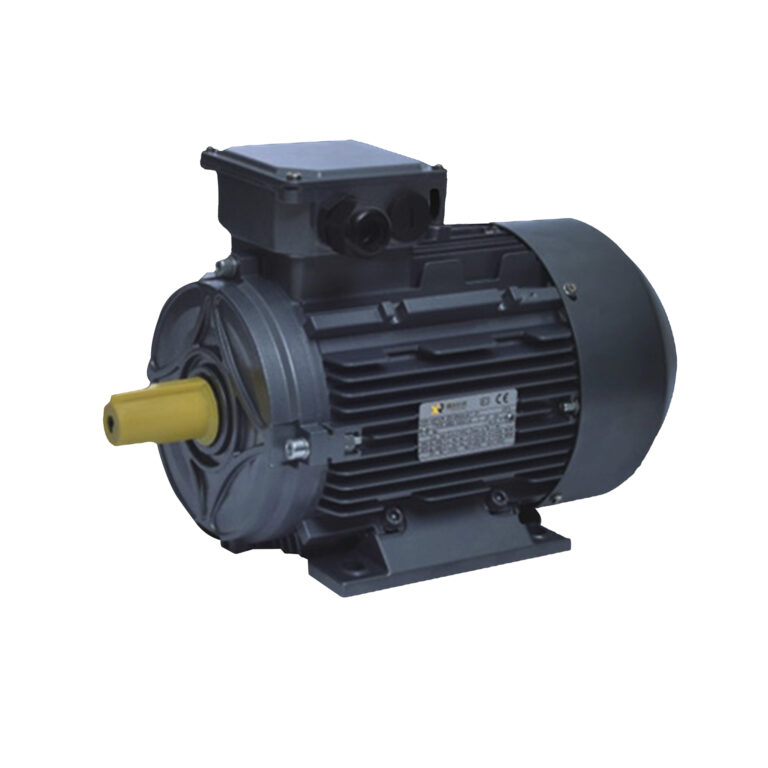
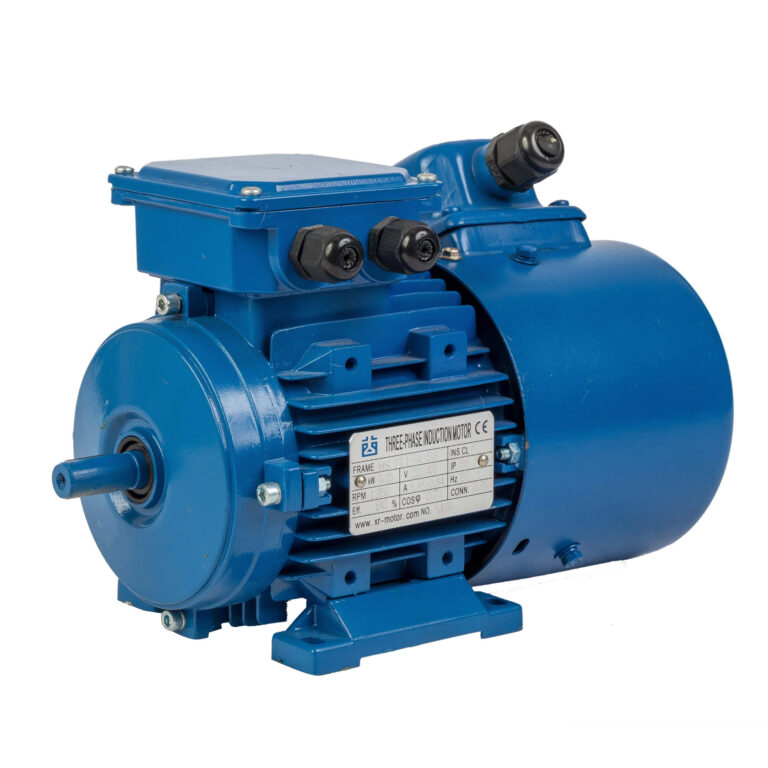
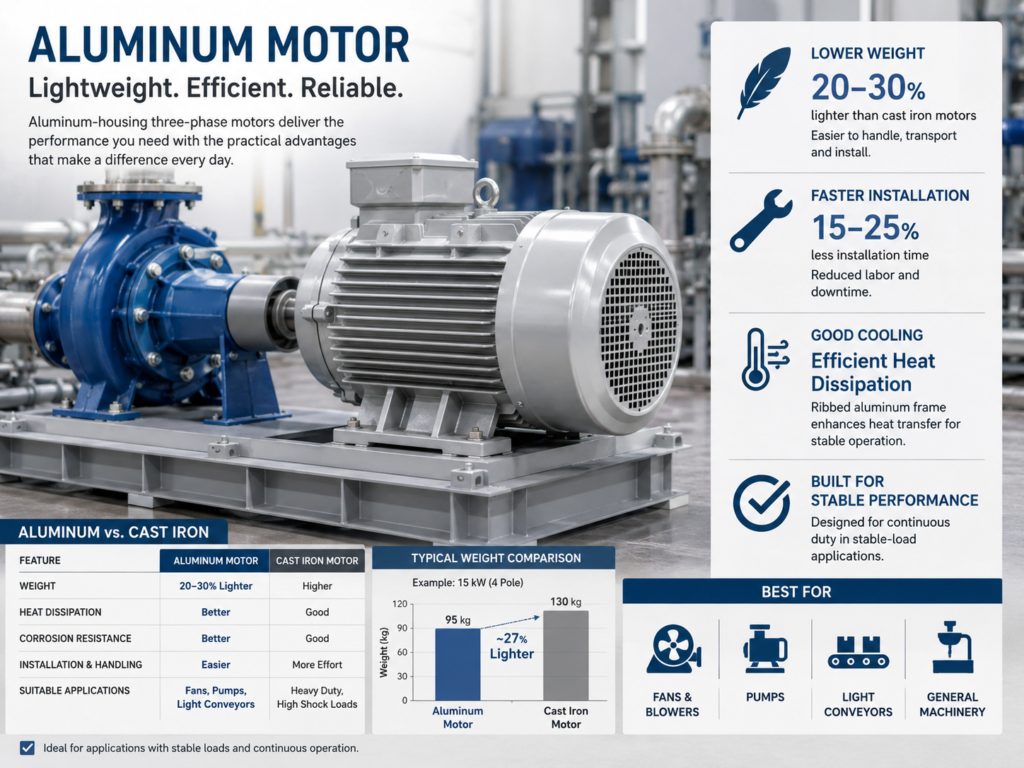
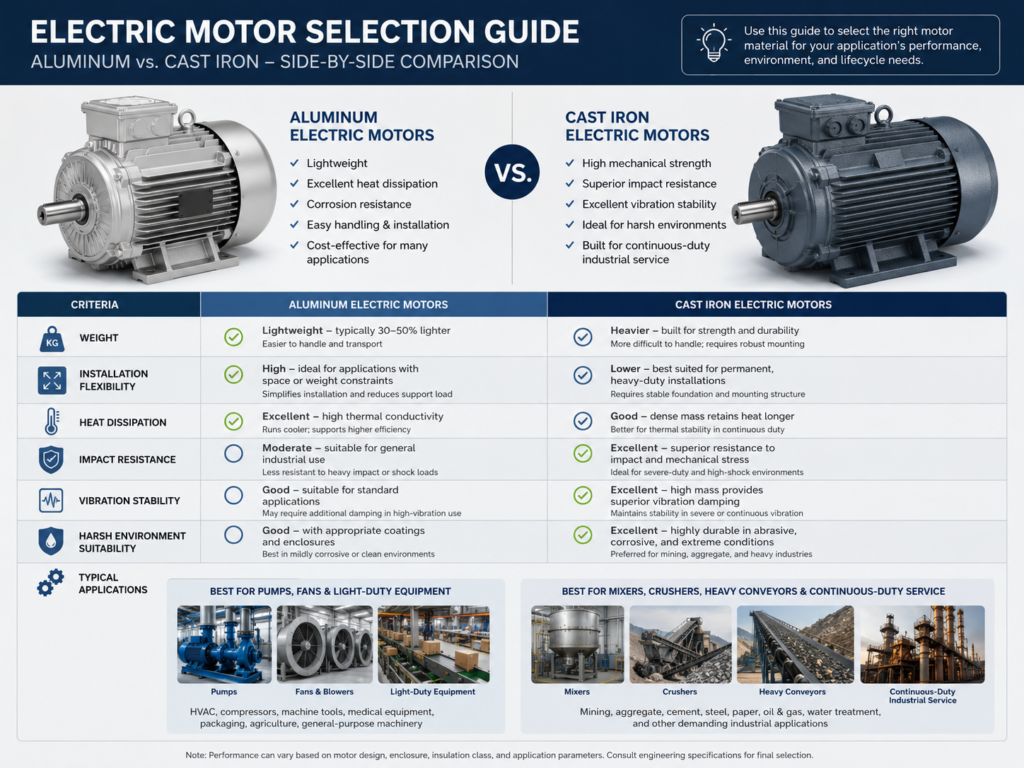
An aluminum motor is generally lighter than an equivalent cast-iron design, making it a practical option for equipment that must be moved, installed frequently, or designed with limited weight capacity. Its housing can also dissipate heat effectively, which suits many indoor applications with stable loads and reasonable ventilation.
Fans, centrifugal pumps, light-duty conveyors, small machinery, and general transmission equipment often work well with this design. In one equipment-selection review, a customer needed to reduce the total weight of a mobile pump skid without changing its operating performance, so we chose an aluminum motor that met the power and protection requirements while making transport and installation easier.
Cast Iron Construction Handles Tougher Industrial Conditions
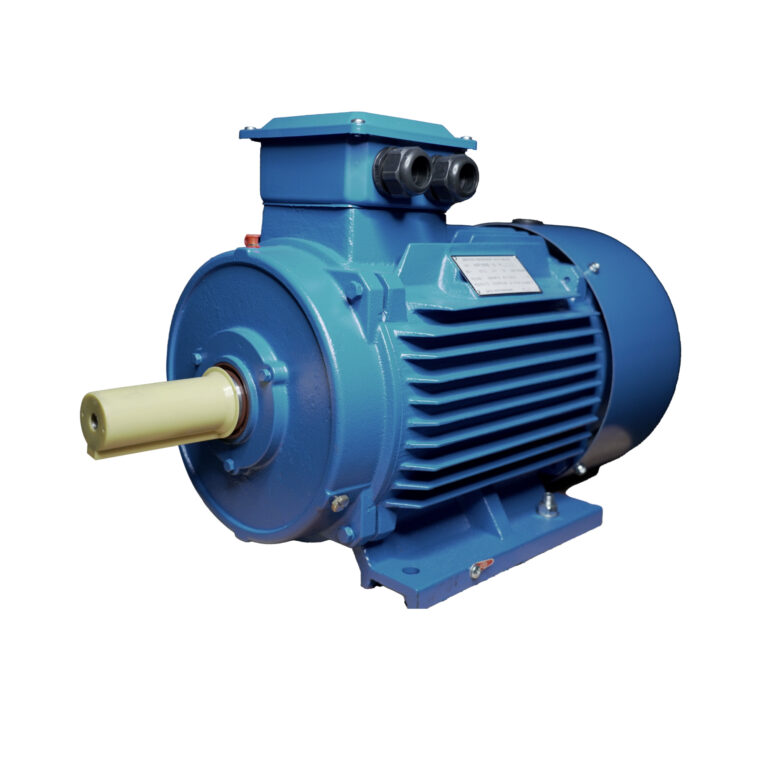
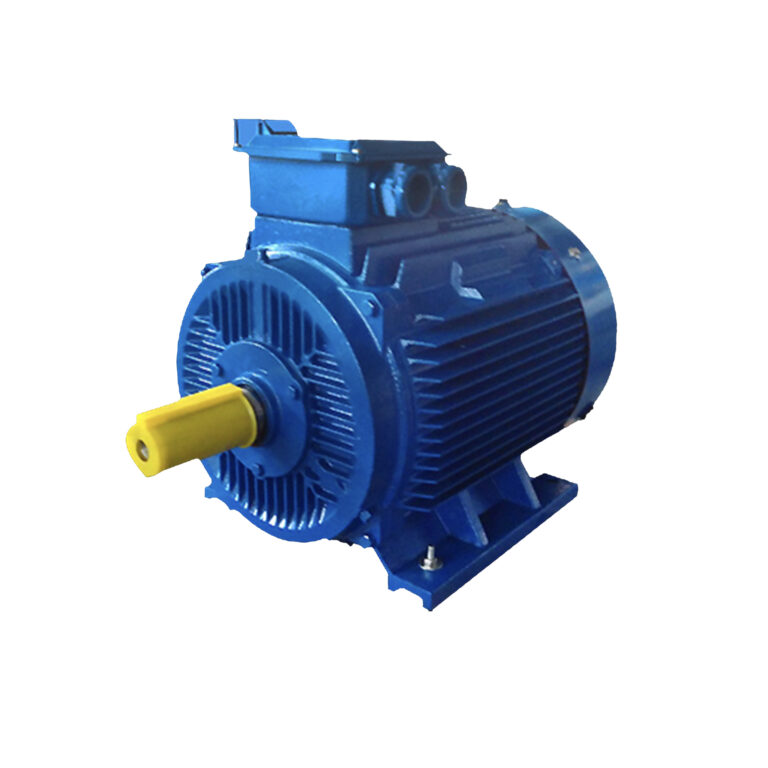
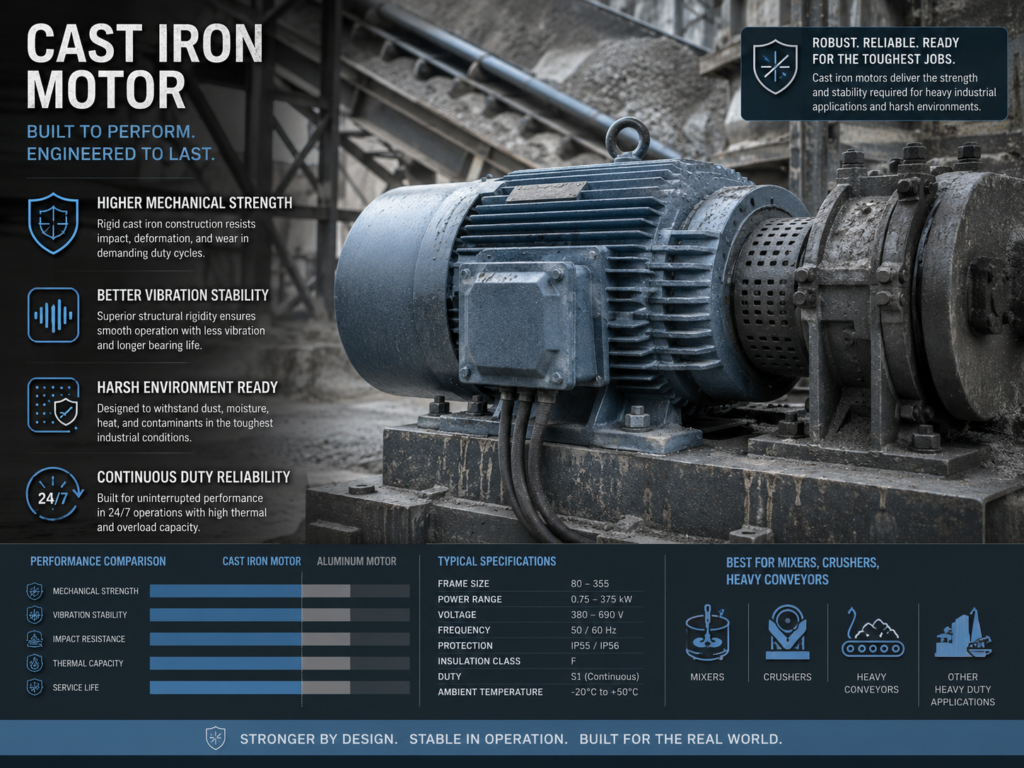
Where equipment starts under load, runs continuously, or experiences obvious shock and vibration, a cast iron motor often offers a more durable mechanical solution. The heavier housing provides stronger resistance to impact and can remain stable in demanding environments such as material handling lines, mixers, crushers, heavy conveyors, and dusty production areas.
I have seen heavy-duty drive systems where the electrical rating appeared correct, yet frequent vibration gradually affected the motor mounting and bearing life. The selected cast iron motor provided a more robust housing for that application, which improved the overall stability of the installation and gave the maintenance team greater confidence during long operating periods.
The Working Environment Can Matter More Than the Housing Material
Housing material is important, but it is only one part of motor reliability. IP protection level, insulation class, cooling method, bearing configuration, efficiency class, ambient temperature, altitude, and actual loading conditions can all have a greater effect on service life.
A light-duty indoor pump may operate reliably with an aluminum housing for years, while a poorly protected motor of any material can fail early in a humid, dusty, or poorly ventilated site. DAYOU MOTOR therefore recommends confirming the full specification before comparing housing materials, especially for equipment intended for continuous industrial service.
Procurement Requirements Should Follow the Real Application
Buyers working with an aluminum motor manufacturer in China should clearly state the installation method, duty cycle, operating environment, weight target, voltage, efficiency class, and required protection level. The same level of detail is necessary when sourcing from a cast iron motor supplier for Middle East industries, where heat, dust, and continuous operation can place greater demands on the motor design.
Application needs also vary across global markets. An aluminum motor for Southeast Asian pump manufacturers may be a sensible solution where compact equipment, efficient transport, and steady-load operation are priorities, while a cast iron motor manufacturer for European OEMs may need to support strict technical documentation, long service expectations, and consistent production quality. An industrial electric motor supplier in South America may also need to provide flexible voltage options and reliable replacement support for mining, agriculture, water treatment, and general manufacturing customers.
An Engineer’s Choice Often Depends on the Risk of Downtime
When I evaluate a project with normal indoor conditions, stable load, and intermittent running hours, an aluminum motor is often the sensible and cost-effective choice. When the machine faces impact loads, frequent starts, visible vibration, poor site conditions, or long periods of uninterrupted work, I usually lean toward a cast iron motor, because the extra mechanical strength can reduce avoidable risk over the motor’s working life.
DAYOU MOTOR can help customers compare these options according to the actual equipment design, rather than assuming that either housing material is universally better.
The Best Motor Is the One That Fits the Whole Job
A properly selected aluminum motor can provide an efficient, lightweight solution for fans, pumps, and other stable-load equipment, while a well-specified cast iron motor is often the stronger choice for harsh environments and demanding industrial duties.
DAYOU MOTOR supports OEMs, distributors, and equipment manufacturers with application-based motor selection, helping each customer choose a housing design that balances performance, durability, installation requirements, and long-term operating cost.