


- Home
- Product
- GOST standard motor
- IEC standard motor
 MC Series single phase capacitor start asynchronous motor
- MY MYT series single phase capacitor running asynchronous motor
- ML Series single phase dual-capacitor asynchronous motor
- ME2 series three phase high efficiency aluminum housing motor(IE2)
- ME3 series three phase high efficiency aluminum housing motor(IE3)
- MS series three-phase aluminum housing motor (IE1)
- Y2 series three phase cast iron motor (IE1)
- YE2 series three phase high efficiency cast iron motor (IE2)
- YE3 series three phase high efficiency cast iron motor (IE3)
- Special application motor
- Rolling door motor
- Industry application
- News
- About us
- Contact us
- Certifications
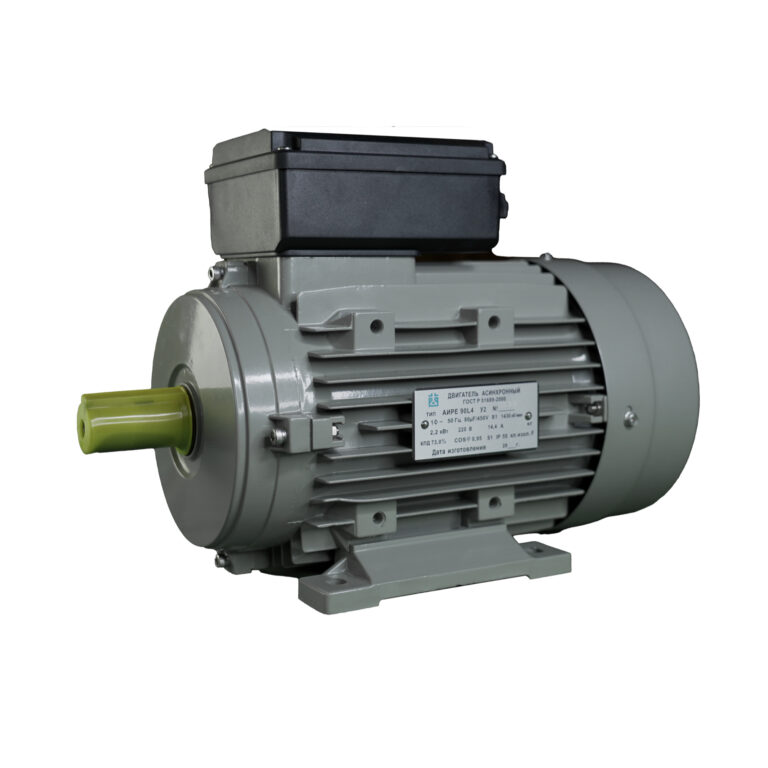
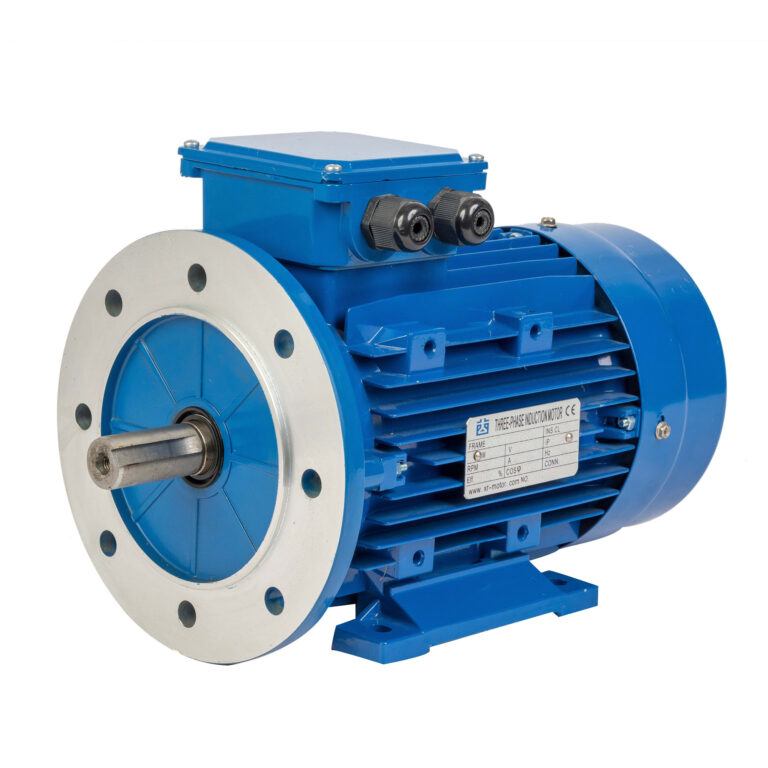
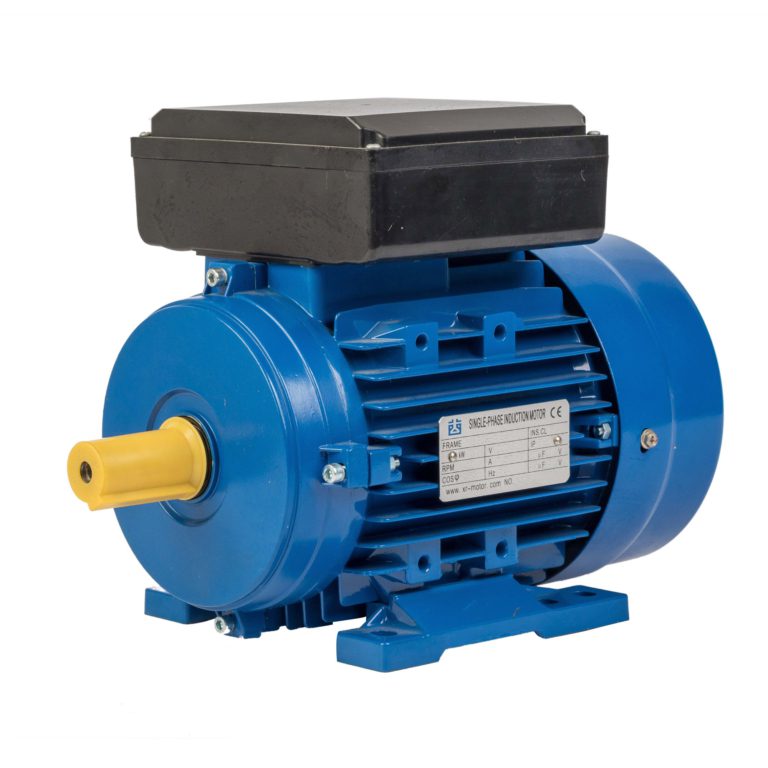
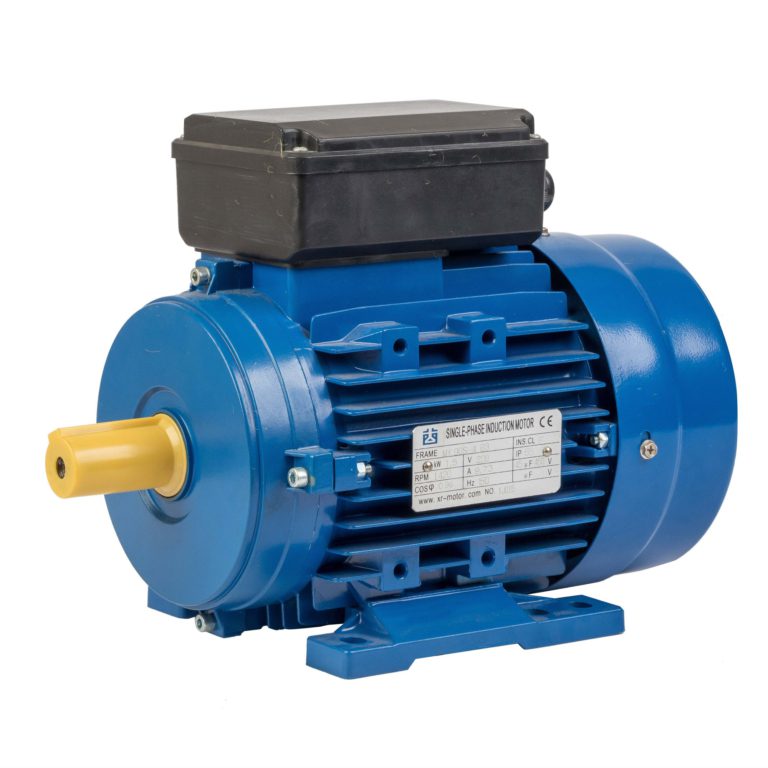
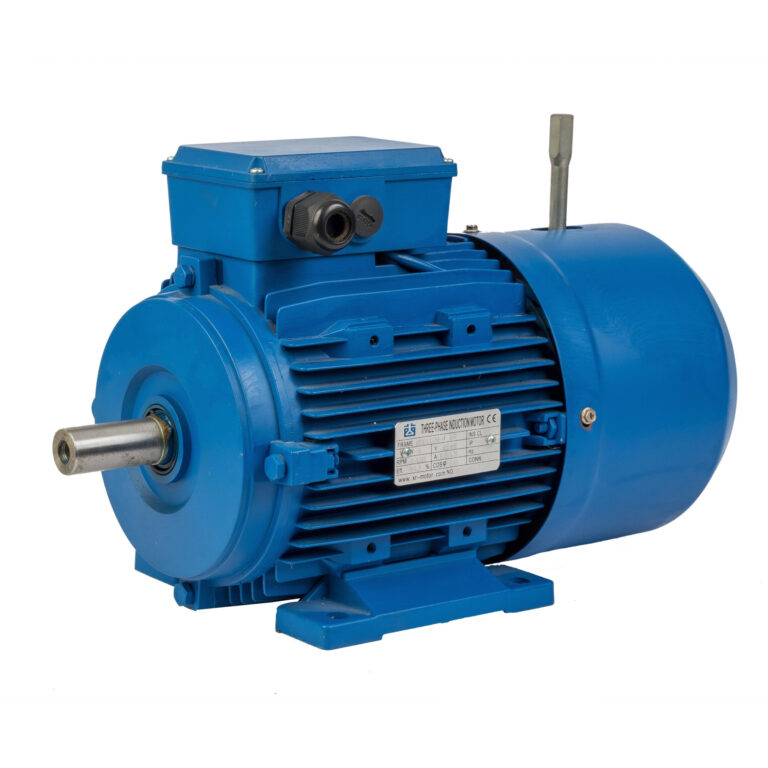
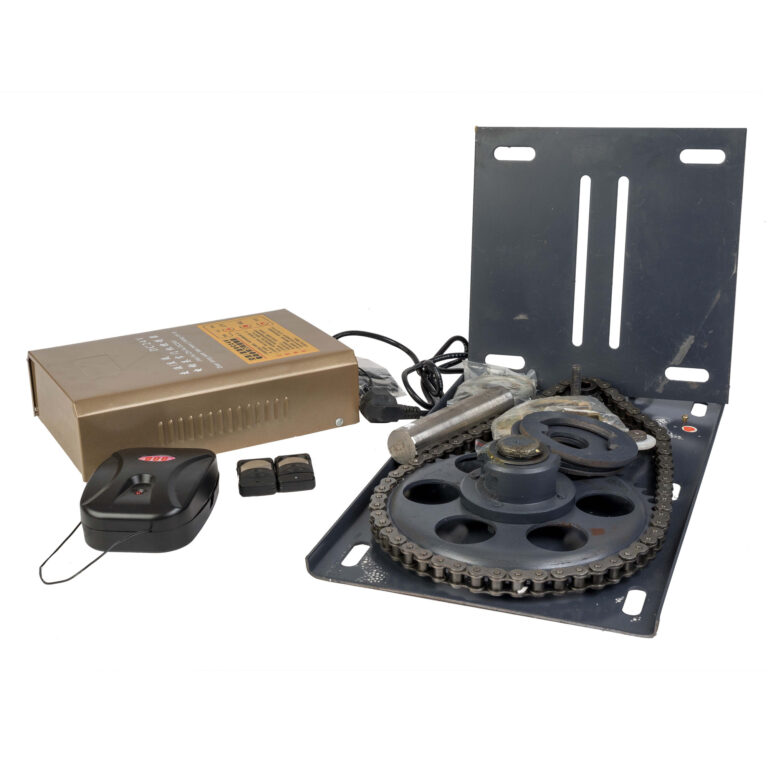
Brake Motor Buying Guide for Industrial Applications
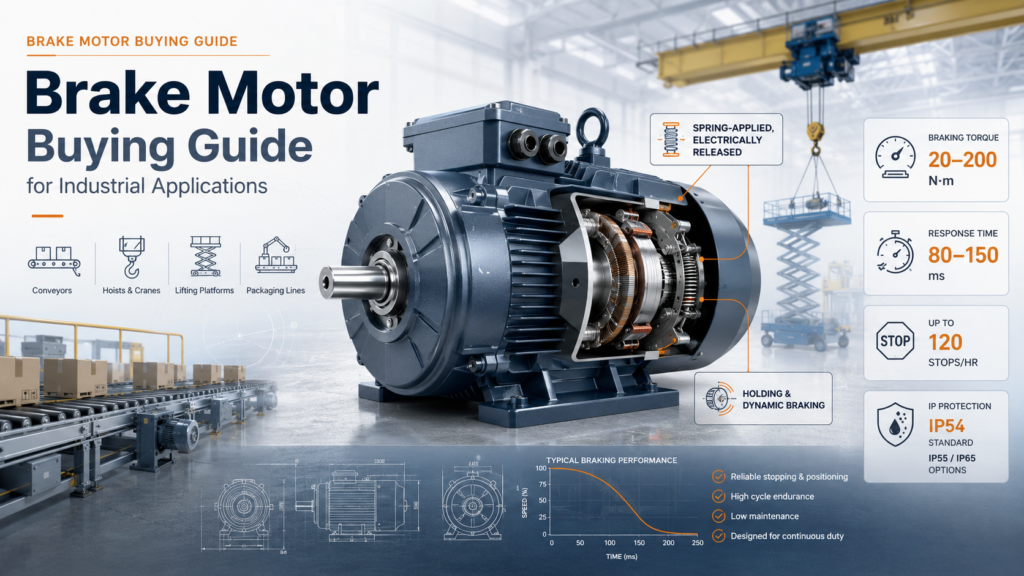
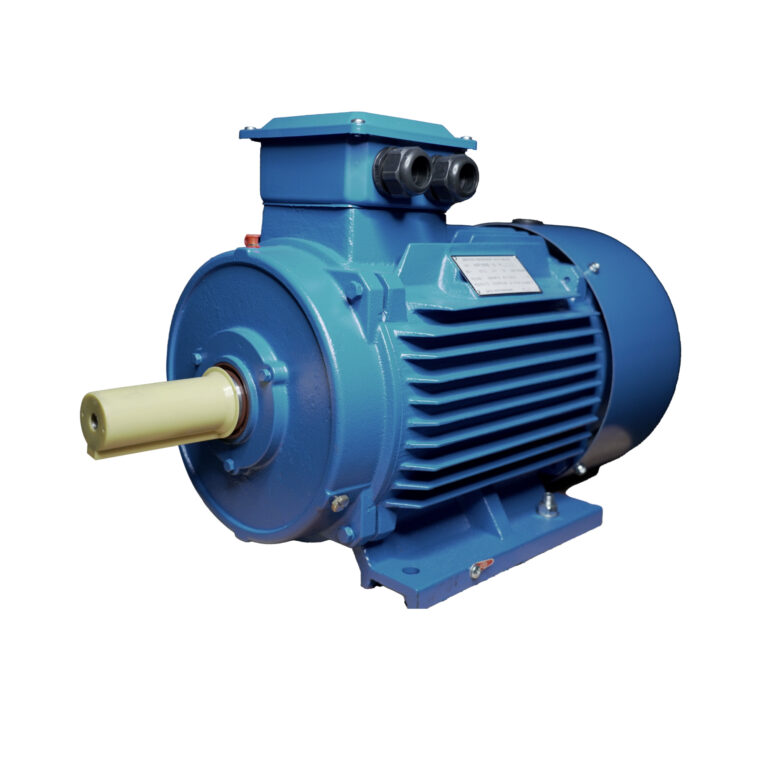
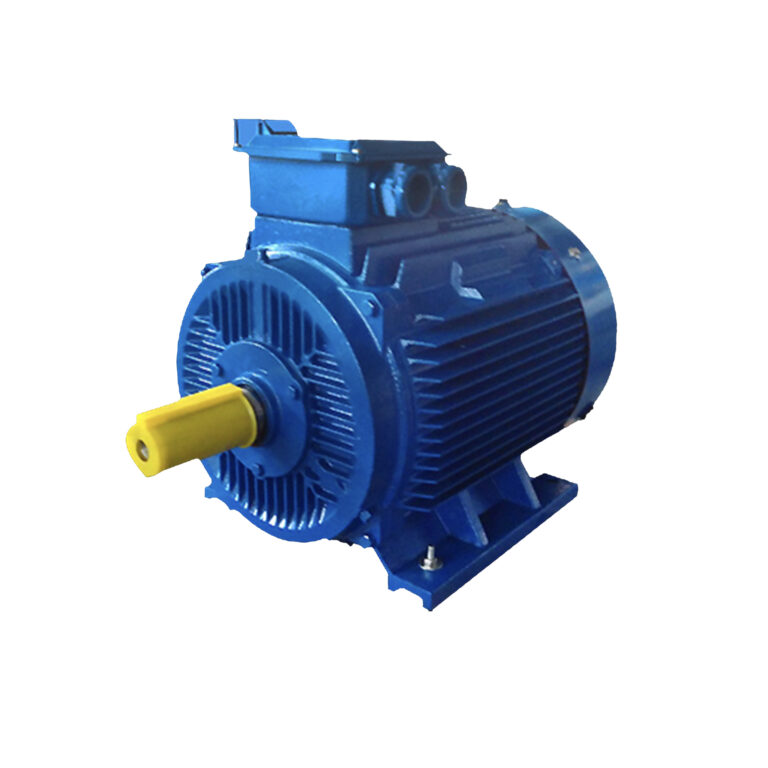
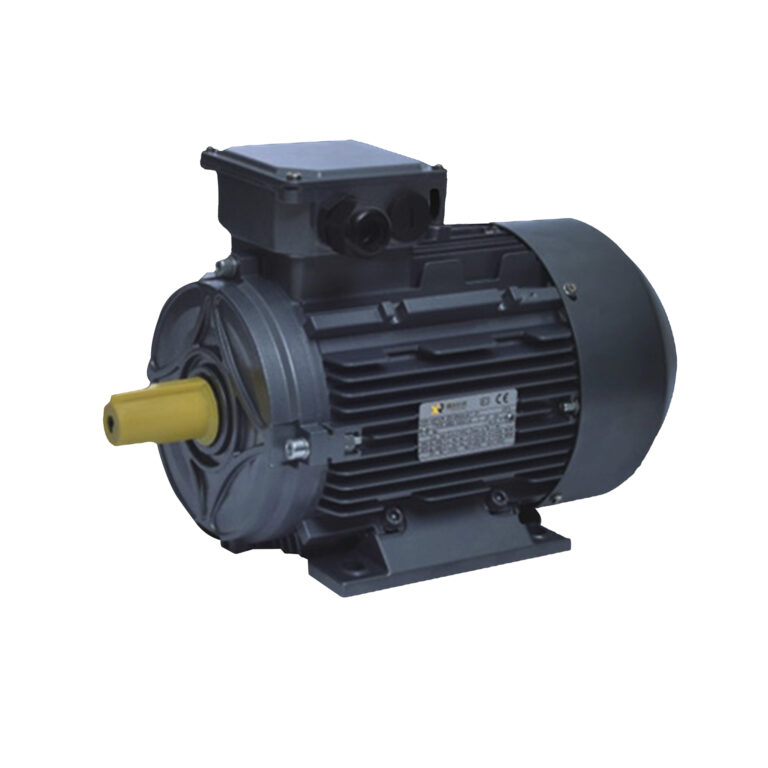
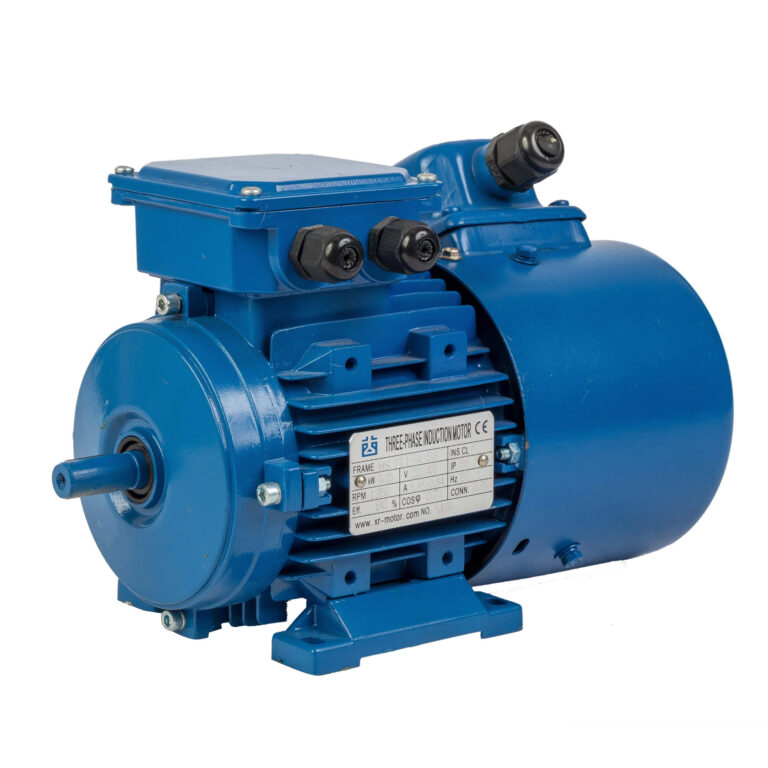
A brake motor combines a motor and mechanical braking system in one assembly. It is widely used in conveyors, lifting plavtforms, cranes, packaging machines, hoists, and automated production lines where controlled stopping or load holding is required.
A properly selected unit must match the load, inertia, stopping frequency, control sequence, and operating environment. DAYOU MOTOR supplies standard and customized motors with spring-applied electromagnetic braking systems for industrial and OEM equipment.
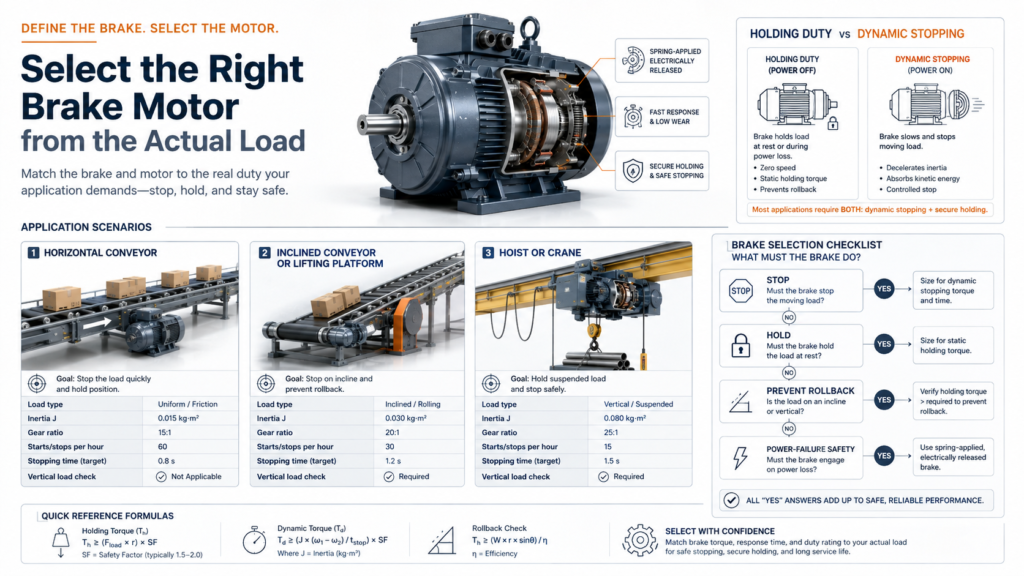
Define what the brake must do
The braking system may be required to stop movement, hold a stationary load, prevent reverse movement, or secure equipment after a power failure.
Holding duty and dynamic stopping are different operating conditions. A holding brake engages after the shaft has stopped and keeps the load in position. A dynamic brake absorbs mechanical energy while the equipment is still moving.
Frequent dynamic stopping generates considerably more heat and friction wear. Buyers should therefore specify whether the brake is used mainly for holding, occasional stopping, or repeated high-frequency braking.
Most industrial designs are spring-applied and electrically released. The brake opens when its coil is energized and closes when power is removed, providing fail-safe holding after a power interruption.
However, a spring-applied design should not automatically be treated as a certified emergency or personnel-safety brake. Hoists, cranes, lifts, and other safety-critical machines may require additional risk assessment, redundancy, monitoring, and compliance with application-specific regulations.
Select the motor from the actual load
An electric brake motor supplier in China for European OEMs should request more than rated power and speed. Accurate selection requires:
- Maximum load and load type
- Motor speed and operating speed
- Direct drive or gearbox transmission
- Gear ratio and transmission efficiency
- Load inertia referred to the motor shaft
- Horizontal, inclined, or vertical movement
- Starts and stops per hour
- Required stopping time or distance
- Duty cycle and operating hours
Motor power must support normal operation, while the braking system must control both load torque and deceleration torque. For vertical equipment, the calculation must also include the direction of gravity and the possibility of an overhauling load.
A motor with brake should not be sized by applying a simple percentage to rated motor torque. The gearbox, coupling, drum, pulley, load direction, inertia, and required safety margin all influence the result.
Choose the correct braking torque
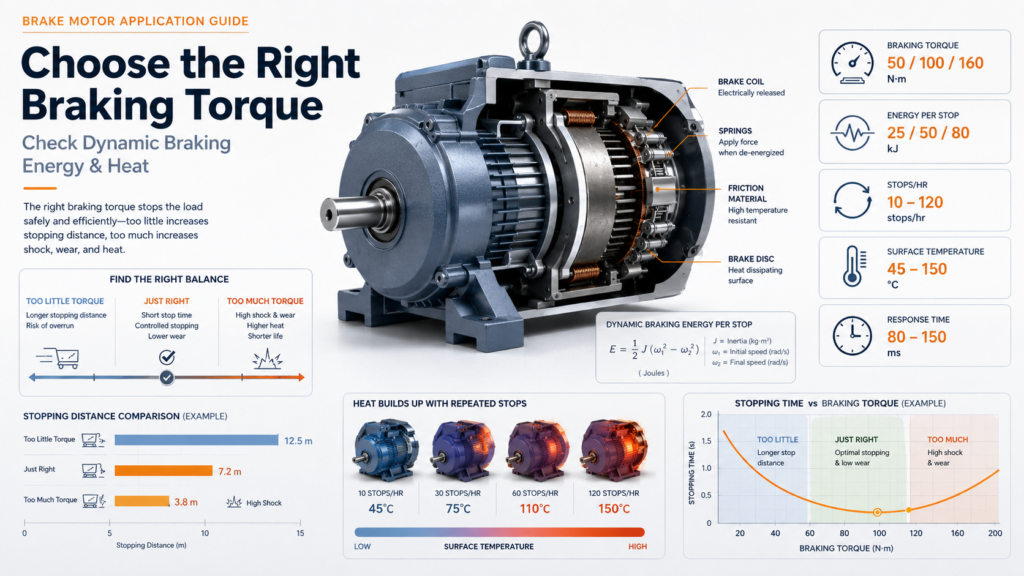
Insufficient torque can increase stopping distance or allow the load to move after stopping. Excessive torque can produce harsh engagement, damage couplings and gearboxes, and accelerate friction-lining wear.
A three phase brake motor for Southeast Asian conveyor systems should be selected according to conveyor load, gearbox ratio, belt speed, starting method, and stopping frequency. A lightly loaded horizontal conveyor usually has different braking requirements from an inclined conveyor carrying material.
The supplier should confirm:
- Rated braking torque and tolerance
- Available torque adjustment range
- Minimum holding torque
- Maximum permissible braking energy
- Maximum operating frequency
- Brake release and engagement times
- Air-gap adjustment limits
- Manual release availability
Where positioning accuracy matters, response-time consistency can be as important as the nominal torque value.
Check dynamic braking energy and heat
Every dynamic stop converts part of the moving system’s mechanical energy into heat. Higher speed, greater inertia, shorter stopping time, and more frequent operation all increase thermal stress.In this equation, An industrial brake motor for Middle East lifting equipment must be checked for both torque and thermal capacity, especially where high ambient temperatures reduce cooling performance. Confirming torque alone does not prove that the friction system can survive repeated stopping.
Excessive heat can reduce braking force, accelerate lining wear, damage the coil, and shorten maintenance intervals. The supplier should therefore receive the energy per stop, stops per hour, and complete operating cycle.
Match the coil and control power
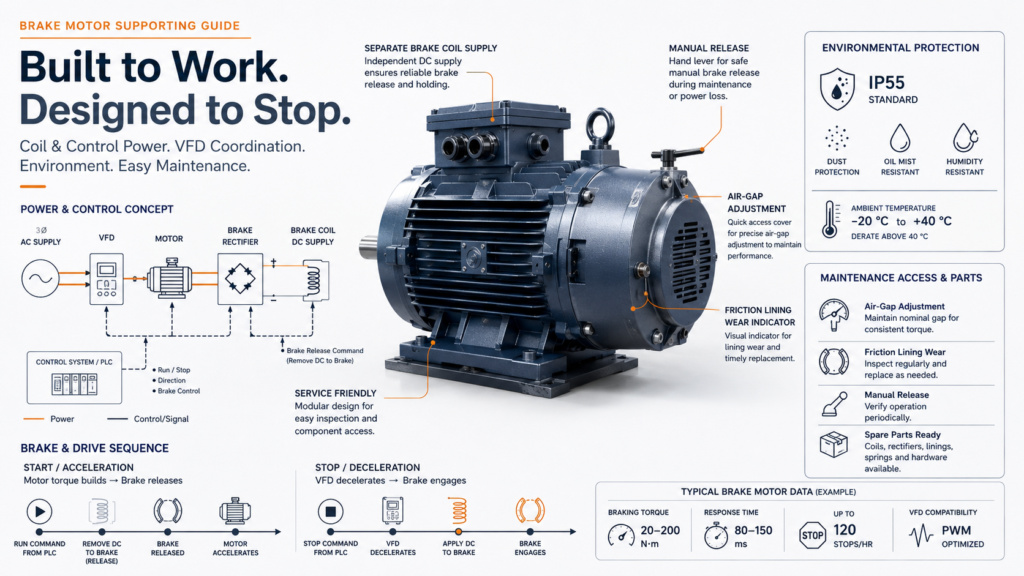
Brake coils may use AC or DC power. Some assemblies accept an AC input but use a rectifier to supply a DC coil, so the purchase specification should identify:
- Motor voltage and frequency
- Motor winding connection
- Brake coil voltage
- Rectifier type and location
- Control voltage
- Required release and engagement times
- AC-side or DC-side switching
An electromagnetic brake motor for African packaging machines should also be checked against local voltage stability and control-panel design. Incorrect coil voltage may cause slow release, overheating, noise, or failure to disengage fully.
For faster engagement, some systems use DC-side switching or a rapid rectifier. These arrangements should be confirmed with the supplier because they affect wiring, response time, and contact selection.
Coordinate the brake with a VFD
When the motor is controlled by a VFD, the brake coil normally requires a separate fixed power supply. Connecting it directly to the variable-frequency output can prevent correct release or engagement.
The control sequence should allow the motor to develop sufficient torque before the brake releases. During stopping, the drive should reduce speed before the mechanical brake engages, unless the application has been designed for dynamic mechanical stopping.
A VFD braking resistor and a mechanical holding brake perform different tasks. The resistor helps the drive manage regenerated electrical energy, while the mechanical unit holds the shaft or load after stopping.
Match protection to the environment
Dust, water, oil, salt air, corrosion, and extreme temperatures can affect the motor and friction components. The enclosure rating of the motor body does not always mean that the braking section has the same protection.
An IE3 brake motor for South American automation projects may require protection against humidity, dust, condensation, or corrosive cleaning agents, depending on the installation.
Before ordering, confirm:
- Motor and braking-section protection levels
- Insulation class and permitted temperature rise
- Ambient temperature and altitude
- Indoor or outdoor installation
- Dust, water, oil mist, and corrosive gases
- Anti-condensation heaters or thermal sensors
- Hazardous-area classification when applicable
Open friction assemblies should not be exposed directly to rain, heavy dust, oil contamination, or washdown conditions without suitable protection.
Verify mounting and maintenance access
Replacement projects require checks of the frame size, mounting type, shaft diameter, shaft extension, keyway, flange, terminal-box position, and cable direction.
Encoders, independent cooling fans, manual release levers, and protective covers may increase the overall length. Sufficient space must be available for installation, adjustment, and friction-lining replacement.
Because the friction lining is a wear component, buyers should also review:
- Air-gap inspection and adjustment
- Lining replacement procedure
- Wear indication or monitoring
- Required tools
- Spare coil and rectifier availability
- Recommended inspection interval
- Manual release operation
For continuous production lines, ordering essential spares with the original equipment can reduce future downtime.
Request complete technical documents
A qualified supplier should provide more than a catalogue page. The quotation and technical approval package should include:
Item | Required information |
Application | Conveyor, hoist, lift, packaging machine, or other equipment |
Load | Maximum load, torque, direction, and inertia |
Motor | Power, speed, voltage, frequency, and duty |
Braking requirement | Holding or dynamic duty, stopping time, and frequency |
Transmission | Direct drive, gearbox ratio, and efficiency |
Mounting | B3, B5, B14, B35, shaft dimensions, and orientation |
Control | Direct start, soft starter, or VFD |
Environment | Temperature, altitude, humidity, dust, and corrosion |
Options | Encoder, fan, heater, manual release, or explosion protection |
Commercial terms | Quantity, delivery, warranty, inspection, and spare parts |
The supplier should also state the complete model, torque, permitted braking energy, response times, coil voltage, wiring diagram, dimensions, maintenance instructions, and inspection documents.
If a model is recommended without information about load inertia, stopping frequency, and required stopping time, the selection basis should be reviewed before approval.
Frequently asked questions
Is higher braking torque always better?
No. Excessive torque can create mechanical shock and increase wear. The selected value should stop or hold the load safely without overstressing the drivetrain.
Can the brake coil connect to the VFD output?
Normally it should have a separate fixed supply. Its operation must be coordinated with the VFD through the control circuit and correct release and engagement timing.
What spare parts should be ordered?
Common service parts include friction linings, rectifiers, coils, springs, and seals. The exact list depends on the design and maintenance conditions.
Can a standard industrial design be used on a hoist?
Only after the complete lifting application and applicable safety requirements have been evaluated. Personnel lifting and other high-risk equipment may require certified, monitored, or redundant braking arrangements.
Select for the complete operating cycle
Reliable stopping depends on more than motor power and nominal braking torque. Load direction, inertia, thermal capacity, response time, control logic, protection, and maintenance access must all be considered.
DAYOU MOTOR supplies braked motors with different powers, voltages, mounting arrangements, torque options, protection levels, and accessories. Providing complete load and operating data allows the motor-and-brake assembly to be selected for dependable long-term service.