


- Home
- Product
- GOST standard motor
- IEC standard motor
 MC Series single phase capacitor start asynchronous motor
- MY MYT series single phase capacitor running asynchronous motor
- ML Series single phase dual-capacitor asynchronous motor
- ME2 series three phase high efficiency aluminum housing motor(IE2)
- ME3 series three phase high efficiency aluminum housing motor(IE3)
- MS series three-phase aluminum housing motor (IE1)
- Y2 series three phase cast iron motor (IE1)
- YE2 series three phase high efficiency cast iron motor (IE2)
- YE3 series three phase high efficiency cast iron motor (IE3)
- Special application motor
- Rolling door motor
- Industry application
- News
- About us
- Contact us
- Certifications
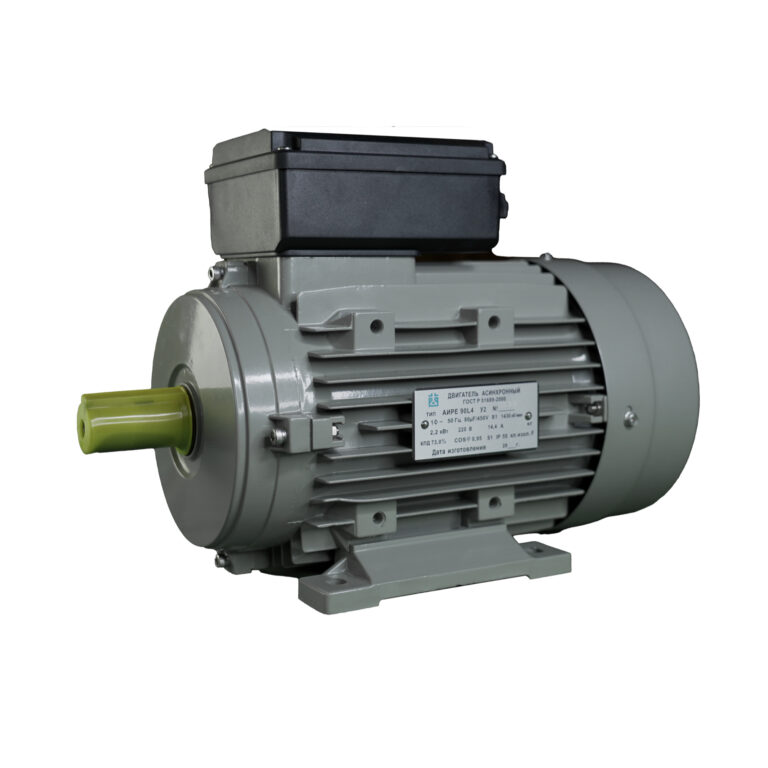
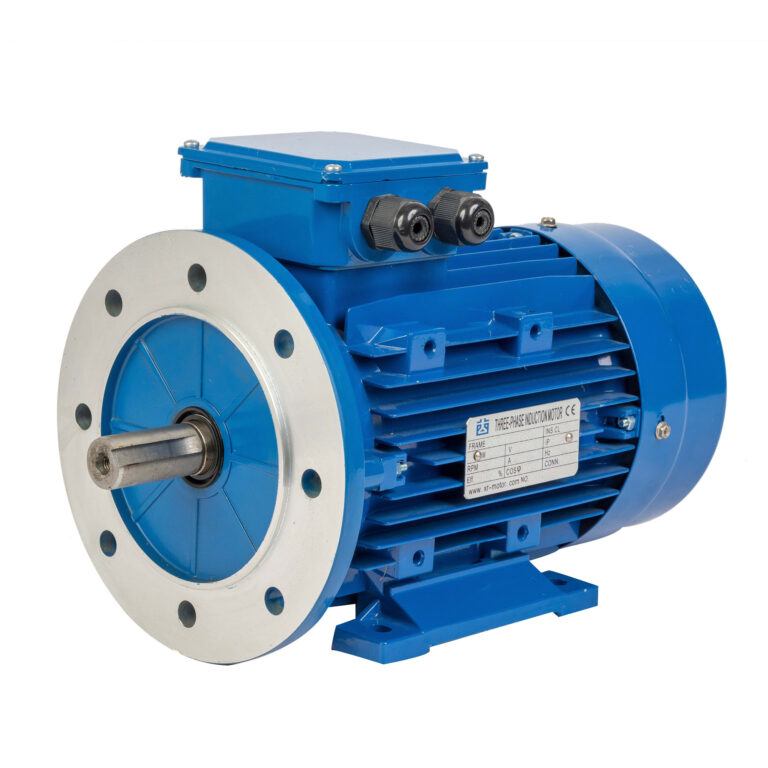
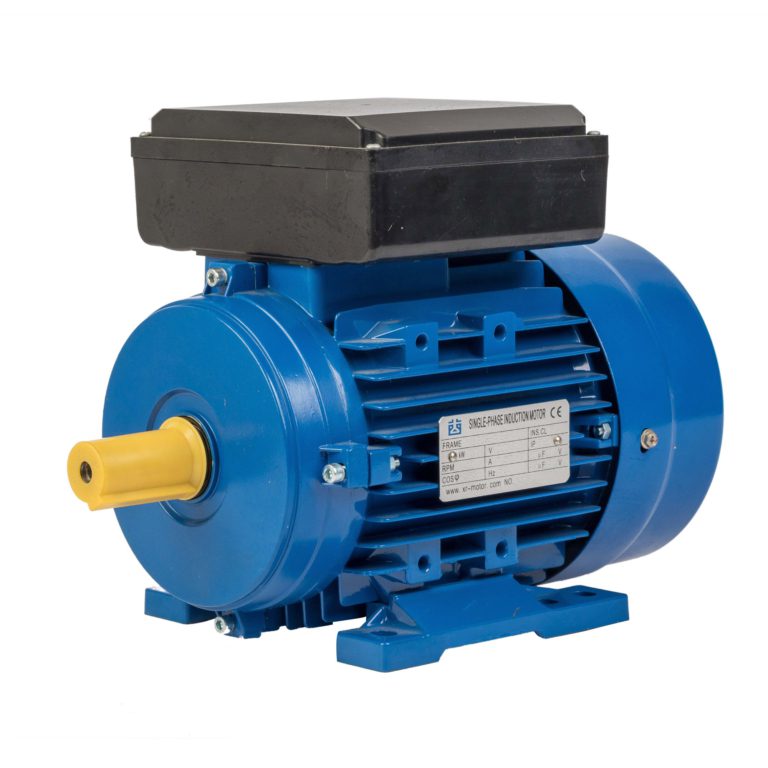
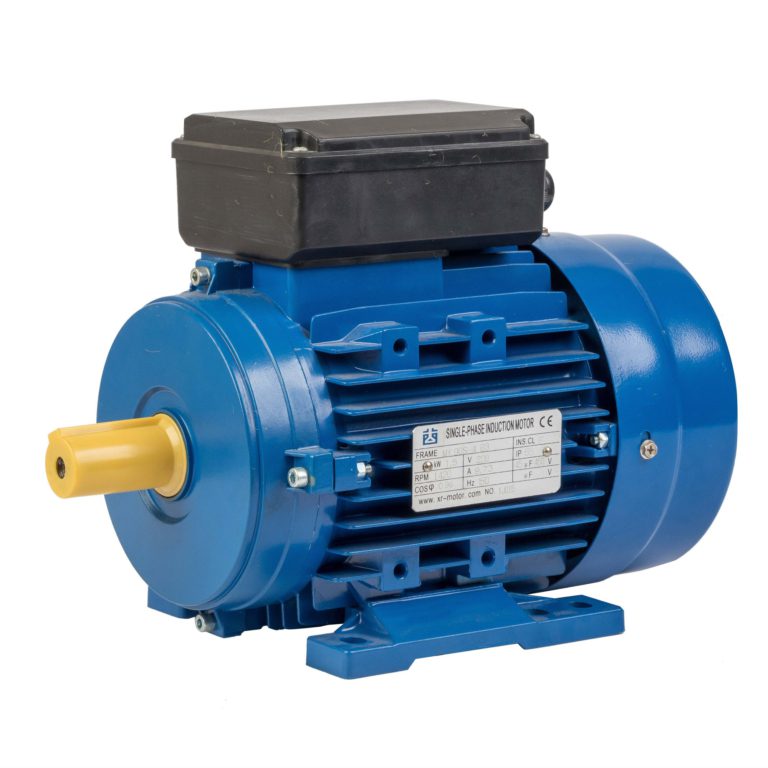
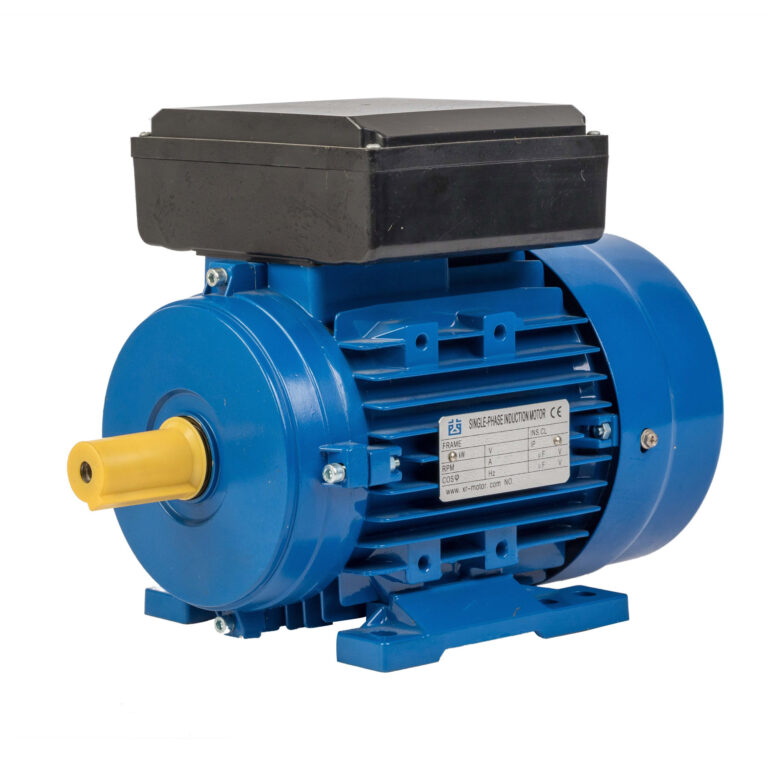
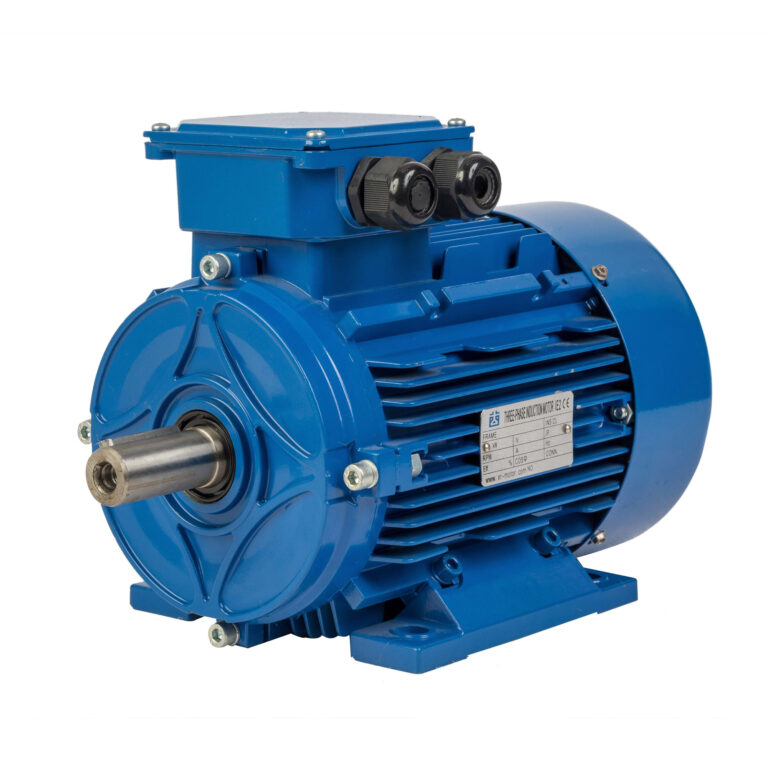
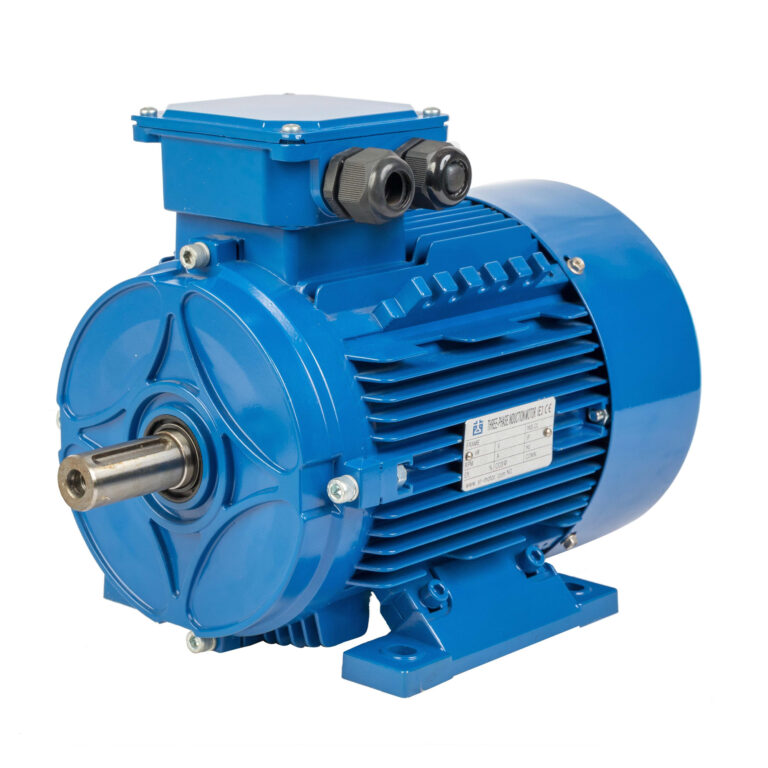
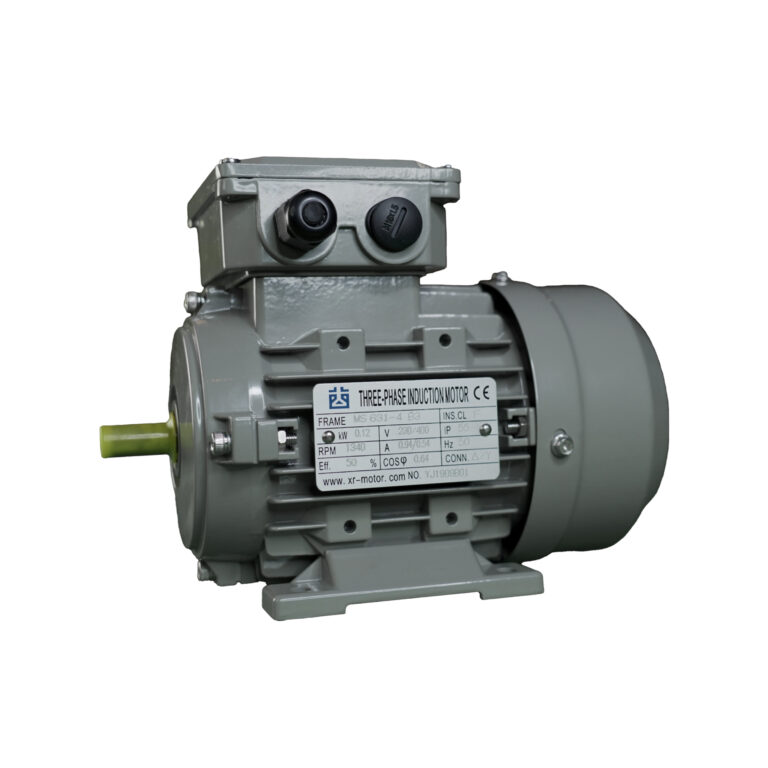
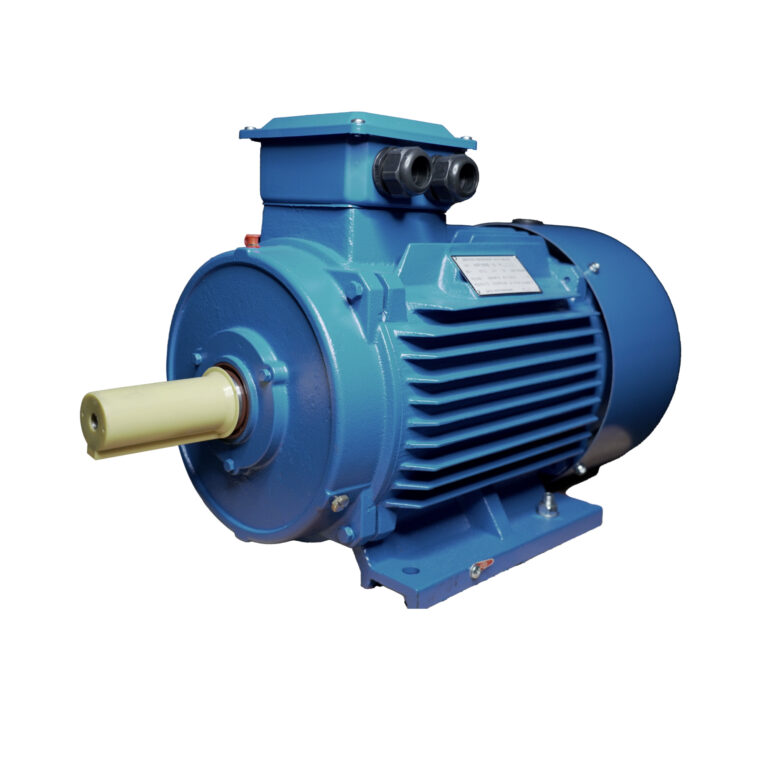
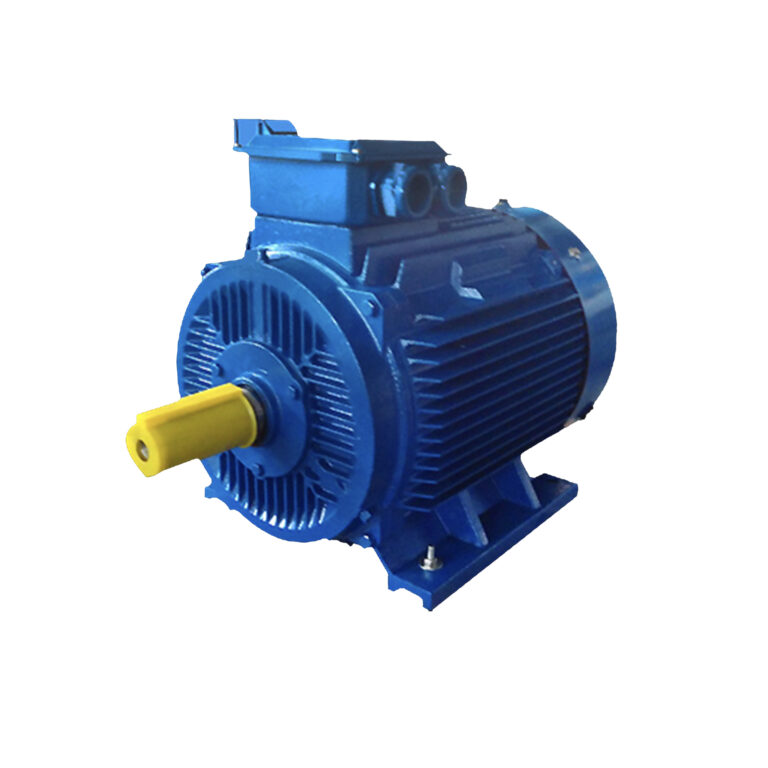
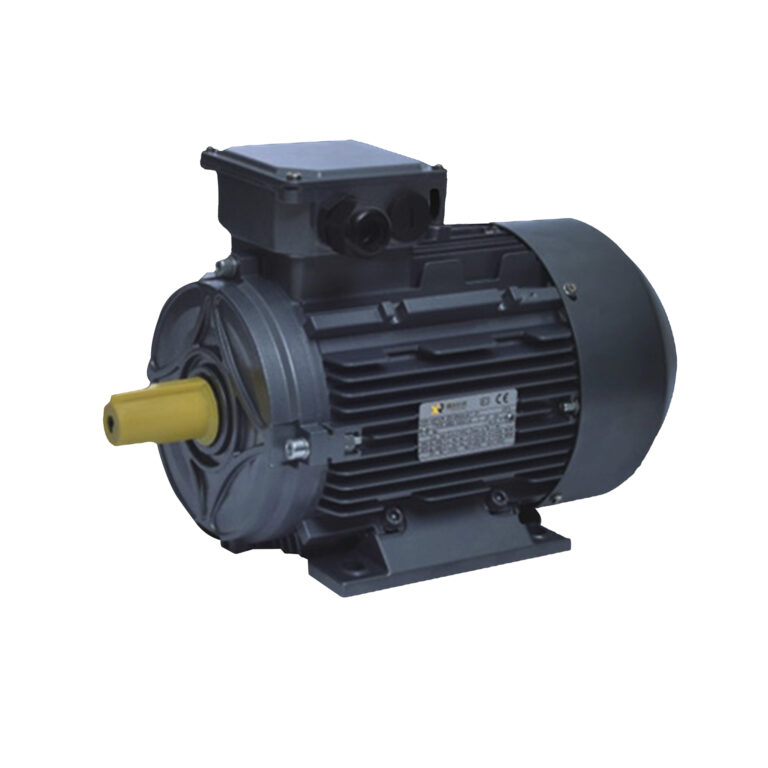
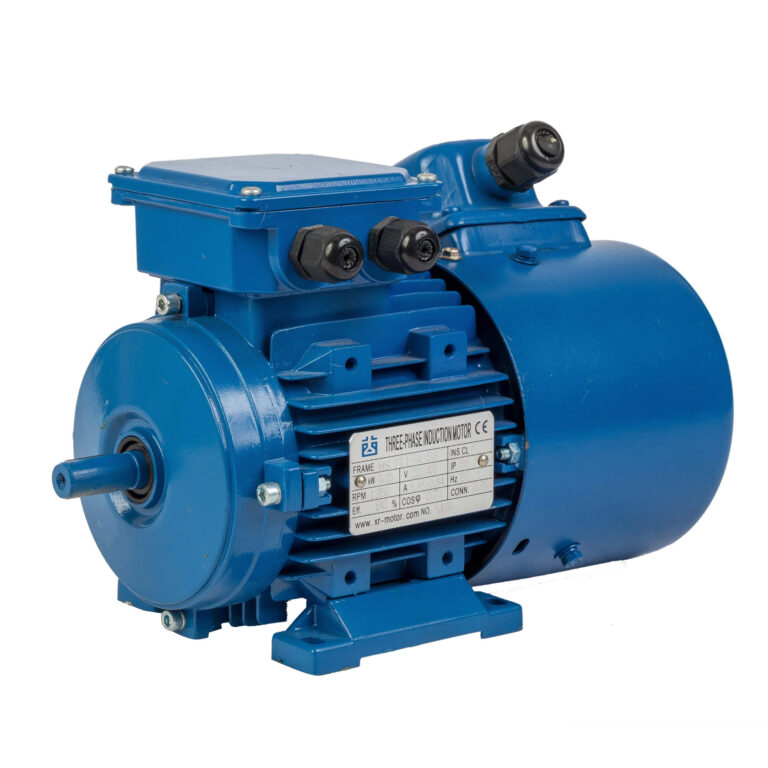
How to Choose a Squirrel Cage Induction Motor for Industrial Equipment
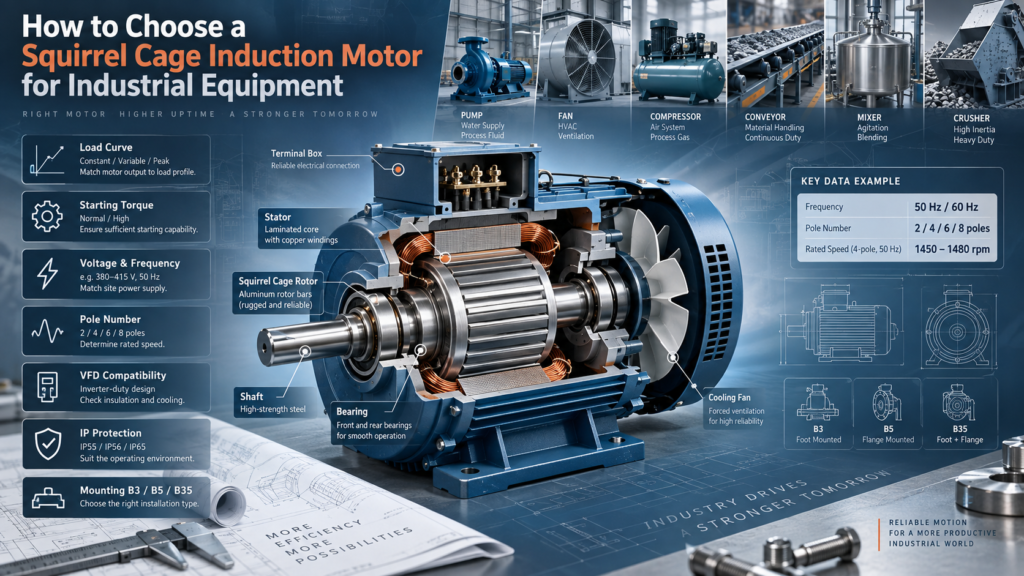
Squirrel cage induction motors are used in pumps, fans, compressors, conveyors, mixers, crushers, and machine tools. Their simple rotor construction, dependable performance, and limited maintenance needs make them a practical choice for many industrial applications.
Still, rated power is only one part of the selection process. To choose a squirrel cage induction motor properly, buyers also need to review the load curve, starting conditions, power supply, operating schedule, installation environment, and mechanical connection.
DAYOU MOTOR supplies standard and customized cage motors for industrial equipment and OEM projects.
Start with the actual load
The driven machine determines the motor’s real requirements. A centrifugal pump, loaded conveyor, crusher, or reciprocating compressor may have very different starting and running demands, even if their rated power appears similar.
Before asking for a quotation, prepare the following information:
- Equipment type
- Maximum shaft power
- Running and starting torque
- Load inertia
- Required acceleration time
- Number of starts and stops per hour
- Continuous or intermittent duty
- Direct, belt, coupling, or gearbox drive
- Normal and maximum operating speed
- Expected load variation
A squirrel cage motor supplier in China for European OEM equipment should examine these conditions before suggesting a frame size or motor series.
Match power with torque
Engineers should choose squirrel cage induction motor power based on the highest expected shaft load, transmission losses, duty cycle, and reasonable operating margin.
The same margin does not suit every application. A stable centrifugal pump may need only a modest allowance, while a crusher, mixer, or loaded conveyor may require stronger overload and starting capability.
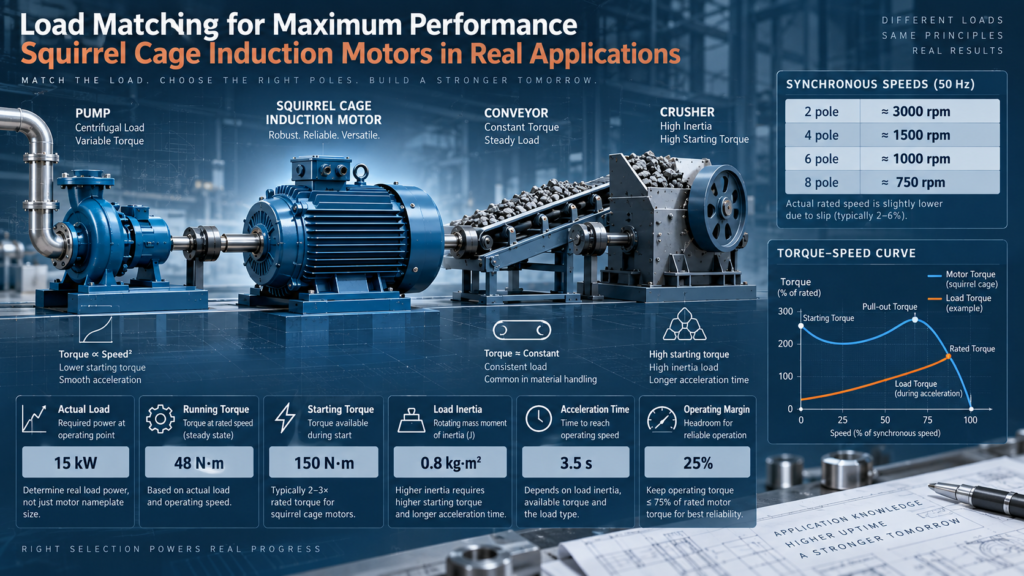
Rated shaft torque can be estimated from motor power and actual speed. This gives an approximate running-torque value, not the starting torque. The motor’s torque-speed curve should still be checked against the load torque during the entire acceleration period.
Oversizing is not always a safe solution. If a motor runs continuously at a very light load, efficiency and power factor may fall, while the purchase price, weight, and installation requirements increase.
Select the right speed and pole number
When buyers choose squirrel cage induction motor speed, they should separate synchronous speed from the actual rated shaft speed.
At 50 Hz, two-pole motors have a synchronous speed of about 3000 revolutions per minute and are often used for high-speed pumps, fans, and machinery. Four-pole motors have a synchronous speed near 1500 revolutions per minute and are common in general industrial equipment. Six-pole motors run at about 1000 revolutions per minute synchronously and are suitable for lower-speed, higher-torque applications. Eight-pole motors operate at roughly 750 revolutions per minute and are used for slow-speed machinery.
An induction motor needs slip to produce torque, so its rated shaft speed is slightly below synchronous speed. Depending on the motor size and design, a four-pole model may run at approximately 1450 to 1480 revolutions per minute under rated load.
For the same output power, a lower-speed motor delivers more rated shaft torque. However, this does not necessarily mean it has higher starting torque, which depends on the electromagnetic design and rotor construction.
Check starting performance
When teams choose squirrel cage induction motor starting performance, they should compare the motor torque and load torque from standstill through the acceleration period.
Standard cage motors are often suitable for pumps, fans, and machines that start with a relatively light or manageable load. Deep-bar and double-cage rotor designs can offer a better balance between starting torque and starting current, making them more suitable for demanding equipment.
A high starting torque motor for African mining machinery may need to start a loaded crusher or conveyor while connected to a power system with limited capacity. For this type of application, the complete torque-current curve is more useful than a general statement that the motor is designed for heavy duty.
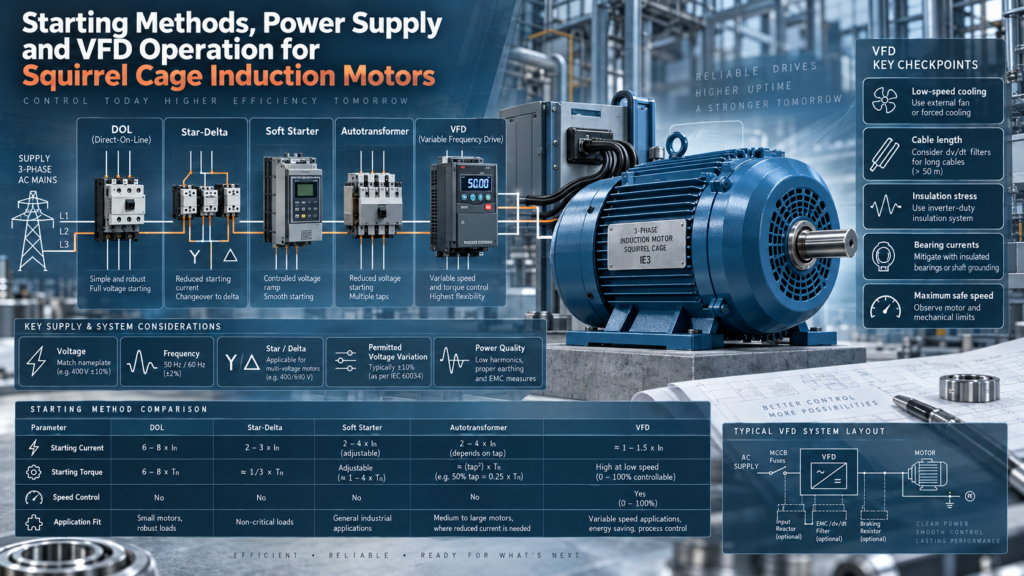
Common starting methods include direct-on-line starting, star-delta starting, soft starters, autotransformers, and variable frequency drives.
Direct-on-line starting is simple, but it can draw a high current. Star-delta starting lowers both starting current and starting torque. A soft starter provides smoother acceleration and helps reduce mechanical shock. An autotransformer applies reduced voltage during the starting stage. A VFD controls frequency, voltage, speed, and acceleration.
Star-delta starting requires the correct winding connection and sufficient torque to accelerate the load. A soft starter reduces electrical and mechanical stress, but it normally does not provide continuous speed control.
Confirm voltage, frequency, and connection
The motor nameplate must correspond to the actual power supply. Check the following details:
- Three-phase supply voltage
- 50 Hz or 60 Hz frequency
- Permitted voltage variation
- Star or delta connection
- Rated current
- Available starting capacity
- Supply imbalance and power quality
A 400 V, 50 Hz motor cannot automatically replace a 460 V, 60 Hz motor simply because the power ratings are similar. Frequency affects speed, while voltage and winding connection influence magnetic loading, current, torque, and temperature.
Compare efficiency over the service life
Plants should choose squirrel cage induction motor efficiency by considering annual operating hours, actual load, electricity prices, and destination-market requirements.
An IE3 induction motor for Middle East pumping systems may lower lifecycle energy costs when the pump operates for long periods. However, the evaluation should also include high ambient temperature, voltage conditions, and the pump’s actual operating point.
IE3 or IE4 does not make the entire system efficient by itself. Poor pump selection, throttling losses, an oversized motor, incorrect belt tension, or long periods of light-load operation may waste more energy than the motor efficiency difference saves.
Useful comparison points include:
- Full-load and part-load efficiency
- Power factor
- Annual running hours
- Expected load percentage
- Motor and VFD losses
- Purchase and maintenance cost
- Expected service life
The stated efficiency should apply to the exact power, pole number, voltage, frequency, and test method of the offered motor.
VFD operation requires a suitable motor
An inverter duty motor for Southeast Asian conveyors may be necessary when the equipment requires variable speed, frequent starts, controlled acceleration, or high torque at low speed.
At low speed, a shaft-mounted fan moves less cooling air. Continuous operation at low frequency and high torque may therefore require an independent cooling fan.
Other VFD-related points include:
- Minimum and maximum frequency
- Constant-torque operating range
- Winding insulation strength
- Motor cable length
- Carrier frequency
- Bearing currents
- Insulated bearings or grounding protection
- Maximum safe motor and equipment speed
A VFD can improve starting control, but it must be selected for the required current and overload level. It cannot solve problems caused by an undersized motor or a mechanically jammed load.
Match protection to the environment
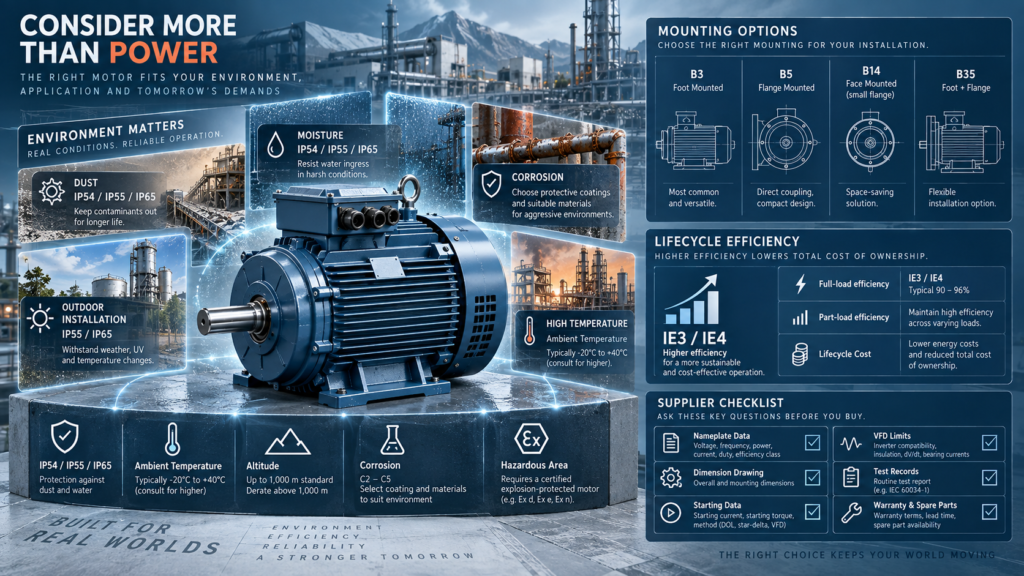
Industrial motors may be exposed to dust, water, oil, corrosion, high or low temperatures, and vibration.
Select the enclosure and materials according to:
- Indoor or outdoor installation
- Dust concentration
- Water spray or washdown
- Humidity and condensation
- Corrosive gases or salt air
- Ambient temperature
- Installation altitude
- Required insulation and temperature rise
- Hazardous-area classification
IP54 or IP55 may be suitable for many industrial locations, while wet, dusty, or washdown environments may require a higher protection level. An IP rating alone does not address corrosion resistance, condensation, drainage, or chemical exposure.
Hazardous areas require a properly certified explosion-protected motor. A standard motor with a high IP rating is not a substitute for an approved explosion-proof design.
Verify mounting and mechanical loads
Before OEMs choose squirrel cage induction motor mounting, they should confirm the full installation interface.
Important details include:
- IEC or NEMA frame
- B3, B5, B14, or B35 mounting
- Shaft diameter and extension
- Key and keyway
- Flange register and bolt pattern
- Terminal-box position
- Rotation direction
- Coupling or pulley arrangement
- Radial and axial shaft loads
- Horizontal or vertical orientation
An IEC industrial motor for South American factories should also match the destination voltage, frequency, mounting dimensions, documentation, and local environmental conditions.
For belt-driven equipment, check pulley diameter, belt tension, shaft strength, and bearing life carefully. Vertical installations may require a different bearing arrangement, drainage position, or protective cover.
Review the supplier’s technical data
The quotation should state the exact motor model instead of using broad descriptions such as “heavy duty” or “high efficiency.”
Ask the supplier to provide:
- Rated power, speed, voltage, current, and frequency
- Efficiency and power factor
- Starting current and torque
- Maximum torque
- Duty and permitted starts per hour
- Temperature-rise information
- Dimension drawing
- Torque-speed curve when required
- Bearing arrangement
- VFD operating limits
- Test and inspection records
- Spare parts and warranty terms
If the application involves unusual starting conditions, mounting constraints, vibration, or VFD operation, testing a sample on the actual machine can help confirm compatibility.
Frequently asked questions
Is a larger motor always safer?
No. Excessive oversizing can raise costs and reduce efficiency and power factor at light load. The motor should be selected according to the maximum load, duty, starting conditions, and a justified operating margin.
Which rotor design is suitable for heavy starting?
Deep-bar and double-cage designs can provide better starting characteristics, but the final choice should be based on the supplier’s torque-current data and the actual load curve.
Can a standard cage motor be used with a VFD?
Many standard motors can operate with a VFD over a limited frequency range. Continuous low-speed torque, long motor cables, high switching stress, or a wide speed range may require an inverter-duty design.
Is IE3 always the best choice?
IE3 is widely used in industrial equipment, but the appropriate efficiency class depends on the motor scope, destination market, operating hours, and overall project economics.
What information is needed for a replacement motor?
Provide the original nameplate, mounting dimensions, shaft and flange details, driven equipment, starting method, operating environment, and VFD information.
Correct selection supports reliable operation
A reliable process to choose squirrel cage induction motor configurations should bring together power, torque, acceleration, voltage, speed, efficiency, protection, mounting, and control requirements.
DAYOU MOTOR supplies cage motors with different power ratings, pole numbers, voltages, rotor designs, efficiency classes, mounting arrangements, and protection levels. Complete load and installation information helps ensure stable operation without unnecessary oversizing.