


- Home
- Product
- GOST standard motor
- IEC standard motor
 MC Series single phase capacitor start asynchronous motor
- MY MYT series single phase capacitor running asynchronous motor
- ML Series single phase dual-capacitor asynchronous motor
- ME2 series three phase high efficiency aluminum housing motor(IE2)
- ME3 series three phase high efficiency aluminum housing motor(IE3)
- MS series three-phase aluminum housing motor (IE1)
- Y2 series three phase cast iron motor (IE1)
- YE2 series three phase high efficiency cast iron motor (IE2)
- YE3 series three phase high efficiency cast iron motor (IE3)
- Special application motor
- Rolling door motor
- Industry application
- News
- About us
- Contact us
- Certifications
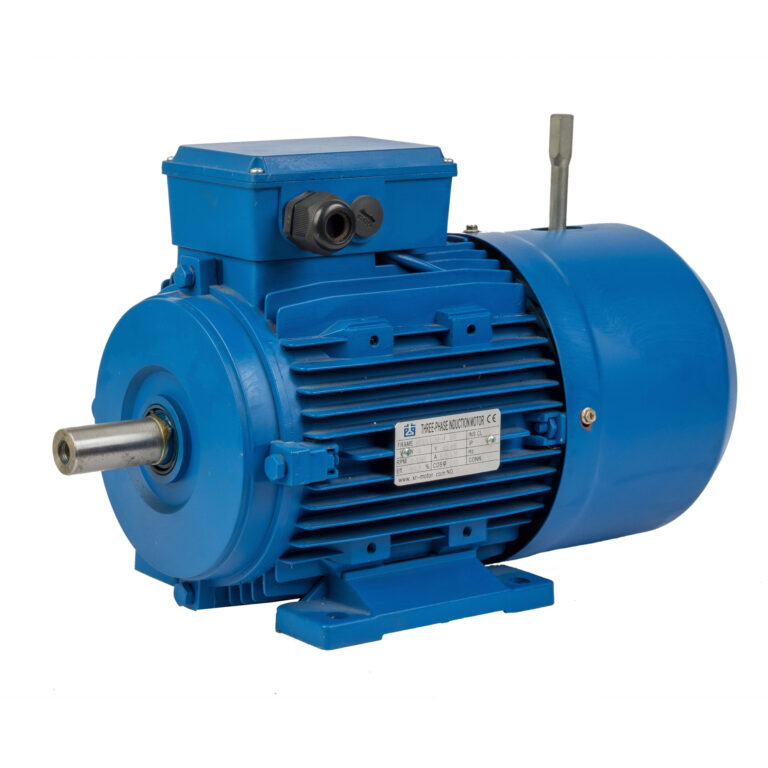
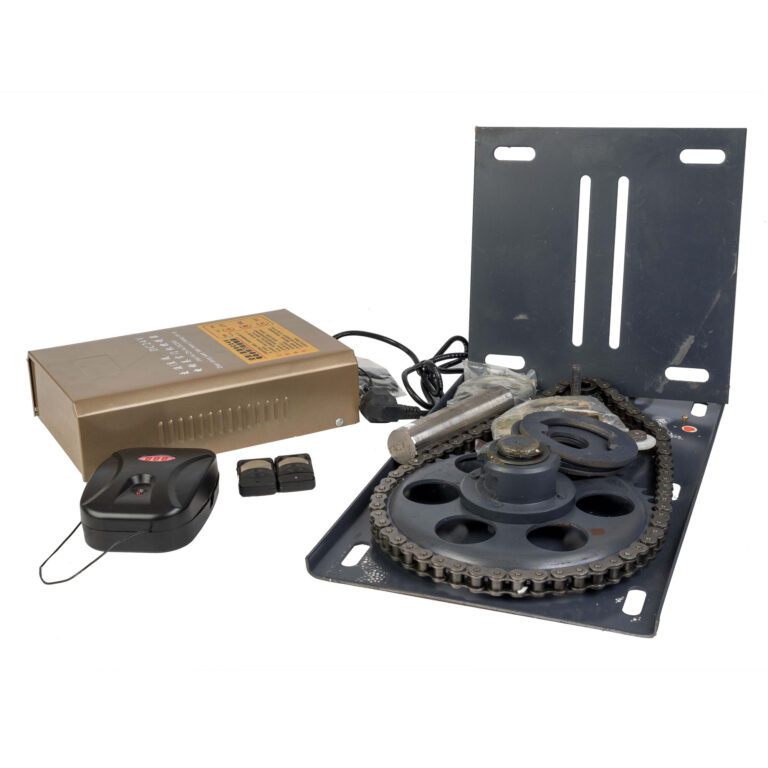
Sourcing Industrial Electric Motors from China: How Overseas Distributors Can Reduce Costs and Risks
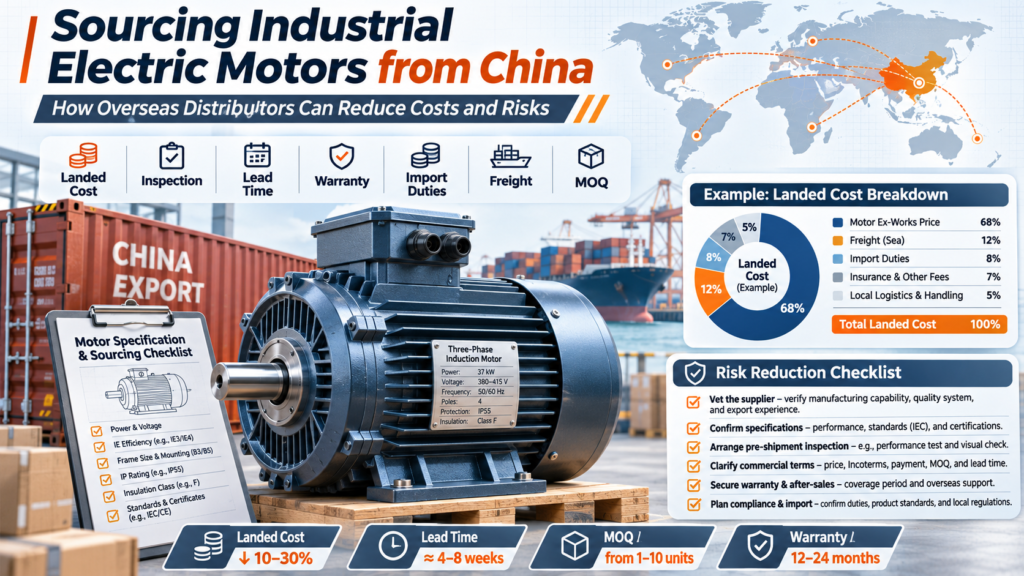
A low factory price can look attractive until the motors arrive and the additional costs become clear. Freight, import charges, inspection, storage, and a few difficult warranty claims can change the profit on an order.
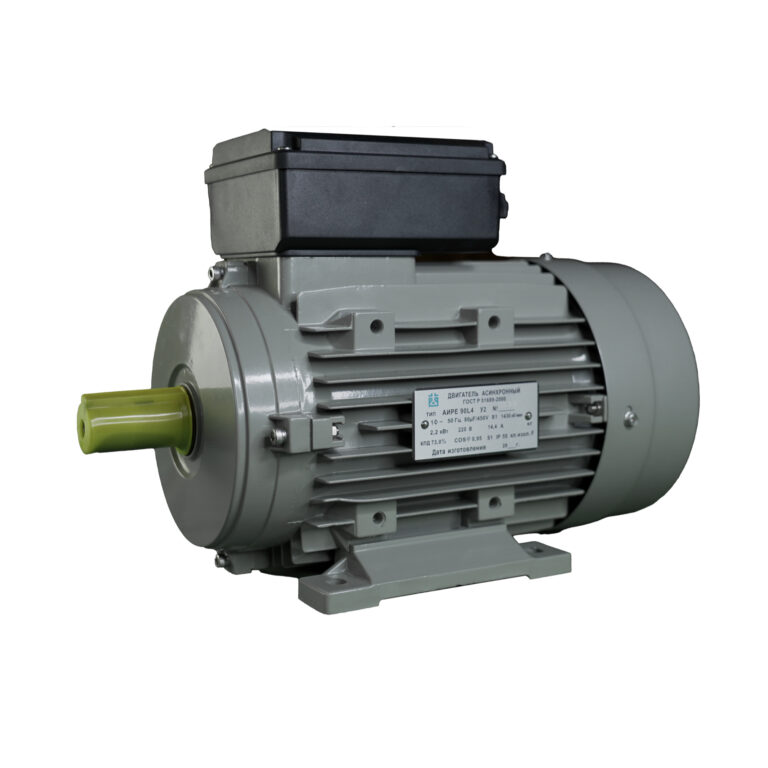
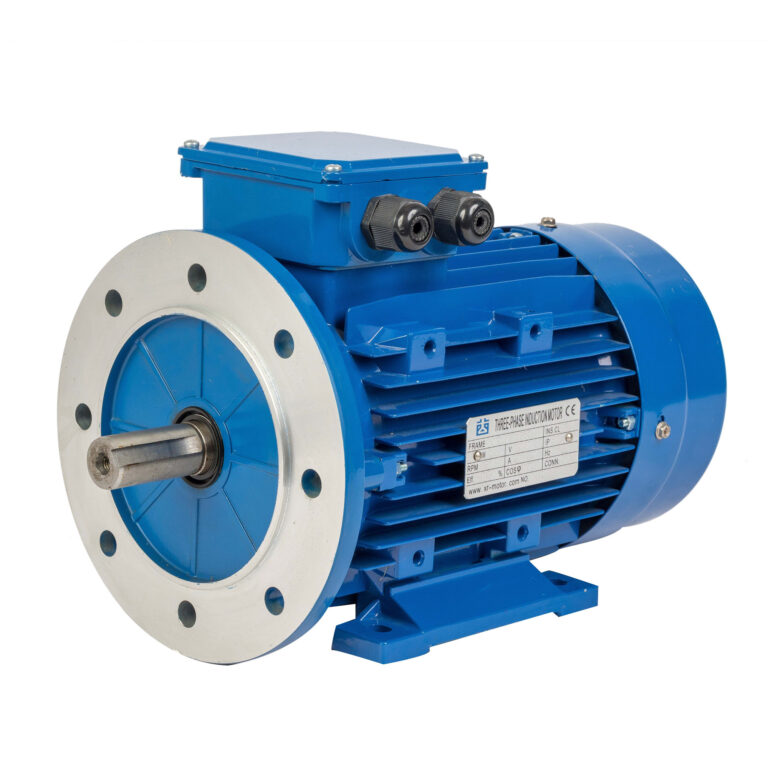
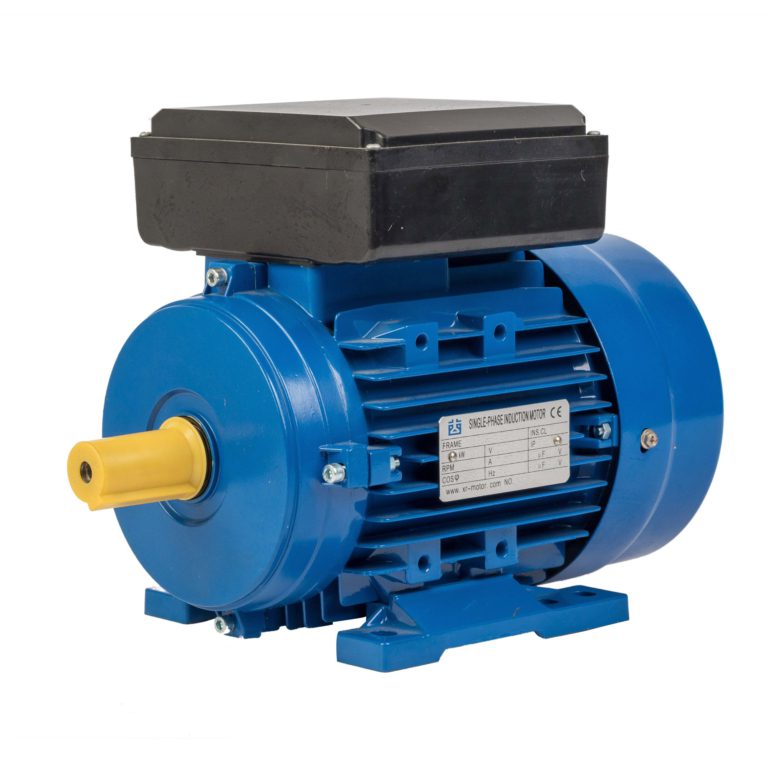
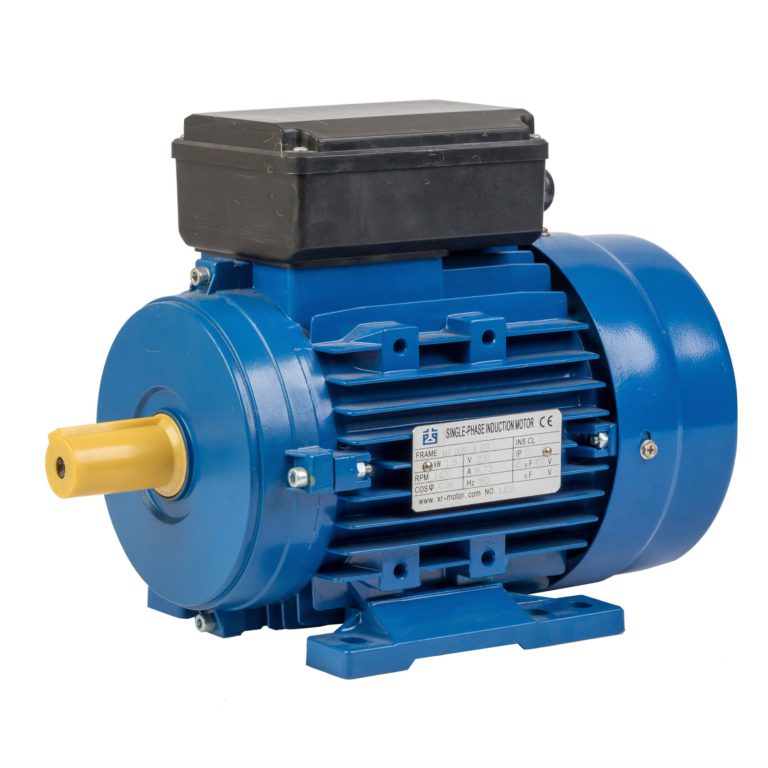
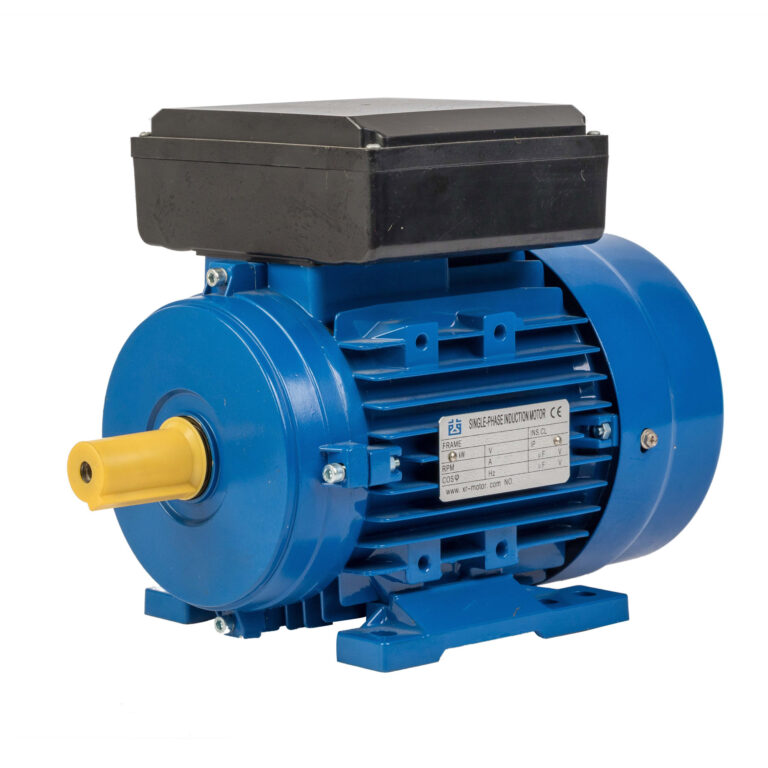
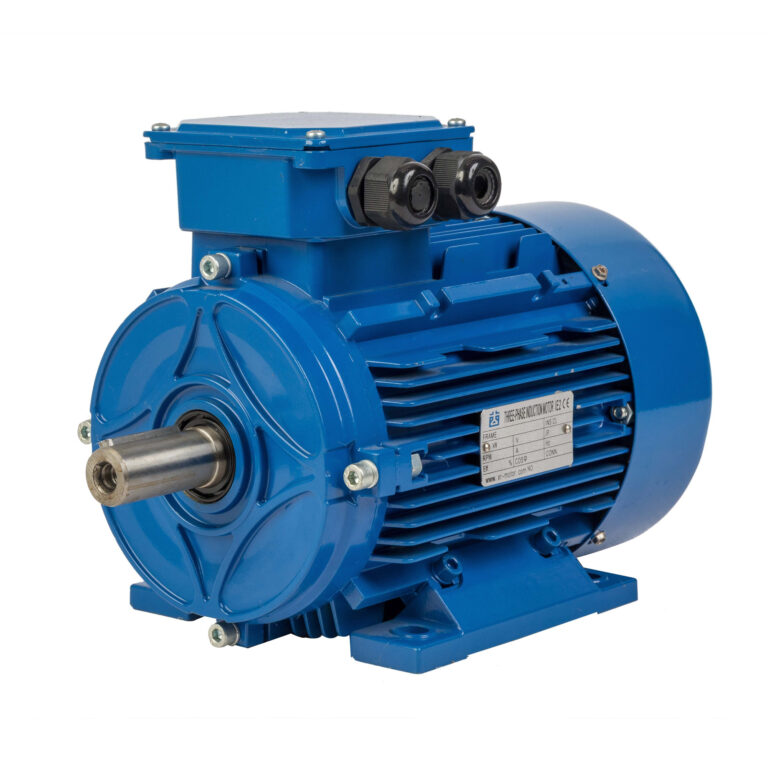
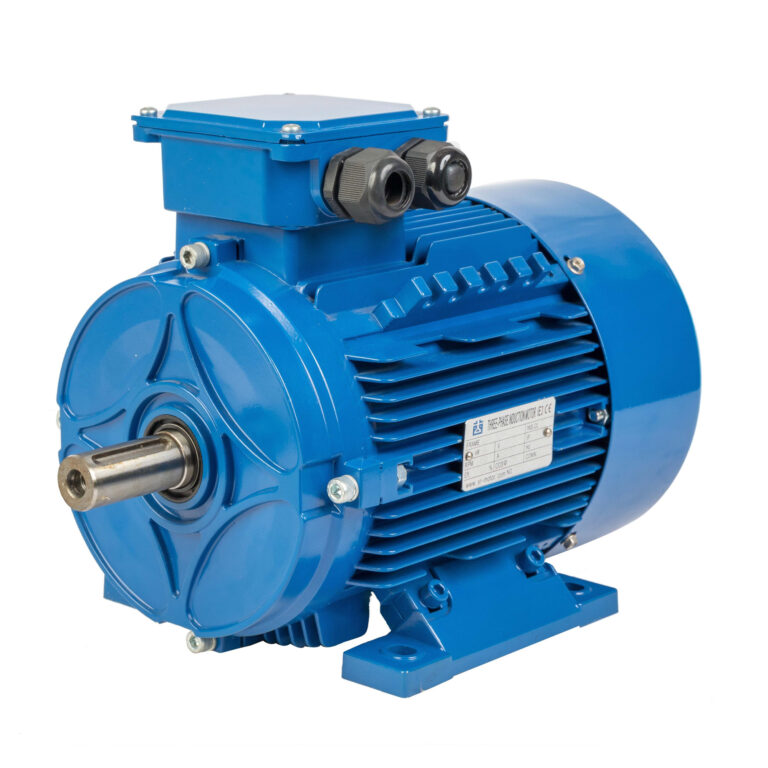
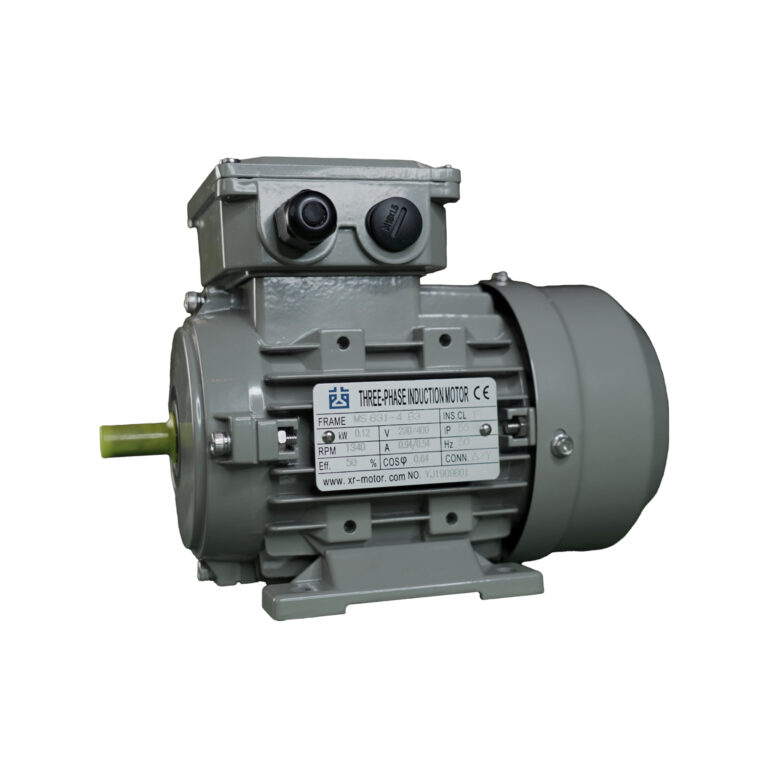
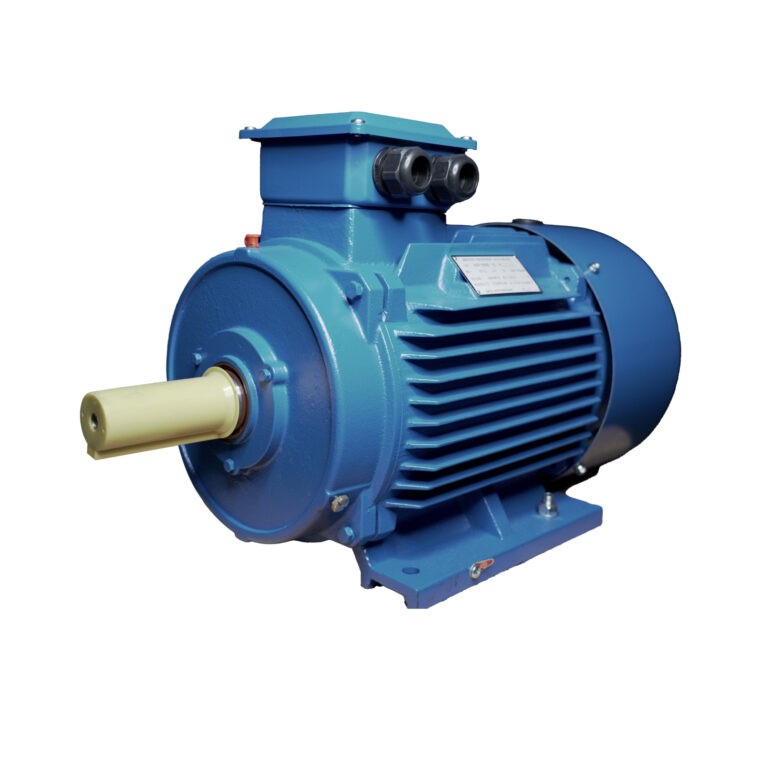
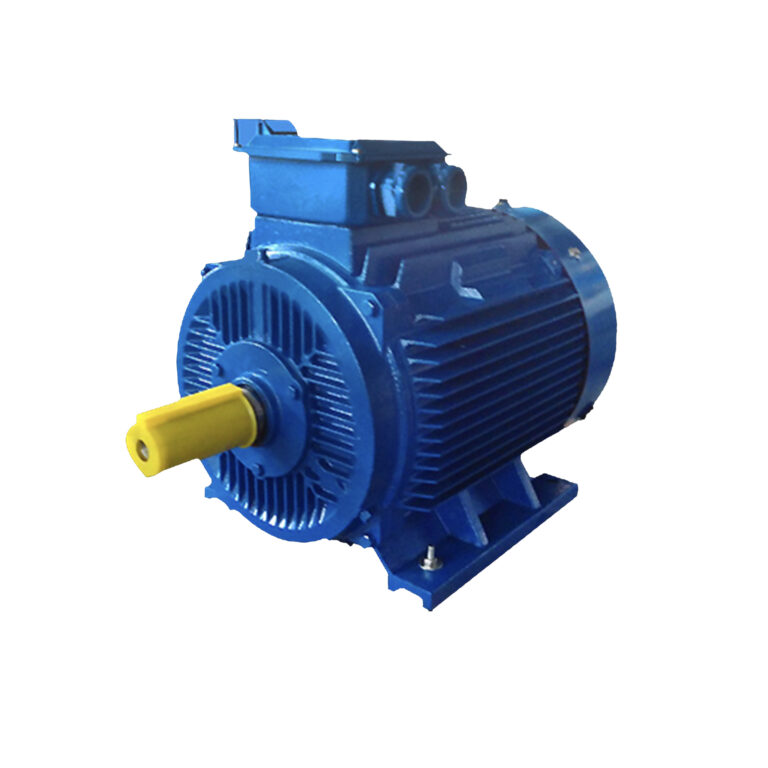
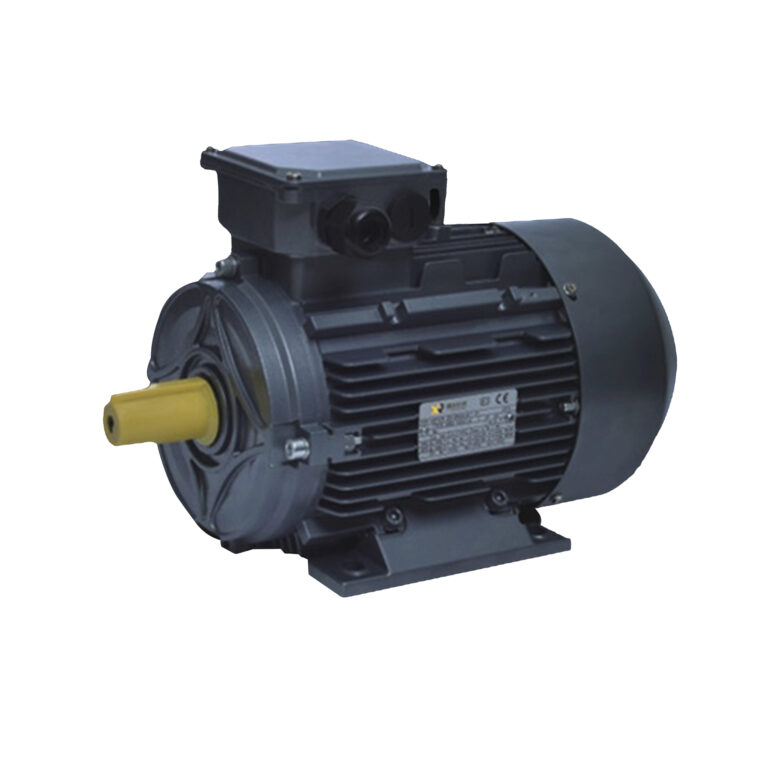
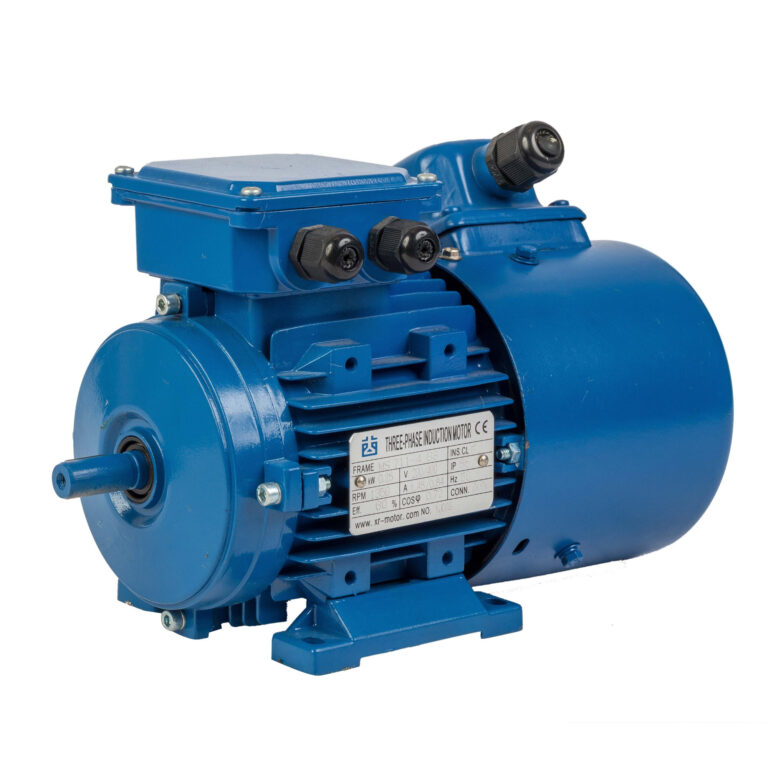
Working with an electric motor manufacturer in China can give distributors access to a wide range of products and customization options. The key is to agree on the details early enough to compare offers and spot problems before the stock reaches customers.
DAYOU MOTOR works with overseas buyers on motor specifications, samples, production orders, and export preparation.
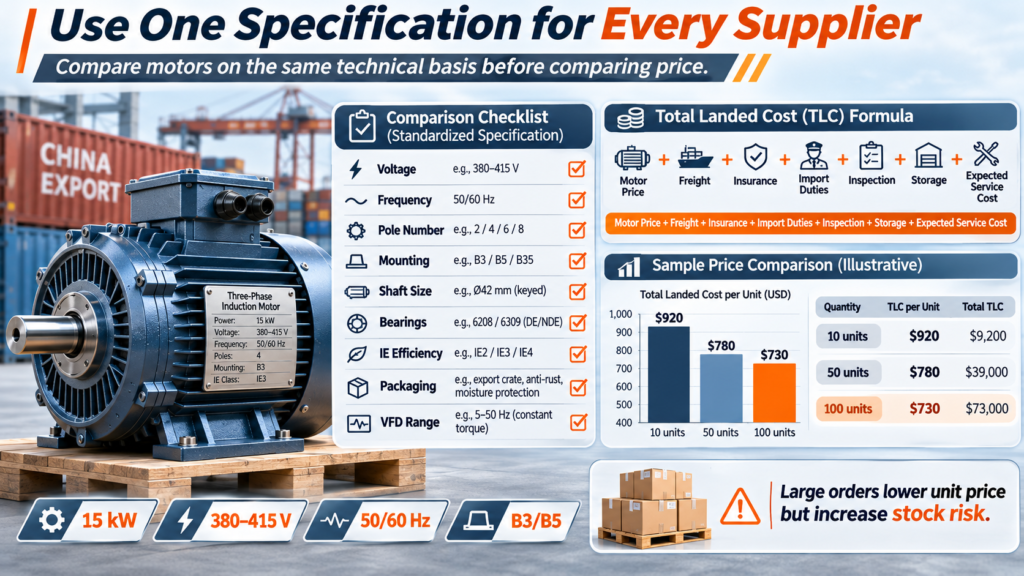
Put the same specification in front of every supplier
Imagine receiving two quotations for a 15 kW motor. The prices differ, but one offer covers a foot-mounted motor and the other a flange-mounted version. They may both be well made, yet only one fits the customer’s equipment.
The same problem can arise with voltage, frequency, pole number, shaft size, bearings, efficiency, or packaging. Before asking for prices, prepare a specification that covers the electrical rating, mechanical interface, duty, environment, and control method.
If the motor will run with a VFD, include the required speed range and load. A supplier needs that information to evaluate cooling and insulation requirements.
When comparing wholesale electric motors, ask each supplier to identify any departure from the requested specification. A short list of differences is easier to act on than several catalogues full of similar-looking products.
Check the cost of getting the motor onto your shelf
The price from an electric motor manufacturer in China is only one part of the purchase. Add freight, insurance, import duties, non-recoverable taxes, inspection, local delivery, and expected storage costs.
It is also sensible to estimate the cost of warranty work. A replacement motor may need another international shipment, while the original unit occupies warehouse space during the investigation.
Use the same basis for each quotation:
Motor price + delivery and import costs + inspection + inventory costs + expected service costs
Order quantity affects that calculation. A large order may lower the unit price, but slow-moving stock ties up cash. Ask for prices at several quantities and compare them with the rate at which your customers actually buy those models.
Follow the paperwork to the actual product
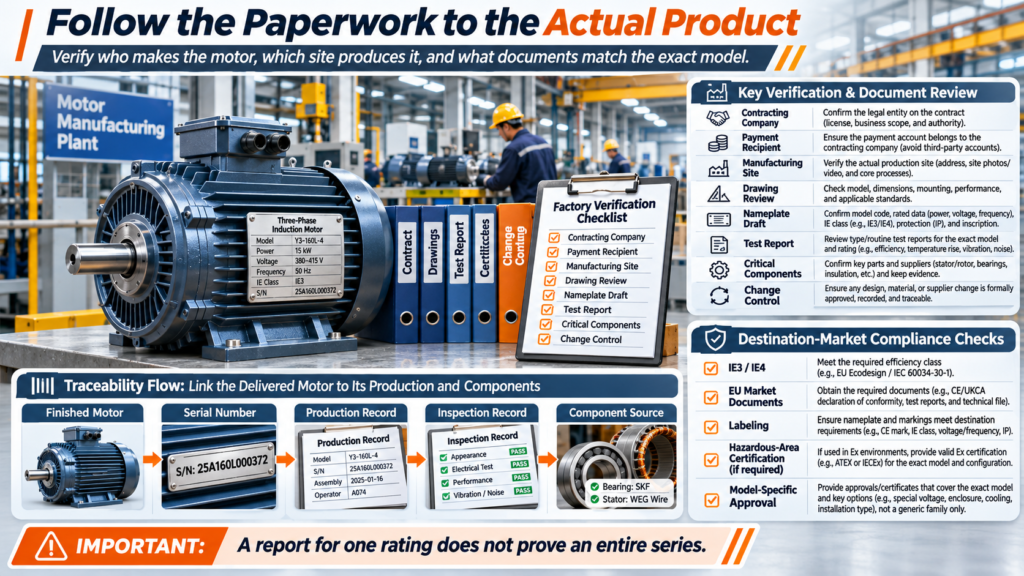
An internet search for “industrial motor factory China” can produce a long list of suppliers. A catalogue and business license are useful starting points, but neither confirms how a particular order will be produced.
Check the contracting company, payment recipient, and manufacturing site. Where different companies are involved, ask each party’s role to be explained in the quotation and contract.
Then request documents for the motors you intend to buy: drawings, nameplate drafts, test information, and details of critical components. A report for one power rating or pole number should not automatically be treated as evidence for every model in a series.
When visiting an electric motor manufacturer in China, ask to trace a finished unit back to its production and inspection records. If the supplier outsources a process or component, find out how that work is controlled.
This is also the right time to agree on changes. Bearings, winding materials, insulation, and cooling components can affect the product your customers receive. Changes to agreed critical items should follow a written notification and approval process.
Confirm the destination market before paying
Distributors who import electric motors from China need to check the requirements of the country where the motors will be sold. The necessary efficiency level, labeling, documentation, and approvals depend on the product and market.
For example, an IE3 marking alone does not prove that a motor satisfies every requirement in the European Union. Ask for the relevant model-specific documents and verify that the manufacturer, product details, and declared configuration match the order.
Special-purpose products may need additional evidence. If a customer needs a motor for a hazardous area, confirm the exact equipment marking, certification scope, and permitted operating conditions before offering it for sale.
An electric motor manufacturer in China should be able to identify the documents it can supply. The importer should then confirm that those documents meet the intended market’s requirements.
Let a small order answer the practical questions
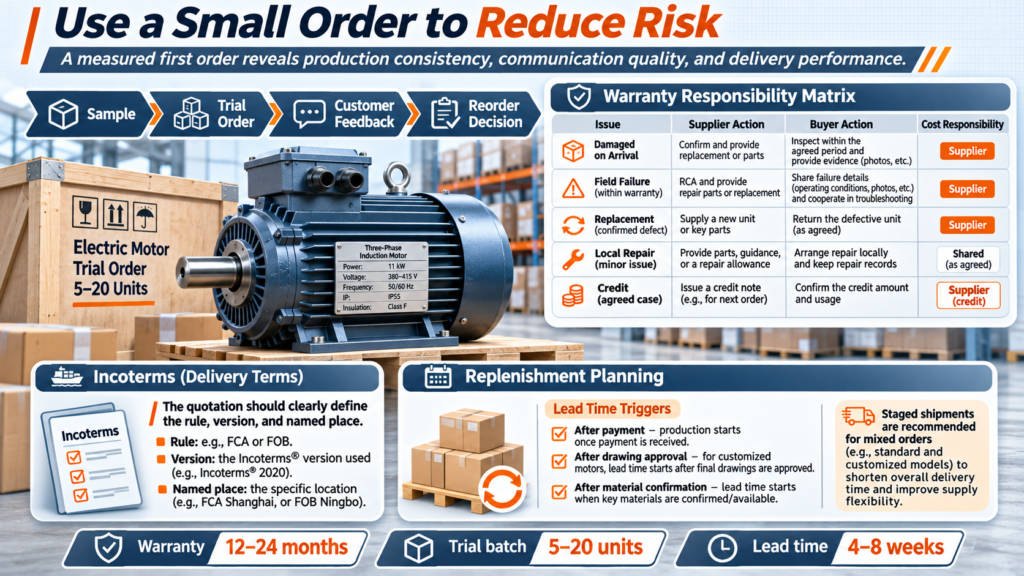
A sample is useful for checking dimensions and performance, but a production order shows how the supplier handles ordinary manufacturing and delivery.
For the first batch, agree on the inspection plan before production. Check representative units against the approved drawings and nameplate, then inspect packaging and identification before shipment.
A motor supplier quality inspection should cover the points that matter to your customers. A distributor selling replacements may prioritize shaft and flange dimensions; an OEM customer may also need temperature-rise or application testing.
Pay attention to communication during the trial. A supplier who promptly explains a delay or a technical discrepancy makes planning easier than one who sends an optimistic date without supporting information.
Once the batch is delivered, record customer feedback, defects, claims, and delivery performance. Use those results to decide which models and quantities to reorder.
Write down who handles a problem
Before placing a larger order with an electric motor manufacturer in China, agree on what happens when a motor arrives damaged or fails in service.
Who inspects it? Will the remedy be a spare part, local repair, replacement, or credit? Who pays for return freight and delivery to the end customer? A warranty period on its own does not answer those questions.
Delivery terms need the same care. Name the Incoterms® rule, version, and place in the quotation. FCA may be worth considering for containerized or multimodal shipments, while FOB is a sea or inland-waterway term with delivery on board the vessel. Clarify terminal charges and unloading responsibilities separately where needed.
Finally, discuss replenishment. Ask whether a stated lead time begins after payment, drawing approval, or material confirmation, and whether mixed orders can be shipped in stages.
Share your main model list, estimated demand, target market, and service expectations with DAYOU MOTOR. A clear specification and a measured first order give both sides a better basis for a lasting supply relationship.