


Lorem ipsum dolor sit amet, consectetur adipiscing elit. Ut elit tellus, luctus nec ullamcorper mattis, pulvinar dapibus leo.
Introduction
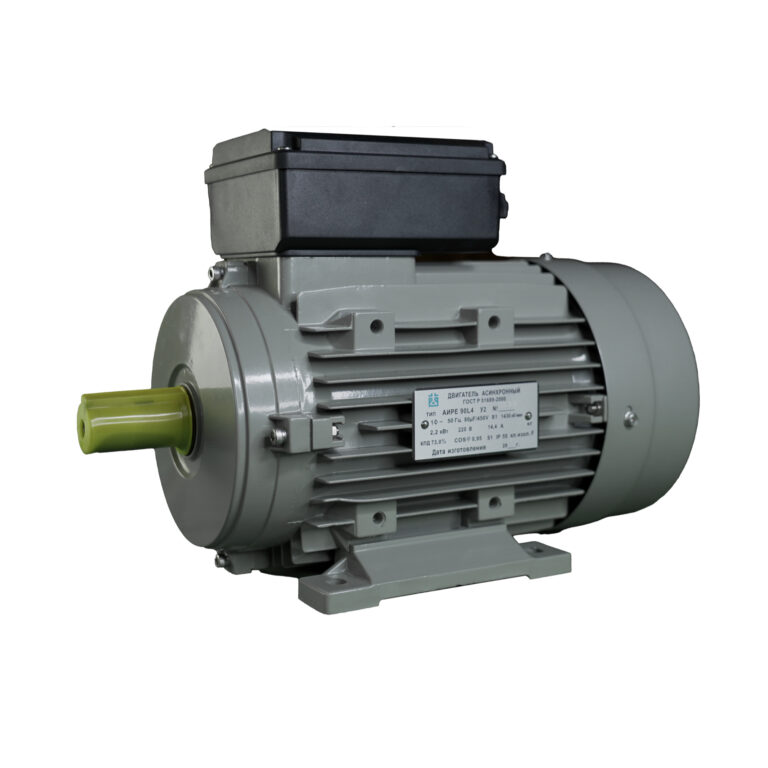
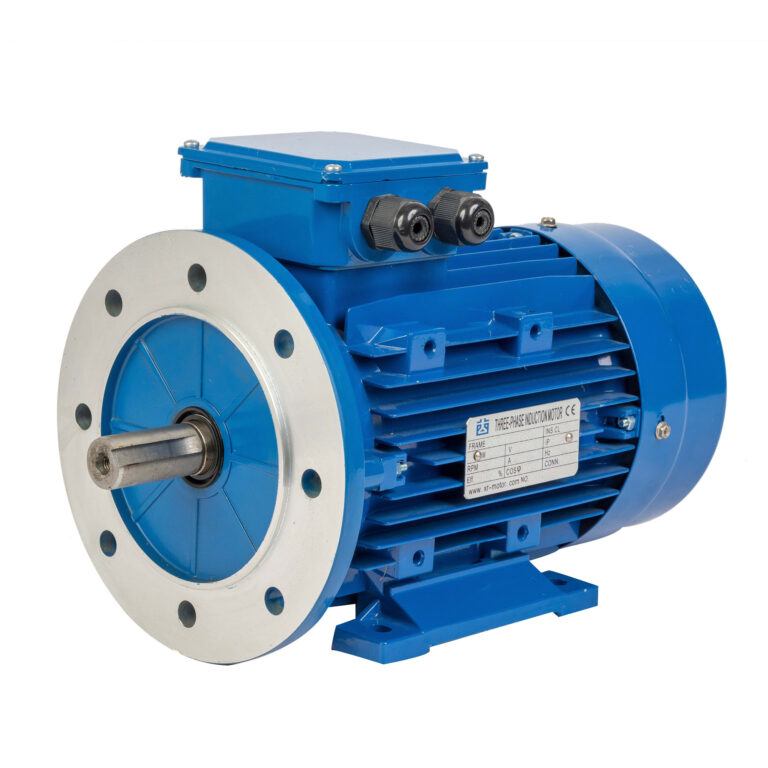
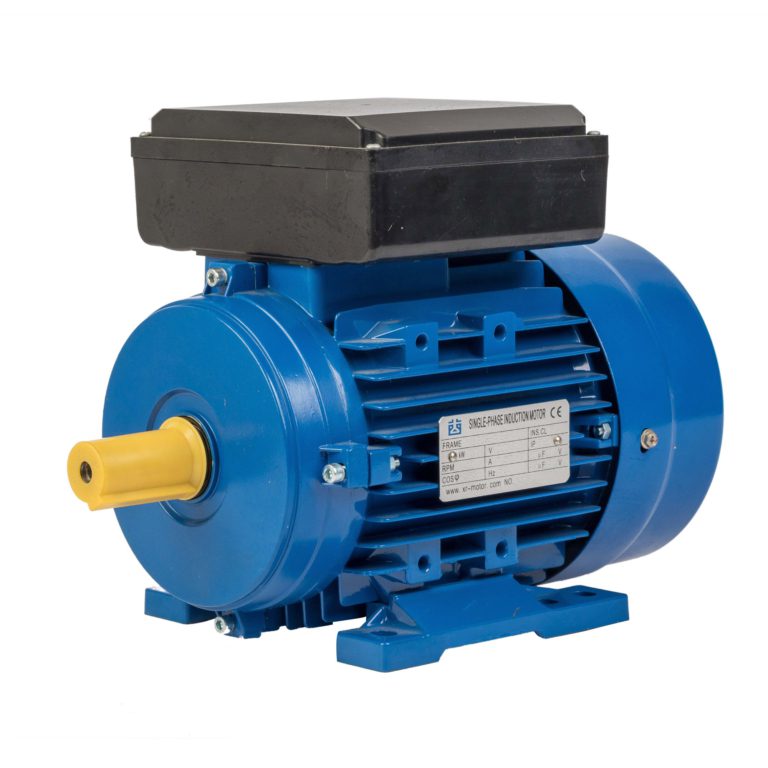
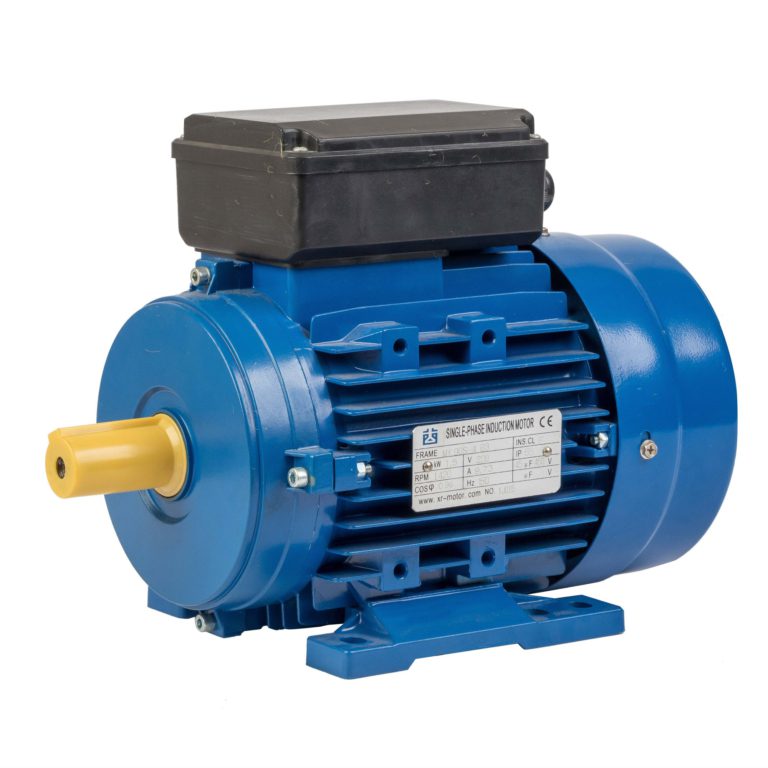
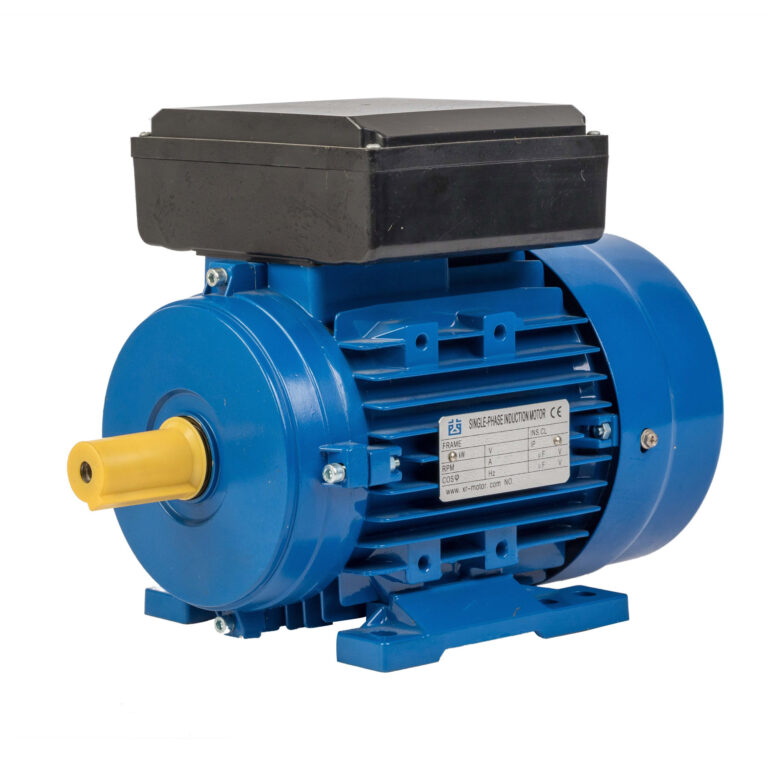
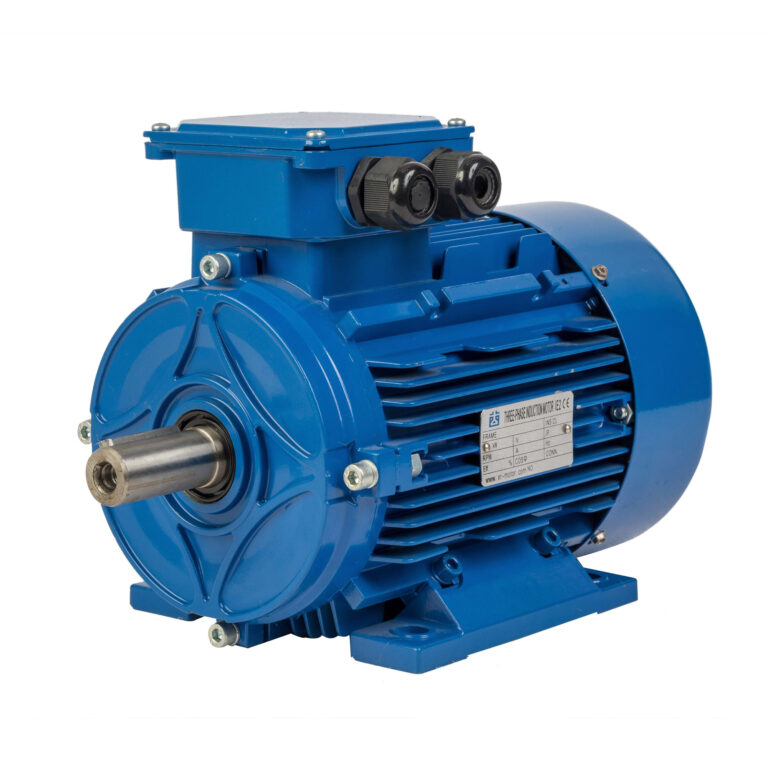
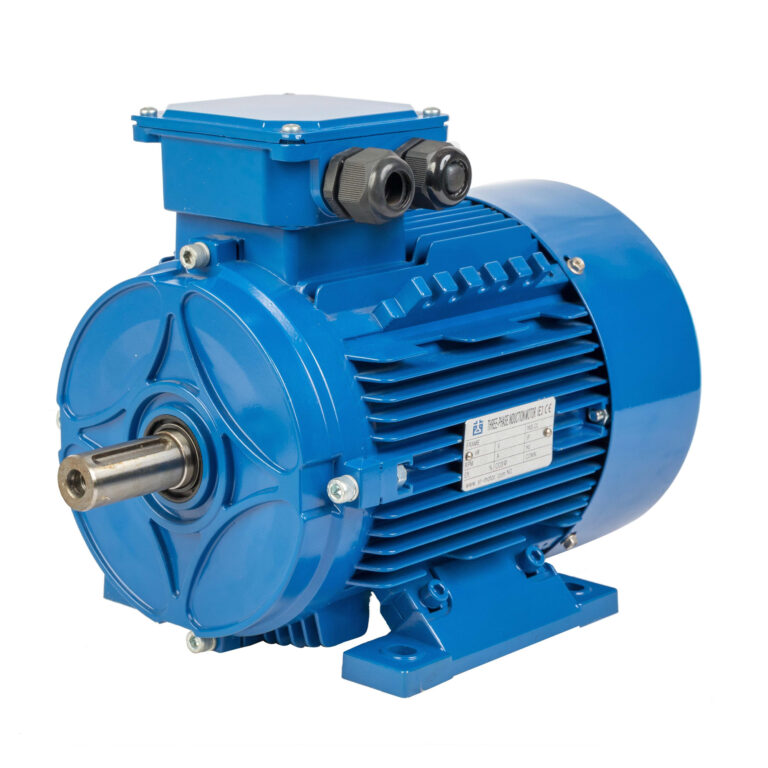
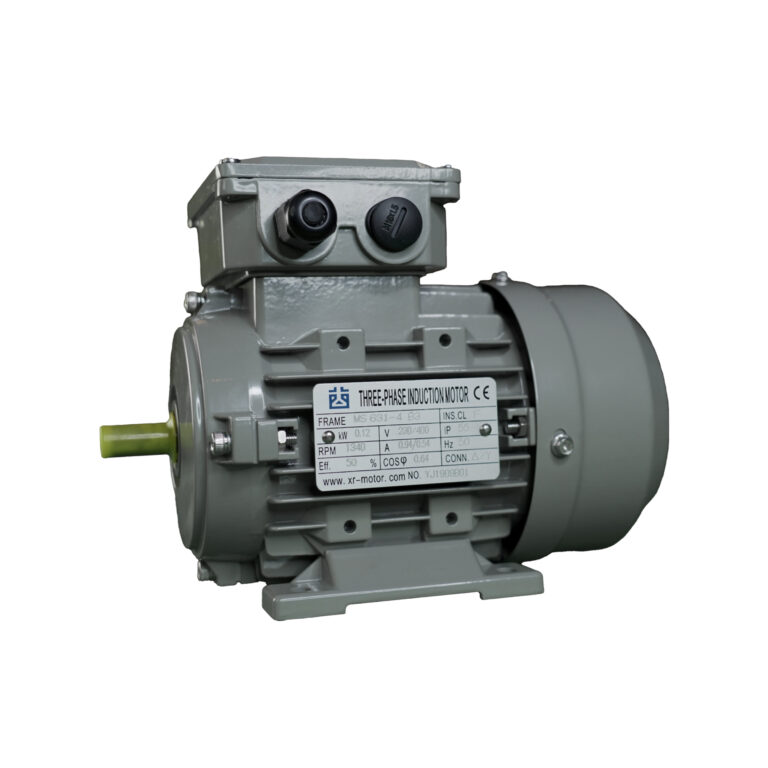
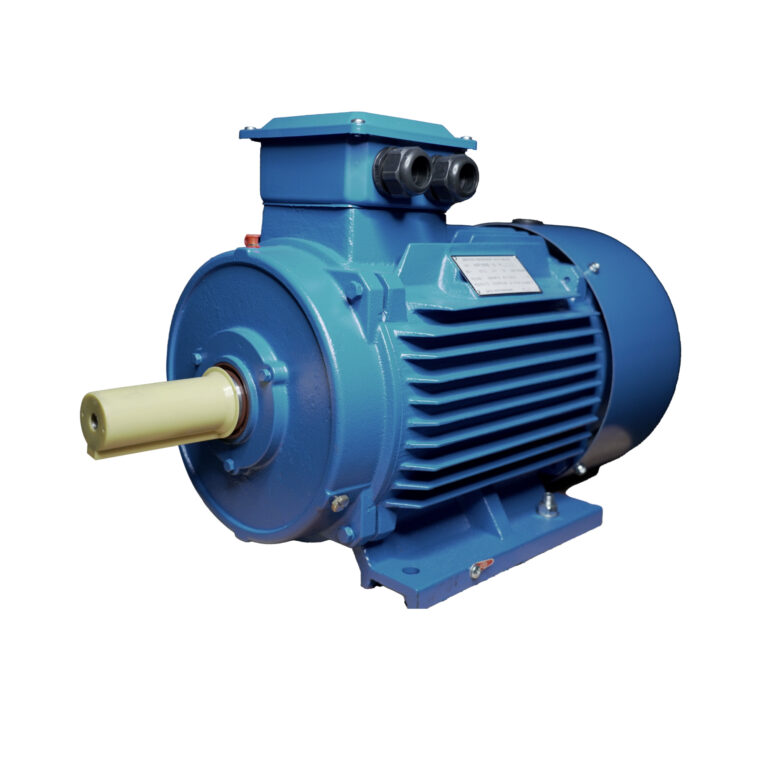
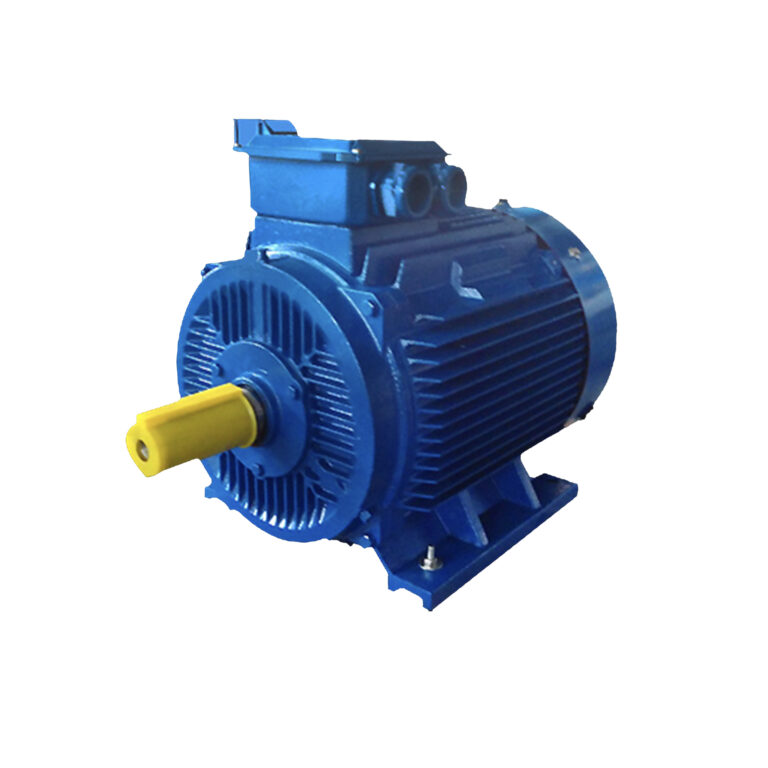
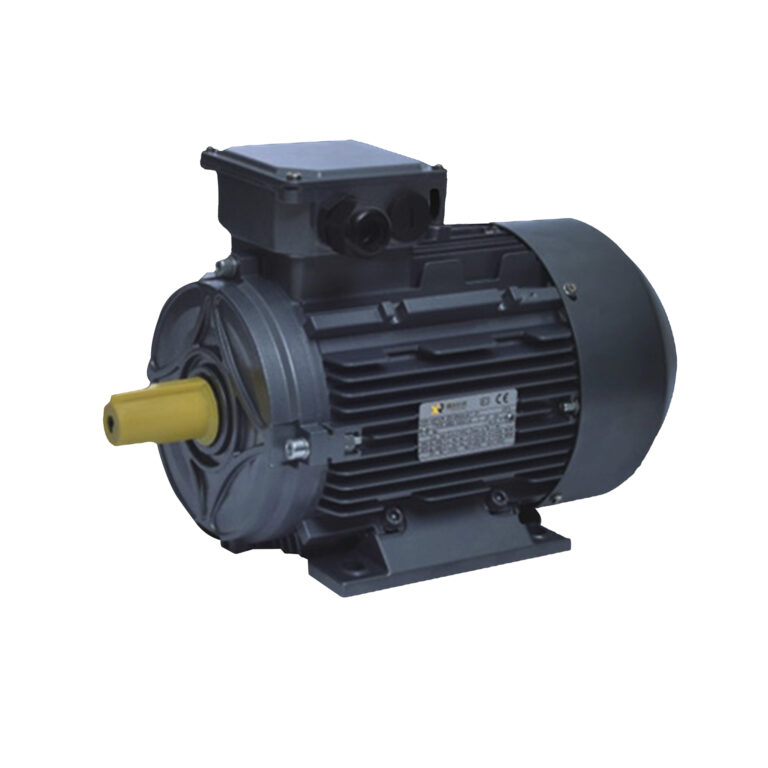
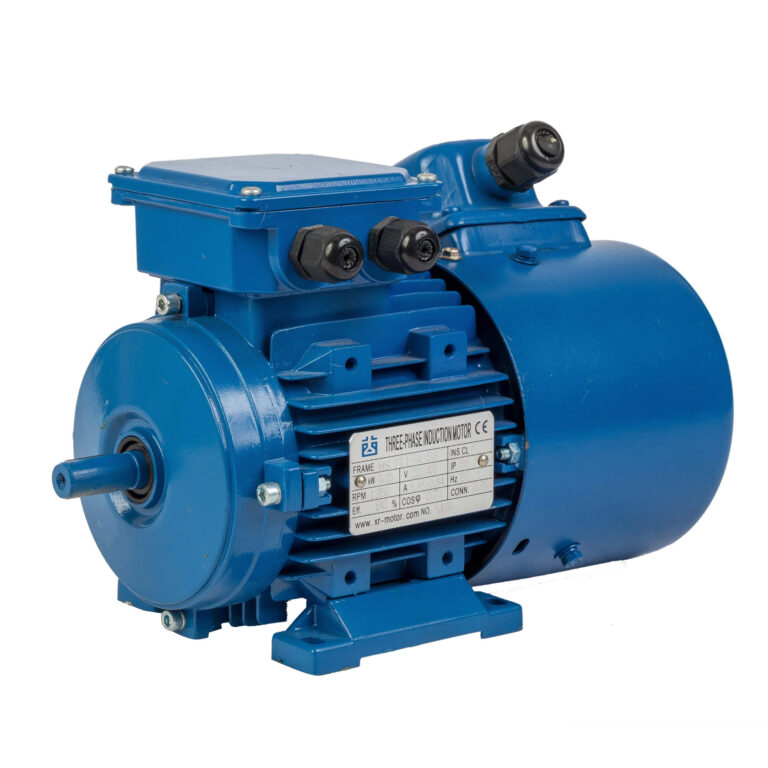
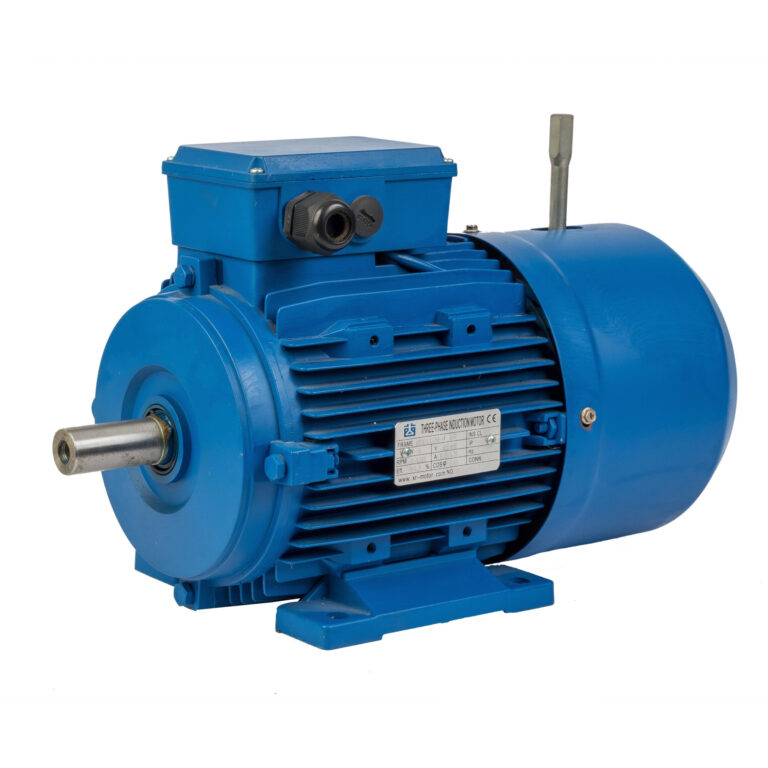
AC motors are the backbone of modern industrial systems, powering pumps, fans, compressors, conveyors, and countless OEM machines. While AC motors are often treated as “black boxes” that simply convert electrical energy into mechanical motion, their performance, efficiency, and reliability are directly determined by internal motor components.
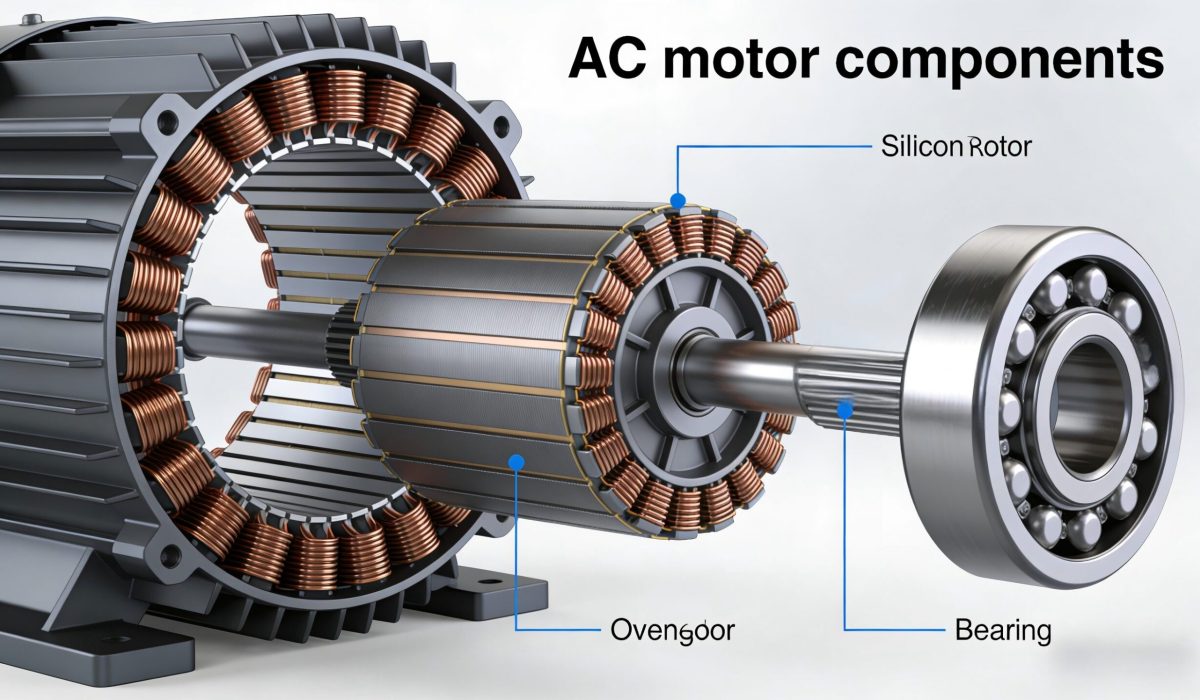
For OEM engineers, maintenance teams, and industrial users, understanding AC motor components is essential for proper motor selection, fault diagnosis, and long-term reliability improvement. This guide provides a comprehensive, engineering-oriented explanation of the key AC motor components, including the stator, rotor, windings, bearings, insulation system, cooling components, and structural parts.
Overview of AC Motor Construction
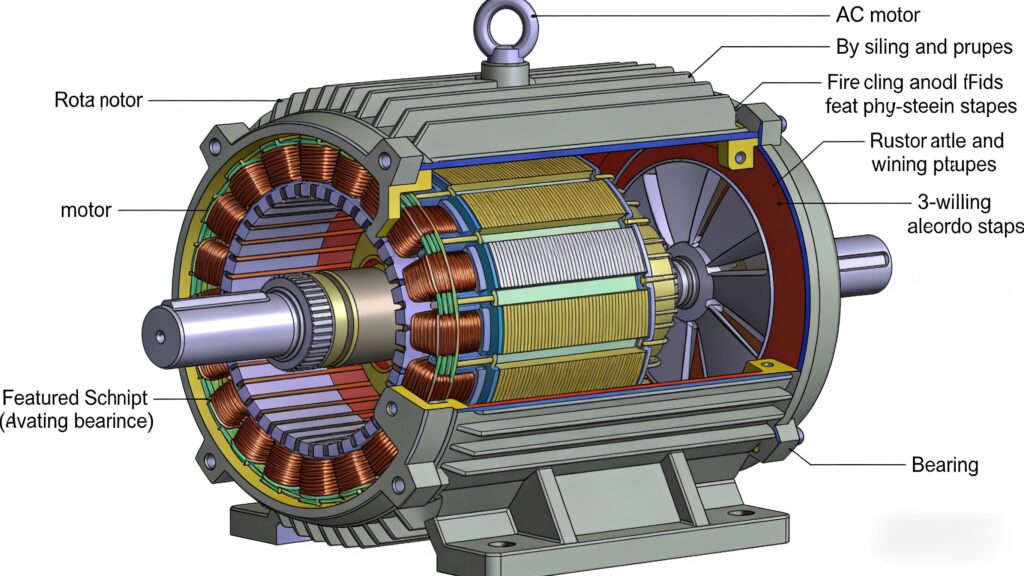
An AC motor consists of both electrical and mechanical components working together as a system. Electrical components generate the rotating magnetic field, while mechanical components transmit torque and support continuous operation.
At a high level, AC motor components can be divided into:
- Electrical components (stator, windings, insulation)
- Rotating components (rotor, shaft)
- Mechanical support components (bearings, housing)
- Thermal management components (fan, ventilation system)
Each component plays a critical role in determining motor efficiency, noise, vibration, and service life.
1.Stator: The Stationary Magnetic Core
What Is an AC Motor Stator?
The stator is the stationary part of an AC motor. It consists of laminated silicon steel cores and embedded windings. When alternating current flows through the stator windings, it generates a rotating magnetic field that drives the rotor.
Key Functions of the Stator
- Generates the rotating magnetic field
- Determines motor voltage and frequency compatibility
- Directly affects efficiency and power factor
Common Stator-Related Issues
- Core lamination damage causing increased losses
- Insulation breakdown due to overheating
- Improper winding distribution leading to vibration and noise
High-quality stator design and manufacturing precision are essential for stable AC motor performance.
2.Rotor: The Rotating Torque Generator
Types of AC Motor Rotors
The rotor is the rotating component of an AC motor and is responsible for producing torque. Common rotor types include:
- Squirrel cage rotor
- Wound rotor
Rotor Structure and Materials
Rotors are typically made of laminated steel cores with aluminum or copper conductors. Rotor design directly influences starting torque, efficiency, and slip characteristics.
Rotor-Related Performance Factors
- Rotor balance affects vibration and bearing life
- Rotor bar quality influences starting performance
- Air gap uniformity impacts electromagnetic efficiency
3.Motor Windings: Electrical Energy Conversion Core
Role of Motor Windings
Motor windings are insulated copper or aluminum conductors placed in the stator slots. They carry current and create the magnetic field required for motor operation.
Winding Design Considerations
- Number of turns and wire gauge
- Slot fill factor
- Insulation class
Common Winding Failures
- Thermal degradation of insulation
- Short circuits between turns
- Contamination from dust or moisture
Proper winding design is critical for preventing overheating and ensuring long-term reliability.
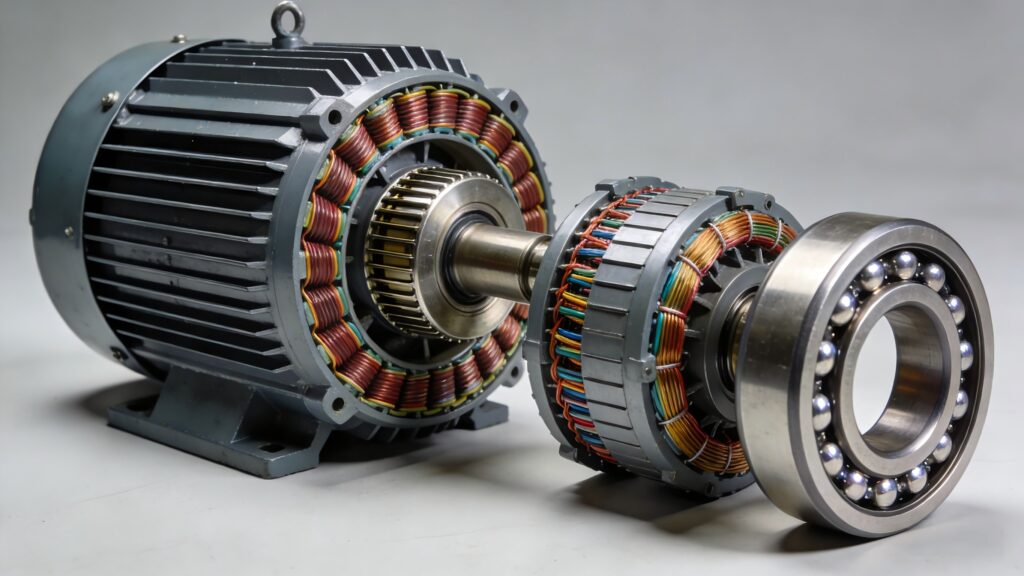
4.Bearings: Supporting Rotation and Load
Importance of Motor Bearings
Motor bearings support the rotor shaft and allow smooth rotation. Bearings are among the most common failure points in AC motors.
Common Bearing Types
- Deep groove ball bearings
- Roller bearings
- Angular contact bearings
Bearing Failure Causes
- Improper lubrication
- Contamination
- Misalignment or excessive load
High-quality bearings and correct installation significantly reduce vibration and noise.
5.Insulation System: Protecting Electrical Integrity
Insulation Classes
AC motors use insulation systems rated by temperature class (Class B, F, H). The insulation system protects windings from electrical breakdown and thermal aging.
Why Insulation Matters
Insulation failure is often irreversible and leads to complete motor failure. Selecting the correct insulation class is essential for high-temperature or heavy-duty applications.
6.Cooling System: Thermal Management Components
Cooling Methods
- External cooling fan
- Internal air circulation
- Forced ventilation
Cooling Design Impact
Effective cooling reduces winding temperature, extends insulation life, and improves overall motor efficiency.
Blocked ventilation or fan failure is a common cause of AC motor overheating.
7.Shaft, Housing, and Structural Components
Mechanical Structure Overview
The motor shaft transmits torque to the load, while the housing provides structural support and environmental protection.
Structural Design Considerations
- Shaft material and surface finish
- Housing rigidity to reduce vibration
- Sealing level for dust and moisture protection
How AC Motor Components Affect Reliability
AC motor reliability depends on how well all components work together. Weakness in one component often leads to secondary failures in others. For example, bearing failure can cause rotor misalignment, leading to stator winding damage.
OEMs and industrial users should evaluate motor components holistically rather than focusing on a single parameter such as rated power.
Conclusion
Understanding AC motor components is fundamental for proper motor selection, troubleshooting, and lifecycle cost reduction. From the stator and rotor to windings, bearings, and cooling systems, each component directly influences performance, efficiency, and durability.
By selecting motors with well-designed components and maintaining them correctly, OEMs and industrial facilities can significantly improve operational reliability and reduce unexpected downtime.
FAQ
What are the main components of an AC motor?
The main AC motor components include the stator, rotor, windings, bearings, insulation system, cooling fan, shaft, and housing.
Which AC motor component fails most often?
Bearings and windings are the most common failure points due to mechanical wear and thermal stress.
How do motor components affect efficiency?
Stator design, rotor construction, winding quality, and cooling efficiency all directly impact AC motor efficiency and power loss.
Why is insulation class important in AC motors?
Insulation class determines the maximum allowable operating temperature and directly affects motor lifespan.