


Introduction
Today, saving energy is no longer just a trend — it is something that must be done.
Companies everywhere are trying to reduce costs while being more friendly to the environment, so electric motors are getting more attention than ever.
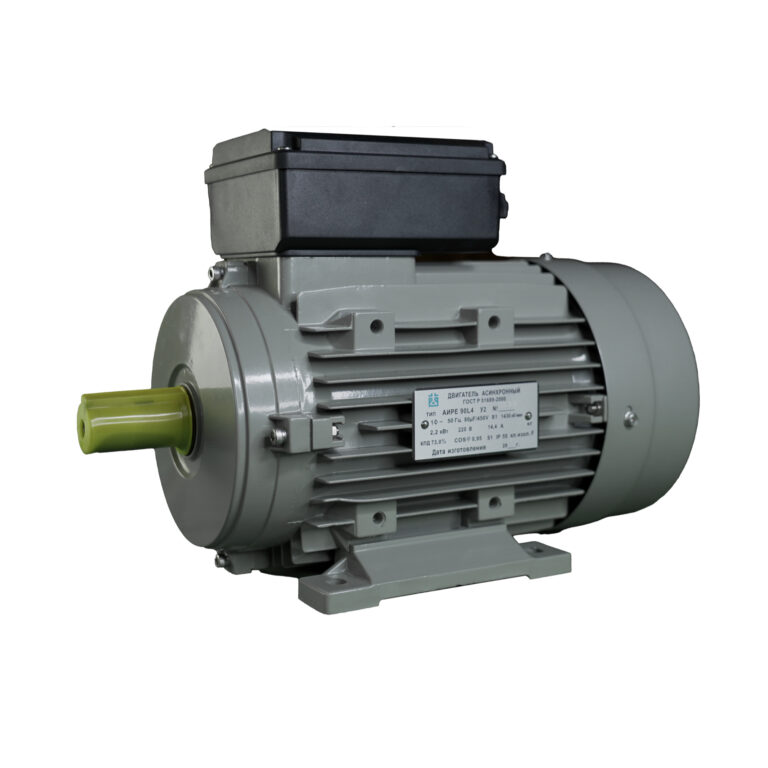
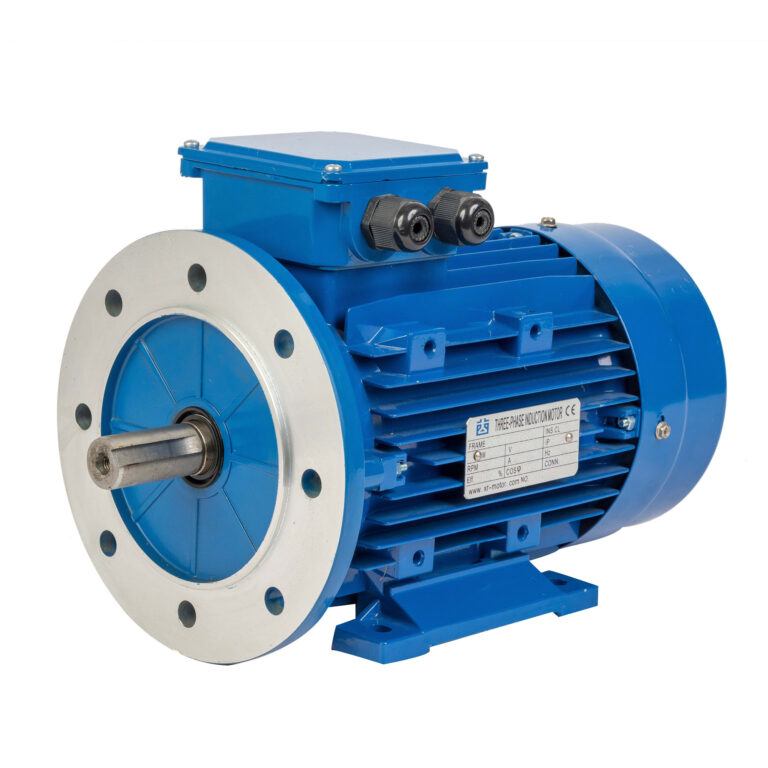
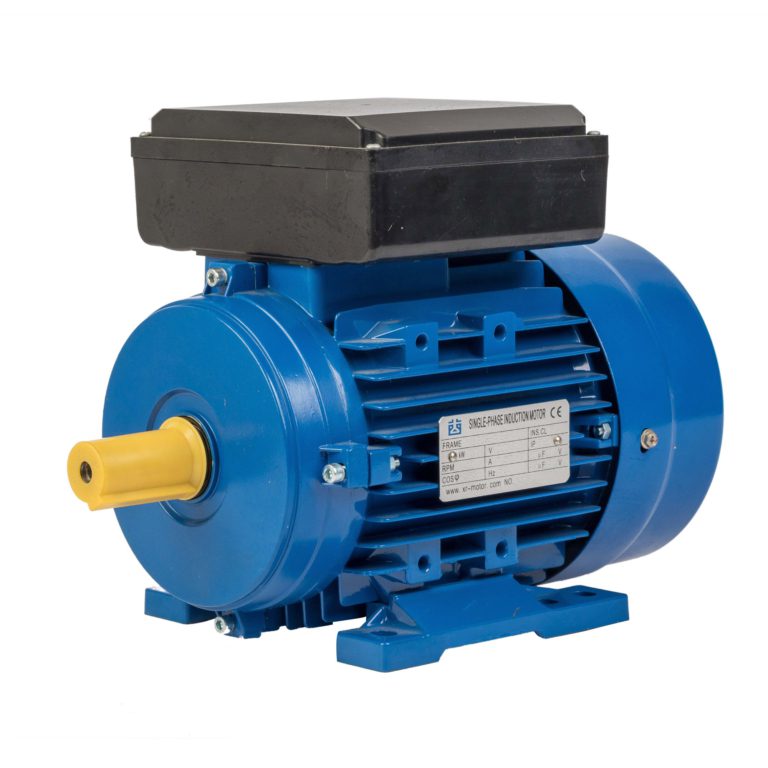
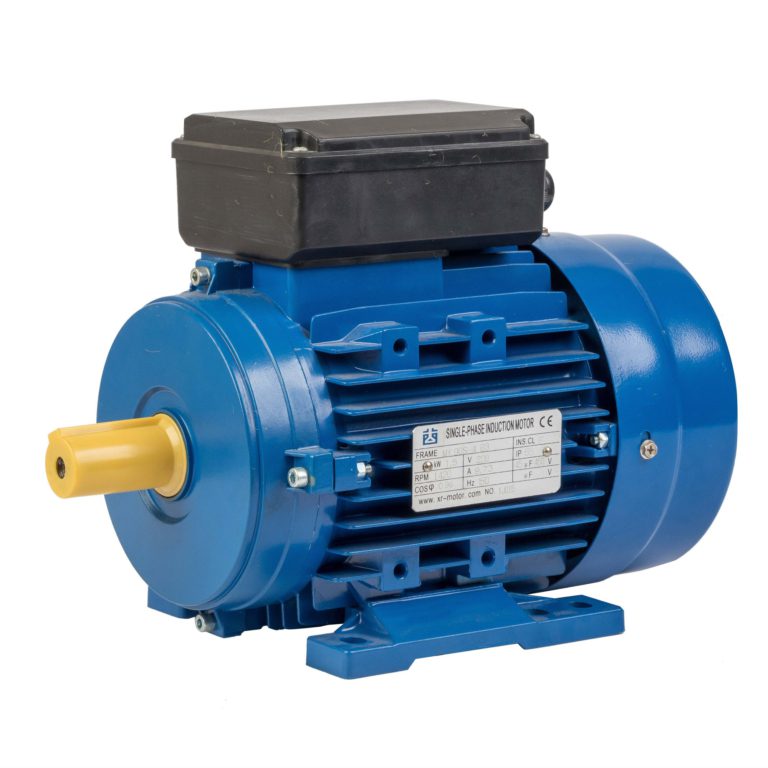
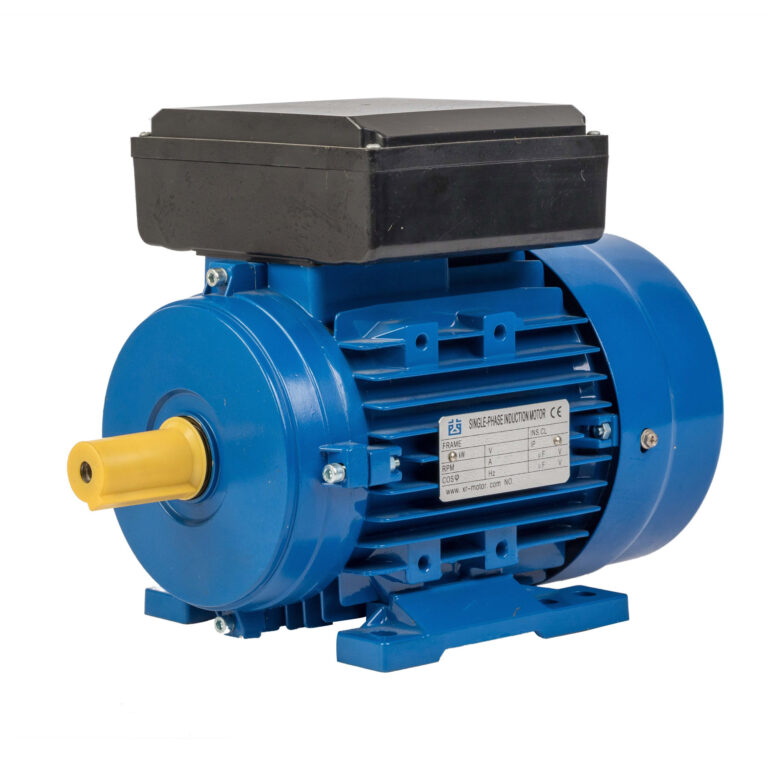
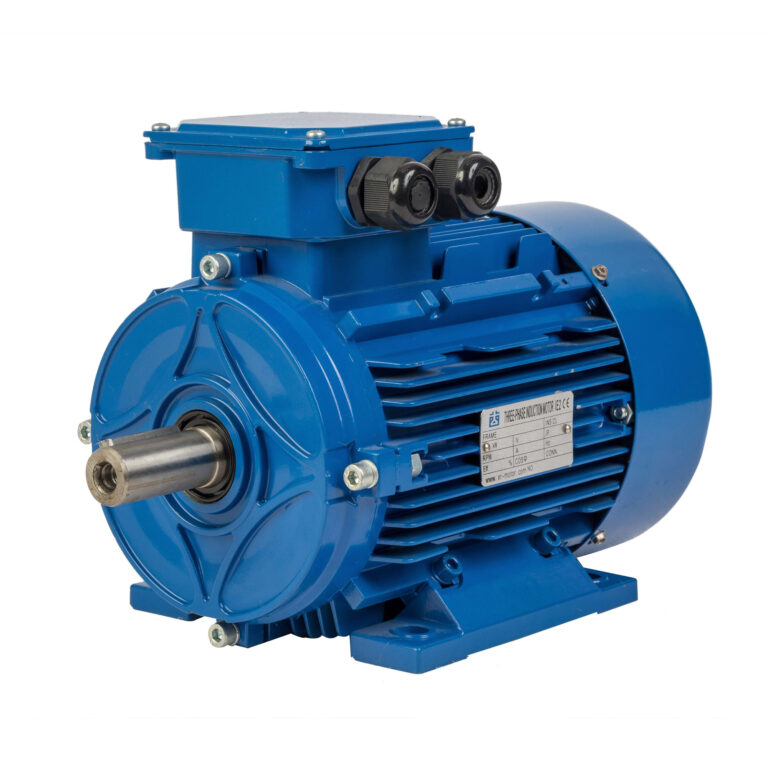
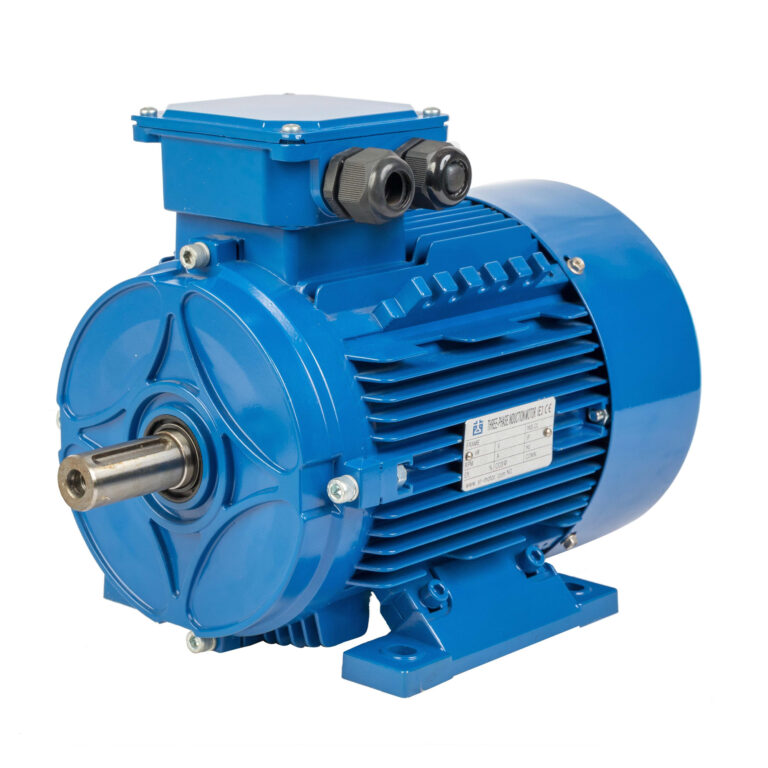
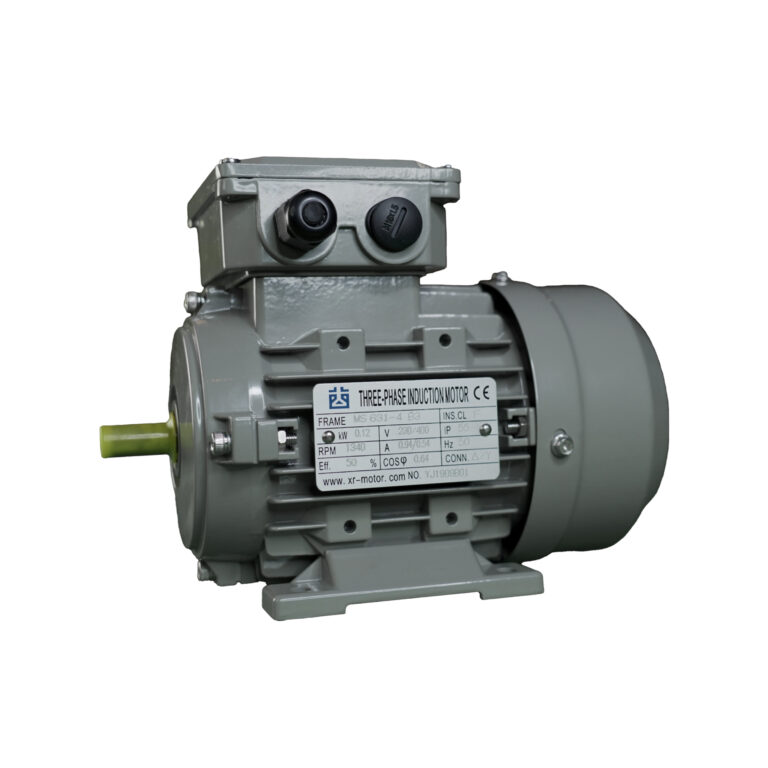
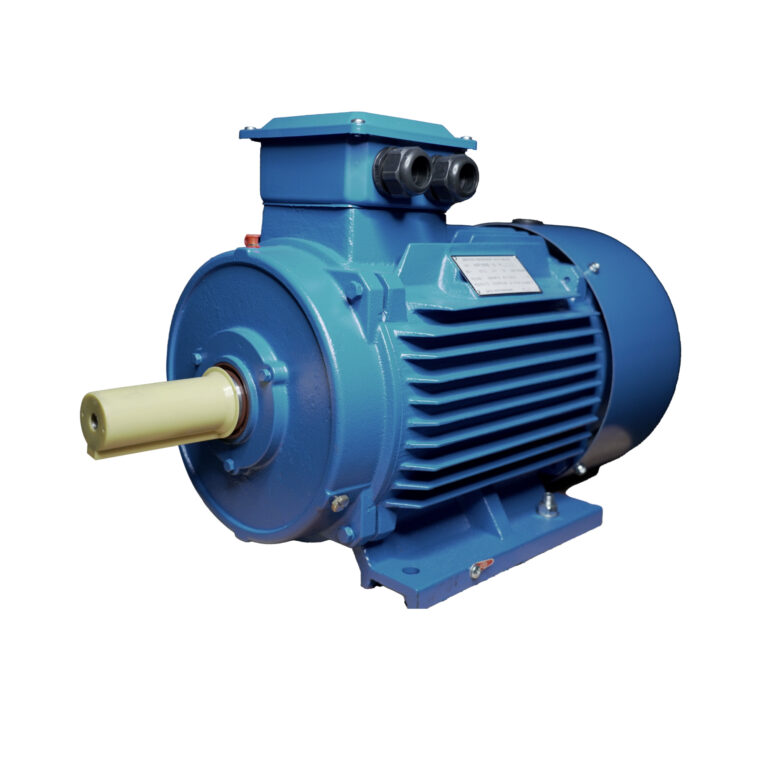
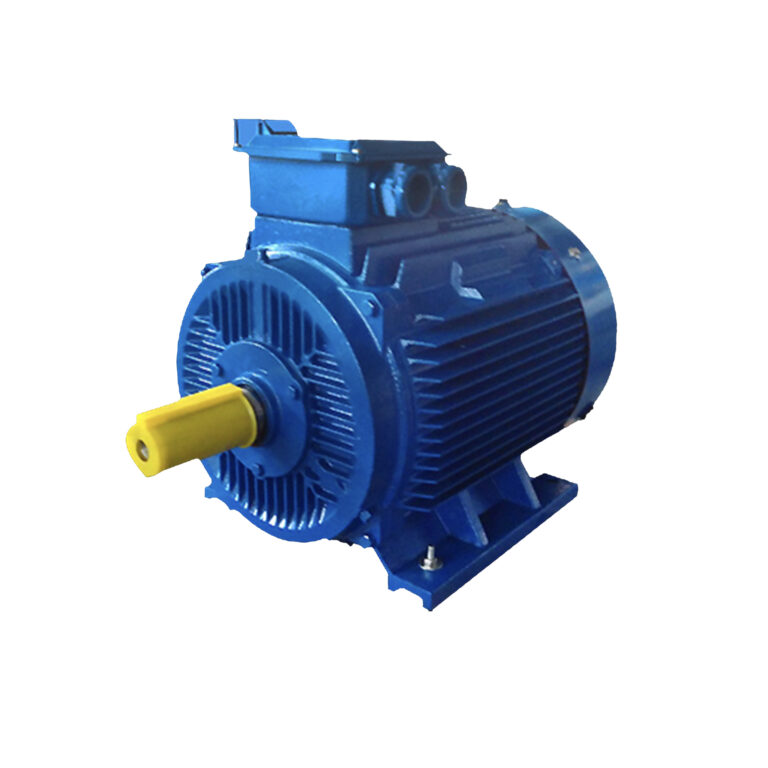
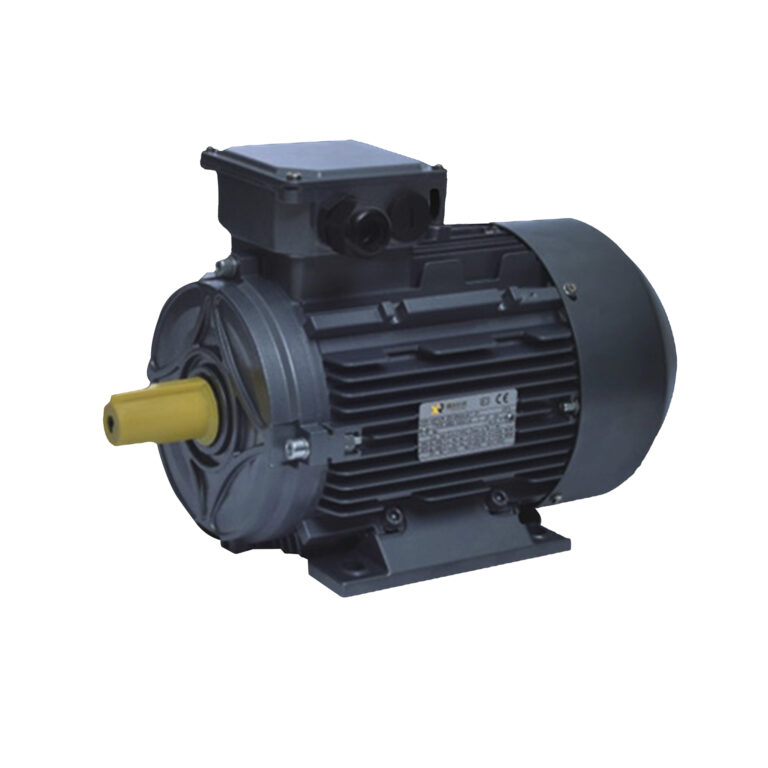
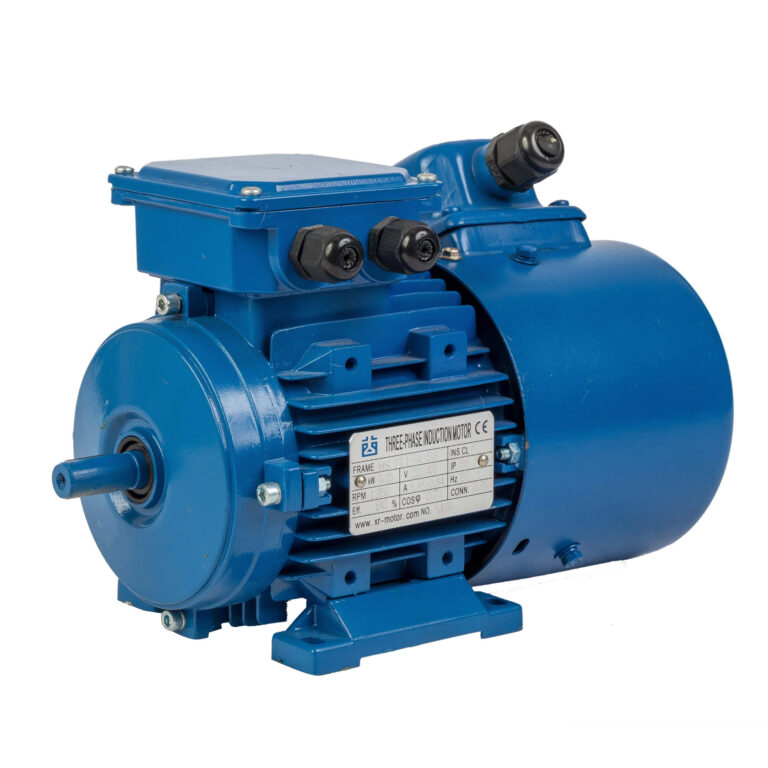
AC motors are widely used in factories. If you understand how they work, what affects their efficiency, and how to improve it, you can save a lot of energy and improve overall performance.
In this article, we explain AC motors in detail — from how they rotate, to how speed is controlled, and how energy can be saved.
Whether you are choosing a motor for a new project or trying to reduce energy use in existing equipment, this article will give you practical ideas.
Part 1: Why Should We Care About AC Motor Efficiency?
1.1 The Cost of Not Paying Attention
Energy consumption
Motors can account for 60–70% of a factory’s total electricity use. Even small inefficiencies can add up to big costs.
Operating costs
Higher energy use means higher electricity bills, more maintenance, and sometimes even production downtime.
Environment
Using less energy also means less pollution, which is better for the planet.
1.2 What Is AC Motor Efficiency?
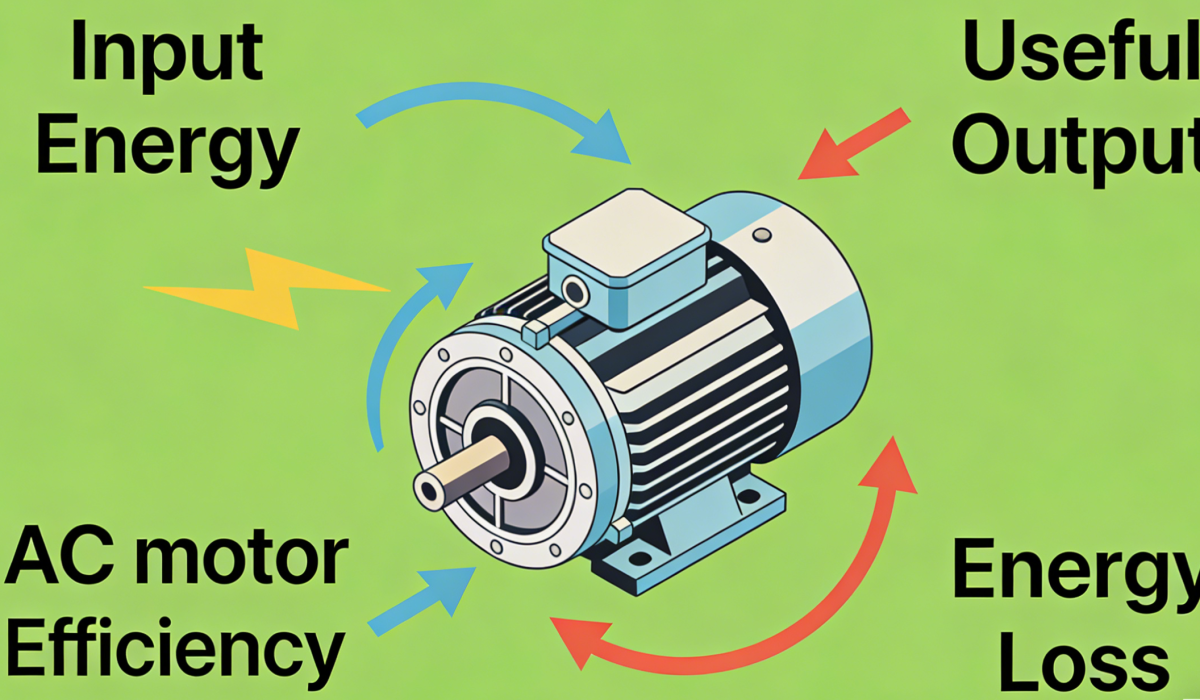
Simply put, AC motor efficiency shows how much of the electrical energy going into the motor is actually used to produce rotation. It is usually shown as a percentage:
Efficiency (%) = (Output Power / Input Power) × 100
A high-efficiency motor converts more electrical energy into mechanical motion and wastes less energy.
Part 2: What Factors Affect AC Motor Efficiency?
Several factors influence how efficient a motor is. Understanding them helps you choose the right motor and keep it running well.
2.1 Electrical Factors
Copper loss
When current flows through motor windings, heat is produced. Better winding quality and smart design help reduce this heat loss.
Iron loss
The motor’s core also generates heat. Good materials and proper construction can reduce this loss.
2.2 Mechanical Factors
Friction and air resistance
Bearings, cooling fans, and other parts create resistance. High-quality components and better design reduce these losses.
Rotor design
The structure of the rotor plays an important role. Newer designs can reduce energy loss.
2.3 Cooling Matters
Overheating damages insulation and wastes energy. Motors with good cooling systems, such as fans or liquid cooling, perform better and last longer.
2.4 Load Matching
If a motor is too small or too large for the job, efficiency drops. Using a properly sized motor helps save energy.
Part 3: AC Motor Torque and How It Works
3.1 Torque–Speed Characteristics
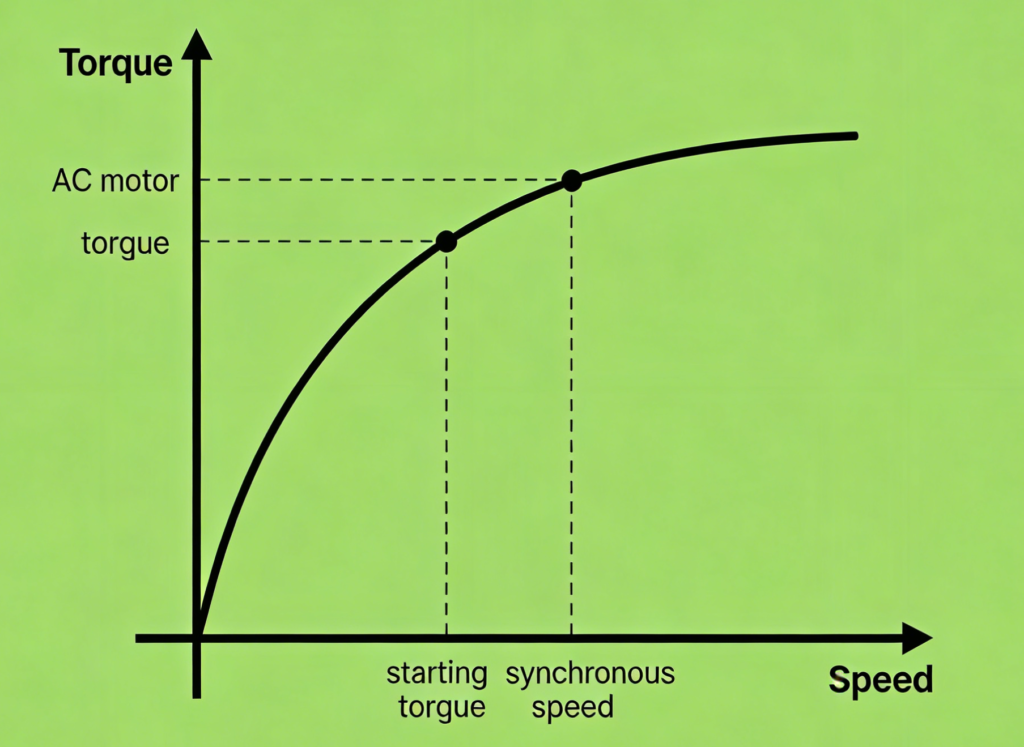
Every motor has a curve that shows how torque changes at different speeds. This includes:
- Starting torque: Power available when the motor starts, important for loads like pumps
- Acceleration torque: Minimum torque during acceleration
- Maximum torque: The highest torque before the motor stalls
- Synchronous speed: The speed of the rotating magnetic field, based on power supply frequency
3.2 Slip and Why It Matters
Slip is the difference between magnetic field speed and actual motor speed.
Lower slip usually means higher efficiency, but enough slip is needed to do the work.
3.3 High Torque for Heavy Loads
Some equipment, such as crushers or mixers, needs high torque to start and run. Choosing a motor with the right torque curve avoids using an oversized and inefficient motor.
Part 4: AC Motor Speed Control Methods
4.1 Why Control Speed?
Many applications need accurate speed to keep processes stable or synchronized. Speed control also saves energy by matching motor speed to actual demand.
4.2 Traditional Methods
Voltage control
Changing voltage changes speed. This method is simple but not very precise.
Rotor resistance control
This method works only for certain motors. It wastes energy and requires more maintenance.
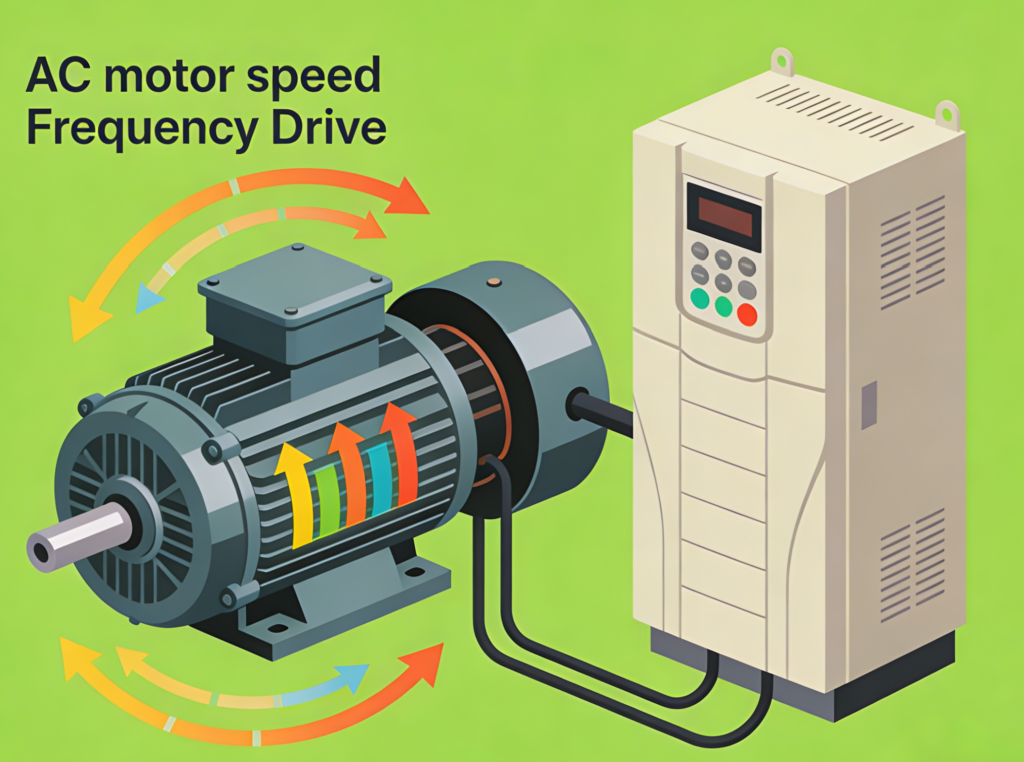
4.3 Modern Drives (Variable Frequency Drives)
This is the most effective way to control speed. VFDs can:
- Keep speed stable, even when conditions change
- Save energy by reducing power when full speed is not needed
- Enable smooth start and stop, protecting the motor from shock
4.4 Sensorless vs Sensor-Based Control
Sensorless drives
Estimate motor position without extra hardware.
Sensor-based drives
Use sensors for better control, suitable for applications needing very accurate movement.
Part 5: AC Motor Energy and Power Use
5.1 Power Factor
Not all power drawn by a motor does useful work. Improving power factor, often using capacitors, helps reduce electricity costs.
5.2 Usage Patterns
Continuous operation
Motors running all the time, such as pumps.
Frequent start and stop
Starting and stopping affects energy use. Understanding this helps select the right motor.
5.3 Measuring Energy
Meters can track energy consumption, helping you find problems and save power.
Part 6: Motor Technology Basics
6.1 Efficiency Classes
Motors are grouped by efficiency levels (IE1 to IE5):
- IE1: Standard
- IE2: Good
- IE3: High
- IE4: Very high
- IE5: Ultra-high (advanced technology)
Upgrading from IE2 to IE3 or IE4 can save a few percent of energy, which adds up over time.
6.2 Quality Materials
High-grade steel
Thin laminations reduce energy loss.
Magnets
Magnets improve power and efficiency, helping reach IE5 levels.
Cooling design
Good fan design and airflow keep motors cool.
6.3 Upgrading Old Motors
Old motors can often be improved by replacing certain components to increase efficiency.
Part 7: Choosing the Right Motor
7.1 Think About the Application
Know how much power you need, how often the motor starts and stops, and when maximum torque is required. This helps you choose the best motor.
7.2 Avoid Oversizing
- Oversized motors waste energy
- Leave some safety margin, but not too much
7.3 Think Long-Term
Spending more on a better motor now can save energy and maintenance costs in the future.
Part 8: Keeping Motors Efficient
8.1 Regular Checks
- Lubricate bearings for smooth operation
- Check alignment to avoid energy loss
- Clean cooling systems to prevent overheating
8.2 Monitor Closely
- Sensors can warn you early about problems
- Software helps track energy use and spot issues
8.3 Use Motors Smartly
- Use variable speed control to match real demand
- Balance loads across multiple motors so all run efficiently
Conclusion: Improving Efficiency
AC motors play a key role in factory energy saving. By understanding how they work and what affects efficiency, you can save money, improve reliability, and protect the environment.
Whether you upgrade motors, add variable frequency drives, or simply improve maintenance, better efficiency always pays off.
Start by checking your motors, learning their efficiency levels, and finding ways to reduce energy use. This lowers costs and helps the planet.
Call to Action
Want to make your factory more energy efficient?
Talk to our motor experts for a free check and see how better motors can make a difference. Let’s power your future the right way.
Contact Us