


- Home
- Product
- GOST standard motor
- IEC standard motor
 MC Series single phase capacitor start asynchronous motor
- MY MYT series single phase capacitor running asynchronous motor
- ML Series single phase dual-capacitor asynchronous motor
- ME2 series three phase high efficiency aluminum housing motor(IE2)
- ME3 series three phase high efficiency aluminum housing motor(IE3)
- MS series three-phase aluminum housing motor (IE1)
- Y2 series three phase cast iron motor (IE1)
- YE2 series three phase high efficiency cast iron motor (IE2)
- YE3 series three phase high efficiency cast iron motor (IE3)
- Special application motor
- Rolling door motor
- Industry application
- News
- About us
- Contact us
- Certifications
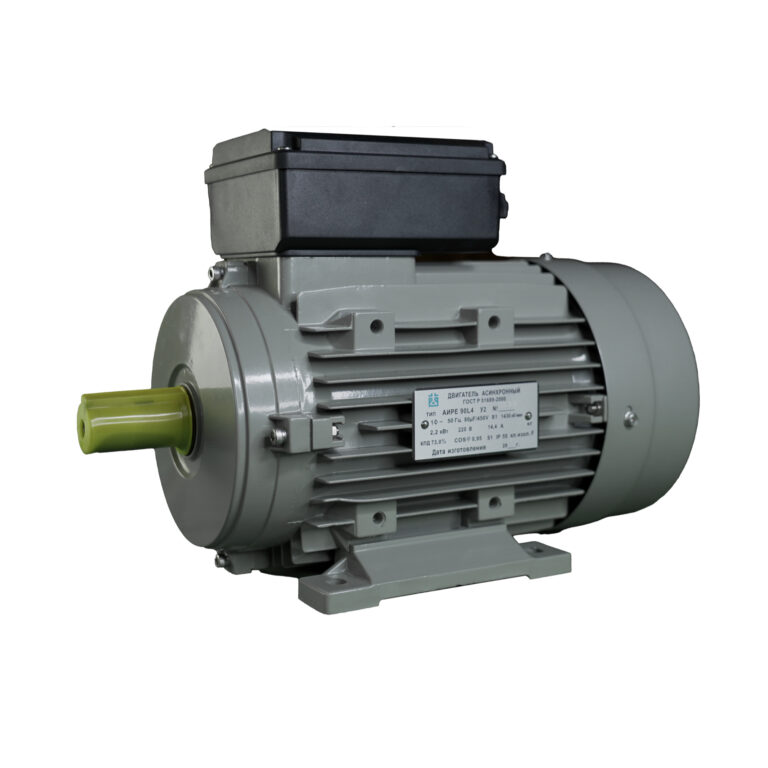
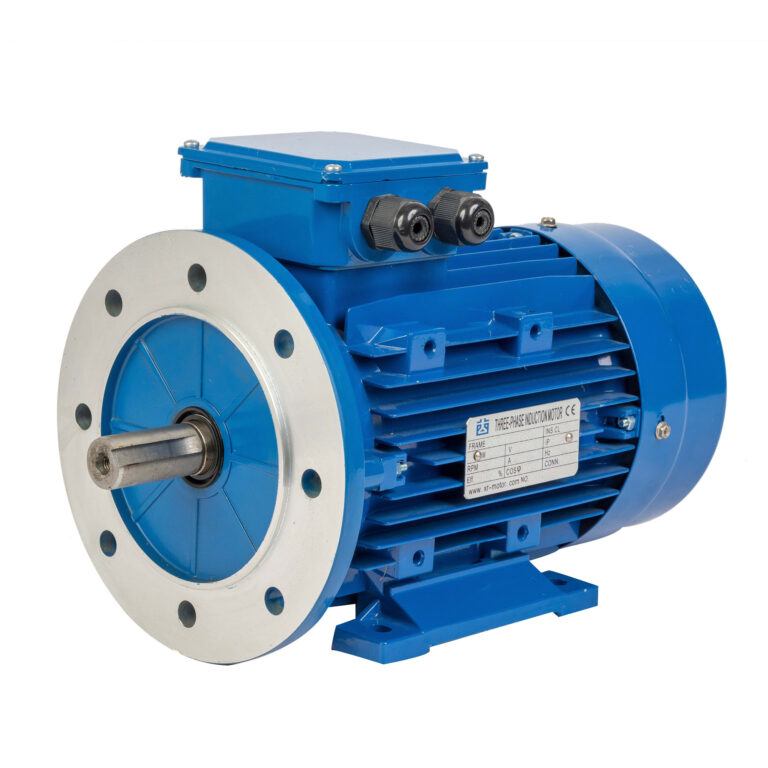
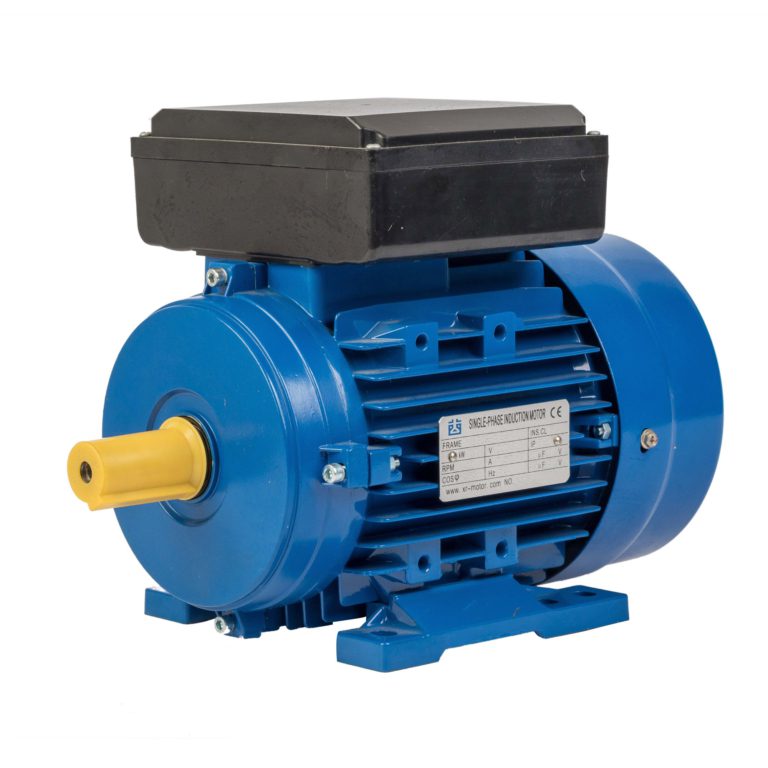
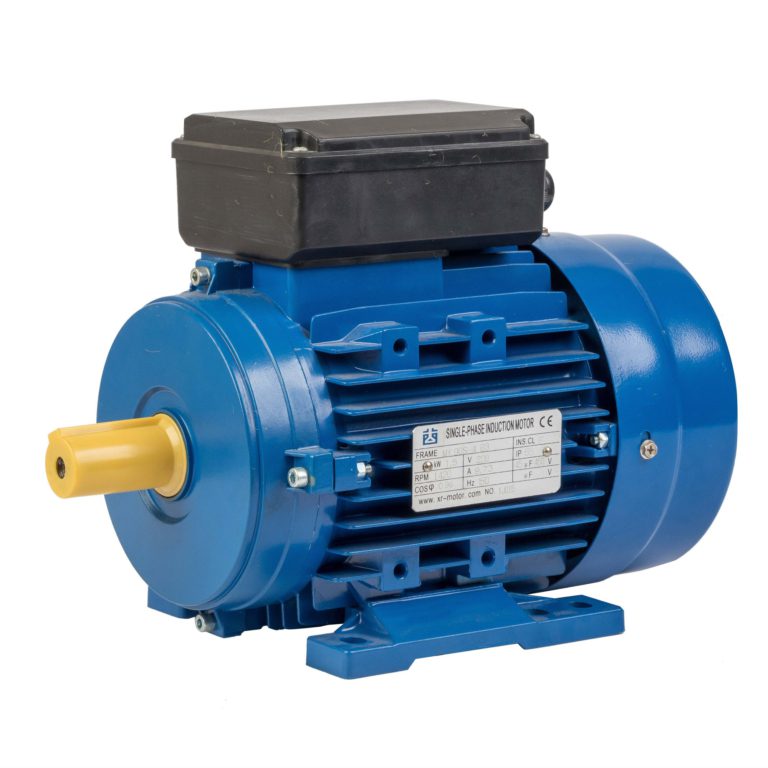
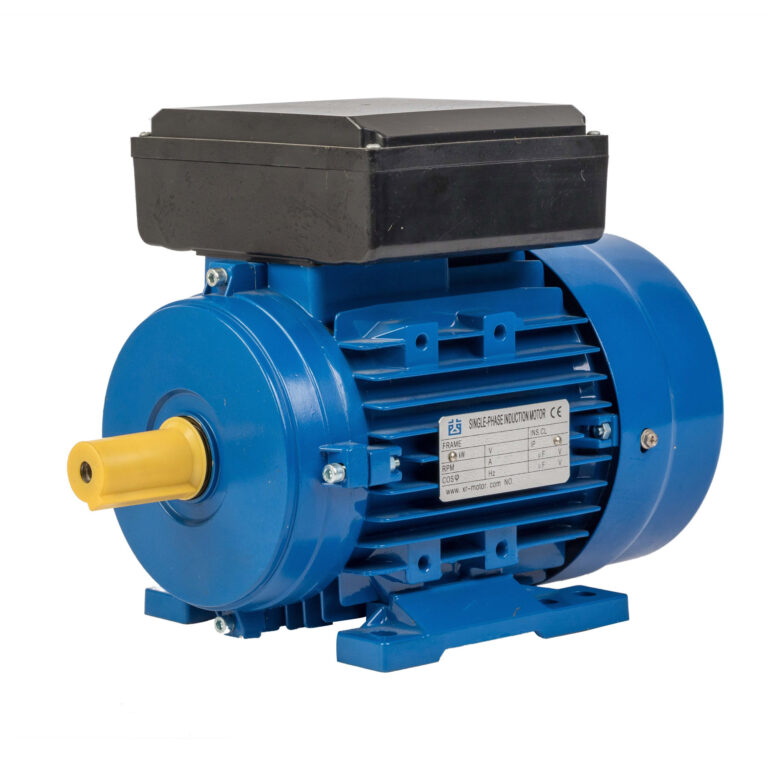
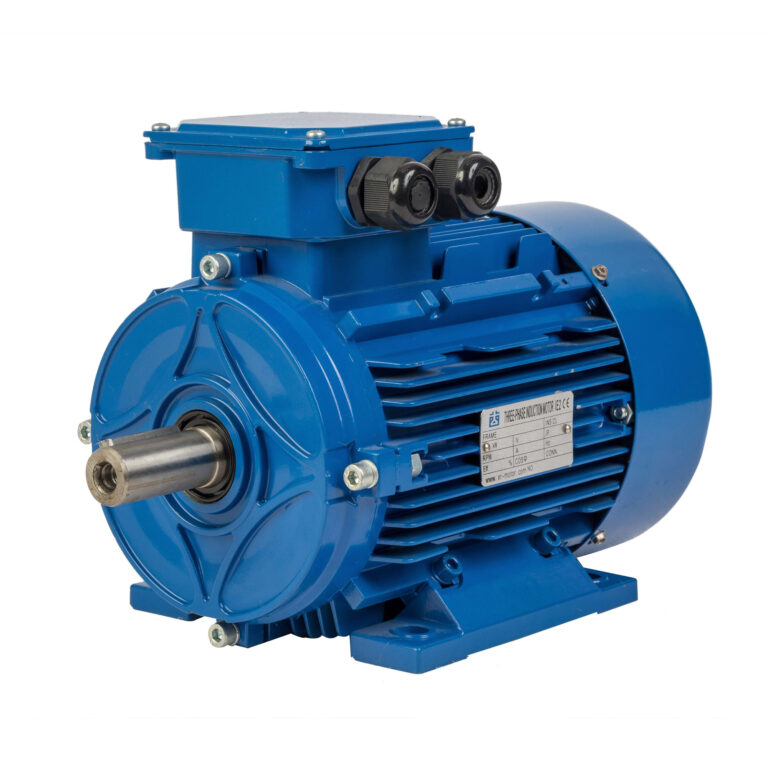
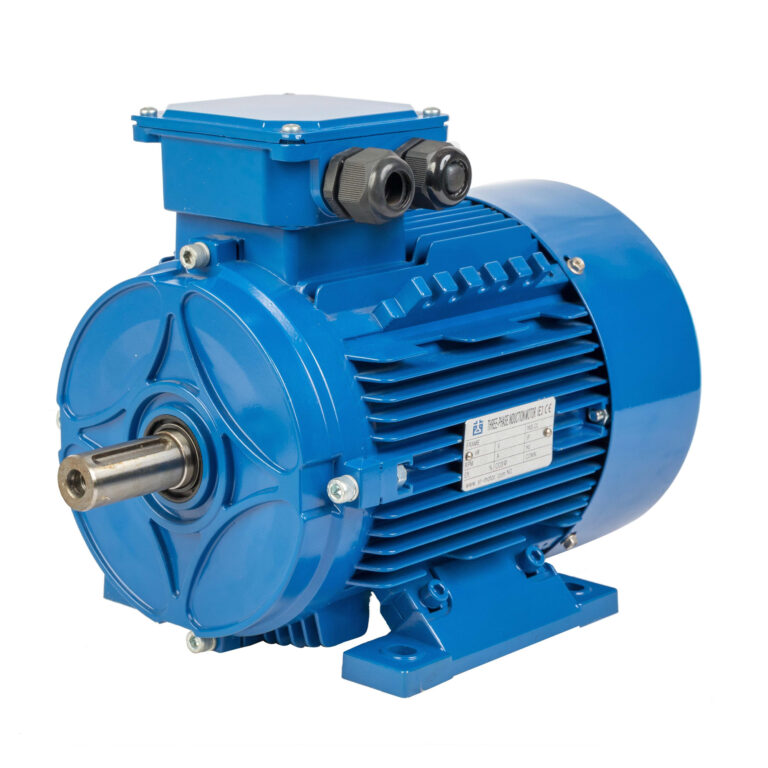
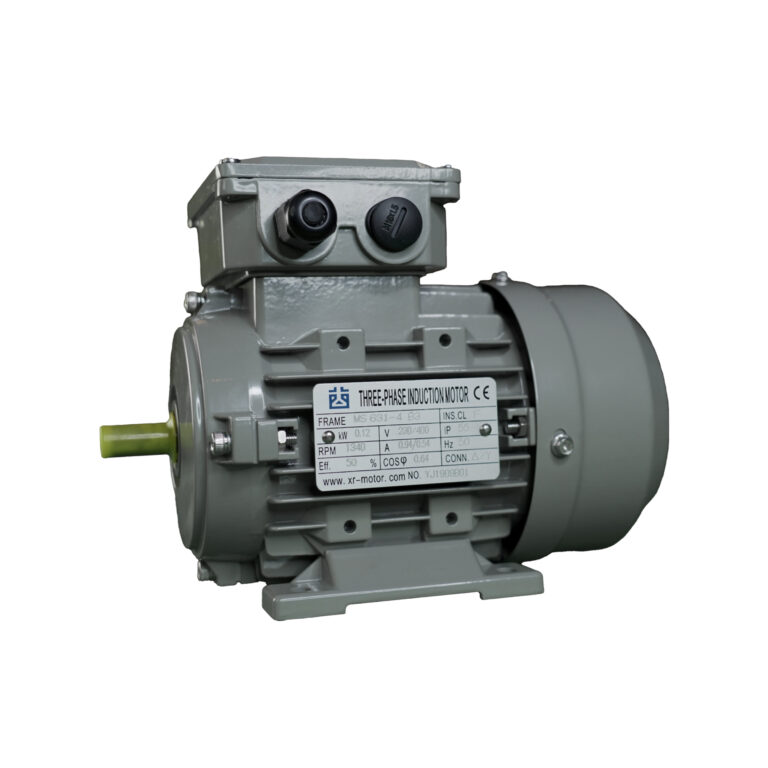
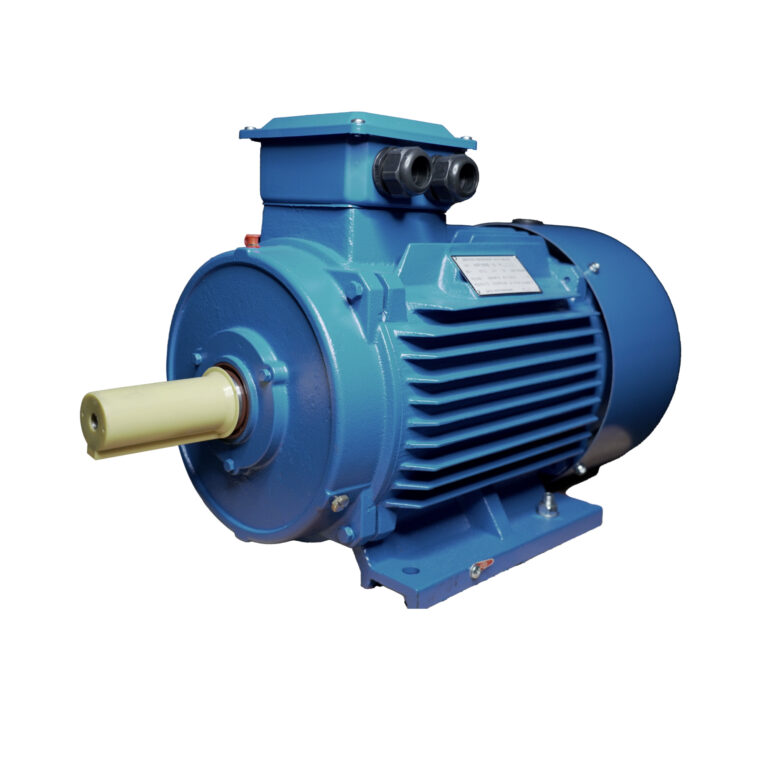
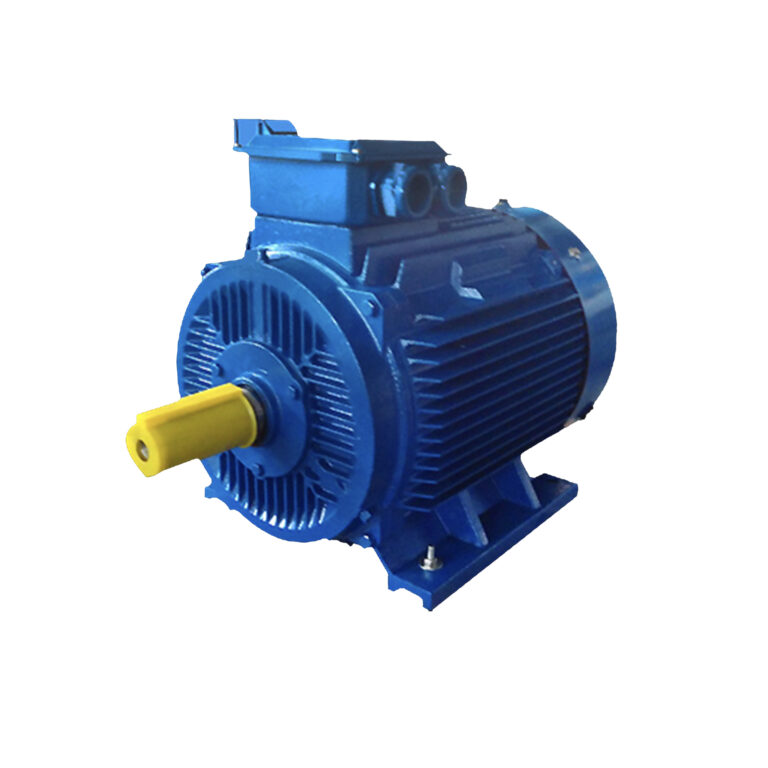
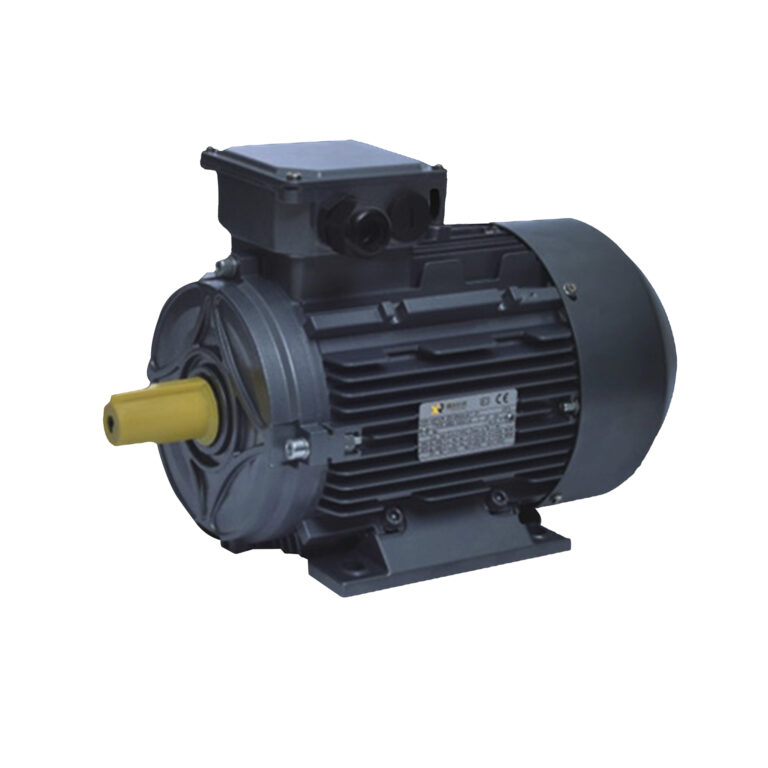
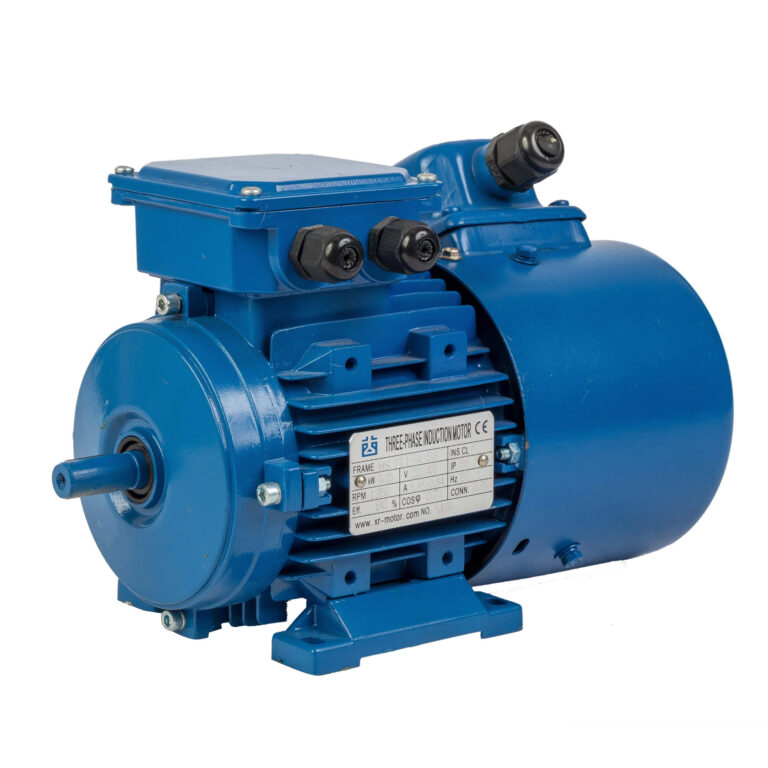
Advantages of Three Phase Motors
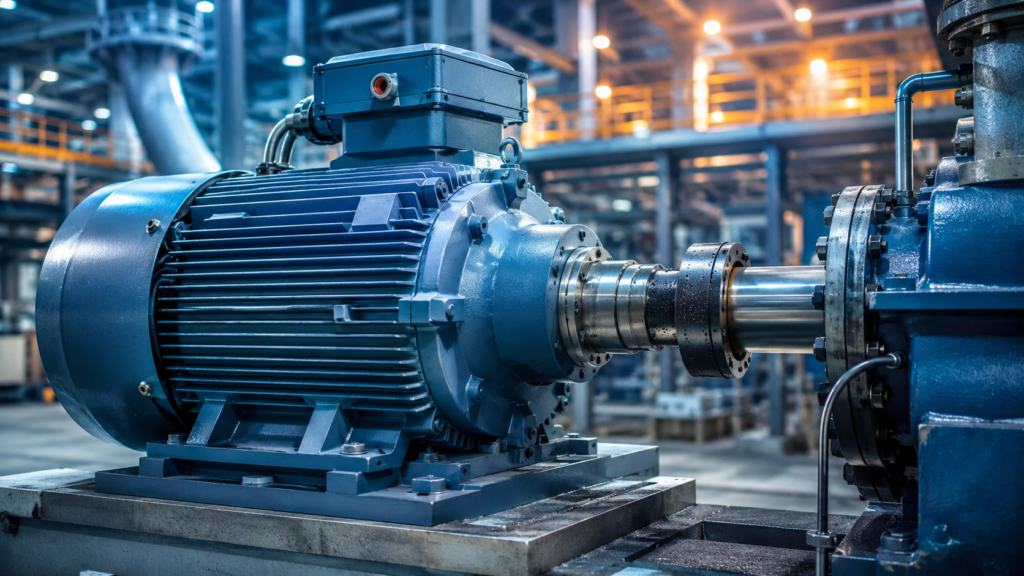
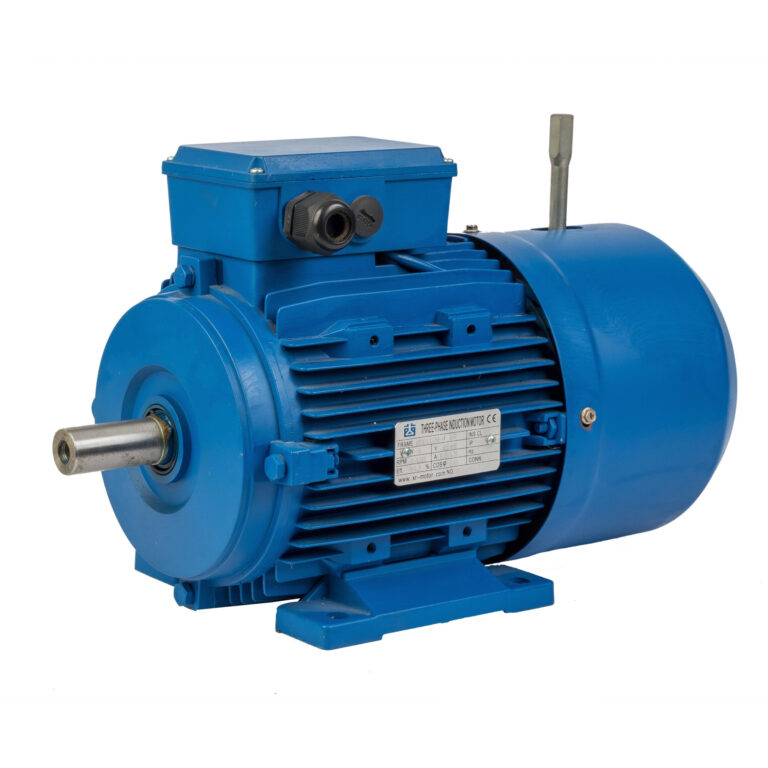
In factories, power generation plants, and advanced automation systems, one element recurs with extraordinary frequency: the three-phase asynchronous motor. This electrical machine—with its elegantly simple construction—has redefined the parameters of industrial efficiency in recent decades. Also known in the Italian market as a motore asincrono trifase, this type of three phase motor is widely used where reliability, efficiency, and continuous operation are essential.
At our company, we design and manufacture three-phase electric motors for the most demanding applications. In this article, we offer an objective technical analysis of the key advantages of this technology.
Superior Energy Efficiency
One of the most notable aspects of the three-phase asynchronous motor is its exceptionally high efficiency. The stator windings have a symmetrical layout, and the squirrel-cage rotor has an optimized design.
This reduces Joule losses and magnetic hysteresis. Under nominal load conditions, a good-quality asynchronous motor consistently exceeds 90% efficiency—significantly better than the 75–85% efficiency of equivalent single-phase motors.
When calculating the annual energy consumption of an industrial plant, this difference translates into significant financial savings. For a 15 kW three phase motor operating 6,000 hours annually, moving from 82% to 92% efficiency generates an estimated saving of approximately 8,000 kWh per year—a tangible benefit both economically and environmentally.
Power Factor and Grid Compatibility
Three-phase electric motors typically have a power factor between 0.80 and 0.90, a value that remains stable over a wide load range. This reduces the reactive component absorbed from the grid, lightening the load on electrical infrastructure and limiting the penalties associated with low reactive power that many utilities apply to industrial users.
An additional advantage is load symmetry: unlike single-phase machines—which load asymmetrically on a single phase—three-phase asynchronous motors distribute power evenly, reducing harmonic interference and contributing to the stability of the overall electrical system. For this reason, the motore trifase remains one of the most suitable solutions for industrial electrical systems.
High Starting Torque and Stability
In industrial applications, starting capability is often the critical factor in motor selection. Three-phase asynchronous motors deliver 2–3 times the nominal torque when started directly, making them ideal for high-inertia loads such as ball mills, reciprocating compressors, overloaded conveyors, or large-capacity centrifugal pumps.
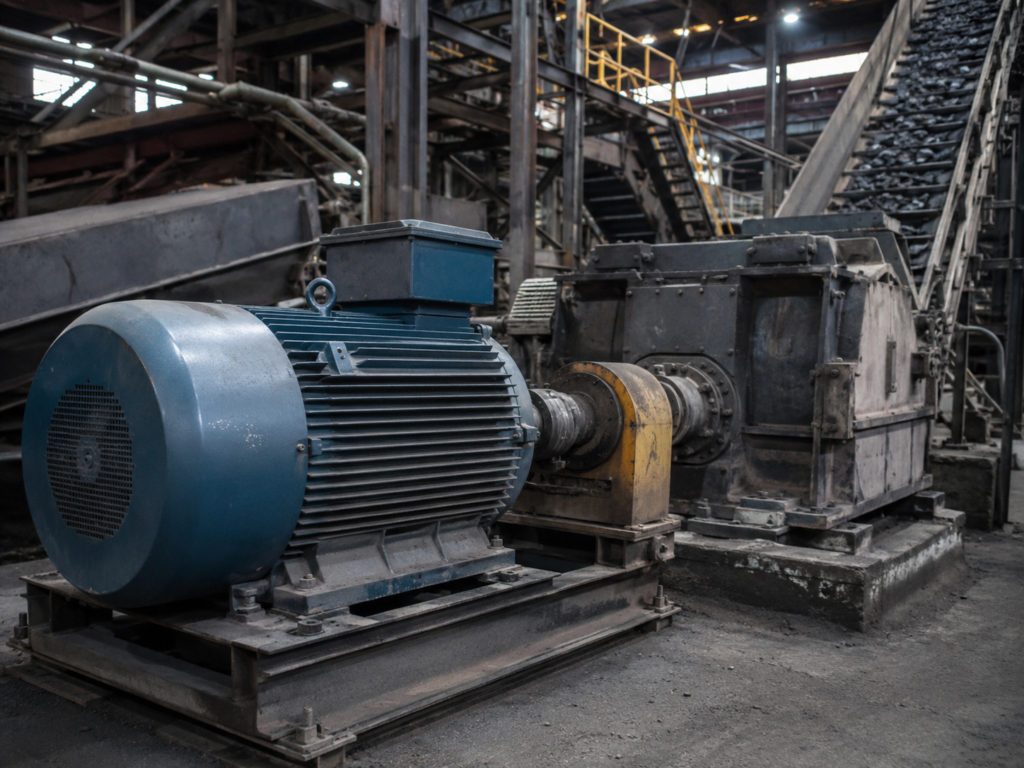
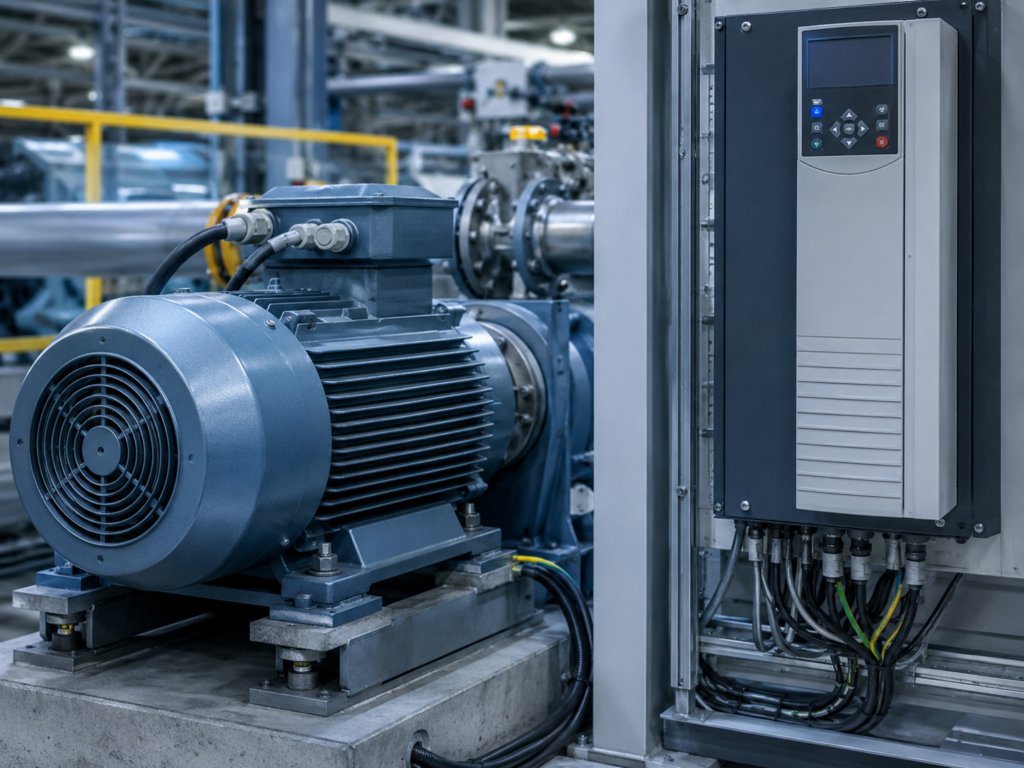
Once the motor reaches its rated speed, its naturally rigid mechanical characteristics maintain stable rotation, with minimal variations as the load changes. In systems with frequent starting or under heavy load, combining a three-phase electric motor with a variable frequency drive (VFD) allows for modulation of starting torque and reduction of mechanical stress on the system. This makes the three phase motor a reliable choice for demanding industrial processes.
Applications in Major Industrial Sectors
The versatility of the three-phase asynchronous motor is reflected in its widespread use in a wide variety of sectors. In the renewable energy sector, it is used in pitch control systems for wind turbines, where reliability and precision are non-negotiable. In precision manufacturing, it is the primary spindle drive system in multi-axis CNC machining centers.
The most common applications also include industrial pumps and compressors, lifting and handling systems, high-power HVAC systems, rolling mills, extruders, and automated assembly lines. In each of these contexts, our company develops solutions optimized for insulation class, IP rating, and integration with existing control systems. Whether the requirement is for a standard motore trifase or a specific motore asincrono trifase configuration, correct motor selection remains essential for long-term performance.
Structural Reliability and Total Cost of Ownership
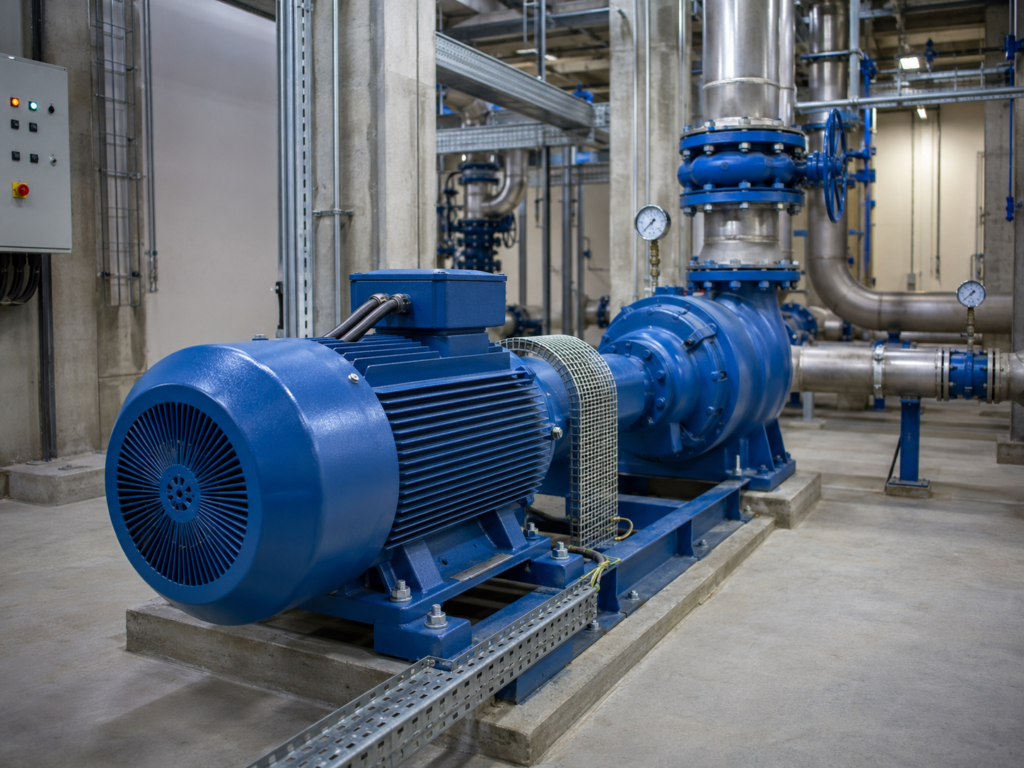
The simple construction of the asynchronous motor—the absence of commutators, brushes, and sliding contacts—translates into reduced maintenance and an exceptionally long service life. Conservative estimates indicate an average lifespan of between 80,000 and 100,000 operating hours under normal operating conditions.
Maintenance costs are 40% lower than equivalent single-phase motors, thanks to reduced component wear and easier diagnostics. This, combined with energy savings, makes the three-phase asynchronous motor the most economically rational choice over the medium to long term.
Conclusion
The three-phase electric motor is more than just an electrical machine: it is an energy conversion system optimized to meet the diverse needs of modern industry. The combination of superior efficiency, stable power factor, robust starting torque, and structural longevity makes it a leading solution in any context where production continuity and efficiency are strategically important.
At our company, this technology is the core of our offering. Our technical team is available to support you in selecting the three-phase asynchronous motor best suited to your specific applications—from power to protection rating, to integration with existing control systems. For companies looking for a reliable three phase motor, motore trifase, or motore asincrono trifase, choosing the right technical partner is just as important as choosing the right motor itself.