


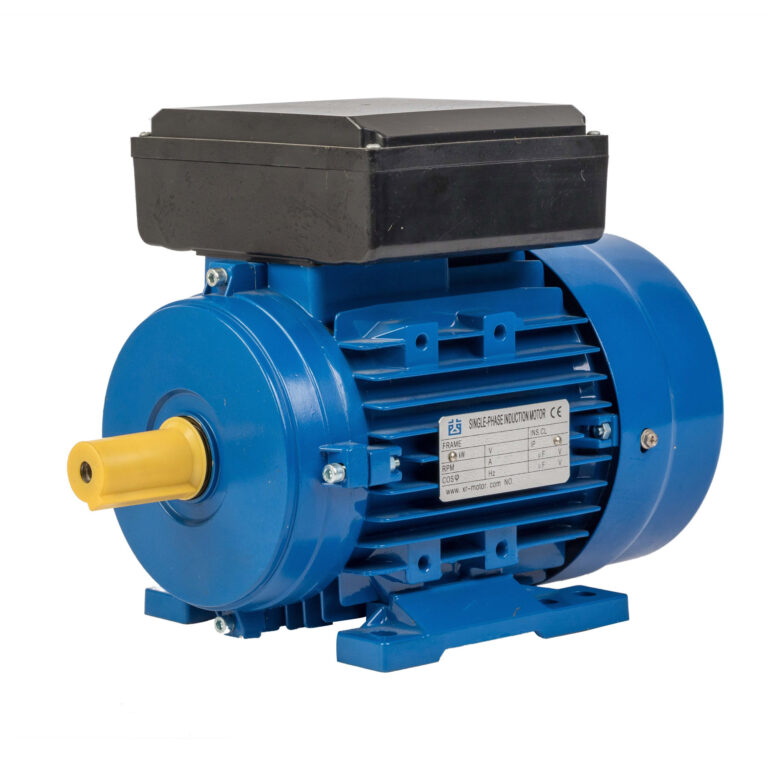
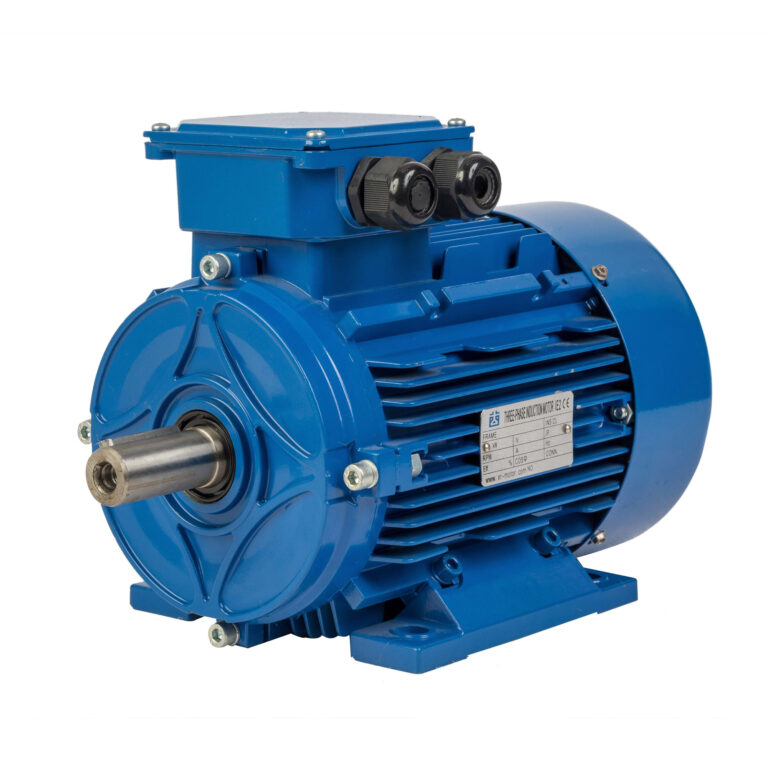
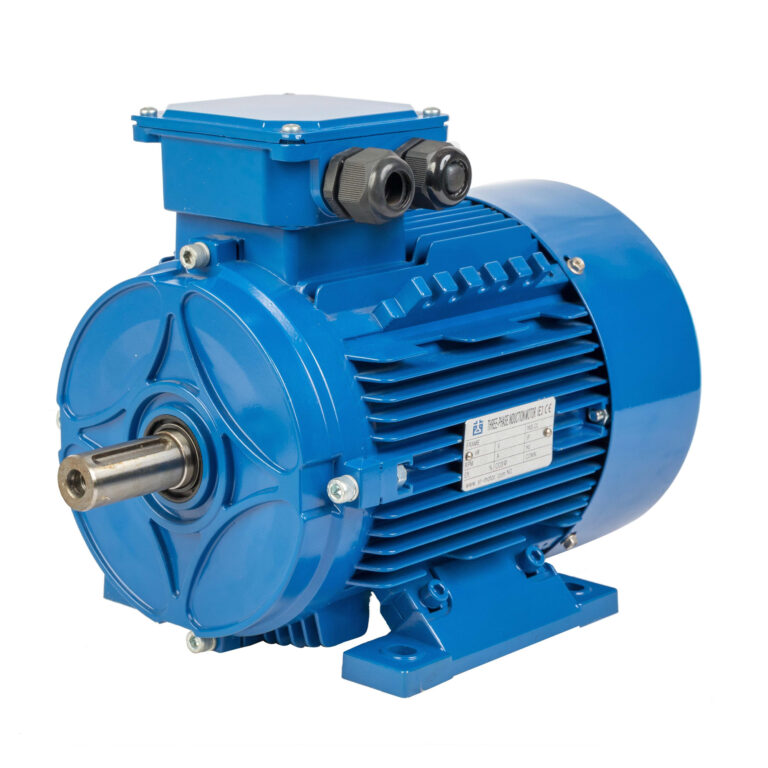
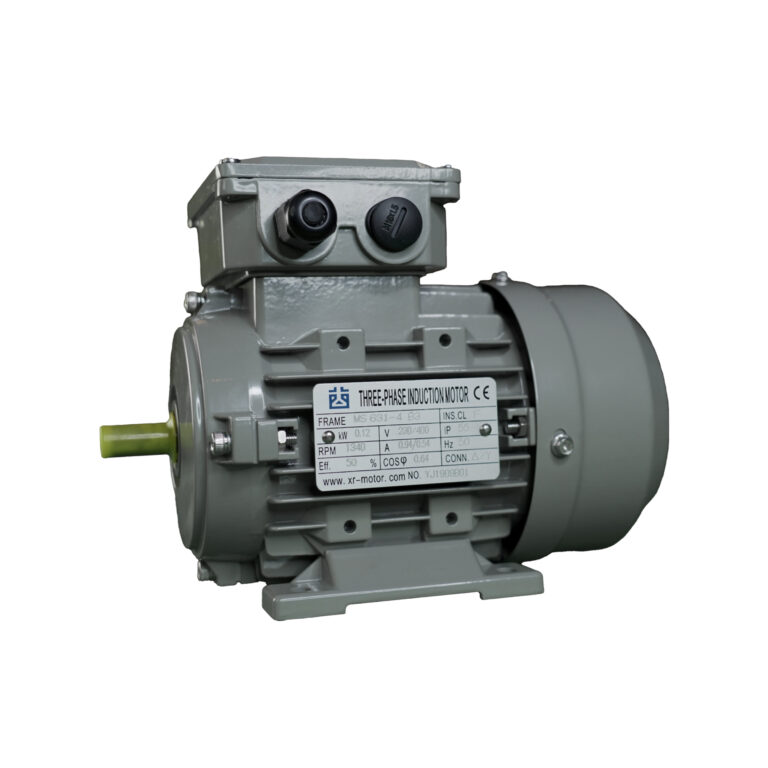
Introduction
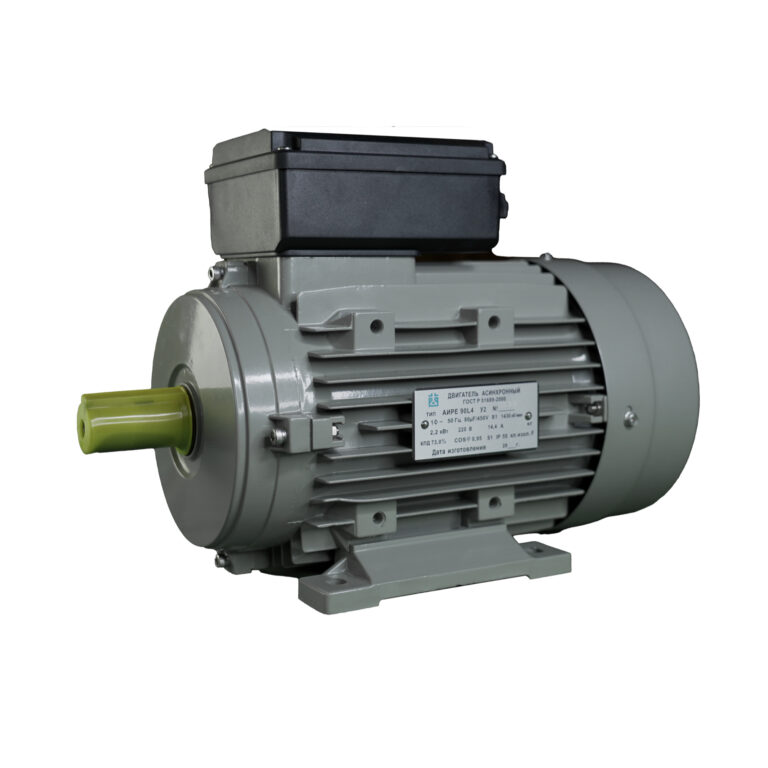
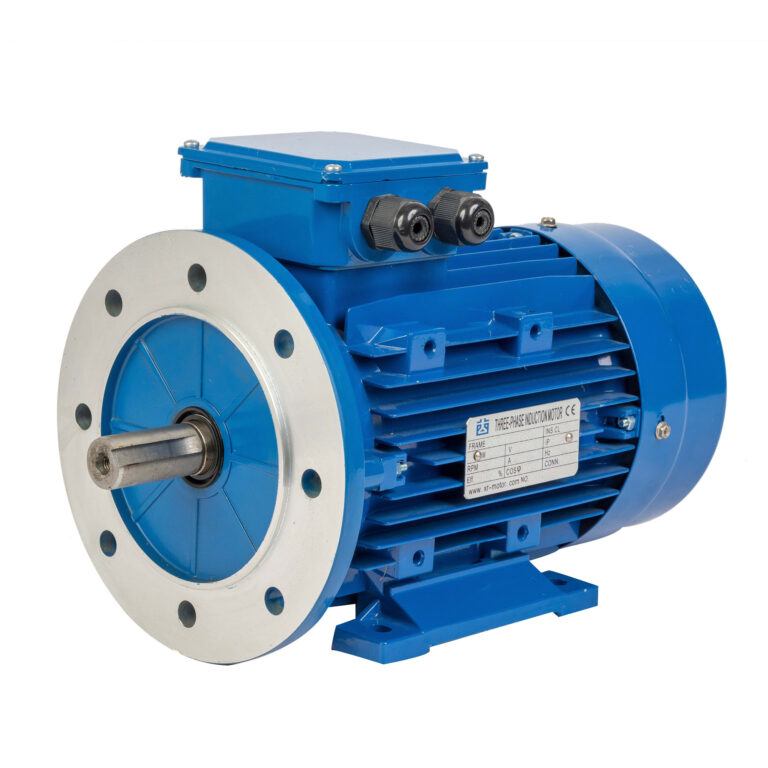
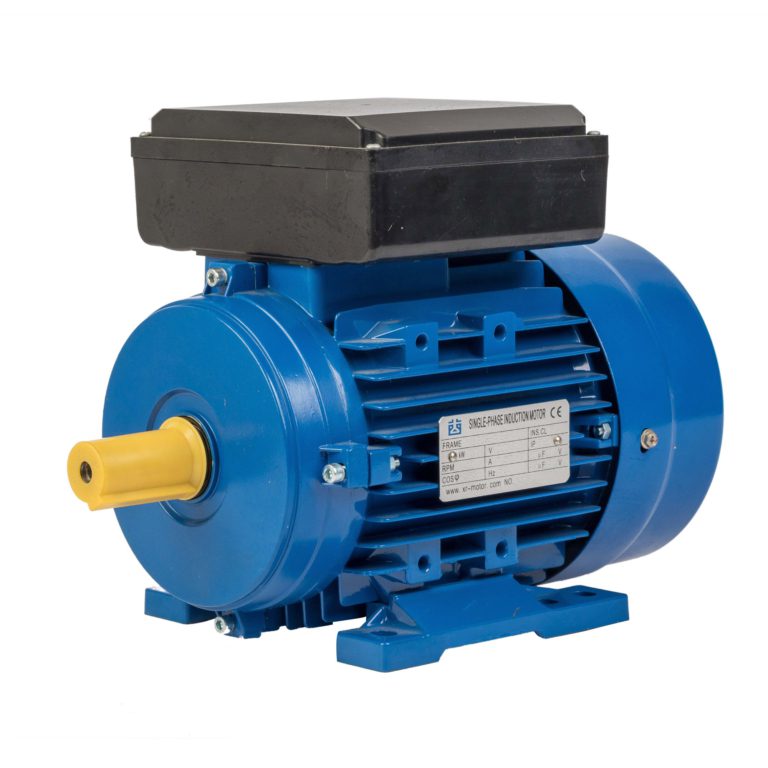
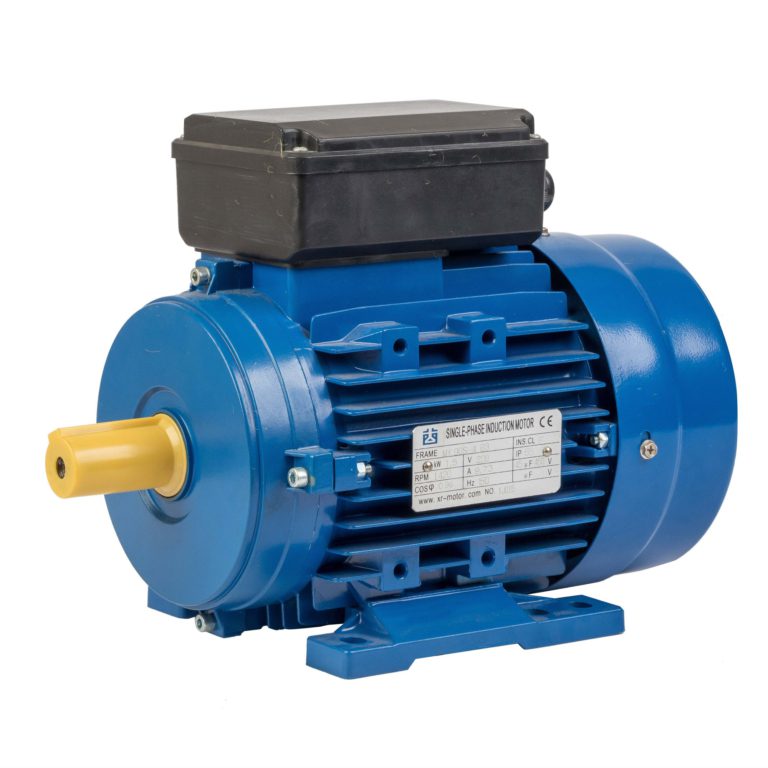
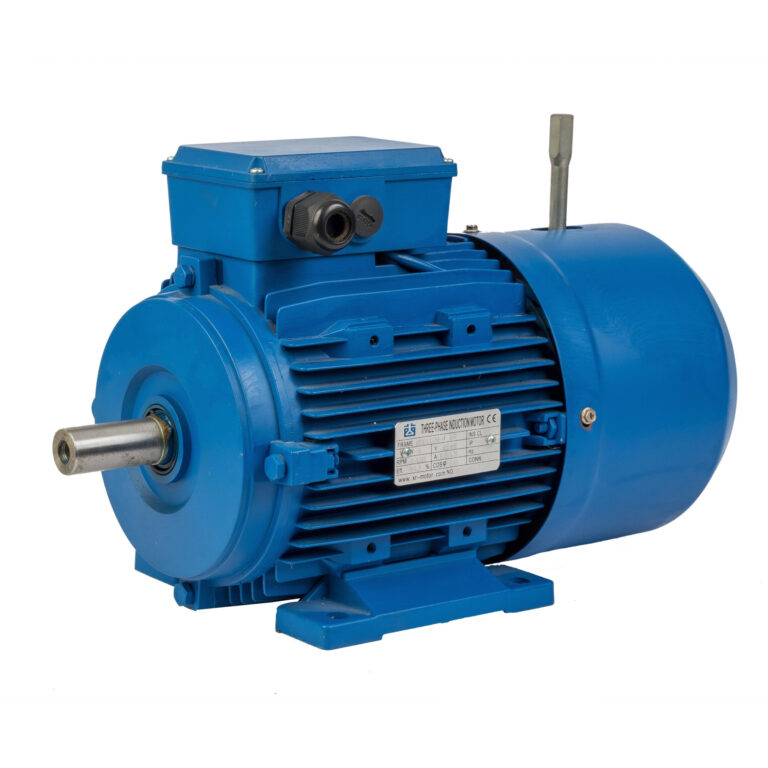
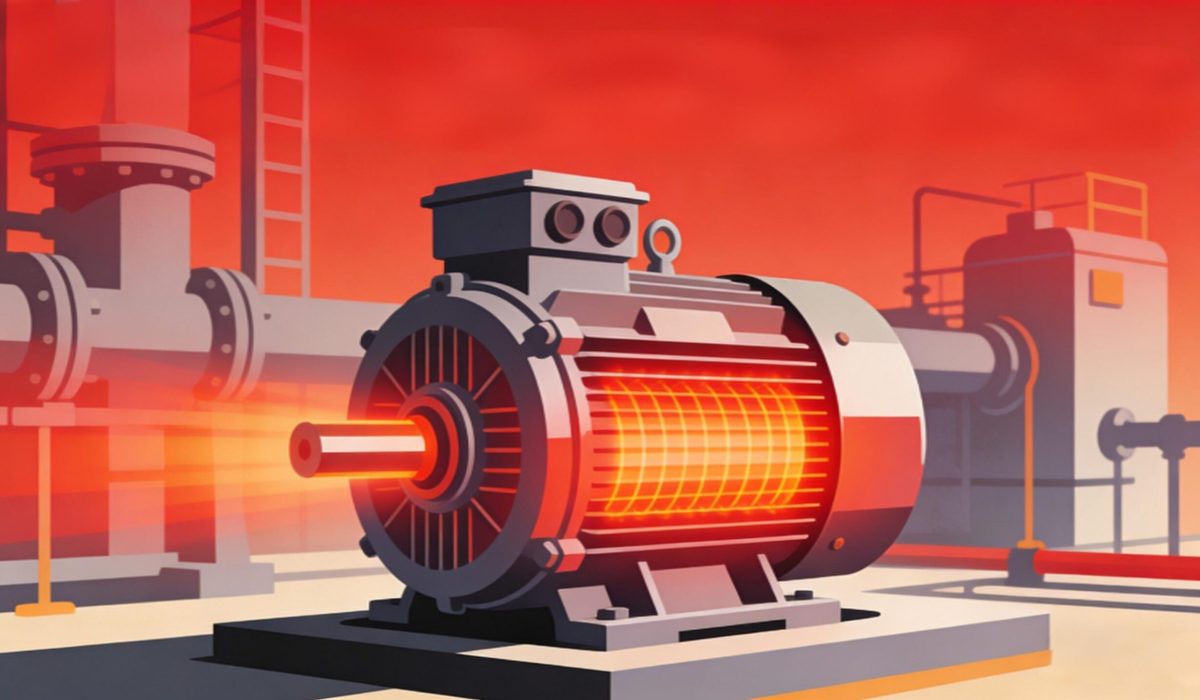
AC motor overheating is one of the most common and costly problems in industrial equipment. For OEM manufacturers, factory maintenance teams, and motor distributors, persistent overheating leads to insulation degradation, bearing failure, frequent shutdowns, and reduced motor service life.
This article explains why AC motors overheat, how to diagnose the root causes, and how proper motor selection and engineering design can prevent recurring thermal issues in continuous-duty applications.
What Is Normal Temperature for an AC Motor?
Every AC motor is designed to operate within a specific temperature rise limit based on its insulation class (Class B, F, or H). While surface temperature varies by frame size and cooling method, sustained operation beyond the rated temperature rise significantly accelerates insulation aging.
Overheating should be considered a system-level warning, not merely a thermal symptom.
Electrical Causes of AC Motor Overheating
Overload Operation
Running an AC motor above its rated load is the most common overheating cause. Overload increases current draw, which directly raises winding temperature.
Voltage Imbalance
Even a small voltage imbalance in three phase motors can result in a disproportionate increase in current, leading to excessive heat generation.
Low Efficiency Motor Design
IE1 or outdated motor designs generate more internal losses compared to IE2 or IE3 motors, especially under continuous-duty conditions.
Mechanical and Environmental Causes
Poor Ventilation and Cooling
Blocked airflow, dust accumulation, or inadequate cooling fans reduce heat dissipation, causing temperature rise even at normal load levels.
Bearing and Friction Issues
Worn bearings increase mechanical friction, forcing the motor to work harder and generate additional heat.
High Ambient Temperature
Industrial environments with poor airflow or elevated ambient temperatures reduce the motor’s ability to dissipate heat effectively.
How Motor Design Affects Thermal Performance
Efficiency Class Selection
Higher efficiency motors (IE2, IE3) convert more electrical energy into mechanical output and less into heat, making them ideal for long operating hours.
Housing Material and Structure
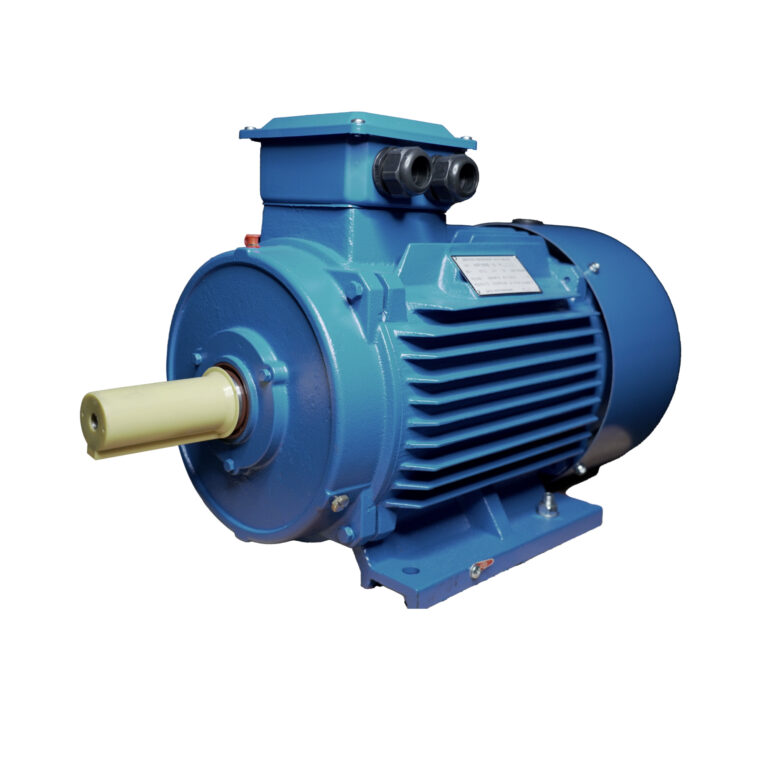
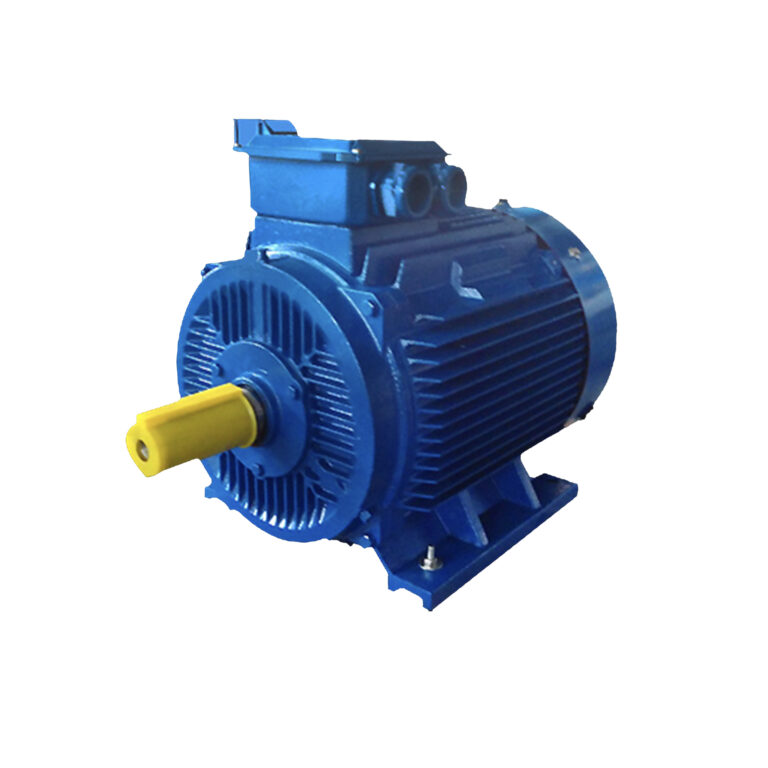
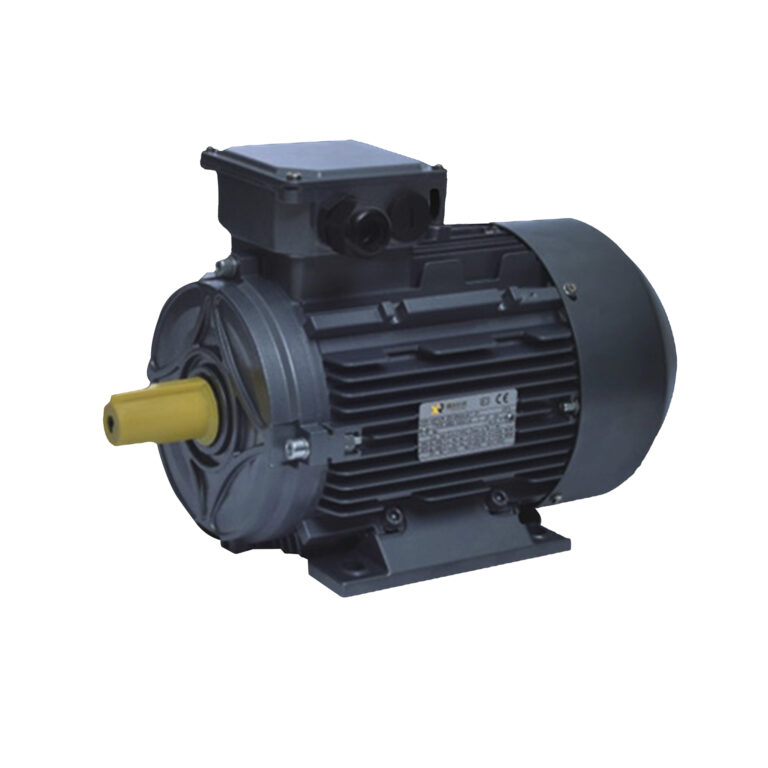
Cast iron motors provide better thermal stability and structural rigidity for heavy-duty applications, while aluminum motors are suitable for lighter loads.
Continuous Duty Rating
Motors designed for S1 continuous duty maintain stable temperatures over extended operating cycles.
Diagnosing Overheating in Industrial Applications
Technicians should evaluate load conditions, measure phase current balance, inspect ventilation paths, and review duty cycle alignment with motor specifications.
Ignoring early thermal warning signs often leads to irreversible winding damage.
Preventing AC Motor Overheating
Preventive measures include proper motor selection, adequate ventilation design, routine inspection, and choosing motors with suitable efficiency and insulation ratings.
For OEM equipment, thermal considerations should be addressed during the design stage rather than after field failures occur.
Engineering Support for Stable Motor Operation
Selecting an AC motor is not only about power rating. Load characteristics, duty cycle, efficiency class, and cooling structure must be evaluated together to ensure long-term thermal stability.
Discuss your motor application with our engineering team to reduce overheating risks and extend motor service life.
AC Motor Vibration – Causes, Troubleshooting, and Engineering Solutions
Why Motor Vibration Matters in Industrial Systems
AC motor vibration is more than a comfort issue. Excessive vibration accelerates bearing wear, loosens fasteners, degrades insulation, and shortens overall motor service life. For OEMs and end‑user factories, vibration often signals deeper mechanical or electromagnetic imbalance that must be addressed early.
Common Causes of AC Motor Vibration
Mechanical Causes
- Shaft misalignment between motor and load
- Unbalanced rotor or coupling
- Bearing wear or incorrect bearing installation
- Loose mounting bolts or uneven foundation
Electrical Causes
- Uneven air gap due to rotor eccentricity
- Voltage imbalance between phases
- Harmonic distortion from VFD operation
Step‑by‑Step Vibration Diagnosis
- Check installation first – Verify base flatness, anchor bolts, and coupling alignment.
- Measure vibration spectrum – Use FFT analysis to distinguish bearing frequency vs rotational imbalance.
- Inspect bearings – Look for lubrication failure, contamination, or early fatigue.
- Verify electrical balance – Measure phase voltage and current deviation.
Engineering Design Solutions
- Precision rotor balancing during manufacturing
- High‑quality bearings with controlled preload
- Optimized air‑gap consistency
- Reinforced housing to reduce resonance
Practical Tip for OEMs
If vibration appears only after speed control is added, evaluate VFD parameters and carrier frequency before replacing the motor.
Abnormal Noise in AC Motors – Mechanical vs Electrical Diagnosis
Understanding AC Motor Noise
Abnormal noise is often the earliest warning sign of AC motor failure. Distinguishing whether noise is mechanical or electrical allows faster corrective action and prevents secondary damage.
Typical Noise Types and Their Causes
Mechanical Noise
- Grinding: bearing damage or insufficient lubrication
- Knocking: loose components or misalignment
- Rattling: loose fan cover or mounting hardware
Electrical Noise
- Humming: voltage imbalance or magnetic saturation
- Whining: inverter switching frequency interaction
Diagnostic Checklist
- Run motor unloaded to isolate load‑related noise
- Inspect bearings and cooling fan
- Measure supply voltage symmetry
- Compare noise levels at different speeds
Design‑Level Noise Reduction
- Precision stator slot design
- Optimized fan blade geometry
- Enhanced bearing fit tolerance control
When to Replace vs Repair
Persistent electrical noise under correct voltage conditions usually indicates internal magnetic design limitations rather than installation issues.
Low Torque in AC Motors – Diagnosis, Root Causes, and Selection Tips
Why Low Torque Is a Critical Issue
Low torque leads to startup failures, overheating, and unstable operation. It is especially problematic for conveyors, pumps, and compressors operating under variable loads.
Common Causes of Low Torque
- Undersized motor selection
- Incorrect winding design
- Voltage drop at startup
- Excessive load inertia
How to Diagnose Low Torque
- Measure starting current and acceleration time
- Verify supply voltage under load
- Check motor nameplate vs application requirement
- Inspect rotor condition
Engineering Solutions
- Select motors with higher starting torque class
- Optimize rotor bar design
- Match motor duty cycle with application
Selection Advice for OEMs
Avoid selecting motors solely by rated power. Torque curve compatibility is equally critical for reliable system performance.