


- Home
- Product
- GOST standard motor
- IEC standard motor
 MC Series single phase capacitor start asynchronous motor
- MY MYT series single phase capacitor running asynchronous motor
- ML Series single phase dual-capacitor asynchronous motor
- ME2 series three phase high efficiency aluminum housing motor(IE2)
- ME3 series three phase high efficiency aluminum housing motor(IE3)
- MS series three-phase aluminum housing motor (IE1)
- Y2 series three phase cast iron motor (IE1)
- YE2 series three phase high efficiency cast iron motor (IE2)
- YE3 series three phase high efficiency cast iron motor (IE3)
- Special application motor
- Rolling door motor
- Industry application
- News
- About us
- Contact us
- Certifications
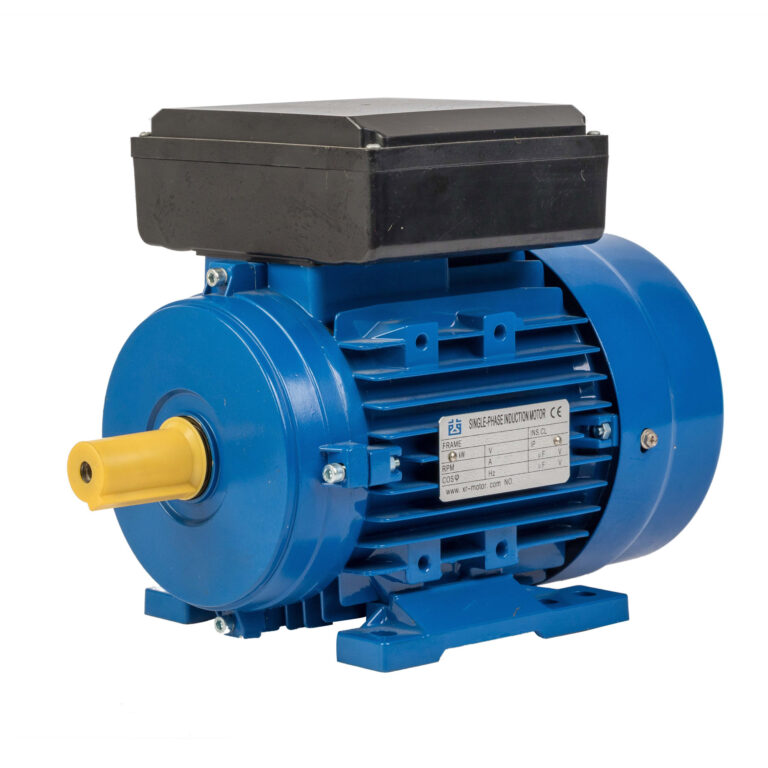
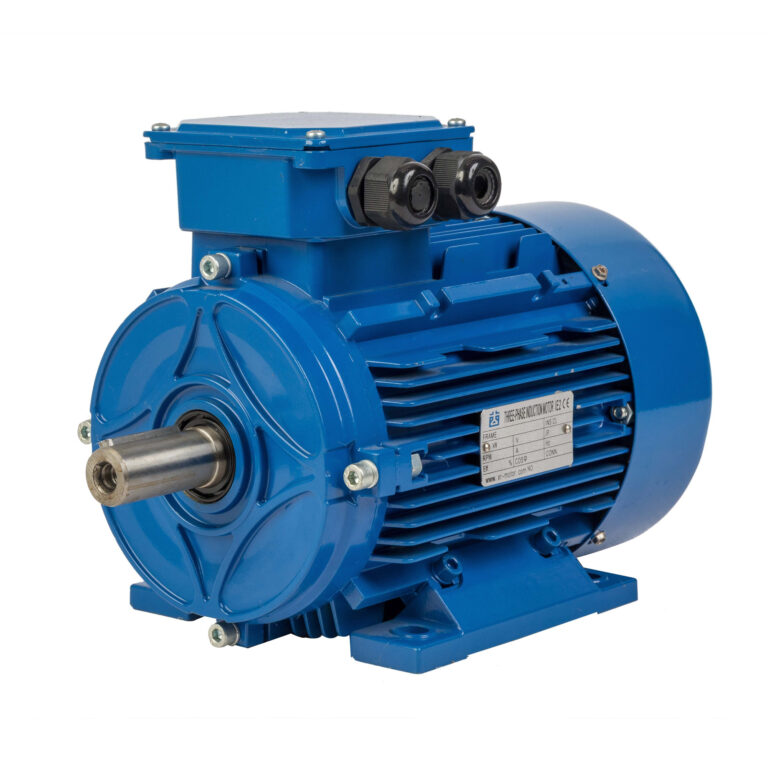
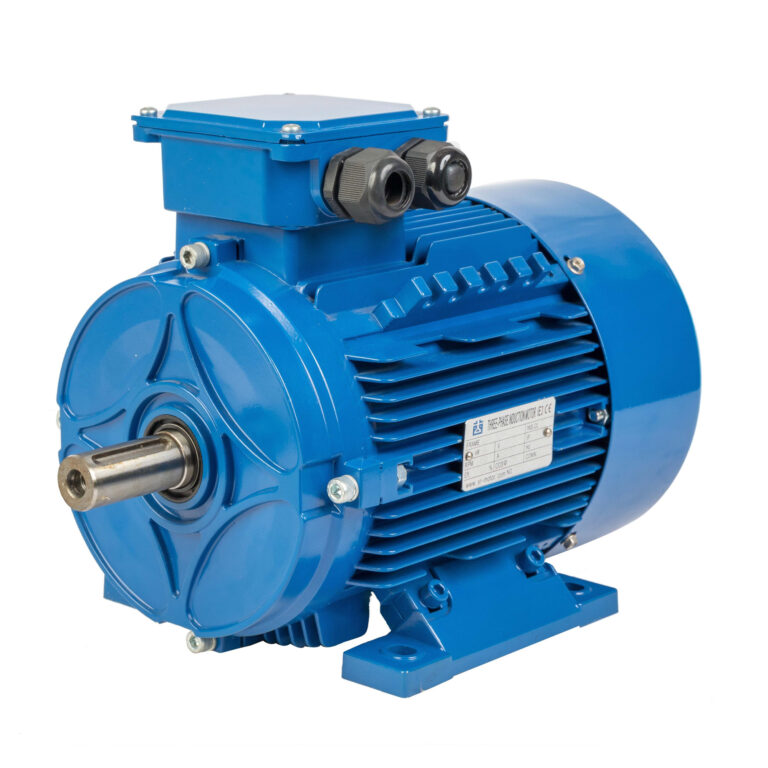
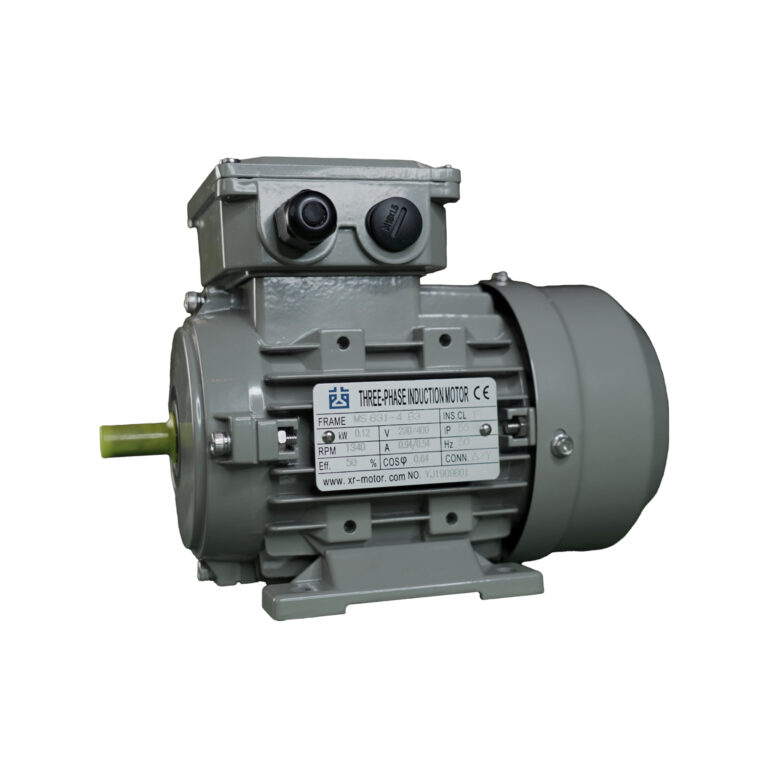
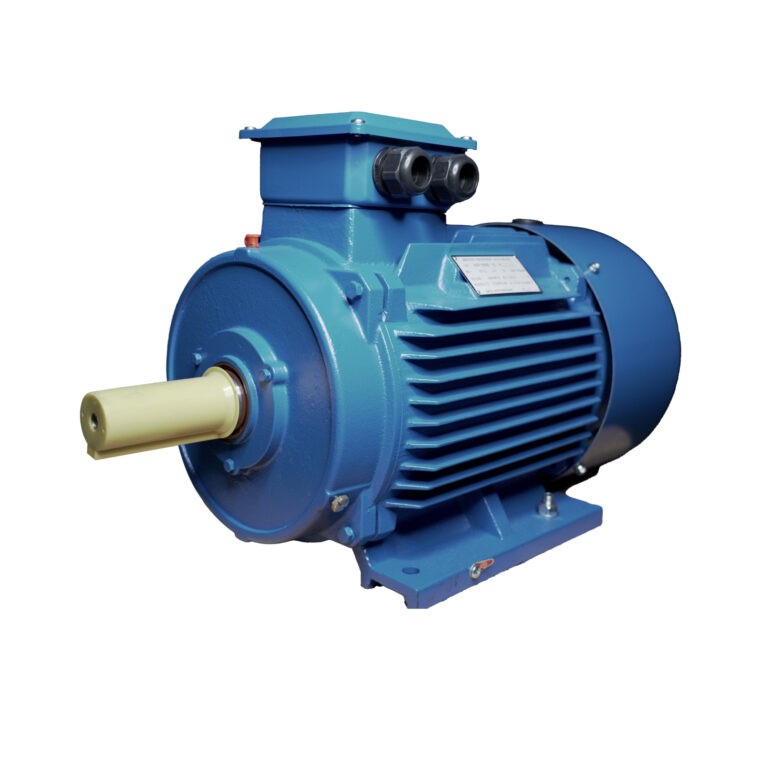
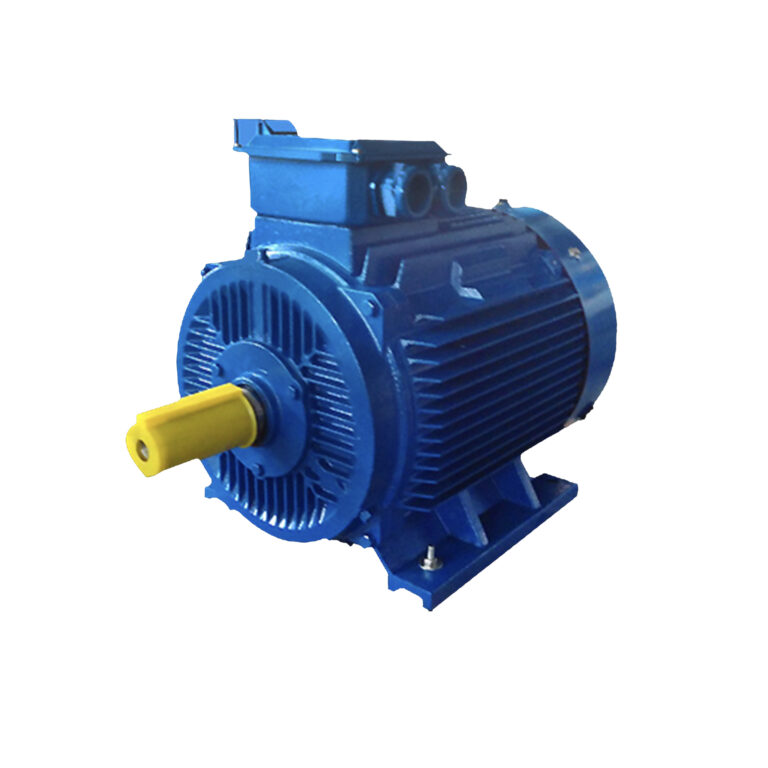
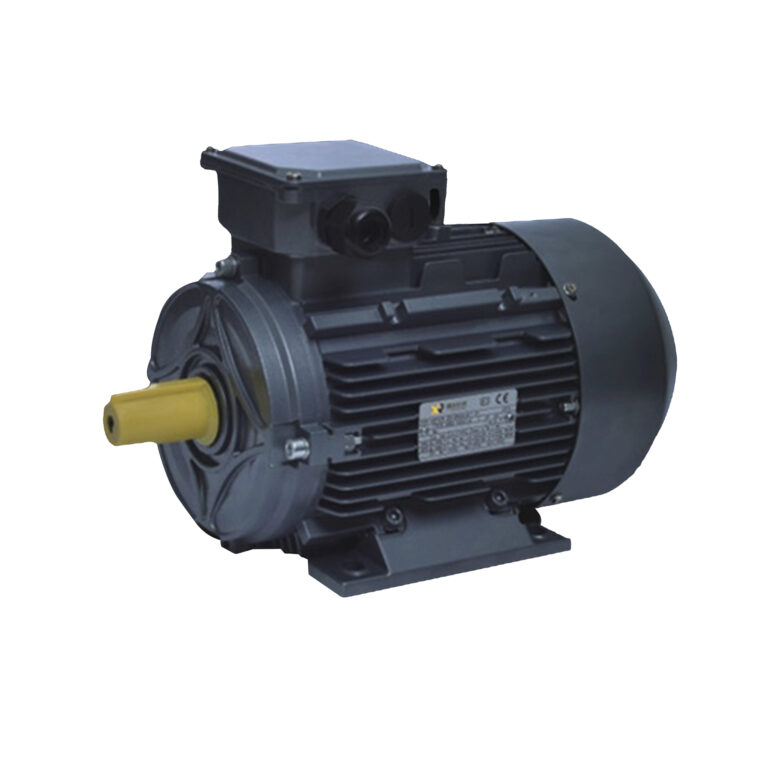
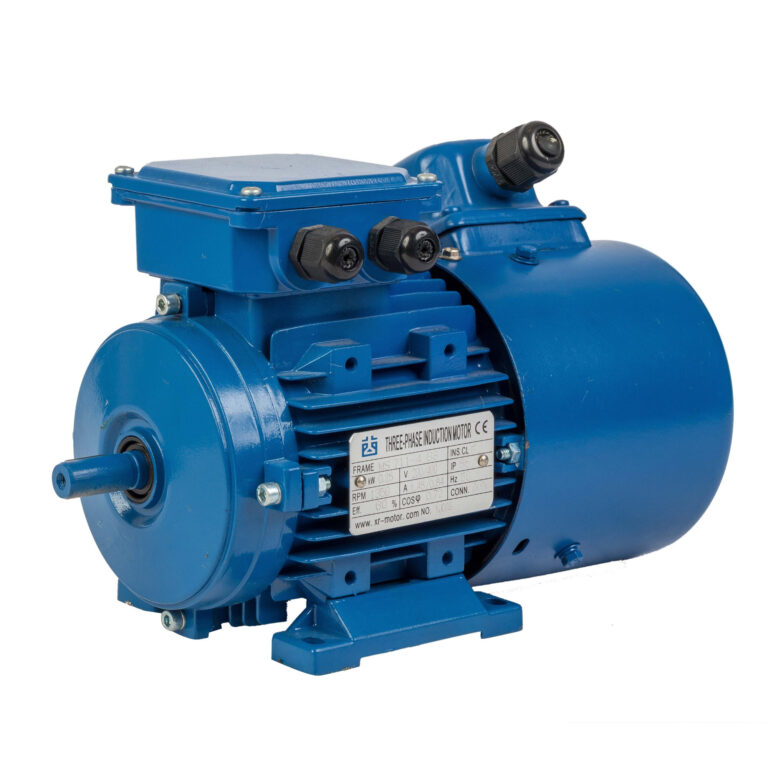
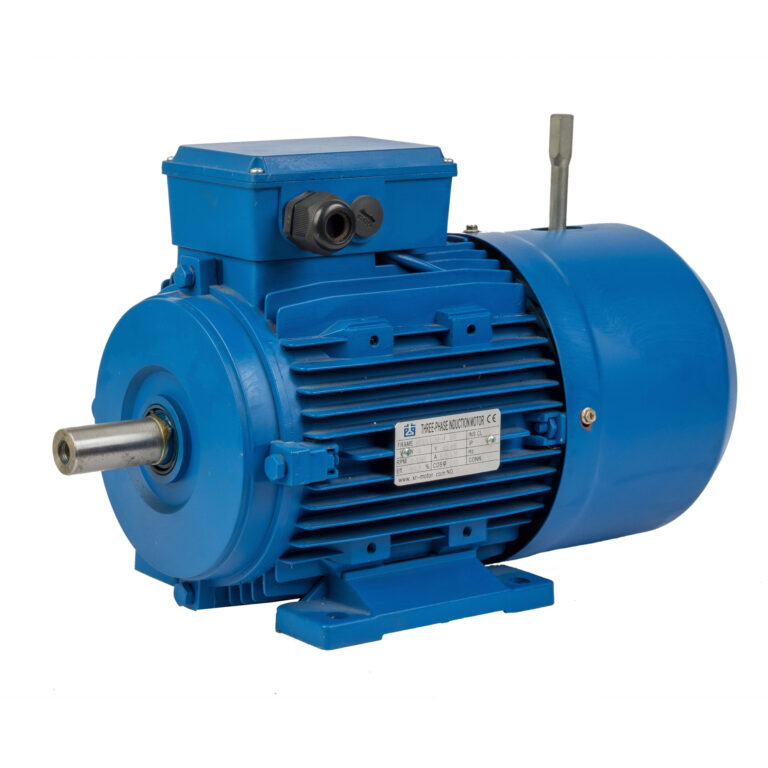
Common Three-Phase Motor Failures and How to Prevent Them

Many three phase motor problems begin with bearing wear, electrical supply faults, excessive load, or poor cooling. Recognizing changes in noise, temperature, current, and speed can help maintenance teams act before the motor fails.
The cause may also lie outside the motor, including a worn contactor, tight belt, blocked pump, or incorrect drive setting. DAYOU MOTOR supports industrial customers with application matching, technical guidance, and replacement motor selection.
Use the symptoms to narrow down the cause
When investigating three phase motor problems, compare the symptoms with previous operating records. A sudden change often provides more useful evidence than one isolated measurement.
Symptom | Possible causes | Initial investigation |
Motor will not start | Missing phase, control fault, seized bearing, jammed load | Review fault records, supply, controls, and mechanical freedom |
Bearing area becomes hot | Lubrication fault, misalignment, excessive belt tension | Check temperature trends, alignment, and bearing instructions |
Speed falls under load | Overload, low voltage, incorrect connection, rotor damage | Compare current, voltage, speed, and load |
Motor overheats | Overload, supply imbalance, blocked cooling, frequent starts | Review electrical readings, airflow, and duty |
Noise or vibration increases | Bearing damage, loose mounting, misalignment, imbalance | Inspect mounting, coupling, bearings, and driven equipment |
Before physical inspection, qualified personnel should isolate and lock out all power sources, verify absence of voltage, and secure moving loads. Electrical measurements during operation require appropriate equipment and site procedures.

Bearing damage often develops gradually
Bearing-related three phase motor problems can produce unusual noise, rising temperature, rough rotation, or increasing vibration. Severe damage may allow the rotor to contact the stator, leading to further mechanical and winding damage.
Common causes include incorrect shaft or housing fits, contamination, poor alignment, unsuitable grease, and excessive radial or axial load.
Installation also matters. Mounting force should act through the ring being fitted, without passing through the rolling elements. Heating methods and temperature limits must follow the bearing manufacturer’s instructions because sealed, shielded, and open bearings can have different requirements.
To prevent damage:
- Use the specified bearing, clearance, and lubricant.
- Follow the stated grease quantity and service interval.
- Avoid mixing greases unless compatibility is confirmed.
- Check coupling alignment and belt tension.
- Keep dirt and moisture away from bearing seats.
- Confirm whether the bearings require relubrication.
Overgreasing can cause heating, while sealed bearings generally do not require routine grease replenishment. A fixed rule such as filling every bearing housing two-thirds full is unsuitable for all motor designs.
For motor bearing maintenance for European pump systems, coupling alignment, pump thrust, lubrication, and operating temperature should be evaluated together.
Starting failure requires electrical and mechanical checks
For three phase motor problems involving failed starts, repeated restart attempts can make the damage worse. A stalled motor may draw high current while producing little cooling.
Possible causes include:
- Loss of power or one supply phase
- Blown fuses or damaged contactor contacts
- Incorrect terminal connections
- An open or damaged winding
- A control interlock or drive fault
- A brake that has not released
- Seized bearings or a jammed machine
- Insufficient starting torque
Protection settings should be checked against the motor nameplate, starting conditions, and protection-device instructions. Increasing an overload setting simply to stop nuisance trips may leave the motor inadequately protected.
Winding resistance and insulation resistance are different tests. A suitable resistance instrument helps identify open circuits or phase differences, while an insulation tester evaluates insulation condition. Neither test alone reliably rules out every turn-to-turn fault.
Before insulation testing, disconnect the motor from the VFD and sensitive electronics as instructed. Test voltage, acceptance criteria, temperature correction, and discharge procedures must suit the motor; one resistance limit cannot be applied to every machine.
Low speed under load can indicate excessive slip
Some three phase motor problems become noticeable only after the equipment starts working. The motor may accelerate normally without load, then slow down, draw more current, or trip during production.
Possible causes include overload, low terminal voltage, phase loss, incorrect star/delta connection, mechanical drag, or damaged rotor bars.
A four-pole induction motor supplied at 50 Hz has a synchronous speed of 1500 RPM, but its rated shaft speed is lower because of slip. Compare measured speed with the nameplate and expected load rather than treating any speed below 1500 RPM as a fault.
For three phase motor troubleshooting for Southeast Asian conveyors, inspect material buildup, gearbox condition, belt tension, loading, and VFD settings alongside the electrical supply.
If rotor damage is suspected, specialist vibration or current-signature analysis may be needed. Replacing the motor with a larger unit should follow a load assessment.
Overheating can have several interacting causes
High current and rising temperature often occur together, but cooling failure can also overheat a motor without a clear overload.
Inspect cooling fins, air passages, fan condition, ambient temperature, and installation clearance. Frequent starts and long acceleration periods add heat even when normal running current appears acceptable.
For VFD operation, continuous low-speed torque may require independent cooling because the shaft-mounted fan slows down with the motor. Cable length, insulation stress, and bearing currents may also require review.
For industrial motor cooling for Middle East ventilation systems, specify the actual ambient temperature and available airflow before selecting the motor or applying a load reduction.
Similarly, motor starting diagnostics for African compressor installations should include unloading controls, acceleration time, supply capacity, and restart pressure.

Preventive maintenance should follow operating conditions
Preventing three phase motor problems is easier when maintenance records show how the machine changes over time.
Record phase currents, terminal voltages, speed, load, bearing temperature, vibration, lubrication work, and protection trips under comparable conditions. Set inspection intervals according to duty, environment, motor instructions, and equipment importance.
Consider a hypothetical conveyor that develops hot bearings after a pulley change. Excessive belt tension or increased shaft load may explain the problem, so replacing the bearing without checking the transmission can lead to another failure.

Frequently asked questions
Does a hot bearing always need more grease?
No. Excess grease, misalignment, incorrect fits, contamination, and excessive load can also cause heating. Diagnose the cause before adding lubricant.
Can a motor continue running after losing one phase?
It may continue rotating under some conditions, but current and heating can rise sharply. Phase-loss protection and prompt investigation help prevent winding damage.
Does a good insulation reading prove the motor is healthy?
No. Bearings, rotor bars, connections, and turn insulation may still have faults. Diagnosis should combine electrical and mechanical evidence.
Reliable resolution of three phase motor problems depends on identifying the cause across the supply, motor, controls, and driven equipment. When requesting assistance from DAYOU MOTOR, provide the nameplate, operating conditions, measured readings, fault history, and details of recent changes.