


- Home
- Product
- GOST standard motor
- IEC standard motor
 MC Series single phase capacitor start asynchronous motor
- MY MYT series single phase capacitor running asynchronous motor
- ML Series single phase dual-capacitor asynchronous motor
- ME2 series three phase high efficiency aluminum housing motor(IE2)
- ME3 series three phase high efficiency aluminum housing motor(IE3)
- MS series three-phase aluminum housing motor (IE1)
- Y2 series three phase cast iron motor (IE1)
- YE2 series three phase high efficiency cast iron motor (IE2)
- YE3 series three phase high efficiency cast iron motor (IE3)
- Special application motor
- Rolling door motor
- Industry application
- News
- About us
- Contact us
- Certifications
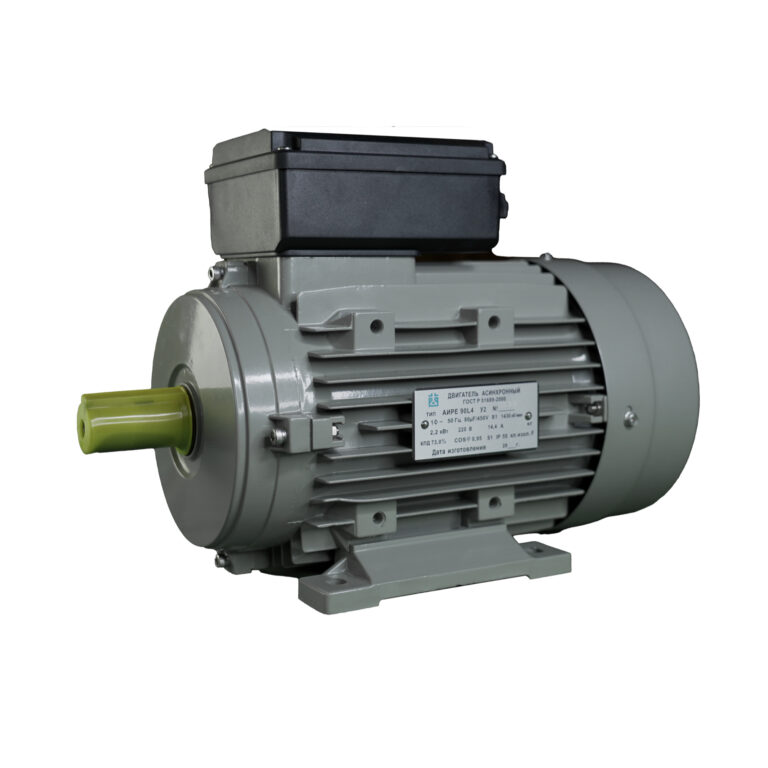
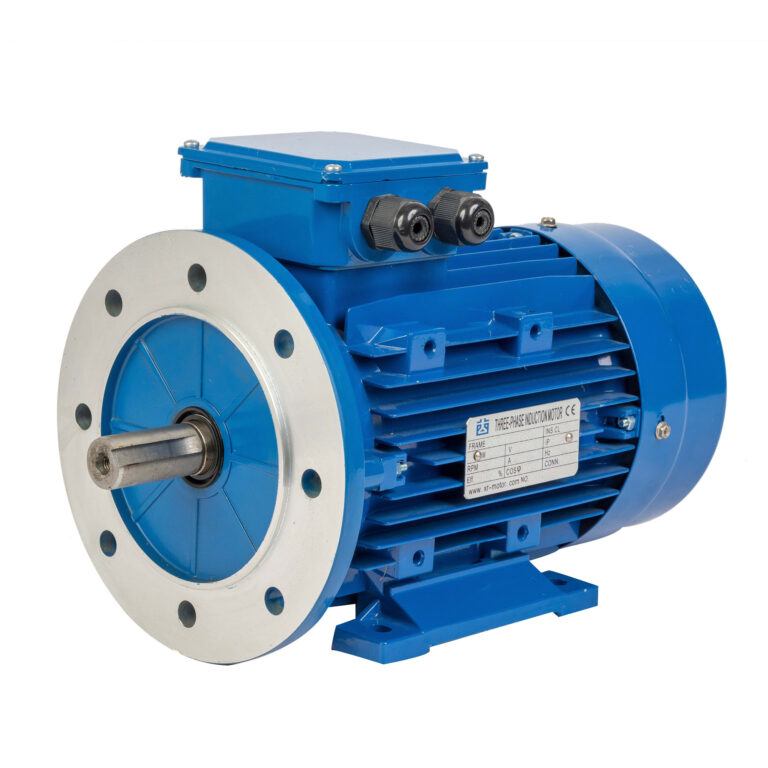
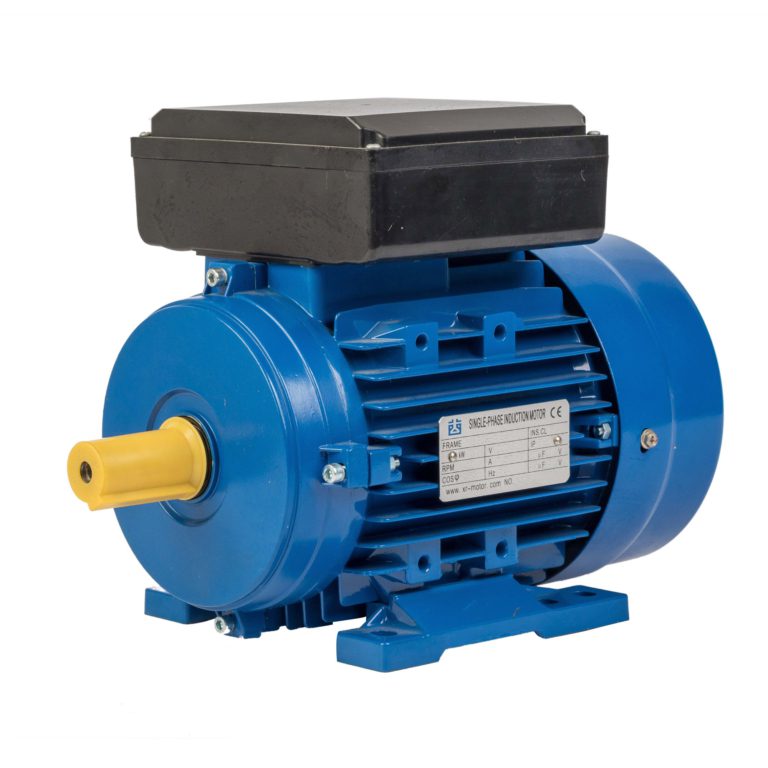
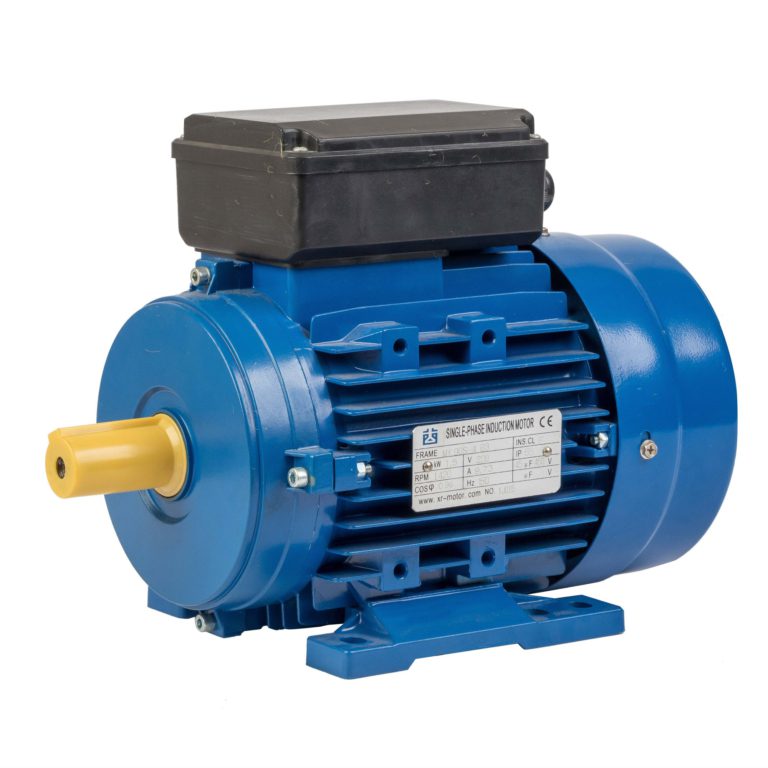
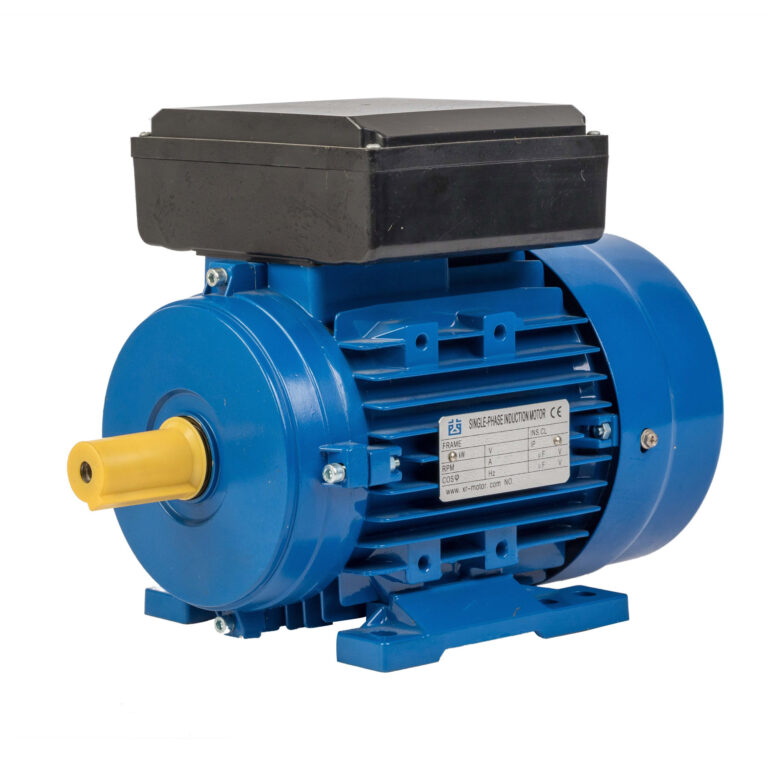
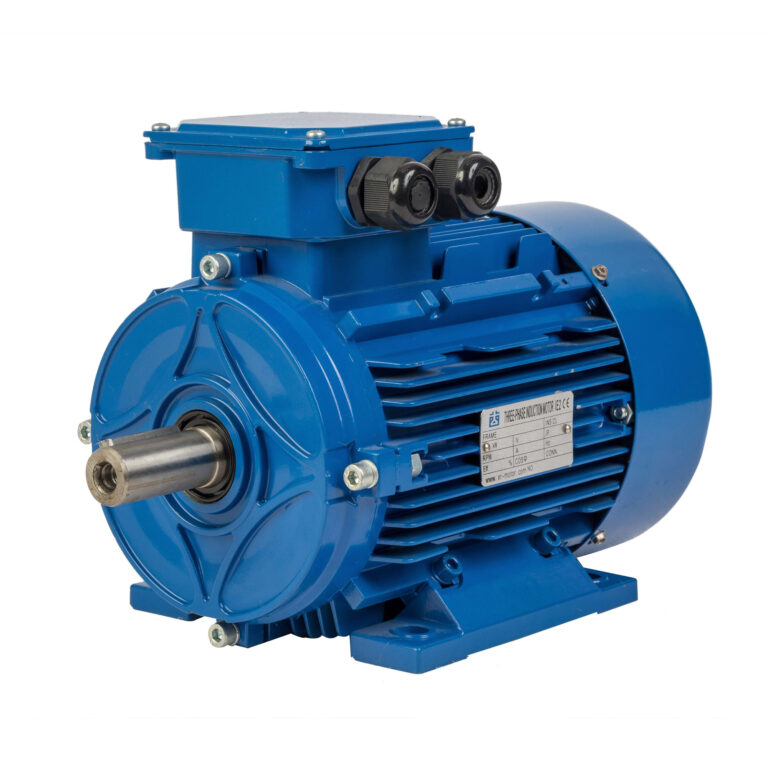
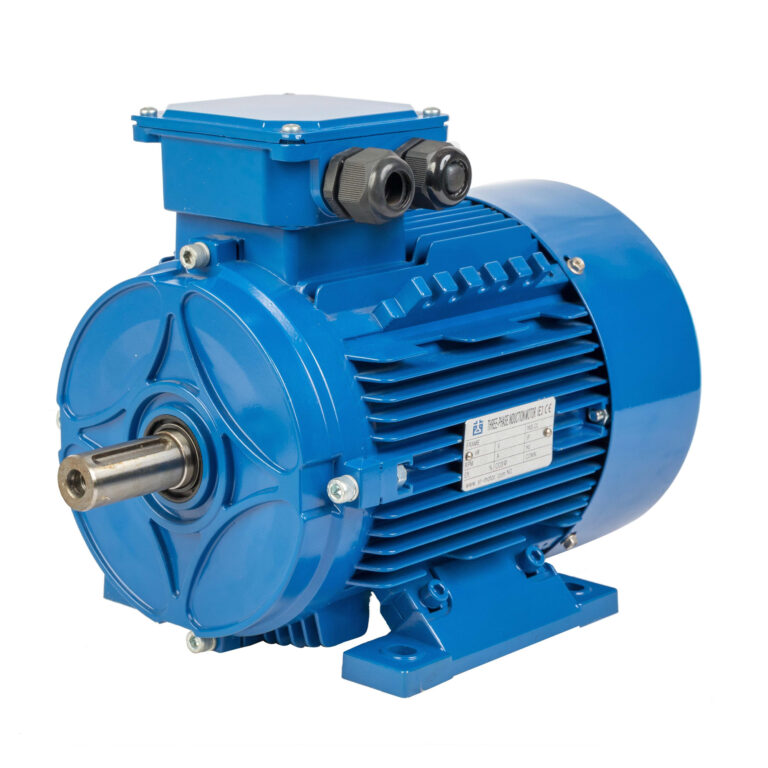
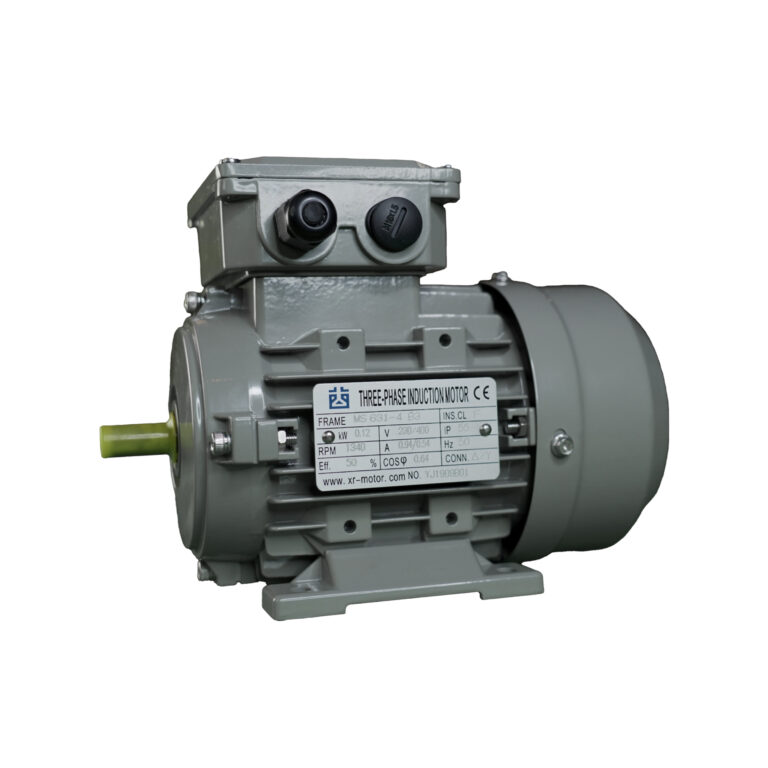
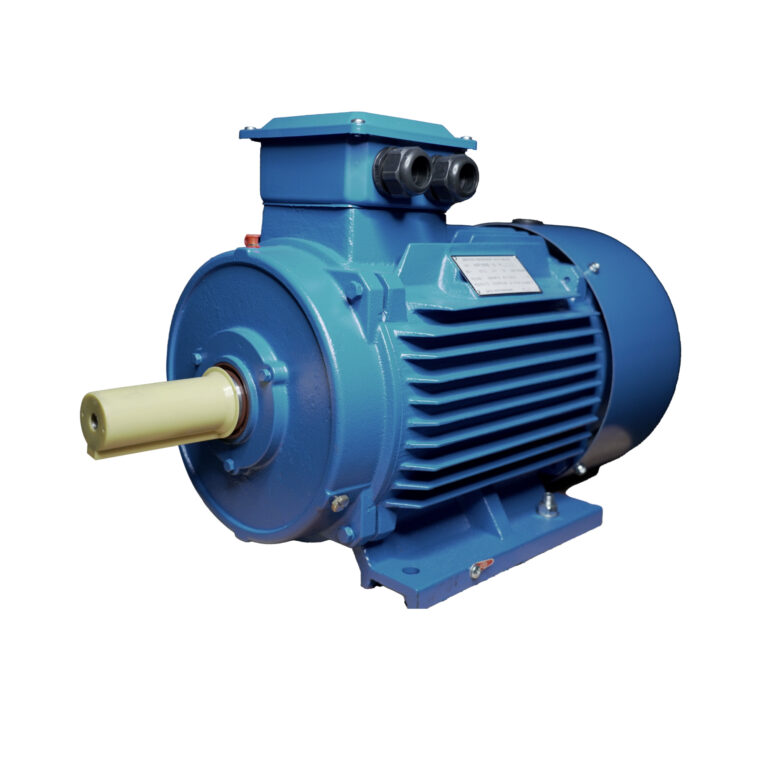
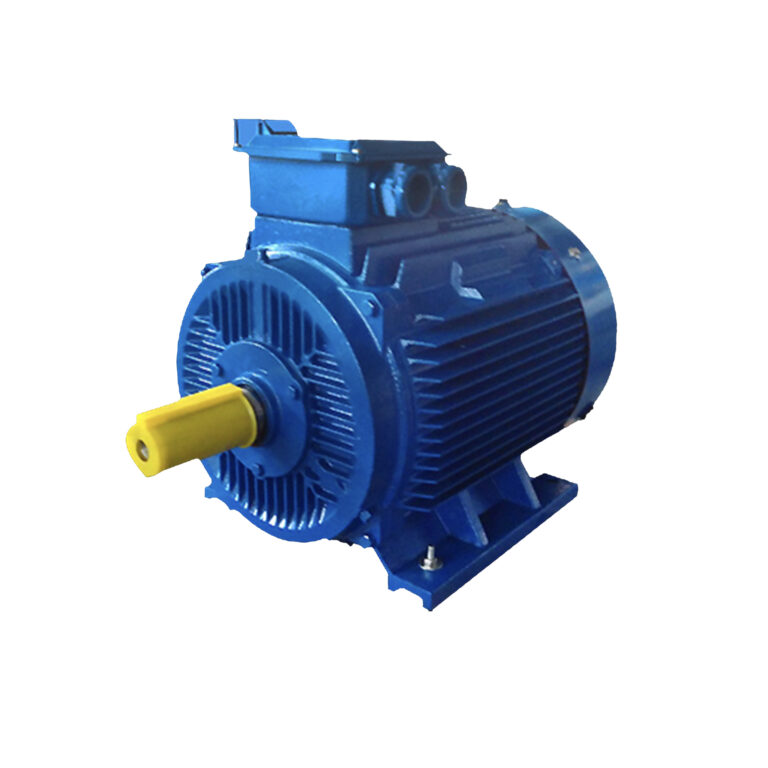
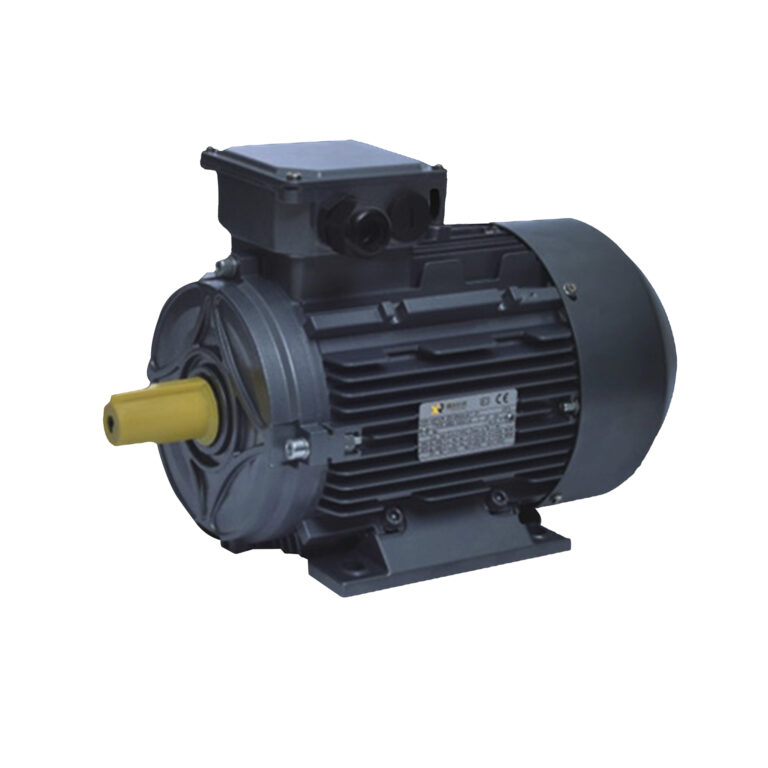
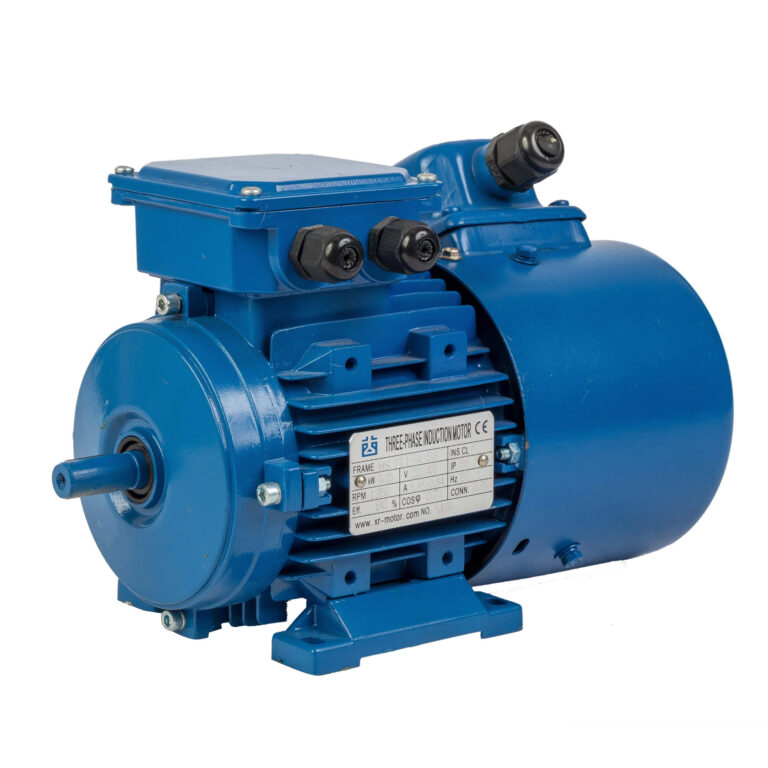
Custom Electric Motor Manufacturer for OEM Projects
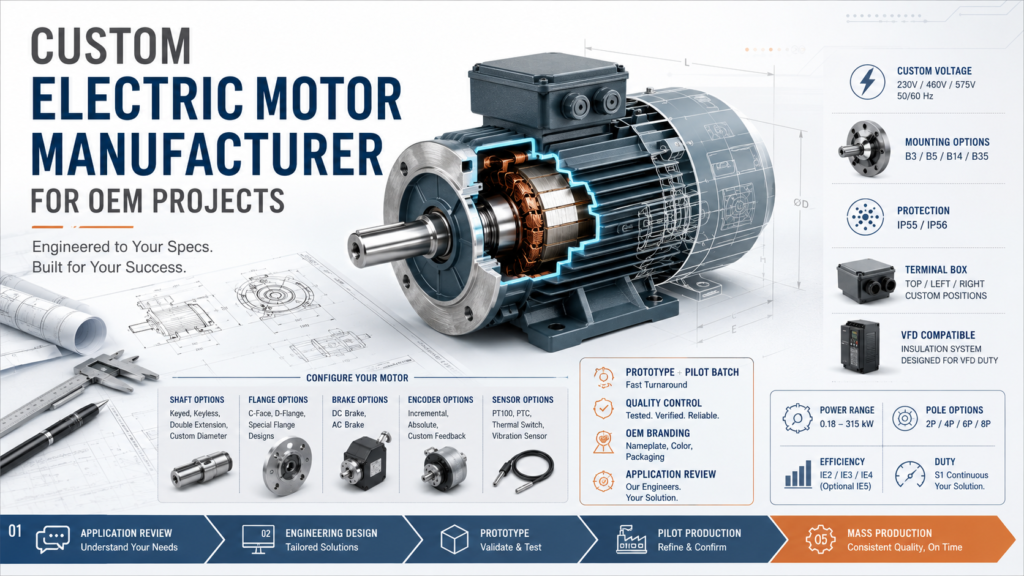
A custom electric motor manufacturer helps equipment builders develop motors that match specific electrical, mechanical, environmental, and control requirements. The work may involve much more than changing a nameplate or paint color.
DAYOU MOTOR manufactures standard and customized motors for pumps, fans, compressors, conveyors, gearboxes, automation systems, and other OEM equipment.
Customization should solve a real application need
A standard catalogue motor is often suitable when its voltage, speed, torque, dimensions, mounting, and protection already match the machine. Custom development becomes useful when the equipment has requirements that a standard model cannot meet efficiently.
Common modifications include:
- Special voltage or frequency
- Customized power and speed
- Different torque or starting characteristics
- Non-standard shaft and keyway
- Special flange or mounting dimensions
- B3, B5, B14, or B35 installation
- IP55, IP56, or application-specific protection
- VFD-compatible insulation and cooling
- Brake, encoder, heater, or thermal sensors
- Customized terminal box and cable entry
- Paint, nameplate, packaging, and private branding
The value of a custom electric motor manufacturer is not the number of options offered, but the ability to confirm that each modification works with the complete motor design.
Complete application data improves the design
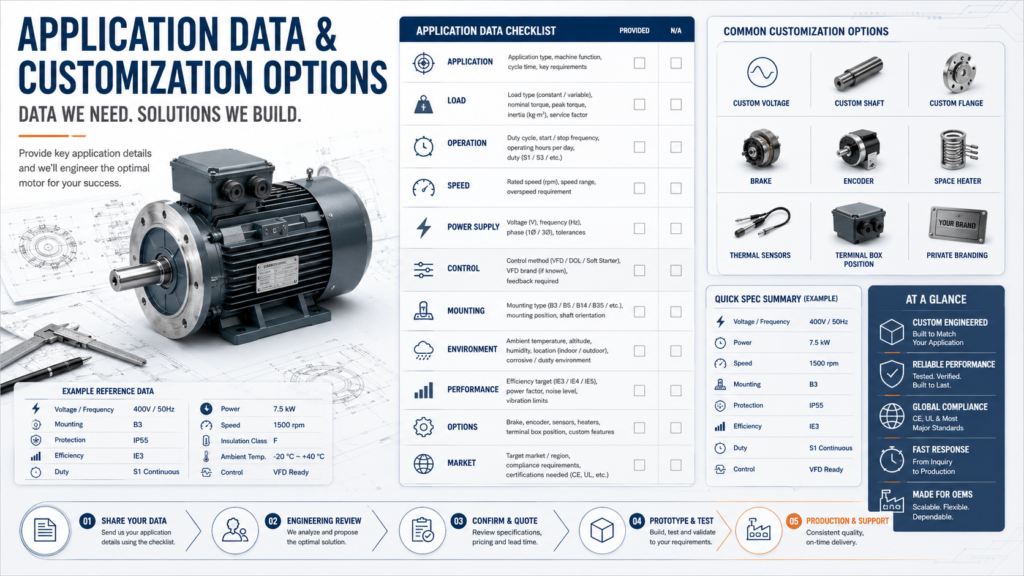
A custom electric motor manufacturer can only make a reliable selection when the OEM provides accurate operating information. Rated power alone does not explain starting torque, load variation, thermal duty, or installation restrictions.
The initial specification should include:
Item | Required information |
Application | Pump, fan, conveyor, compressor, mixer, or other machine |
Load | Torque curve, maximum load, and inertia |
Operation | Continuous, intermittent, or frequent starting |
Speed | Rated speed and required adjustment range |
Power supply | Voltage, frequency, phase, and permitted variation |
Control | Direct start, soft starter, or VFD |
Mounting | Frame, feet, flange, shaft, and installation direction |
Environment | Temperature, altitude, humidity, dust, and corrosion |
Performance | Efficiency, noise, vibration, and temperature rise |
Options | Brake, encoder, heater, fan, or sensors |
Market | Destination country and applicable requirements |
An OEM electric motor manufacturer in China for European machinery builders may need to consider efficiency requirements, documentation, mounting interchangeability, and the electrical supply of the destination market.
A custom IEC motor supplier for Middle East pump projects may also need to account for high ambient temperatures, dust, outdoor installation, voltage variation, and corrosion protection.
Engineering review should happen before quotation approval
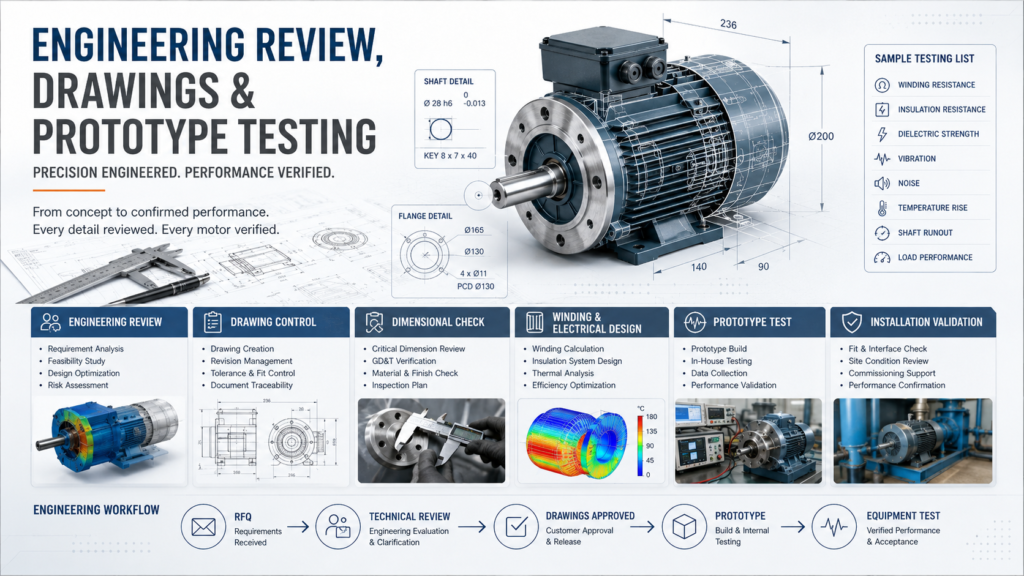
Customized projects should begin with a technical review rather than immediate production. The supplier should check whether the requested power, frame size, cooling method, torque, and operating environment are compatible.
Important review points include:
- Winding and electromagnetic design
- Frame size and thermal capacity
- Starting and maximum torque
- Shaft strength and bearing loads
- Cooling at low or variable speed
- Insulation stress under VFD operation
- Mechanical tolerances and equipment fit
- Noise and vibration targets
- Required safety margins
A motor OEM supplier for Southeast Asian equipment companies should also discuss local operating conditions and replacement-part availability instead of assuming that one standard design suits every country.
From an engineering perspective, one of the most common causes of project delay is changing the mechanical interface after the motor design has already been approved. Freezing the shaft, flange, mounting holes, terminal-box position, and overall dimensions early can prevent unnecessary sample revisions.
Drawings and specifications must be controlled
Every project should have an approved technical specification and dimensional drawing. These documents become the basis for sample inspection, production, installation, and future replacement.
The drawing should define:
- Overall motor dimensions
- Shaft diameter and extension
- Key and keyway
- Flange register and bolt pattern
- Foot-hole spacing
- Terminal-box position
- Cable-entry direction
- Encoder, brake, or fan dimensions
- Mounting orientation
- Important tolerances
An electric motor factory in China for North American OEM projects should also confirm whether the equipment will use IEC or NEMA dimensions, as well as the required voltage, frequency, efficiency, and approval conditions.
Once approved, drawings, winding data, materials, and test requirements should be revision-controlled. Verbal confirmation is not enough for repeat production.
Samples should be tested on the actual equipment
Before a custom electric motor manufacturer approves mass production, the prototype should be checked both at the factory and on the OEM’s equipment.
Factory testing may include:
- Winding resistance
- Insulation resistance
- Dielectric strength
- No-load current and power
- Rotation direction
- Vibration and noise
- Shaft runout
- Dimensional inspection
- Temperature rise
- Load performance when required
- Brake, encoder, or sensor function
The OEM installation test should confirm mounting fit, coupling alignment, starting, acceleration, operating current, temperature, vibration, noise, and interaction with the VFD or control system.
A prototype that passes electrical tests may still create problems if the shaft tolerance, flange register, cable entry, cooling airflow, or terminal-box location does not fit the complete machine.
Pilot production checks manufacturing consistency
A successful prototype proves that one unit can work. It does not automatically prove that hundreds of motors will have the same performance.
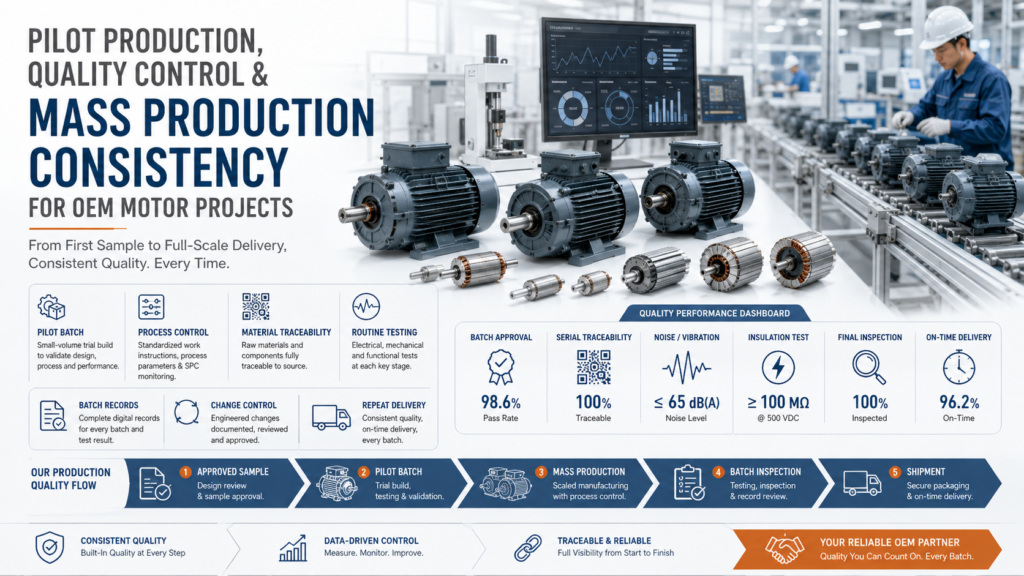
A small pilot batch can reveal variations in machining, winding, assembly, paint, wiring, noise, and packaging. The OEM should compare pilot units with the approved sample before releasing regular production.
A customized industrial motor supplier for South American automation systems should maintain records that connect each unit or batch to its materials, production date, and inspection results.
Quality control must continue through mass production
A reliable custom electric motor manufacturer must reproduce the approved design without unapproved changes. Bearings, copper wire, electrical steel, insulation, cooling fans, and electronic accessories can all affect performance and service life.
The quality agreement should define:
- Approved materials and suppliers
- Incoming material inspection
- Production process checks
- Routine electrical testing
- Sampling and acceptance rules
- Test equipment calibration
- Serial-number or batch traceability
- Nonconforming product control
- Corrective-action response
- Engineering change approval
The supplier should not replace key materials, modify the winding, move production, or change a component supplier without written OEM approval.
Commercial planning affects long-term supply
Custom development may involve engineering charges, tooling, special materials, or minimum order quantities. These costs should be identified before sample production.
OEM buyers should confirm:
- Prototype price and quantity
- Tooling or engineering charges
- Production MOQ
- Sample and mass-production lead time
- Annual forecast
- Safety-stock options
- Packaging requirements
- Warranty terms
- Spare-parts availability
- End-of-life notification
Good industrial motor solutions must be technically suitable and commercially sustainable. A very low initial price offers little value if later orders have inconsistent quality or unreliable delivery.
Frequently asked questions
What information is required for a custom motor quotation?
Provide the application, load, power, speed, voltage, frequency, duty, starting method, mounting dimensions, environment, control method, quantity, and destination market.
Can an existing standard motor be modified?
Sometimes. Minor changes may use an existing platform, while major changes to power, torque, frame, shaft, cooling, or certification may require a new design review.
Is a prototype enough before mass production?
A prototype is essential, but a pilot batch is also recommended. It helps confirm that manufacturing quality remains consistent beyond the specially prepared sample.
How can OEM buyers prevent unapproved changes?
Approved drawings, material specifications, revision control, batch traceability, and a written engineering-change process should be included in the quality agreement.
Does customization always require a high MOQ?
Not always. MOQ depends on the extent of the modification, tooling, material purchasing, and production setup. Using an existing motor platform can often reduce development cost and order quantity.
Choose a partner that can support the full project
The right custom electric motor manufacturer should support application review, engineering design, prototype testing, pilot production, quality control, and repeat delivery.
DAYOU MOTOR provides customized IEC motors, technical selection, drawings, prototypes, testing, OEM branding, and production support. Clear operating data and controlled specifications allow both parties to develop a motor that fits the equipment and remains consistent throughout its production life.