


- Home
- Product
- GOST standard motor
- IEC standard motor
 MC Series single phase capacitor start asynchronous motor
- MY MYT series single phase capacitor running asynchronous motor
- ML Series single phase dual-capacitor asynchronous motor
- ME2 series three phase high efficiency aluminum housing motor(IE2)
- ME3 series three phase high efficiency aluminum housing motor(IE3)
- MS series three-phase aluminum housing motor (IE1)
- Y2 series three phase cast iron motor (IE1)
- YE2 series three phase high efficiency cast iron motor (IE2)
- YE3 series three phase high efficiency cast iron motor (IE3)
- Special application motor
- Rolling door motor
- Industry application
- News
- About us
- Contact us
- Certifications
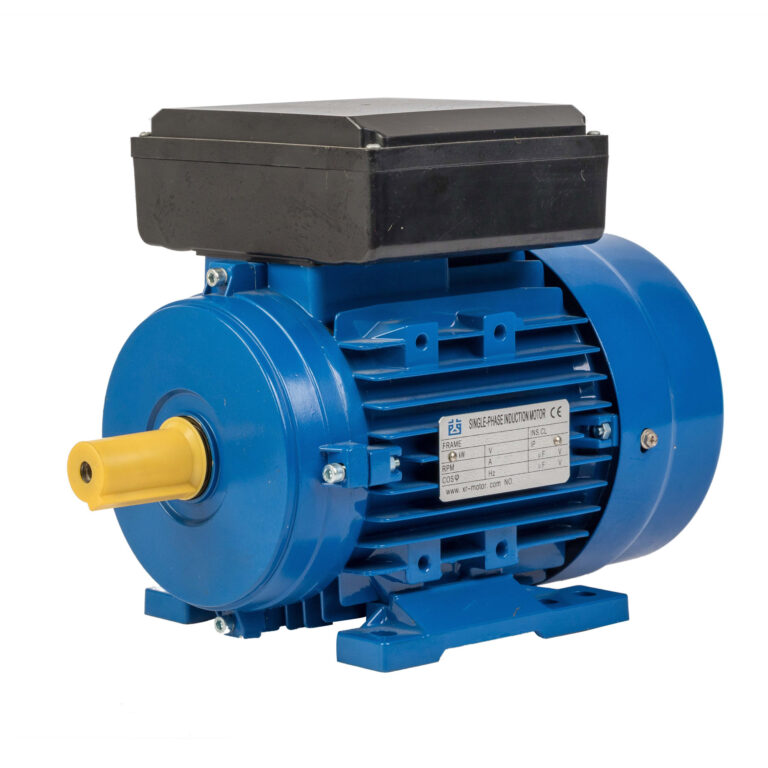
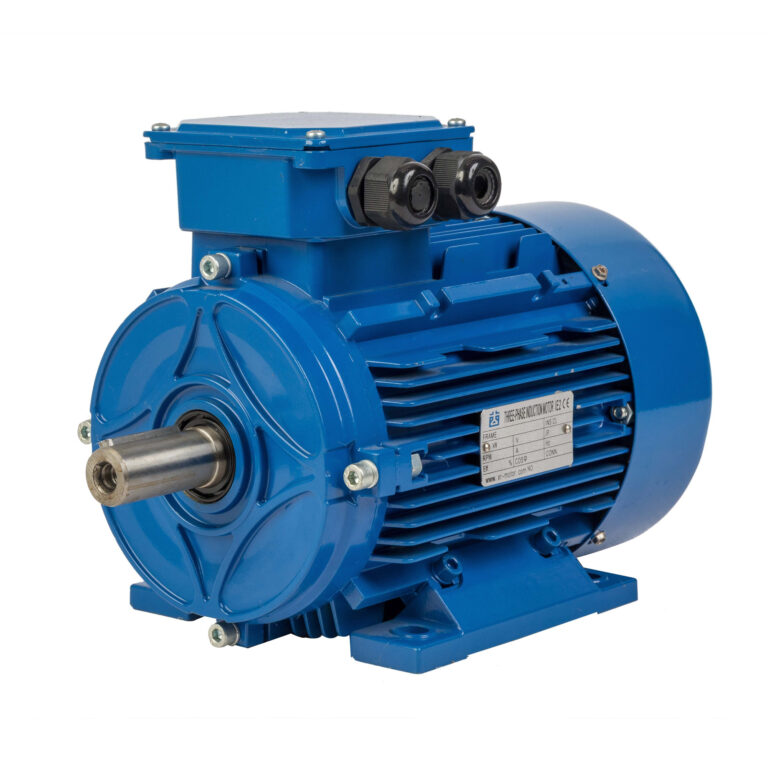
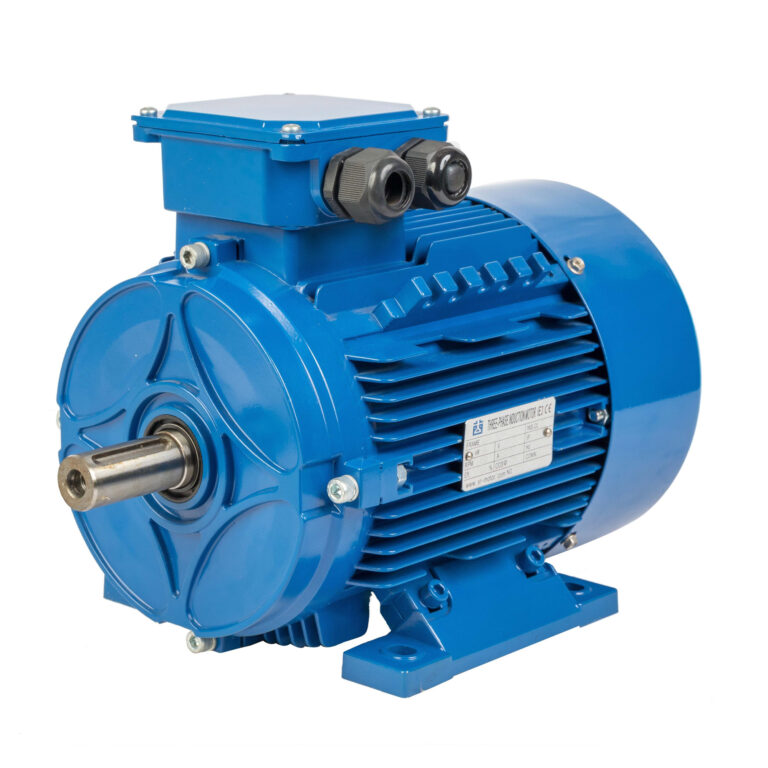
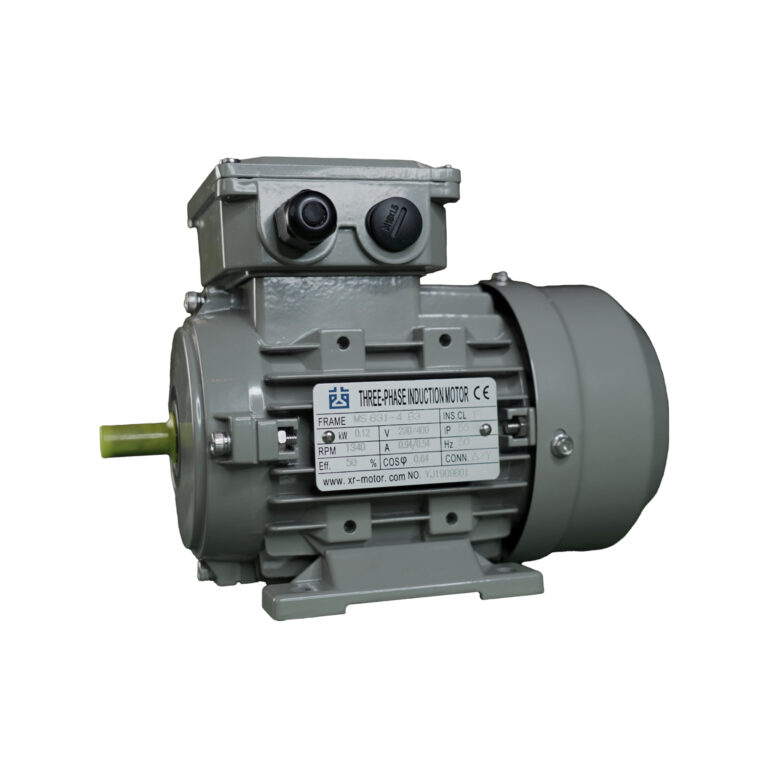
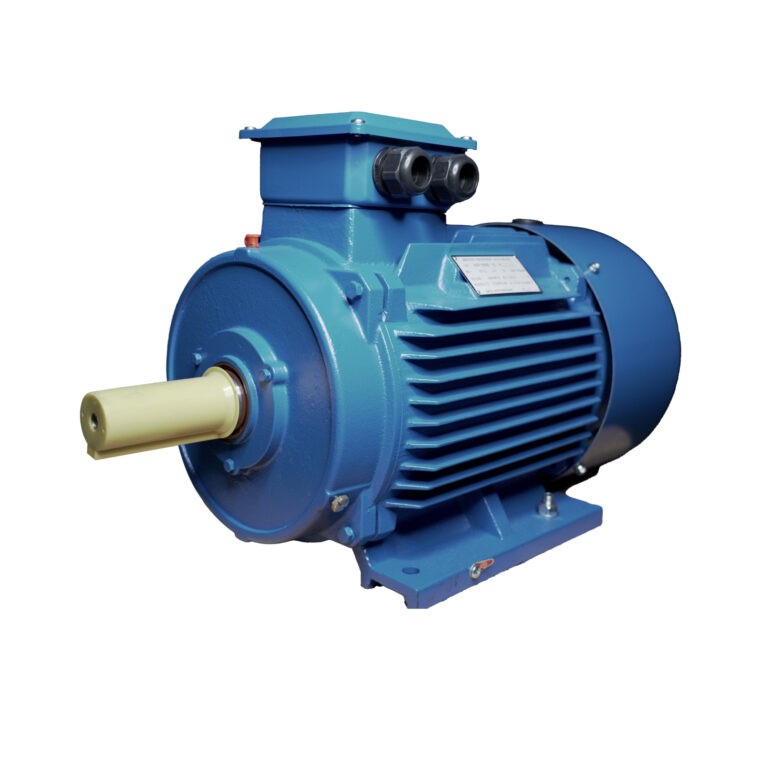
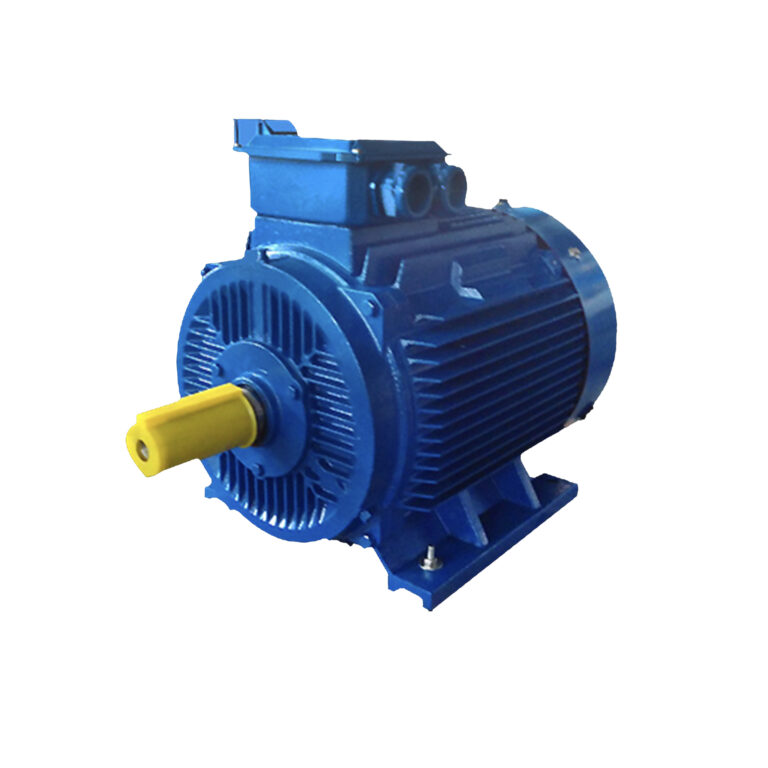
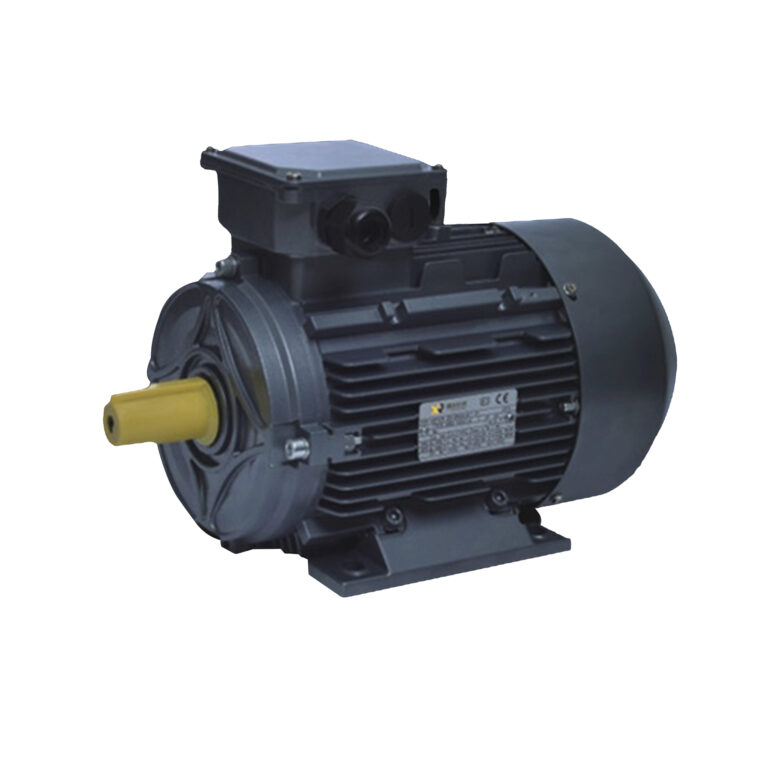
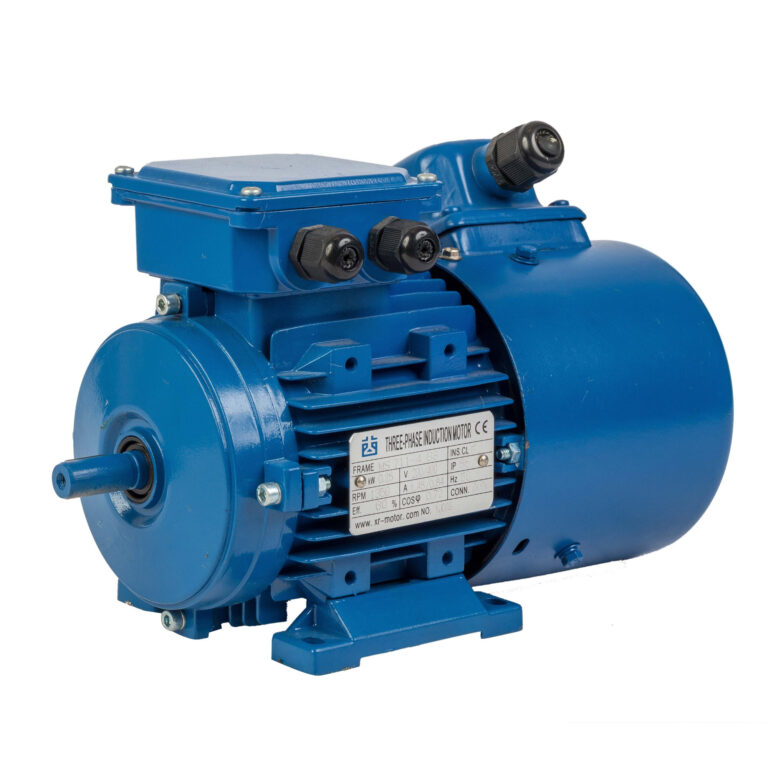
Electric Motor MOQ: What Affects Minimum Order Quantities?

The electric motor MOQ is the smallest quantity a supplier accepts for a particular order or production batch. It may apply to one model, one configuration, or the total order, so buyers should confirm exactly what the quoted minimum covers.
There is no universal minimum for industrial motors. Stock availability, customization, component sourcing, production scheduling, and testing all affect the quantity a manufacturer can supply economically.
DAYOU MOTOR works with OEMs and distributors to review these requirements before confirming order quantities, pricing, and delivery schedules.
Standard motors usually offer more flexibility
A lower electric motor MOQ is often possible when the requested model is already in stock or included in regular production.
Standard frames, shafts, windings, and mounting arrangements allow the manufacturer to use existing components and combine demand from several customers. A small order may therefore be practical without a separate production run.
For buyers sourcing small batch electric motors for European OEMs, an existing IEC design can provide a useful starting point. Confirm the electrical rating, mechanical dimensions, and operating requirements before accepting it as an alternative.
“Standard” still needs a clear definition. A catalogue model with a special voltage, bearing, flange, or coating may require separate procurement.
Production setup creates a fixed cost
The electric motor MOQ partly reflects the work needed to prepare a batch. Depending on the design, production may require winding-machine adjustments, different fixtures, machining programs, assembly instructions, and first-piece inspection.
These activities create costs before the first finished motor is available. A larger batch spreads those costs across more units.
However, every new order does not require new tooling. Motors using an existing frame and rotor may need only limited adjustments, while a new housing or special shaft can involve much more preparation.
Buyers should ask which operations create the minimum quantity and whether a separate setup charge would make a smaller batch feasible.

Custom parts can determine the minimum
For customized products, electric motor MOQ may be driven by a component supplier rather than the motor assembly line.
Special castings, shafts, bearings, encoders, cables, or packaging can have their own purchasing minimums. Standard copper wire and electrical steel may already be held in factory stock, while unusual specifications may require a dedicated purchase.
For custom motor orders for Middle East pump manufacturers, using an existing housing and flange may reduce the initial commitment. High-temperature operation, corrosion protection, and winding requirements still need engineering review.
The useful question is which changes are essential. Removing unnecessary variations can lower development costs and simplify repeat orders.
Factory size does not tell the whole story
A large factory may accept small orders for stocked products, while a specialist workshop may require a substantial commitment for a unique design.
Automation also does not automatically mean a high minimum. Flexible equipment can handle short batches efficiently when tooling, materials, and work instructions are already available.
For low volume motor supply for Southeast Asian machinery builders, evaluate the supplier’s actual production route, available components, and scheduling flexibility. Employee numbers and annual capacity alone provide little guidance on the minimum for a specific model.
Samples and production orders have different terms
Sample quantities are often smaller because they support engineering validation. Their unit price may be higher to cover drawing work, manual preparation, testing, or special material purchases.
An approved sample does not automatically establish the price or minimum for future production.
Before ordering, distinguish between:
- Sample quantity, used for technical evaluation
- Pilot quantity, used to check assembly and production consistency
- Production minimum, used for repeat manufacturing
- Shipment minimum, used for each scheduled delivery
For sample motors for African equipment distributors, a small initial shipment can help verify installation, starting performance, and operating conditions before committing to stock.
Testing should reflect the intended application, especially where maintenance access or replacement delivery is difficult.
Smaller first orders can be negotiated
Buyers have several practical ways to reduce their initial commitment.
Approach | What to agree with the supplier |
Use an existing model | Confirm that performance and dimensions meet the application |
Pay a setup charge | Separate the fixed batch cost from the unit price |
Accept a higher unit price | Request pricing at several order quantities |
Combine compatible variants | Confirm which models can share materials or production |
Use a blanket order | Define the committed total and release schedule |
Arrange phased deliveries | Agree who stores and pays for completed stock |
For private label motor orders for South American importers, standard packaging with approved labels may be more economical initially than fully printed cartons with a separate packaging minimum.
A forecast can help planning, but it is different from a firm purchasing commitment. Suppliers may require an agreed quantity before buying customer-specific materials.

Confirm what the quotation actually covers
Ask whether the electric motor MOQ applies per model, power rating, voltage, mounting arrangement, or purchase order. A quotation for 100 units may require 100 identical motors rather than a mixture of ten configurations.
The agreement should also clarify tooling ownership, unused custom components, storage charges, cancellation terms, and whether sample fees can be credited against production.
When comparing offers, include setup, testing, packaging, freight, inventory, and the risk of holding unused stock. A lower unit price can become expensive when it requires buying far more motors than the project needs.

Frequently asked questions
Can I order one motor as a sample?
Sometimes. Stocked models may be available individually, while customized samples depend on engineering work, component availability, and testing requirements.
Can different motor models be combined?
Possibly, but suppliers may still apply a minimum to each configuration. Shared housings or components can improve flexibility.
Does an annual agreement guarantee smaller deliveries?
Only when the supplier accepts that arrangement. Confirm the total commitment, delivery releases, payment timing, and responsibility for remaining inventory.
Discuss quantity alongside the technical specification
A workable electric motor MOQ balances production costs with the buyer’s development stage and expected demand. Clear specifications and realistic order forecasts make that discussion easier.
Send DAYOU MOTOR your motor requirements, sample quantity, expected annual demand, and delivery plan to discuss a suitable purchasing arrangement.