


- Home
- Product
- GOST standard motor
- IEC standard motor
 MC Series single phase capacitor start asynchronous motor
- MY MYT series single phase capacitor running asynchronous motor
- ML Series single phase dual-capacitor asynchronous motor
- ME2 series three phase high efficiency aluminum housing motor(IE2)
- ME3 series three phase high efficiency aluminum housing motor(IE3)
- MS series three-phase aluminum housing motor (IE1)
- Y2 series three phase cast iron motor (IE1)
- YE2 series three phase high efficiency cast iron motor (IE2)
- YE3 series three phase high efficiency cast iron motor (IE3)
- Special application motor
- Rolling door motor
- Industry application
- News
- About us
- Contact us
- Certifications
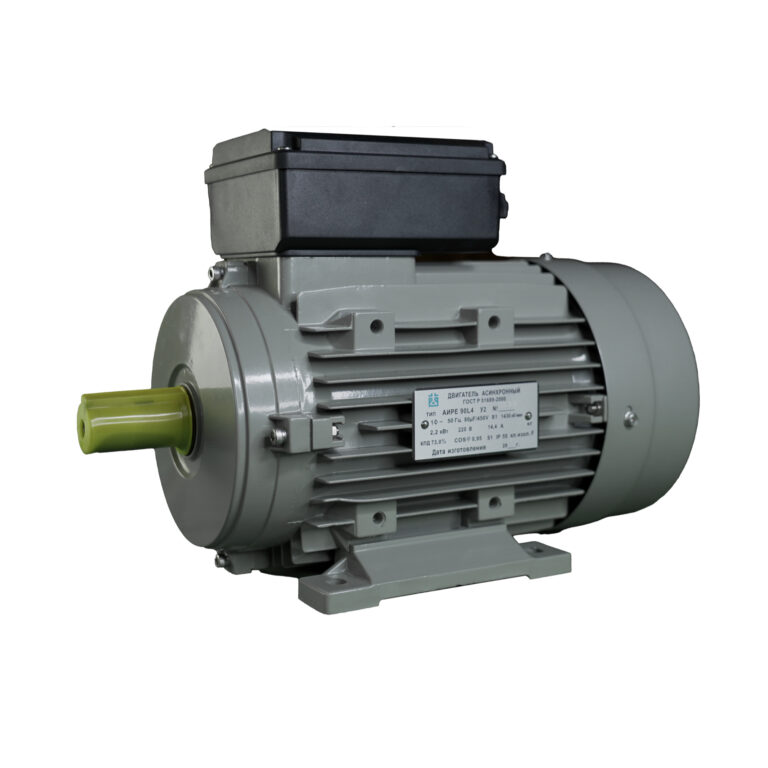
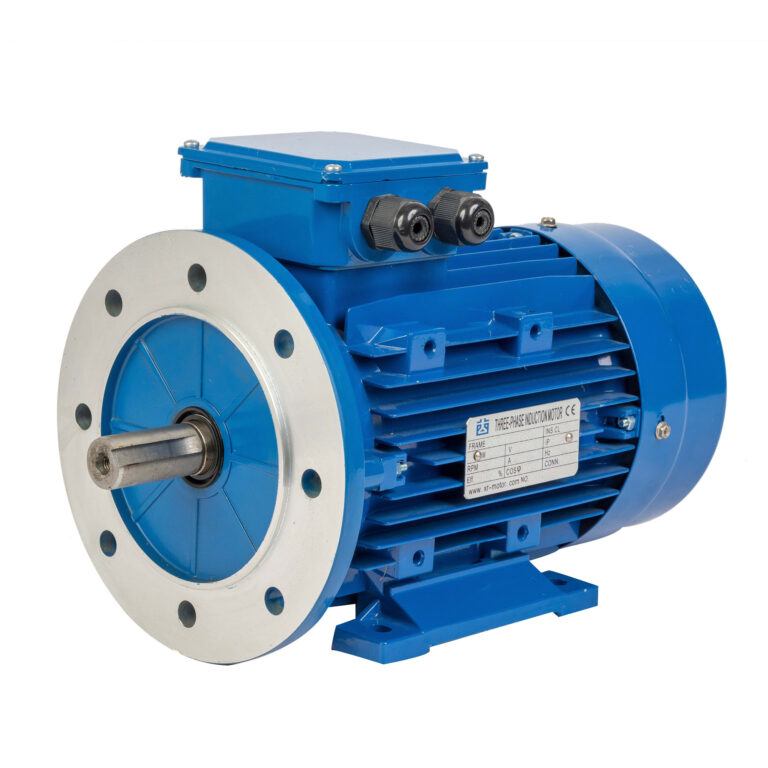
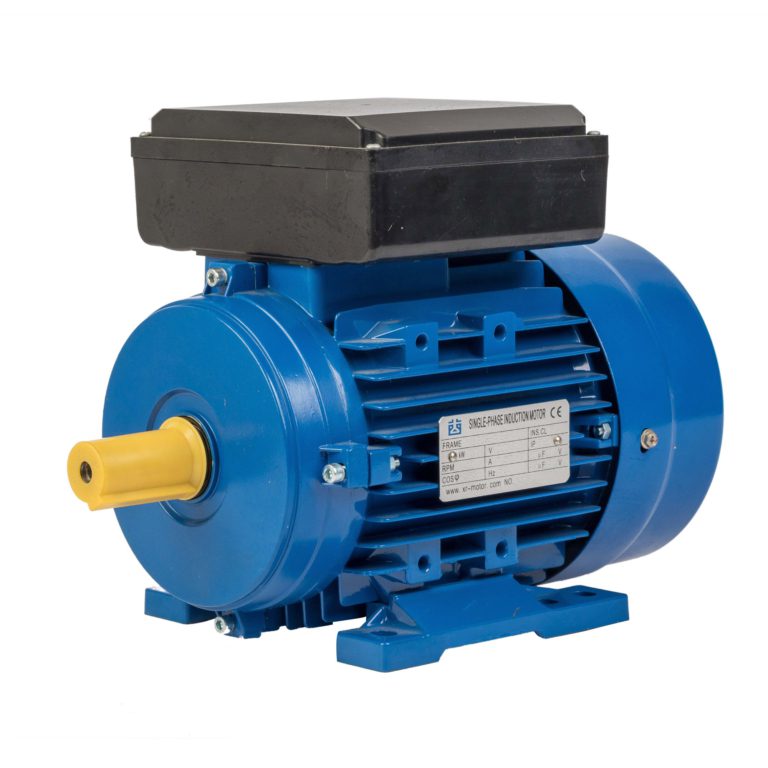
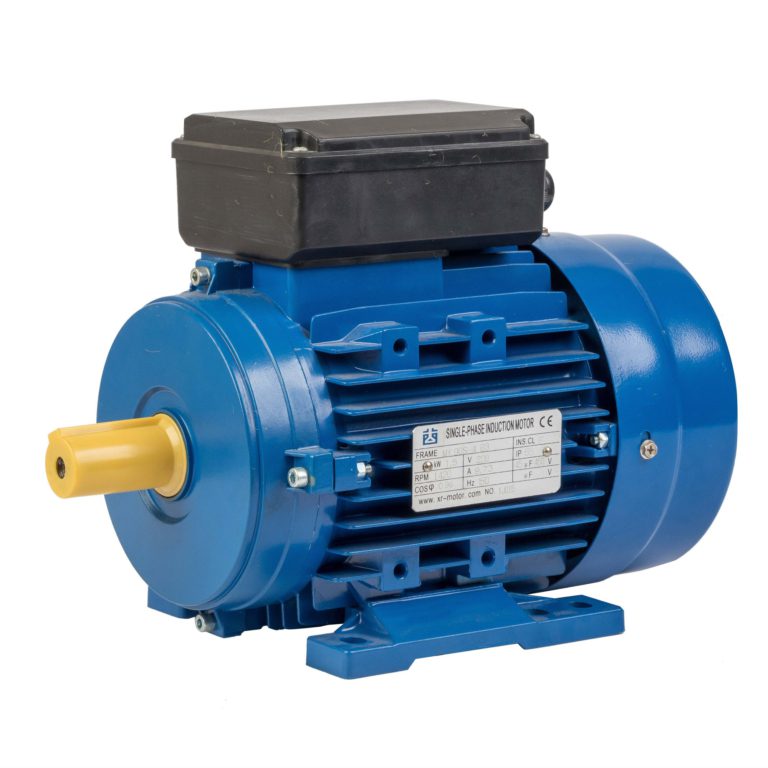
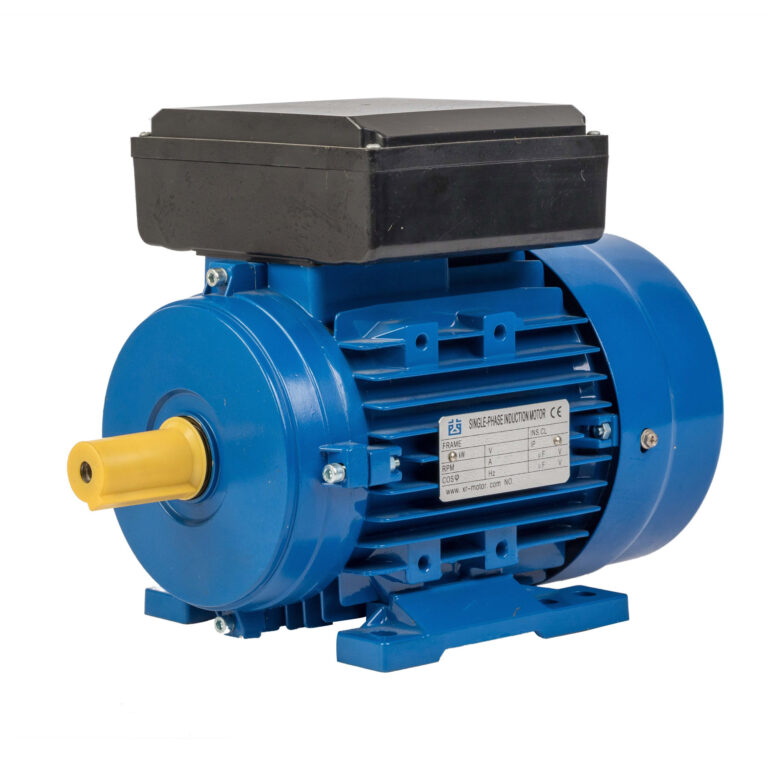
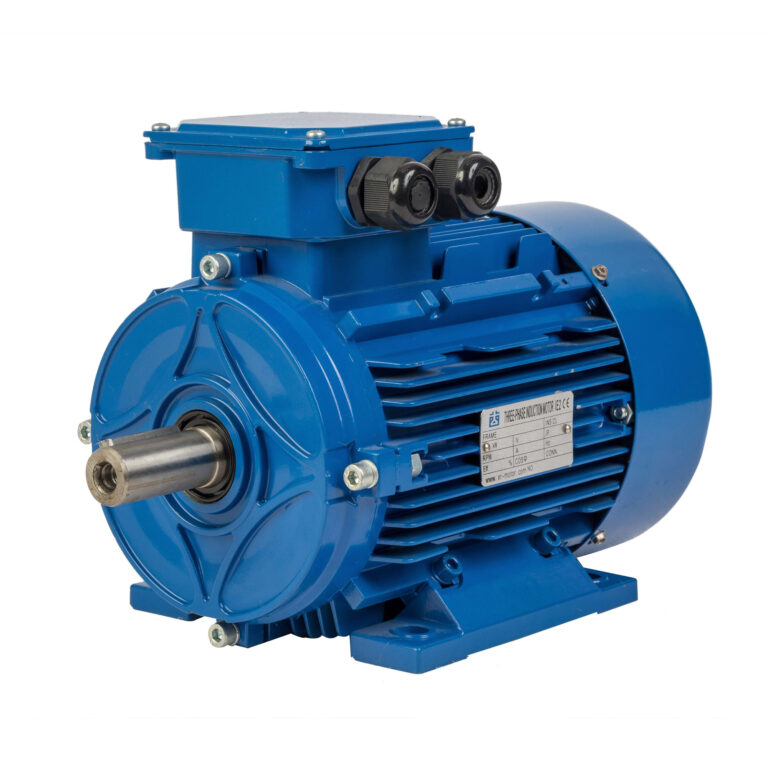
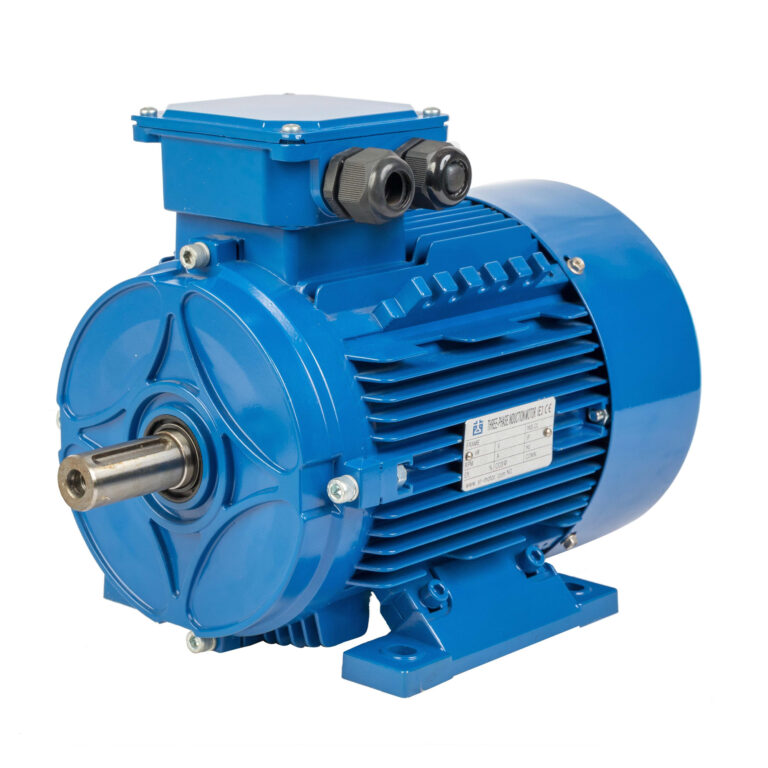
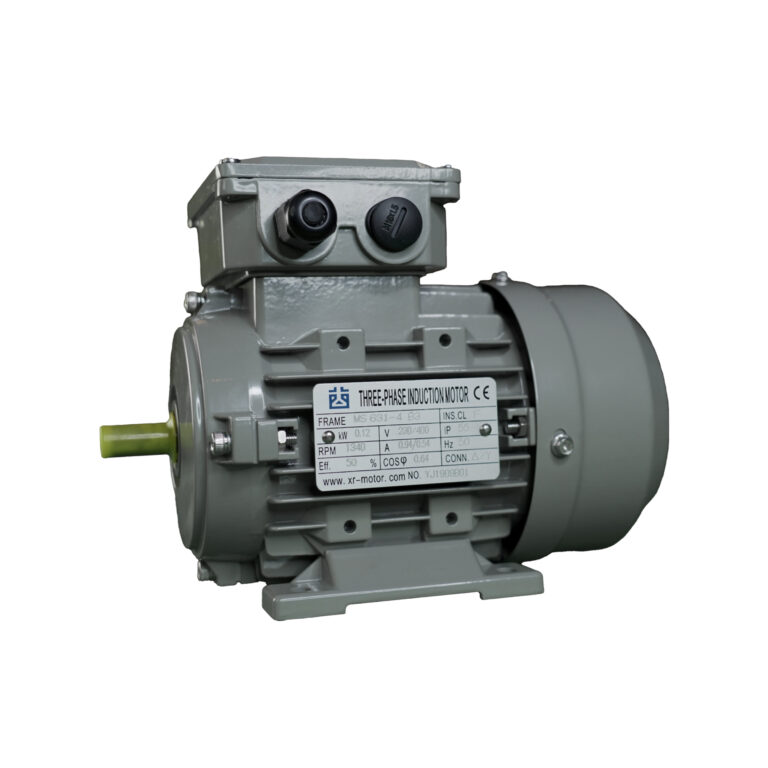
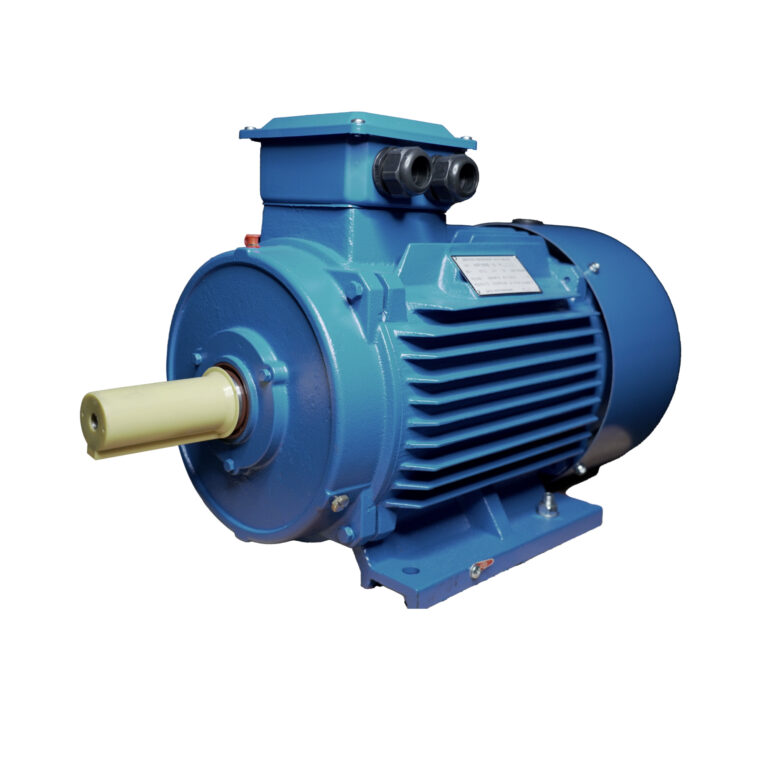
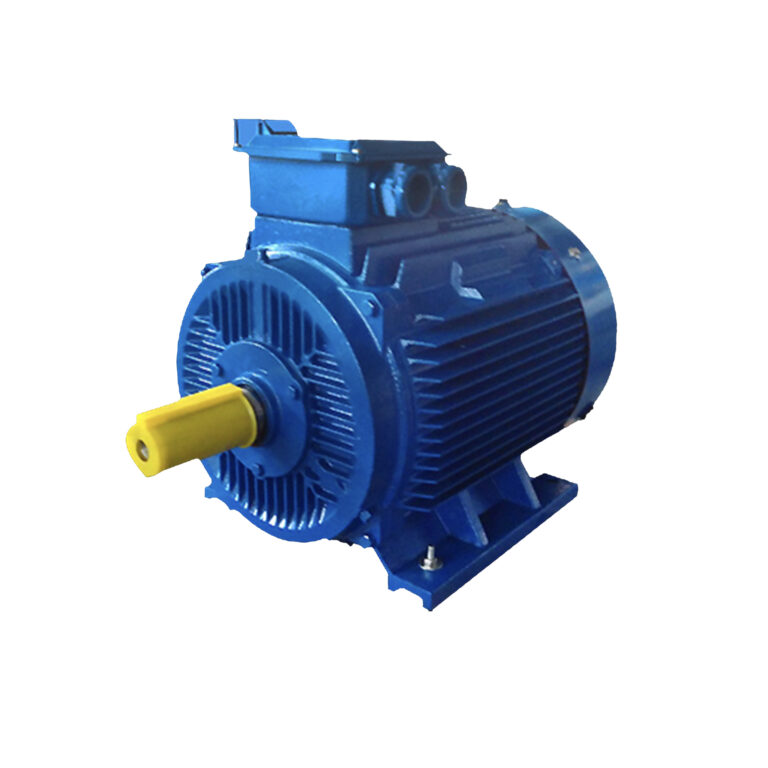
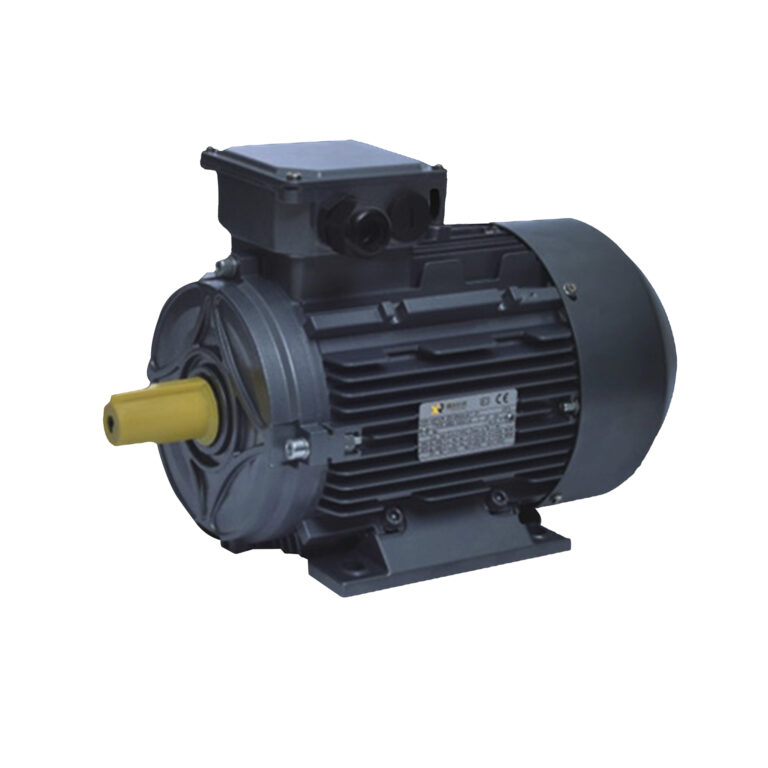
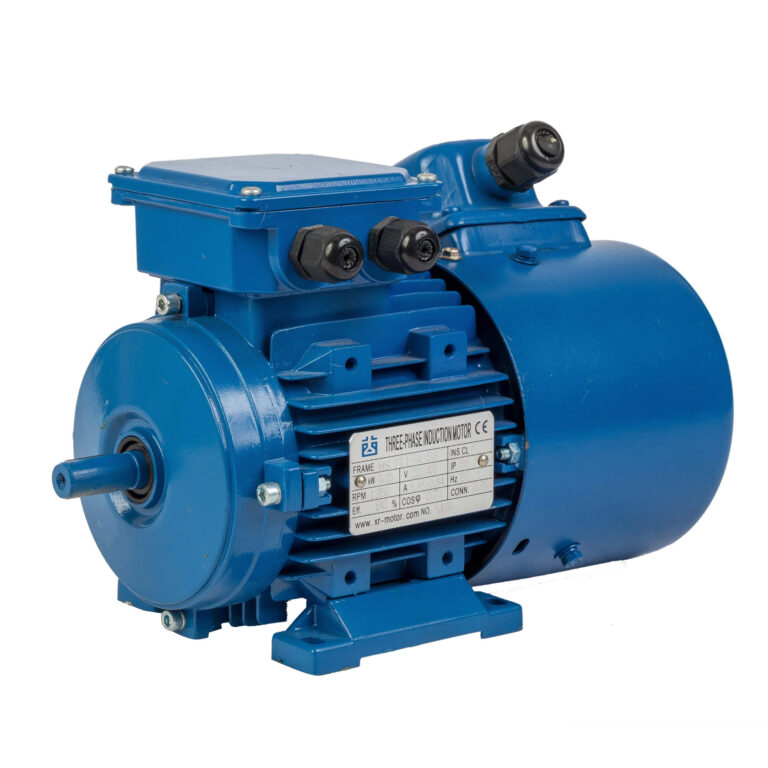
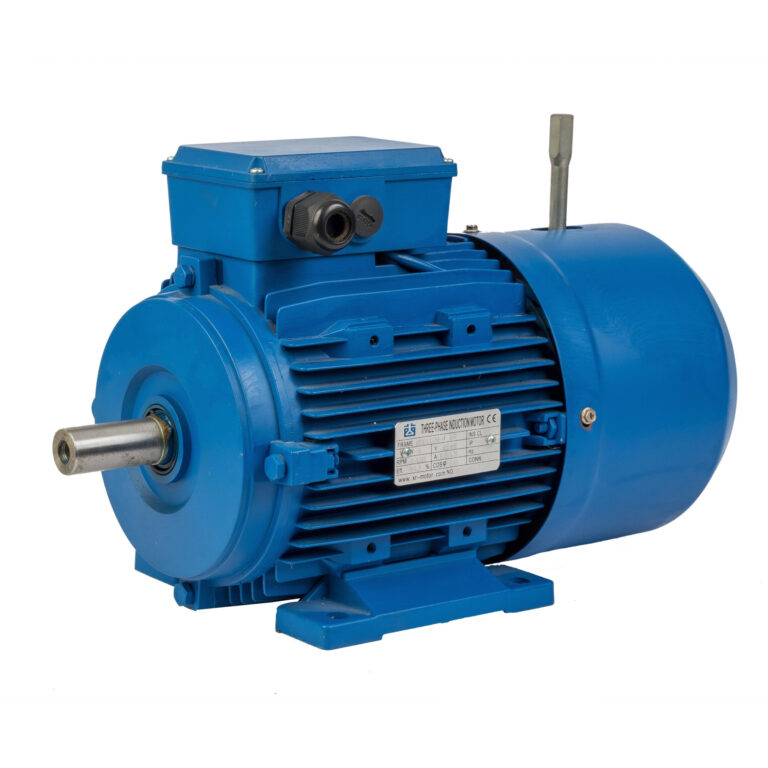
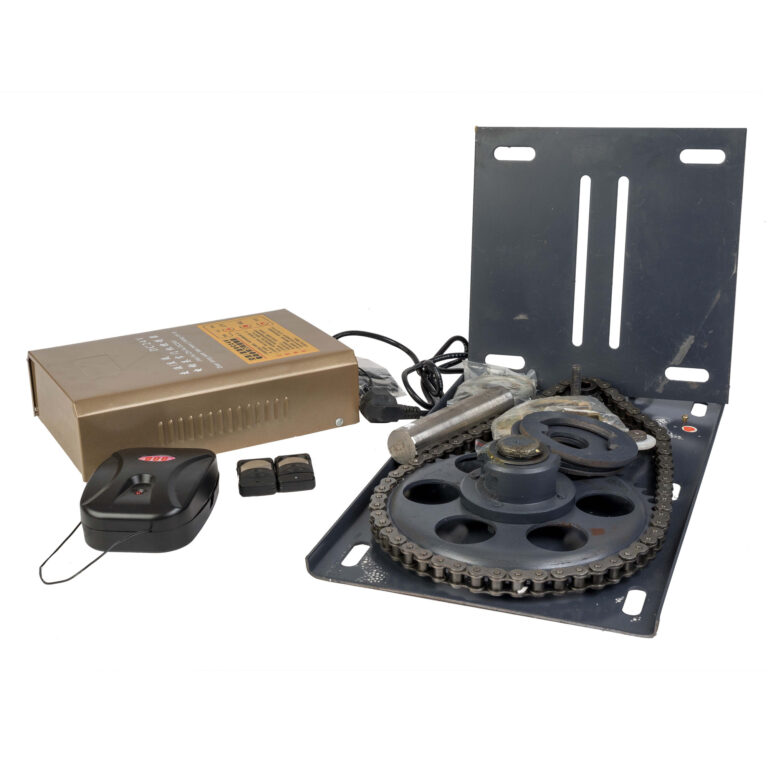
Electric Motors for Fans and Ventilation Systems
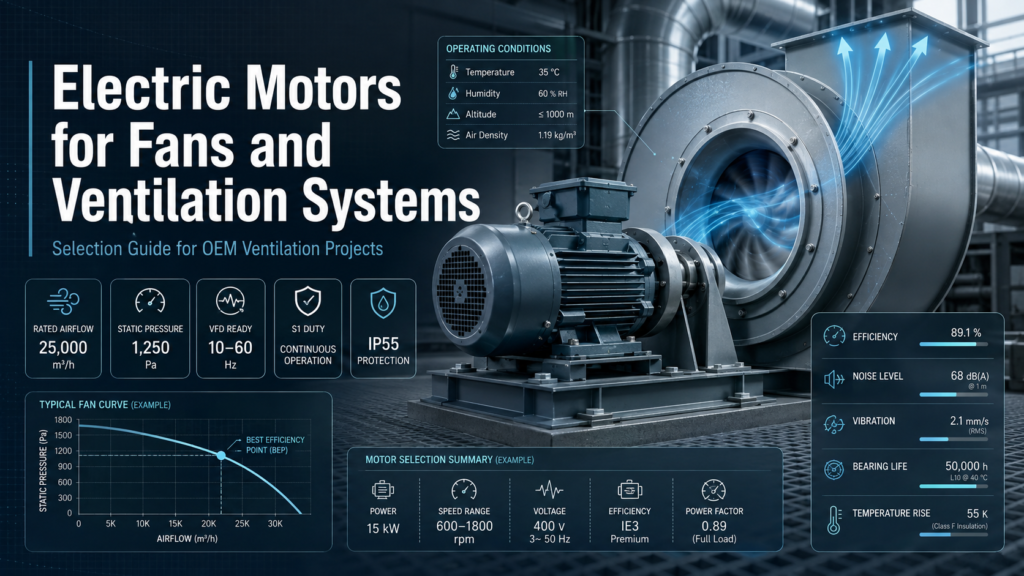
Selecting a reliable fan motor for an OEM project requires more than comparing rated power and IE efficiency. The motor must match the fan curve, system resistance, speed-control method, mechanical load, and installation environment.
An oversized motor may spend much of its life at low load, where efficiency and power factor can fall. An undersized unit may overheat or overload when the fan moves beyond its design point. DAYOU MOTOR therefore recommends evaluating the complete operating range before approving a supplier or motor design.
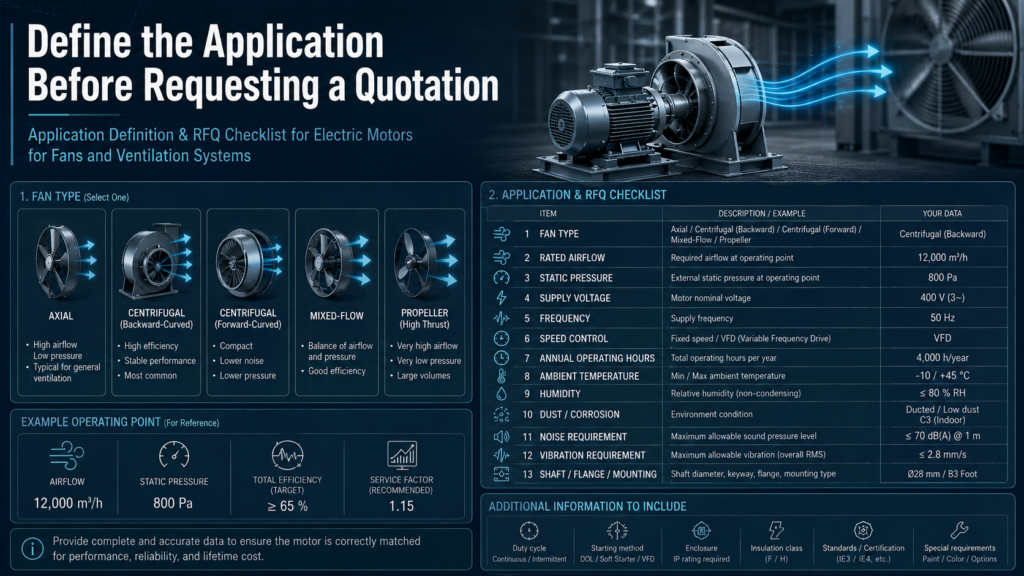
Define the Application Before Requesting a Quotation
A useful RFQ should identify the fan type, including axial, centrifugal, mixed-flow, forward-curved, or backward-curved construction. It should also provide:
- Rated airflow, static pressure, and full operating range
- Supply voltage, frequency, phase, and permitted variation
- Fixed-speed, VFD, or integrated EC control
- Rated and maximum speed
- Acceleration time and starts per hour
- Duty cycle and annual operating hours
- Temperature, altitude, humidity, dust, condensation, and corrosion
- Mounting, shaft, flange, rotation, and terminal-box position
- Noise, vibration, lifetime, and regulatory requirements
Ordinary ventilation equipment often uses S1 continuous duty, but smoke extraction, intermittent operation, and frequent starting require separate verification.
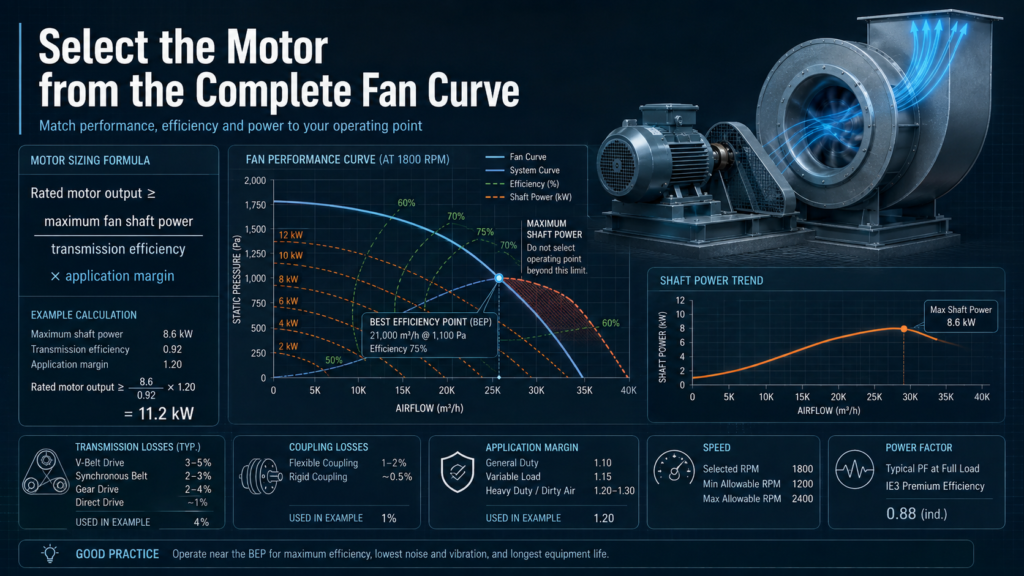
Select the Motor from the Complete Fan Curve
The motor should cover the highest shaft-power demand within the fan’s permitted operating range. Checking only the nominal duty point can miss a higher-power condition elsewhere on the curve.
AMCA guidance notes that the power curve may behave differently depending on fan design. Some backward-curved designs have non-overloading characteristics, while axial and other fan types may show a different power trend.The selected fan motor should also account for belt, coupling, and other transmission losses. A general relationship is:
Rated motor output ≥ maximum fan shaft power ÷ transmission efficiency × application margin
A reasonable margin protects against uncertainty, but simply adding a large safety factor is not good engineering. Excessive oversizing increases cost and may reduce real operating efficiency.
Different Fan Systems Need Different Motor Designs
Application | Typical solution | Main supplier checks |
Fixed-speed ventilation | Three-phase induction design | Starting torque, efficiency, temperature rise, and bearing life |
Variable-air-volume system | Induction or permanent-magnet design with VFD | Inverter insulation, low-speed cooling, shaft current, and speed range |
Fan coil or air purifier | Integrated EC or BLDC design | Controller life, EMC, communication, and part-load efficiency |
Belt-driven equipment | Reinforced bearing and shaft arrangement | Radial load, belt tension, shaft strength, and bearing life |
Direct-driven impeller | Outer-rotor or dedicated inner-rotor design | Balance, impeller interface, resonance, and maximum safe speed |
Smoke extraction | Design validated for the applicable high-temperature duty | Required temperature, duration, and complete assembly performance |
Hazardous area | Correctly certified explosion-protected design | Marking, certificate scope, temperature class, and installation limits |
An industrial ventilation motor should be selected around the actual mechanical arrangement because belt load, impeller weight, axial thrust, and mounting direction can significantly change bearing requirements.
Variable Speed Changes Both Performance and Cooling
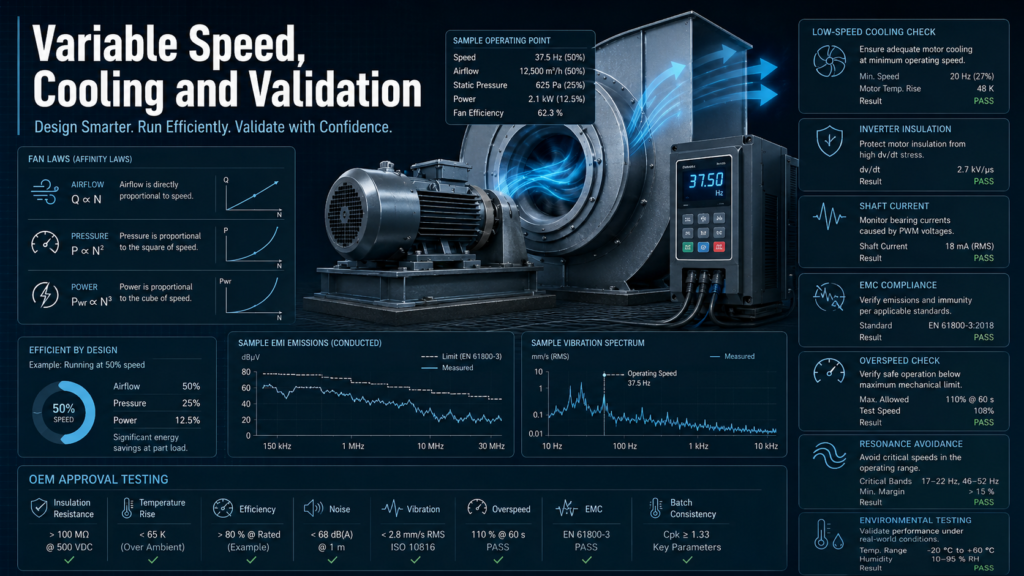
For geometrically similar operating conditions, airflow changes approximately with speed, pressure with the square of speed, and power with the cube of speed. These fan laws are useful for estimating performance, although their similarity limits must be respected.
VFD operation can provide substantial energy savings when airflow demand changes, but the supplier should define the permitted frequency range, carrier-frequency limits, cable length, insulation capability, and maximum speed.
Low-speed cooling deserves particular attention. A self-cooled motor produces less airflow as speed falls, so continuous high-torque operation at low speed may require an independent cooling fan.
EC Efficiency Should Cover the Complete Drive
An EC unit combines the motor and electronic controller, which means buyers should compare electrical input at the supply terminals with mechanical output at the shaft. Motor-only efficiency does not represent the losses of the complete electronic drive.
IEC 61800-9-2 defines efficiency indicators and classifications for complete drive modules and power-drive systems, considering speed and torque profiles over time.
For EC products, suppliers should also document surge protection, overtemperature and locked-rotor protection, power-component derating, EMC performance, software revision control, and component-change management. Interfaces such as 0–10 V, PWM, Modbus, or BACnet should be tested under normal and abnormal communication conditions.
Manufacturing Capability Should Be Supported by Data
Temperature-rise reports should cover the rated point, maximum load, and worst permitted ambient condition. Useful evidence includes winding and bearing temperatures, current, speed, input power, output power, and stabilization time.
Bearing calculations should reflect impeller weight, belt tension, axial thrust, speed, and installation orientation. Stating that a well-known bearing brand is used does not prove that the bearing is correctly sized.
Noise and vibration should be evaluated with the impeller or representative load installed. Low no-load noise cannot rule out resonance, electromagnetic tonal noise, shaft runout, or VFD switching noise in the complete assembly.
A fan motor intended for dusty, humid, coastal, or outdoor service should also be reviewed for IP protection, drainage, anti-condensation measures, coating durability, and corrosion-resistant hardware.
Sample Validation Should Represent the Real System
OEM approval testing should include:
- Winding resistance, insulation resistance, dielectric, and surge testing
- No-load, rated-point, and maximum-load performance
- Cold starting and reduced-voltage starting
- Efficiency, temperature, noise, and vibration across the speed range
- Overspeed and resonance checks with the impeller installed
- Environmental tests selected for the actual site
- Bearing endurance and repeated-start testing
- VFD or EC-system EMC and surge tests
- Consistency checks across different batches and production shifts
Do not accept only one efficiency value at rated load. Ventilation equipment often operates at partial load, so representative speed and torque points should be included. DAYOU MOTOR recommends recording input power, output, efficiency, temperature, and vibration at each selected point.
Efficiency Standards Must Match the Product Type
An IE3 fan motor for Middle East ventilation projects may be appropriate for a line-operated application, although the minimum required efficiency depends on motor scope and local regulations.
IEC 60034-30-1:2025 covers qualifying single-speed, line-operated AC motors and now includes IE5 nominal efficiency limits. It does not classify losses from cables, filters, or frequency converters.
Variable-speed machines outside that scope are addressed separately by IEC TS 60034-30-2. An integrated electronic product should therefore not be compared with a standard mains-fed motor by looking at an IE label alone.
Regional Projects Need Different Supplier Checks
An industrial fan motor supplier in China should provide traceable drawings, test data, approved-material lists, and written change-control procedures.
A ventilation fan motor for European OEMs may need detailed efficiency, EMC, conformity, and technical-file support. A three phase fan motor for Southeast Asian factories may require flexible voltage options, humidity protection, and reliable operation in warm environments.
Buyers sourcing an electric motor for blower systems in South America should also confirm local frequency, mounting compatibility, import documentation, and spare-parts support.
Warning Signs Should Not Be Ignored
A supplier deserves closer scrutiny when it cannot provide original temperature-rise data, calculates no bearing life from actual loads, or claims universal VFD compatibility without stating limits.
Other warning signs include using a different structure for samples and production, changing bearings or electrical steel without approval, and failing to track EC software or power-component revisions.
The Complete Fan System Should Lead the Decision
Reliable OEM selection combines load matching, manufacturing consistency, thermal performance, mechanical life, control capability, and environmental durability. DAYOU MOTOR supports fan and ventilation equipment manufacturers with application-based selection and sample verification for dependable volume production.