


- Home
- Product
- GOST standard motor
- IEC standard motor
 MC Series single phase capacitor start asynchronous motor
- MY MYT series single phase capacitor running asynchronous motor
- ML Series single phase dual-capacitor asynchronous motor
- ME2 series three phase high efficiency aluminum housing motor(IE2)
- ME3 series three phase high efficiency aluminum housing motor(IE3)
- MS series three-phase aluminum housing motor (IE1)
- Y2 series three phase cast iron motor (IE1)
- YE2 series three phase high efficiency cast iron motor (IE2)
- YE3 series three phase high efficiency cast iron motor (IE3)
- Special application motor
- Rolling door motor
- Industry application
- News
- About us
- Contact us
- Certifications
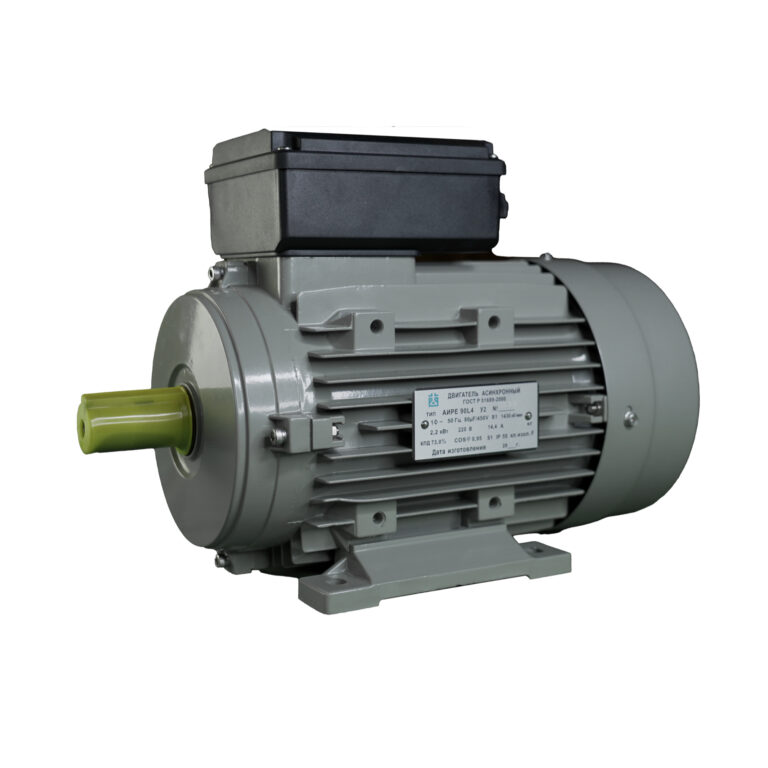
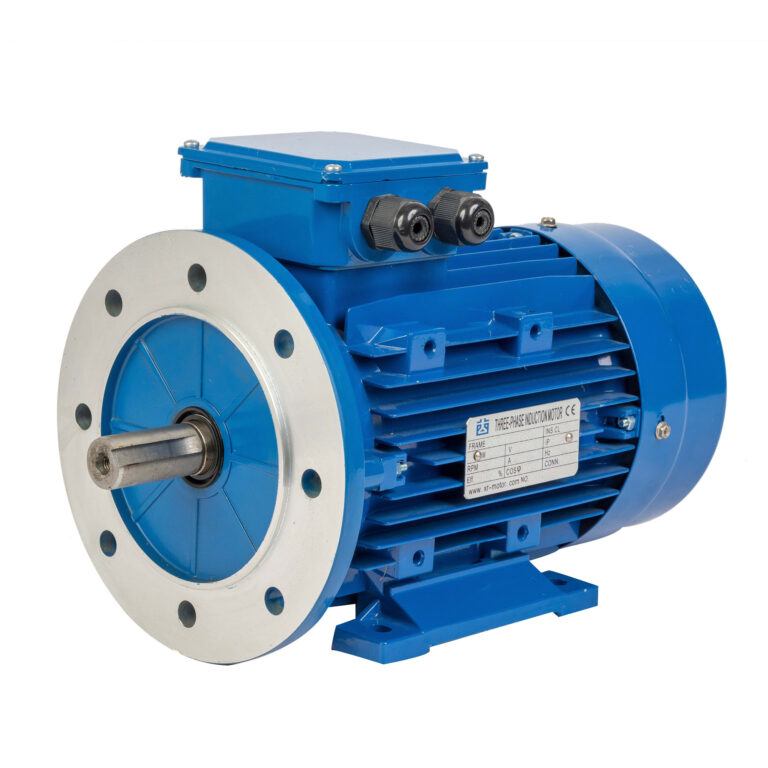
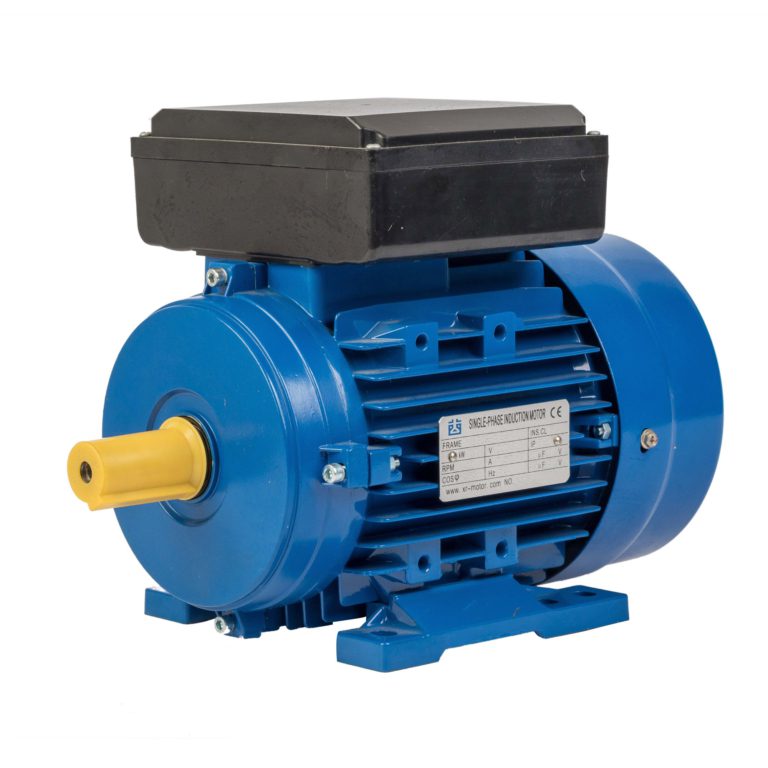
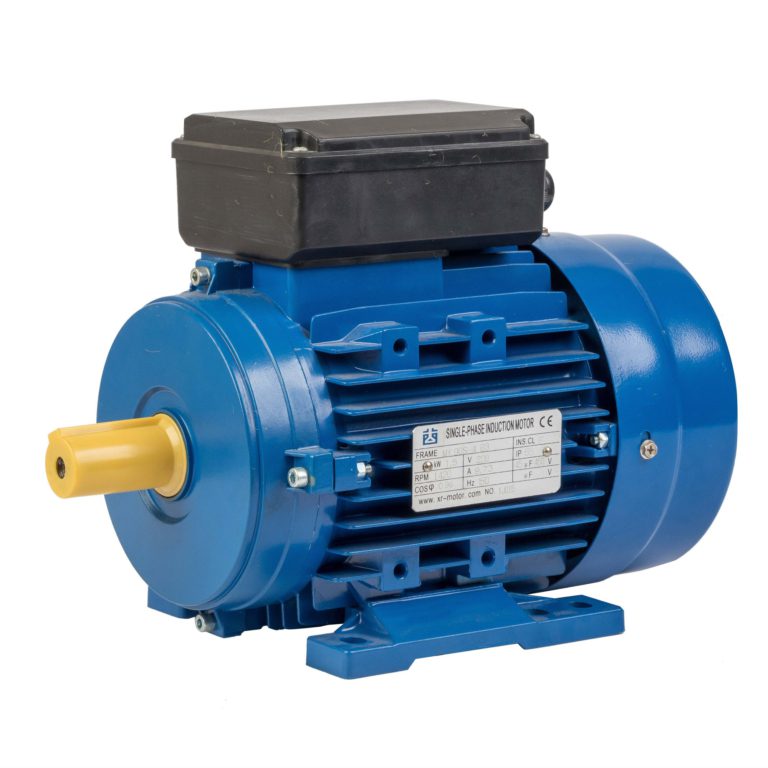
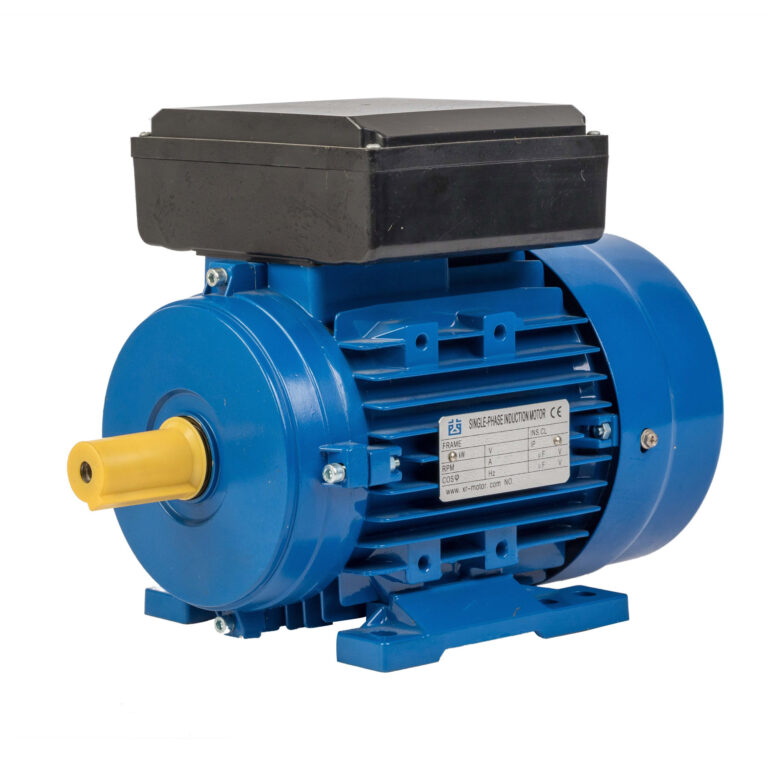
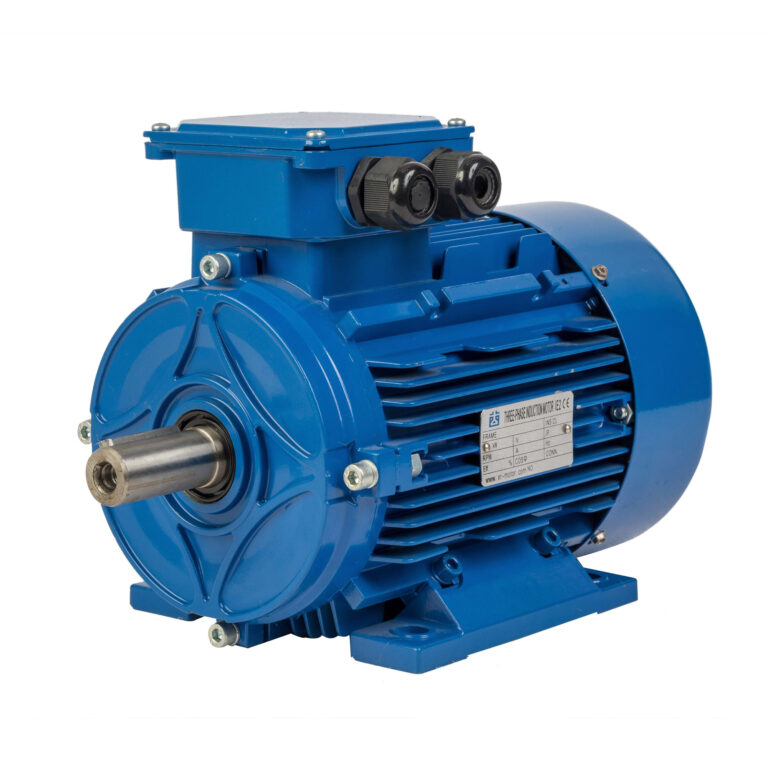
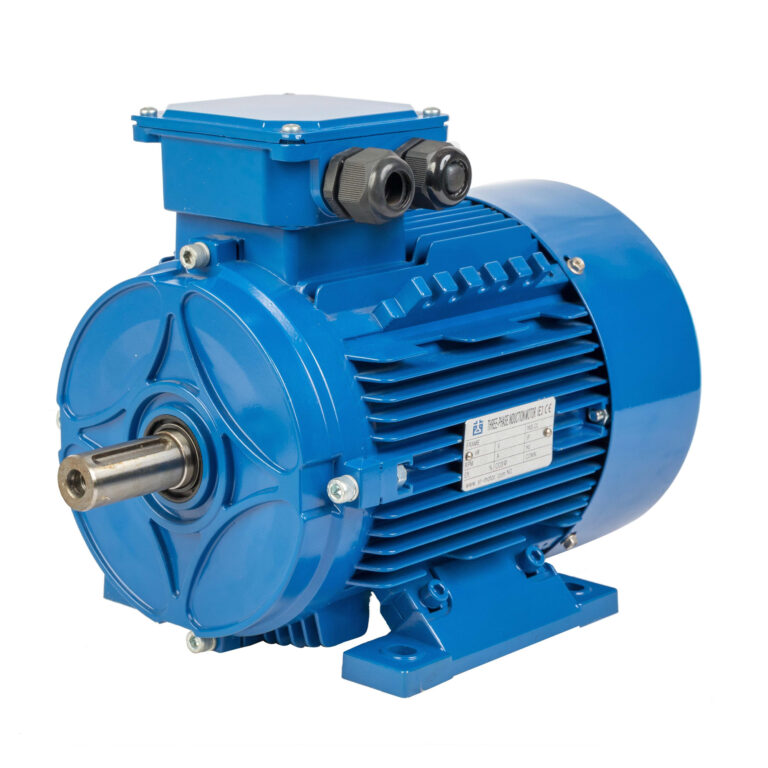
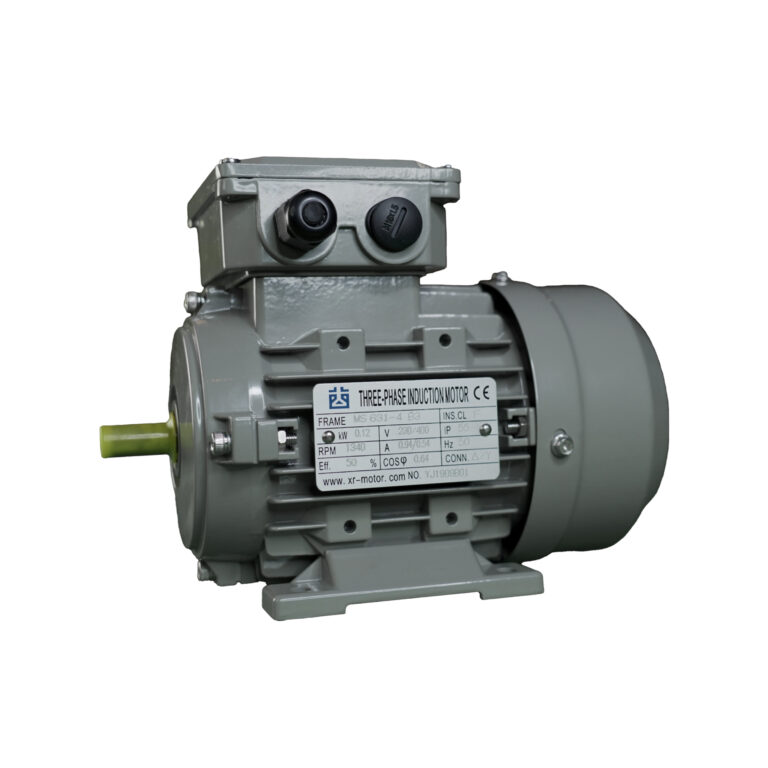
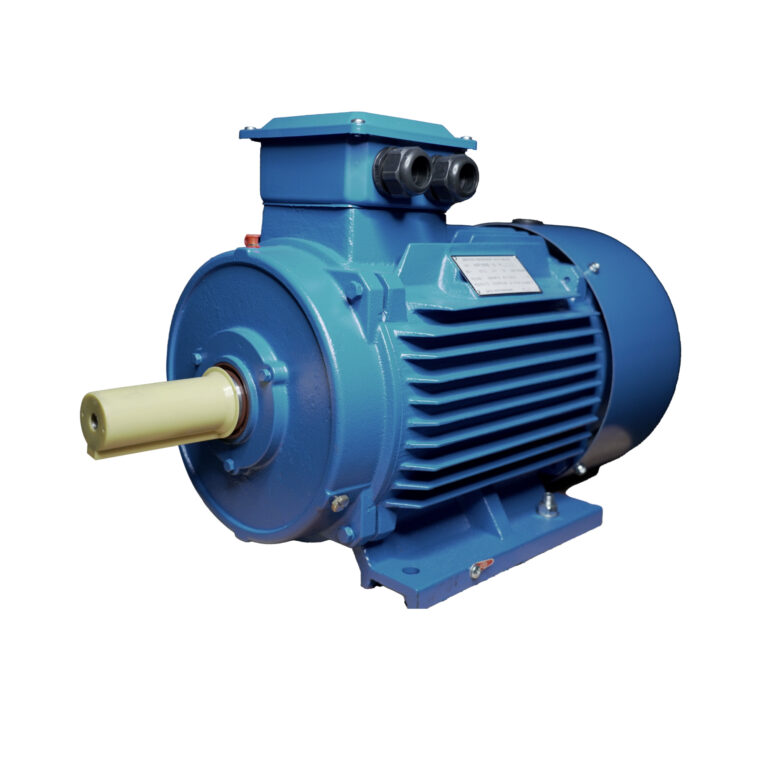
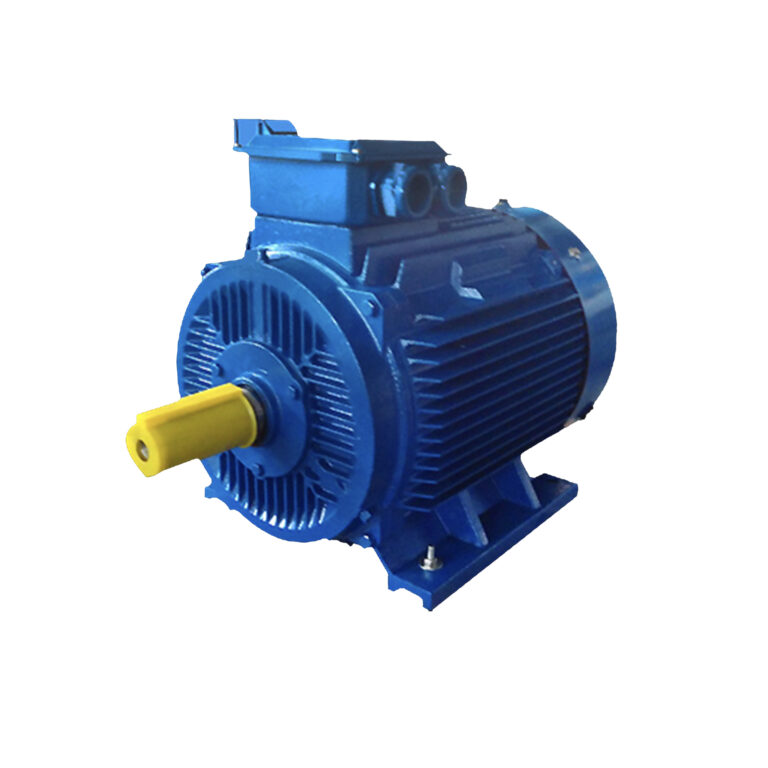
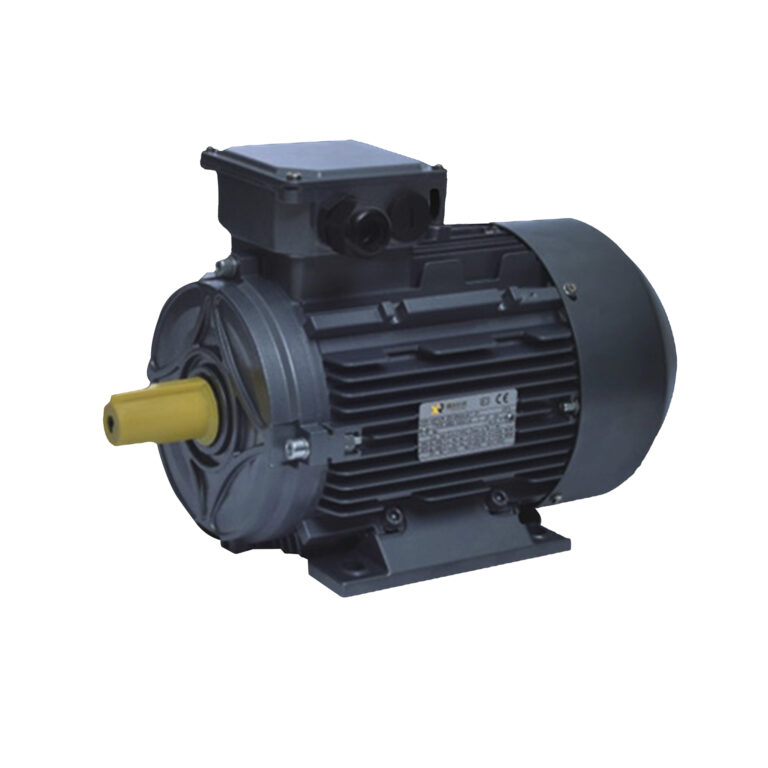
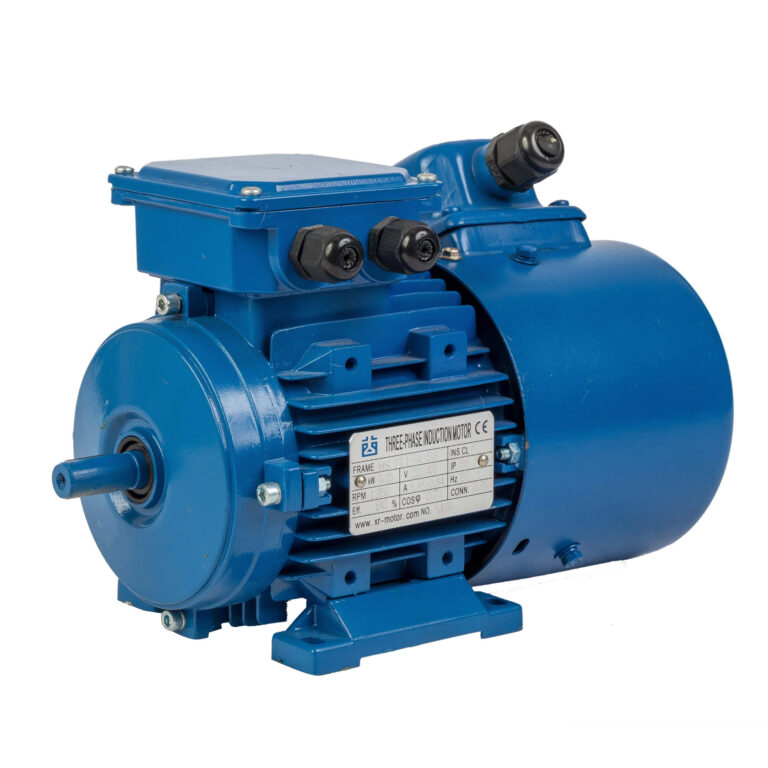
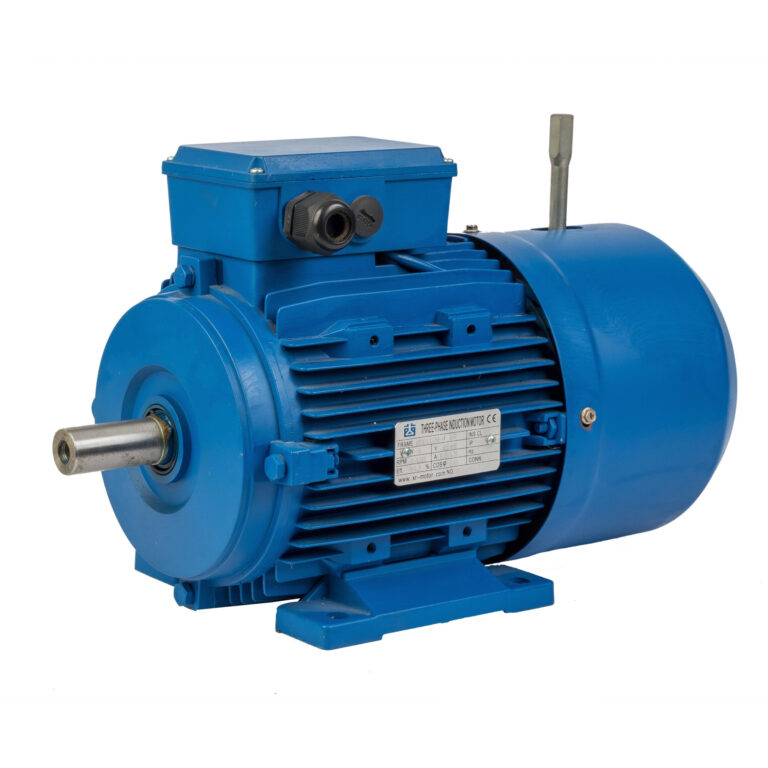
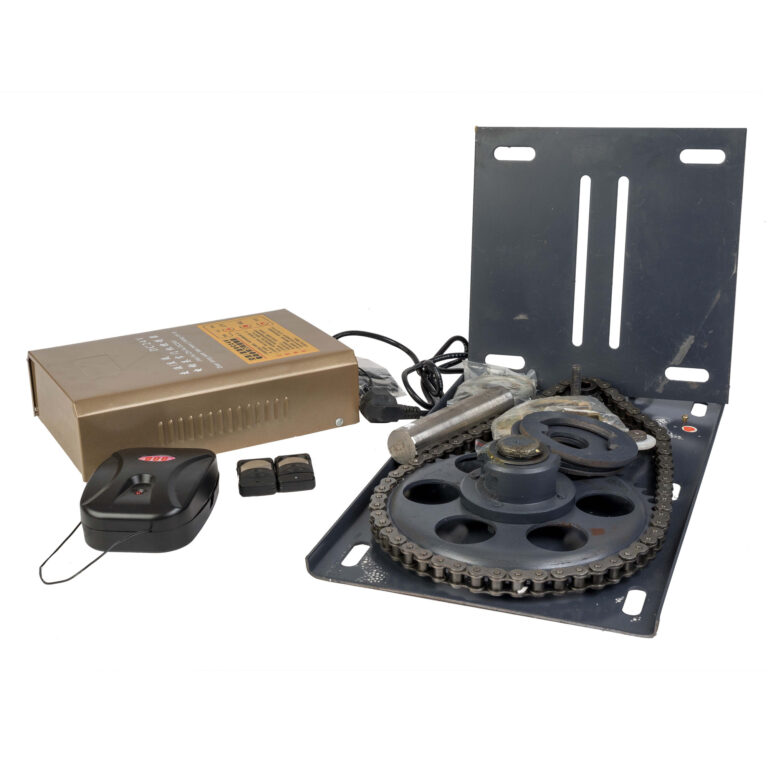
Gear Motors and Induction Motors: Two Core Forms of Industrial Power
In modern industry and daily life, electric motors are the core components driving all operations in various electromechanical devices. Induction motors, with their simplicity and reliability, have gradually become the most widely used basic power source, while gear motors, with their integrated speed reduction and torque amplification advantages, can meet the special needs of low speed and high torque. These two are not contradictory, but rather, under different principles and structures, they each play their respective roles in the transmission system, jointly forming the core support of electromechanical power.
Induction Motors: The Most Widely Used Basic Power Source
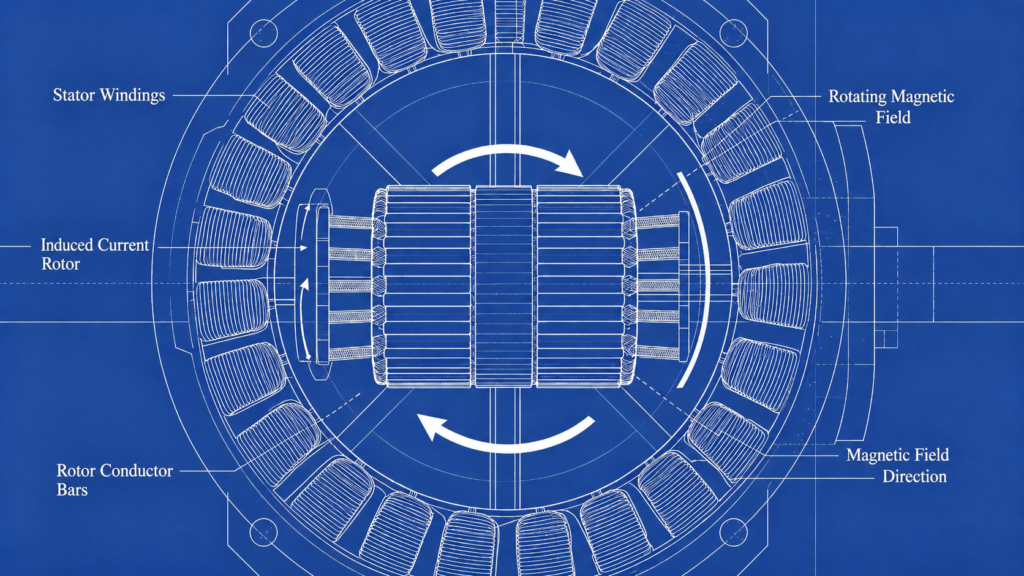
Induction motors, also known as asynchronous motors, are the most classic type of AC motor. Invented by Nikola Tesla in 1887, they remain the mainstream choice in industrial and civilian fields. Their structure is very simple, mainly composed of a stationary stator and a rotating rotor. When AC current is applied to the stator windings, a rotating magnetic field is generated. The rotor conductors can generate an induced electromotive force and current by cutting the magnetic field, thus forming an electromagnetic torque under the influence of the magnetic field, driving the rotor to rotate. Because the rotor speed is always lower than the synchronous speed of the stator magnetic field, and there is a slip, it is named an asynchronous motor.
From a performance perspective, induction motors have significant advantages. Their structure is robust and durable; the squirrel-cage rotor eliminates wear-prone parts like brushes and slip rings, resulting in strong vibration and shock resistance. Manufacturing costs are low, materials are readily available, and the process is relatively simple, leading to a higher cost-performance ratio than most other motor types. Maintenance is convenient, with few potential failure points, essentially requiring no maintenance. They are highly adaptable, directly connecting to standard AC power grids. Single-phase models are mainly used in household appliances, while three-phase models are primarily used in industrial equipment.
As a result, induction motors cover almost all conventional power applications, including fans, pumps, compressors, machine tools, washing machines, and refrigerators, accounting for over 70% of the industrial motor market. However, they also have some drawbacks: speed regulation is difficult, the power factor is low under light loads, and the output torque is limited, making it unable to directly meet the low-speed demands of heavy loads.
Gear Motors: Integrated Power Units for Special Transmission Needs
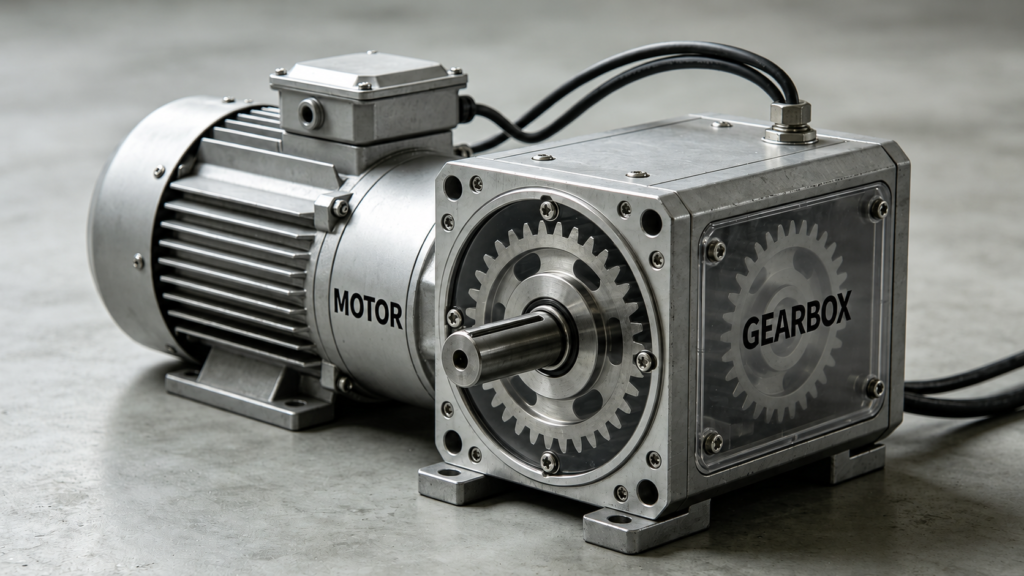
Gear motors, on the other hand, are integrated power units. They are not independent motor types but rather a combination device that deeply integrates the motor body and a gear reducer. Its core logic is to utilize an electric motor to provide basic high-speed power, and then, through the meshing transmission of a gearbox, convert the high-speed, low-torque output into low-speed, high-torque power, while simultaneously improving operational stability. The structure of the gearbox determines its performance; common types include helical gears, worm gears, and planetary gears. Single-stage transmission efficiency can reach over 96.5%, and the transmission ratio can be flexibly adjusted according to requirements.
Compared to the solution of an independent motor paired with an external reducer, the integrated advantages of geared motors are significant. Its overall structure is compact, smaller, and lighter, saving installation space; the precise matching between the motor and gearbox results in lower transmission losses and higher efficiency; no additional assembly or debugging is required, simplifying the equipment design process and reducing the failure rate; its operation is smoother and quieter, and its service life is longer. Its core value precisely compensates for the shortcomings of ordinary induction motors, making geared motors the optimal solution for scenarios requiring high torque, low speed, and stable operation.
Key Differences Between Induction Motors and Gear Motors
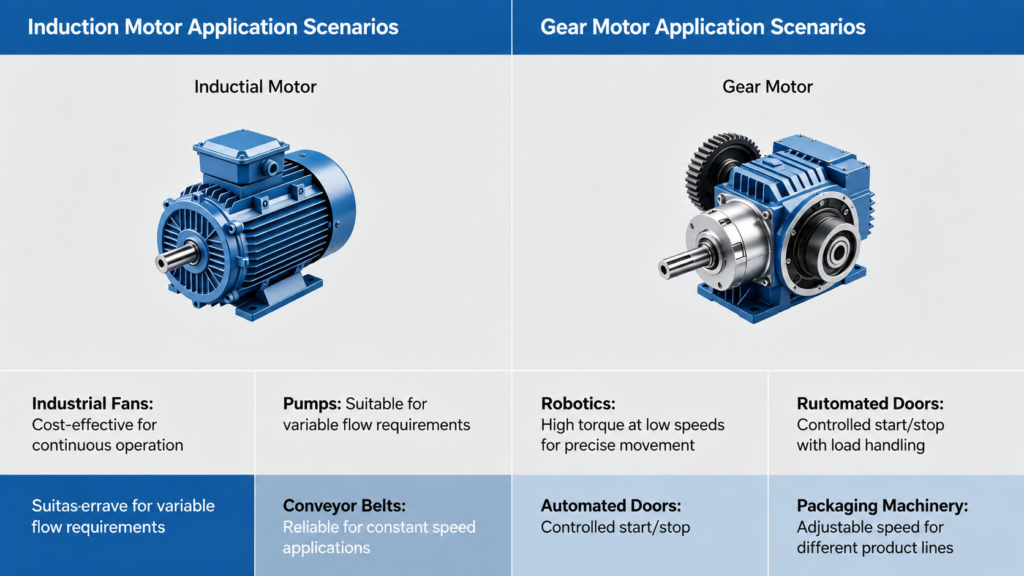
The difference between these two types of motors is essentially the difference between the basic power source and the integrated transmission unit. Structurally, induction motors consist only of a stator, rotor, and housing, making them relatively simple. Gear motors, on the other hand, only require the addition of a gearbox and output shaft to the basic motor design, resulting in a more complex structure.
In terms of output characteristics, induction motors prioritize high speed and low torque, with speed primarily determined by the power supply frequency and pole pairs. Gear motors, by adjusting the reduction ratio, can achieve low speed and high torque, amplifying torque several times or even tens of times.
In terms of application scenarios, induction motors are suitable for general applications that do not require speed regulation and stable rotation speed. Gear motors are mostly used in conveyor belts, cranes, winding equipment, automatic doors, and small robotic arms—fields requiring heavy loads, low speeds, and precision.
Practical Application: Complementary Cooperation
In practical applications, the two types of motors complement each other. For example, in an industrial production line conveyor belt, if an induction motor is used directly, the speed may be too high and the torque insufficient. In such cases, the induction motor cannot move heavy materials. However, a gear motor paired with a gearbox can stably control the conveyor belt speed while providing sufficient torque to support the weight.
In contrast, in film winding equipment, ordinary induction motors cannot operate at low speeds for extended periods and are prone to burnout due to overload. Dedicated geared motors, however, can maintain constant torque, adapting to low-speed or even stalled conditions and preventing film deformation.
The combination of both is also common in the home appliance industry: washing machines often use induction motors for washing, providing basic power; while the reduction clutch in some fully automatic washing machines is essentially a motor assembly with an integrated gear structure, achieving different speed requirements for washing and spin-drying.
Technological Development and Future Trends
With the development of industrial automation and intelligent manufacturing, the technology of both is continuously evolving. Induction motors, relying on frequency conversion technology, have broken through the limitations of traditional speed regulation and can also achieve wide-range speed regulation by working with frequency converters, further expanding their application scenarios.
Gear motors are gradually upgrading towards miniaturization, high precision, and low noise, utilizing advanced structures such as planetary gears and harmonic gears to continuously improve their adaptability in precision equipment and robotics. Simultaneously, the integrated design of both is becoming increasingly common. Most industrial geared motors use induction motors as their power core, retaining the reliability and low cost of induction motors while maintaining the torque advantages of gear transmission. This integrated design is gradually becoming the mainstream integrated solution in the market.
Conclusion
Ultimately, induction motors are the foundation of power, supporting the most widespread conventional transmissions with their simplicity, reliability, and low cost; geared motors, on the other hand, optimize power, solving transmission challenges in special working conditions with their integration, high torque, and stable speed. There are no absolute advantages or disadvantages, only differences in their suitability for different scenarios. In electromechanical transmission systems, the two complement each other and work synergistically.
From small household appliances to large industrial equipment, from automated production lines to new energy equipment, they are ubiquitous, becoming the invisible core driving the efficient operation of modern industry and life. In the future, with continuous advancements in materials and control technologies, induction motors and geared motors will continue to push performance boundaries, adapting to more diverse transmission needs with more efficient and intelligent forms, further solidifying the foundation of electromechanical power.