


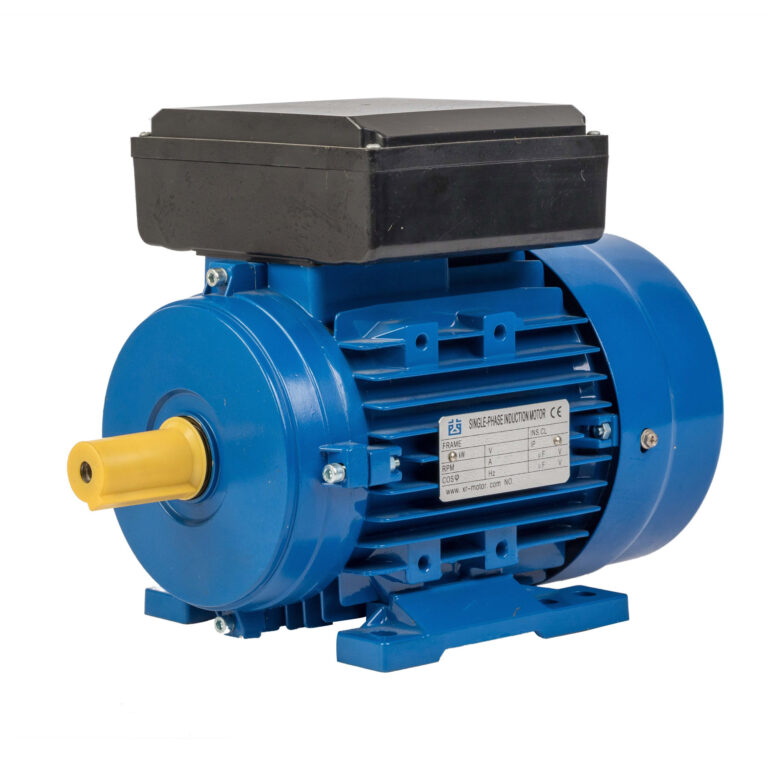
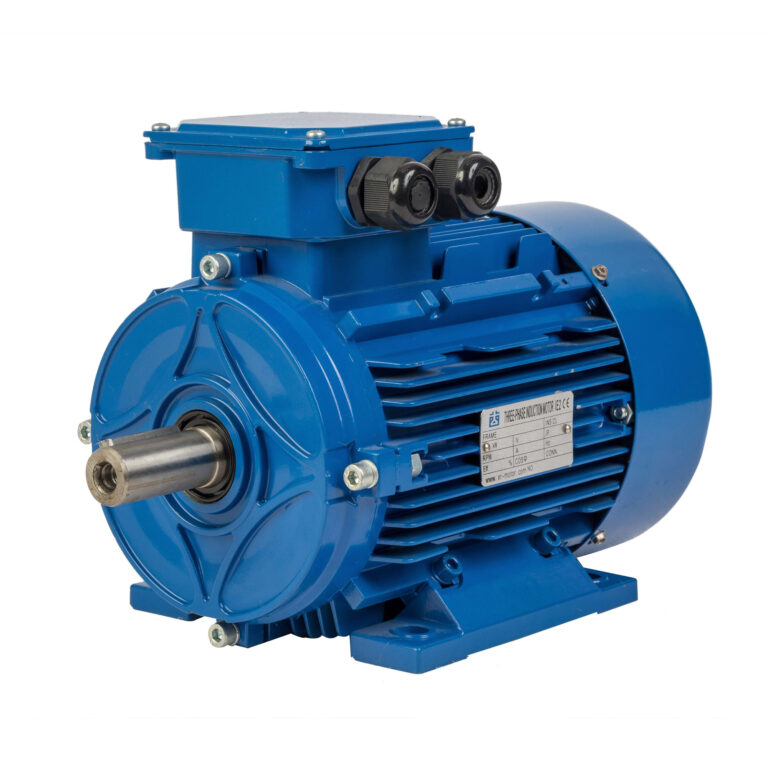
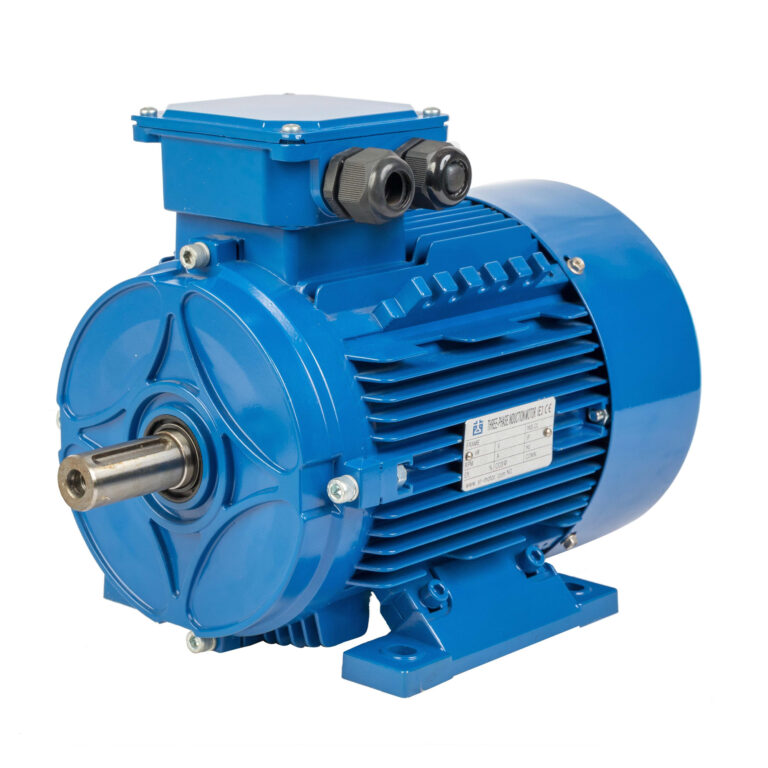
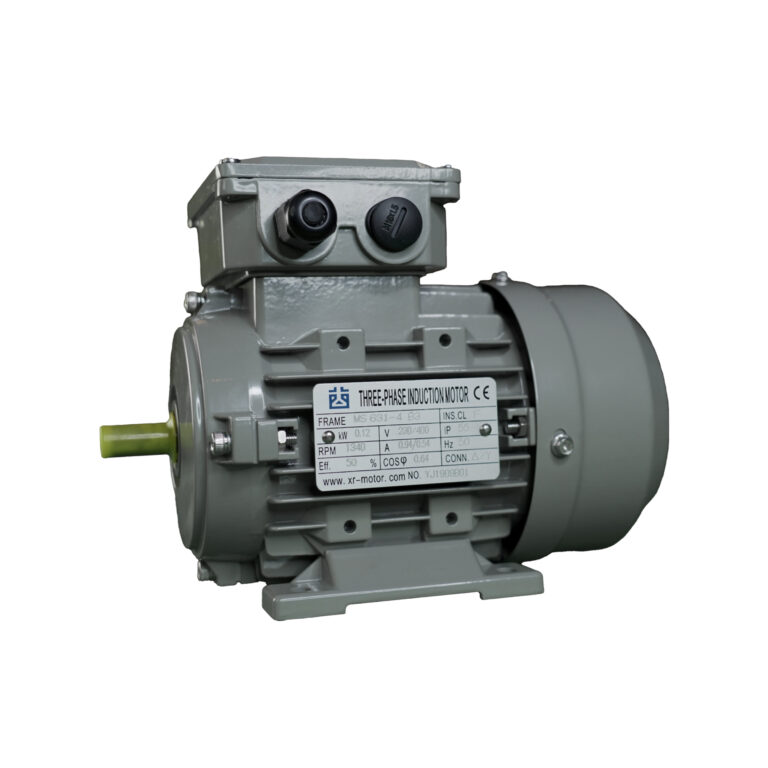
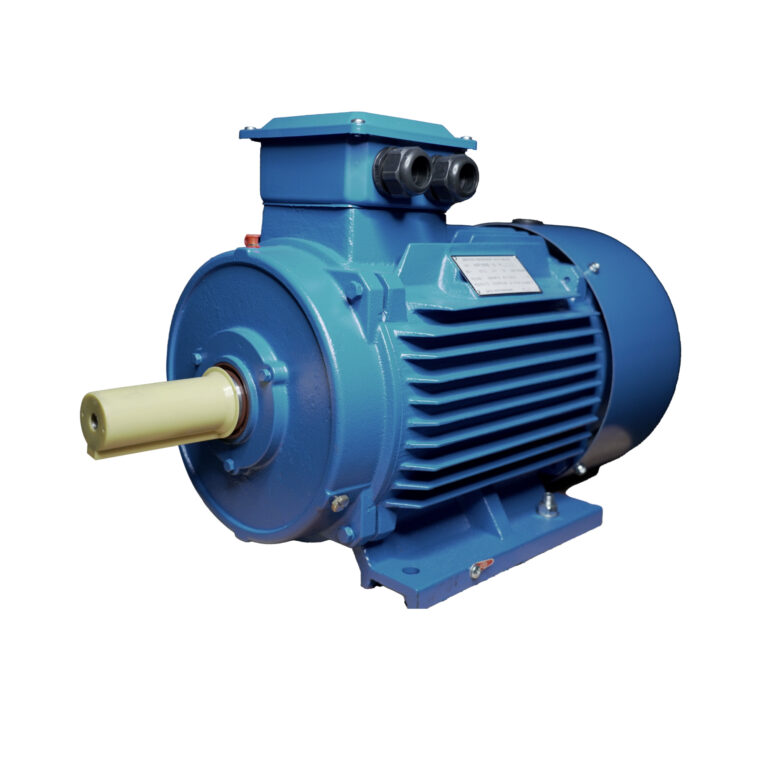
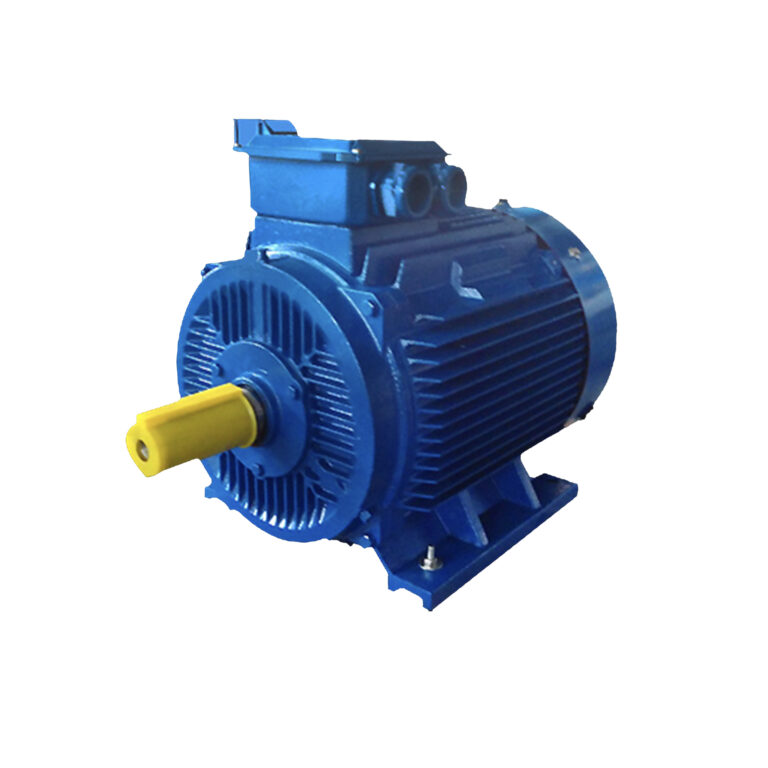
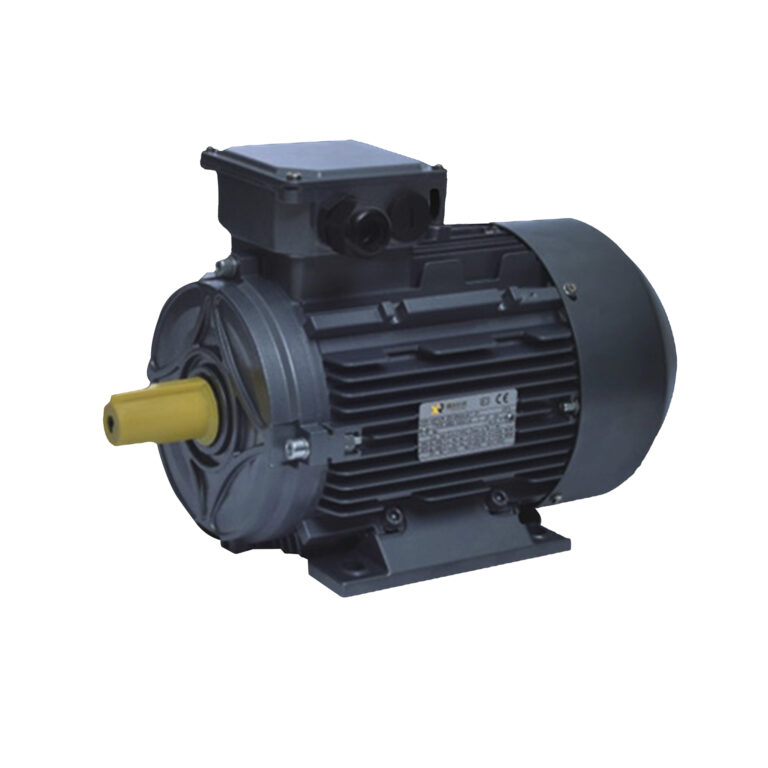
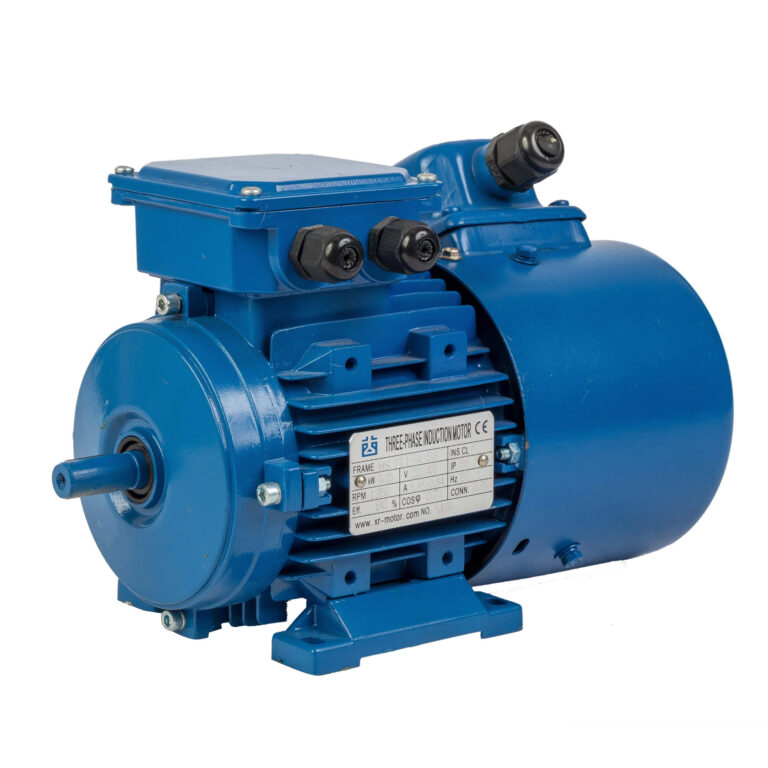
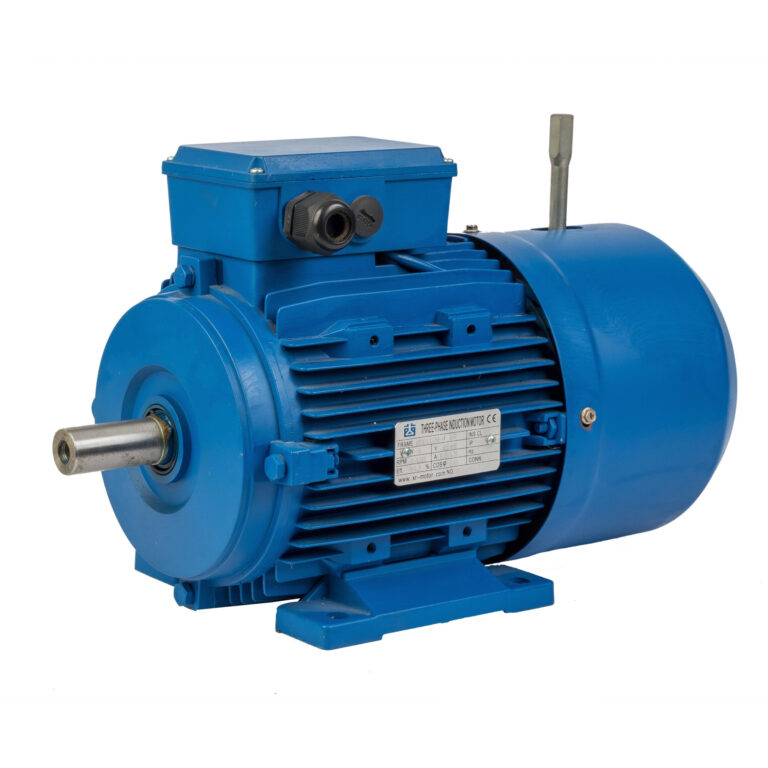
This article explains the working principle of electric motors, including different motor types and some common applications in modern technology.
Topics Covered in This Guide
Reviewed by Technical Support Engineer Karl Ralph (Nov 2022)
So what exactly is an electric motor, and how does it work?
In simple terms, an electric motor works by converting electrical energy into magnetic force, which then becomes mechanical motion. The motor produces movement by using magnetic fields and electric current.
There are many ways to achieve this, which is why electric motors come in many different designs, shapes, and sizes. Motors can also be powered in different ways. Traditional AC motors and DC motors have existed for many years, but today modern electronics allow us to control motors much more precisely.
Because of this, modern motors can reach high efficiency and better performance control compared with older designs.
Electric Motor Overview
What Is the Working Principle of an Electric Motor?
The basic working principle of an electric motor is the interaction between magnetic fields.
When electric current flows through a conductor inside a magnetic field, a force is generated. This force causes the motor’s rotating components to move, which produces mechanical motion.
In a typical motor, the main components include:
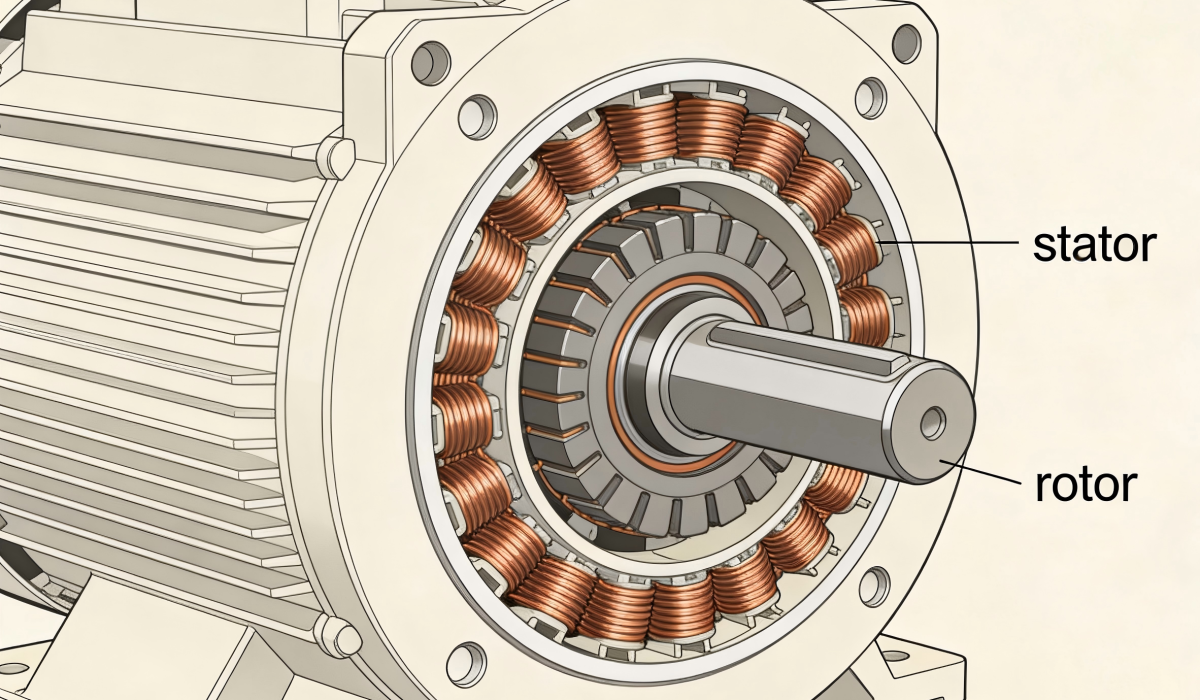
- Rotor (the rotating part)
- Stator (the stationary magnetic field)
- Commutator
- Brushes
Power source (usually DC voltage in simple examples)
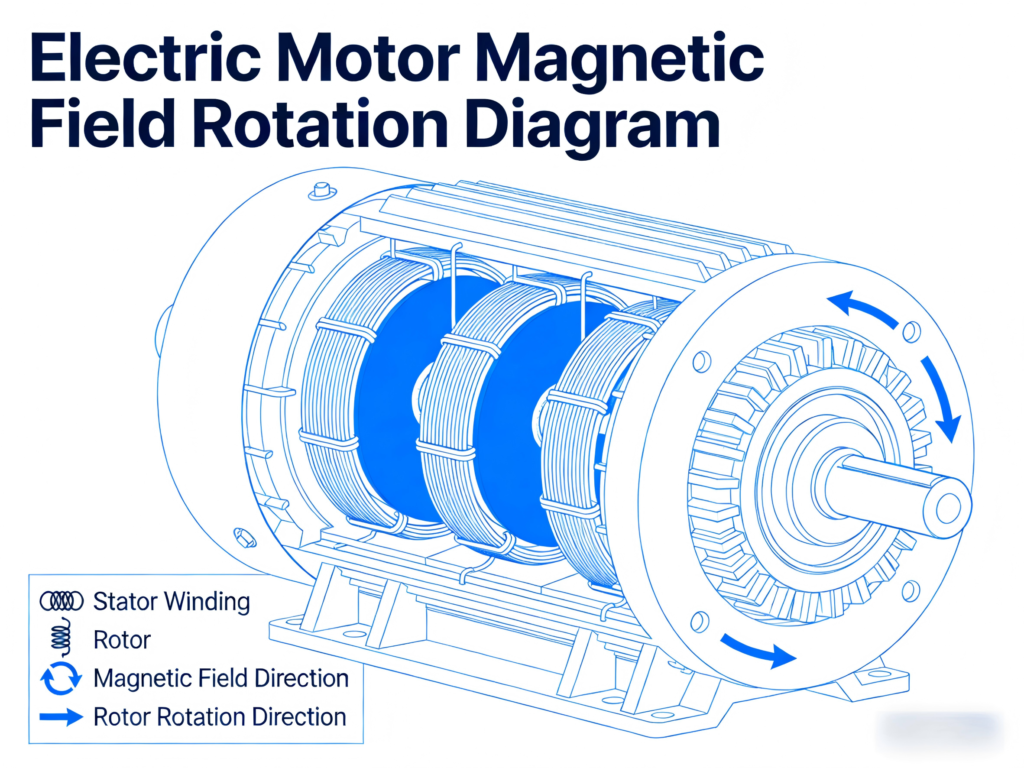
How an Electric Motor Works
In the diagram example, the moving components are the rotor and the commutator. The permanent magnets (stator), brushes, and battery source remain stationary.
The commutator is divided into two half-circle segments connected to the rotor coil. These segments create an electrical circuit between the brushes and the DC voltage source.
The working process of the motor can be described like this:
- Electric current flows from the battery through the carbon brushes into the rotor circuit.
- This current generates an electromagnetic field around the rotor. The north pole of the rotor faces the north pole of the magnet, while the south pole faces another south pole.
- Because like magnetic poles repel each other, a repulsive force is created, pushing the rotor away from the magnet. This causes the rotor to start rotating.
- When the rotor rotates past the commutator contact point, the electrical connection changes.
- The direction of current flowing through the rotor is then reversed.
- This reversal also flips the rotor magnetic field, so the magnetic repulsion continues and keeps the rotor spinning.
In this way, continuous rotational motion is achieved.
Types of Electric Motors
Some electric motors run on direct current (DC), while others operate on alternating current (AC). There are also motors controlled by signals or pulses through electronic controllers.
Motors are available in many sizes, power ratings, and designs depending on the application.
The three main categories of motors include:
AC Motors
- Induction motors
- Synchronous motors
- Squirrel cage motors
DC Motors
- Shunt motors
- Series motors
- Separately excited motors
Other Motor Types
- Universal motors
- Stepper motors
- Brushless motors
Motor accessories are often used to improve motor lifespan, safety, and operational stability.
AC Motors
How Do AC Motors Work?
AC motors operate by converting alternating current into a changing electromagnetic field. This alternating magnetic field produces motion through several different mechanisms.
Induction Motors
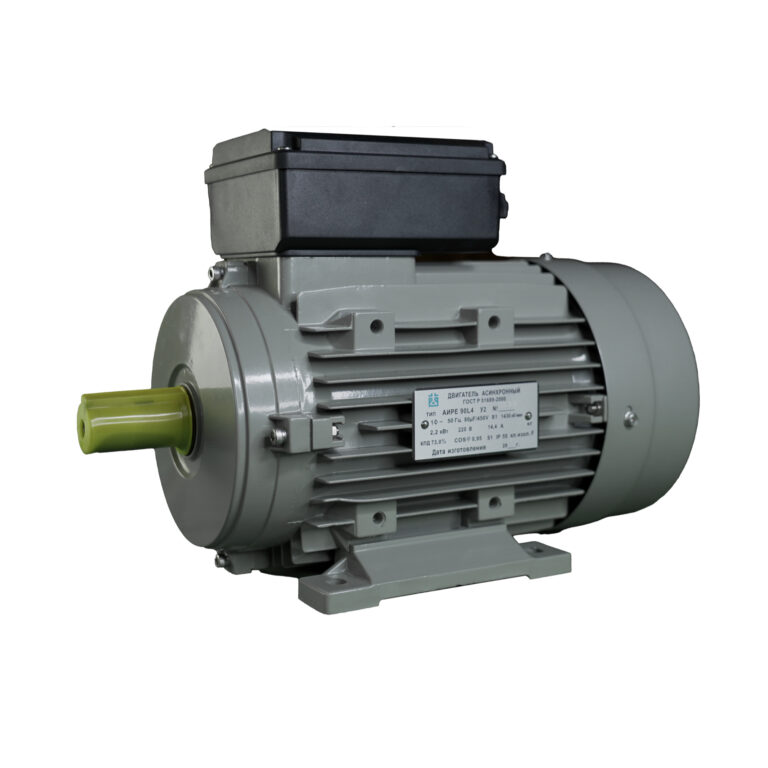
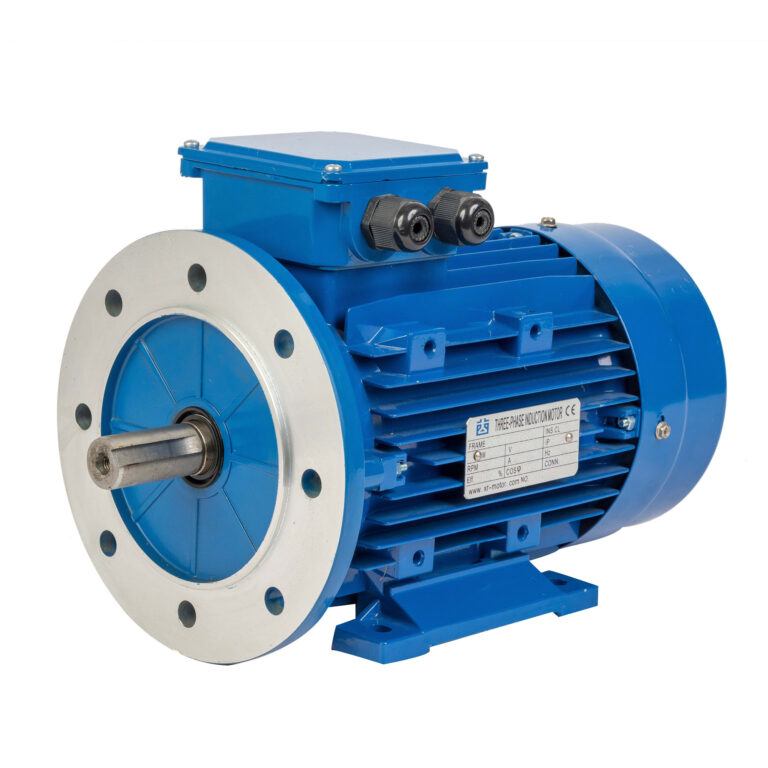
In induction motors, the stator generates a rotating magnetic field. This field induces current in the rotor, which then produces its own magnetic field and causes the rotor to rotate.
Synchronous Motors
In synchronous motors, the rotor rotates at exactly the same speed as the rotating magnetic field generated by the stator.
Squirrel Cage Motors
Squirrel cage motors are a type of induction motor. The rotor winding is replaced by solid conductive bars connected together, forming a structure that looks similar to a squirrel cage.
The alternating magnetic field induces currents inside these bars, generating a magnetic field that creates rotational motion.
Motor Starters
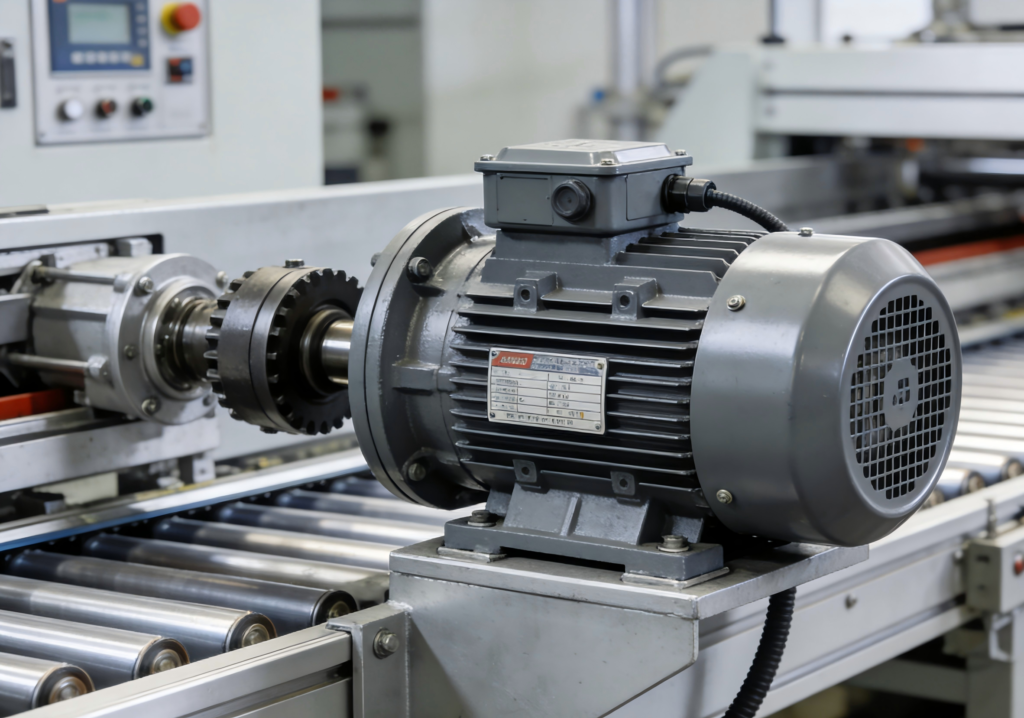
Larger motors usually require a motor starter. A motor starter works similarly to a relay system.
It typically contains a set of contactors that supply high current to the motor. The starter also includes a control panel with buttons to start or stop the motor safely.
DC Motors
DC motors are one of the most common motor types and are often less expensive compared with AC motor systems in some applications.
Common DC motor types include:
Shunt Motors
In a shunt motor, the stator and rotor windings are connected in parallel.
Series Motors
In series motors, the stator and rotor windings are connected in series. These motors provide very high starting torque, which makes them suitable for heavy-load applications such as:
- Electric trains
- Elevators
- Industrial lifting equipment
Separately Excited Motors
Separately excited motors are similar to shunt motors, but the stator and rotor coils are powered by separate electrical supplies.
This configuration makes speed control and direction reversal easier.
How Do Electric Vehicle Motors Work?
Electric vehicles (EVs) typically use DC batteries as their main power source. However, the vehicle can use either AC motors or DC motors.
If the car uses an AC motor, an onboard inverter converts the battery’s DC power into AC electricity.
Most EVs today use AC induction motors or permanent magnet motors.
When the vehicle slows down or goes downhill, the motor can operate as a generator and send energy back to the battery. This process is called regenerative braking.
One disadvantage of AC motor systems is that they are often more complex and expensive compared with simpler DC motor systems.
How Do Electric Fan Motors Work?
Large electric fans usually use induction motors, while small portable fans often use DC motors.
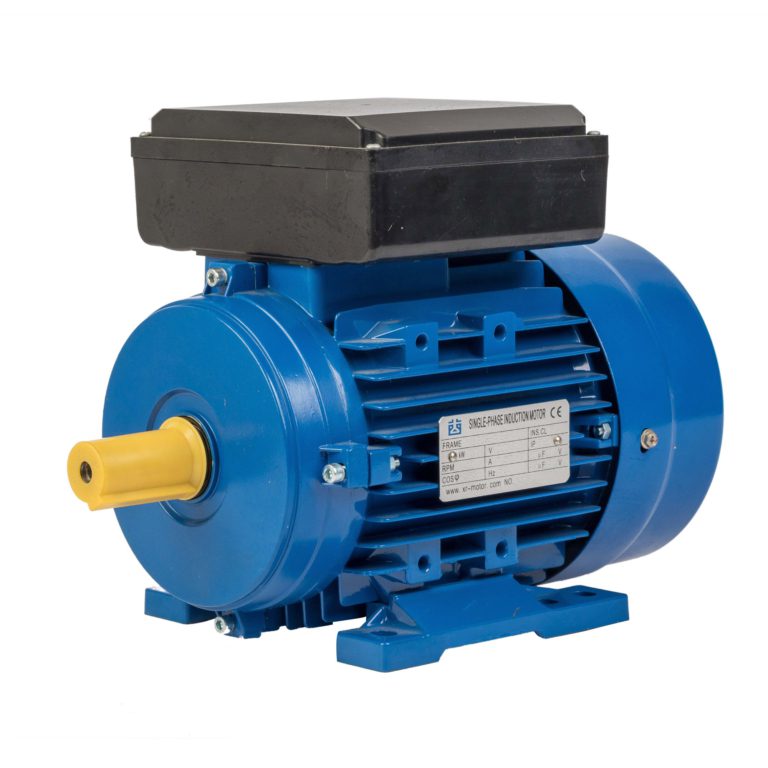
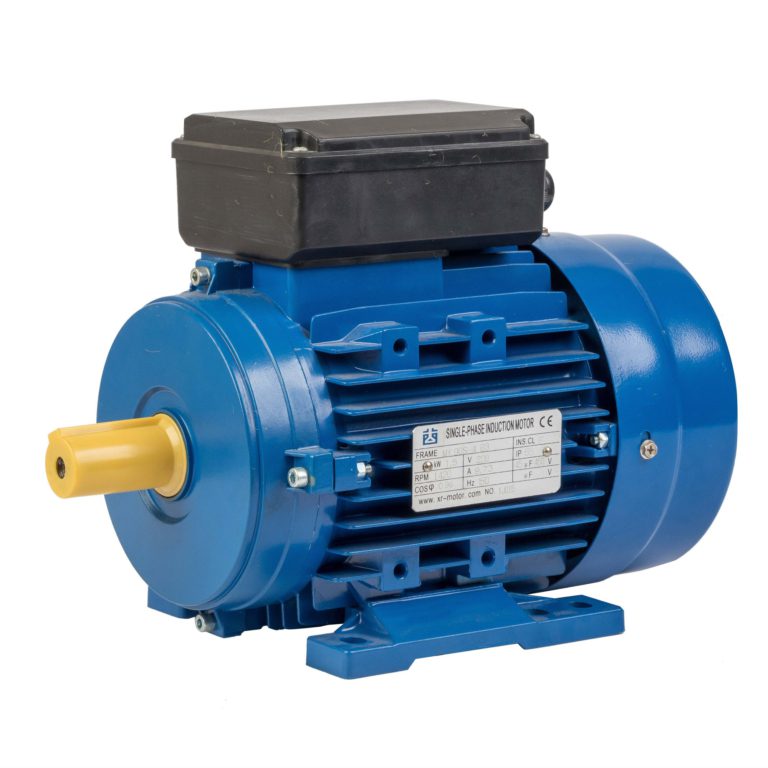
Single-phase induction motors in fans may include a start capacitor. The capacitor creates a phase difference between currents in the stator windings.
This phase shift helps the motor:
- Start more easily
- Improve efficiency
- Control rotation direction
Capacitors are commonly used to improve starting and running performance of single-phase motors.
How Do Electric Bicycle Motors Work?
Electric bicycles often use brushless DC motors with permanent magnets.
These motors are usually three-phase motors, meaning they contain three stator winding sets.
The motor is controlled by onboard electronics, which regulate power and speed by sending electrical pulses to the motor.
Other Interesting Applications of Electric Motors
Electric motors are used almost everywhere in modern life. It is actually hard to imagine daily life without them.
They are used in:
- Washing machines
- Electric toothbrushes
- Refrigerators
- Cars and bicycles
- Robots
- Hard drives
- Hair dryers
- Lathes and cranes
- Ships and trains
- Drones
Even smartphones use small electric motors to create vibration alerts. Inside the phone, a tiny motor spins an unbalanced weight, which produces vibration when the phone rings.
Electric Motors in Scooters
Electric scooters usually contain at least one brushless DC motor (BLDC).
These motors are electronically controlled in a similar way to e-bike motors. Despite their small size and light weight, they can deliver surprisingly high power and efficiency.
Conclusion
Electric motors have become an essential part of modern society. From industrial machines to personal electronics, motors play a key role in countless applications.
As technology continues to improve, electric motors will likely become more efficient, more compact, and easier to control. This will help support new innovations in transportation, robotics, and many other fields.