


- Home
- Product
- GOST standard motor
- IEC standard motor
 MC Series single phase capacitor start asynchronous motor
- MY MYT series single phase capacitor running asynchronous motor
- ML Series single phase dual-capacitor asynchronous motor
- ME2 series three phase high efficiency aluminum housing motor(IE2)
- ME3 series three phase high efficiency aluminum housing motor(IE3)
- MS series three-phase aluminum housing motor (IE1)
- Y2 series three phase cast iron motor (IE1)
- YE2 series three phase high efficiency cast iron motor (IE2)
- YE3 series three phase high efficiency cast iron motor (IE3)
- Special application motor
- Rolling door motor
- Industry application
- News
- About us
- Contact us
- Certifications
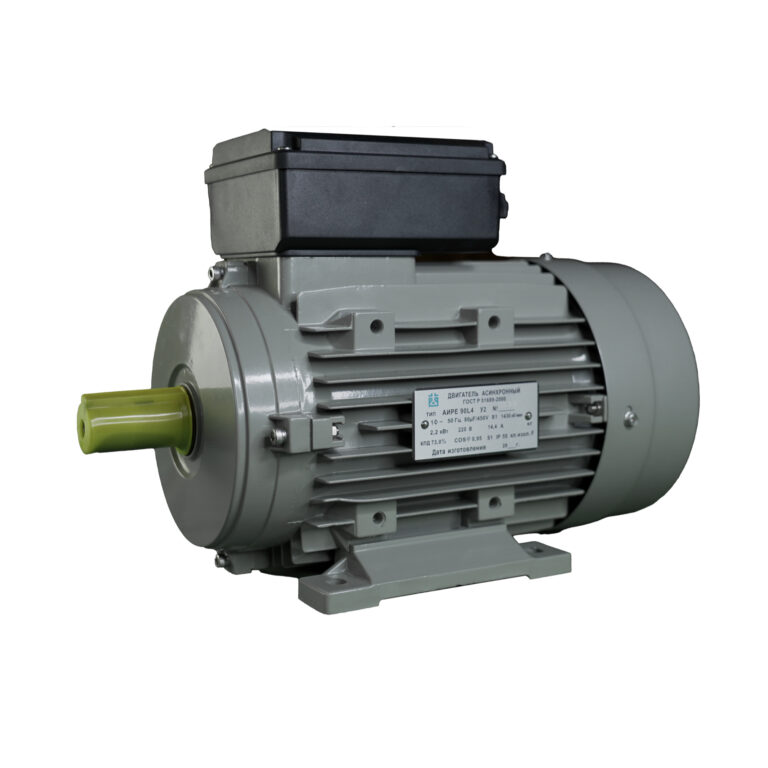
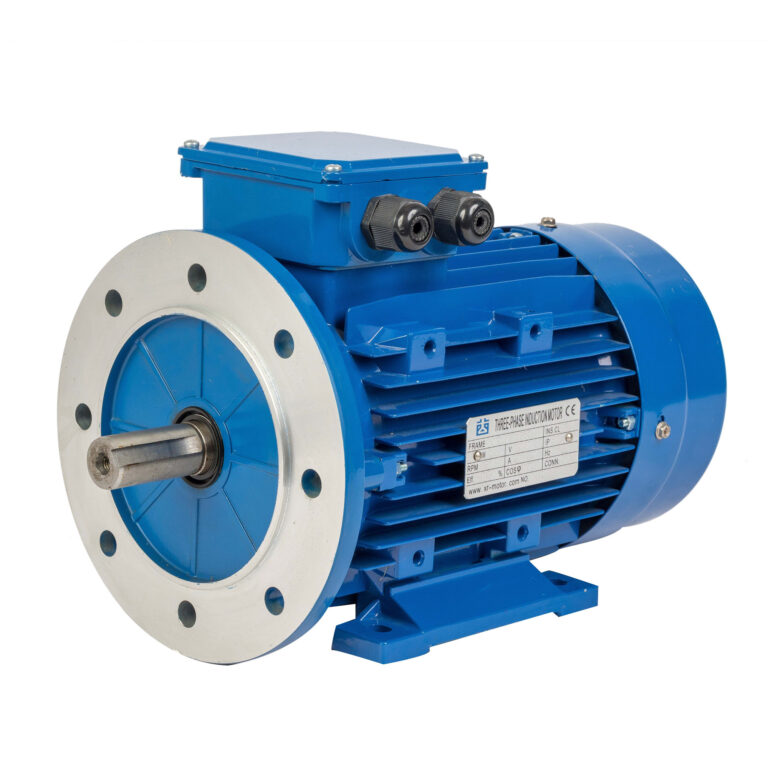
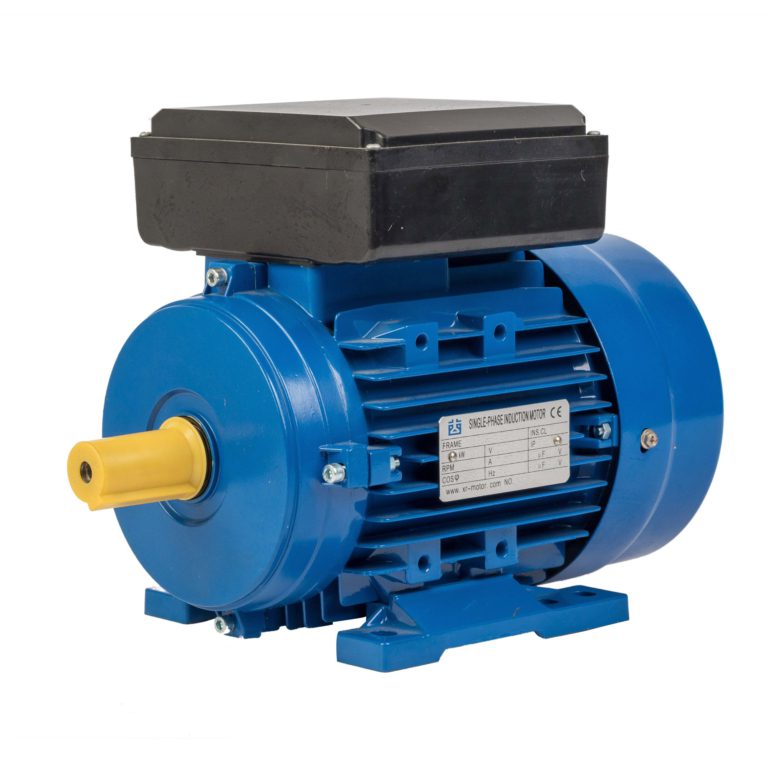
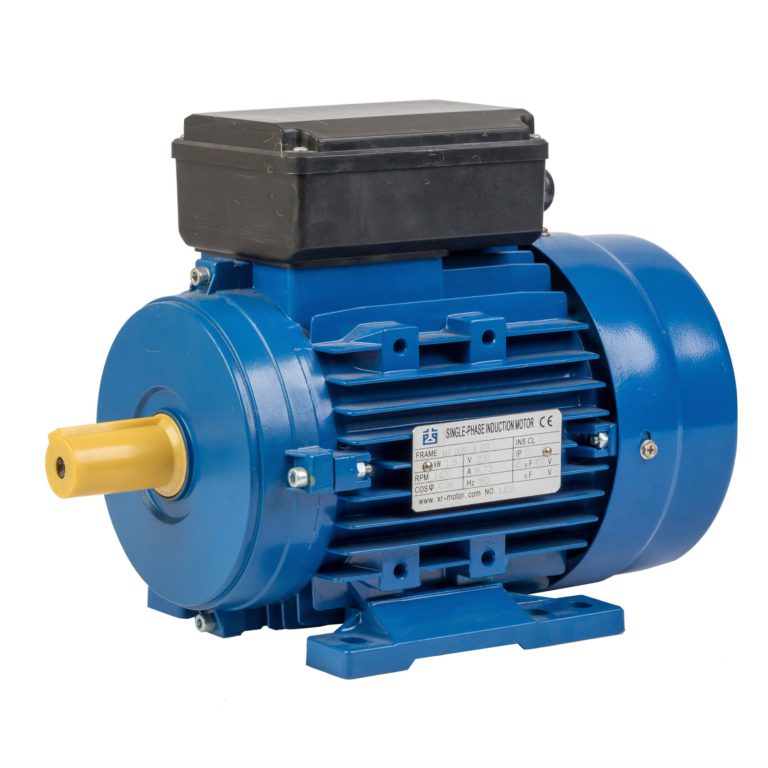
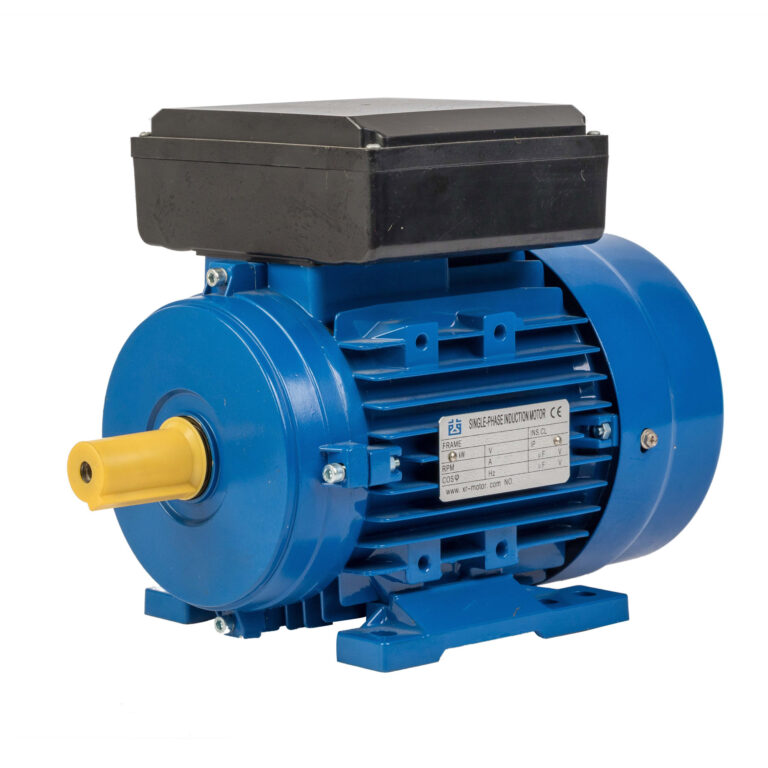
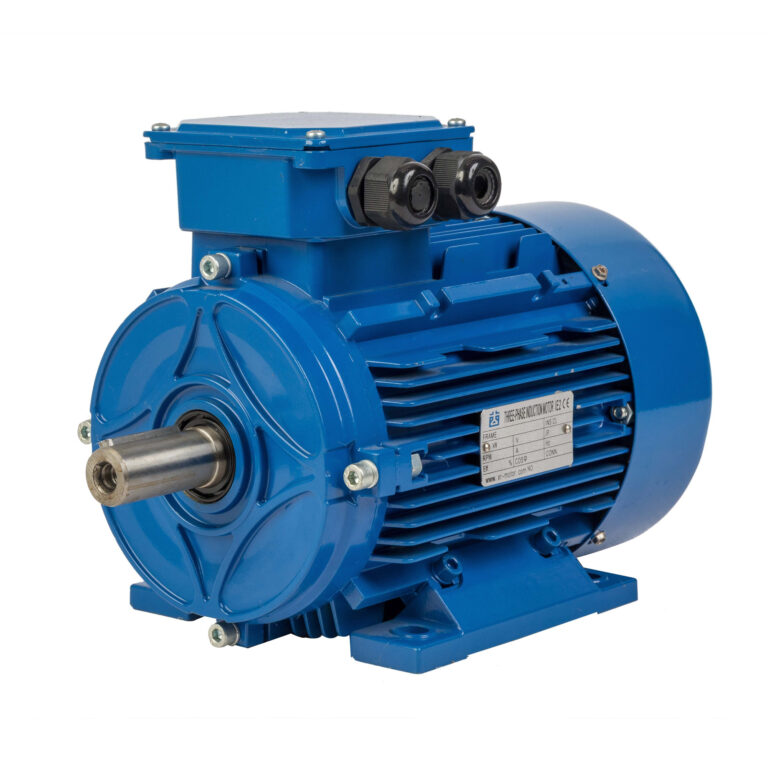
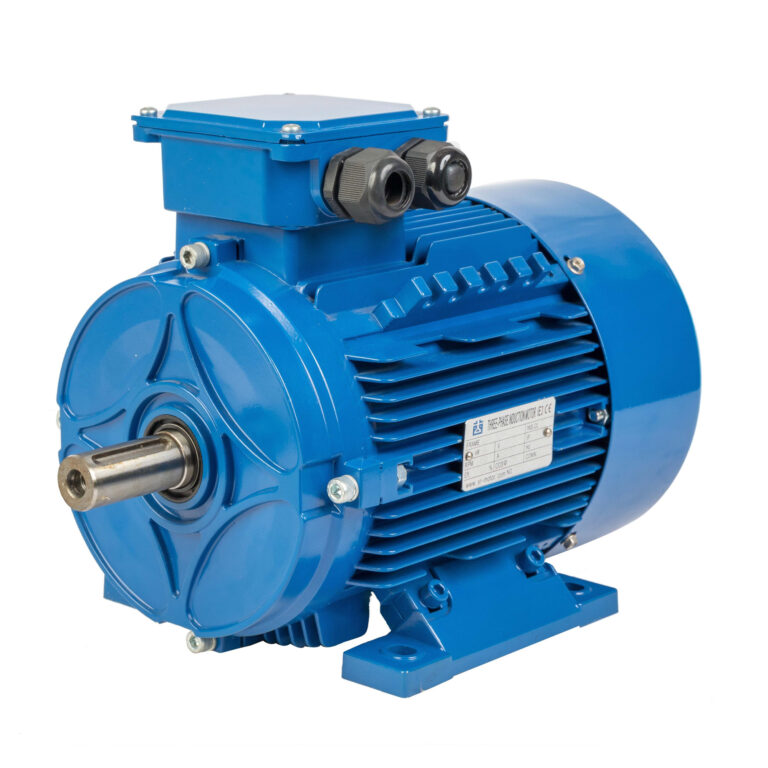
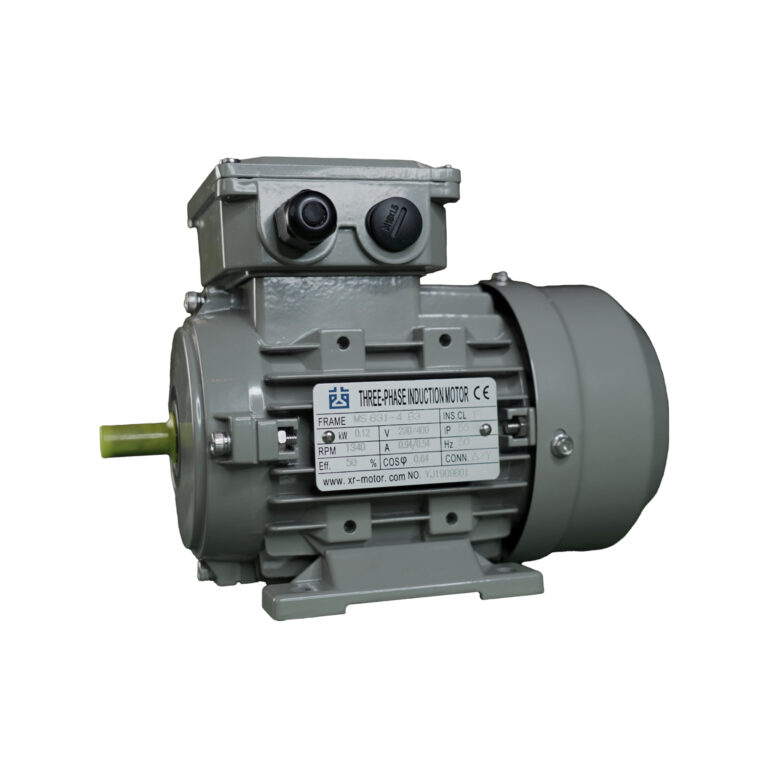
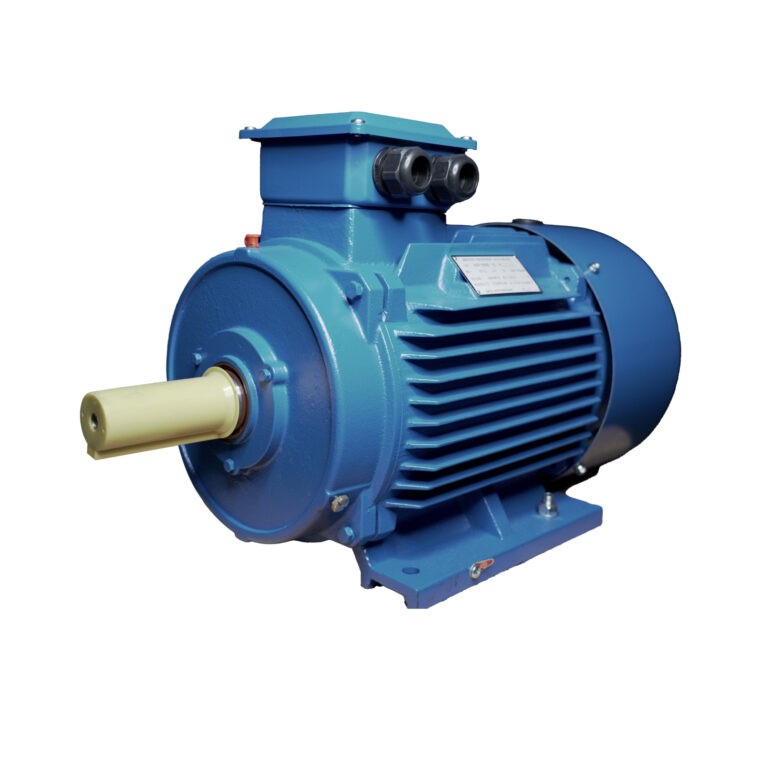
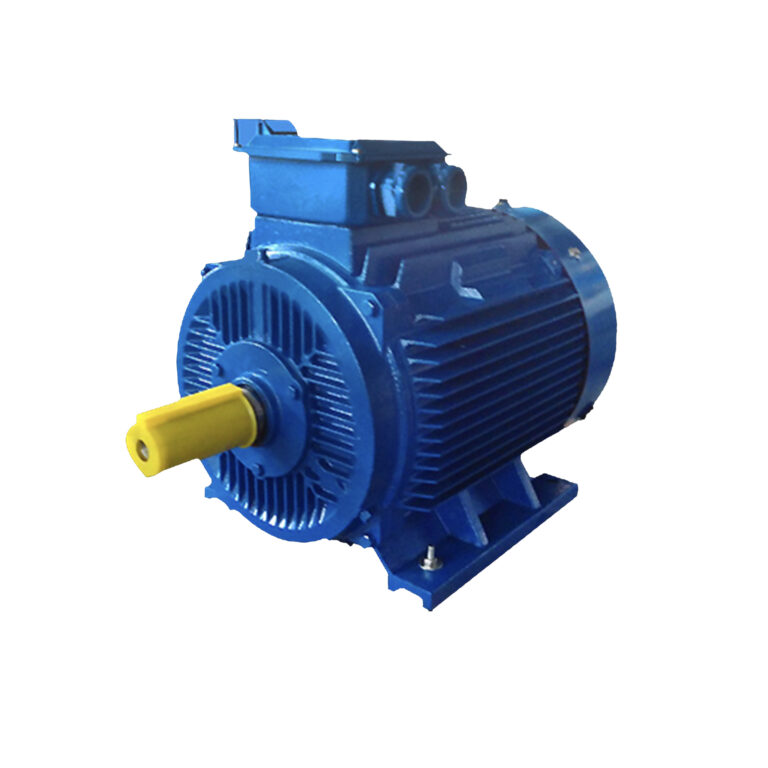
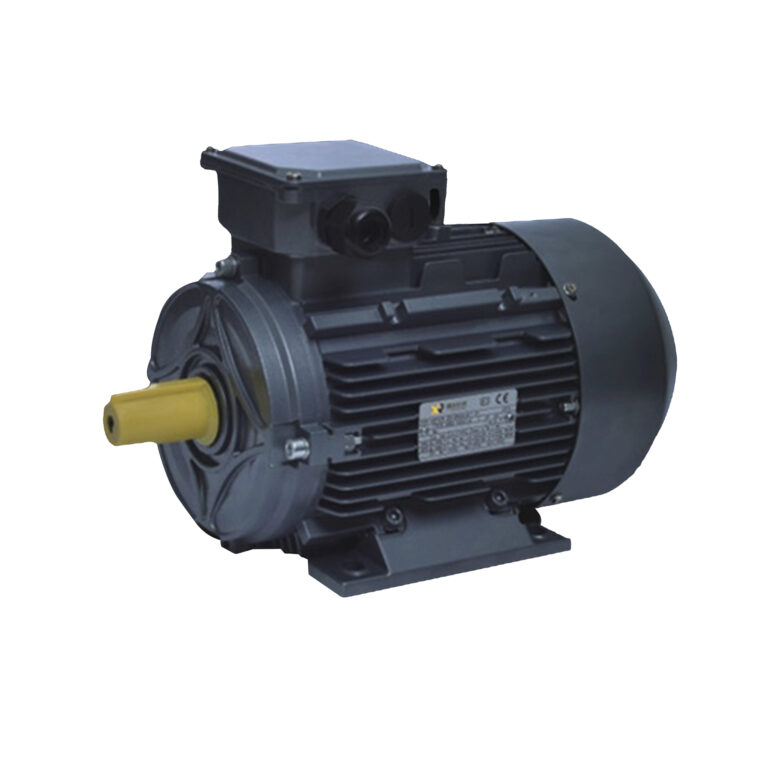
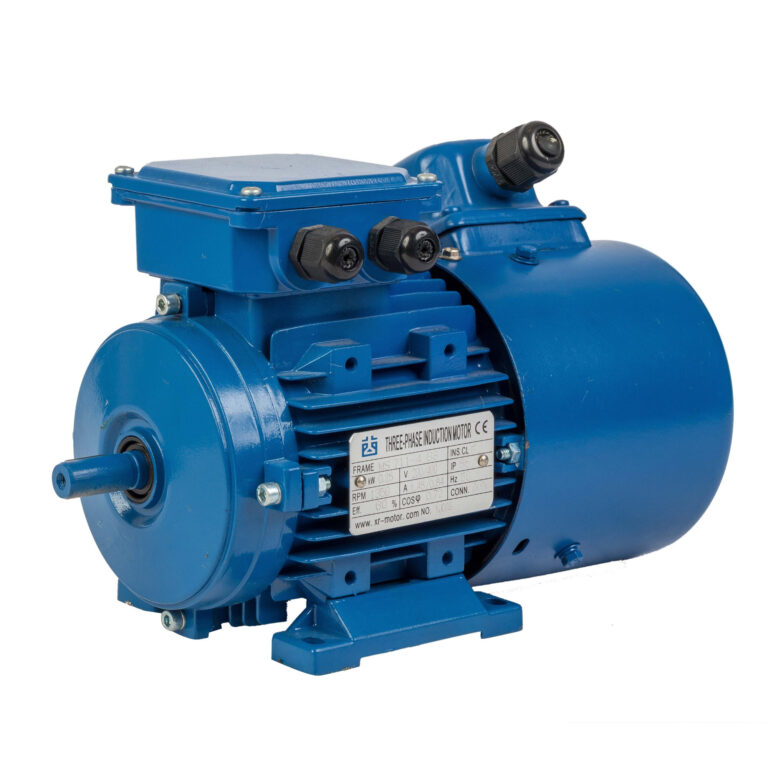
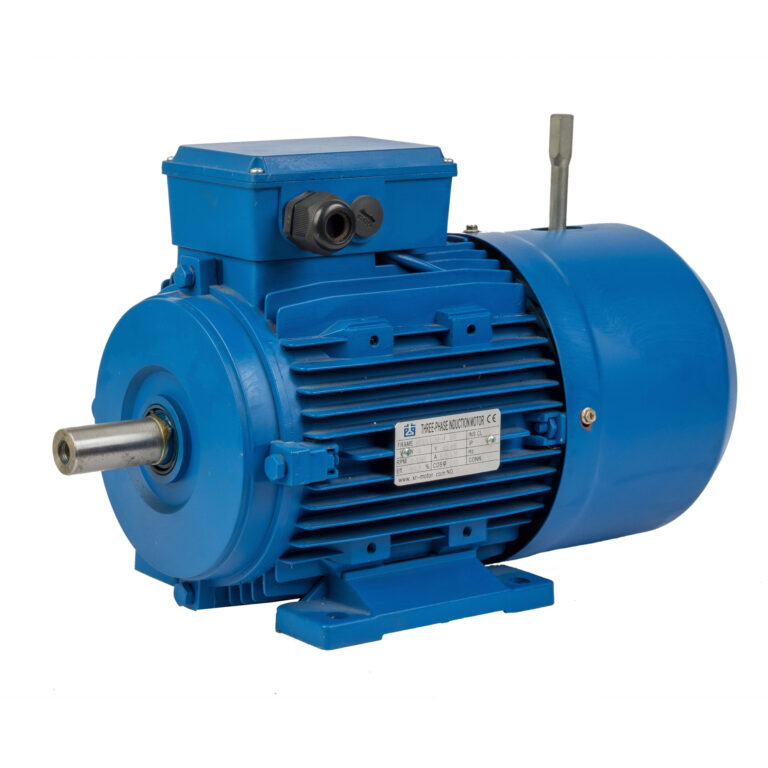
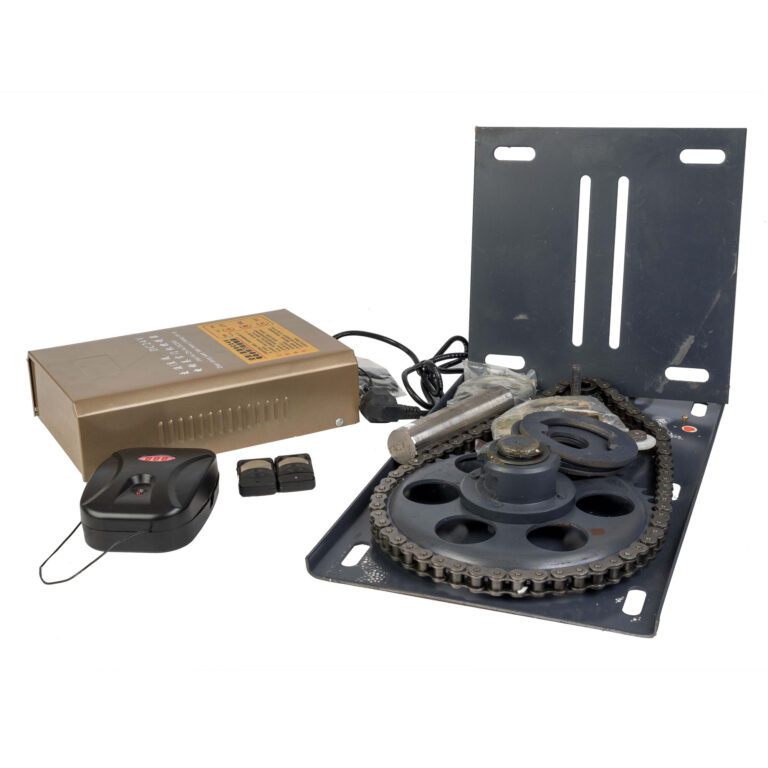
How to Choose an Electric Motor Manufacturer for OEM Projects

Choosing an electric motor manufacturer for OEM projects requires more than comparing price and lead time. The motor must match the equipment, control system, operating environment, and production requirements.
DAYOU MOTOR supports OEM customers with motor selection, customization, sample development, batch production, testing, private labeling, and export preparation.
Define the application
Before requesting a quotation, provide the following information:
- Equipment type and operating purpose
- Required power, torque, speed, and duty cycle
- Starting method and VFD details
- Mounting and shaft dimensions
- Ambient temperature, dust, water, and humidity conditions
- Destination market and applicable standards
A motor with the correct rated power may still fail during starting, overheat under continuous load, or produce excessive noise and vibration.
Check engineering and customization capabilities
A capable manufacturer should understand how the motor will interact with controllers, gearboxes, pumps, fans, and other equipment.
Customization may include:
- Voltage, frequency, winding design, and speed
- Shaft, flange, housing, and mounting dimensions
- Efficiency and protection level
- Brakes, encoders, heaters, and sensors
- Labels, packaging, and private branding
Every modification should be reviewed carefully because it may affect temperature rise, vibration, efficiency, reliability, service life, and certification.

Test samples on the actual equipment
Sample approval should verify the following:
- Power, current, speed, and starting performance
- Temperature rise, noise, and vibration
- Shaft and flange compatibility
- VFD, brake, or encoder operation
- Protection rating, nameplate information, and appearance
Testing the motor on the actual machine can reveal cooling, alignment, resonance, or load-related problems that standalone testing may not detect.
Evaluate production and quality control
Ask the manufacturer about:
- Monthly production capacity and typical lead times
- In-house production capabilities and key suppliers
- Material control and product traceability
- Winding, balancing, assembly, and final testing processes
- Calibration and corrective-action procedures
- Batch consistency and engineering change control
A pilot batch is recommended when repeat-order consistency is important. It can help confirm that the supplier can maintain the approved specifications during regular production.

Confirm compliance
Check whether the exact motor model and customized version meet the requirements of the destination market, such as:
- CE, UL, or CSA requirements
- RoHS compliance
- Minimum efficiency requirements
- Hazardous-area certification
- Local-language labels and technical documents
Documents issued for one model, product series, or factory should not automatically be assumed to cover every customized version. Confirm that the documentation matches the actual motor configuration.
Review commercial terms
The quotation and supply agreement should clearly state:
- Unit price, MOQ, and tooling costs
- Sample and production lead times
- Payment terms and Incoterm
- Packaging and inspection requirements
- Warranty coverage and spare-parts support
- Defect handling and replacement freight responsibilities
- Engineering change-control and end-of-life procedures
The lowest unit price may not represent the lowest total cost. Delays, field failures, quality claims, and redesigns can significantly increase the overall project expense.
Build a supplier evaluation scorecard
Instead of relying on price alone, evaluate each manufacturer across several areas.
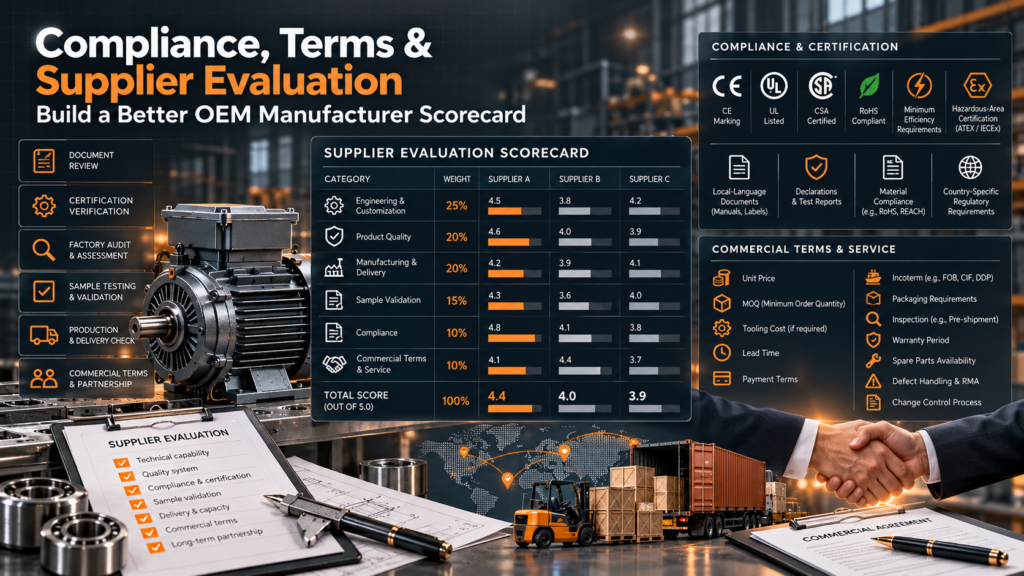
Engineering and customization should account for approximately 25% of the evaluation. Request drawings, technical reviews, application recommendations, and evidence of previous customization projects.
Product quality should account for approximately 20%. Review test records, inspection procedures, traceability systems, and corrective-action reports.
Manufacturing and delivery should account for approximately 20%. Confirm production capacity, equipment, supplier management, and historical lead-time performance.
Sample validation should account for approximately 15%. Request sample inspection records and reports from testing on the actual machine whenever possible.
Compliance should account for approximately 10%. Verify model-specific certificates, declarations, test reports, and destination-market documentation.
Commercial terms and service should account for approximately 10%. Review pricing, warranty conditions, communication procedures, technical support, and after-sales service.
Frequently asked questions
Should OEMs choose the largest factory?
Not necessarily. Engineering support, quality control, flexibility, communication, and responsiveness are also important. A manufacturer with strong application expertise may be a better fit than a larger factory that offers limited customization support.
Is a customized nameplate enough?
No. A customized nameplate only demonstrates branding capability. It does not prove that the manufacturer can modify the motor’s electrical design, mechanical dimensions, performance, or certification.
Is one sample enough?
Usually not. A pilot batch, inspection plan, and formal change-control agreement provide better protection against production variation and unauthorized changes.
Should the supplier make every component in-house?
No. The key issue is whether the manufacturer controls specifications, supplier qualification, incoming inspection, process quality, final testing, and traceability. Qualified external suppliers can be acceptable when these controls are properly managed.
Conclusion
The right electric motor manufacturer for OEM projects should provide engineering support, genuine customization capabilities, sample testing, stable production, effective quality control, accurate compliance documentation, and long-term service.
A clear technical specification and structured supplier evaluation can reduce redesigns, delivery delays, field failures, and total project costs.