


- Home
- Product
- GOST standard motor
- IEC standard motor
 MC Series single phase capacitor start asynchronous motor
- MY MYT series single phase capacitor running asynchronous motor
- ML Series single phase dual-capacitor asynchronous motor
- ME2 series three phase high efficiency aluminum housing motor(IE2)
- ME3 series three phase high efficiency aluminum housing motor(IE3)
- MS series three-phase aluminum housing motor (IE1)
- Y2 series three phase cast iron motor (IE1)
- YE2 series three phase high efficiency cast iron motor (IE2)
- YE3 series three phase high efficiency cast iron motor (IE3)
- Special application motor
- Rolling door motor
- Industry application
- News
- About us
- Contact us
- Certifications
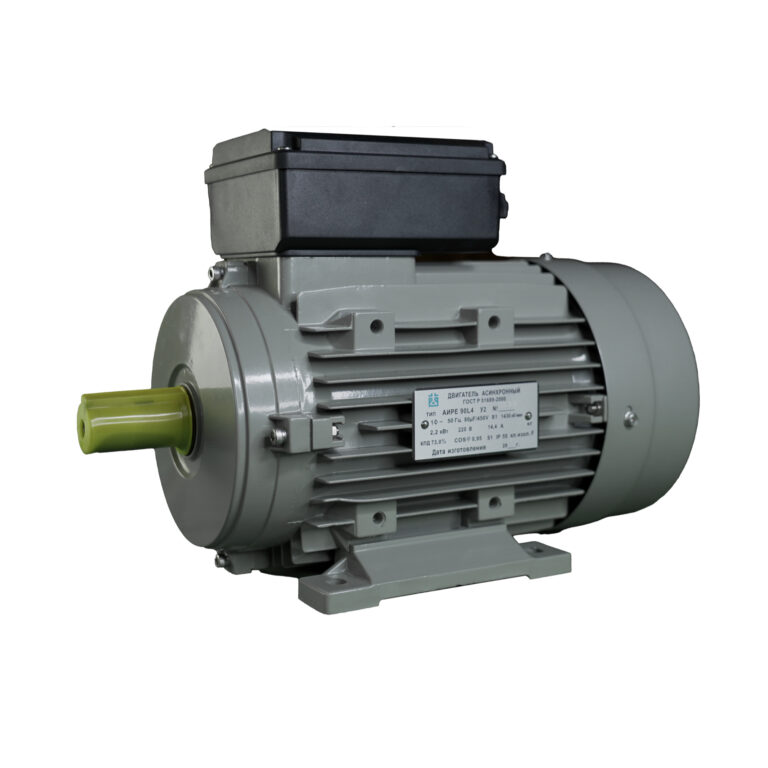
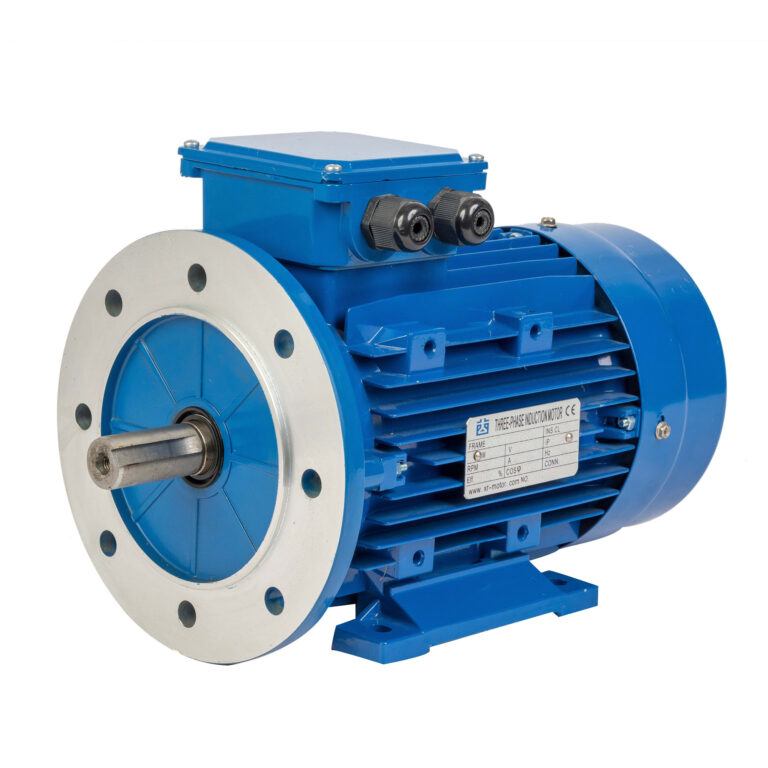
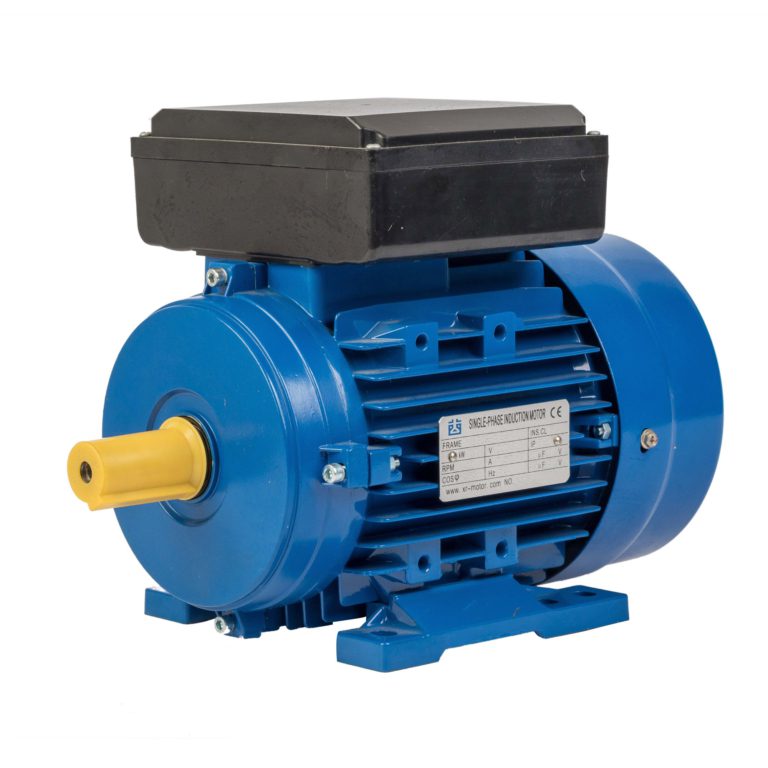
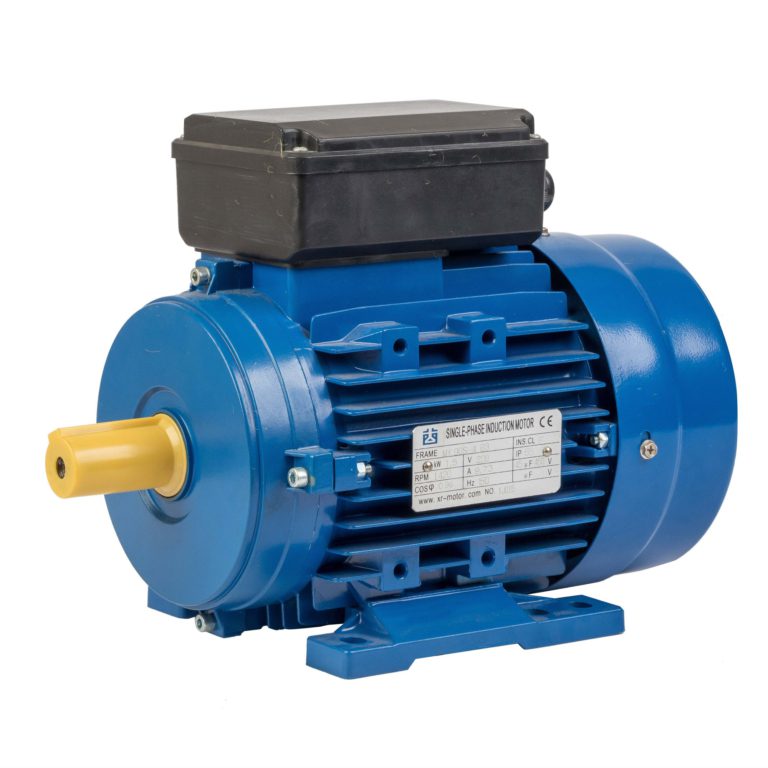
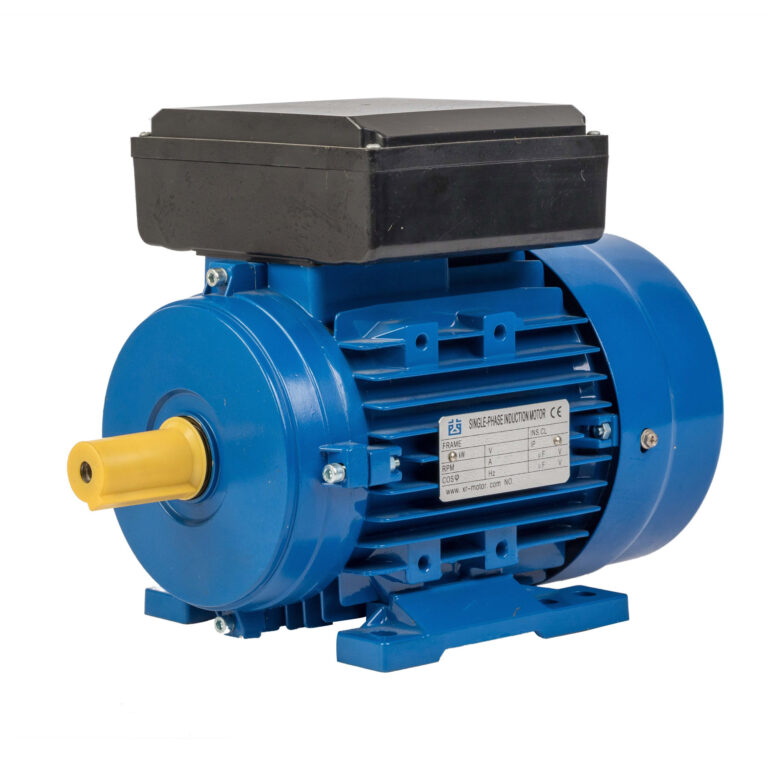
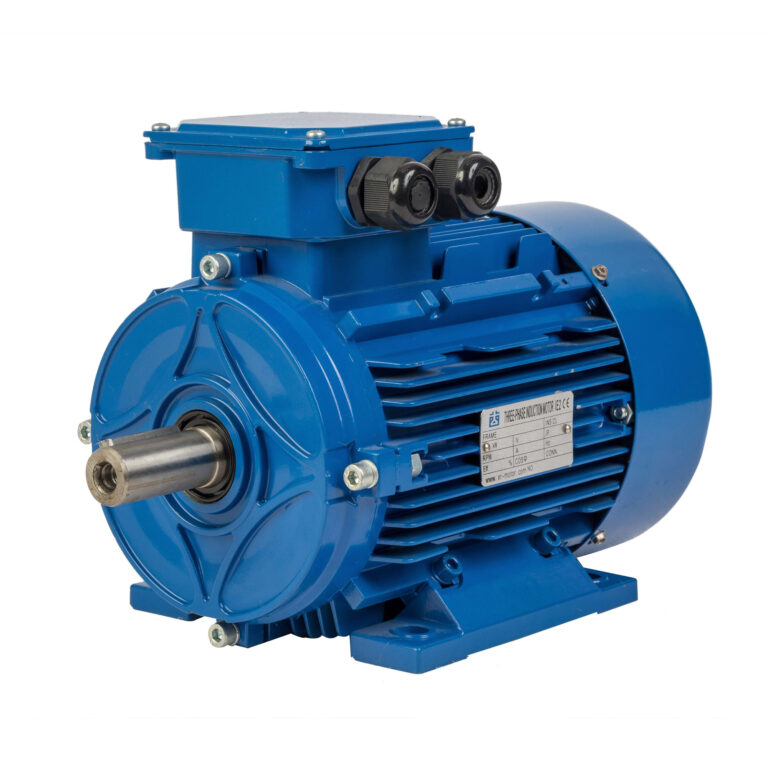
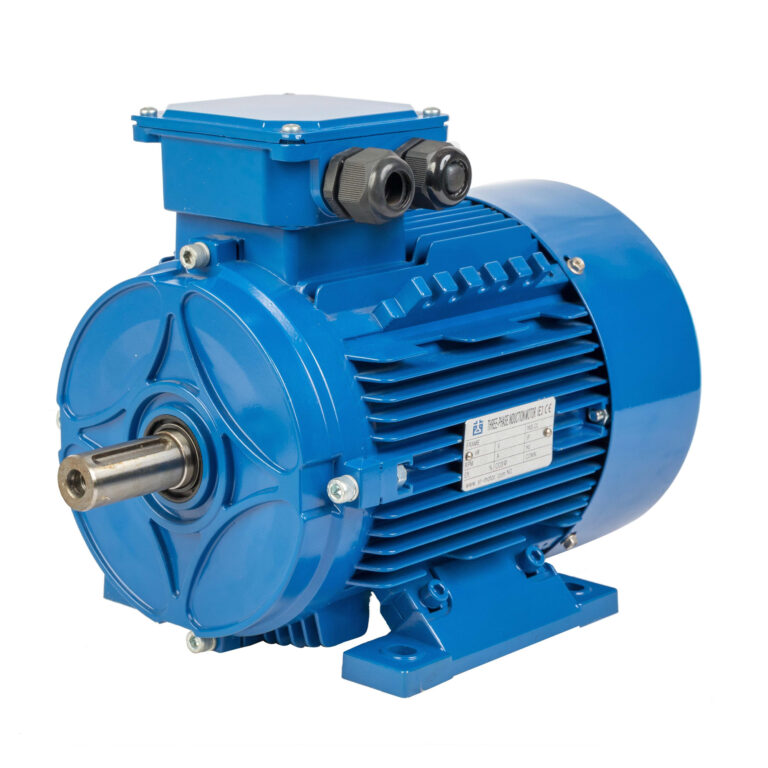
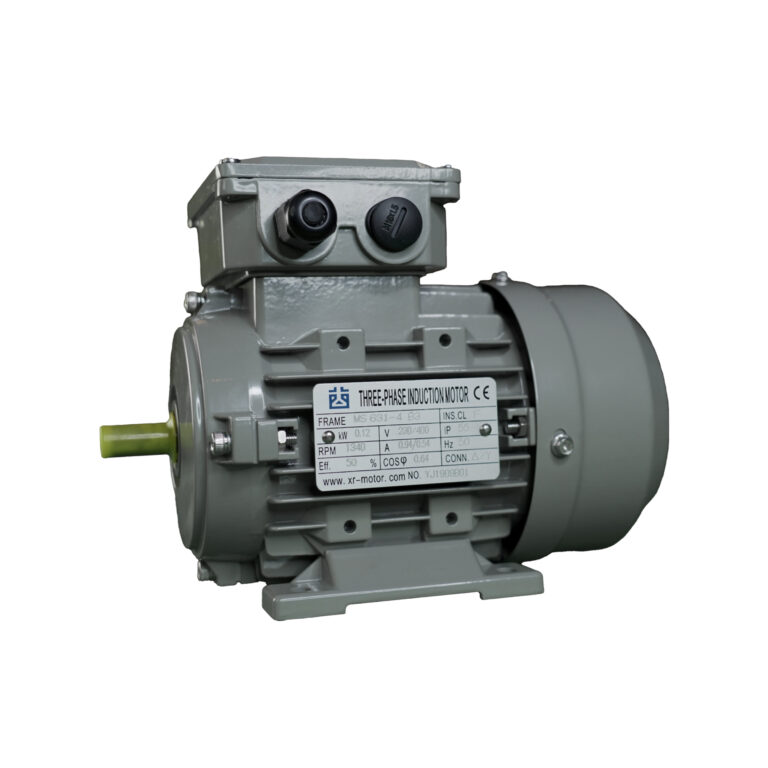
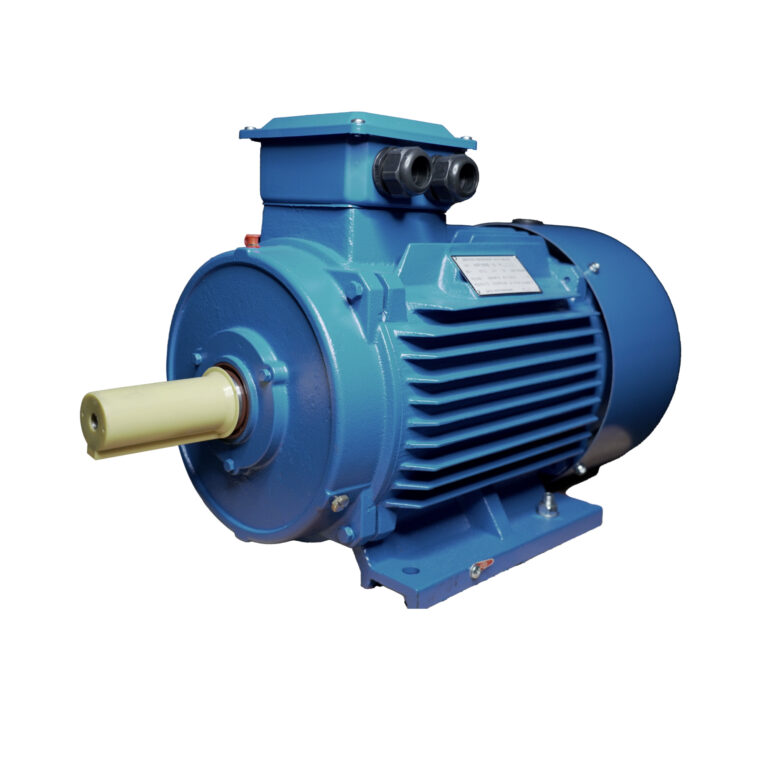
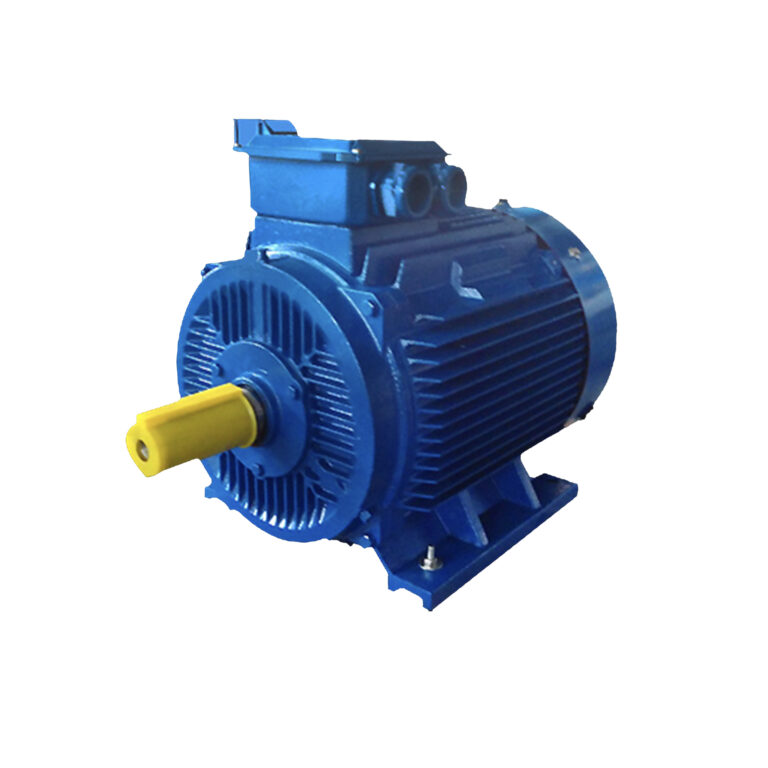
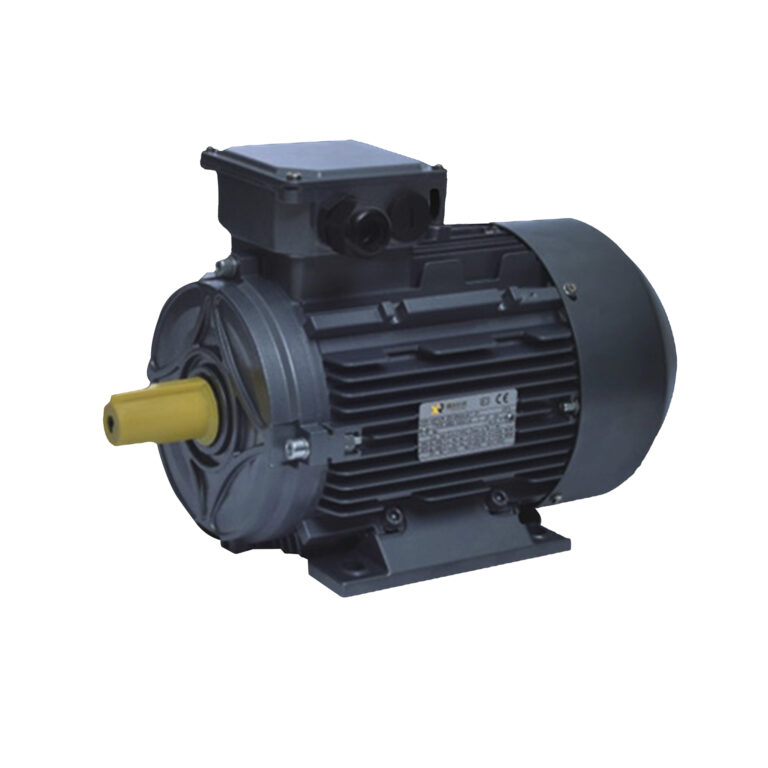
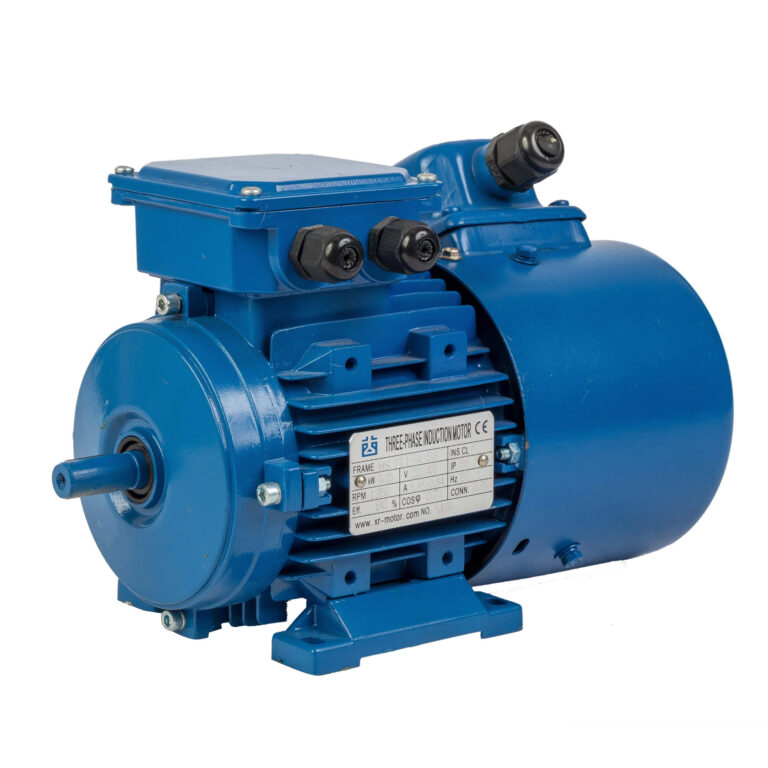
How to Import Electric Motors from China: Complete Guide
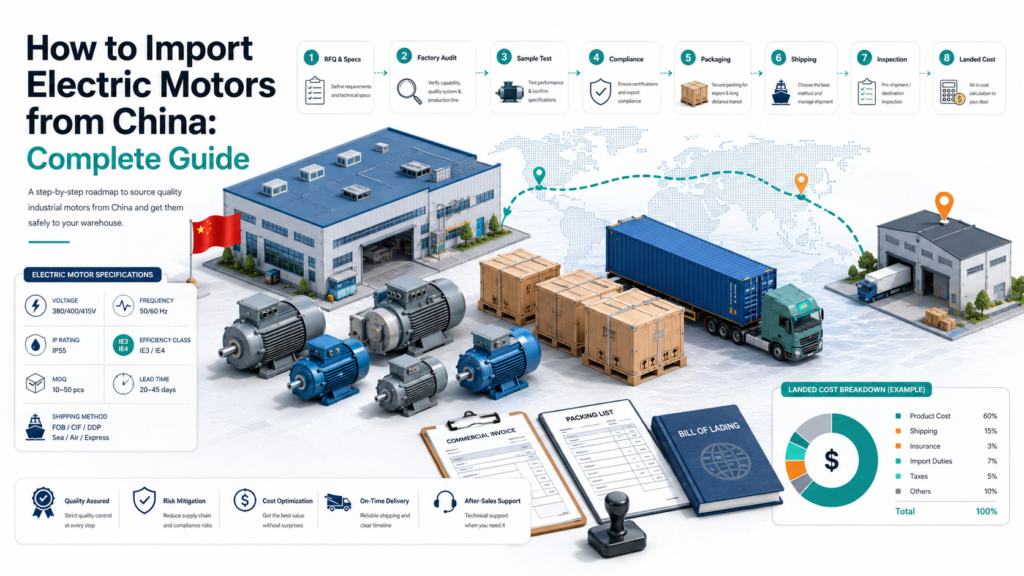
China has become an important sourcing market for industrial motors because its factories can supply a broad range of IEC motors, customized designs, and volume production at competitive prices. However, businesses that plan to import electric motors from China should look beyond the quoted price, since electrical performance, mechanical compatibility, certification, packaging, and after-sales support all affect the real cost of an order.
As a motor manufacturer serving international buyers, DAYOU MOTOR has found that the smoothest projects usually begin with a detailed technical specification. When operating conditions are clearly defined before production, both the buyer and supplier can avoid expensive changes after the motors arrive.
Start by defining what the equipment actually needs
Before you import electric motors from China, identify the application instead of asking only for a particular power rating. A 15 kW motor for a centrifugal pump may require different torque, bearings, cooling, and VFD compatibility from a 15 kW motor used on a crusher.
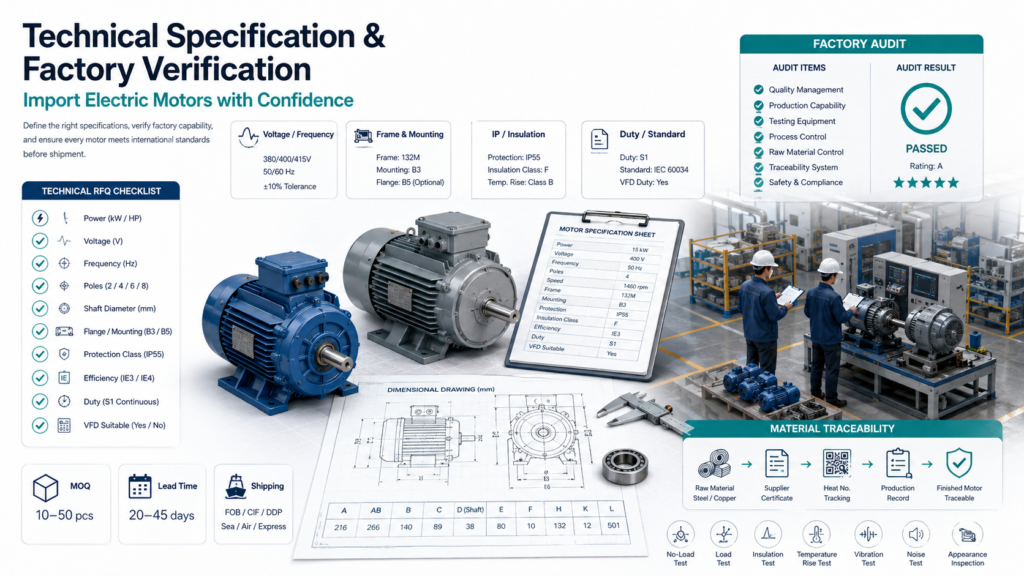
A complete inquiry should normally include:
- Rated power, voltage, frequency, phase, and number of poles
- Required speed and expected load curve
- IEC frame size, shaft dimensions, flange, and mounting arrangement
- S1 continuous duty or another operating duty
- IP protection, insulation class, and permitted temperature rise
- Ambient temperature, altitude, humidity, dust, and corrosion conditions
- Direct-on-line, soft-start, or variable-frequency operation
- Efficiency level, such as IE2, IE3, or IE4
- Noise, vibration, bearing life, and special sensor requirements
- Destination country and applicable market regulations
Voltage and frequency deserve particular attention. A motor designed for 400 V, 50 Hz cannot automatically replace a 460 V, 60 Hz model, even when the stated power is identical. The available torque, speed, current, cooling performance, and winding connection must all be checked.
Choose a manufacturer with verifiable production capability
When businesses import electric motors from China, one of the main difficulties is distinguishing an actual factory from a trading company. A trader is not necessarily unsuitable, but the buyer should know who controls engineering, production, testing, and warranty decisions.
Review the supplier’s business registration, factory location, production equipment, engineering team, quality procedures, monthly capacity, and export experience. ISO 9001 can demonstrate that a documented quality management system exists, although it should never be treated as proof that every motor will meet the required performance.
A China electric motor manufacturer for European OEM projects should understand IEC efficiency requirements, technical documentation, and CE-related responsibilities. Likewise, an OEM motor manufacturer in China for North American machinery should be able to discuss local voltage, frequency, efficiency, and product approval requirements without relying on vague claims such as “suitable for all markets.”
During an audit, pay attention to winding, rotor production, machining, balancing, impregnation, assembly, and final inspection. A capable factory should also maintain traceable records for key materials such as copper wire, electrical steel, insulation, bearings, and cooling fans.
Send an RFQ that allows accurate comparison
A vague request usually produces a vague quotation. To import electric motors from China successfully, buyers should send the same technical specification to every shortlisted supplier, which makes it easier to compare equivalent products rather than similar-looking models.
The quotation should identify the complete motor model, rated data, efficiency, mounting dimensions, enclosure material, bearing arrangement, cooling method, accessories, packaging, MOQ, production time, warranty, and Incoterm.
A low price may exclude temperature sensors, heaters, special bearings, reinforced packaging, testing, or certification. These differences should be clarified before selecting a supplier, not after signing the purchase order.
Buyers researching electric motor wholesale in China should also ask whether pricing is based on one mixed container, a single model, or an annual purchasing agreement. Standard IEC motors may support small trial orders, while customized shafts, windings, flanges, and enclosures can require setup charges or a higher MOQ.
Test samples before approving mass production
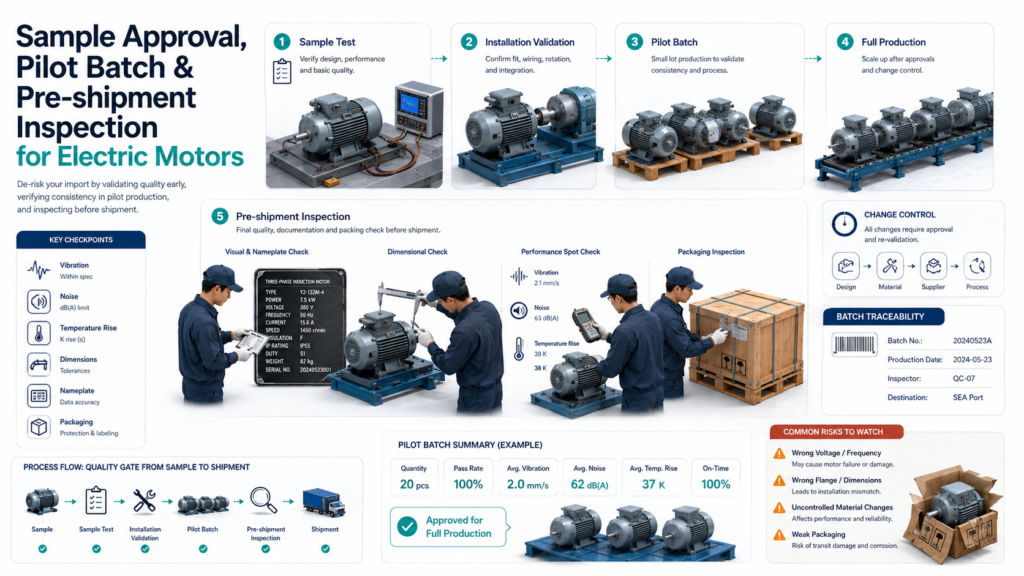
A sample provides much more useful evidence than a catalogue. Before placing a large order, check the nameplate, dimensions, shaft runout, mounting fit, rotation direction, electrical performance, vibration, noise, and temperature rise.
If the motor will operate with a VFD, testing should cover the intended frequency range rather than only the rated point. Low-speed cooling, insulation stress, bearing current, maximum safe speed, and cable length may influence the final design.
At DAYOU MOTOR, we consider installation testing especially valuable for OEM projects because a motor can pass its factory tests and still be unsuitable for the complete machine. Installing the sample on the actual pump, fan, compressor, or gearbox reveals interface and operating problems that may not appear during a no-load inspection.
After sample approval, arrange a pilot batch where possible. The purchase agreement should prevent changes to bearings, winding materials, electrical steel, cooling components, design, or production location without written approval.
Confirm the rules in the destination market
Compliance requirements depend on the motor design, application, power range, and country of sale. They should therefore be checked for the exact product rather than assumed from a supplier’s general certificate list.
European projects may involve CE marking, technical documentation, an EU Declaration of Conformity, and applicable ecodesign requirements. North American projects may require specific safety approvals, efficiency compliance, or local electrical-code acceptance. Motors installed in hazardous areas can require ATEX, IECEx, or another recognized explosion-protection scheme.
An electric motor supplier in China for Middle East pump systems may also need to consider high ambient temperatures, dust, voltage variation, and local conformity programs. An IEC motor exporter for South American industrial buyers should verify the voltage and frequency of the destination because regional power systems are not uniform.
Unlike diesel generator engines, ordinary electric motors do not produce combustion emissions, so EPA or CARB exhaust-emission approval is generally not the relevant issue. If the motor forms part of a larger fuel-powered machine, that complete equipment may be subject to separate regulations.
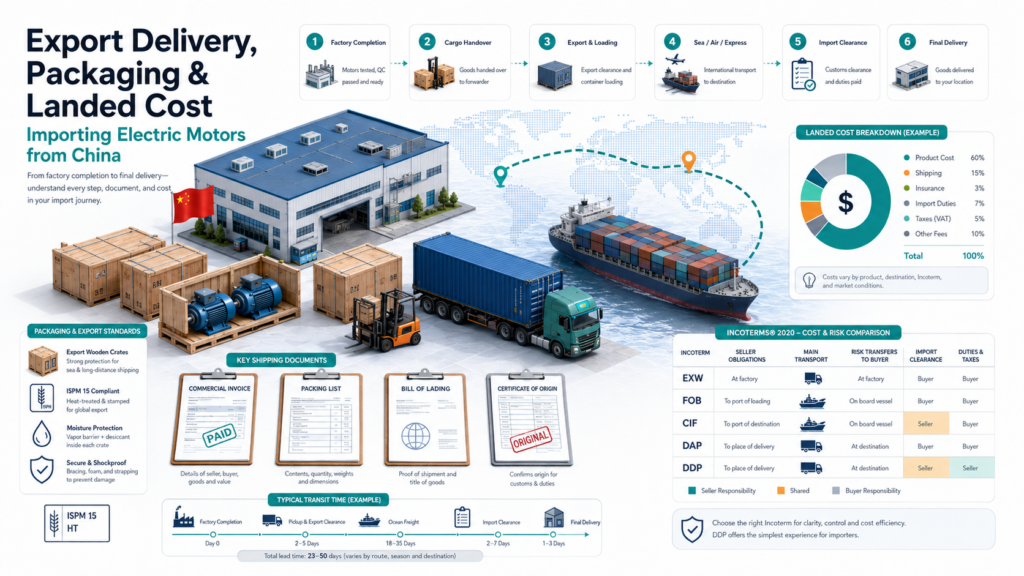
Calculate landed cost instead of comparing unit prices
Companies that import electric motors from China should calculate the total landed cost, including:
- Motor price and customization charges
- Testing, inspection, and documentation costs
- Export packaging and inland transport
- International freight and cargo insurance
- Customs duties, taxes, and brokerage fees
- Port handling, storage, and destination delivery
- Spare parts, warranty support, and possible downtime
The correct customs classification depends on factors such as motor type, phase, and output, so buyers should confirm the current HS classification with a qualified customs broker. Tariffs and import procedures can change, which makes a destination-specific check essential before shipment.
The Incoterm and named place should be written clearly in the contract. EXW, FOB, CIF, DAP, and DDP assign different responsibilities for transport, insurance, customs clearance, taxes, and delivery. DDP may appear convenient, but the buyer should still understand who acts as importer of record and whether the arrangement is legally workable in the destination country.
Build packaging around the shipping method
An industrial motor factory in China for Southeast Asian distributors should understand that sea freight exposes motors to humidity, salt air, vibration, and repeated handling. Suitable protection may include moisture-barrier wrapping, desiccant, rust inhibitor on exposed shafts, secure internal supports, and strong plywood cases.
Solid-wood packaging may need approved treatment and an IPPC mark under ISPM 15, depending on the material and destination. Packaging requirements should be confirmed before production rather than left to the shipping agent at the last moment.
Sea freight is generally more economical for heavy motors and volume orders, while air freight is mainly suitable for samples, small motors, and urgent spare parts. Permanent-magnet motors sent by air may require magnetic-field testing or additional shielding under the carrier’s rules.
Keep the shipment documents consistent
The exact document package varies by destination, but it commonly includes:
- Commercial invoice
- Packing list
- Bill of lading or air waybill
- Certificate of origin when required
- Motor test reports and inspection records
- Applicable declarations or approval documents
- Insurance certificate when cargo insurance is arranged
- Packaging treatment records when required
Model numbers, quantities, weights, values, and consignee details should match across the documents. Even a small inconsistency can delay customs clearance or create questions about classification and valuation.
Inspect the order before it leaves the factory
A pre-shipment inspection should confirm product identity, quantity, dimensions, appearance, nameplate data, packaging, and agreed testing records. For OEM orders, it is sensible to select samples from the completed production batch rather than allowing the supplier to prepare separate inspection units.
The inspection plan should define the sampling method and acceptance criteria in advance. For higher-risk applications, buyers may add efficiency, temperature-rise, vibration, noise, or load testing, while routine electrical checks can be reviewed for every unit or production batch.
Avoid the mistakes that create expensive delays
Common importing problems often begin with incomplete specifications. Buyers may approve a motor by power alone, overlook shaft and flange dimensions, accept generic certificates, or discover after delivery that the winding is unsuitable for the local power supply.
Other risks include approving one sample without controlling later material changes, choosing the lowest quotation without comparing test scope, and shipping motors in packaging that cannot withstand a long sea journey. Each risk can be reduced through a clear technical agreement, sample validation, production traceability, and a final inspection.
Frequently asked questions
Can I begin with a small sample order?
Yes. A sample or small pilot order is one of the most practical ways to evaluate fit, performance, communication, packaging, and delivery before committing to volume purchasing.
How can I confirm that a supplier owns a factory?
Review its registration, factory address, production equipment, employee roles, test facilities, and material records. A live factory audit or independent third-party inspection can provide additional evidence.
Which shipping method is suitable for industrial motors?
Sea freight normally works best for heavy or high-volume orders, while air freight is more suitable for samples and urgent small motors. The decision should consider total cost, delivery urgency, packaging, and destination handling.
How should I protect quality after sample approval?
Attach approved drawings, specifications, test criteria, material requirements, and change-control rules to the purchase contract. Production records should also connect each motor or batch to its inspection results.
A reliable import project begins with engineering details
A successful plan to import electric motors from China depends on much more than finding an attractive unit price. Buyers who define the application, verify the factory, test representative samples, confirm destination-market requirements, and control production changes are far more likely to receive motors that install correctly and perform reliably.
As a manufacturer and export supplier, DAYOU MOTOR supports OEMs and distributors with technical selection, customized motor configurations, production testing, export packaging, and order documentation, helping buyers turn a first shipment into a stable long-term supply program.