


- Home
- Product
- GOST standard motor
- IEC standard motor
 MC Series single phase capacitor start asynchronous motor
- MY MYT series single phase capacitor running asynchronous motor
- ML Series single phase dual-capacitor asynchronous motor
- ME2 series three phase high efficiency aluminum housing motor(IE2)
- ME3 series three phase high efficiency aluminum housing motor(IE3)
- MS series three-phase aluminum housing motor (IE1)
- Y2 series three phase cast iron motor (IE1)
- YE2 series three phase high efficiency cast iron motor (IE2)
- YE3 series three phase high efficiency cast iron motor (IE3)
- Special application motor
- Rolling door motor
- Industry application
- News
- About us
- Contact us
- Certifications
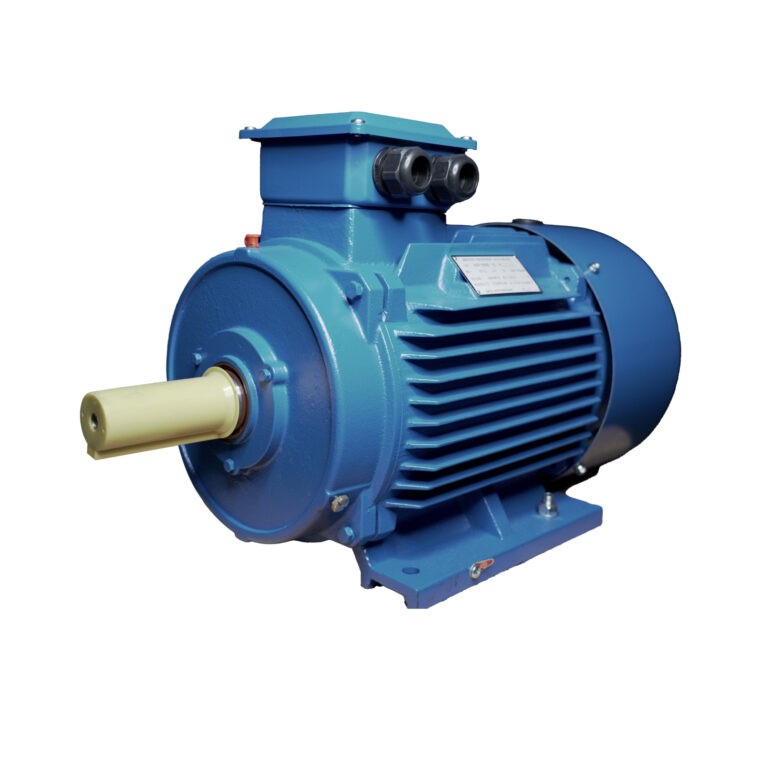
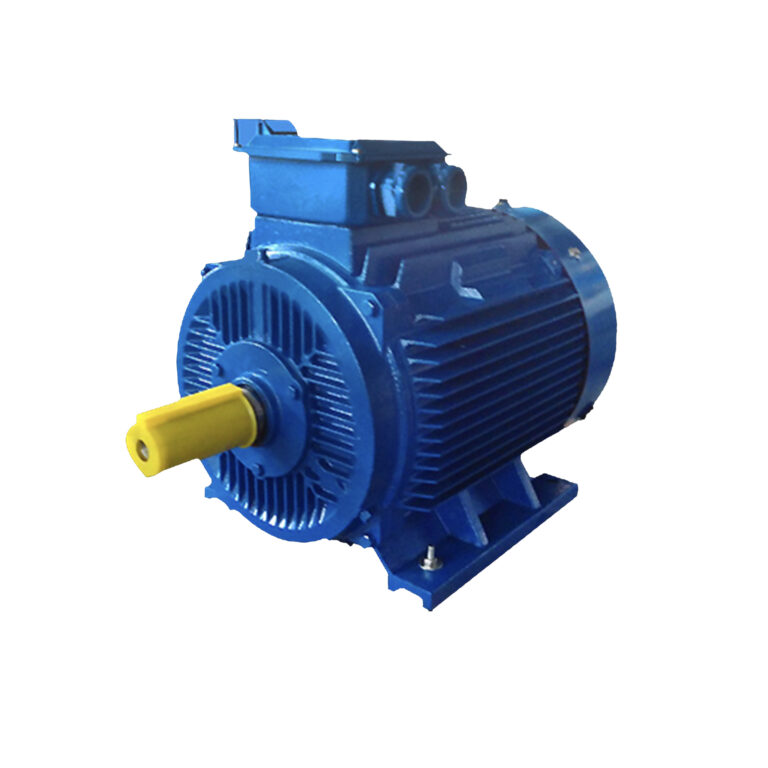
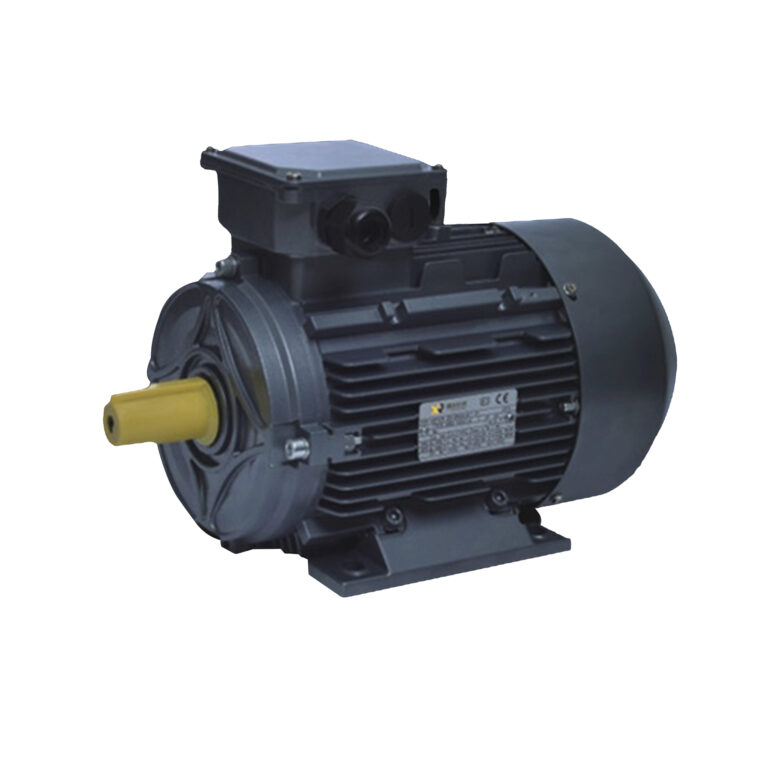
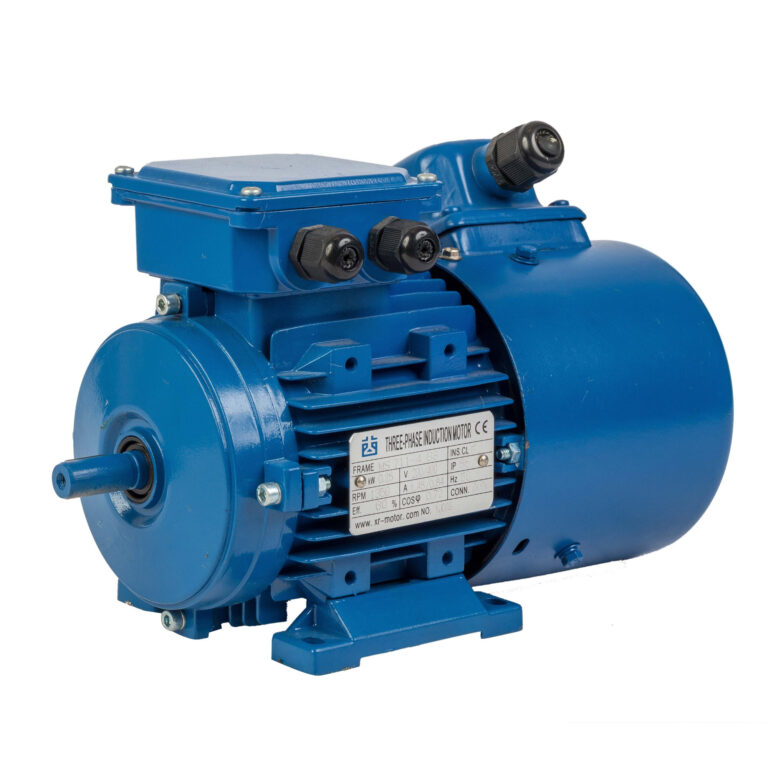
How to Select Electric Motors for Pumps, Fans and Compressors

A pump needs 18 kW at its normal duty point. Does that make an 18.5 kW motor the right choice? Perhaps, but the answer changes if the pump handles a denser liquid, runs faster, or moves to another point on its curve.
That is where selecting electric motors for pumps, fans and compressors becomes more involved than matching two power ratings. The machine must start, run through its permitted range, and stay within acceptable temperatures.
At DAYOU MOTOR, the useful starting information is the equipment’s load data, operating schedule, and installation conditions. A catalogue model can then be checked against an actual job.
Read the equipment curve before choosing the rating
A centrifugal pump usually draws different amounts of power at different flow rates. The design point may be where it spends most of its time, but it is not necessarily where its power demand is highest.
For motor sizing for centrifugal pumps, obtain the shaft-power curve across the permitted operating range. Include changes in liquid density, viscosity, and speed that the process may require.
Fans need a similar review, with attention to gas density and the intended airflow-pressure range. A large impeller also brings inertia: it takes energy to accelerate, even before the fan reaches its normal operating condition.
Compressors require a closer look at their construction. A screw compressor and a reciprocating machine can have very different starting demands. Use the manufacturer’s load information rather than assuming that all compressors behave alike.
Keep shaft power and electrical consumption separate
When comparing electric motors for pumps, fans and compressors, remember that a conventional motor’s nameplate kW rating normally describes mechanical power available at the shaft.
If the equipment requires 18 kW mechanically, dividing that figure by motor efficiency calculates electrical input. It does not establish the required shaft rating.
Transmission losses do belong in the sizing calculation. Take a hypothetical 18 kW pump driven through belts with 97% transmission efficiency. The motor must supply approximately 18.6 kW before any application allowance or environmental derating is considered.
The next decision is the appropriate standard rating. That requires checking the maximum load, duty, starting performance, and site conditions. Automatically adding 20% can leave one application short of capacity and another unnecessarily oversized.

Ask what happens during the first few seconds
Running power alone cannot establish whether electric motors for pumps, fans and compressors will start their loads.
A fan may accelerate slowly because of its impeller inertia. A compressor may struggle because pressure remains in the system after shutdown. In either case, fitting a larger motor before investigating the starting conditions can be an expensive detour.
Before requesting a high starting torque motor for compressors, confirm whether the machine should start unloaded and whether its unloading mechanism works correctly.
Then compare the load torque with the motor’s available torque throughout acceleration. Starting time and repeated starts matter because they add heat.
Star-delta starting reduces starting current, but it also reduces starting torque to roughly one-third of direct starting under comparable conditions. Soft starters reduce voltage during acceleration and therefore need the same careful torque check. Neither should be chosen solely because the electrical supply needs a lower starting current.
A small speed change can alter the load
At 50 Hz, a four-pole induction motor has a synchronous speed of 1500 RPM. Its loaded shaft speed is lower, so use the nameplate value when checking the driven machine.
For a replacement motor for pump systems, compare actual rated speeds as well as power. A modest speed increase can raise flow, head, and shaft-power demand.
Torque also depends on speed. A 7.5 kW motor running at 1460 RPM delivers about 49 N·m of rated torque. That number helps assess running duty; the starting torque still comes from the motor’s performance data.
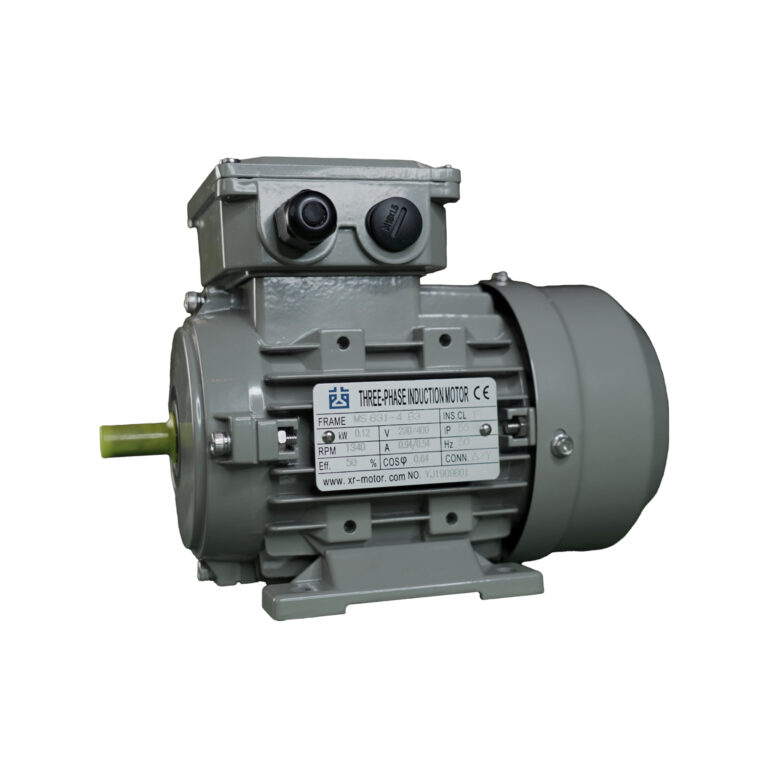
A photograph of the old nameplate is useful, but it should accompany the shaft, flange, mounting, and application details. Otherwise, a seemingly equivalent replacement may require mechanical changes.

Choose variable speed for a defined operating need
A VFD can make electric motors for pumps, fans and compressors easier to control, particularly when demand changes during the day.
A variable speed motor for industrial fans may reduce the need to control airflow through dampers. Under similar conditions, fan power changes approximately with the cube of speed, although actual savings depend on the system and operating schedule.
Compressors and positive-displacement pumps need a different discussion. Low-speed torque, lubrication, cooling, and minimum operating speed can set firm limits.
The motor needs checking too. Its shaft-mounted fan moves less air at low speed, so sustained torque may require independent cooling. Confirm the permitted speed range, cable length, insulation requirements, and bearing protection with the supplier.
The drive should be selected for motor current and overload demand. Matching the kW figures alone leaves too much unresolved.

Give the supplier the conditions at the motor
The temperature inside an enclosure can be much higher than the surrounding workshop. A belt drive adds radial shaft load, while a directly mounted impeller may introduce axial thrust. These details can change the bearing arrangement, cooling requirement, or usable output.
Describe where the motor sits, how it drives the equipment, and how long it runs. Include dust, water exposure, condensation, altitude, and corrosion where relevant.
For the quotation, send the equipment curve, maximum shaft power, required speed, starting method, supply details, duty, and installation drawing. Include the VFD information if one will be used.
With that information, DAYOU MOTOR can help assess electric motors for pumps, fans and compressors against the conditions they will actually face.