


- Home
- Product
- GOST standard motor
- IEC standard motor
 MC Series single phase capacitor start asynchronous motor
- MY MYT series single phase capacitor running asynchronous motor
- ML Series single phase dual-capacitor asynchronous motor
- ME2 series three phase high efficiency aluminum housing motor(IE2)
- ME3 series three phase high efficiency aluminum housing motor(IE3)
- MS series three-phase aluminum housing motor (IE1)
- Y2 series three phase cast iron motor (IE1)
- YE2 series three phase high efficiency cast iron motor (IE2)
- YE3 series three phase high efficiency cast iron motor (IE3)
- Special application motor
- Rolling door motor
- Industry application
- News
- About us
- Contact us
- Certifications
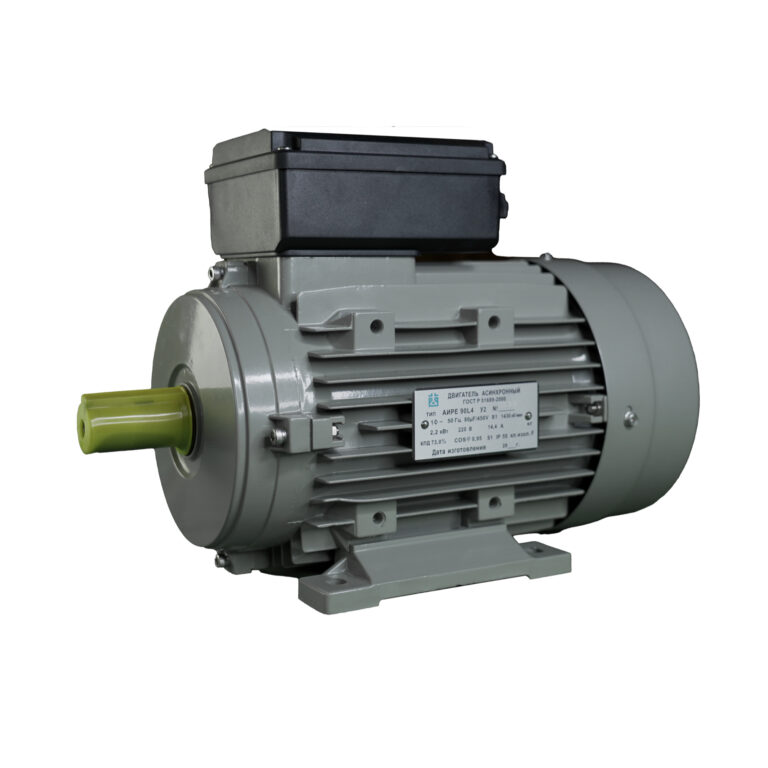
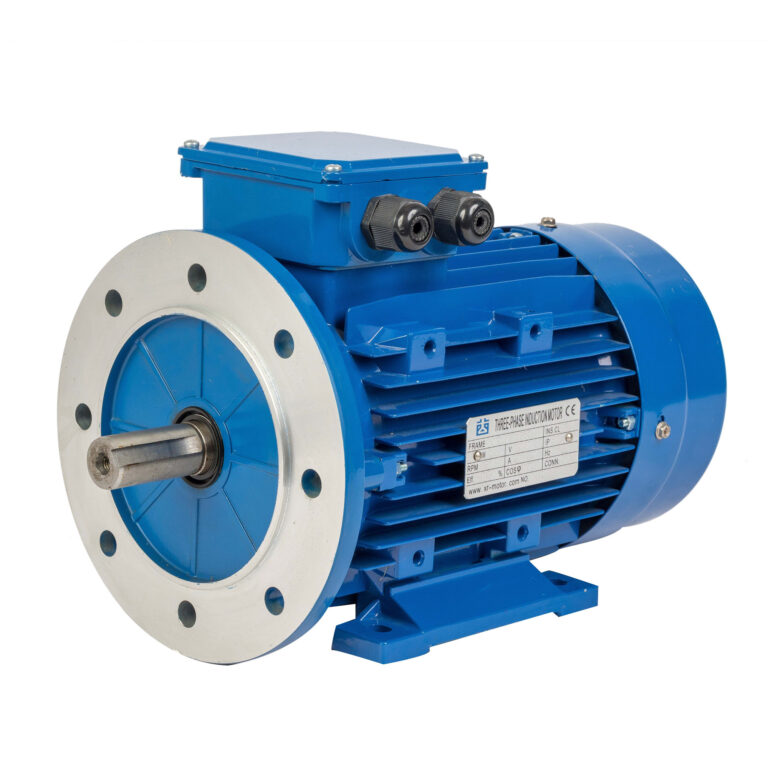
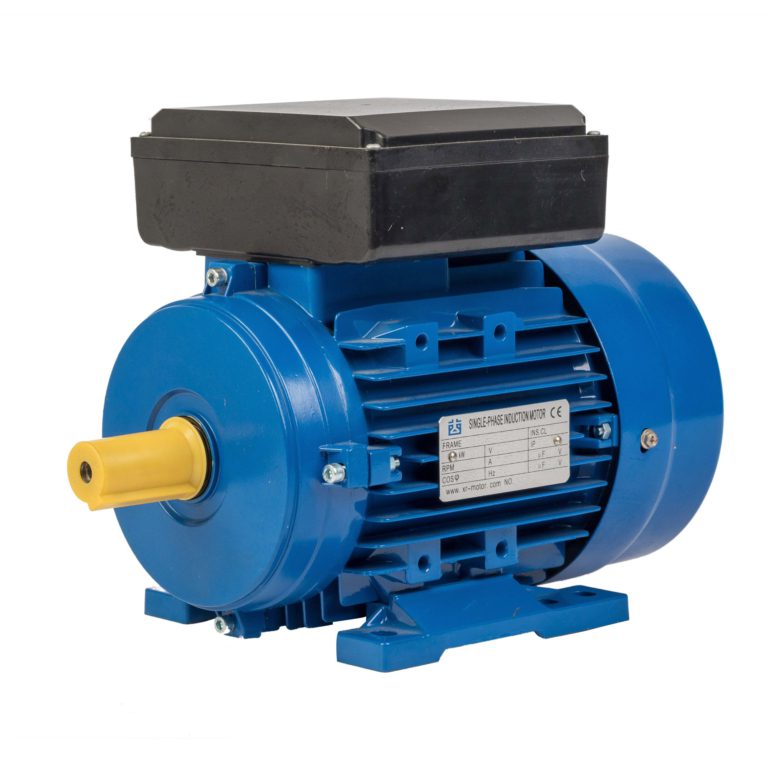
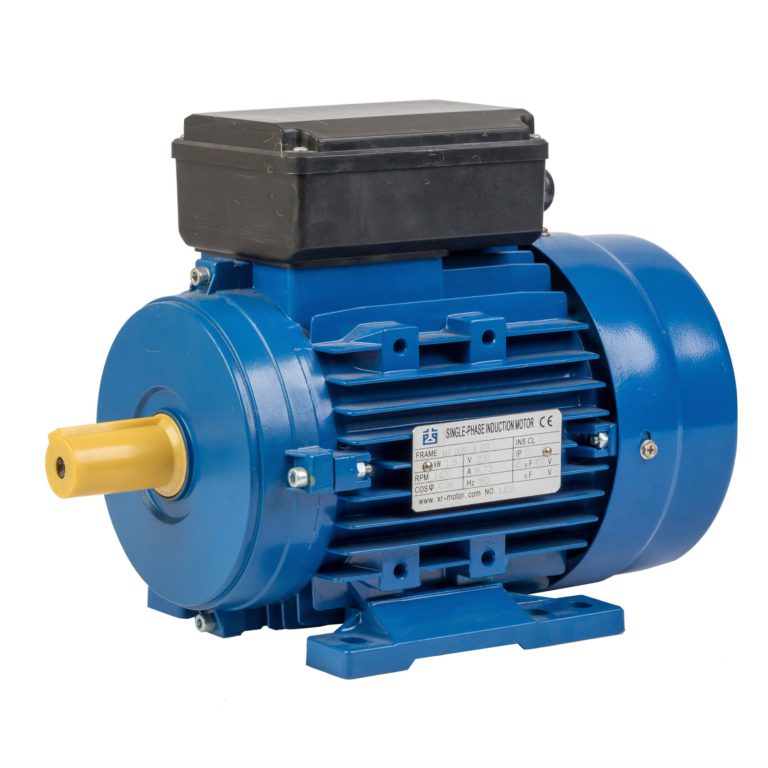
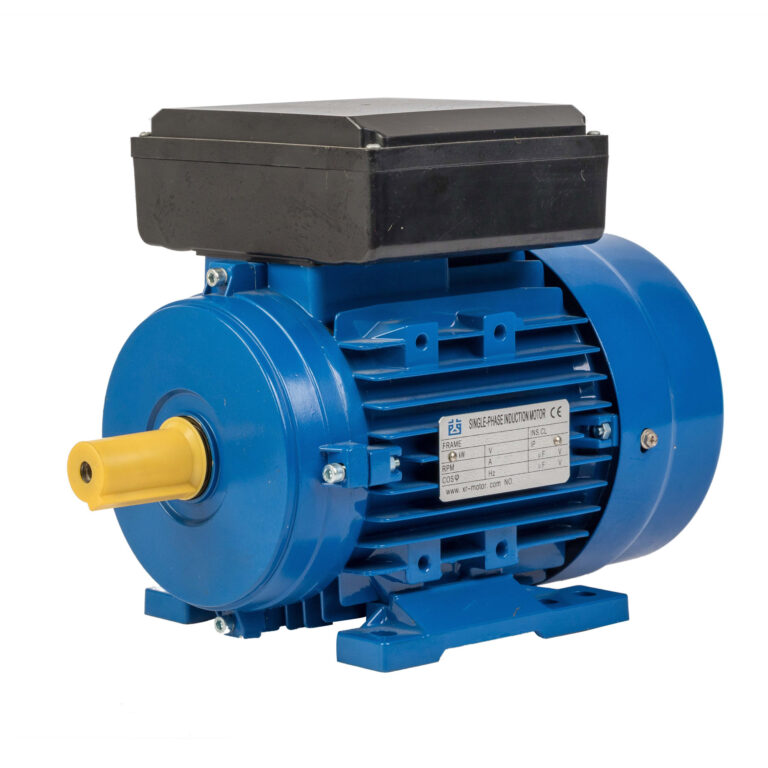
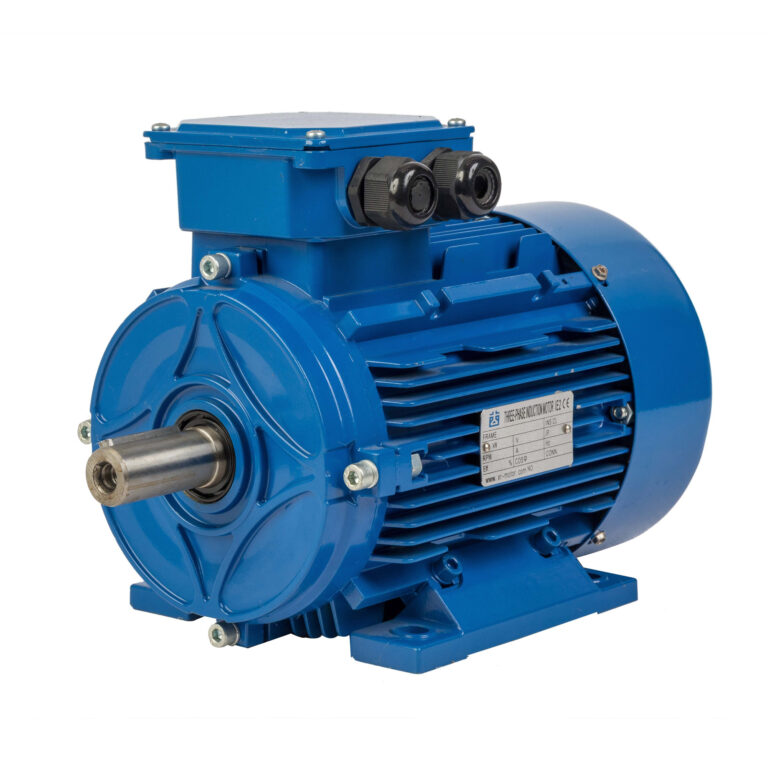
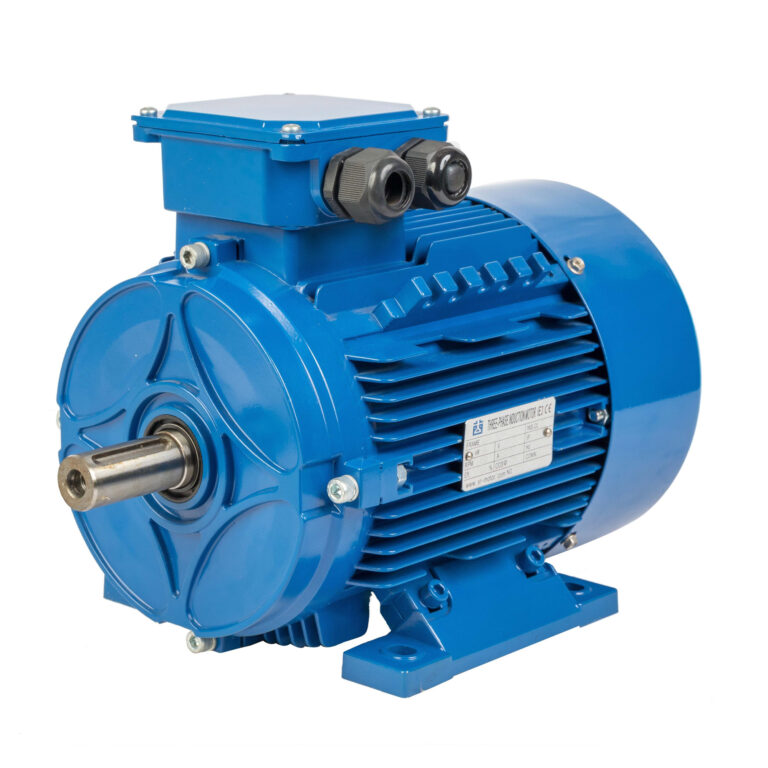
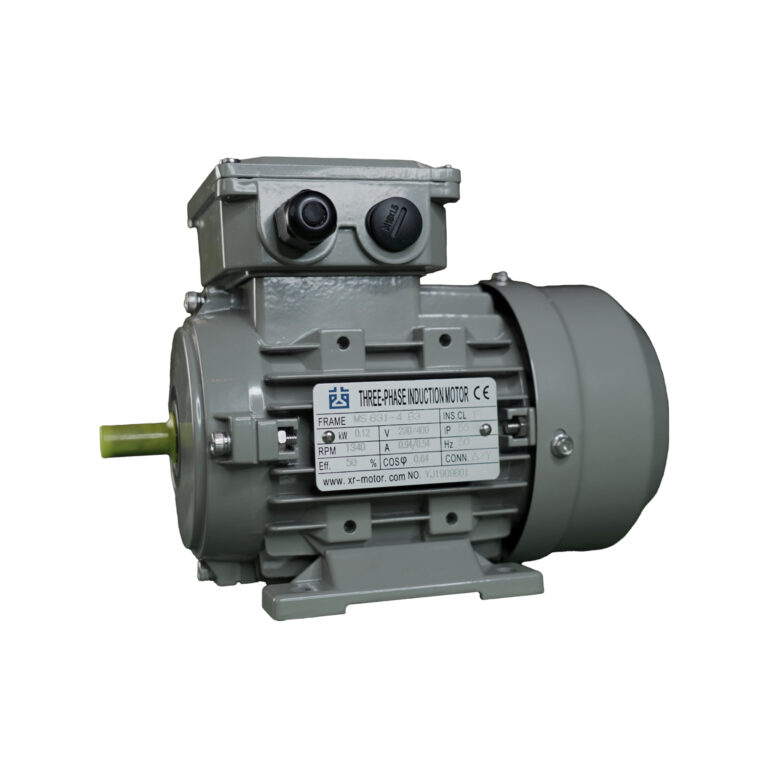
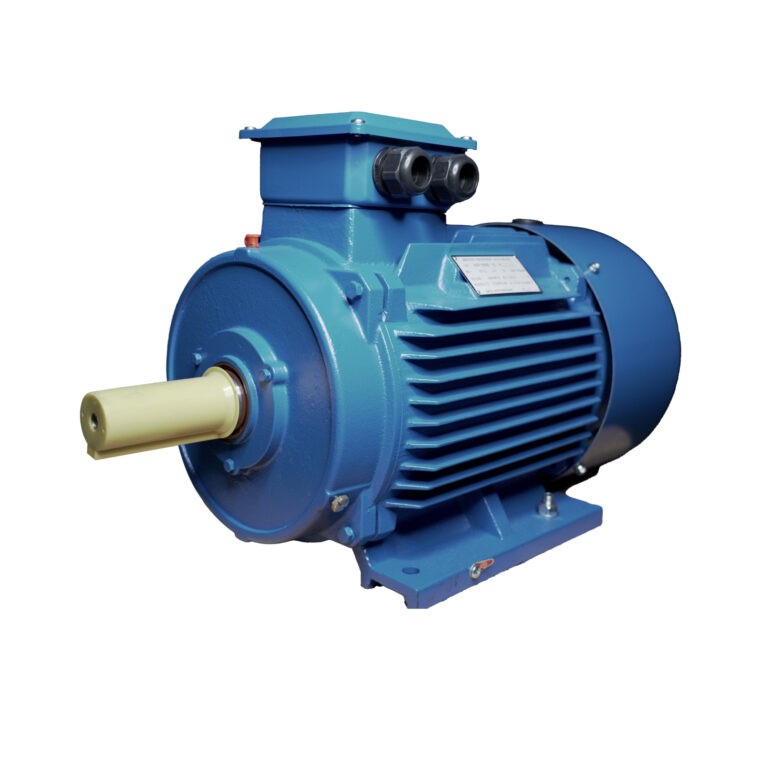
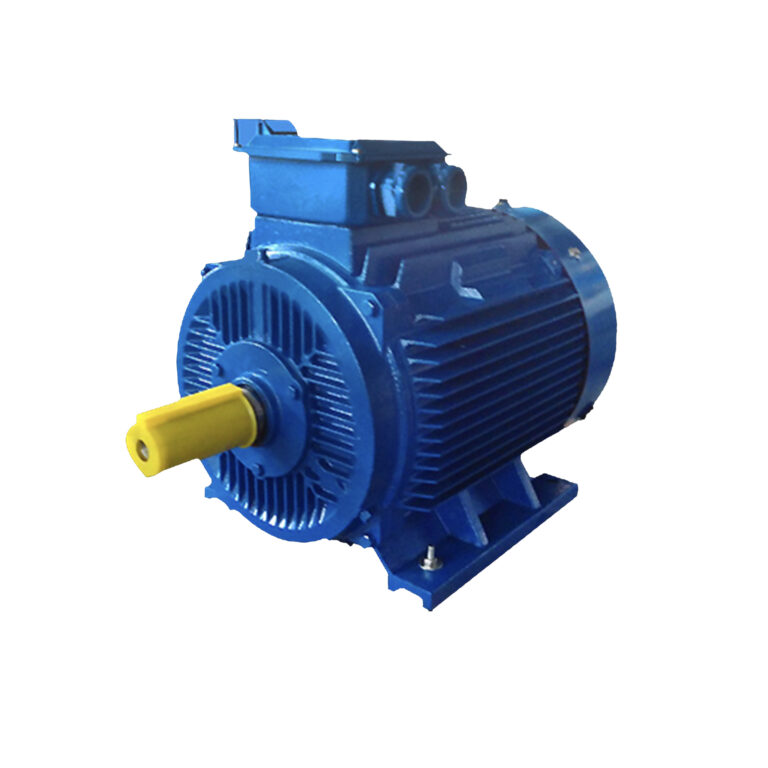
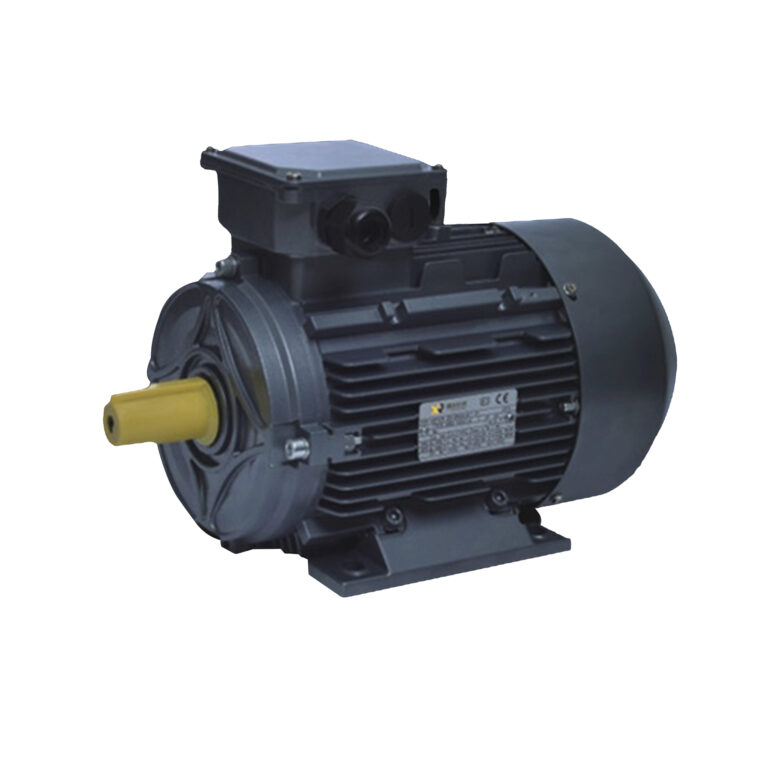
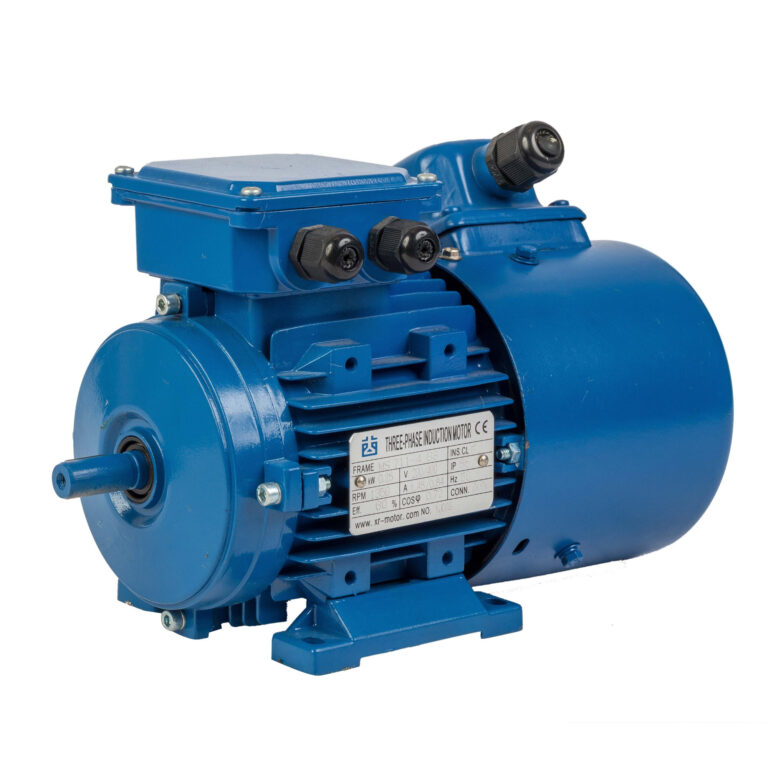
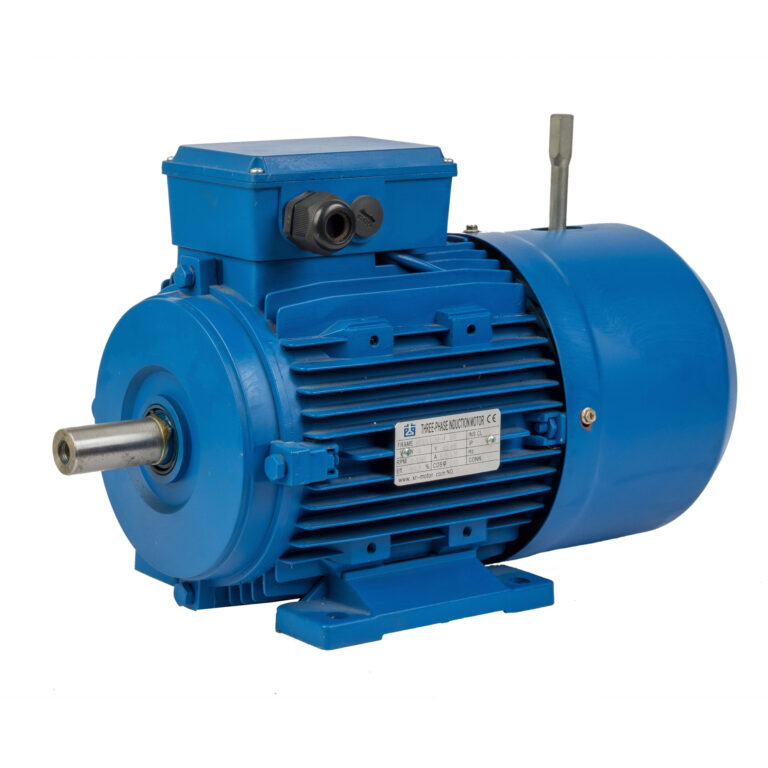
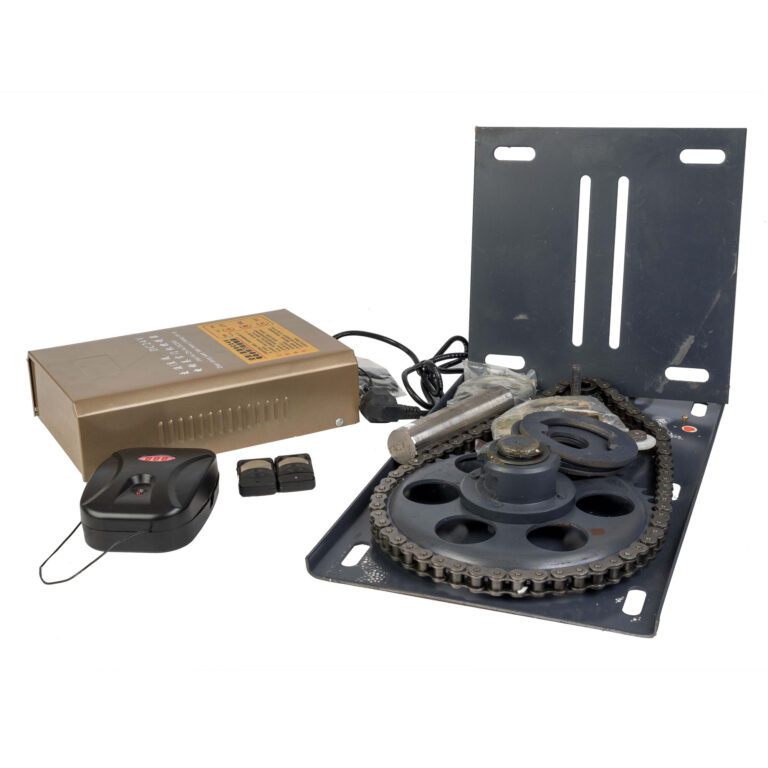
How Industrial Motor Distributors Can Choose a Product Range: From IE3 to Brake Motors
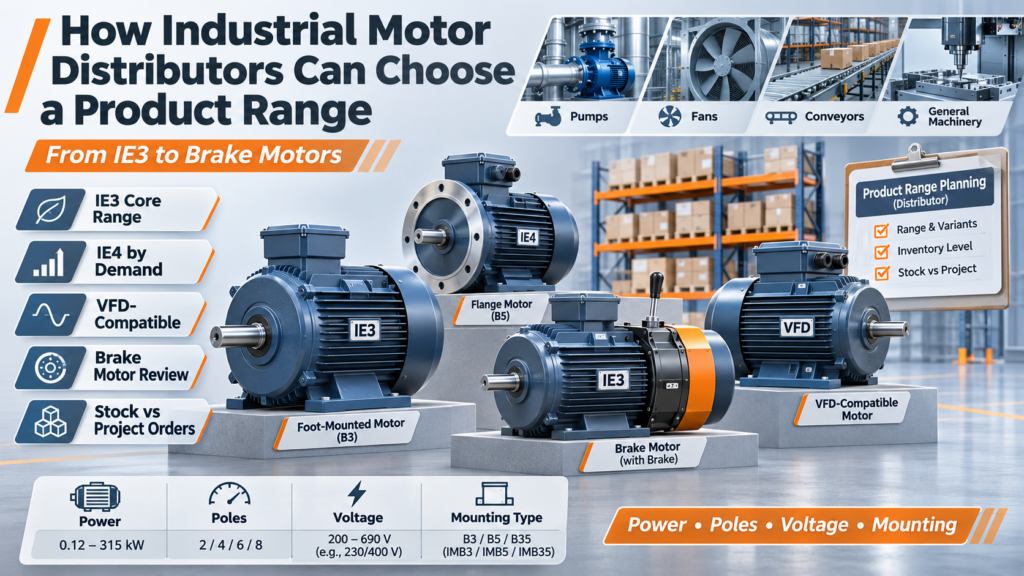
A customer calls on Friday afternoon. Their pump motor has failed, and they need a replacement before Monday. You have several motors of the right power in stock, but none has the required flange.
That kind of inquiry reveals what makes an effective product range of electric motors for distributors: the right combinations of power, speed, voltage, and mounting, available when customers need them.
DAYOU MOTOR works with distributors on standard products and project requirements, from general-purpose motors to configurations that need further technical review.
Look at the details behind each sale
Sales history is a good starting point, but the power rating alone rarely tells the whole story.
Review recent inquiries by power, pole number, voltage, frame size, and mounting arrangement. Note which requests became orders, which were lost because of delivery time, and which required a non-standard shaft or flange.
A motor that sells regularly across several customers may deserve shelf space. A special model ordered once a year might be better purchased after the customer confirms the application.
For a three phase motor wholesale order, ask the supplier whether different mounting types and voltages can be included in one shipment. Consolidation may improve availability without forcing you to hold excessive quantities of each variant.
Give standard motors the strongest shelf space
When comparing electric motors for distributors, start with the combinations that serve common pumps, fans, conveyors, and general machinery in your market.
IE3 motors may form a useful part of that core range. They are familiar to many industrial buyers, and standard configurations can support routine replacement work.
An IE3 motor distributor should still check the exact destination requirements. Efficiency rules depend on product scope and local regulations; some motor categories may require IE4, while others have different conditions or exclusions.
Request model-specific efficiency data, drawings, and applicable compliance documents. The efficiency marking helps identify a product, but it does not explain its starting torque, dimensions, or suitability for VFD operation.
Treat IE4 as a market and application decision
IE4 motors can be attractive to customers operating equipment for long hours, particularly where energy use is a significant part of the ownership cost. In some markets and product categories, they may also be required.
Whether they belong on your shelf depends on local demand and delivery expectations. If customers regularly request a particular IE4 configuration, stock may be justified. For less common ratings, a dependable supplier lead time can be more valuable than a large inventory.
Before promising a direct replacement, compare the complete dimensions, weight, starting characteristics, and connection requirements. Two motors with the same output and pole number do not always fit the same installation without changes.
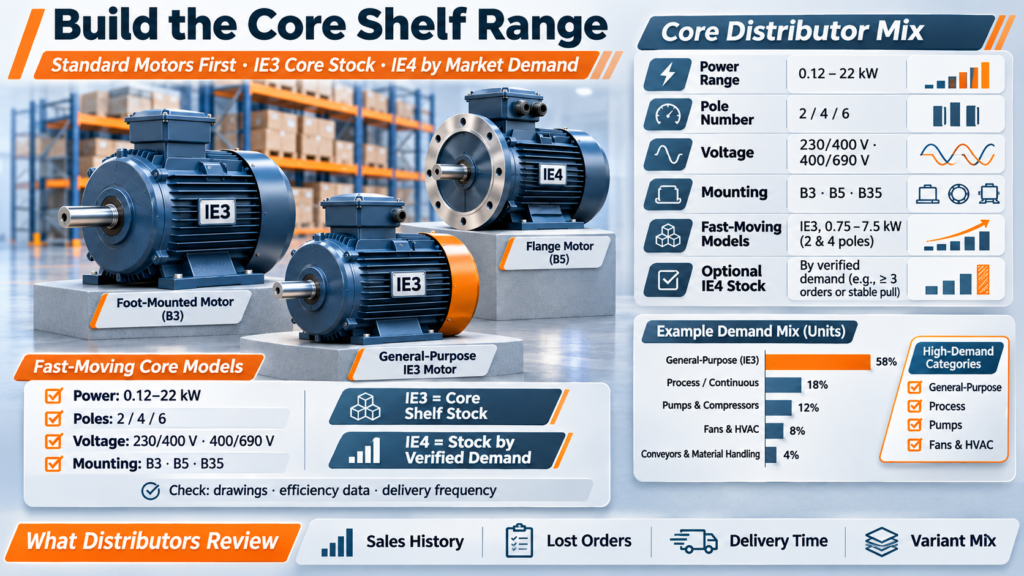
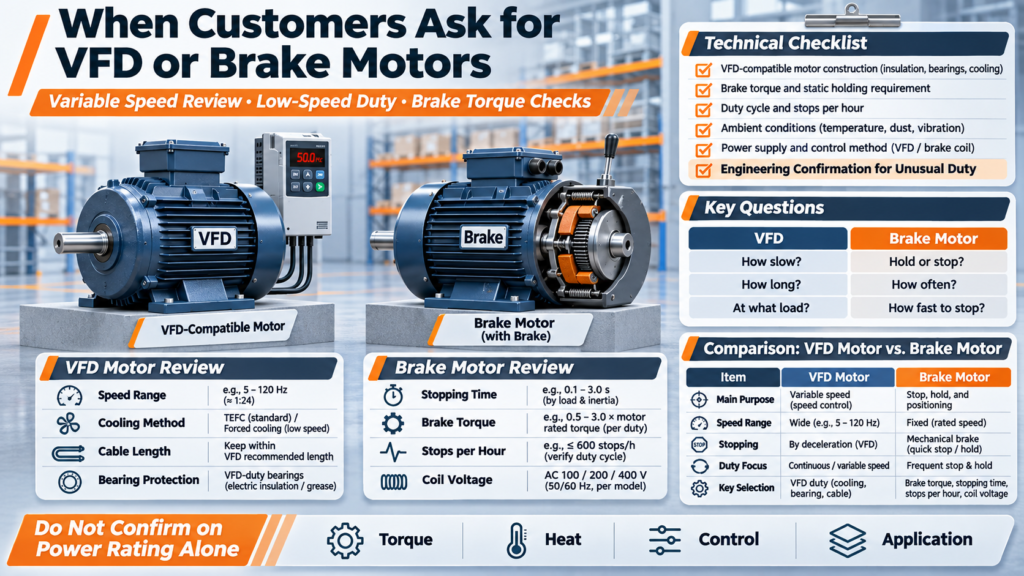
Ask one more question when a customer says “VFD motor”
Choosing electric motors for distributors becomes more complicated when the customer needs variable speed. “It will run on a drive” is useful information, but it does not describe the duty.
Ask how slowly the motor must run, for how long, and under what load. A fan operating at reduced speed may have a different cooling requirement from a conveyor that must produce high torque continuously at low speed.
When discussing inverter duty motors for distributors, confirm the permitted speed range, cooling method, cable length, and winding requirements. Some installations may also need bearing-current protection.
It can make sense to stock frequently requested VFD-compatible configurations. Keep unusual speed ranges or demanding low-speed duties subject to engineering confirmation before ordering.
Brake motors need more than a power rating
A customer replacing a standard motor can often provide a nameplate and mounting dimensions. A brake motor inquiry needs more detail.
Is the brake intended to hold a stopped load, or must it stop moving equipment? How often will it operate, and how quickly must the machine stop? The answers affect braking torque, heat capacity, wear, and control timing.
A brake motor supplier should be able to review at least:
- Load direction and inertia
- Required stopping time or distance
- Holding requirements
- Starts and stops per hour
- Brake torque and permitted braking work
- Motor supply and brake-coil voltage
- Control method and, where used, VFD sequencing
For a horizontal conveyor, frequent stops may make brake heating and friction-wear important. A vertical load introduces additional holding and failure-safety questions. Lifting equipment and personnel-safety applications need a dedicated system design and verification by the responsible equipment designer.
A practical approach is to keep a small number of proven combinations available, then order unusual brake specifications after the application has been reviewed.
Separate stock items from project orders
Buying electric motors for distributors involves a trade-off between delivery speed and cash tied up in inventory.
Keep the regularly requested configurations available locally. For products with occasional demand, agree on replenishment times and check whether the supplier holds finished motors or only components.
Special shafts, unusual voltages, brakes, encoders, and demanding environmental requirements are often better handled as confirmed project orders. Give customers a clear technical approval process and a realistic delivery date before accepting the order.
A regular stock review should consider more than units sold. Look at lost inquiries, aging inventory, repeat customers, supplier lead times, and the cost of carrying large motors.
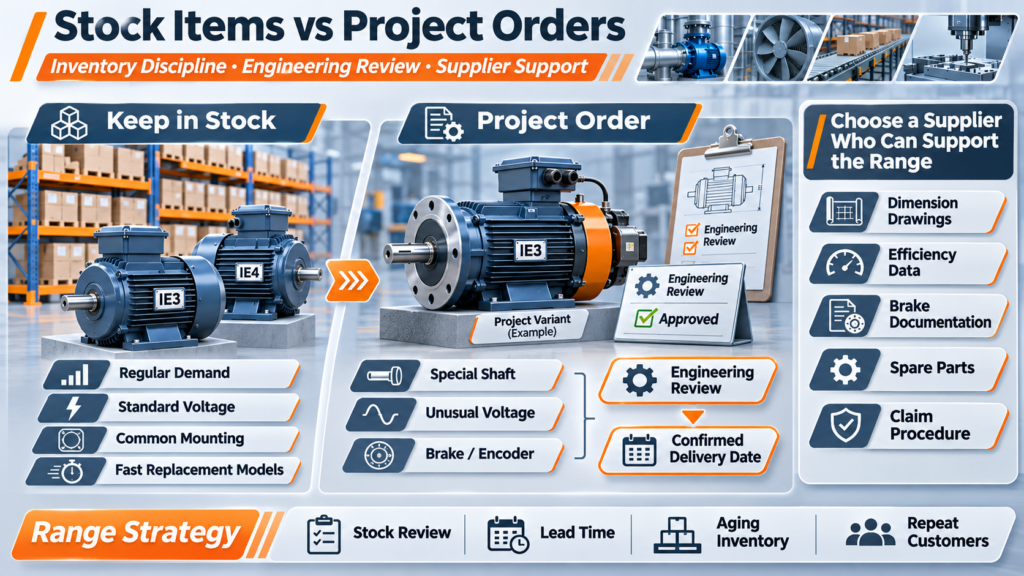
Choose a supplier who can support the range
The availability of electric motors for distributors depends on more than the factory’s catalogue. Ask what information and parts will still be available after the first shipment.
Dimension drawings, efficiency data, brake documentation, spare parts, and clear claim procedures all help a distributor support local customers. So does a supplier who can confirm whether a proposed replacement fits before it is shipped.
DAYOU MOTOR supplies electric motors for distributors serving industrial customers. Sharing your most common inquiries, stocking priorities, and project requirements helps establish an industrial motor range that fits the customers you serve.