


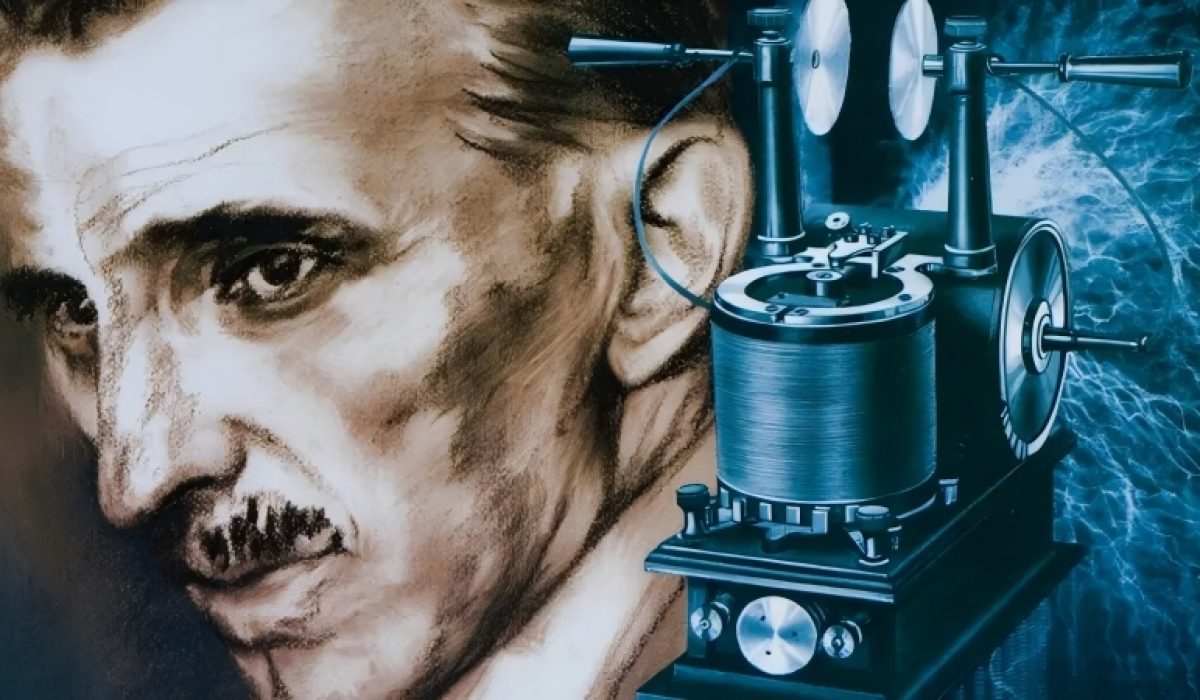
Nikola Tesla is often remembered as a visionary inventor whose ideas shaped the modern electrical world. Although his name may not be familiar to everyone today, nearly all modern technologies—from electric motors to global communication systems—are deeply influenced by his work.
Born in 1856 in what was then the Austrian Empire, Tesla later became an American engineer and inventor of Serbian origin. His lifetime work laid the foundation for alternating current (AC) power systems, induction motors, wireless communication concepts, and ambitious visions of global energy transmission.
Tesla’s ideas were far ahead of his time, earning him recognition not only as an electrical engineer, but also as a futurist who imagined a connected and electrified world long before the technology existed.
The Rise of Alternating Current
When Tesla arrived in New York in 1884, the world was entering a critical phase of industrial electrification. Factories, cities, and transportation systems needed reliable and efficient ways to generate and distribute electrical power.
At the time, two competing systems existed:
- Direct Current (DC), promoted by Thomas Edison
- Alternating Current (AC), developed and championed by Nikola Tesla and George Westinghouse
DC systems could only transmit power over short distances and fixed voltages. AC systems, however, allowed voltage to be stepped up or down using transformers, enabling long-distance transmission with minimal losses.
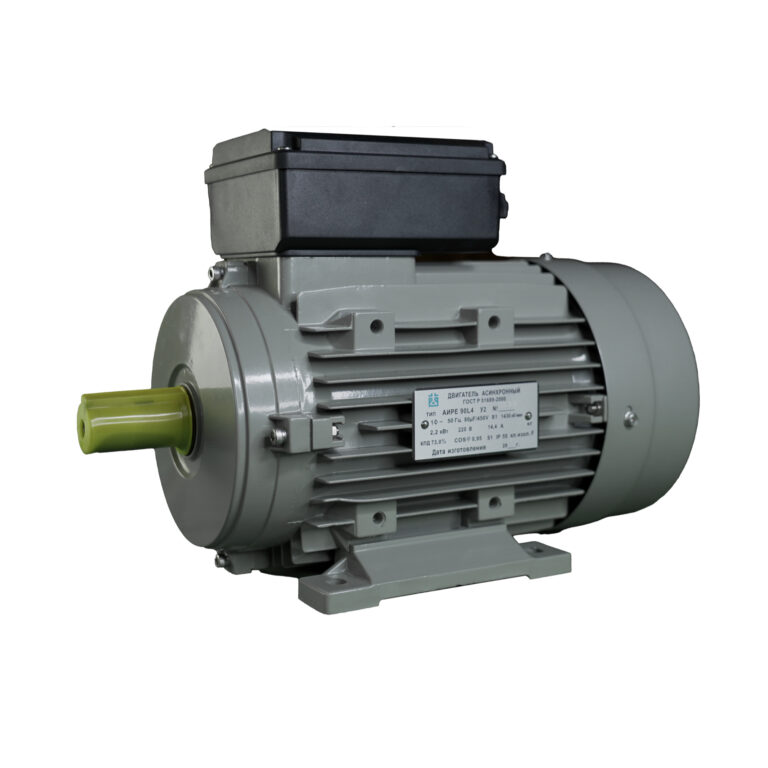
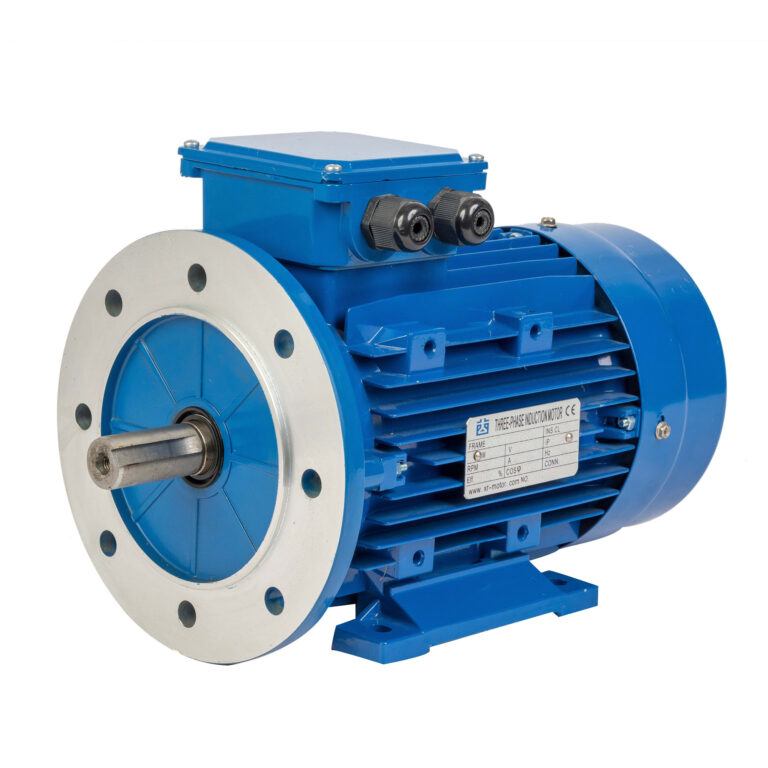
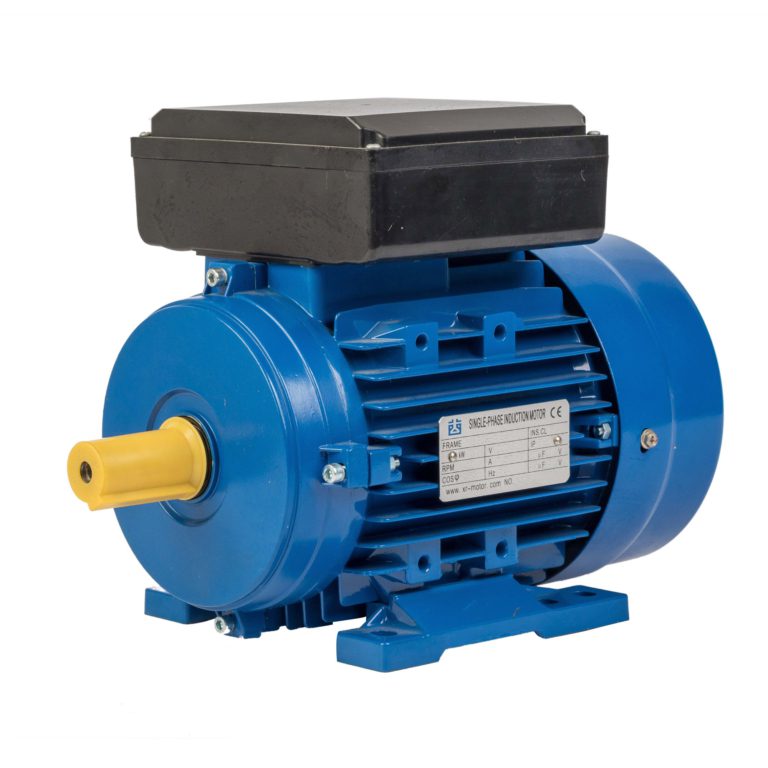
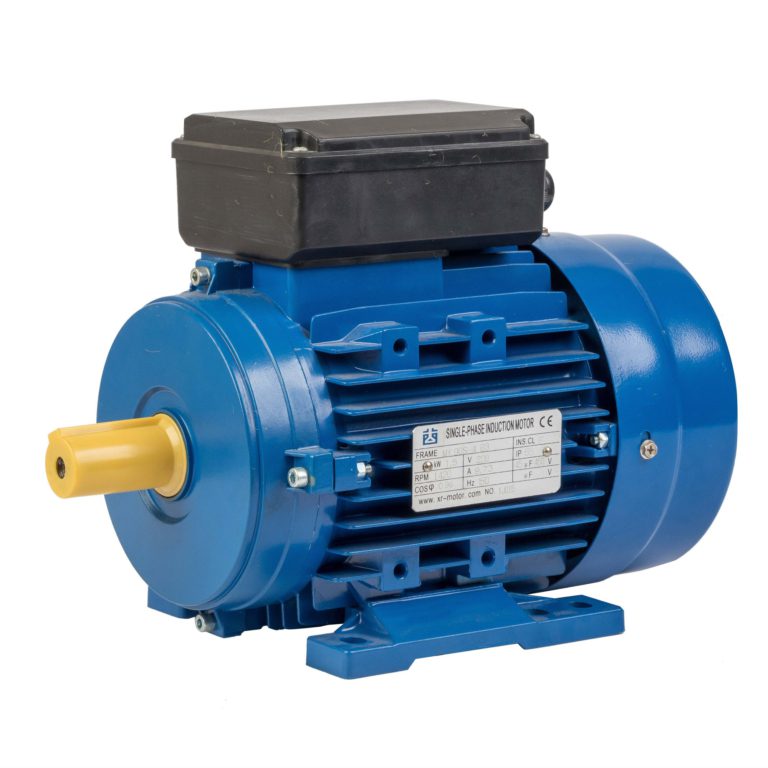
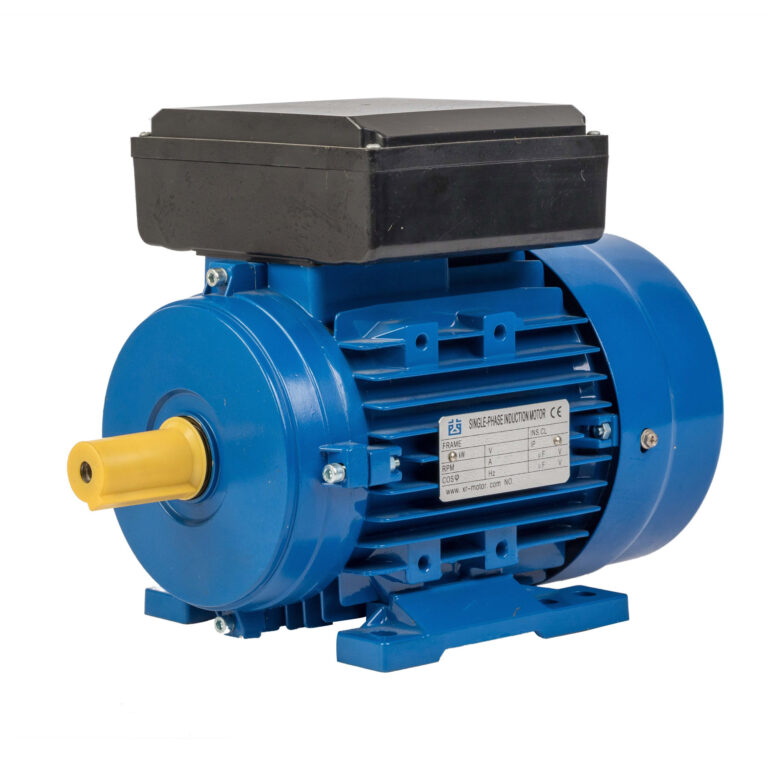
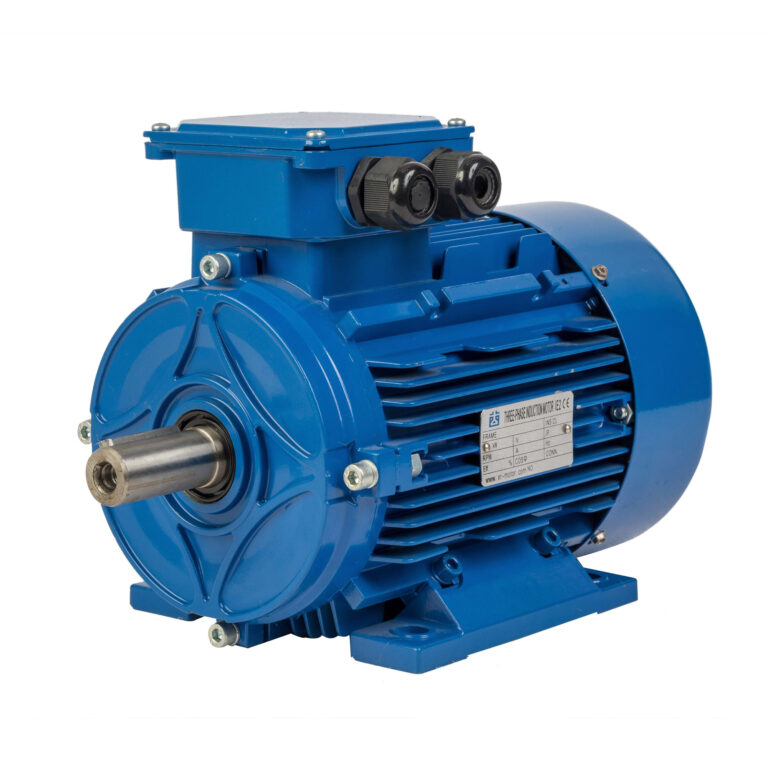
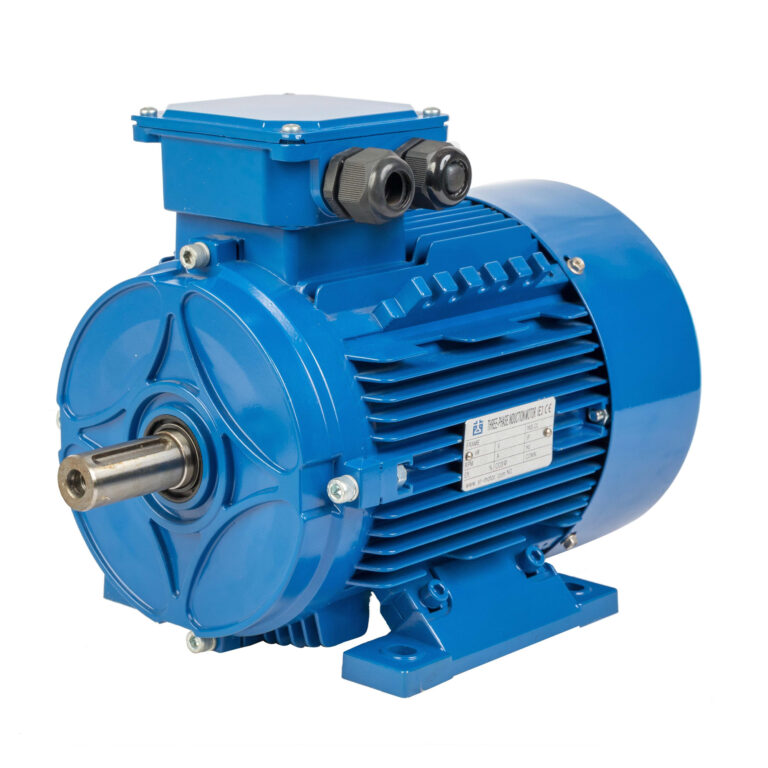
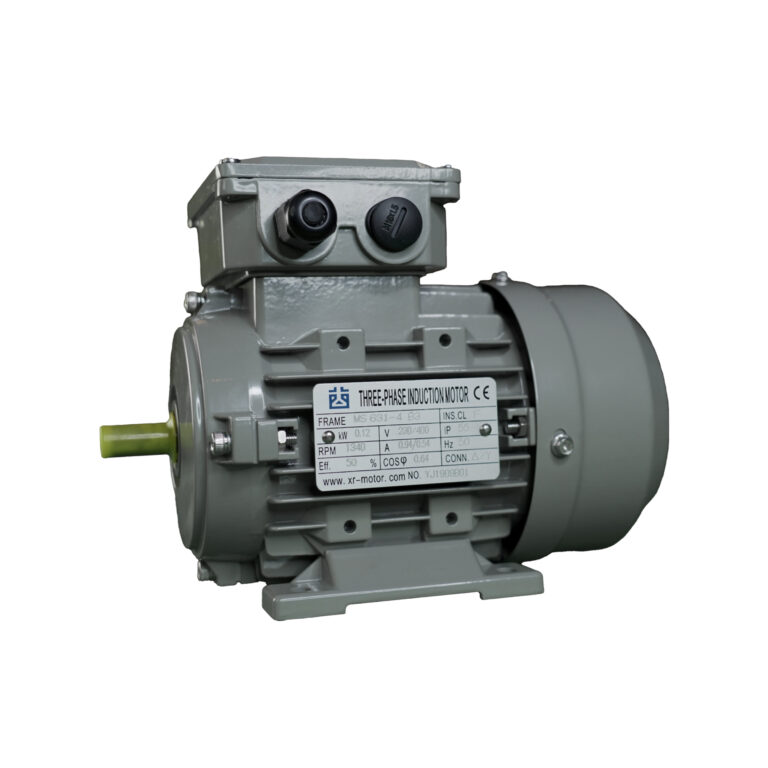
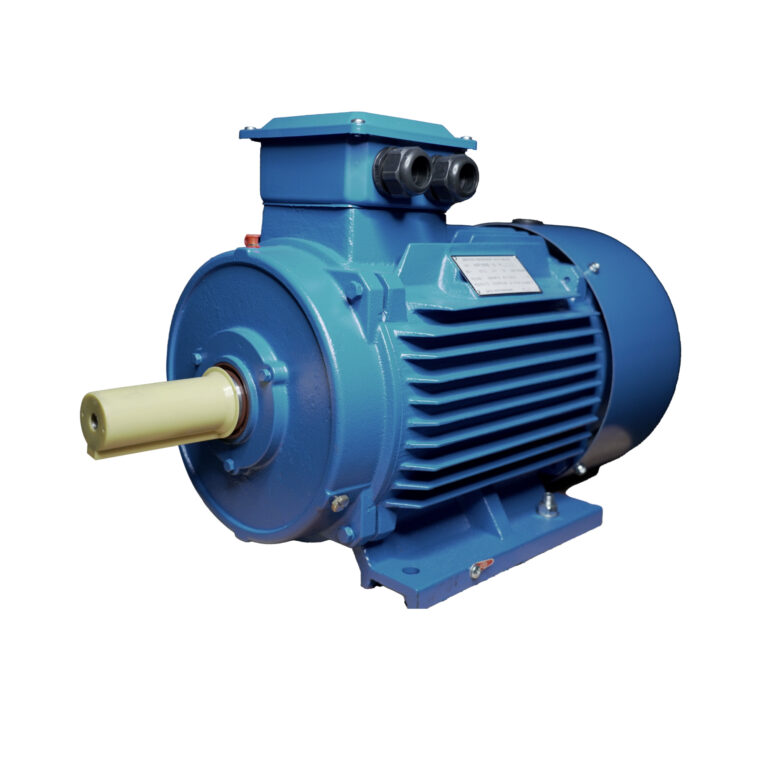
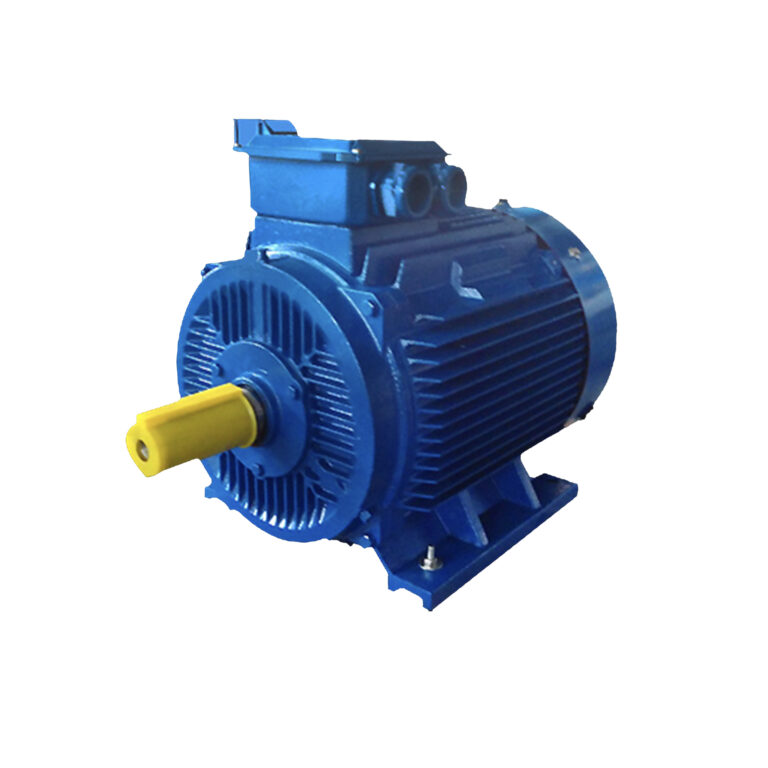
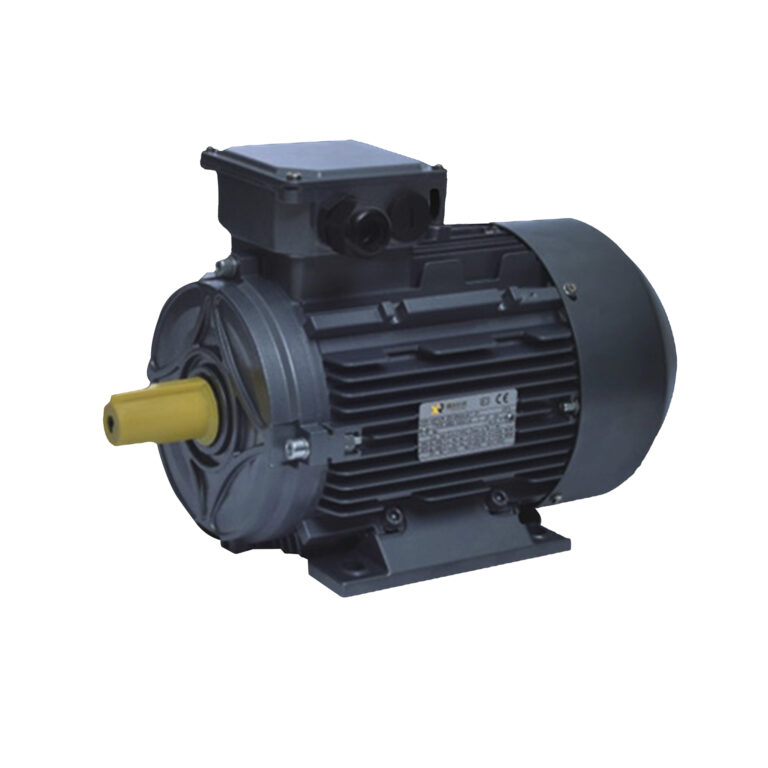
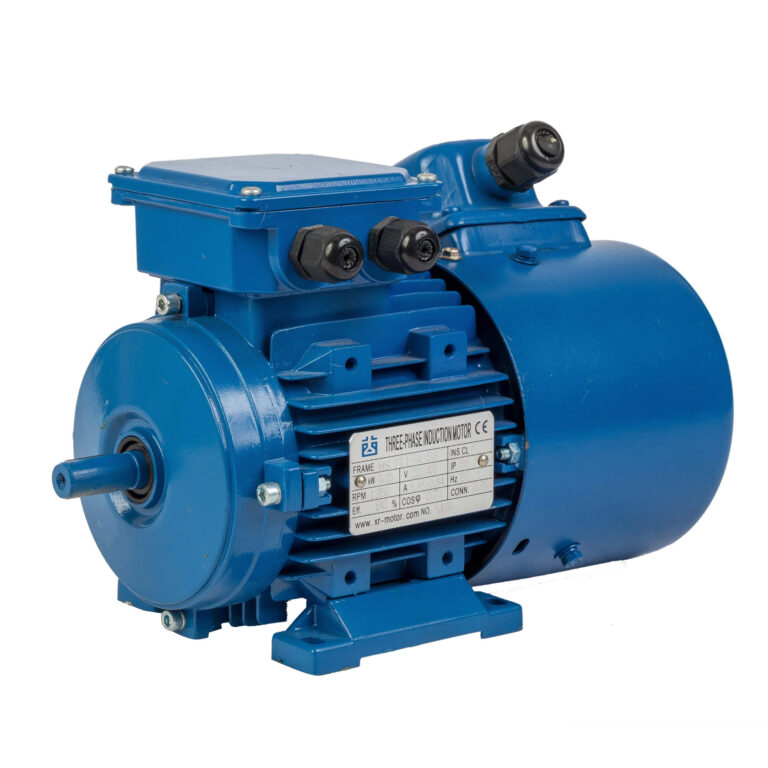
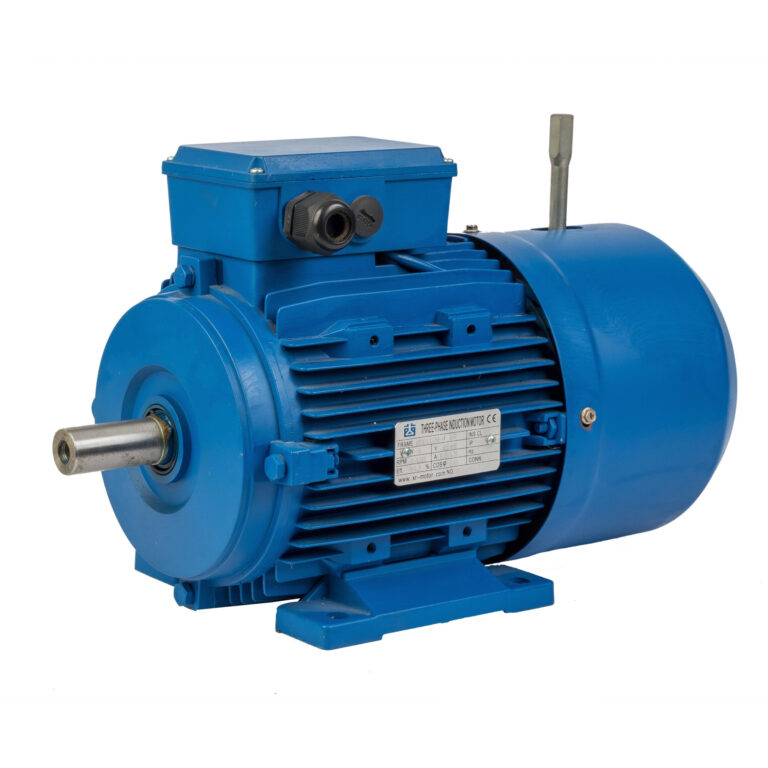
Tesla’s development of the AC induction motor in the early 1880s became a breakthrough. Unlike DC motors, induction motors were robust, efficient, and suitable for industrial-scale applications. This invention remains one of the most widely used motor types in the world today.
The War of Currents and Industrial Adoption
Tesla’s disagreement with Edison over electrical systems led to their professional separation. Soon after, Westinghouse Electric acquired Tesla’s patents related to AC motors and power transmission.
This partnership proved decisive. AC power systems were adopted for large-scale projects, including the world’s first major hydroelectric power plant at Niagara Falls. The success of this project demonstrated that AC power was not only practical, but essential for modern civilization.
Today’s global power grids—generation, transmission, and distribution—still rely on principles Tesla developed more than a century ago.
Beyond Motors: Tesla’s Vision for Wireless Power
While Tesla is best known for AC power and motors, his ambitions extended far beyond wired electricity. In the 1890s, he began experimenting with wireless energy transmission and high-frequency electrical systems.
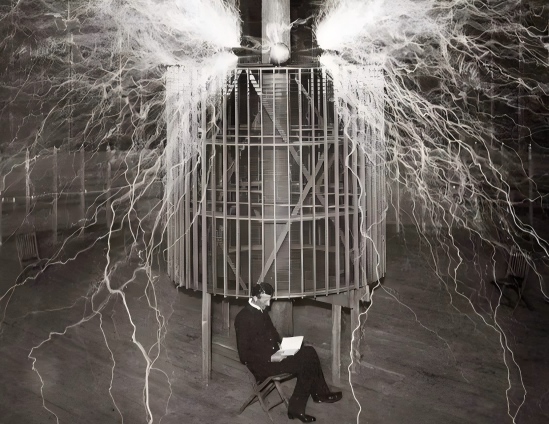
The invention of the Tesla coil allowed him to demonstrate wireless electrical effects, laying early groundwork for radio, broadcasting, and wireless communication technologies. Tesla believed electricity and information could one day be transmitted globally without physical wires.
With financial backing from investors such as J.P. Morgan, Tesla began constructing a large wireless transmission tower intended to enable worldwide communication and power delivery. His vision included instant global voice and image transmission—ideas that strongly resemble today’s internet and wireless networks.
An Unfinished Dream
Despite his brilliance, Tesla faced major challenges. His projects required massive funding, and many technologies needed to realize his ideas did not yet exist. When financial support was withdrawn, Tesla’s wireless power project was never completed.
Tesla also struggled with collaboration. He often worked alone, believing he could independently create the electrical future. This isolation limited the practical realization of many of his concepts.
In his later years, Tesla became known as an eccentric figure. Nevertheless, his technical contributions remained unmatched.
Legacy and Modern Impact
Nikola Tesla passed away in New York in 1943. Today, his legacy lives on in countless ways:
- AC power systems still dominate global electricity networks
- Induction motors power industrial machines, appliances, and electric vehicles
- Wireless technologies reflect his early experimental ideas
- The SI unit for magnetic field strength is named the tesla (T) in his honor
Tesla’s work continues to inspire engineers, researchers, and innovators worldwide. Although his dream of global wireless energy remains unrealized, modern advances in wireless charging and power electronics echo his original vision.
Tesla did not merely invent machines—he imagined the future.