


- Home
- Product
- GOST standard motor
- IEC standard motor
 MC Series single phase capacitor start asynchronous motor
- MY MYT series single phase capacitor running asynchronous motor
- ML Series single phase dual-capacitor asynchronous motor
- ME2 series three phase high efficiency aluminum housing motor(IE2)
- ME3 series three phase high efficiency aluminum housing motor(IE3)
- MS series three-phase aluminum housing motor (IE1)
- Y2 series three phase cast iron motor (IE1)
- YE2 series three phase high efficiency cast iron motor (IE2)
- YE3 series three phase high efficiency cast iron motor (IE3)
- Special application motor
- Rolling door motor
- Industry application
- News
- About us
- Contact us
- Certifications
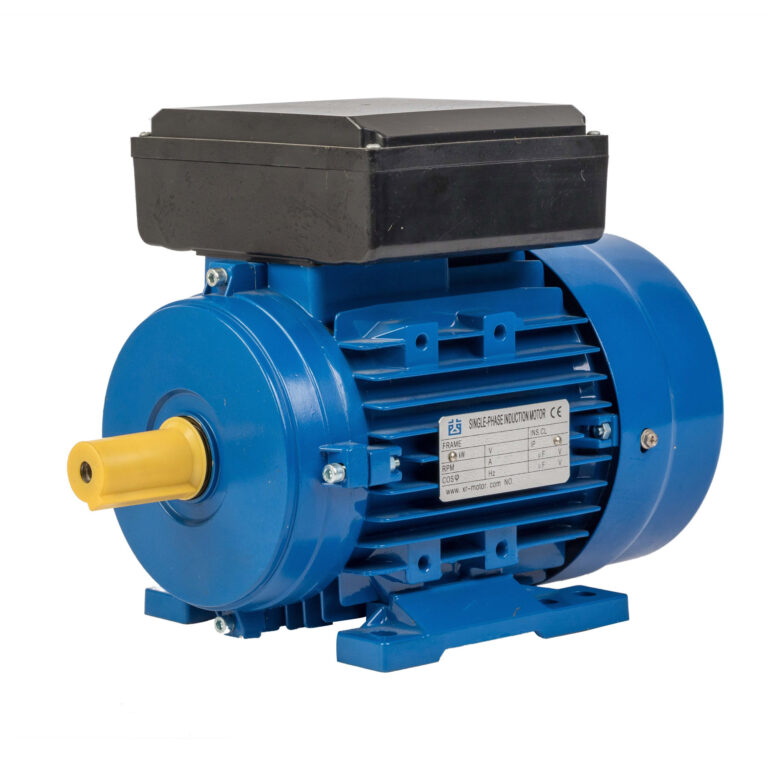
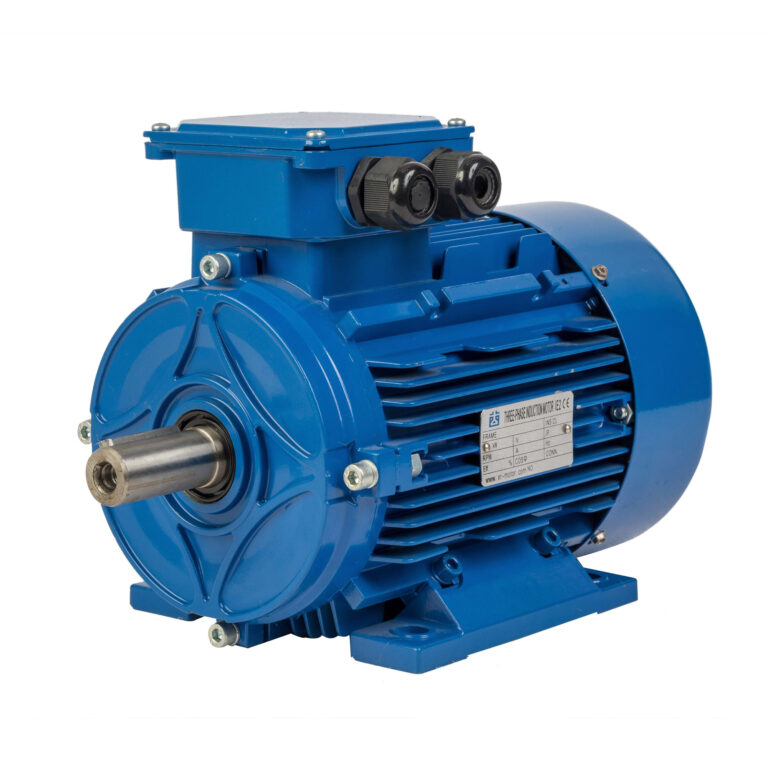
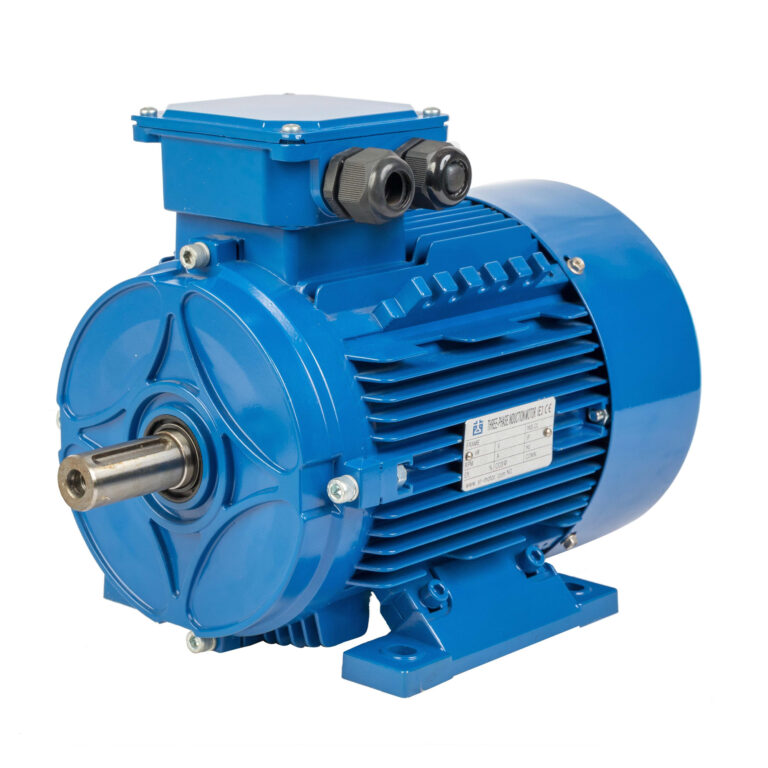
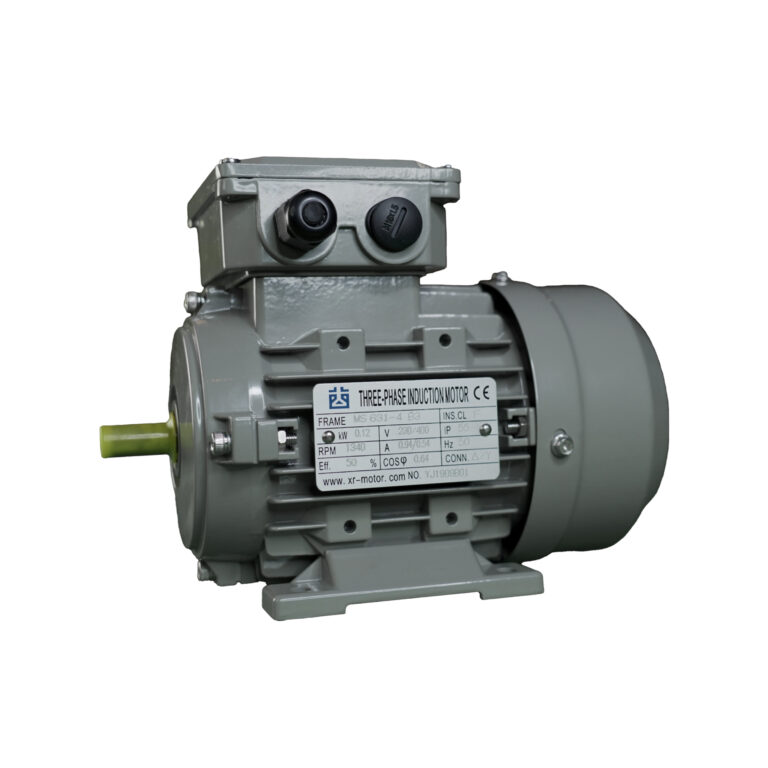
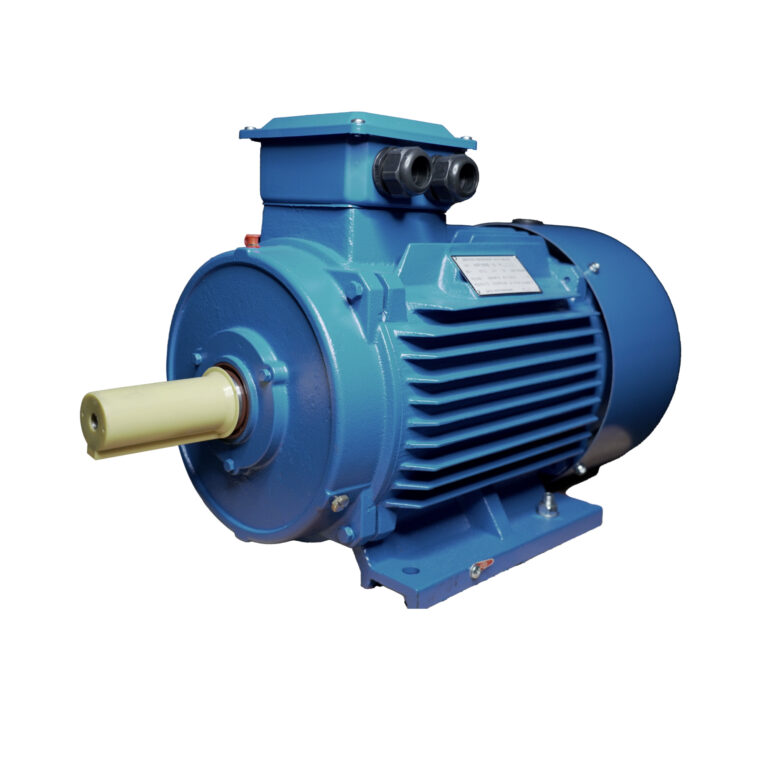
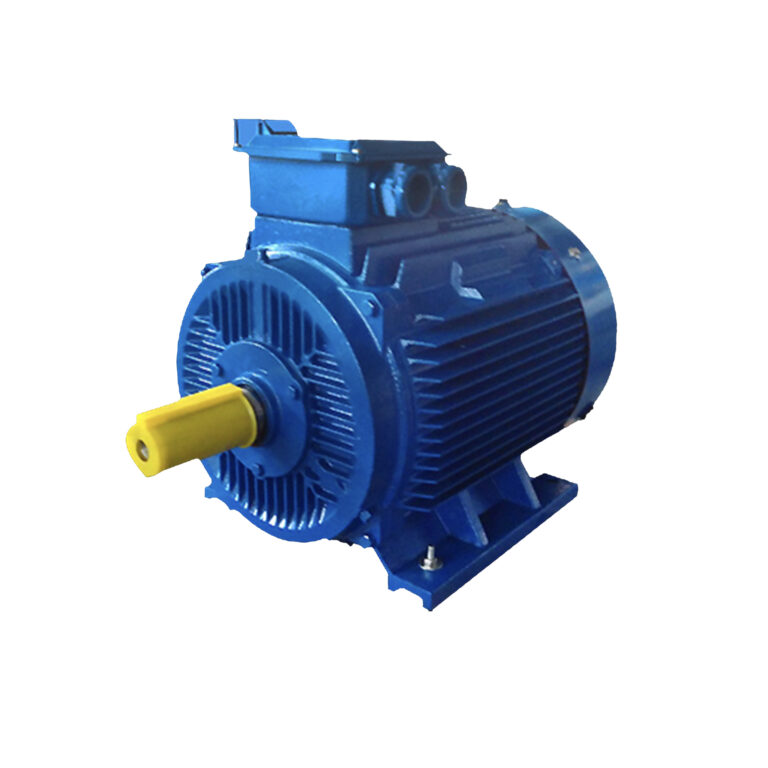
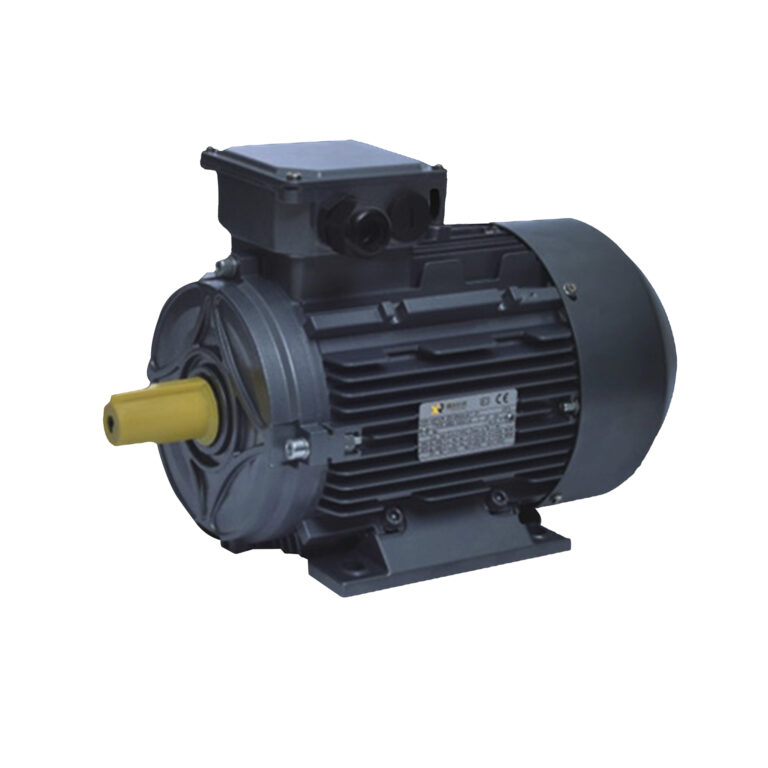
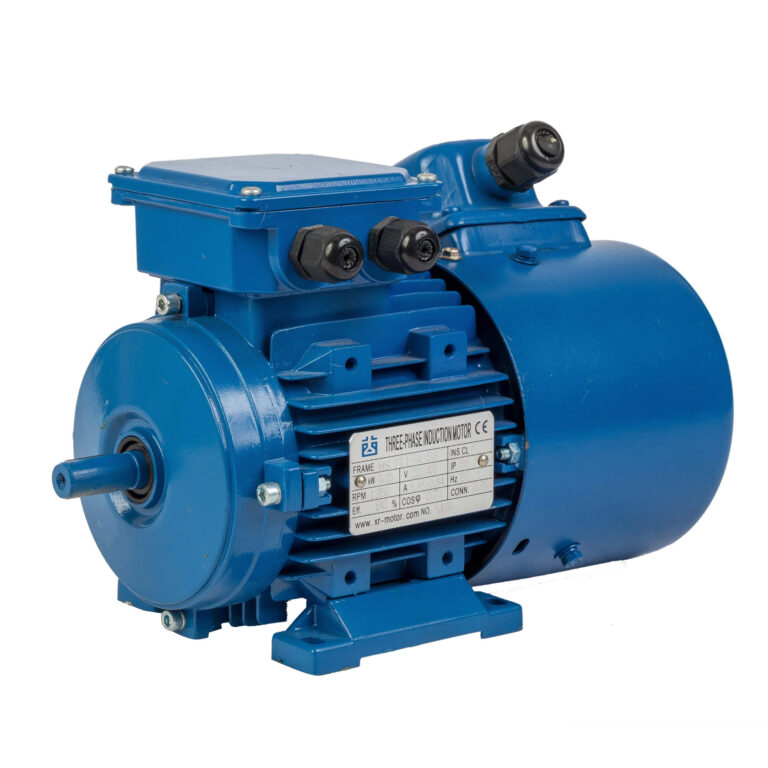
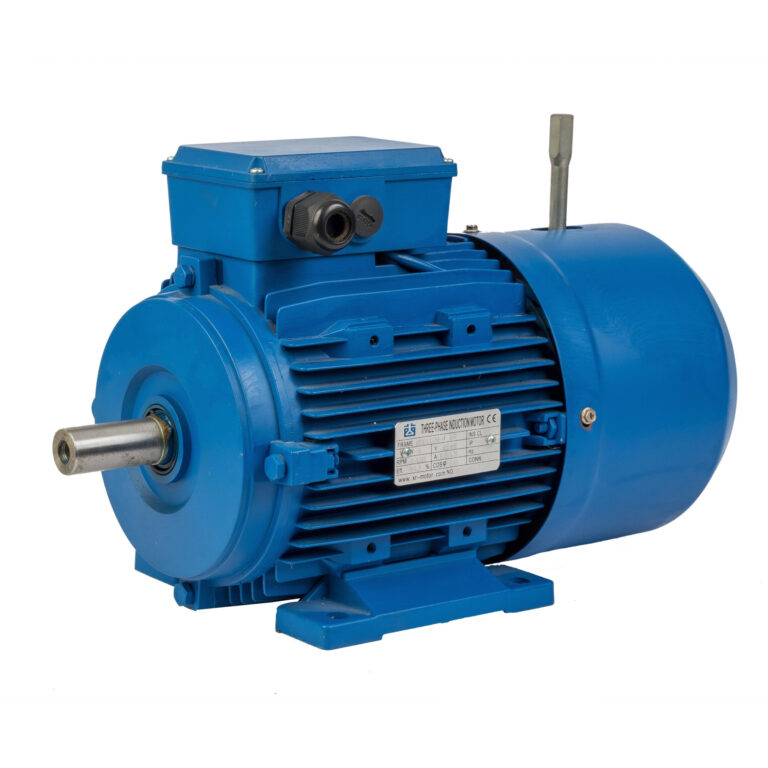
Three Phase Motor Construction: Main Parts and Design Explained
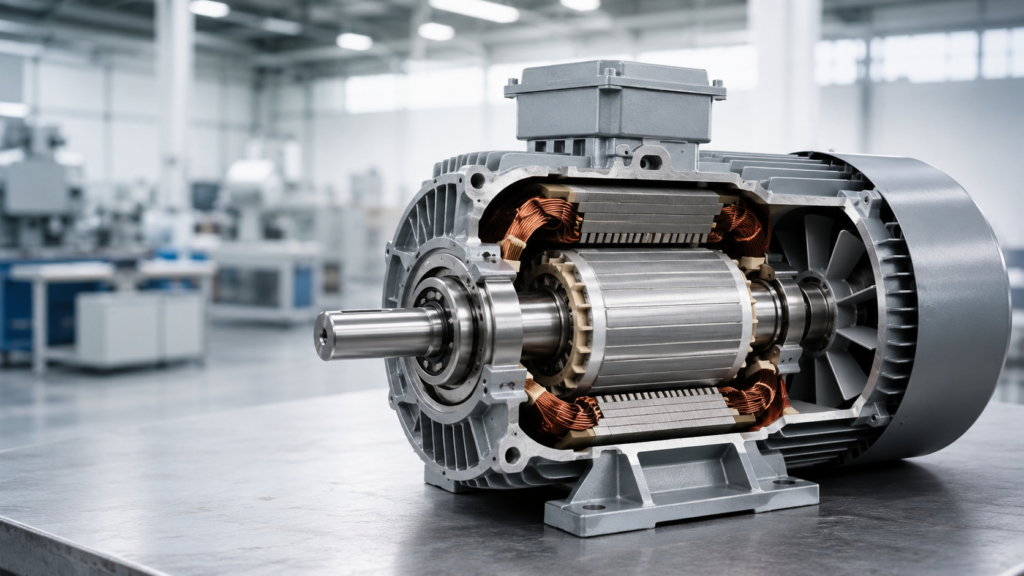
A three phase motor is one of the most widely used power sources in industrial equipment. It is common in pumps, fans, compressors, conveyors, machine tools, agricultural machinery and many OEM systems because it can provide stable torque, reliable operation and efficient power conversion.
For customers comparing international suppliers, the same product may also be searched as motore trifase in Italian markets, especially when looking for IEC industrial motors. In many European applications, the most common type is the motore asincrono trifase, also known in English as a three-phase asynchronous or induction motor.
Understanding the construction of this motor helps buyers choose the right model, mounting type, protection level and efficiency class for their equipment. Although the external appearance may look simple, the internal design includes several important parts that work together to convert electrical energy into mechanical rotation.
Basic Construction of a Three Phase Motor
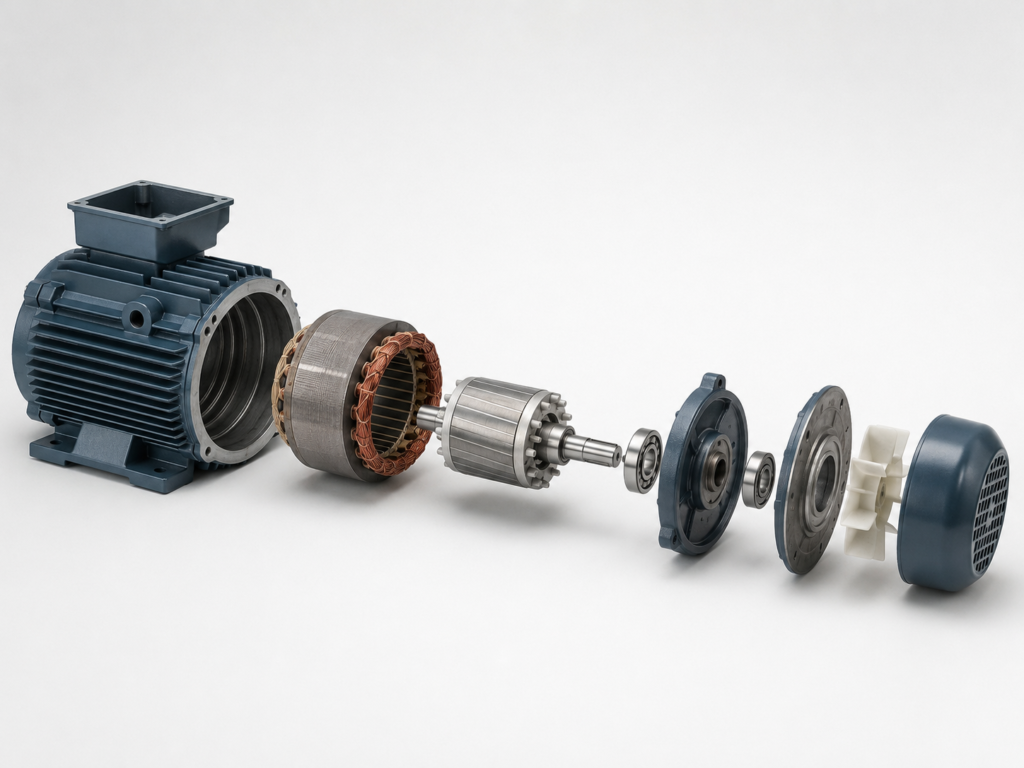
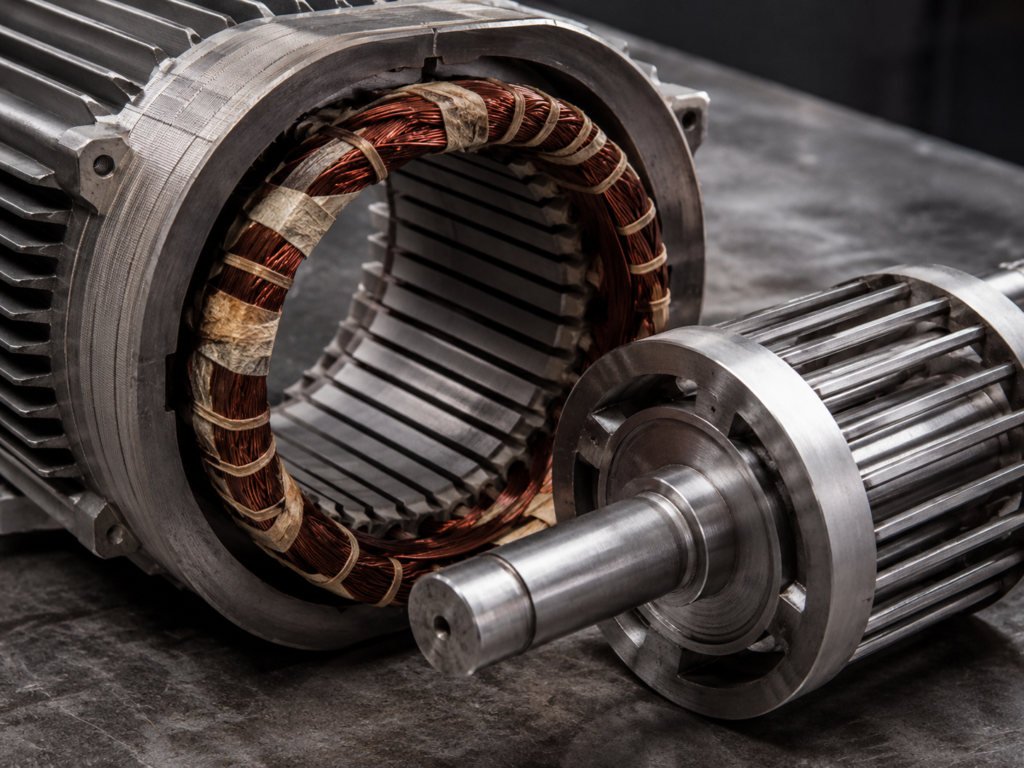
The main structure of a three phase motor includes the frame, stator, rotor, shaft, bearings, terminal box, cooling fan and end shields. In an induction design, the stator is connected to the power supply, while the rotor receives induced current through the magnetic field created by the stator.
This design is one reason industrial users prefer this type of motor. There are no brushes in a standard squirrel-cage induction design, which reduces wear and simplifies maintenance. For factories and equipment manufacturers, fewer wearing parts can mean better reliability and easier long-term operation.
Motor Frame and Housing
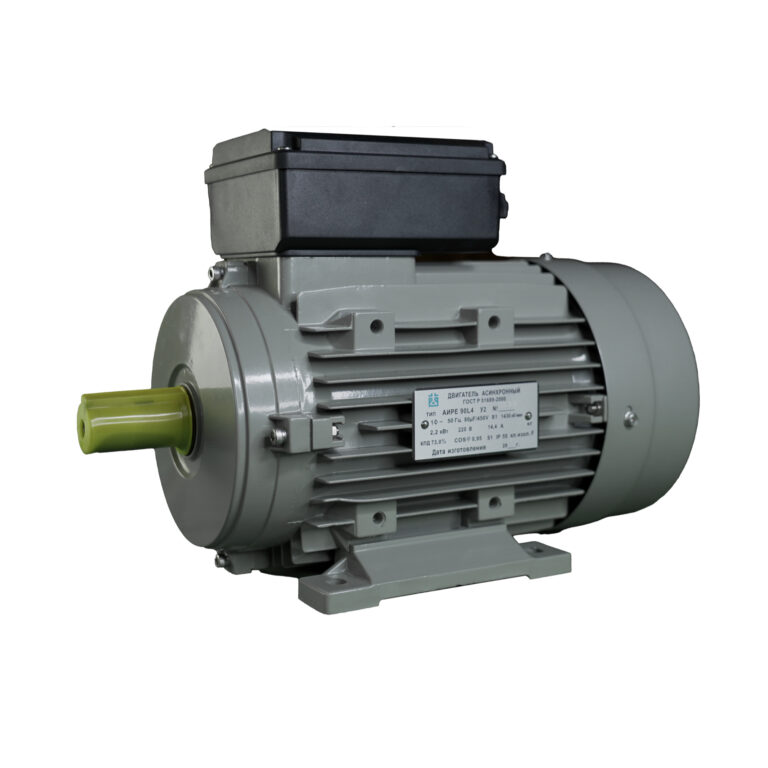
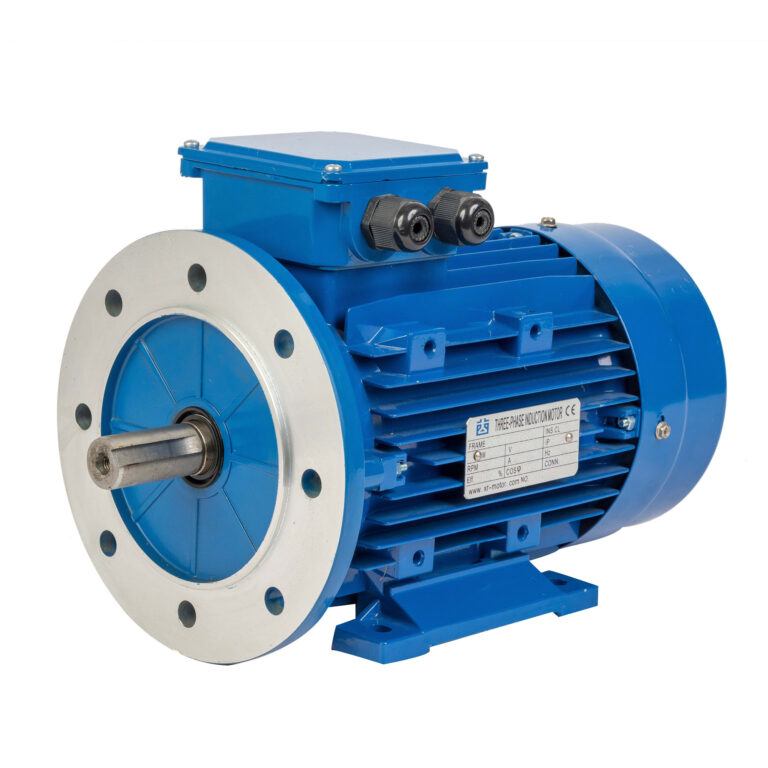
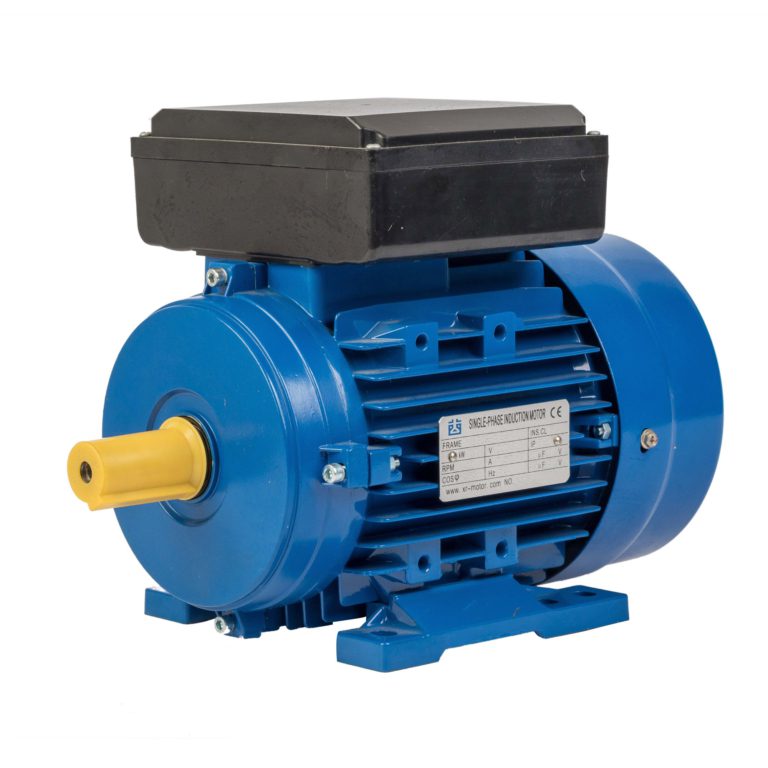
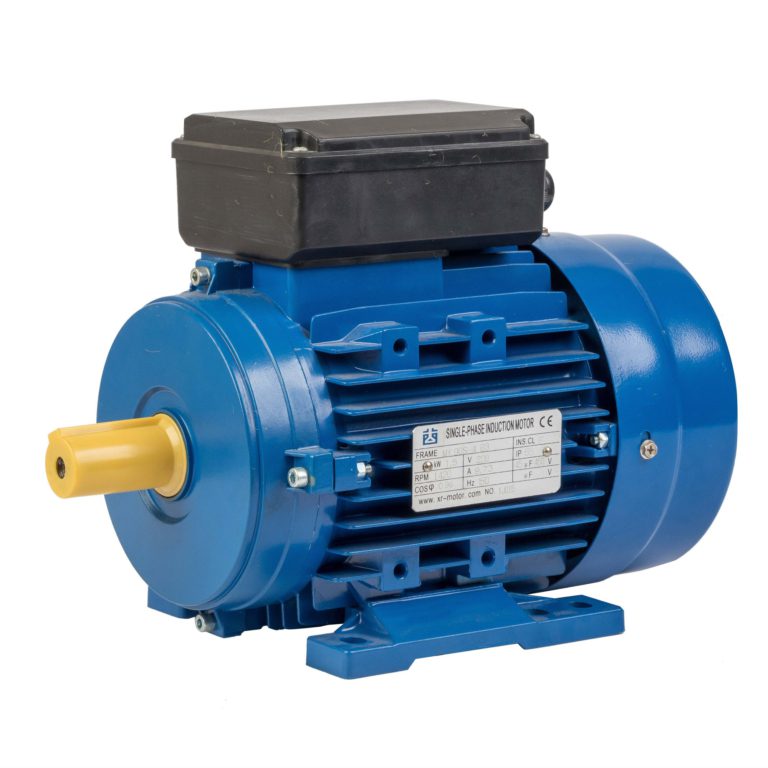
The frame is the outer body of the motor. It supports the internal parts, protects the electrical and mechanical components, and helps transfer heat away from the stator. Common frame materials include aluminum and cast iron.
Aluminum frames are often used for smaller and medium power ranges because they are lighter and have good heat dissipation. Cast iron frames are usually selected for higher power ratings, harsher working conditions or applications where stronger mechanical protection is required.
The surface of the housing may include cooling fins. These fins increase the contact area with surrounding air, helping the motor release heat during continuous operation. A stable housing design also reduces vibration and supports accurate alignment with the driven machine.
Stator: The Stationary Magnetic Core
The stator is the fixed electrical part of the motor. It normally consists of laminated steel sheets stacked together to form a magnetic core. Slots are distributed around the inner circumference of the stator core, and insulated copper or aluminum windings are placed into these slots.
When three-phase AC power is supplied to the stator windings, a rotating magnetic field is produced. This rotating field is the foundation of motor operation. The number of poles in the stator winding influences the rated speed. For example, 2-pole, 4-pole, 6-pole and 8-pole motors are commonly used for different speed and torque requirements.
Good stator construction is important for efficiency, temperature rise and service life. Winding quality, slot insulation, impregnation process and core material all affect the final performance of a motore asincrono trifase.
Rotor: The Rotating Part
The rotor is mounted inside the stator and connected to the shaft. In a squirrel-cage induction motor, the rotor is made of a laminated steel core with conductive bars, usually aluminum or copper, short-circuited by end rings. This cage-like structure is strong, compact and suitable for continuous industrial use.
When the stator field rotates, it induces current in the rotor bars. The interaction between the stator magnetic field and the rotor current creates torque, causing the shaft to rotate. Because the rotor is not directly connected to an external electrical supply, the construction is simple and robust.
A well-balanced rotor helps reduce vibration, noise and bearing stress. For equipment such as pumps and fans, smooth rotor operation is especially important because the motor often works for long hours.
Shaft and Bearings
The shaft transfers mechanical power from the rotor to the driven equipment. It must have sufficient strength and dimensional accuracy to handle torque, radial load and axial load. The shaft end design must match the coupling, pulley, gearbox or other mechanical connection used in the application.
Bearings support the shaft and allow it to rotate with low friction. Standard industrial motors commonly use rolling bearings. Bearing quality, lubrication and correct installation have a direct influence on noise, temperature and operating life.
For users selecting a three phase motor, it is important to check whether the installation environment includes dust, moisture, vibration, belt tension or frequent starts. These conditions may affect bearing selection and maintenance intervals.
Air Gap Between Stator and Rotor
The air gap is the small space between the stator and the rotor. Although it is not a visible external part, it is very important for performance. If the air gap is too large, magnetic efficiency may decrease. If it is uneven, the motor may generate vibration, noise or additional mechanical stress.
Precision machining and careful assembly help maintain a uniform air gap. This is one of the reasons why production quality matters, even when two motors have the same power rating and frame size on the nameplate.
Terminal Box and Electrical Connection
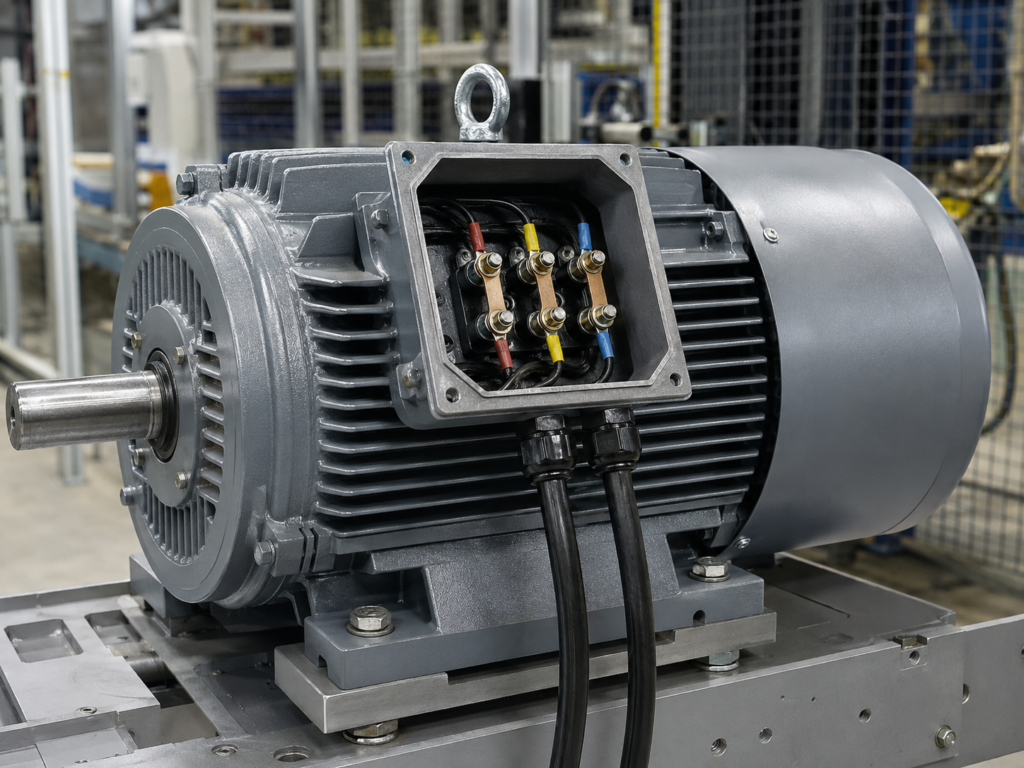
The terminal box provides the connection point between the power supply and the stator windings. Depending on the motor design, the terminals may allow star or delta connection. These connection options are commonly used to match voltage requirements or starting methods.
For example, many IEC motors are designed with six terminals so that the windings can be connected in star or delta according to the rated voltage shown on the nameplate. Correct wiring is essential for safety, performance and motor life.
In Italian-speaking markets, buyers searching for motore trifase often pay close attention to voltage, frequency, mounting type and terminal configuration because these details must match existing machinery.
Cooling System
Heat is one of the main factors that affects motor life. Most standard industrial motors use an external fan mounted on the shaft. When the motor runs, the fan moves air over the housing fins to remove heat from the motor body.
The fan cover protects the fan and guides airflow. In some applications, forced ventilation or special cooling designs may be used, especially when the motor operates with a variable frequency drive at low speed for long periods.
A good cooling design helps control winding temperature, protect insulation and maintain stable performance during continuous duty.
End Shields and Mounting Forms
End shields close both ends of the frame and support the bearings. They help maintain alignment between the stator, rotor and shaft. Accurate end shield machining is important for reducing vibration and ensuring smooth rotation.
Mounting form is also part of the practical construction. Common IEC mounting types include B3 foot mounting, B5 flange mounting, B14 face mounting and combined versions such as B35. Choosing the correct mounting style helps the motor fit the machine without additional modification.
For OEM customers, consistent dimensions and standardized mounting are important because they make assembly easier and reduce design changes.
Materials, Insulation and Protection
The construction quality of a motor is not only about visible metal parts. Insulation class, winding impregnation, enclosure protection and surface treatment also influence reliability.
Insulation protects the windings from electrical stress and heat. The enclosure protection level, such as IP55, helps protect the internal parts from dust and water spray in many industrial environments. Paint and surface treatment help prevent corrosion during storage, transport and operation.
For many industrial buyers, efficiency class is also an important selection factor. IE2, IE3 and IE4 motors may look similar from the outside, but internal design, materials and production accuracy can be different.
Why Construction Matters for Industrial Applications
A three phase motor is not selected only by power rating. Two motors with the same kW value may perform differently because of winding design, rotor quality, bearing selection, cooling performance and assembly precision.
For pumps, stable torque and correct speed are important. For compressors, the motor must handle starting load and continuous operation. For conveyors, mechanical strength and reliable bearings matter. For fans, efficiency and low vibration are often key requirements.
As a manufacturer and supplier of industrial electric motors, we focus on practical construction details that affect real working conditions: stable stator winding, balanced rotor assembly, reliable bearing support, accurate mounting dimensions and suitable protection for industrial environments.
Conclusion
The construction of a three phase motor is based on a simple principle but requires precise manufacturing. The frame protects and supports the motor, the stator creates the rotating magnetic field, the rotor produces torque, and the shaft delivers mechanical power to the machine.
For customers looking for an industrial motore trifase or a motore asincrono trifase, understanding these structural parts makes it easier to compare models and choose the right motor for pumps, fans, compressors, conveyors and OEM machinery.
A well-built motor can improve equipment reliability, reduce maintenance problems and support stable long-term operation in demanding industrial applications.