


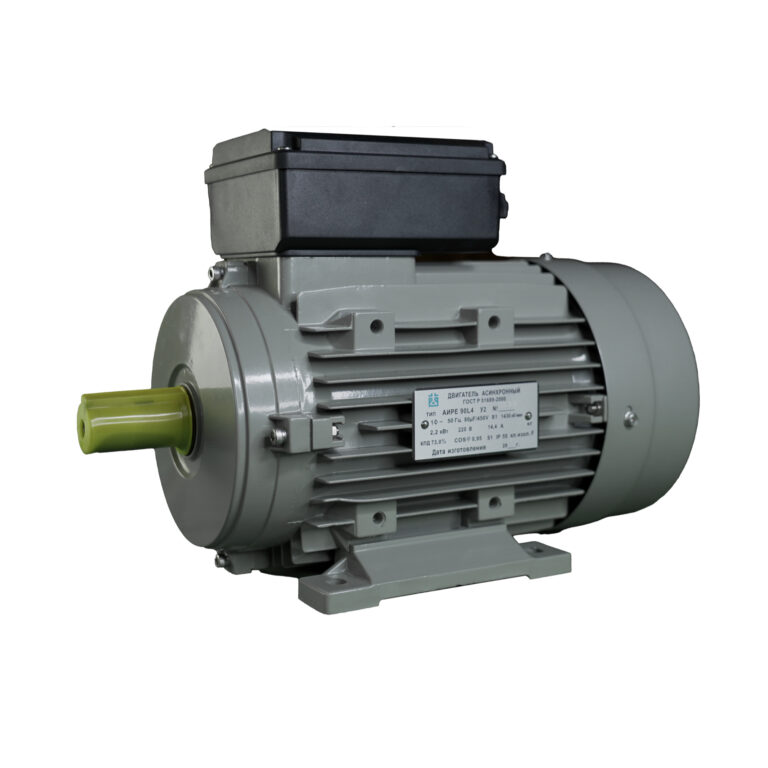
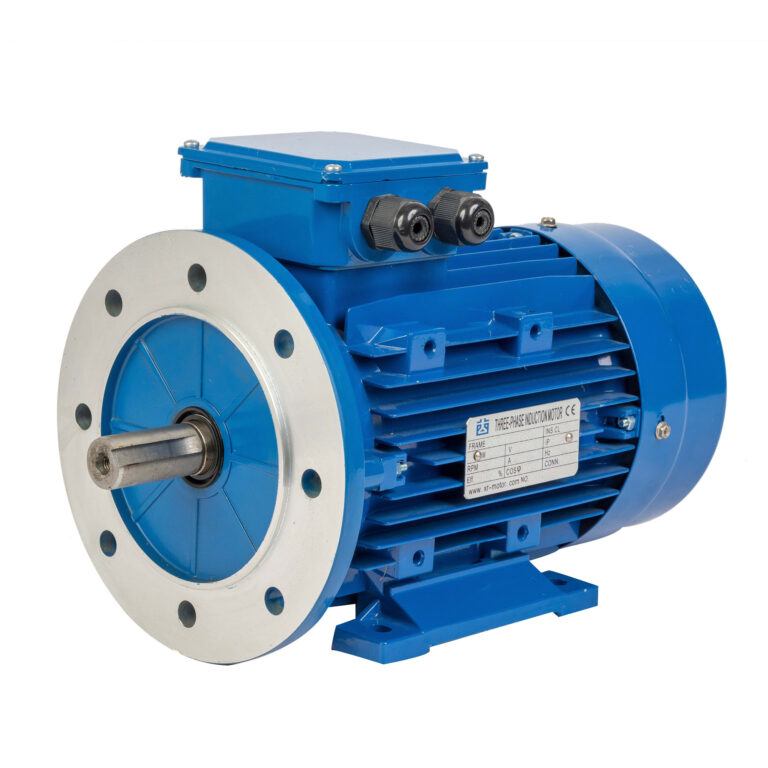
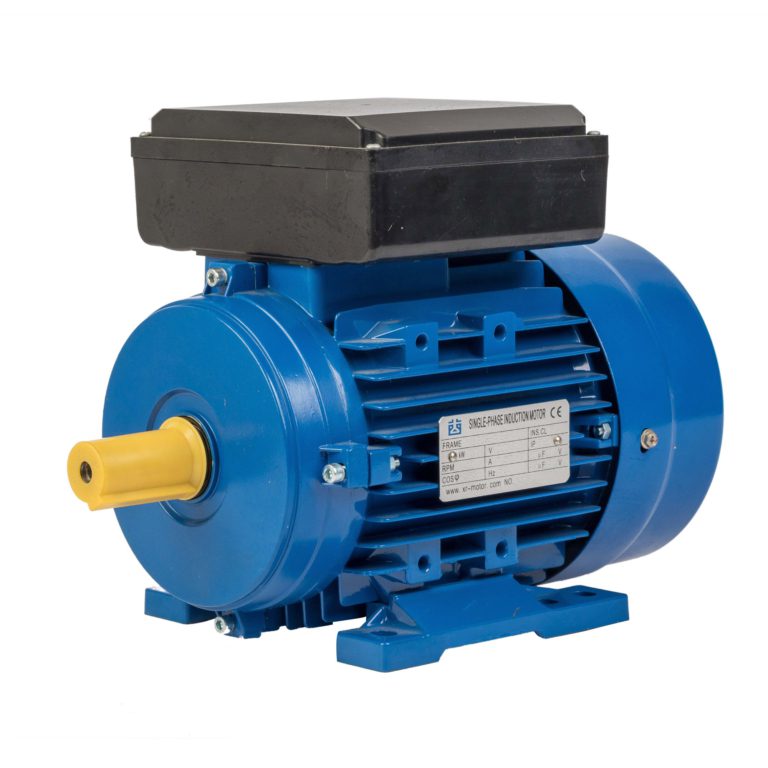
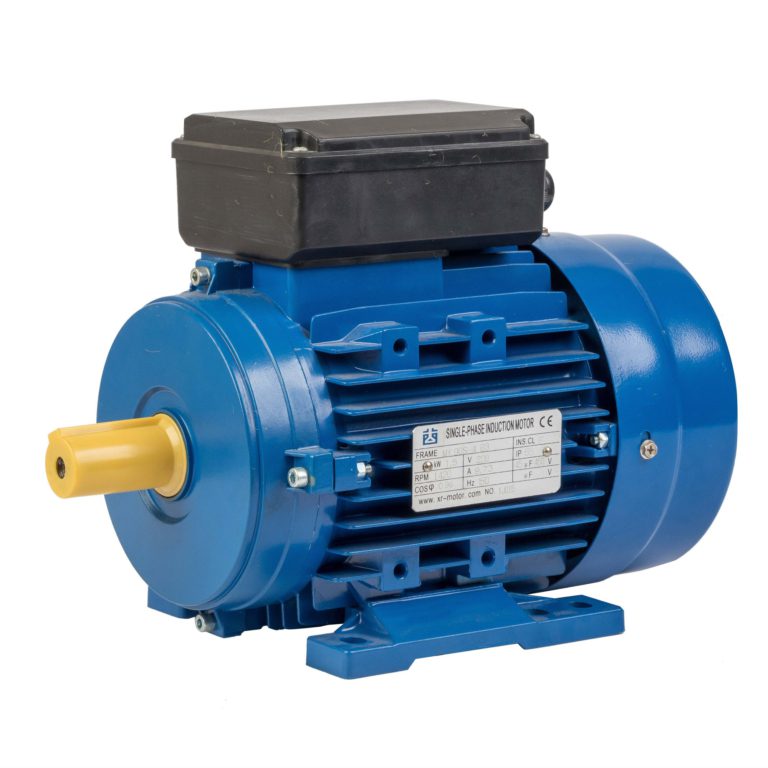
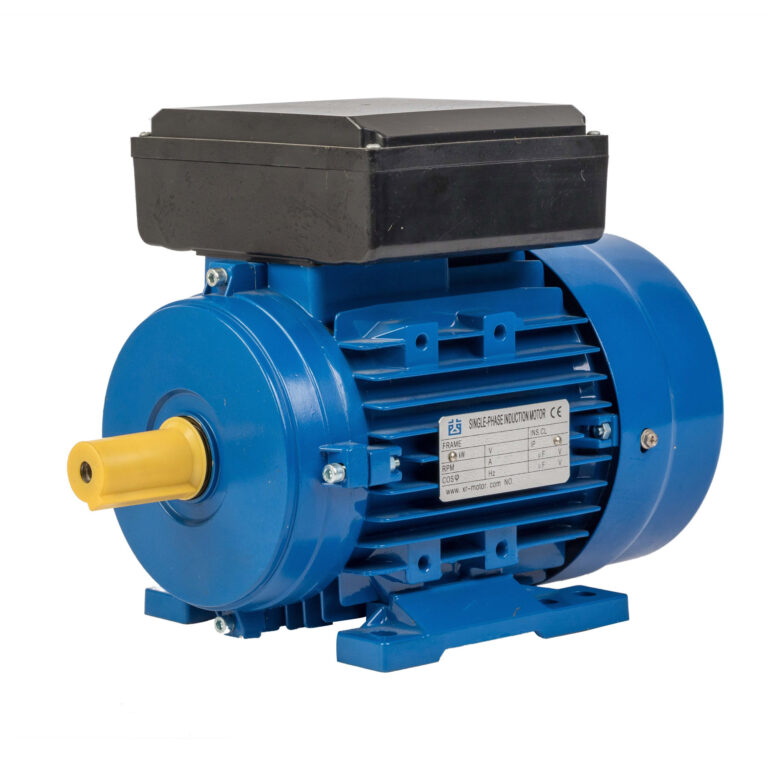
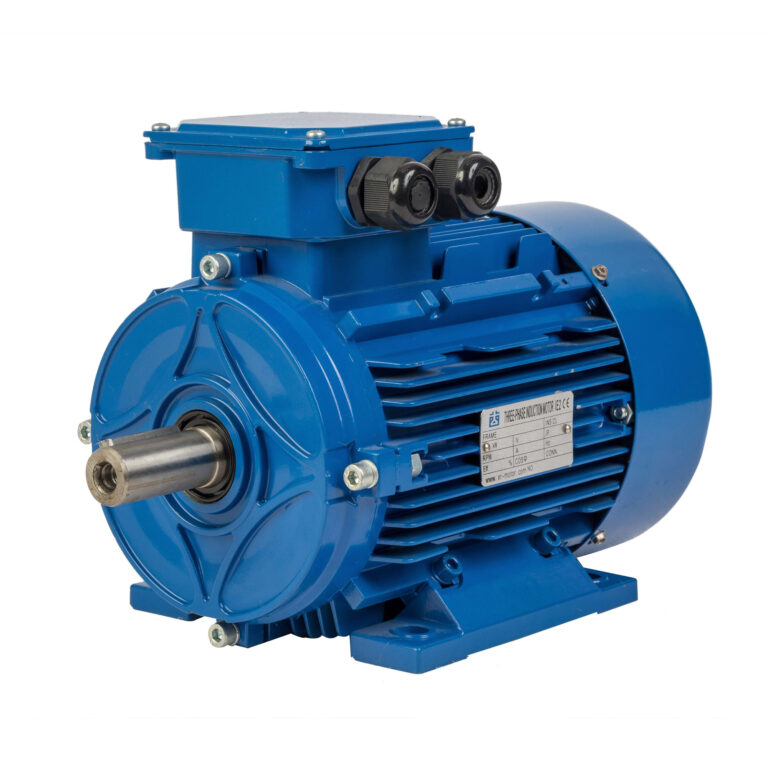
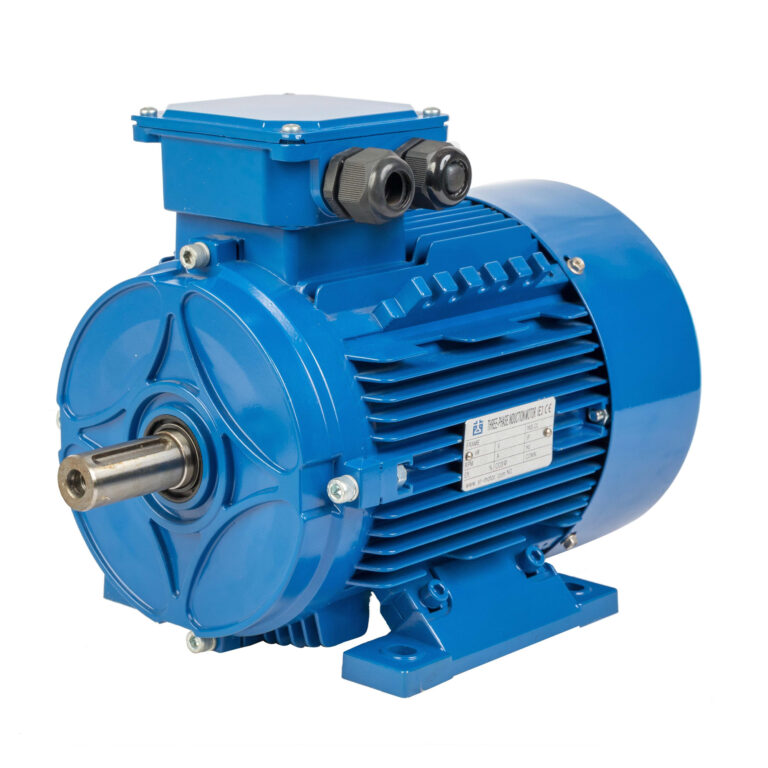
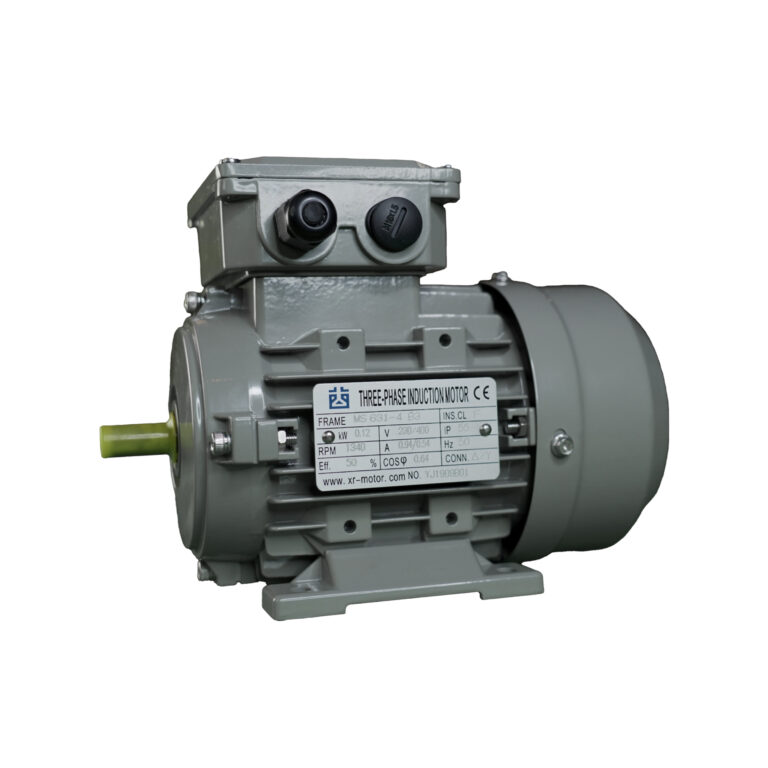
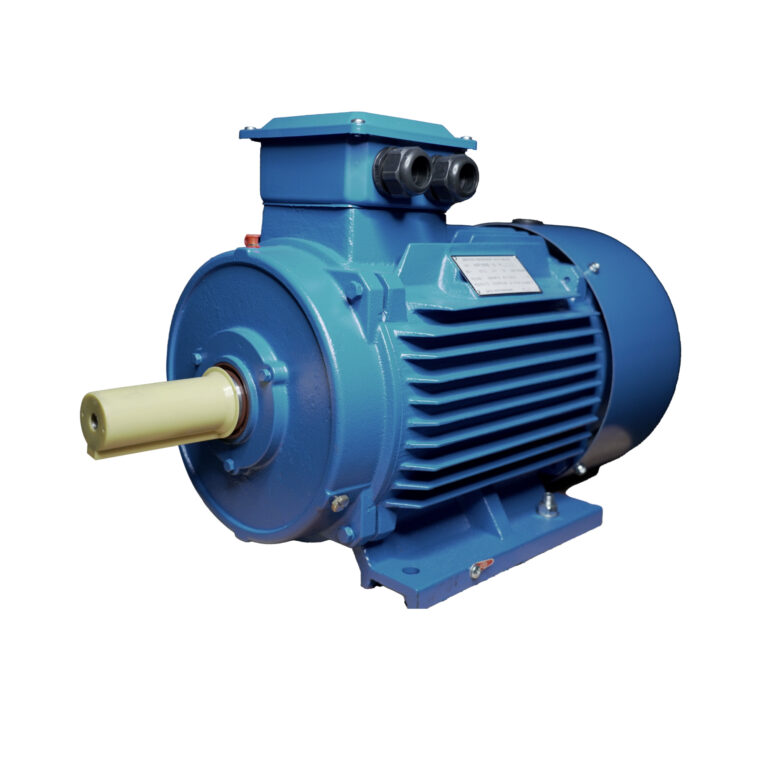
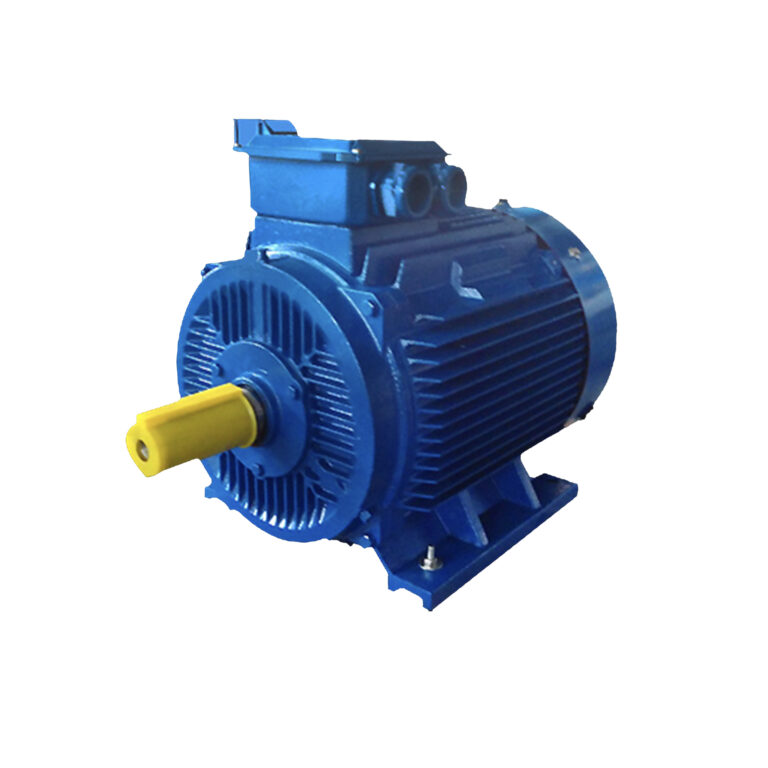
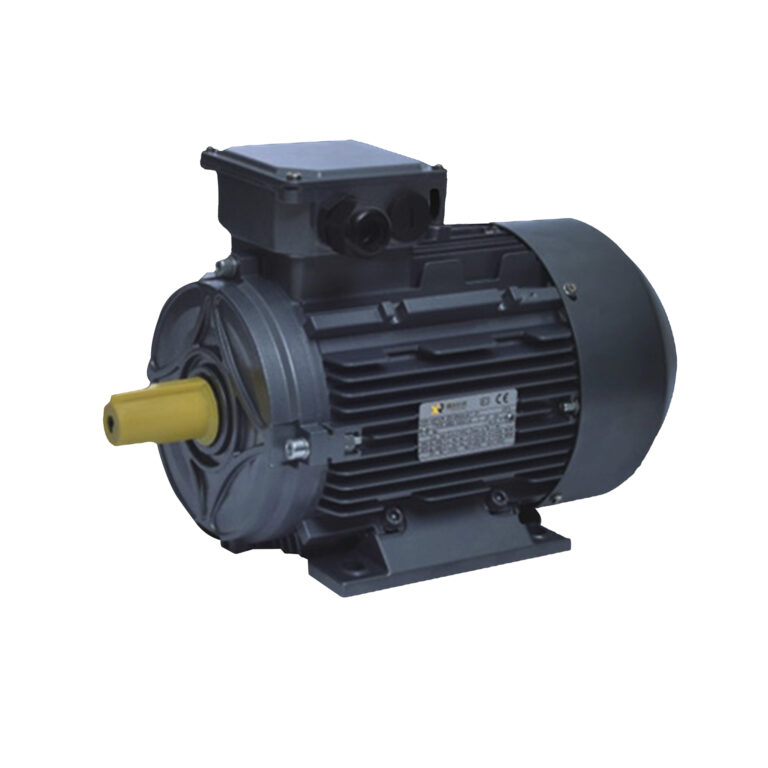
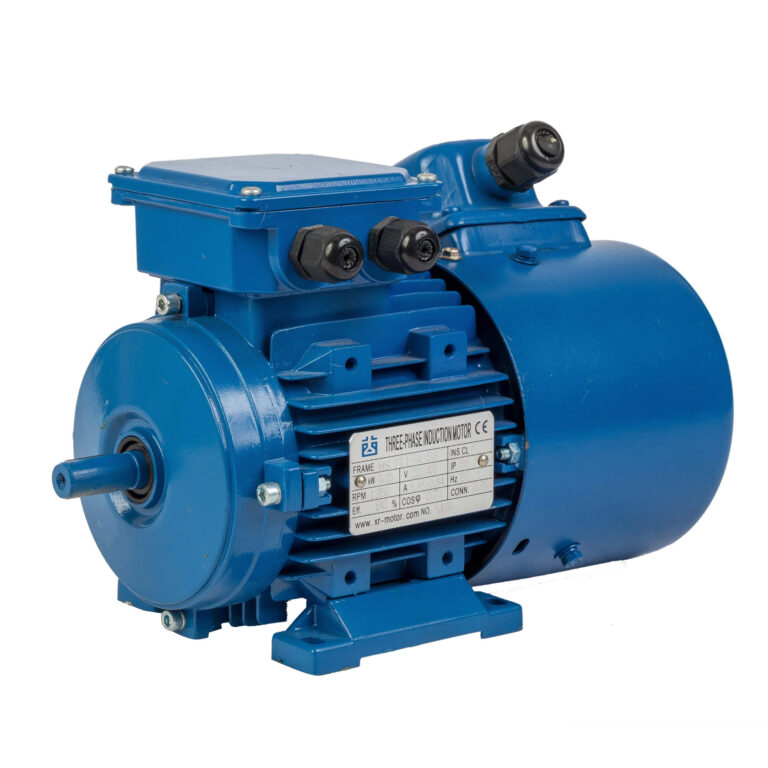
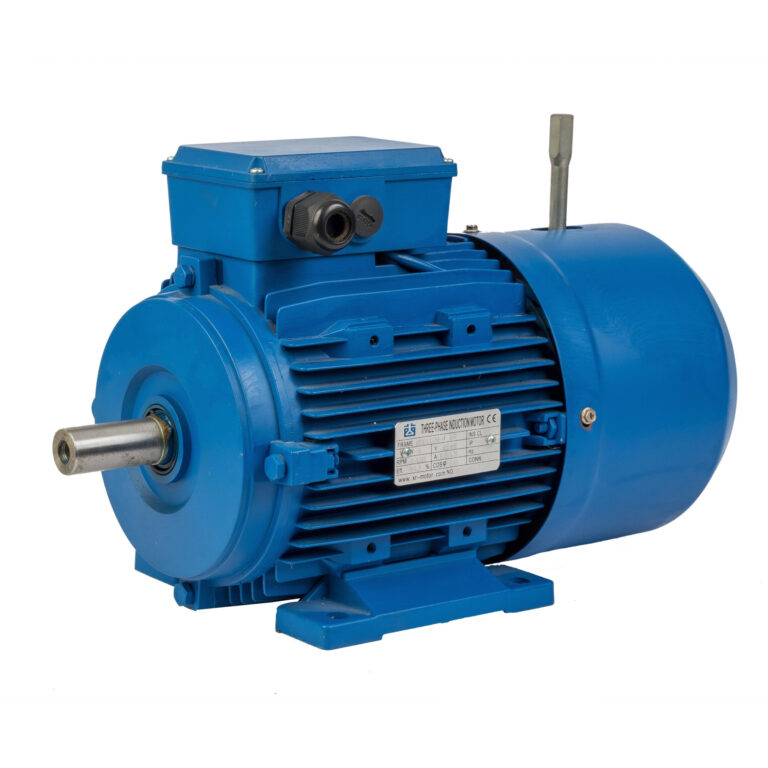
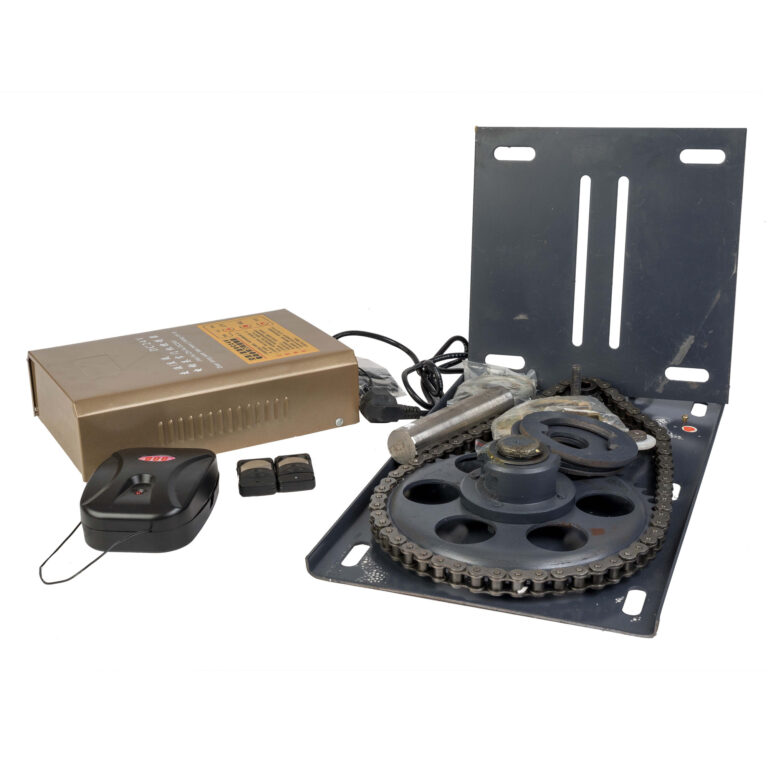
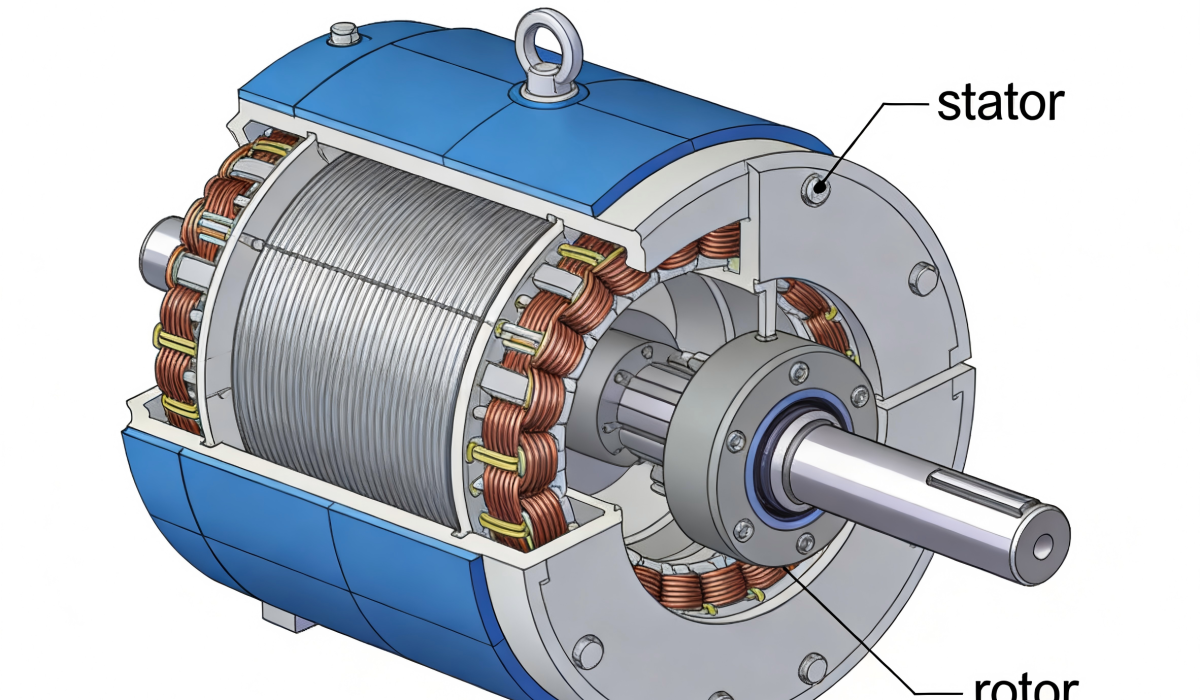
An electric motor is a system made up of several interconnected components that can convert electrical energy into mechanical energy, or sometimes convert mechanical energy back into electrical energy. In some cases, electrical energy can also be converted into another form of electrical energy.
Today, motors are used in a huge number of electronic systems. From household appliances like washing machines, to medical implants and industrial robots, motors are everywhere in modern technology. In fact, motors consume a large portion of the electricity that is generated and transmitted through global power infrastructure. Recently, there is also growing interest in electric vehicle (EV) motors, which are becoming more important in transportation.
Types of Motors
Motors can generally be divided into two categories, depending on whether a part of the motor moves or not.
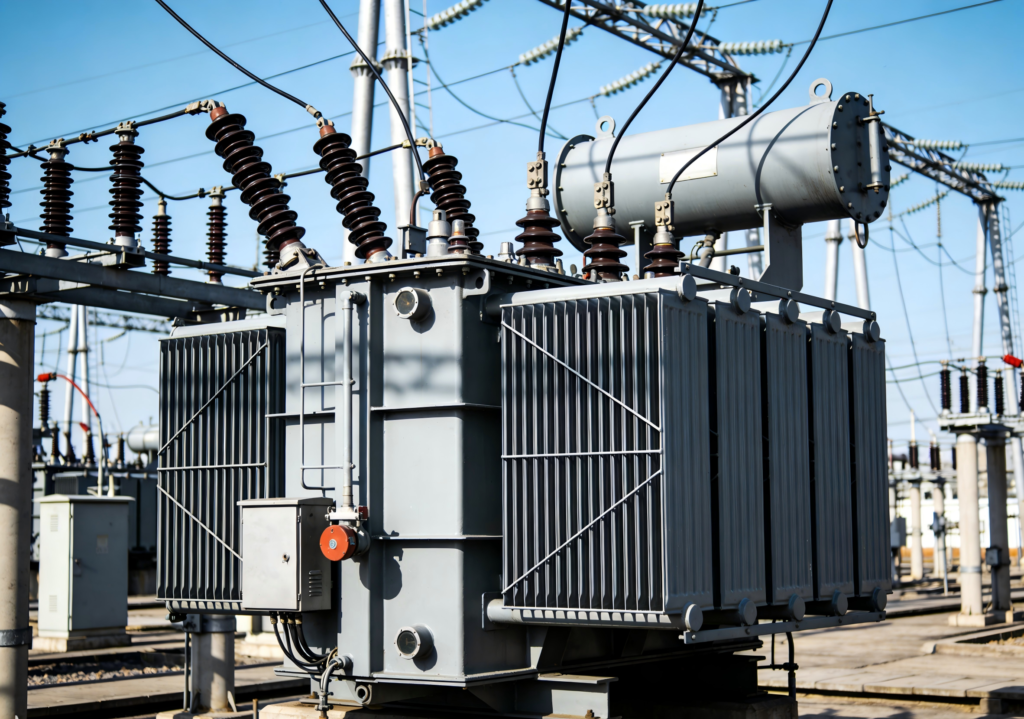
The first type is the stationary motor, which has two fixed armatures and no moving parts. A transformer is a typical example of this kind of motor.
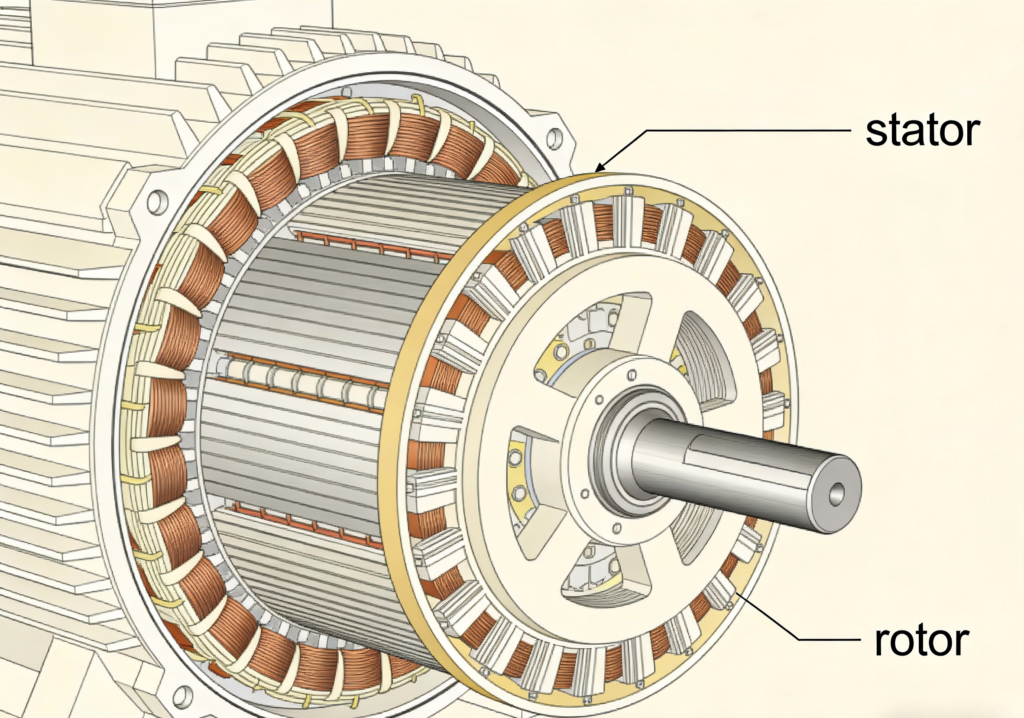
The second type is rotary or linear motors, such as generators and electric motors. These machines always have a moving part that operates through rotation or linear motion. Usually, these motors consist of a moving component (the rotor) and a stationary component (the stator).
Because motors are basically bidirectional energy conversion systems, in theory they can convert energy in both directions. This means the same machine may work either as a motor or as a generator, depending on how energy flows in the system.
Transformers
Transformers are normally classified as stationary motors because most transformers do not have a moving armature. They also do not need mechanical motion in order to convert energy.
Instead of converting electrical energy into mechanical motion, transformers simply change electrical energy from one voltage level to another with very small energy loss. This function makes transformers extremely important in modern power grids.
For example, electricity can be transmitted over very long distances using high-voltage transmission lines, and then transformers reduce the voltage to a safer level before it reaches homes or businesses.
There are two main types of transformers:
Step-up transformers increase voltage. They are commonly used in power plants to raise voltage for long-distance electricity transmission. In these transformers, the secondary winding has more turns than the primary winding, which increases the voltage.
Step-down transformers reduce voltage. They are used in power distribution systems to supply electricity to homes and commercial buildings. In this case, the secondary winding has fewer turns than the primary winding.
Without transformers, high-voltage electricity would be too dangerous for normal electrical devices, so they play a critical role in power infrastructure.
Generators
In rotating electrical machines, the electromagnetic fields of the stator and rotor interact with each other. This interaction can happen in several different ways.
The rotor magnetic field may be produced by permanent magnets, which means it is self-excited.
It can also require a separate electrical power supply, as seen in wound synchronous machines.
Another possibility is that the rotor magnetic field is created through electromagnetic induction from the stator field. This is the principle used in induction motors.
Any rotating electrical machine can theoretically operate either as a motor or a generator. When working as a generator, the machine converts mechanical energy into electrical energy.
Generators are widely used in power generation systems. Renewable energy is one of the most important applications today, including wind turbines and hydroelectric power plants.
Energy is usually generated through rotational motion. Although linear motion is also possible, it often limits the size and performance of the device. Rotational motion allows the mechanical components to rotate continuously without these limitations.
Generators require external mechanical energy input to operate. This energy can come from different sources such as crankshafts, wind, flowing water, fuel combustion, or steam produced by nuclear reactors.
These forces drive a prime mover, such as a turbine or fan, which rotates inside the generator and converts mechanical rotation into electrical voltage and current.
There are several types of generators. AC generators (synchronous or induction/asynchronous) produce alternating current and voltage. DC generators, on the other hand, produce direct current and voltage.
In synchronous generators, the electrical frequency is directly related to the rotational speed of the generator. Induction (asynchronous) generators do not require the rotor to rotate at exactly the same speed as the electrical grid frequency.
Electric Motors
When operating as a motor, the machine converts electrical energy into mechanical motion.
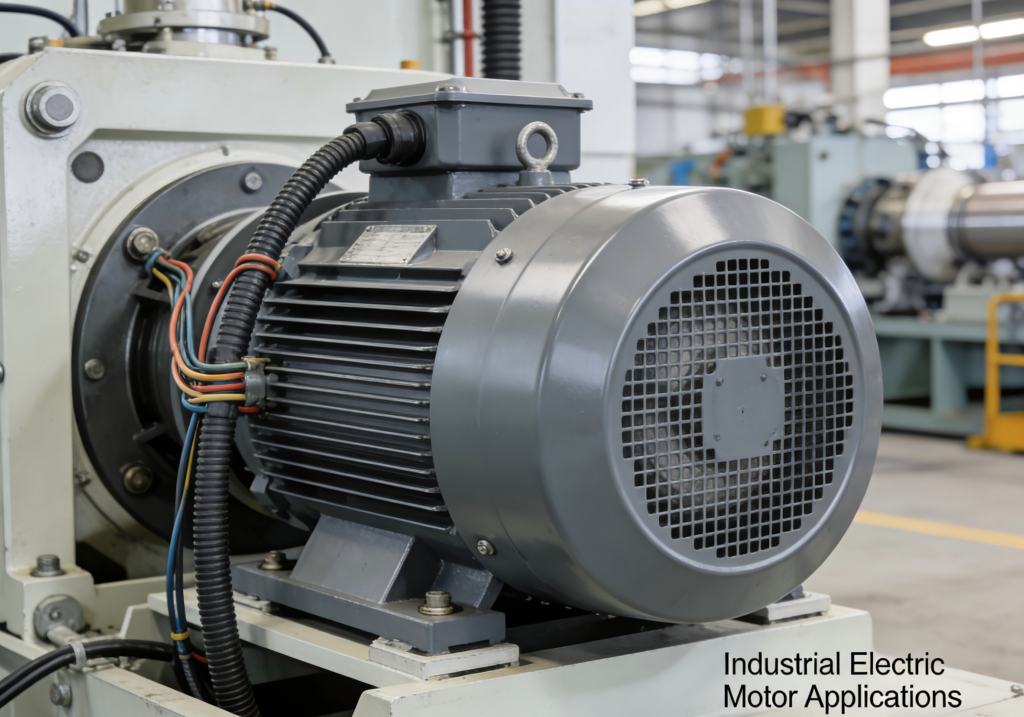
An electric motor usually consists of a shaft, bearings that support the shaft, and a housing that protects all internal components.
The torque generated by a motor comes from the electromagnetic interaction between the stator magnetic field and the rotor magnetic field.
The stator windings create a rotating magnetic field, while the rotor magnetic field can be generated in several ways:
- Permanent magnets rotating with the rotor
- Electromagnetic fields produced in rotor windings
- Induced electromagnetic fields inside the rotor
The torque produced by the motor is proportional to the physical force it generates. This force drives the connected system, such as a vehicle or industrial machine.
Motor speed is usually controlled by an inverter, which adjusts the frequency of the power supplied to the motor. By changing the frequency, the inverter can regulate the speed and ensure the motor runs efficiently.
Electric motors are used in many industries and applications, including:
- Industrial machinery
- Vehicles
- Household appliances
- Pumps
- Fans
- Robots
- Fitness equipment
- Drones
- Power tools
Advantages of Electric Motors
Electric motors have several important advantages compared with other energy conversion systems.
First, they are much more efficient than internal combustion engines (ICE). Electric vehicle motors can achieve efficiencies of 90–95%, while internal combustion engines typically operate at only 20–30% efficiency.
Second, EV motors have fewer moving parts than combustion engines, which often leads to longer service life and lower maintenance.
Another advantage is that electric motors are considered zero-emission technologies, especially when powered by renewable energy sources.
Finally, motors support bidirectional energy conversion, meaning they can operate as both motors and generators.
Limitations of Electric Motors
Despite these advantages, electric motors also have some limitations.
One limitation is the power supply requirement. For example, electric vehicles depend heavily on battery capacity and charging infrastructure. Gasoline has a much higher energy density than current battery technologies, which means internal combustion vehicles can tolerate large efficiency losses and still remain commercially viable.
Another issue is that electric motors generate electromagnetic fields. Long-term exposure to strong electromagnetic fields may have biological effects, although this is still an area of research.
Electromagnetic fields from nearby electrical equipment can also interfere with each other, especially if they operate at similar frequencies. This phenomenon is known as electromagnetic interference (EMI).
Finally, electrical machines can sometimes experience short-circuit faults, which may cause overheating or even fires if protection systems fail.