


- Home
- Product
- GOST standard motor
- IEC standard motor
 MC Series single phase capacitor start asynchronous motor
- MY MYT series single phase capacitor running asynchronous motor
- ML Series single phase dual-capacitor asynchronous motor
- ME2 series three phase high efficiency aluminum housing motor(IE2)
- ME3 series three phase high efficiency aluminum housing motor(IE3)
- MS series three-phase aluminum housing motor (IE1)
- Y2 series three phase cast iron motor (IE1)
- YE2 series three phase high efficiency cast iron motor (IE2)
- YE3 series three phase high efficiency cast iron motor (IE3)
- Special application motor
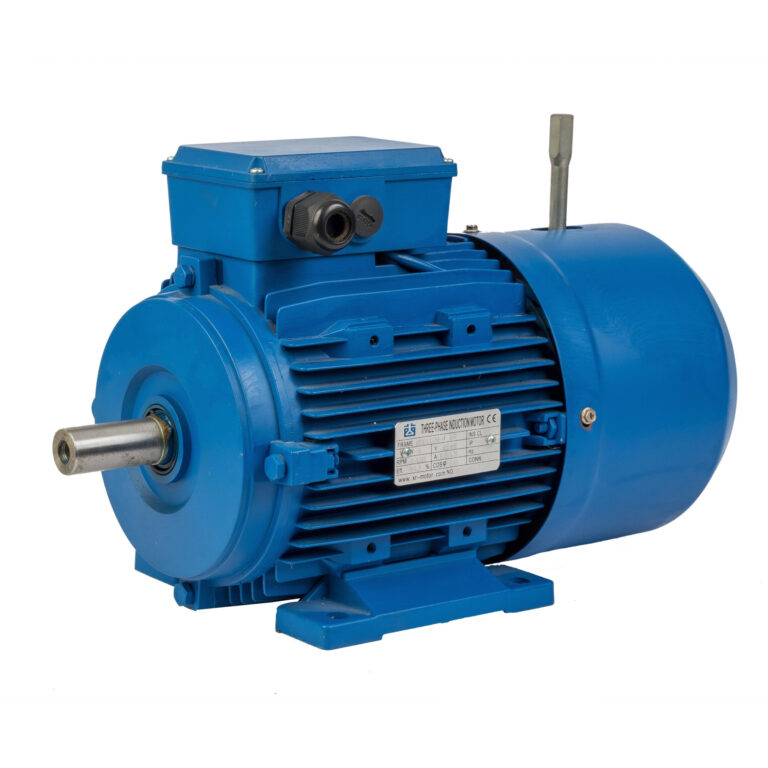
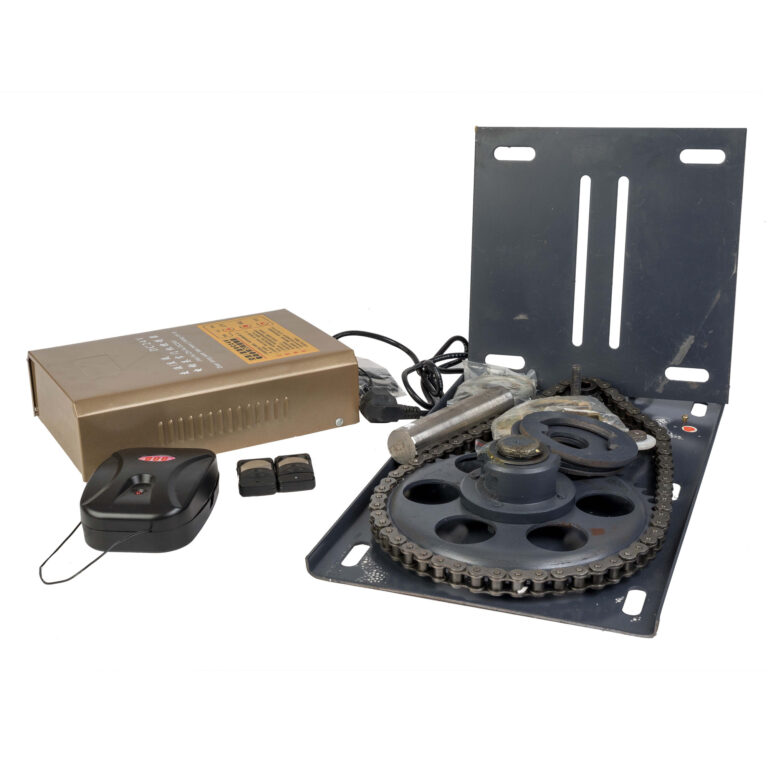
- Rolling door motor
- Industry application
- News
- About us
- Contact us
- Certifications
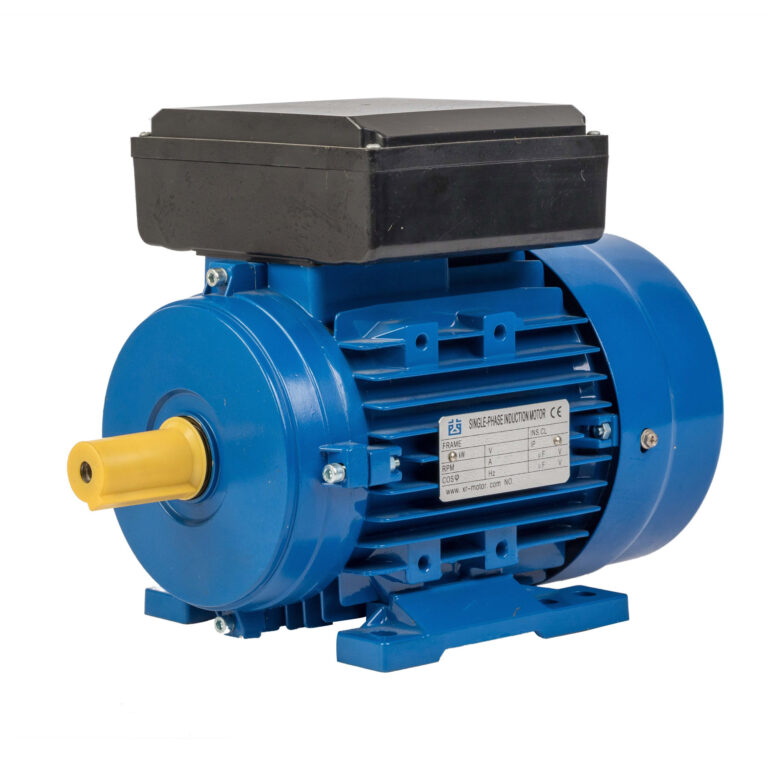
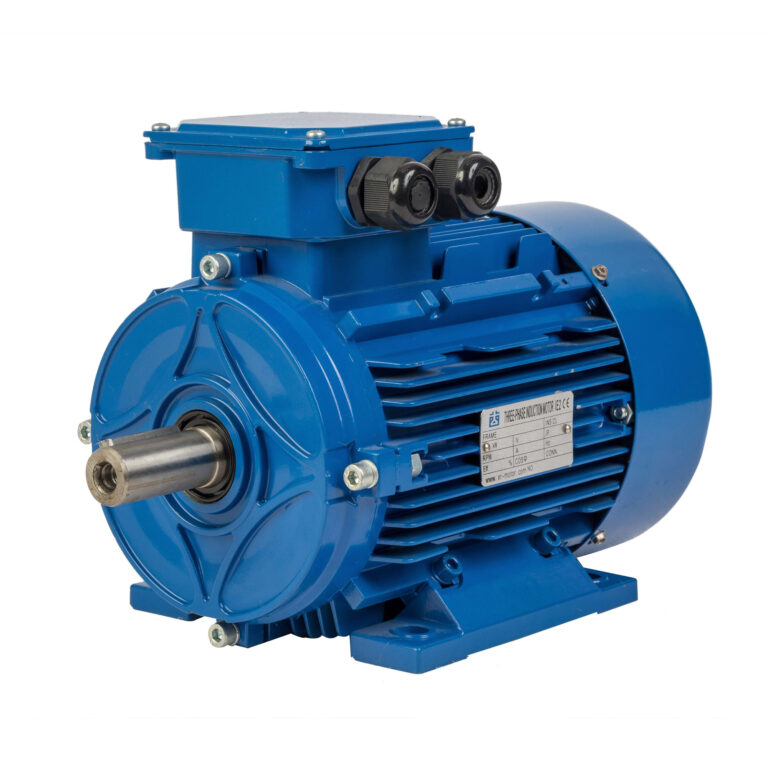
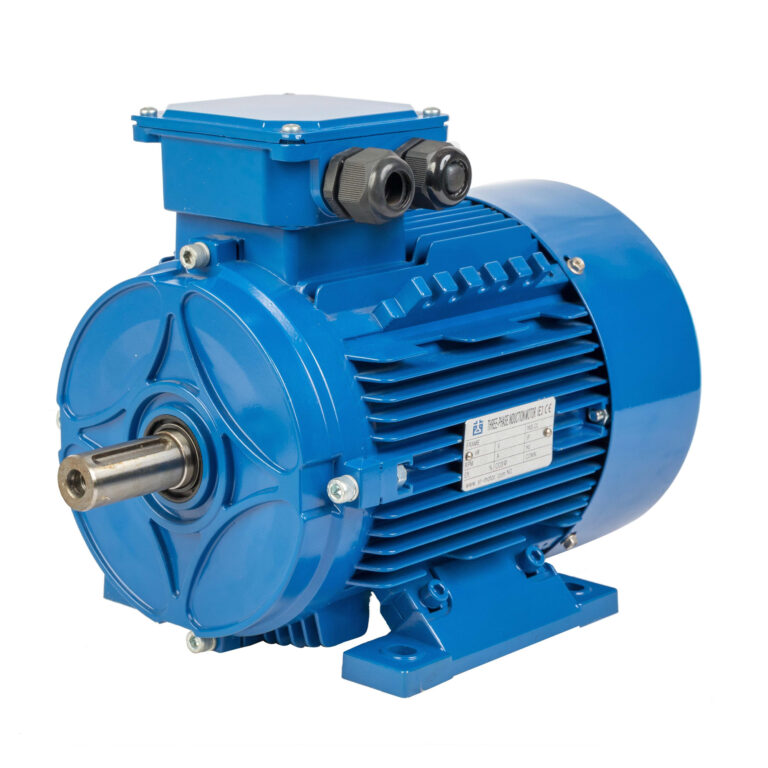
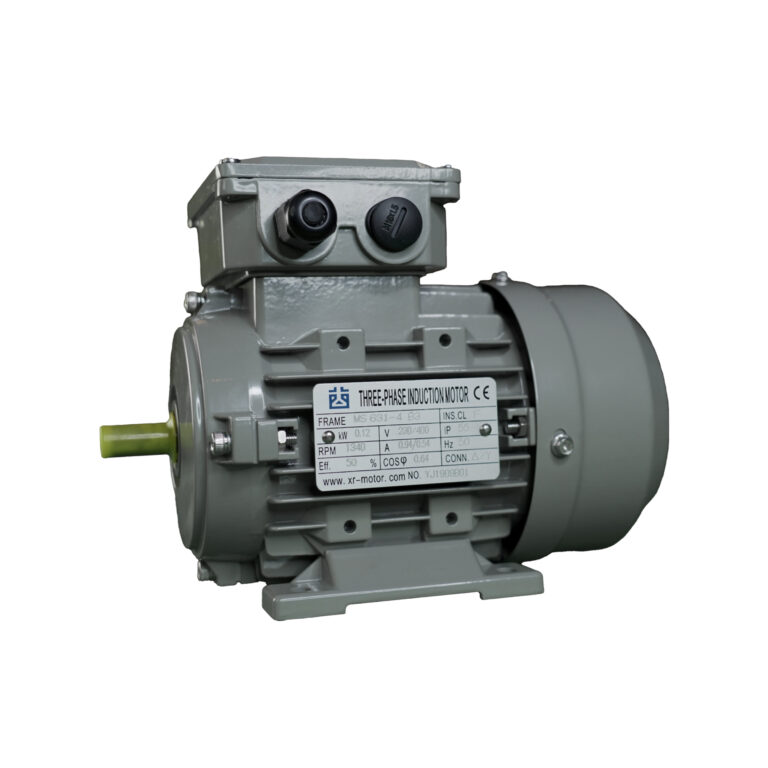
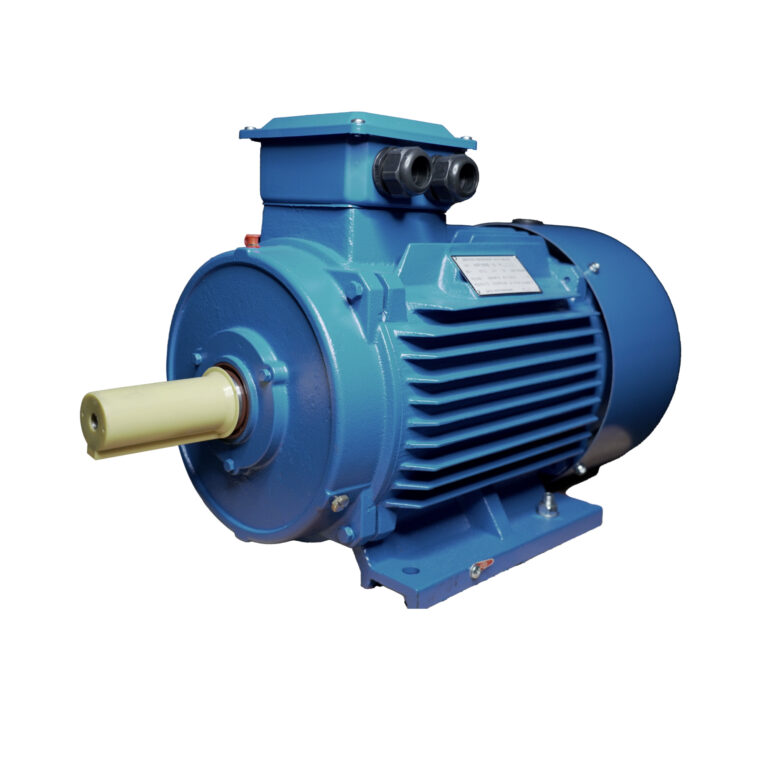
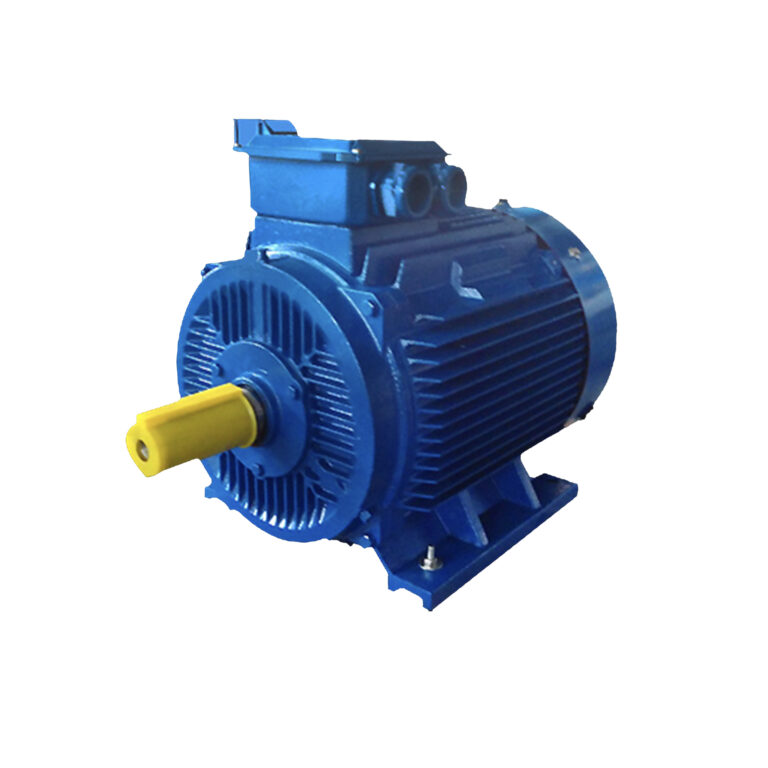
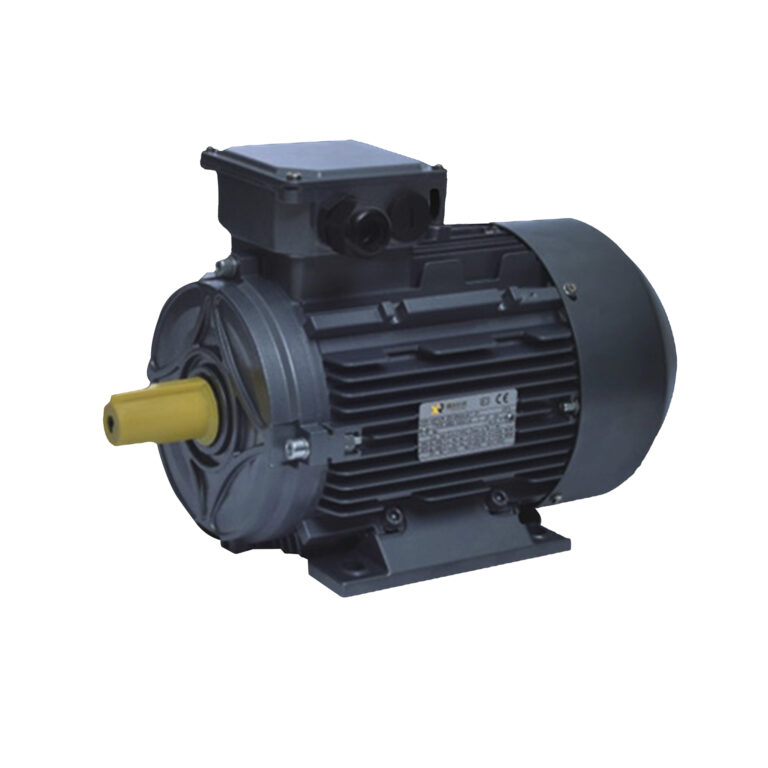
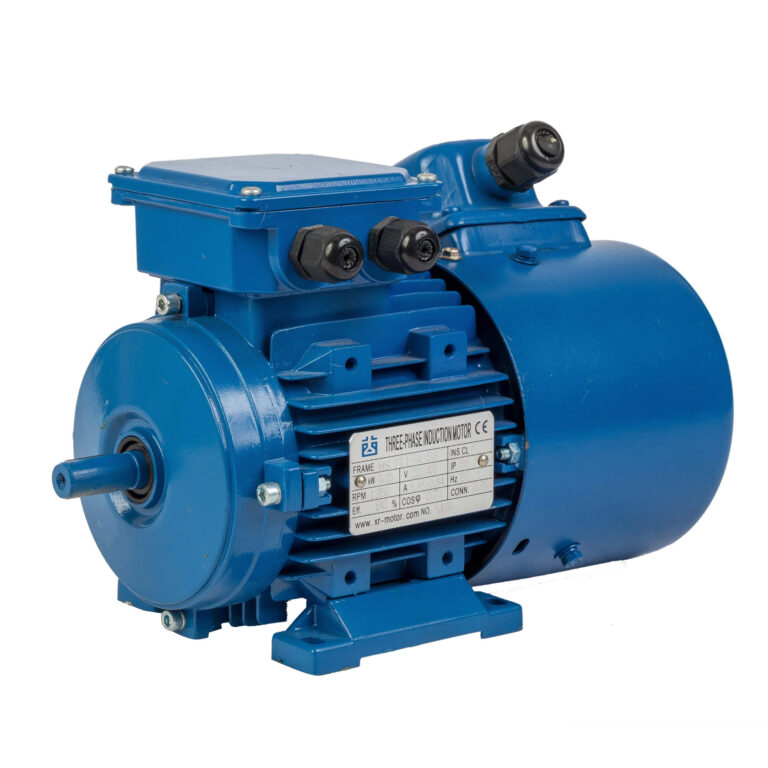
Why Squirrel Cage Motors Are Widely Used in Pumps, Fans and Compressors
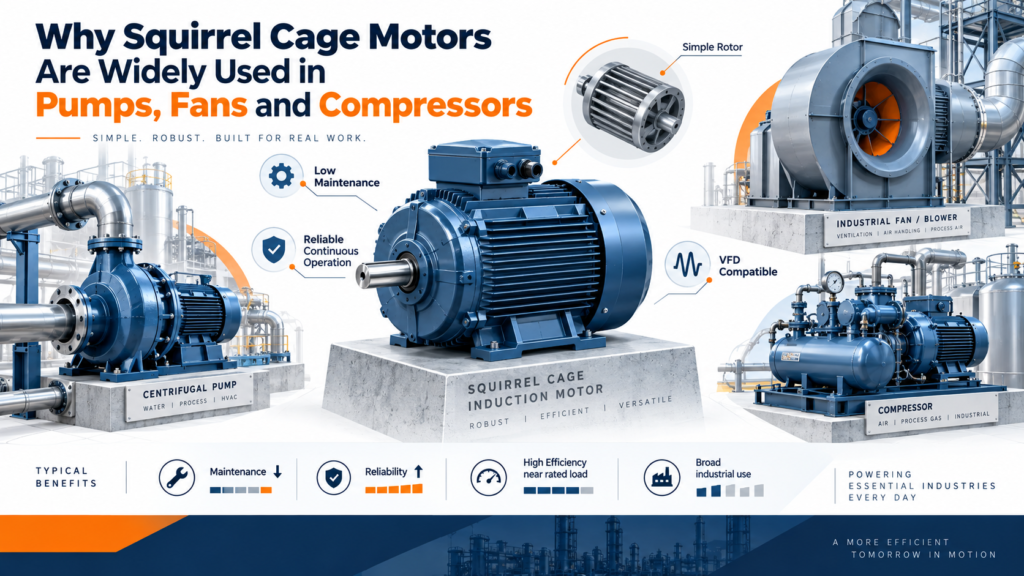
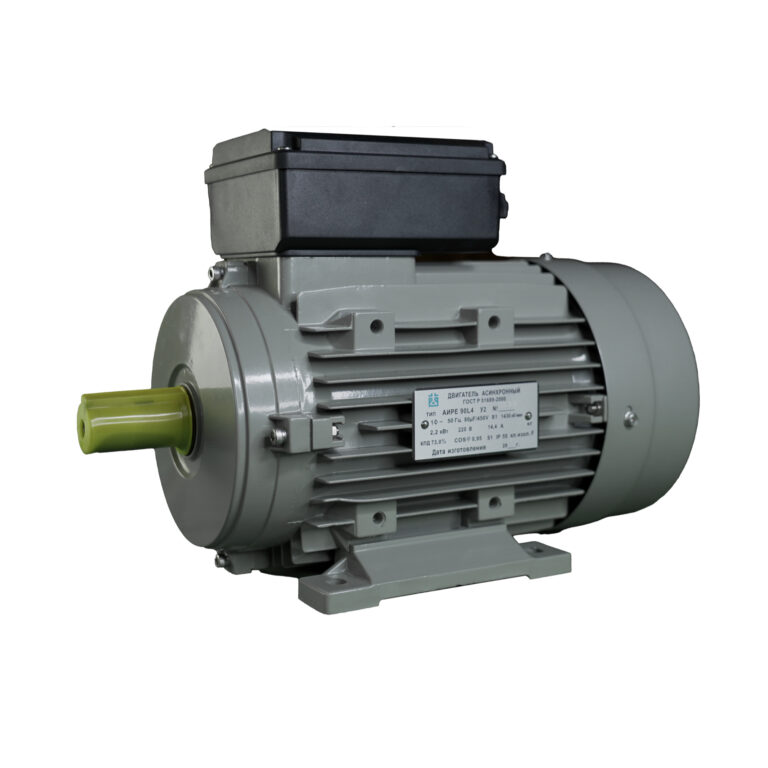
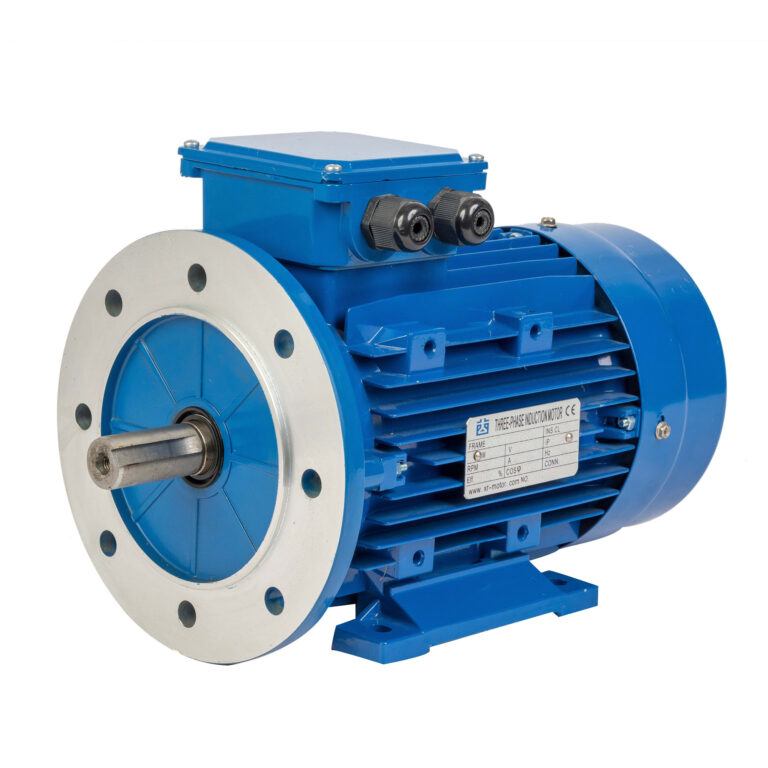
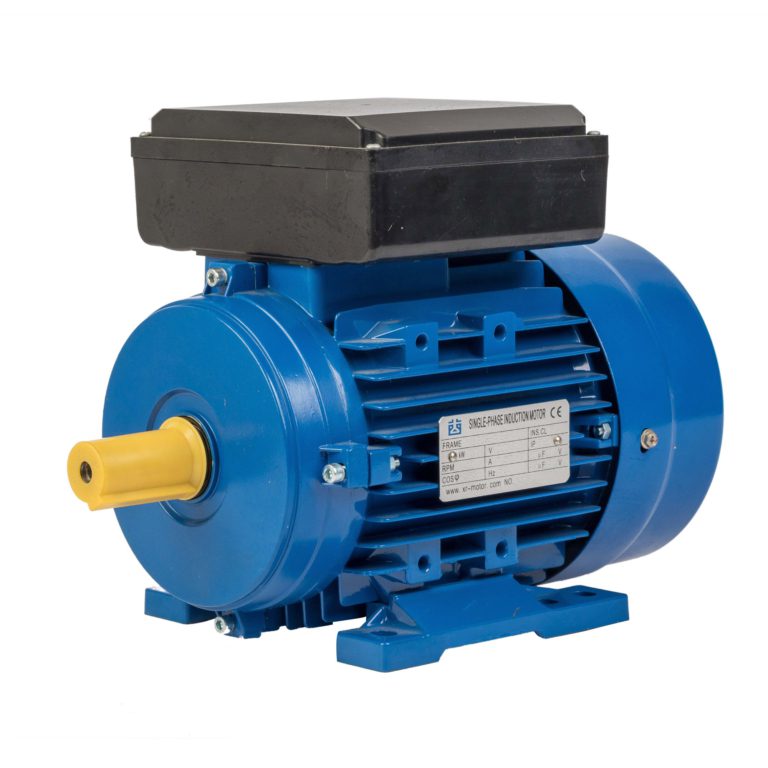
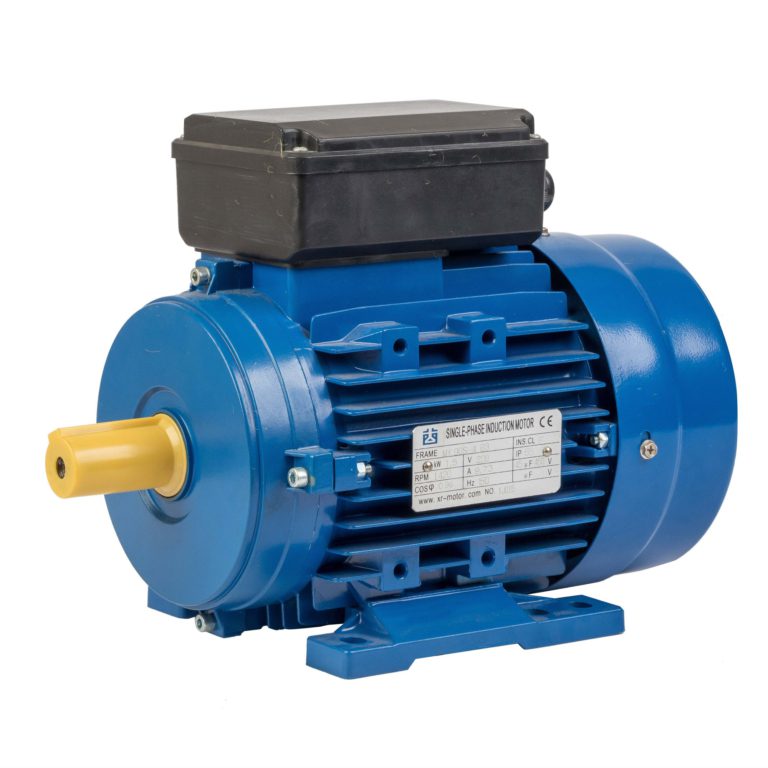
Squirrel cage motors are commonly used in pumps, fans, blowers, and compressors. These machines often run for long hours and need stable, dependable rotary power. The motor’s simple rotor design offers a practical combination of reliability, efficiency, low maintenance, and reasonable cost.
DAYOU MOTOR supplies standard and customized cage motors for pumping systems, ventilation equipment, compressors, and OEM machinery.
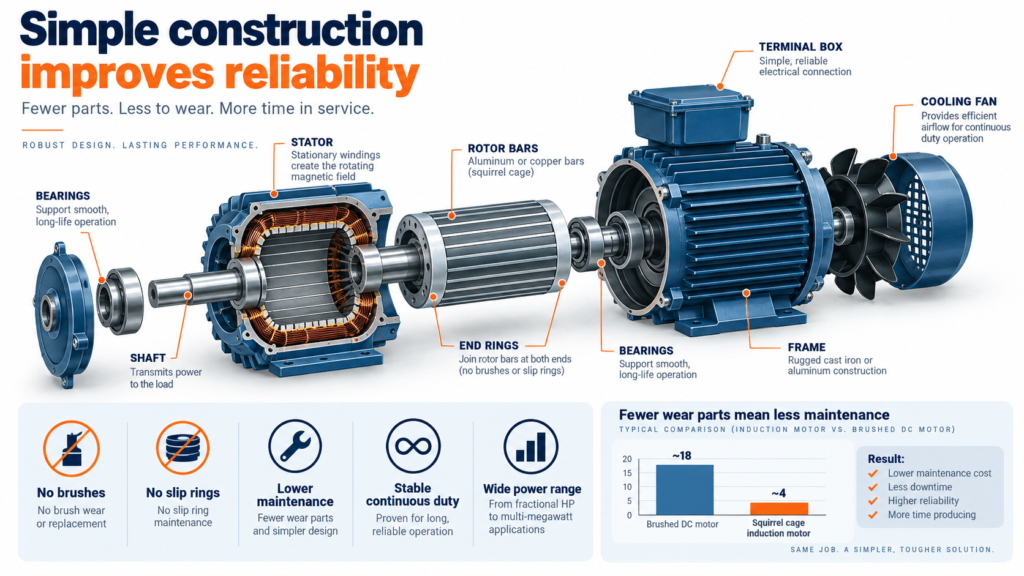
Simple construction improves reliability
The rotor consists of aluminum or copper bars joined by end rings. Since it has no brushes, slip rings, or commutator, there are fewer parts subject to wear and fewer electrical contact points that may cause problems.
For many squirrel cage motor applications, this design provides:
- Low routine maintenance
- Reliable continuous operation
- Strong mechanical construction
- A wide range of power and speeds
- Competitive purchase cost
- Good efficiency near rated load
- Compatibility with several starting methods
- Easy integration with VFDs
Routine maintenance usually involves bearings, lubrication, cooling, alignment, vibration, and insulation checks. This makes the motor a practical choice for water stations, HVAC systems, factories, and installations where maintenance access is limited.
Pumps benefit from reliable continuous operation
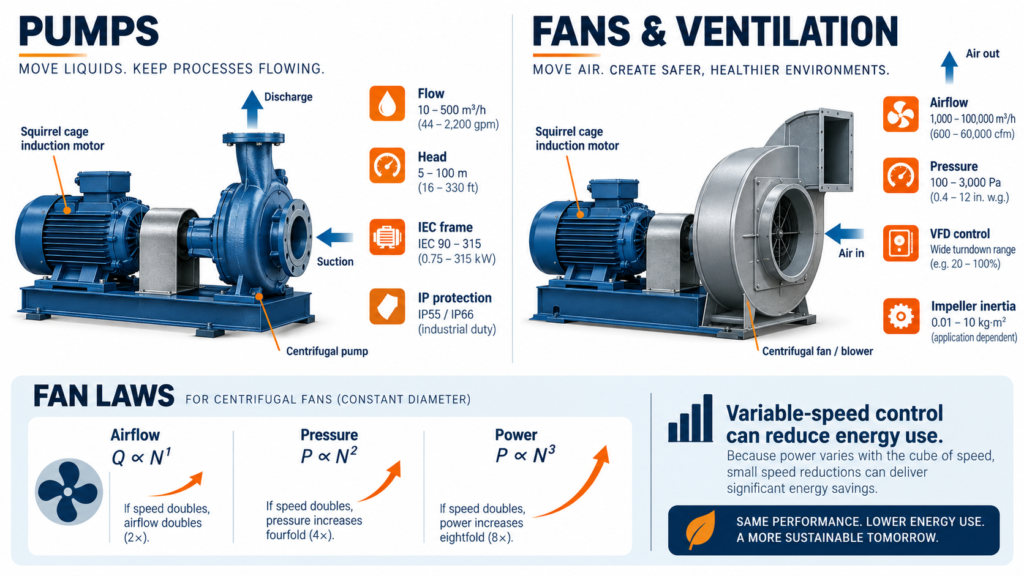
Centrifugal pumps are among the most common squirrel cage motor applications. Water pumps, circulation pumps, irrigation systems, booster sets, and industrial process pumps may operate for many hours at a time and require stable speed.
Motor selection should be based on the pump’s absorbed shaft-power curve, not only on pipe diameter or nominal flow. Key factors include:
- Required flow and head
- Maximum pump shaft power
- Fluid density and viscosity
- Direct or coupling transmission
- Operating point and load variation
- Starts per hour
- Ambient temperature
- Required IP protection
A squirrel cage motor for European pump OEMs should match the required IEC frame, shaft dimensions, mounting arrangement, voltage, frequency, efficiency level, and documentation.
An IE3 motor for Middle East water pumping systems may also need high-temperature derating, protection against dust and moisture, corrosion-resistant finishing, and checks for local voltage conditions.
Fans work well with variable-speed control
Ventilation is another common area for squirrel cage motor applications. Fans generally need smooth acceleration, stable operation, and adjustable airflow.
For centrifugal fans operating under similar system conditions, the affinity laws give a useful approximation:
- Airflow changes in proportion to speed
- Pressure changes approximately with the square of speed
- Required power changes approximately with the cube of speed
This means that even a moderate reduction in speed can significantly reduce power consumption. A VFD is often more efficient than using dampers alone to control airflow, although actual savings depend on the system curve, fan efficiency, and operating schedule.
A VFD motor for Southeast Asian ventilation projects may need additional protection against humidity, condensation, high ambient temperatures, and continuous low-speed operation.
Fan selection should also take into account impeller inertia, maximum safe speed, acceleration time, bearing loads, vibration, and the complete airflow-pressure curve.
Compressors need closer starting evaluation
Compressor squirrel cage motor applications require more detailed evaluation because the load characteristics differ between compressor types.
Screw compressors
They require attention to continuous torque, loading sequence, VFD operating range, and cooling.
Reciprocating compressors
They may involve pulsating torque, high inertia, and unloaded starting requirements.
Centrifugal compressors
They require evaluation of large power demand, acceleration, speed control, and surge limits.
Scroll compressors
Starting frequency, thermal protection, and stable operation are important considerations.
Process gas compressors
These may require hazardous-area certification, suitable sealing, specific duty ratings, and enhanced environmental protection.
An induction motor for African compressor stations may need to operate in high ambient temperatures, dusty conditions, unstable power supplies, difficult starting conditions, and locations with limited maintenance access.
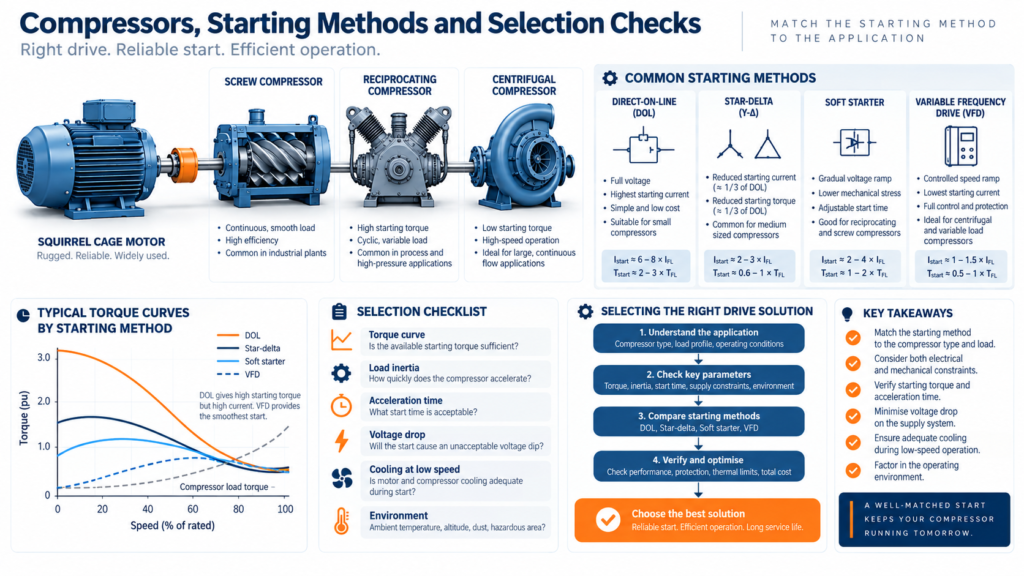
Large compressors are not always suitable for direct-on-line starting. Depending on the load and available power supply, the system may require:
- Star-delta starting
- Soft starting
- VFD control
- Autotransformer starting
- Unloaded starting
- A specialized high-starting-torque motor
The motor torque curve, compressor torque requirement, load inertia, acceleration time, and permitted voltage drop should be evaluated together.
Starting methods should match the driven equipment
Direct-on-line starting is simple and provides the motor’s full available starting torque, but it also creates high inrush current. It is normally used when the motor size and electrical supply can handle the starting demand.
Star-delta starting reduces starting current, but it also reduces starting torque. It is suitable only when the motor winding is designed to run in delta at the line voltage and the equipment can accelerate with the lower torque.
A soft starter provides gradual acceleration and helps reduce mechanical shock. However, it does not normally provide continuous speed control.
A VFD controls both voltage and frequency, allowing smooth acceleration and adjustable speed. It is often useful for pumps, fans, and variable-demand compressors, but the full speed range must remain within the limits of both the motor and the driven machine.
VFD operation requires additional checks
Variable-frequency control can improve starting and process control, but it also introduces several points that need attention.
At low speed, a shaft-mounted fan produces less cooling airflow. Continuous low-speed operation with substantial torque may therefore require an independent cooling fan.
Long motor cables and fast switching can increase winding voltage stress. Larger motors may also need protection against bearing currents, such as insulated bearings, grounding rings, or suitable filters.
The driven equipment has its own limits. Pumps may need a minimum speed for cooling or lubrication, fans must remain below their maximum safe speed, and compressors may have lubrication, cooling, or surge restrictions.
Efficiency depends on correct loading
Cage motors can achieve high efficiency, especially when they operate close to their intended load. However, selecting a much larger motor does not automatically reduce energy consumption.
An oversized motor may run at low load for most of its service life, where efficiency and power factor can decrease. An undersized motor may overheat, trip frequently, and experience reduced insulation life.
For equipment that operates many hours each year, buyers should compare:
- Rated and part-load efficiency
- Actual operating load
- Annual running hours
- Power factor
- Motor and VFD losses
- Maintenance requirements
- Expected service life
Efficiency classes such as IE3 and IE4 should be considered together with the actual duty and destination-market requirements.
Environmental protection must cover the installation
Closed and externally ventilated motors can be configured for indoor, outdoor, dusty, or damp environments. Hazardous areas require a properly certified explosion-protected motor. A standard motor with a high IP rating is not an alternative.
Important environmental information includes:
- Ambient temperature
- Installation altitude
- Dust and moisture
- Corrosive gases or salt air
- Indoor or outdoor use
- Required IP rating
- Insulation and temperature rise
- Hazardous-area classification
Cooling air must be able to circulate around the frame. A high enclosure rating cannot make up for blocked ventilation or excessive ambient temperature.
Motor selection should follow the load curve
For reliable squirrel cage motor applications, buyers should provide the supplier with:
- Equipment type and operating curve
- Maximum required shaft power
- Starting and running torque
- Load inertia
- Voltage, frequency, and phase
- Pole number and rated speed
- Starting method
- VFD model and speed range
- Duty and starts per hour
- Mounting and shaft dimensions
- Environmental conditions
- Efficiency and certification requirements
An industrial motor supplier in China for South American equipment builders should also confirm the destination voltage, frequency, mounting standards, documentation, and local operating conditions.
A motor that matches only the rated kW may still have insufficient starting torque, unsuitable dimensions, inadequate protection, or an incorrect operating speed.
Frequently asked questions
Why are cage motors considered reliable?
Their rotors have no brushes or slip rings, so there are fewer wear components and electrical contacts that require regular service.
Are they suitable for continuous operation?
Yes, provided that the power, duty, cooling, voltage, environment, and bearing arrangement are correctly selected.
Can the same motor be used for pumps, fans, and compressors?
Possibly, but each application has different torque, inertia, starting, and operating requirements. Selection should be based on the driven machine.
Does a VFD always save energy?
No. Savings depend on the load and the control method. Variable-torque pumps and fans often offer strong energy-saving potential, while constant-torque equipment may produce different results.
Can a cage motor start a large compressor?
It can, provided that the torque curve, starter, electrical supply, unloading system, and acceleration time are suitable. Difficult starts may require a VFD, soft starter, unloading arrangement, or specialized motor design.
Reliable operation begins with correct matching
Successful squirrel cage motor applications depend on matching the motor to the load, starting method, power supply, environment, mounting arrangement, and control range. Pumps and fans often benefit from efficient VFD control, while compressors require closer attention to torque and starting conditions.
DAYOU MOTOR supplies cage motors in different power ratings, pole numbers, voltages, efficiency classes, mounting arrangements, and protection levels. Providing complete application data helps ensure reliable operation and better control of lifecycle costs.