


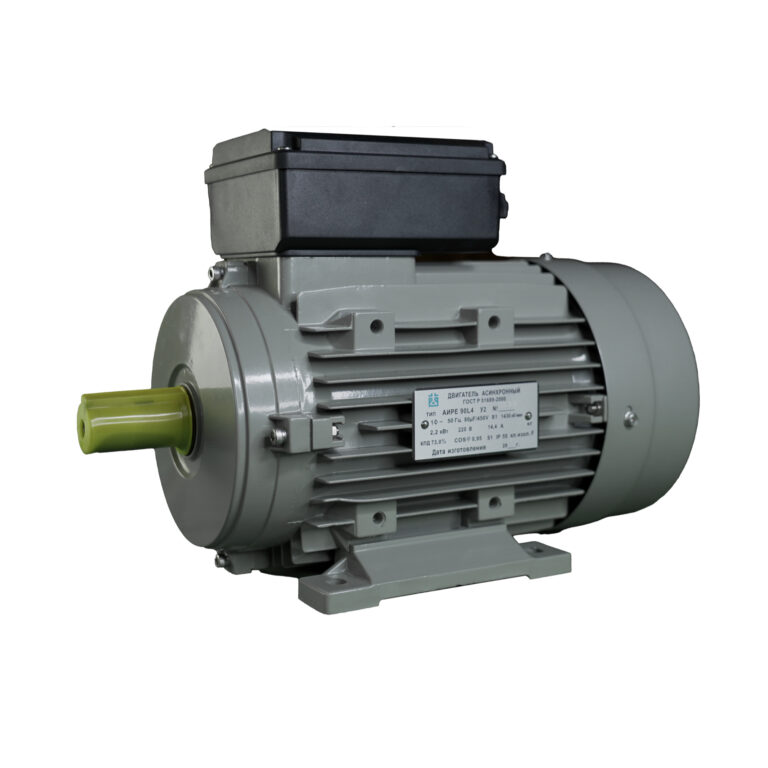
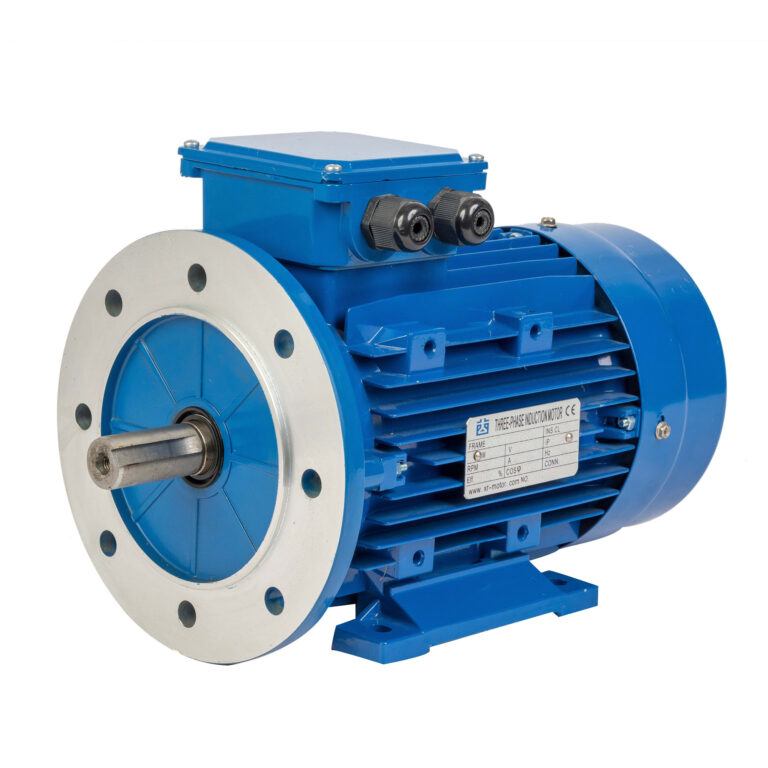
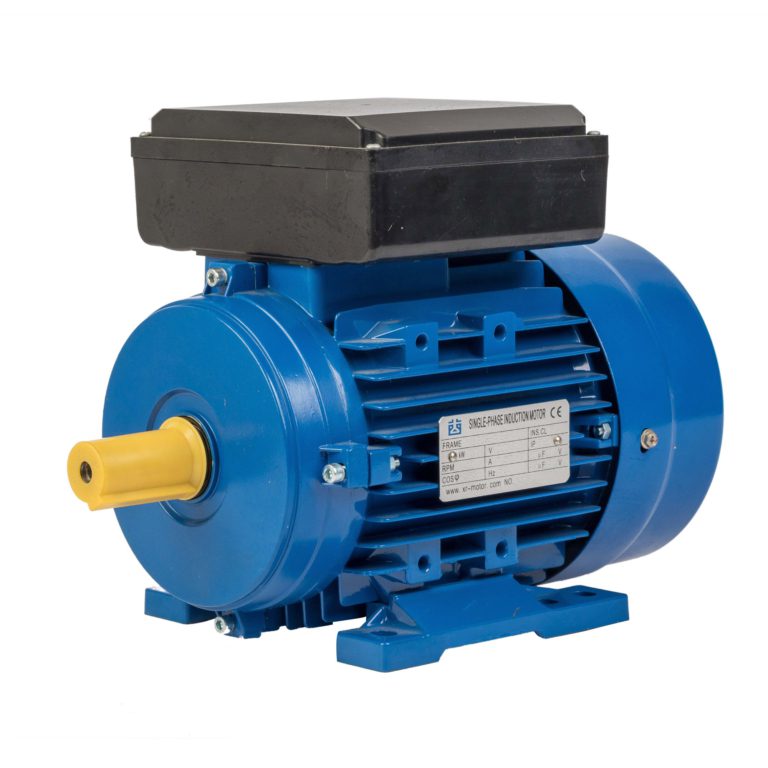
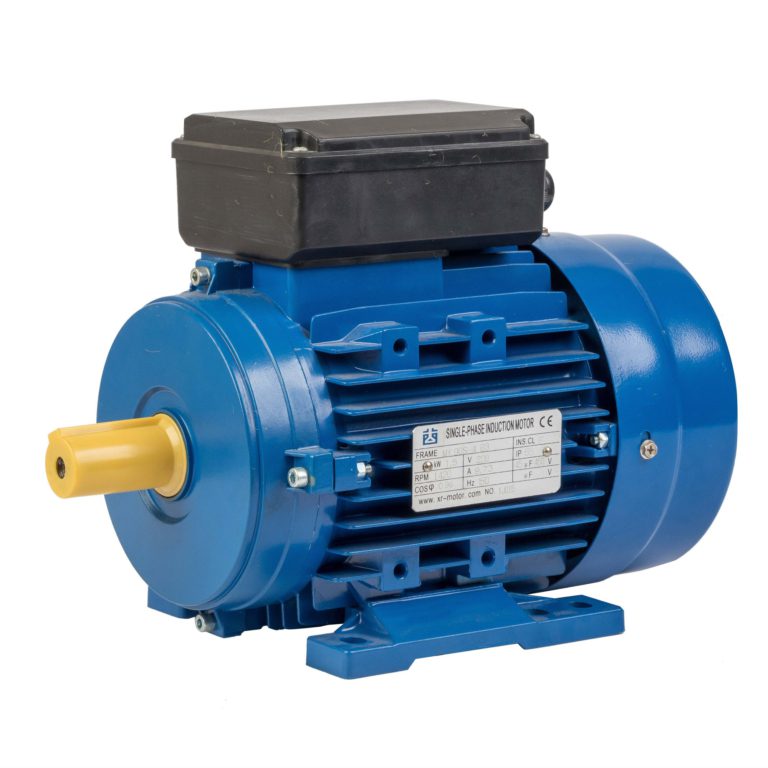
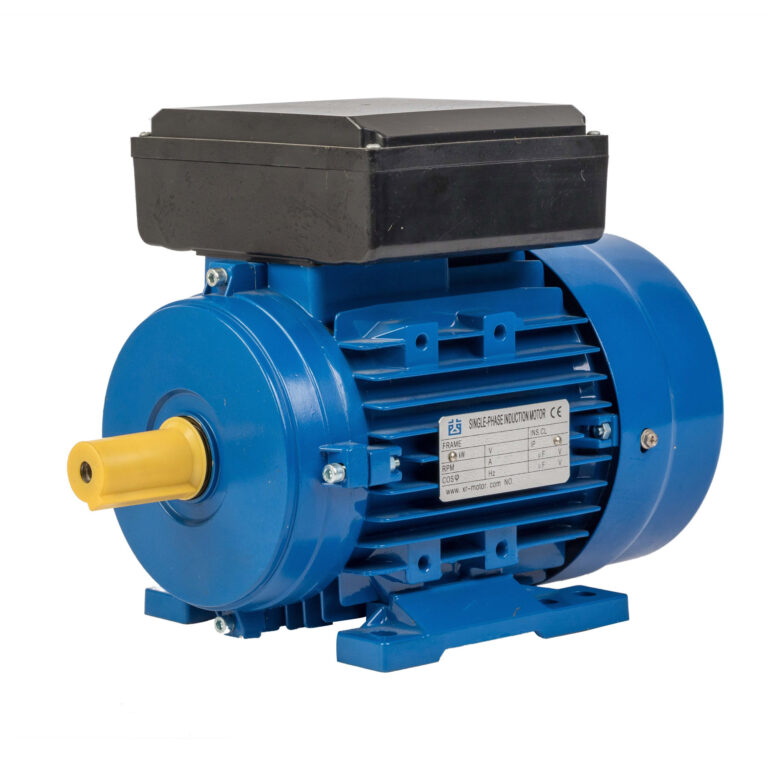
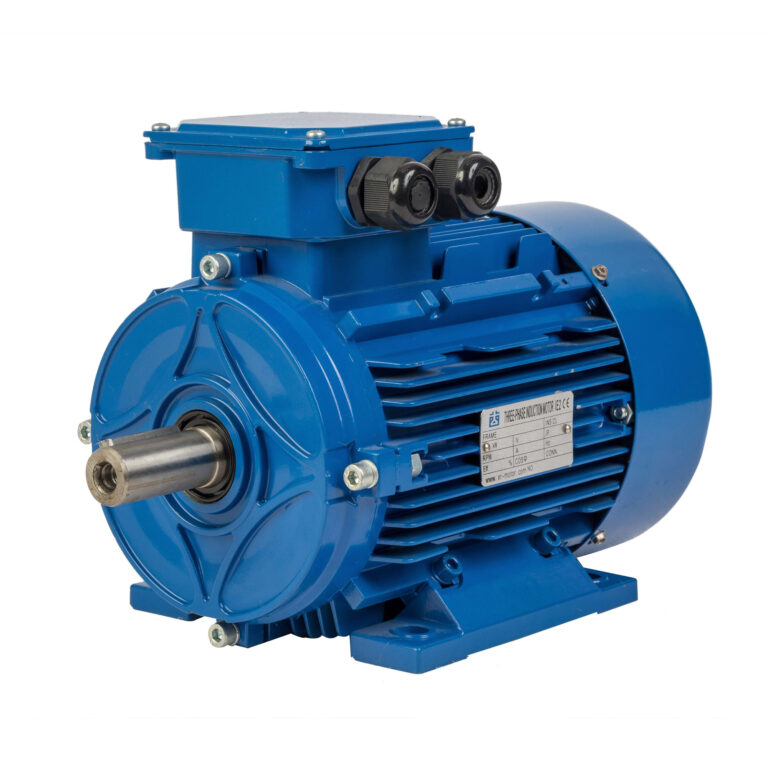
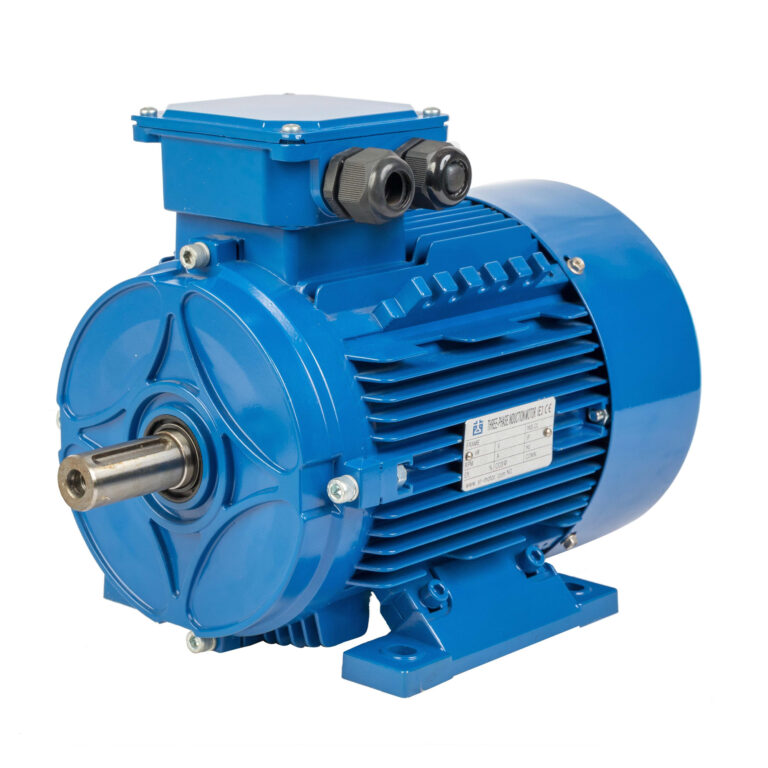
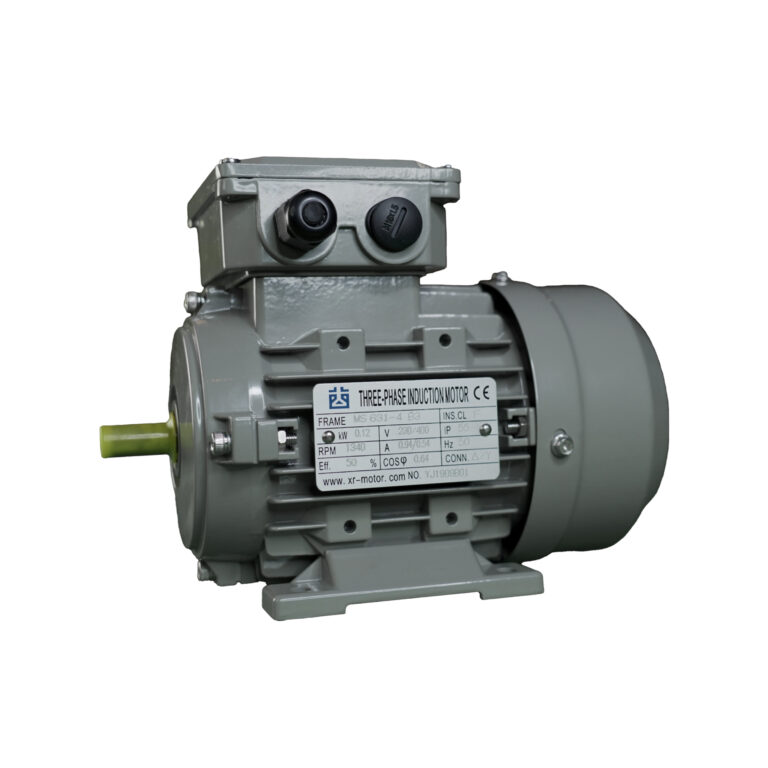
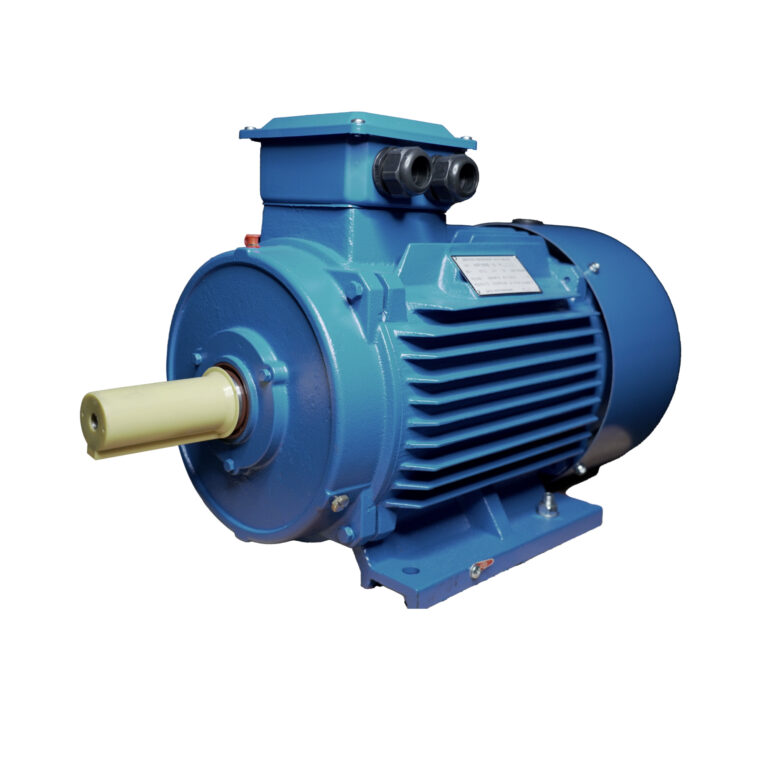
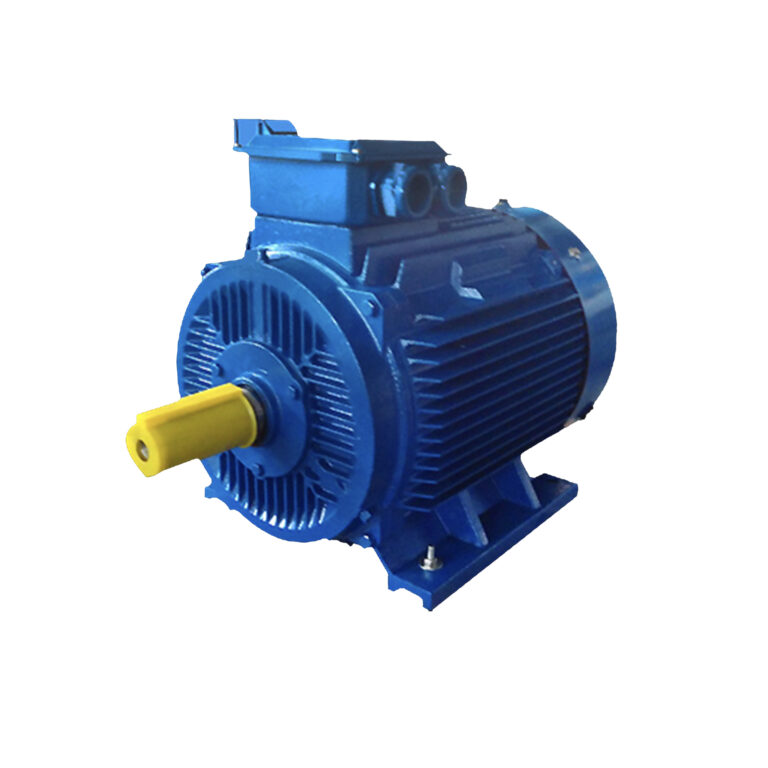
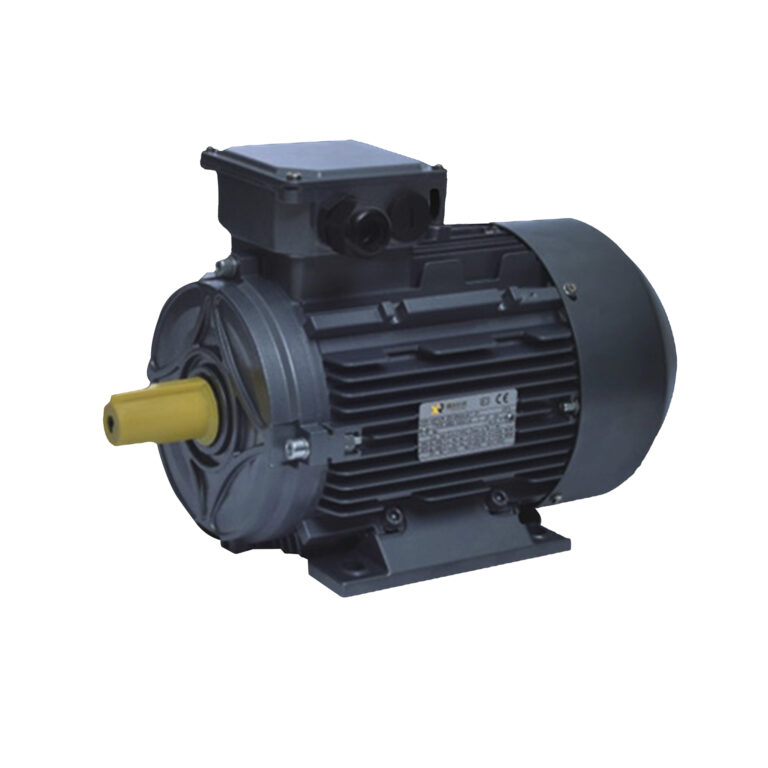
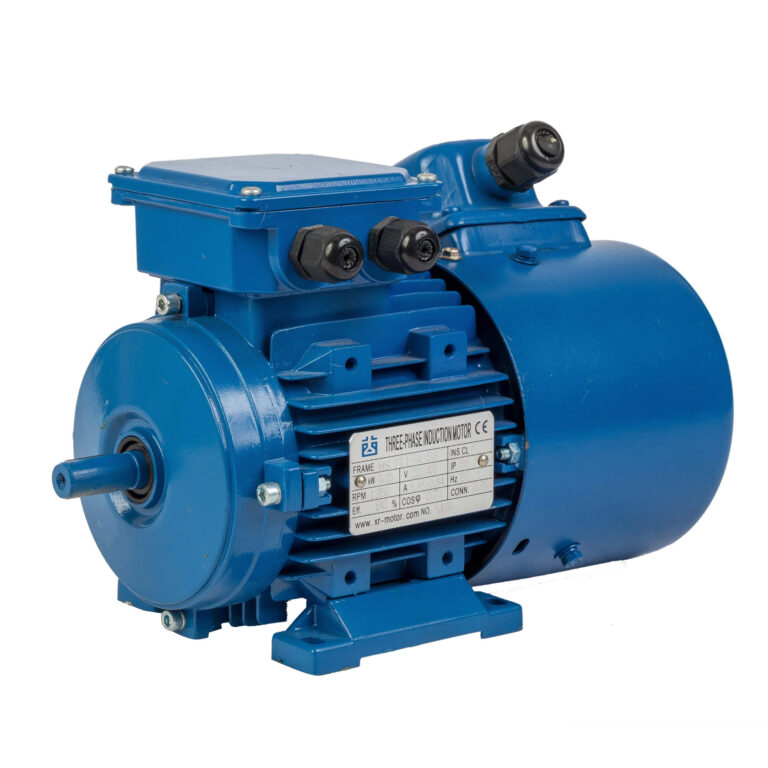
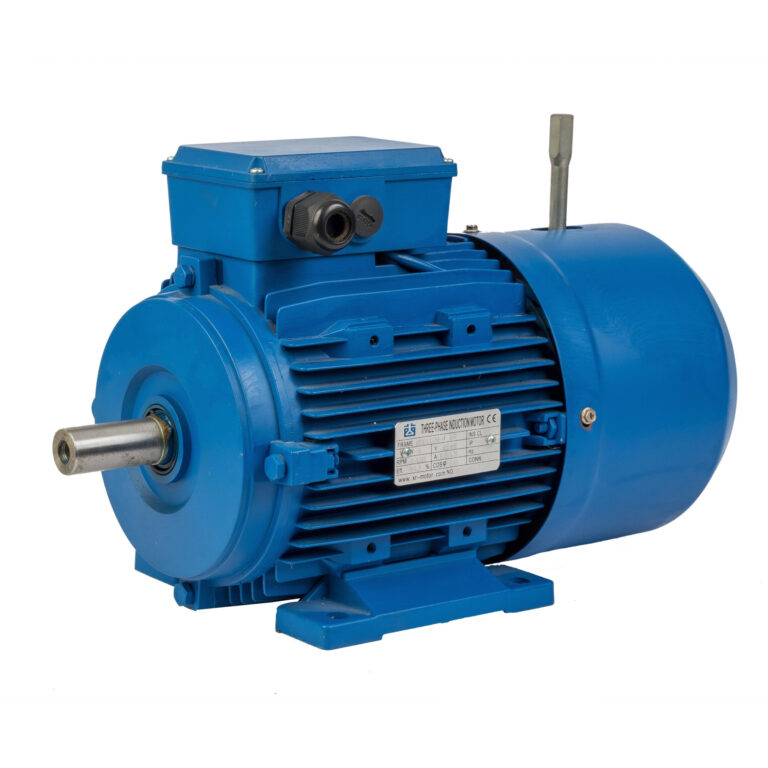
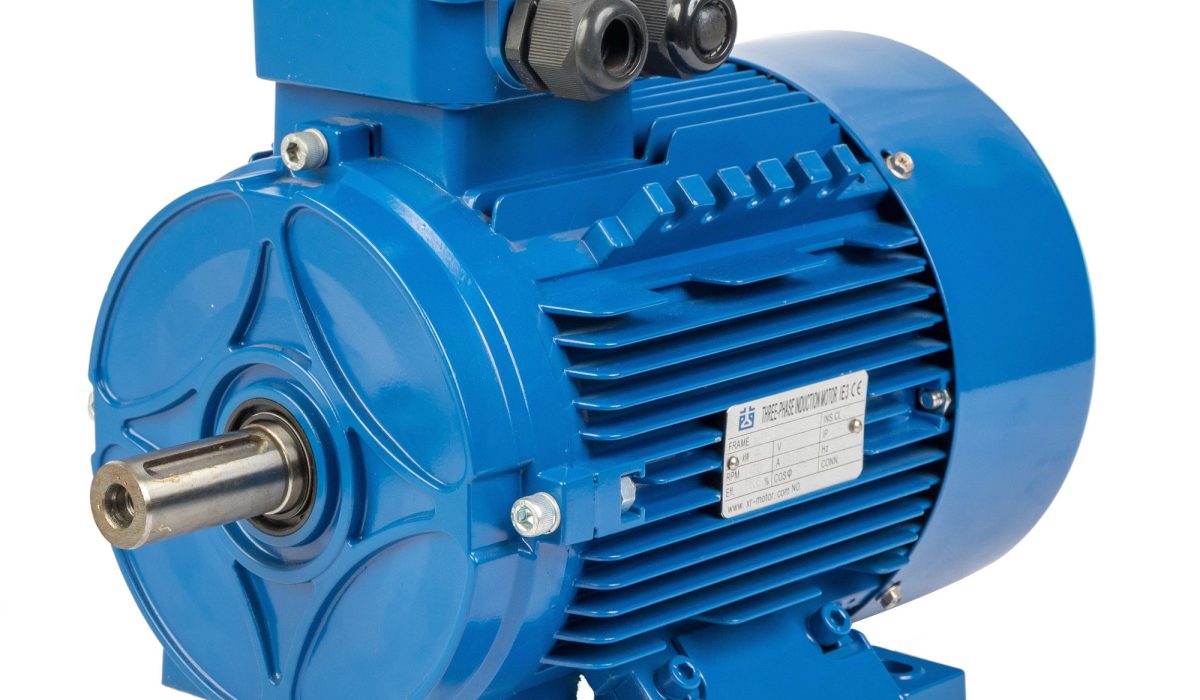
An asynchronous motor, also commonly called an induction motor, is one of the most widely used electric motors in industrial applications. Its working principle is actually not very complicated, but it is often explained in a way that feels too theoretical. Here we try to explain it in a more practical and understandable way.
Basic Working Principle of an Asynchronous Motor
The basic idea behind an asynchronous motor is electromagnetic induction.
When three-phase AC power is supplied to the stator windings, a rotating magnetic field is generated inside the motor. This rotating magnetic field cuts the rotor conductors and induces an electric current in the rotor. Once current is induced in the rotor, the rotor itself generates a magnetic field. The interaction between the stator magnetic field and the rotor magnetic field produces electromagnetic torque, which makes the rotor start rotating.
One important point is that the rotor does not directly receive electrical power from the supply. Instead, the current in the rotor is induced by the magnetic field. Because of this, the rotor speed must always be different from the speed of the rotating magnetic field.
This speed difference is the key reason why it is called an asynchronous motor.
Why the Rotor Speed Is Always Lower Than Synchronous Speed
In an asynchronous motor, the rotating magnetic field produced by the stator rotates at what we call the synchronous speed. The rotor, however, always rotates slightly slower than this speed during normal motor operation.
Why does this happen?
If the rotor were to rotate at exactly the same speed as the rotating magnetic field, there would be no relative motion between the rotor conductors and the magnetic field. Without relative motion, the rotor conductors would not cut the magnetic lines of force. That means no induced voltage, no induced current, and therefore no electromagnetic torque.
In simple words:
No speed difference = no induced current = no torque.
So in order for the motor to keep producing torque, the rotor must always rotate at a speed lower than the synchronous speed. This difference in speed is described by a parameter called slip.
Meaning of “Three-Phase Asynchronous Motor”
The term “three-phase asynchronous motor” actually contains two important meanings.
Three-phase
Three-phase means that the motor is powered by three-phase AC electricity. The three-phase voltages have a phase difference of 120 electrical degrees. This type of power supply naturally produces a smooth rotating magnetic field in the stator, which is ideal for motor operation.
Compared with single-phase motors, three-phase motors start more easily, run more smoothly, and generally have higher efficiency.
Asynchronous
Asynchronous means that the rotor speed is not synchronized with the rotating magnetic field. During normal operation, the rotor speed is always lower than the synchronous speed. This speed difference is necessary for induction and torque generation.
The fundamental difference between synchronous and asynchronous motors is whether external excitation is required. Asynchronous motors do not need separate excitation. The rotor current is generated by electromagnetic induction, which makes the structure simpler and more robust.
Can the Rotor Speed Ever Exceed Synchronous Speed?
Under normal motor operation, the rotor speed will never exceed the synchronous speed. However, in some special operating conditions, such as dynamic braking or generator operation, the rotor speed can become higher than the synchronous speed.
In these cases, the motor does not operate as a normal motor anymore. But in standard industrial motor applications, the rotor speed is always lower than the speed of the rotating magnetic field.
Energy Conversion in a Three-Phase Asynchronous Motor
When a three-phase asynchronous motor operates as a motor, electrical energy is converted into mechanical energy.
The rotating magnetic field induces voltage and current in the rotor winding due to relative motion. The rotor current interacts with the stator magnetic field, producing electromagnetic torque. This torque drives the rotor and connected load.
The whole energy conversion process depends on slip. Without slip, there is no induced current, and without induced current, there is no torque.
Advantages of Three-Phase Asynchronous Motors
Compared with single-phase asynchronous motors, three-phase asynchronous motors have several clear advantages.
First, they have better running performance. The torque is more stable, vibration is lower, and efficiency is generally higher.
Second, three-phase motors can save materials for the same output power. This makes them more economical in industrial applications.
Third, the structure is relatively simple and reliable, which results in long service life and low maintenance cost.
Types of Three-Phase Asynchronous Motors
According to rotor structure, three-phase asynchronous motors are mainly divided into two types: squirrel-cage type and wound-rotor type.
Squirrel-Cage Asynchronous Motor
The squirrel-cage rotor asynchronous motor has a simple structure and very reliable operation. It is light in weight, low in price, and easy to maintain. Because of these advantages, it is the most widely used type in industry.
Its main disadvantage is that speed regulation is difficult. Once the motor is running, the speed is mainly determined by the power supply frequency and motor design.
Wound-Rotor Asynchronous Motor
In a wound-rotor three-phase asynchronous motor, both the stator and the rotor have three-phase windings. The rotor windings are connected to an external resistor through slip rings and brushes.
By adjusting the external resistance, the starting performance of the motor can be improved, and the starting current can be controlled. Speed adjustment is also possible within a certain range.
However, because of the more complex structure and higher maintenance requirements, wound-rotor motors are used less frequently than squirrel-cage motors.
Conclusion
The working principle of a three-phase asynchronous motor is based on electromagnetic induction and slip. The rotating magnetic field generated by the stator induces current in the rotor, and the interaction between magnetic fields produces torque.
The key feature of an asynchronous motor is that the rotor speed is always different from the synchronous speed during normal operation. This simple but effective principle makes asynchronous motors reliable, durable, and suitable for a wide range of industrial applications.