


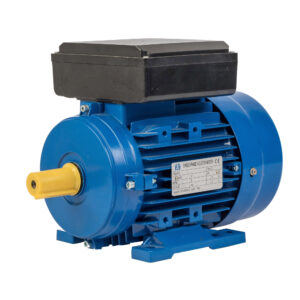
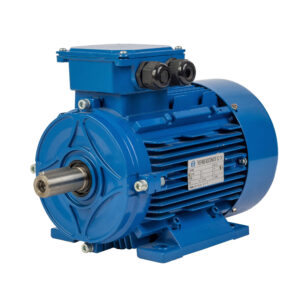
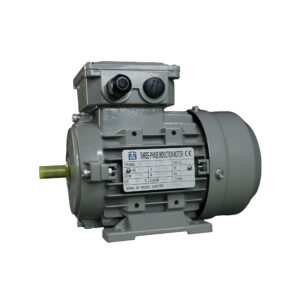
什么是交流电机?
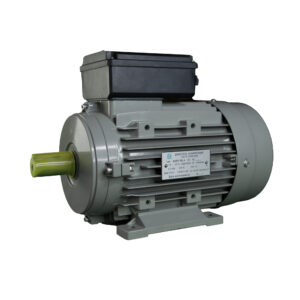
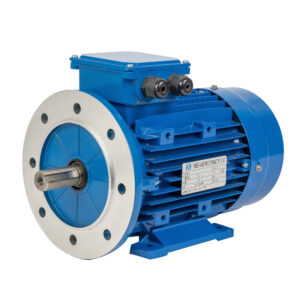
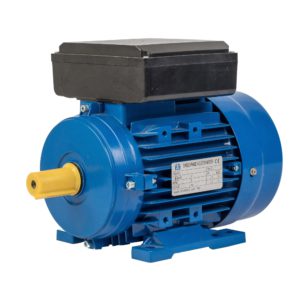
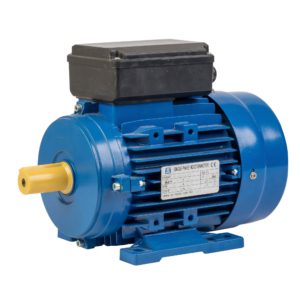
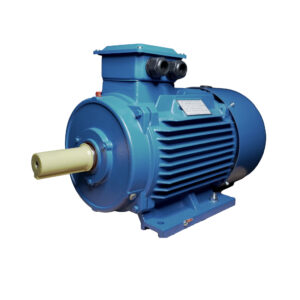
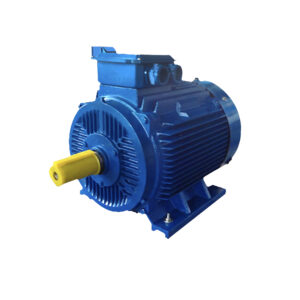
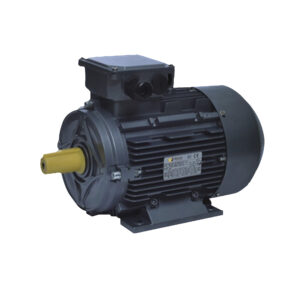
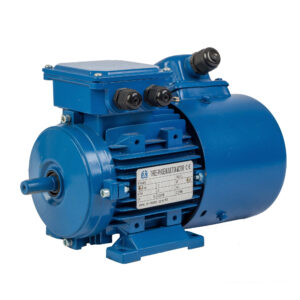
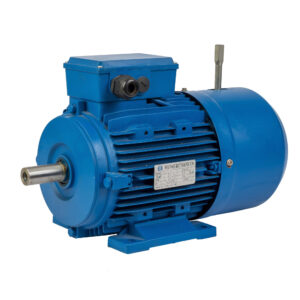
交流电机是一种将电源提供的交流电压转换为机械能(以旋转运动的形式)的电动机。与所有电动机一样,交流电机由固定的定子和旋转的转子组成。
当交流电压通电时,定子中的绕组会产生恒定的旋转电磁场,从而驱动转子旋转。
经验证的技术,具有始终如一的可靠性能:Dayoumotor 交流电机
交流电机的工作原理是什么?
交流电机将交流电压形式的电能转换为机械能。
与无刷直流电机(也称电子换向电机)不同,交流电机分为两种类型——带永磁体的和不带永磁体的。交流电机的定子主要由相互绝缘的叠片构成,并被定子绕组包围。
其工作原理如下:
A rotating electromagnetic field is generated through phase shifting.
The rotor produces its own magnetic field through rotor windings or permanent magnets (depending on design).
The interaction between the stator’s rotating magnetic field and the rotor’s magnetic field creates torque, causing the rotor to rotate.
How Are AC Motors Constructed?
The main components of an AC motor include:
Housing with a terminal box
Stator sleeve with winding assembly
Rotor laminated core with rotor windings or permanent magnets
Ball bearings
A frequency inverter or transformer connected upstream for speed control


What Are the Advantages of AC Motors?
Mature technology with high operating reliability
Thanks to their simple design, AC motors offer stable and reliable drive performance.
Maintenance-free
AC motors are typically brushless, resulting in minimal wear during operation, long service life, and low maintenance requirements.
High efficiency
When controlled by a frequency inverter, AC motors can achieve significantly higher efficiency, especially at partial loads.
Cost-effective
Their simple construction leads to low manufacturing costs. The brushless, wear-free operation also reduces maintenance and spare parts expenses.
Where Are AC Motors Used?
Due to their characteristics, AC motors are widely used across various applications, such as:
Fans, blowers, and ventilation systems
Livestock ventilation and agricultural equipment
Applications in hazardous or explosive environments
Compressors
Drives in production equipment (belt sanders, polishing machines, conveyors, etc.)
Power tools
Household appliances
Differences Between AC Motors and Electronically Commutated Motors
Both typically operate using AC from the main electrical grid, but the key difference lies in how the input power is processed:
Asynchronous AC motors: AC voltage is fed directly into the windings
Synchronous AC motors & electronically commutated motors: AC is first rectified into DC before being supplied to the windings
Additional design and functional differences:
| 交流同步电机 | 交流异步电机 | 电子换向电机 | |
|---|---|---|---|
| 整流 | 电子 | 不需要 | 电子 |
| 转子磁场 | 永磁体 | 由转子绕组产生的电磁场 | 永磁体 |
| 变频器 | 需要 | 可选 | 集成 |
Number of Poles in AC Motors
Every motor has a certain number of poles. Depending on the motor type, the number may be 2 poles, 4 poles, 6 poles, 8 poles, or more.
Note the difference between number of poles and number of pole pairs:
- 2-pole motor = 1 pole pair
- 4-pole motor = 2 pole pairs
- and so on.
Magnetic poles change their magnetization direction, creating a rotating magnetic field that drives the rotor.
In asynchronous motors, the rotor speed is slightly lower than the stator field frequency and is related to the number of poles:
- At 50 Hz: 2 poles ≈ 3000 rpm
- 4 poles ≈ 1500 rpm
- and so forth.
Conclusion: Why Understanding AC Motor Principles Matters
The AC motor plays a critical role in powering modern engineering systems. By mastering the AC motor working principle—including electromagnetic induction, rotating magnetic fields, and motor construction—users can make informed decisions about motor selection, performance optimization, and maintenance.
For professional AC motor solutions or customized services, please contact Dayou Motors directly for professional support: Contact Us