


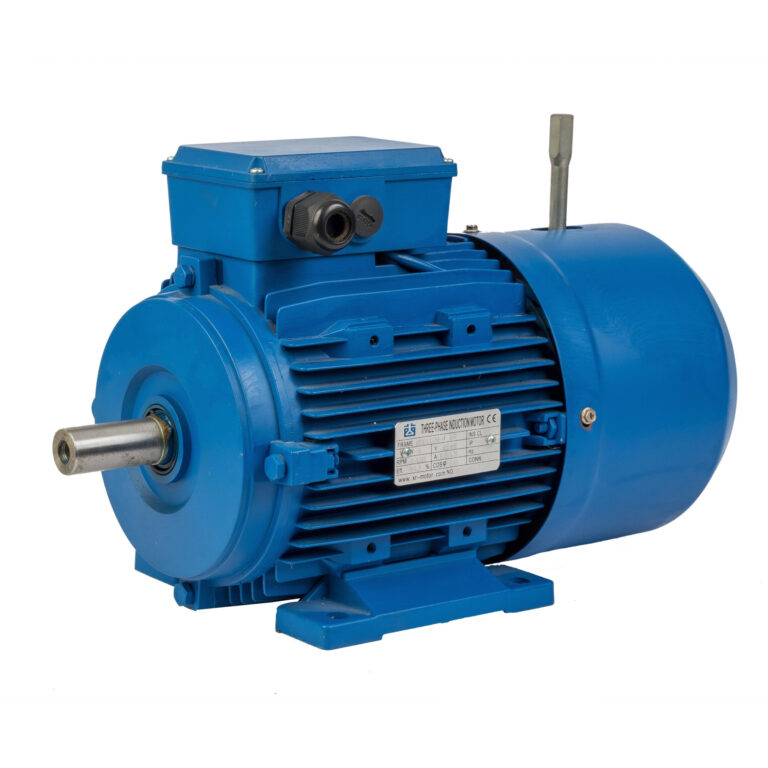
Whether you are an engineer working with industrial motors, a technician responsible for equipment commissioning and maintenance, or a business owner procuring stable and reliable motors for projects, you’ve likely encountered the technical term “synchronous speed.”
It’s one of the most core and fundamental concepts in the design and operation of AC motors, yet it’s often misunderstood or oversimplified. In this detailed article, we will systematically analyze and understand the definition of synchronous speed and its practical performance, as well as how this parameter is reflected in the various high-efficiency motor products from Dayou Motor.
Dayou Motor has been deeply involved in the motor industry for over twenty years, focusing on providing stable, reliable, and cost-effective motor solutions. Whether your equipment is a pump, fan, compressor, gearbox, or hydraulic machinery, we firmly believe that understanding synchronous speed can help you select motors more rationally, predict speed characteristics under load, optimize energy efficiency, and reduce the possibility of errors in system design.
After reading this article, you will have a clear and practical understanding of this crucial parameter and be able to apply it skillfully and confidently in your daily work.
1. What is Synchronous Speed? – Clear Definition
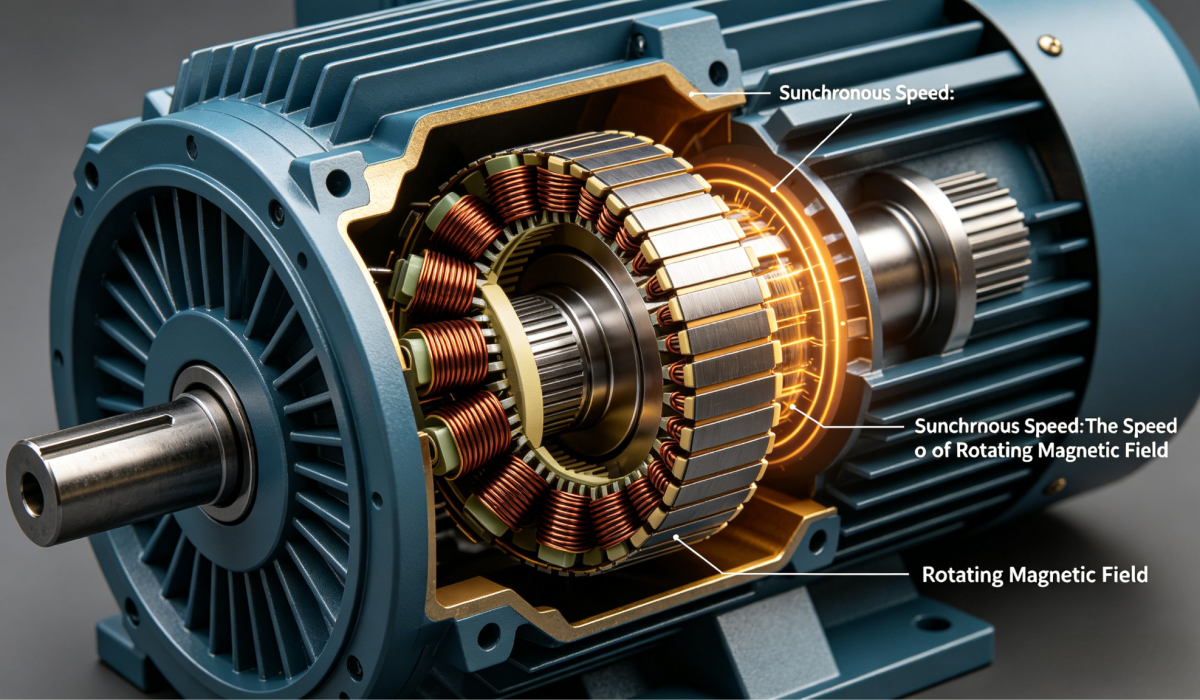
Let’s start with a simple and clear definition. Let’s first talk about synchronous speed. It’s a rotating magnetic field with a fixed rotational speed generated inside the stator of an AC motor. It’s not the actual speed of the motor shaft under load, but rather the theoretical speed of the magnetic field’s circular motion inside the motor.
Its magnitude is directly determined by the frequency of the input AC power and the number of magnetic poles in the stator windings.
We can also understand it intuitively like this:
- The stator, as a stationary external component of the motor, generates a uniformly rotating magnetic field, and the rotational speed of this magnetic field is the synchronous speed.
- The rotor, as a rotating component inside the motor, tries its best to follow this magnetic field.
In a synchronous motor, the rotor is completely synchronized with the magnetic field, and its speed is strictly equal to the synchronous speed. However, in industry, there is a widely used asynchronous motor whose rotor speed is slightly lower than the synchronous speed; this small speed difference is called slip. It is the existence of slip that allows the motor to generate torque and perform work.
For a given motor and a fixed power supply system, the synchronous speed is a fixed value. It does not change with the load size, voltage fluctuations, or motor wear; its value is determined at the factory by the number of winding poles and the power grid frequency. It is precisely because of this stability that synchronous speed becomes one of the most important reference benchmarks for all AC motor applications.
2. Synchronous Speed Formula & Calculation
In the calculation and application of synchronous speed, motor designers, engineers, and technicians worldwide generally use a unified core formula:
ns = (120 × f) / p
In this formula:
- ns = synchronous speed (revolutions per minute, RPM)
- f = AC power frequency (hertz, Hz)
- p = total number of stator poles
The constant 120 in the formula is a coefficient derived from converting cycles per second to revolutions per minute and considering the relationship between pole pairs.
Practical Industrial Examples
- A typical 4-pole three-phase asynchronous motor operating on a 50Hz power grid (Europe, Asia, China):
Synchronous speed = 1500 RPM
Actual load speed ≈ 1440–1480 RPM (depends on slip) - In North America and parts of Asia with 60Hz power grid:
4-pole motor synchronous speed = 1800 RPM
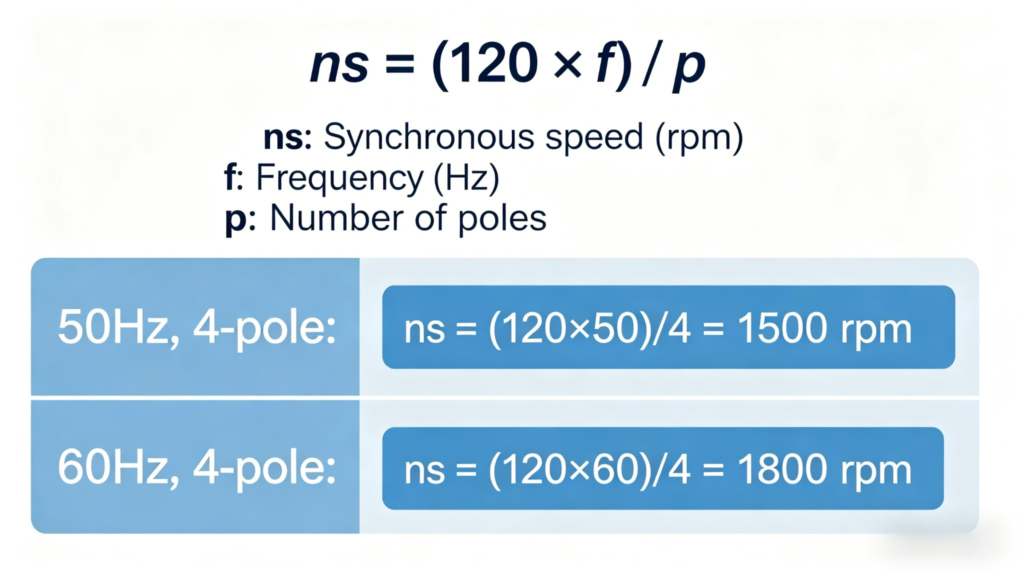
This demonstrates that frequency directly determines synchronous speed, which is the fundamental principle behind the speed regulation capabilities of variable frequency drives (VFDs).
For heavy-duty equipment such as conveyors, crushers, and large water pumps, we typically use 8-pole motors, which have a synchronous speed of only 750 RPM under a 50Hz power grid.
Rule of thumb:
The more poles a motor has, the lower its synchronous speed; the fewer poles, the higher its synchronous speed.
3. Synchronous Speed vs. Actual Operating Speed
In practical work, the most easily confused concepts are synchronous speed and actual operating speed.
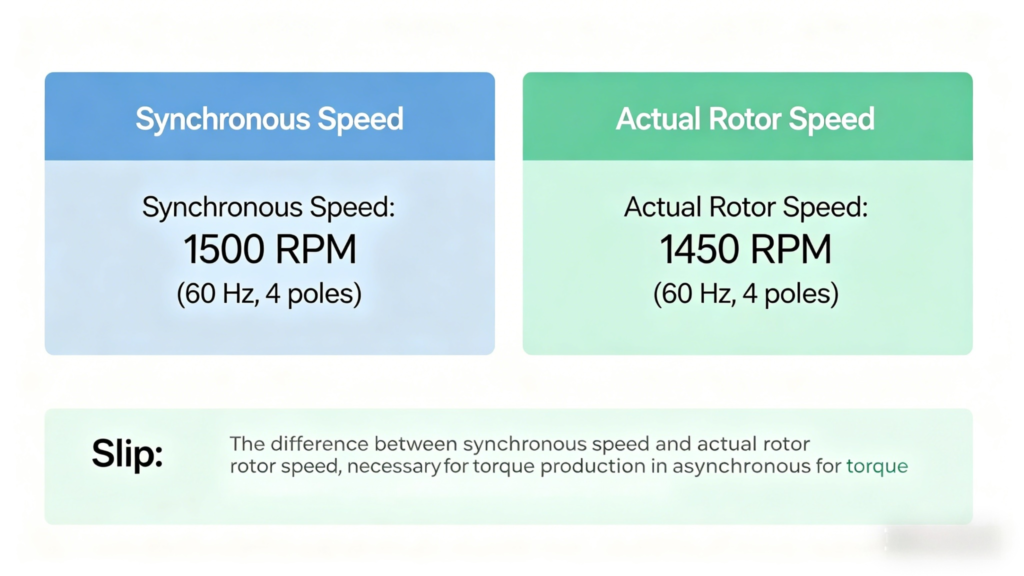
Synchronous Speed
- Speed of the rotating magnetic field
- Fixed by frequency and number of poles
- Theoretical upper limit speed of an AC motor
- Does NOT change with load
Actual Rotor Speed
- True physical speed of the motor shaft
- In asynchronous motor: always lower than synchronous speed
- Slightly fluctuates with load
- Measured using a tachometer
What is Slip?
The difference between synchronous speed and actual speed is slip, a necessary condition for generating torque.
In conventional industrial asynchronous motors, the full-load slip is typically only 1%–5%.
If an asynchronous motor were to operate at synchronous speed:
- No relative motion between rotor and magnetic field
- No electromotive force induced in rotor bars
- No rotor current or torque
- Motor cannot output power
Therefore, slip is not a defect, but a core operating characteristic of asynchronous motors.
In a true synchronous motor, the rotor locks onto the rotating magnetic field using permanent magnets or DC excitation. In this case, speed = synchronous speed, and slip = 0. Ideal for precise constant speed and power factor correction.
4. Why Synchronous Speed Matters (Key Importance)
You might have a question: Since synchronous speed isn’t the actual operating speed, why do we still need to pay attention to it?
Synchronous speed determines most of the core performance characteristics of a motor:
1. Determines Basic Speed Range
After selecting poles and frequency, the motor’s inherent speed range is fixed.
An 8-pole 50Hz motor will never reach 3000 RPM, because its synchronous speed is only 750 RPM.
2. Basis for Variable Frequency Speed Control
VFDs change output frequency → change synchronous speed → change motor operating speed.
Used for fans, pumps, conveyors, etc.
3. Determines Torque & Power Characteristics
Power, torque and speed are directly related.
Low synchronous speed motors usually provide higher low-speed torque for heavy-duty equipment.
4. Improves Efficiency & Reduces Energy Cost
High-efficiency motors (IE2, IE3, IE4) perform best near rated synchronous speed.
Understanding it helps select efficient solutions, lower electricity costs and extend motor life.
5. Prevents Misuse & Early Failure
Avoid common mistakes:
- Using high-speed motors in low-speed high-torque applications
- Using 50Hz motor on 60Hz grid without overspeed check
- Speed mismatch with pumps or fans
At Dayou Motors, synchronous speed is a core parameter in design, testing and customized development.
5. Synchronous Speed in Different Motor Types
Let’s explain synchronous speed characteristics for common industrial motors:
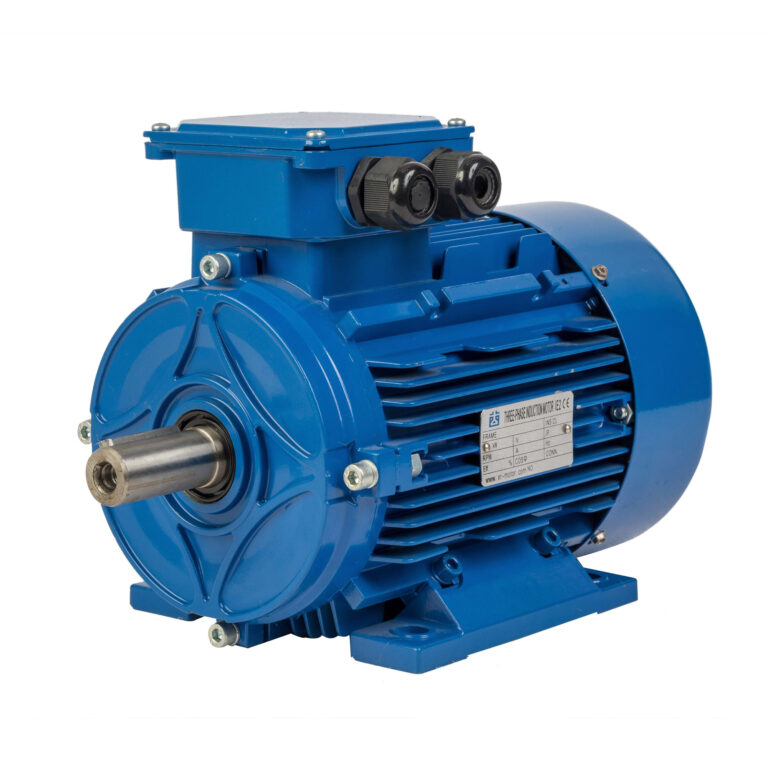
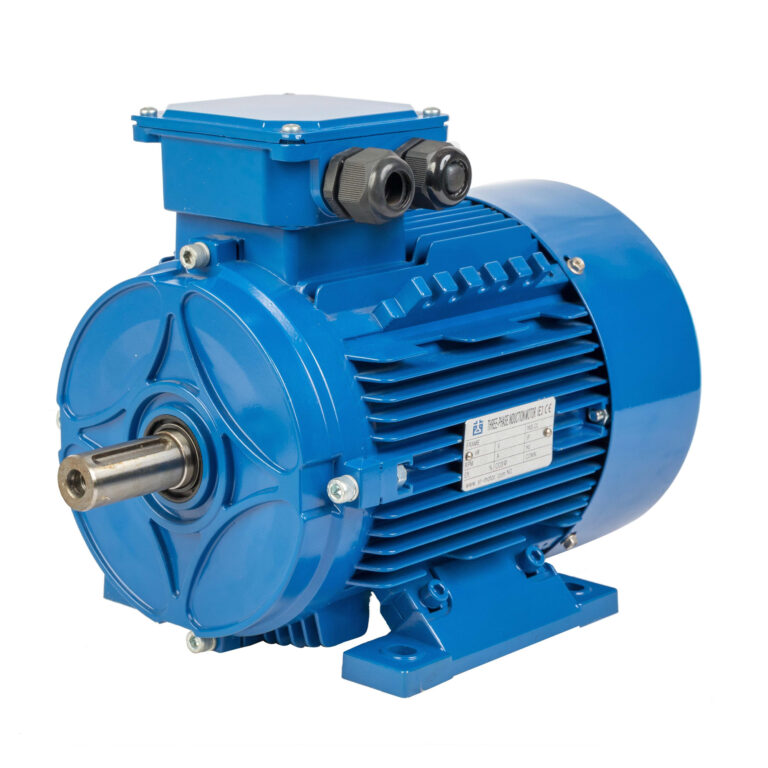
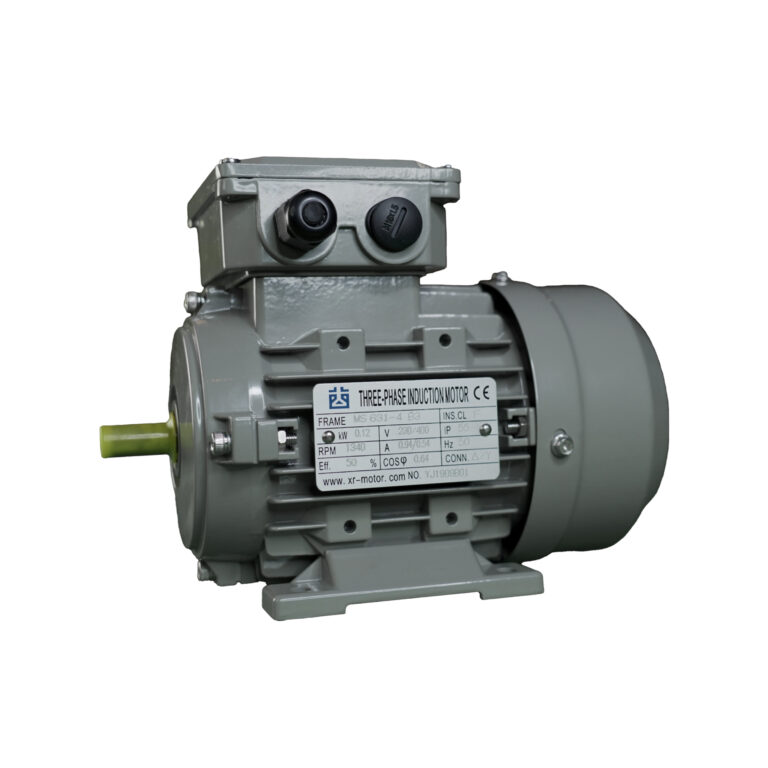
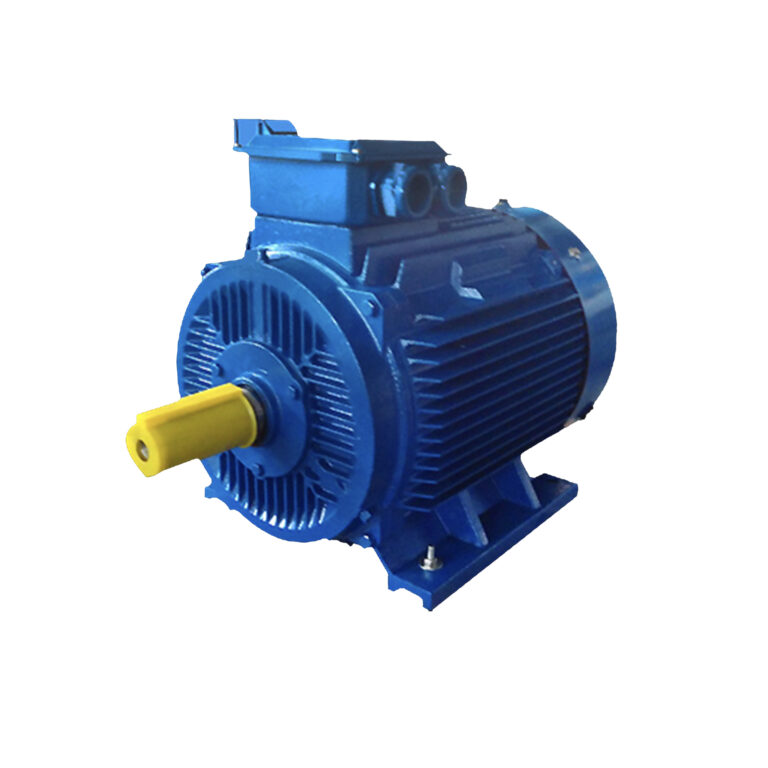
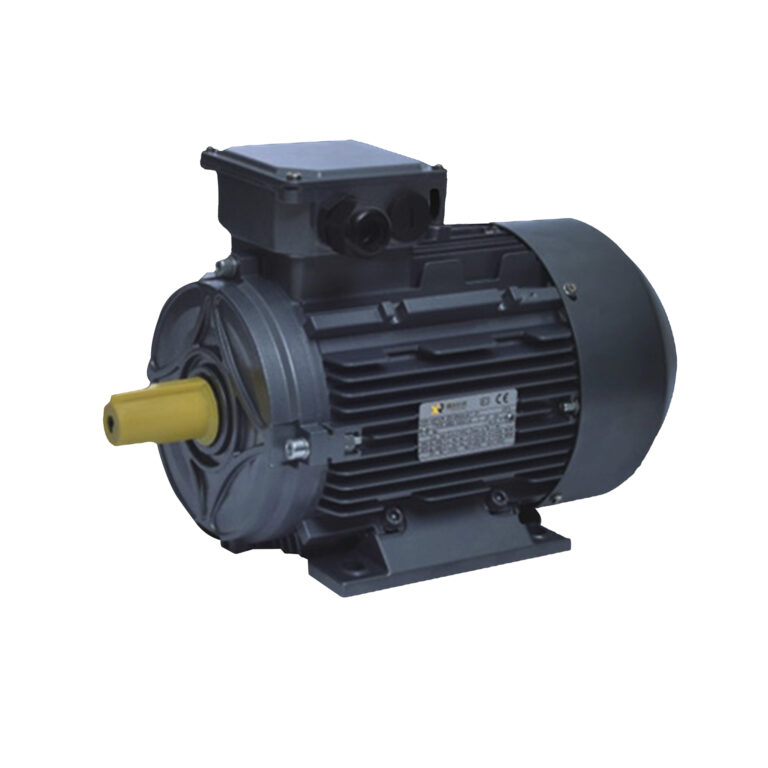
1. Three-Phase Asynchronous Motors
Most widely used. Rotor speed < synchronous speed. Robust & reliable.
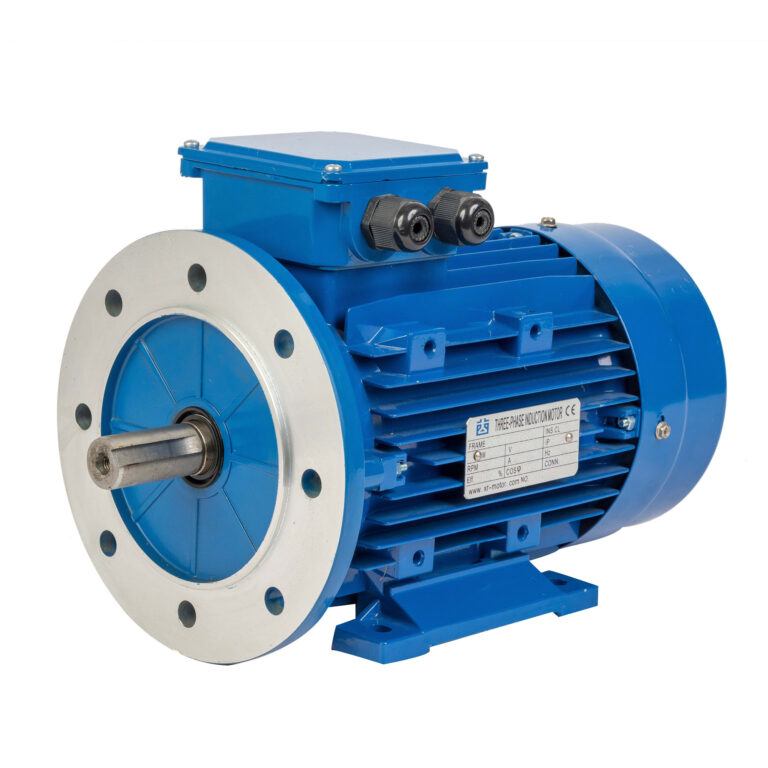
Dayou series: ME2, ME3, MS, YE2, YE3, Y2.
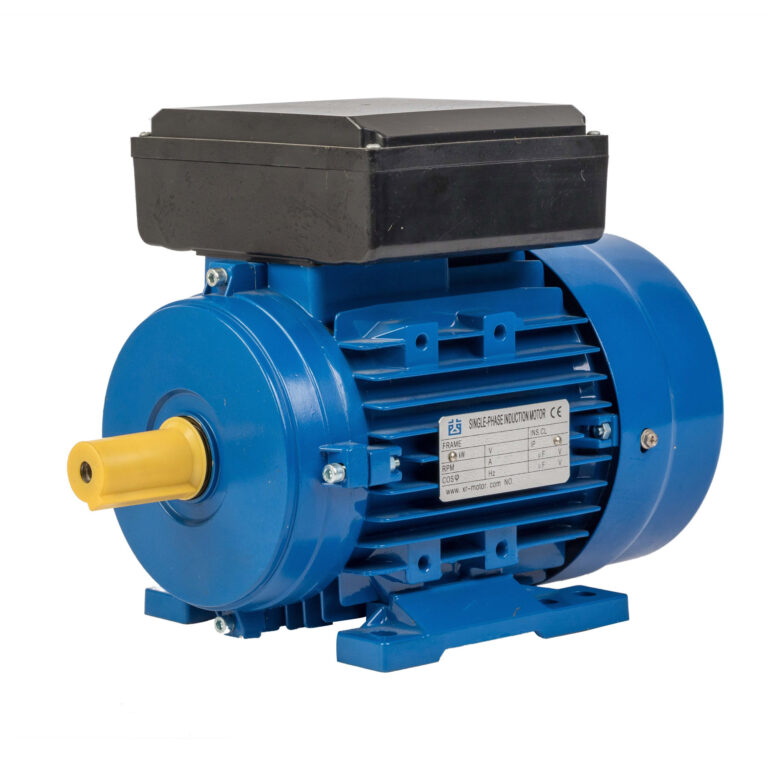
2. Single-Phase Asynchronous Motors
For small equipment (household pumps, small fans). Also has slip.
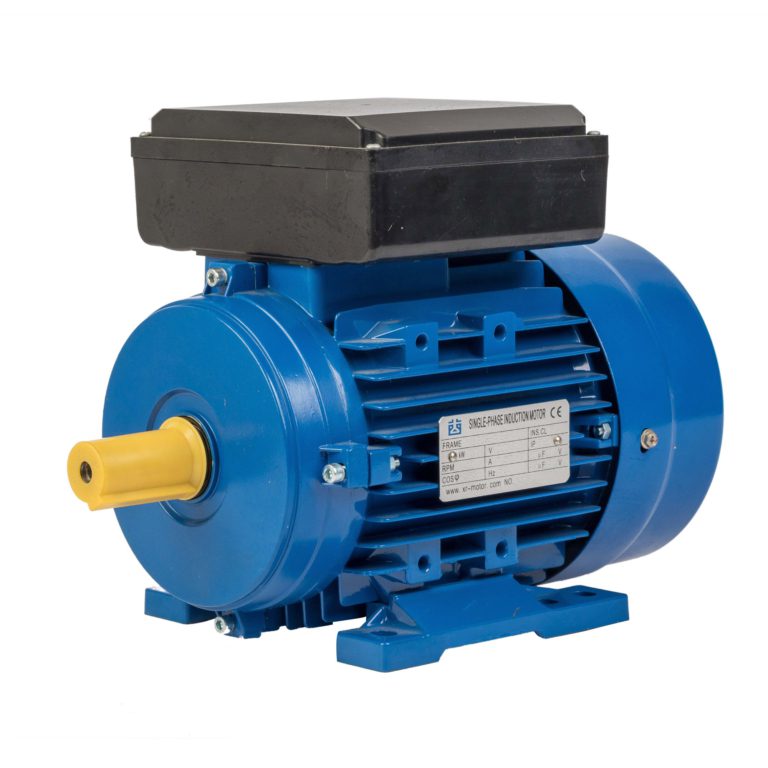
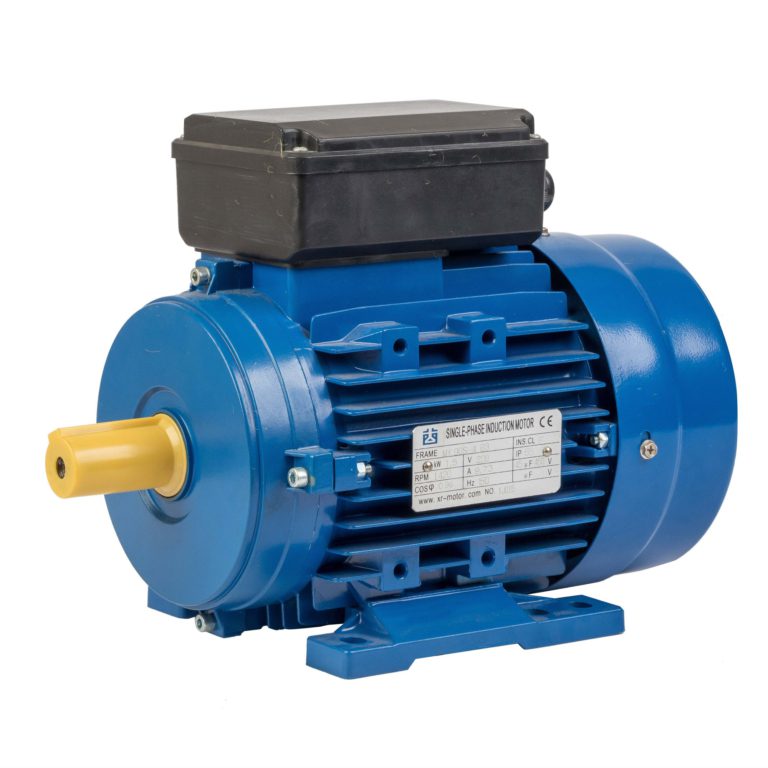
Dayou series: MC, ML, MY, MYT.
3. Synchronous Motors
Speed = synchronous speed, slip = 0. For precision constant speed.
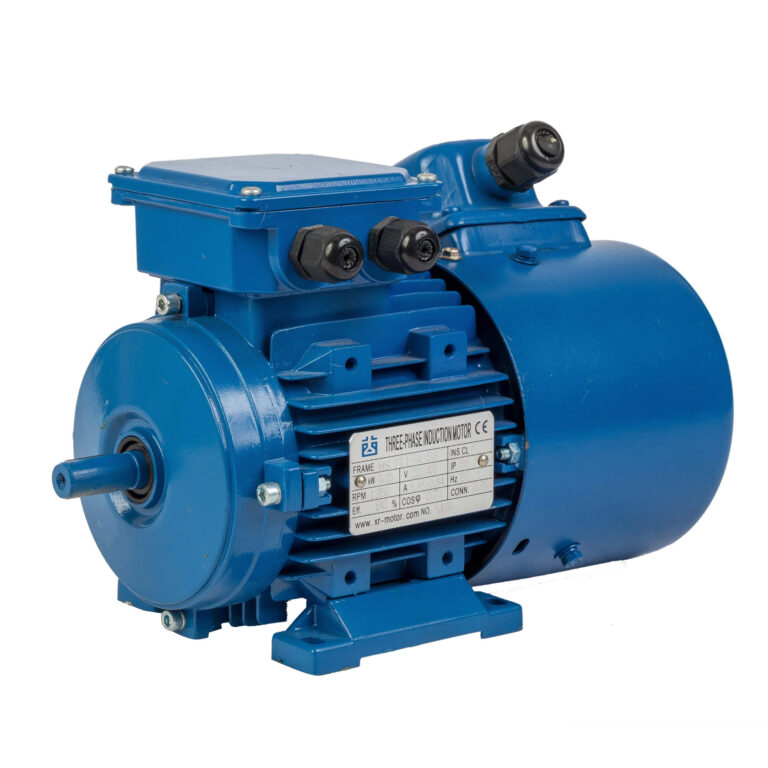
4. Electromagnetic Brake Motors
Use synchronous speed as normal operating speed, with fast braking.
Dayou series: MSEJ.
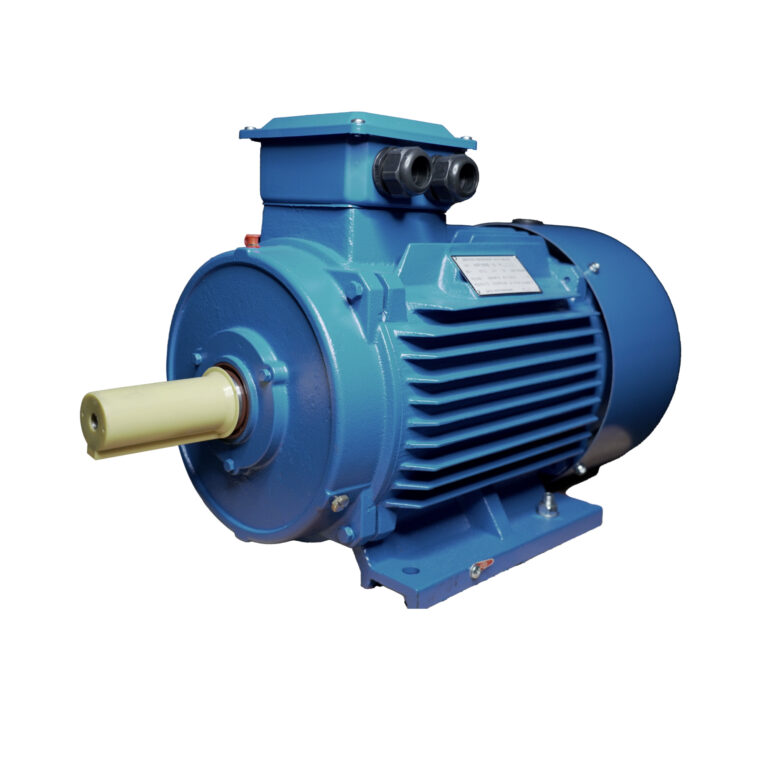
5. GOST Standard Motors
For CIS & Eastern European grids. Same synchronous speed formula.
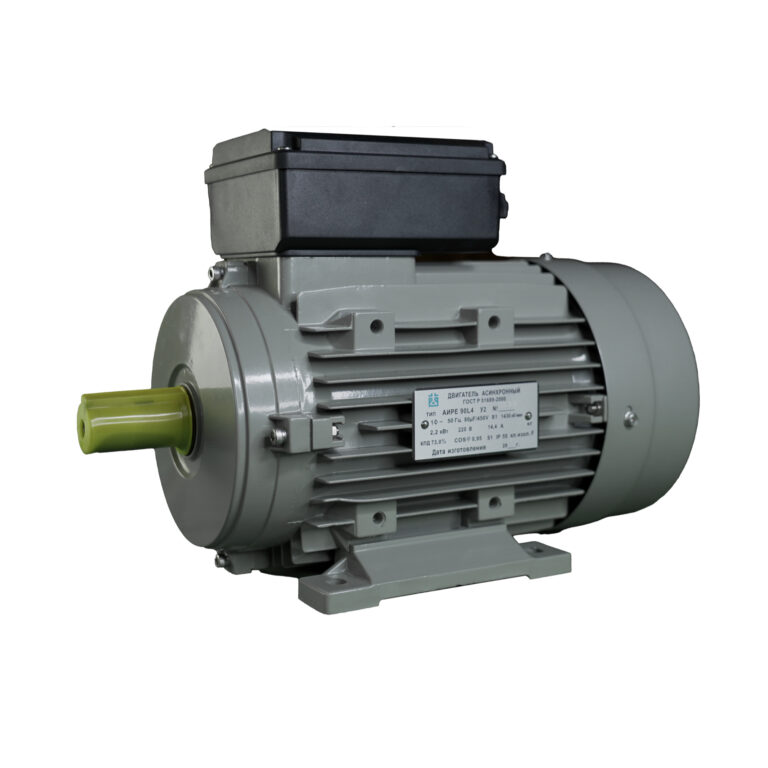
Dayou series: AIR, AIRY.
No matter which motor you use, synchronous speed is the common foundation.
6. Practical Calculation Examples
You can directly apply these calculations in maintenance and selection:
- 50Hz 6-pole three-phase asynchronous motor:
Synchronous speed = 1000 RPM - Motor with synchronous speed = 1500 RPM, full-load slip = 3%:
Actual speed = 1500 × (1 – 0.03) = 1455 RPM - Measured speed = 1440 RPM, synchronous speed = 1500 RPM:
Slip = (1500 – 1440) / 1500 × 100% = 4%
These simple calculations help engineers assess motor working condition quickly.
7. Synchronous Speed & Dayou Motor Products
At Dayou Motors, synchronous speed is not just a textbook theory; it is a core indicator running through the entire design, production and testing process.
- Over 20 years focused on high-efficiency motors
- 3 modern production bases, annual output > 800,000 units
- Products exported to 76 countries and regions
- Precise pole number control ensures accurate synchronous speed
- Optimized design for global 50Hz / 60Hz grids
- Rigorous laboratory testing for speed, torque and durability
Customers trust Dayou because we combine professional motor technology with practical application design.
8. Common Misconceptions About Synchronous Speed
Avoid these frequent misunderstandings:
- Believing synchronous speed = actual motor speed
- Believing load changes synchronous speed
- Believing higher voltage increases synchronous speed
- Believing mechanical repair can change synchronous speed
- Believing all motors labeled 1500RPM have the same synchronous speed
Recognizing these helps avoid mistakes in purchasing, debugging, repairing and replacing motors.
9. Practical Suggestions You Can Use Immediately
- Check the motor nameplate for poles, frequency and rated speed
- Match speed to load requirements
- Configure VFD based on synchronous speed reference
- When troubleshooting abnormal speed: check slip and load, not synchronous speed
- Choose motors that operate efficiently near synchronous speed
- Consult professional manufacturers like Dayou Motor for technical support
Conclusion
Synchronous speed is more than just a formula or technical term; it’s the fundamental basis for the operation of all AC motors.
It determines:
- Motor’s inherent speed range
- Torque characteristics
- Efficiency level
- Application applicability
Key points to remember:
- Synchronous speed = rotational speed of stator rotating magnetic field
- Determined by grid frequency and motor poles
- Formula: ns = 120f/p
- Actual speed of asynchronous motor < synchronous speed (due to slip)
Whether you are designing new equipment, maintaining existing systems, or procuring motors for global projects, understanding synchronous speed helps you make better decisions, reduce costs, improve efficiency and minimize downtime.