


- Home
- Product
- GOST standard motor
- IEC standard motor
 MC Series single phase capacitor start asynchronous motor
- MY MYT series single phase capacitor running asynchronous motor
- ML Series single phase dual-capacitor asynchronous motor
- ME2 series three phase high efficiency aluminum housing motor(IE2)
- ME3 series three phase high efficiency aluminum housing motor(IE3)
- MS series three-phase aluminum housing motor (IE1)
- Y2 series three phase cast iron motor (IE1)
- YE2 series three phase high efficiency cast iron motor (IE2)
- YE3 series three phase high efficiency cast iron motor (IE3)
- Special application motor
- Rolling door motor
- Industry application
- News
- About us
- Contact us
- Certifications
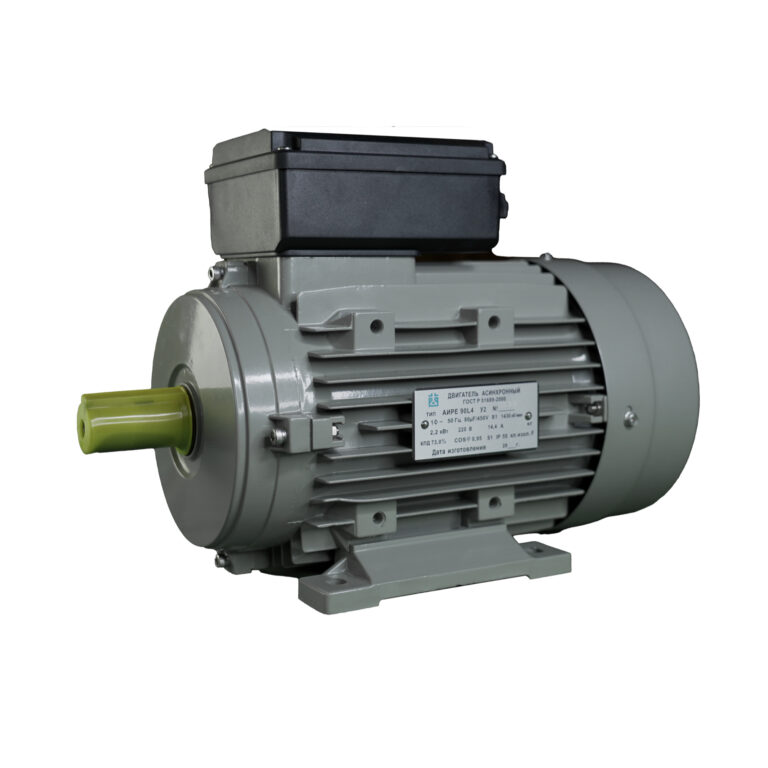
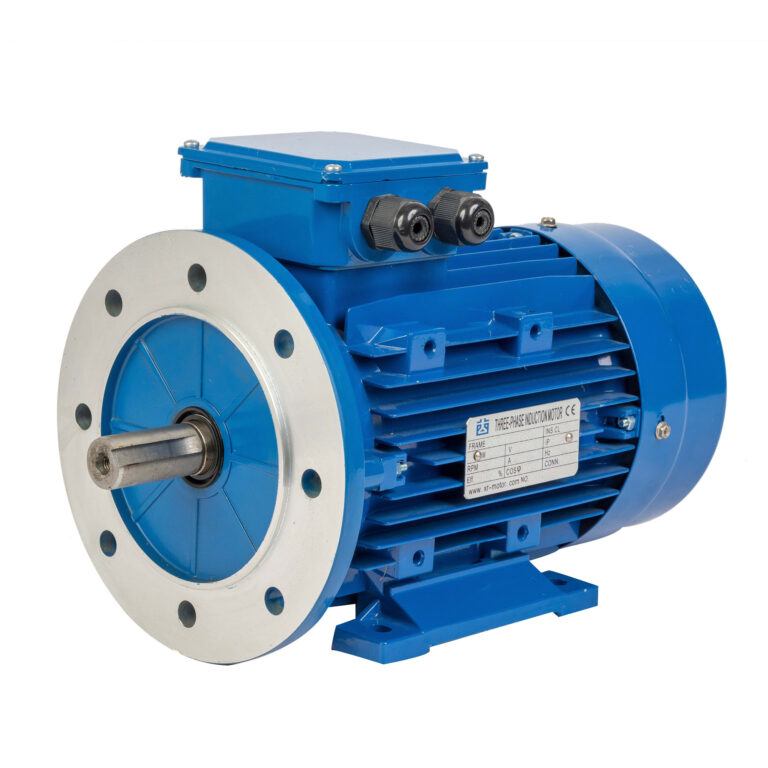
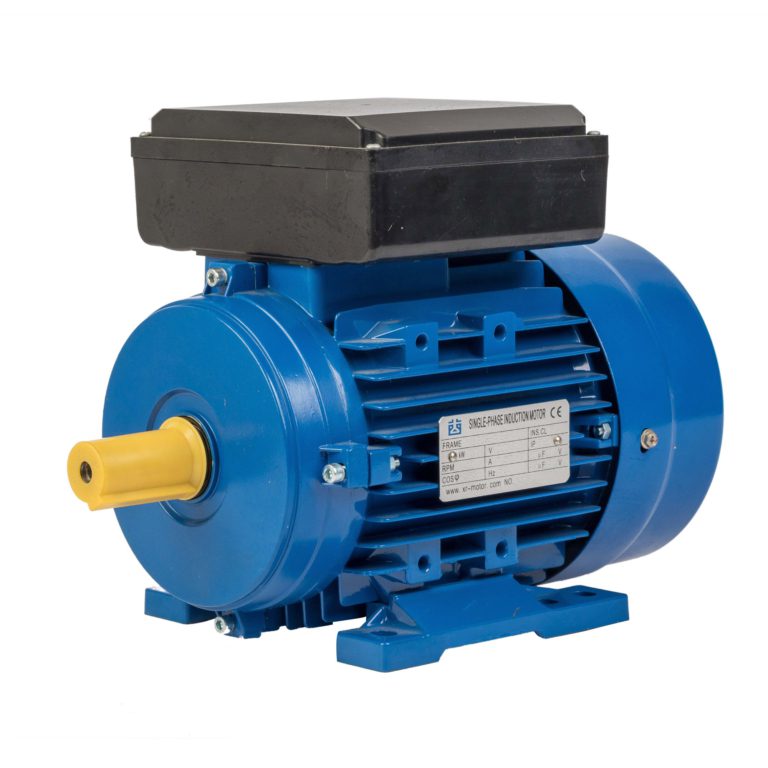
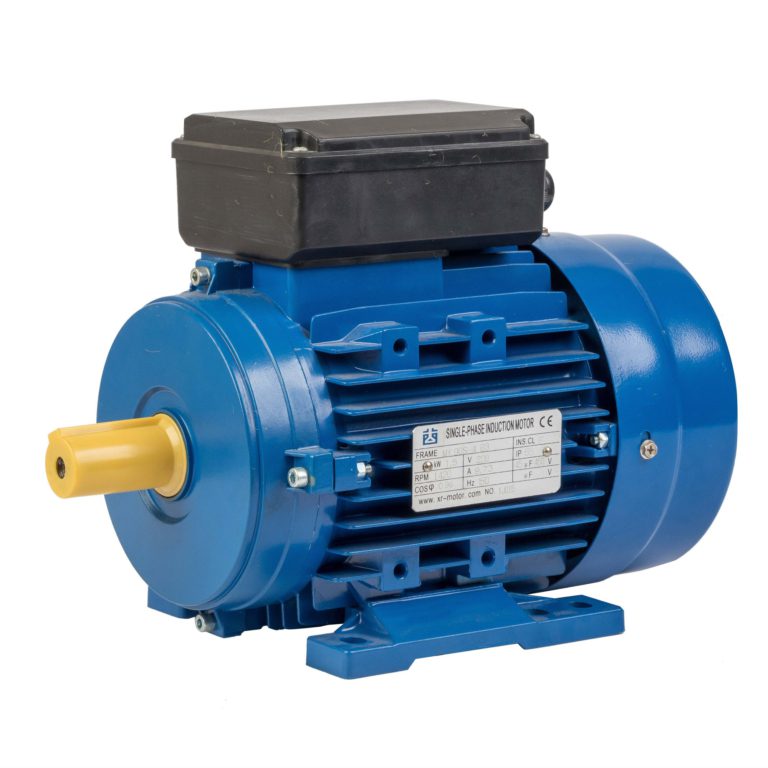
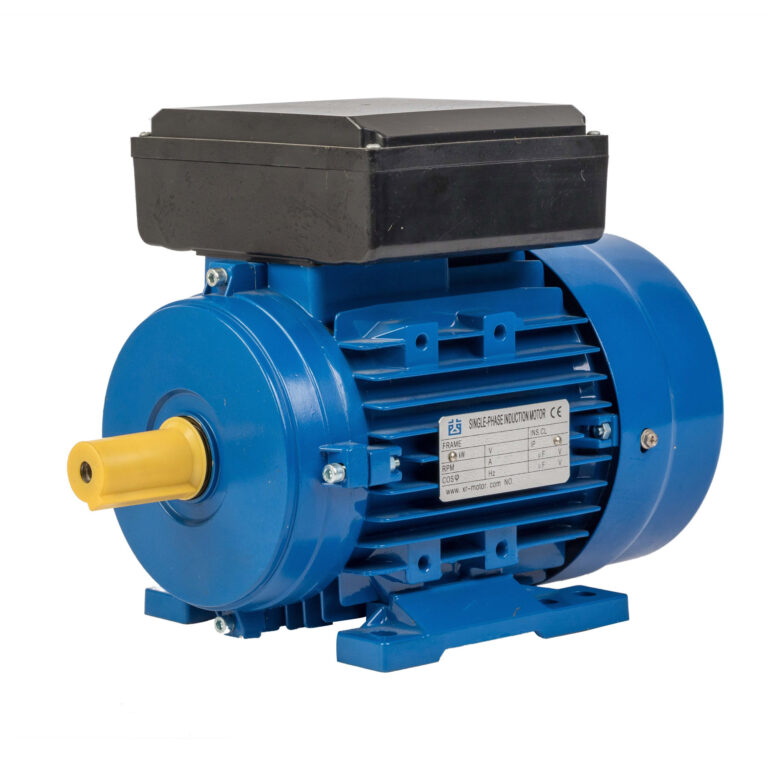
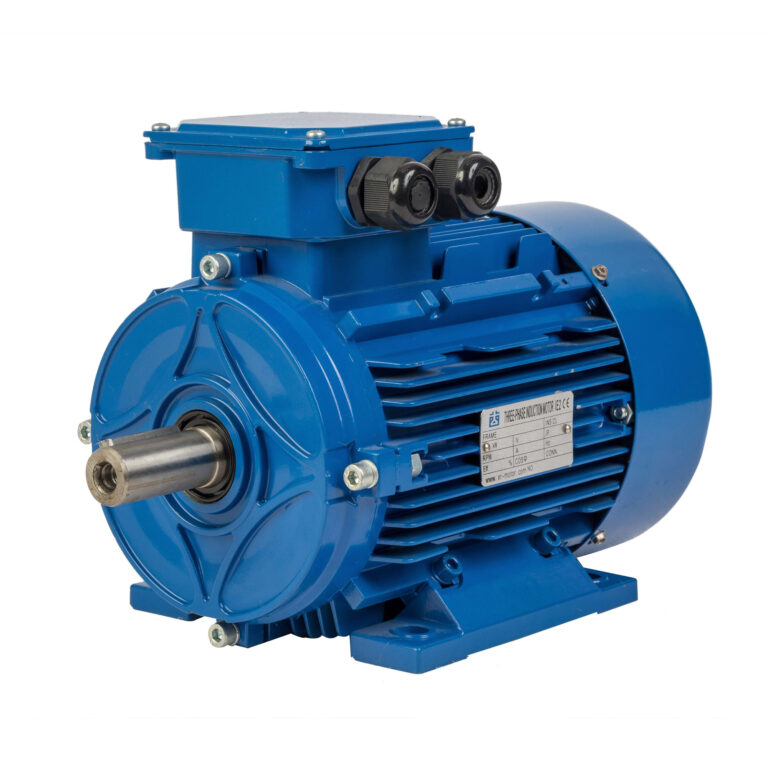
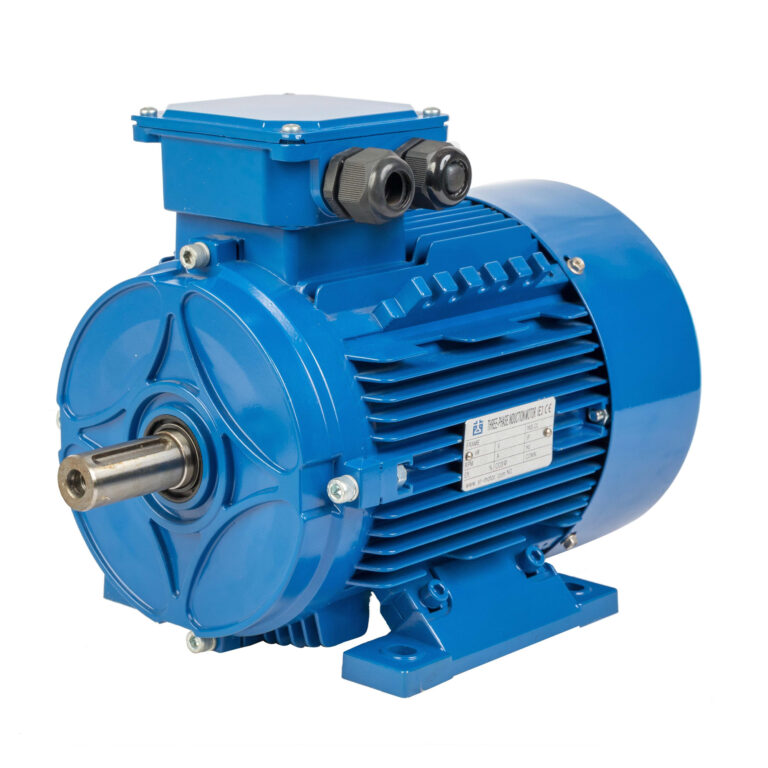
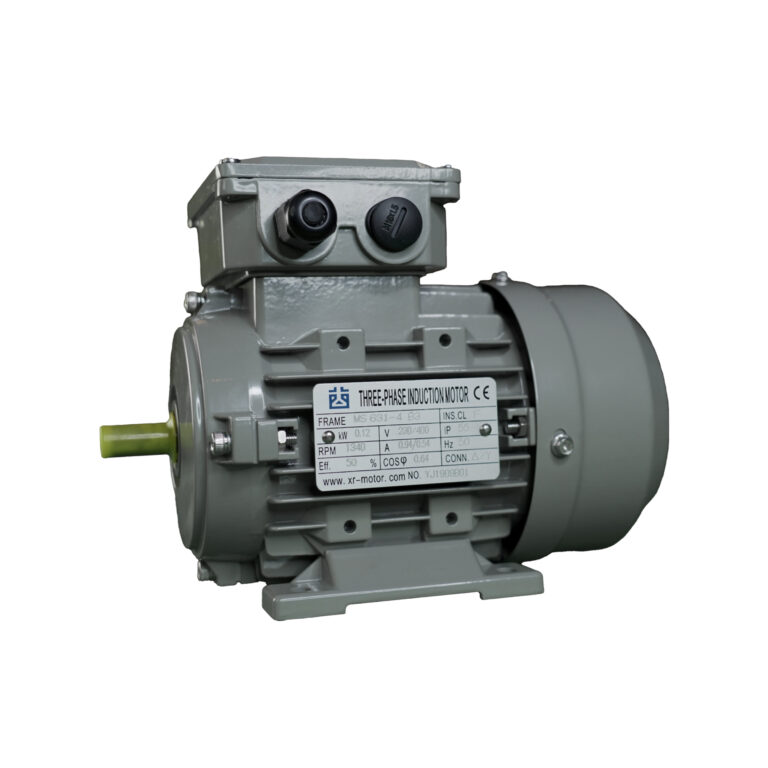
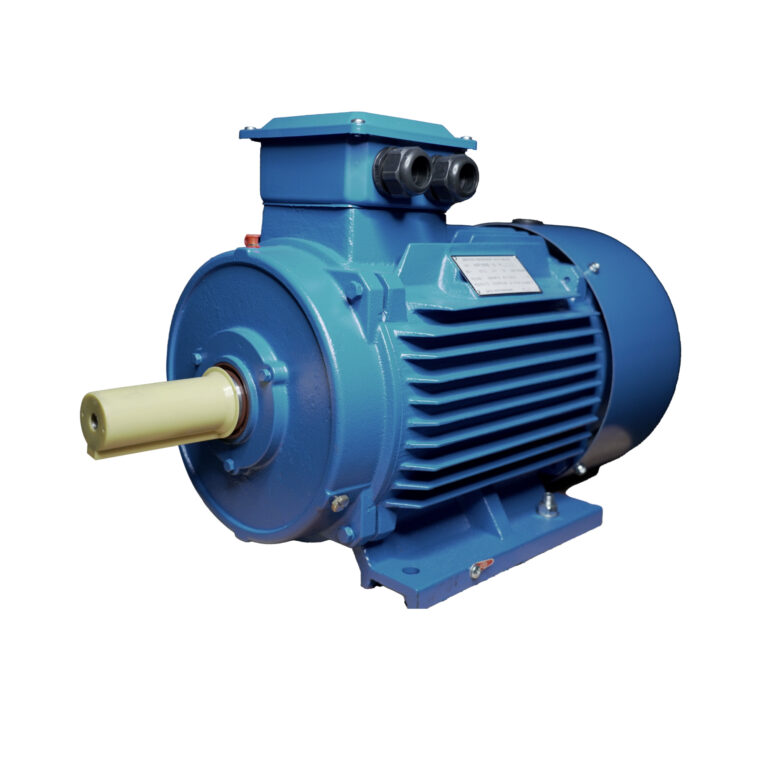
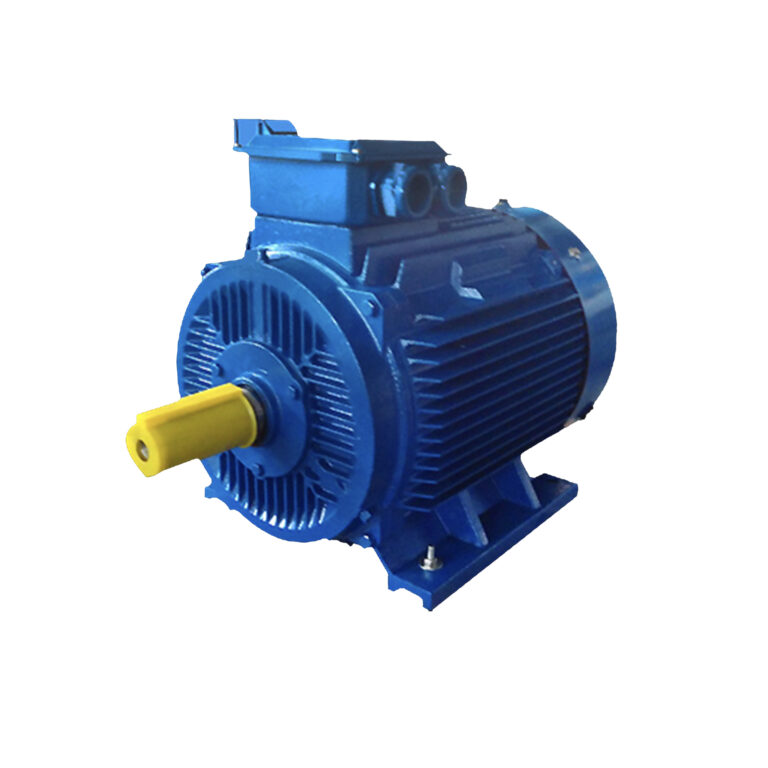
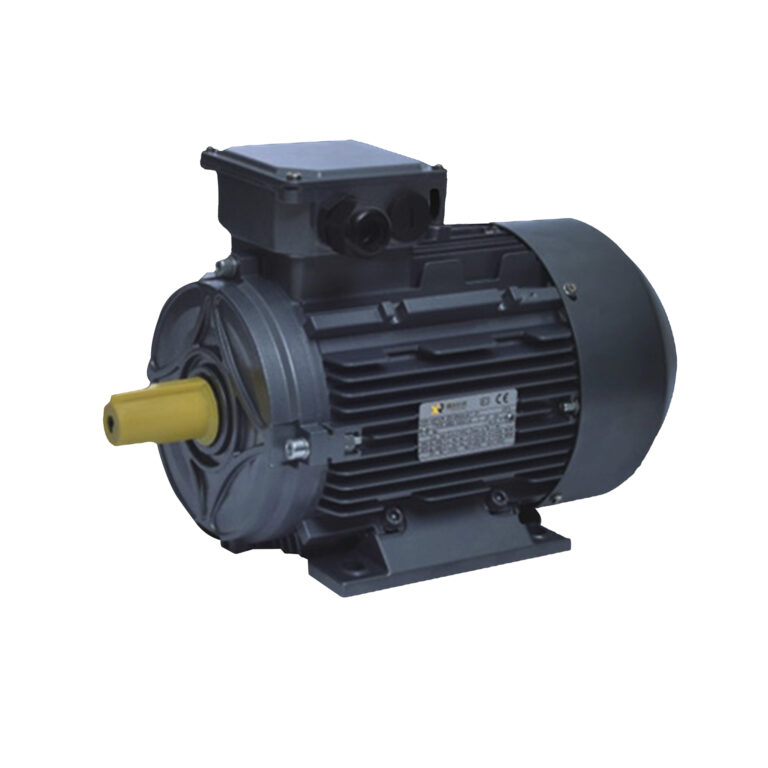
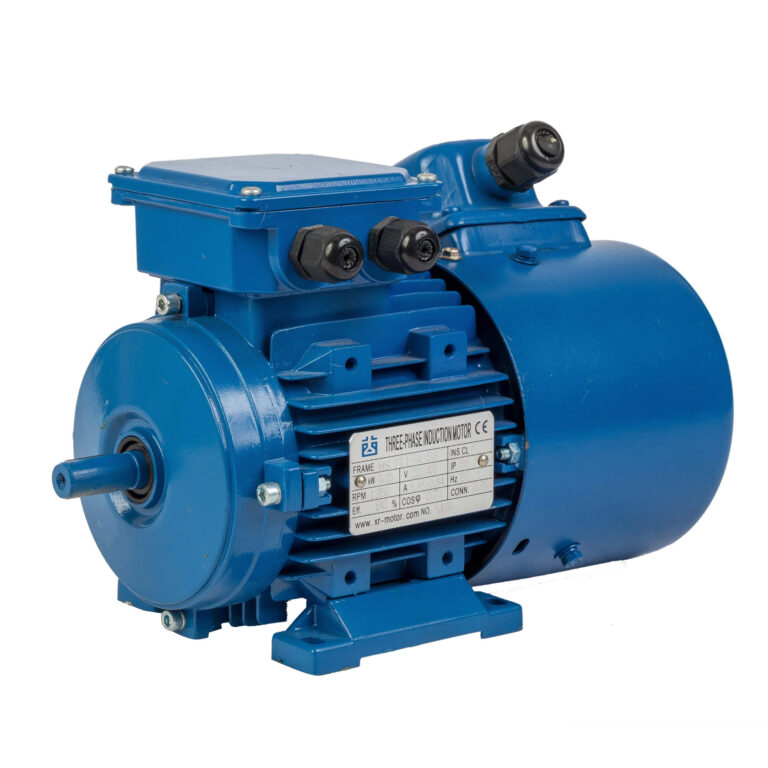
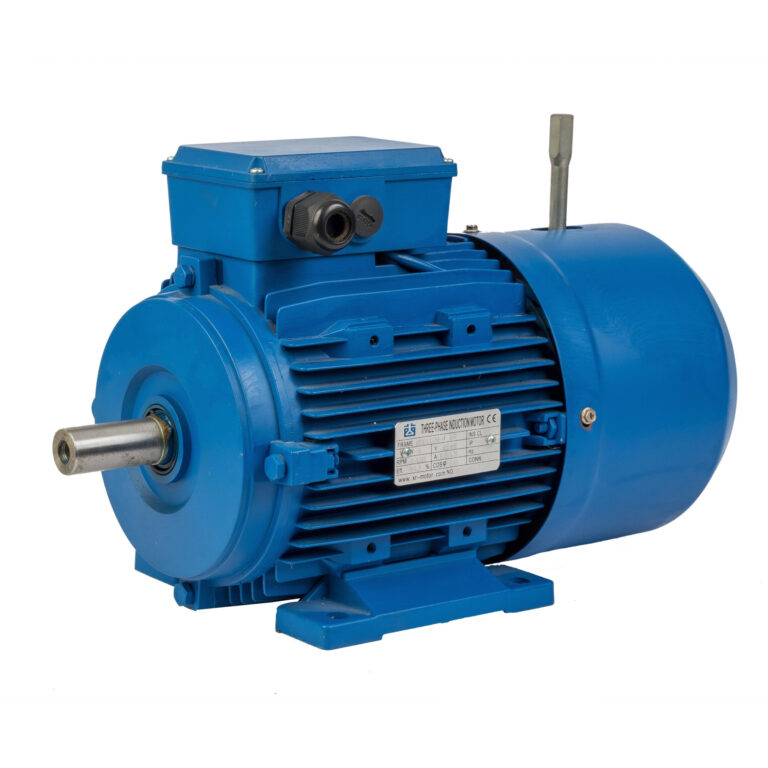
Induction Motors and Synchronous Motors
Motors are ubiquitous in our lives and industrial production. From air conditioners and washing machines in our homes to conveyor belts and machine tools in factories, and generator sets in power plants, we can see motors wherever power is needed. Among the many types of motors, induction motors and synchronous motors are the two most core and commonly used AC motors. They appear similar in function, both converting electrical energy into mechanical energy, but they possess completely different “personalities” and “abilities,” each shining brightly in its respective field. Today, let’s delve into the world of these two types of motors, discussing their differences, characteristics, and the secrets of their applications hidden behind everyday use.
The Core Difference: Rotor Speed vs. Stator Rotating Magnetic Field
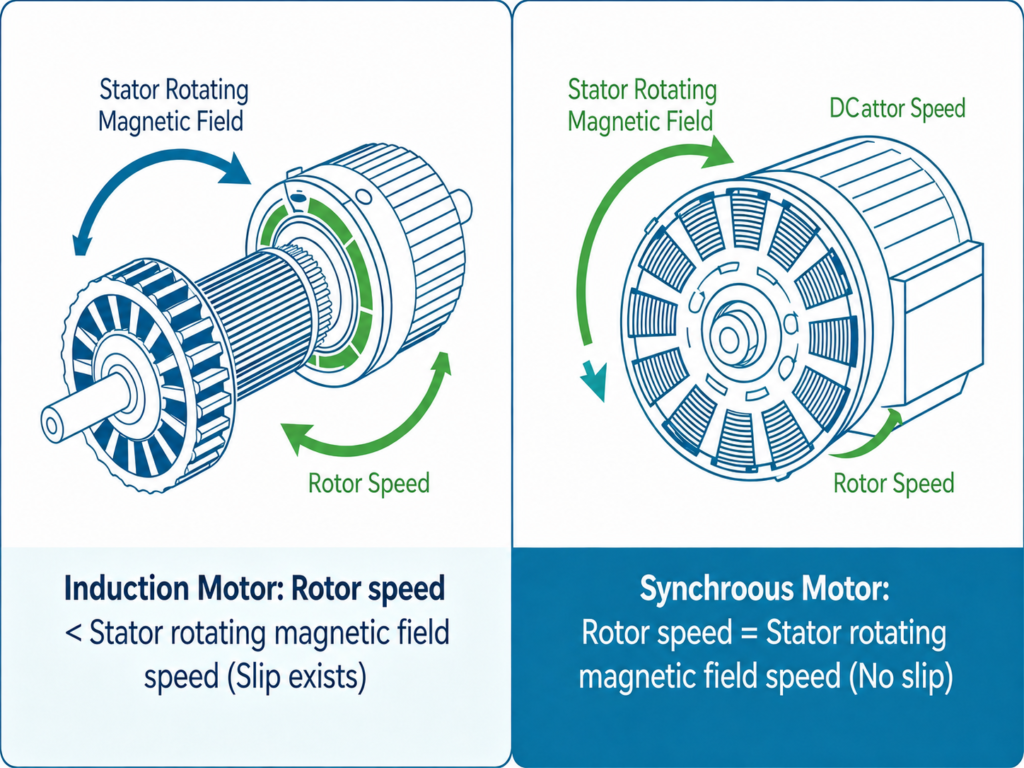
To distinguish between induction motors and synchronous motors, we must first grasp their most crucial difference: the relationship between the rotor’s rotational speed and the speed of the stator’s rotating magnetic field. Only with these two aspects can we name them “synchronous” and “induction” motors. In simple terms, the rotor speed of a synchronous motor is always synchronized with the rotational speed of the stator’s rotating magnetic field, like two people holding hands and running at a constant pace, their steps perfectly in sync without any deviation. In contrast, the rotor speed of an induction motor is always slightly lower than the rotational speed of the stator’s rotating magnetic field, like someone chasing a companion, always a small step behind. This speed difference is called “slip,” and it’s the key to an induction motor’s ability to generate power.
Induction Motors: The Reliable All-Rounder
Structure: Simple and Robust
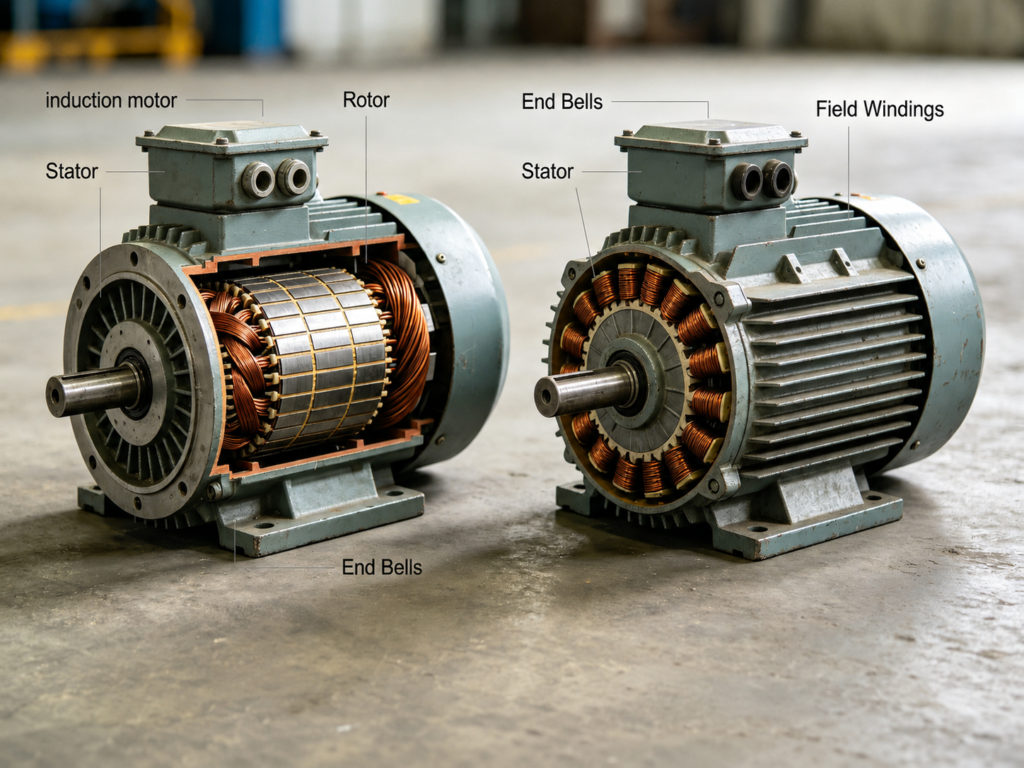
The structure of an induction motor is very simple, mainly consisting of a stator and a rotor, without any complex additional devices. The stator is the stationary part of the motor, constructed from stacked silicon steel sheets with three-phase windings wound around them. When alternating current is applied, the stator generates a rotating magnetic field, which essentially provides the rotor with a target to chase. The rotor is mostly squirrel-cage type; as the name suggests, after removing the iron core, the rotor’s conductor bars and short-circuit rings at both ends are connected, giving it a cage-like shape. It is usually made of cast aluminum or copper, and its structure is robust and not easily damaged. There is also a wound-rotor type, with independent three-phase windings on the rotor, which can be connected to an external resistor via slip rings, but it is rarely used now.
Working Principle: Driven by Electromagnetic Induction
Its working principle relies entirely on the core law of electromagnetic induction, hence the name induction motor. When three-phase alternating current is applied to the stator windings, a rotating magnetic field is generated. This magnetic field quickly passes over the stationary rotor conductors. According to Faraday’s law of electromagnetic induction, when a conductor moves in a magnetic field, an electromotive force (EMF) is induced. The rotor conductors form a closed circuit, and this EMF generates an induced current. This induced current, in the rotating magnetic field, is subjected to an electromagnetic force, thus generating an electromagnetic torque that drives the rotor to rotate.
A Key Phenomenon: The “Slip” That Enables Power Output
Here’s an interesting phenomenon you might have noticed: the rotor rarely catches up with the rotating magnetic field of the stator. If the rotor’s speed were exactly the same as the magnetic field’s speed, there would be no relative motion between them. The rotor conductors wouldn’t cut the magnetic lines of force, and therefore, no induced current or electromagnetic torque could be generated, causing the rotor to instantly lose power. Therefore, the rotor speed of an induction motor must be slightly lower than the speed of the magnetic field; their slip is typically between 1% and 5%. It is this small difference that allows it to continuously output power. For example, the electric fan in our homes appears to rotate smoothly, but the rotor is actually constantly chasing the magnetic field; the speed difference is so small that it’s imperceptible to the naked eye.
Advantages and Disadvantages
Induction motors have many advantages. For instance, they are simple and durable, require minimal maintenance, have low manufacturing costs, and can start automatically without additional auxiliary devices. In practice, they only need to be connected to a power source to automatically begin rotating, which is key to their widespread use in homes and general industrial settings. However, they also have some drawbacks. They always draw reactive power from the grid to establish the rotating magnetic field, resulting in a power factor lag, requiring additional capacitors and other equipment for compensation. Furthermore, with a fixed frequency, the speed will decrease as the load increases, making it impossible to achieve an absolutely constant speed. Additionally, their speed regulation is not as precise as that of synchronous motors. Although speed can be adjusted through frequency conversion and pole changing, it cannot achieve its maximum efficiency in high-precision applications.
Applications: Ubiquitous in Daily Life and Industry
From an application perspective, induction motors are virtually ubiquitous. Induction motors are widely used in various applications, from home appliances like air conditioner compressors, washing machines, and electric fans, to factory equipment such as fans, pumps, conveyor belts, and machine tools, as well as various mechanical equipment in mining and agriculture. Like an all-rounder, it’s not picky about its working environment, nor does it demand high precision. It only needs power to silently output energy. In addition, induction motors can operate in three states: motor mode, generator mode, and electromagnetic braking mode, although most of the time it functions as a motor.
Synchronous Motors: The Precision Expert
Core Characteristic: Perfect Synchronization
Having discussed induction motors, let’s talk about the precision expert in the motor world: the synchronous motor. If induction motors prioritize practicality and durability, then synchronous motors prioritize precision and efficiency. They are the headquarters of power systems, especially irreplaceable in large-scale power generation and high-precision drive applications.
The core characteristic of a synchronous motor is the complete synchronization between its rotor speed and the rotational magnetic field speed of the stator. This is reflected in the formula: n = ns = 60f/p, where f is the power supply frequency and p is the number of pole pairs. As long as the power grid frequency is fixed, the synchronous motor’s speed will remain constant and unaffected by the load size. Like a disciplined soldier, maintaining a steady pace regardless of the task’s difficulty, this characteristic makes it stand out in scenarios requiring constant speed and high precision.
Structure: More Complex, More Varied
Compared to induction motors, synchronous motors have a more complex structure and a wider variety of rotor types. Their rotors require an independent magnetic field source and are mainly divided into three types: excitation winding type, permanent magnet type, and reluctance type. The excitation winding type rotor has coil windings, energized by direct current through slip rings and brushes; this is the most common form of large synchronous motors. The permanent magnet type rotor is composed of permanent magnets such as neodymium iron boron; it does not require external DC excitation and has a relatively simple structure, widely used in small and medium-sized equipment, such as drive motors for electric vehicles. The reluctance type rotor consists of a specially shaped iron core; it has neither windings nor permanent magnets, generating torque based on the principle of minimum magnetic reluctance, and its control is relatively more complex.
Working Principle: Attraction Between Opposite Poles
The working principle of a synchronous motor is more like the attraction between opposite poles. When three-phase alternating current is applied to the stator windings, a rotating magnetic field is generated. The rotor generates a constant magnetic field through excitation or permanent magnets. When the number of pole pairs in the rotor magnetic field equals the number of pole pairs in the stator magnetic field, the stator rotating magnetic field acts like a magnet, attracting the rotor magnetic field and causing the rotor to rotate synchronously. However, there is a small problem: synchronous motors cannot start directly because the rotating speed of the stator magnetic field is too fast when the rotor is stationary to instantly pull the rotor to the synchronous speed. Therefore, it needs auxiliary power to start the windings. Once the speed approaches the synchronous speed, DC excitation is applied to pull the rotor into synchronization; or a frequency converter can be used to gradually increase the power supply frequency from zero speed to achieve a smooth start.
Advantages and Disadvantages
The advantages of synchronous motors can precisely compensate for the shortcomings of induction motors. Permanent magnet synchronous motors (PMSMs) can automatically adjust their power factor. By changing the magnitude of the rotor excitation current, they can function as inductive, capacitive, or even synchronous compensators, outputting reactive power to the grid and improving its power factor—crucial for the stable operation of power systems. At the same power rating, PMSMs have the highest efficiency because the rotor has no copper losses, resulting in lower energy consumption. Furthermore, their constant speed and high speed regulation accuracy meet the demands of high-precision drives.
However, synchronous motors also have their drawbacks: higher manufacturing costs, especially due to the expensive price of permanent magnet materials; complex structure, requiring an excitation system and slip ring brushes, leading to relatively high maintenance costs, as the slip ring brushes need periodic replacement; and the inability to self-start, requiring an additional starting device. These characteristics limit their widespread adoption compared to induction motors, concentrating their applications in scenarios demanding high precision, efficiency, and constant speed.
Applications: Concentrated in High-End Fields
The application of synchronous motors is mostly concentrated in high-end fields. Thermal, hydroelectric, and nuclear power plants almost exclusively use synchronous generators, converting mechanical energy into electrical energy to provide a stable power supply to the entire power grid. Large industrial equipment, such as air compressors, large fans, and ball mills, requires constant speed operation and is sensitive to power factor, typically using synchronous motors. In precision manufacturing, CNC machine tool spindles, high-speed equipment, and servo drive systems mostly employ permanent magnet synchronous motors, leveraging their high-precision speed control capabilities to ensure machining accuracy. Furthermore, electric vehicle drive motors are increasingly adopting permanent magnet synchronous motors, balancing efficiency and power.
Induction Motors vs. Synchronous Motors: No Absolute Superiority, Only Suitable Choices
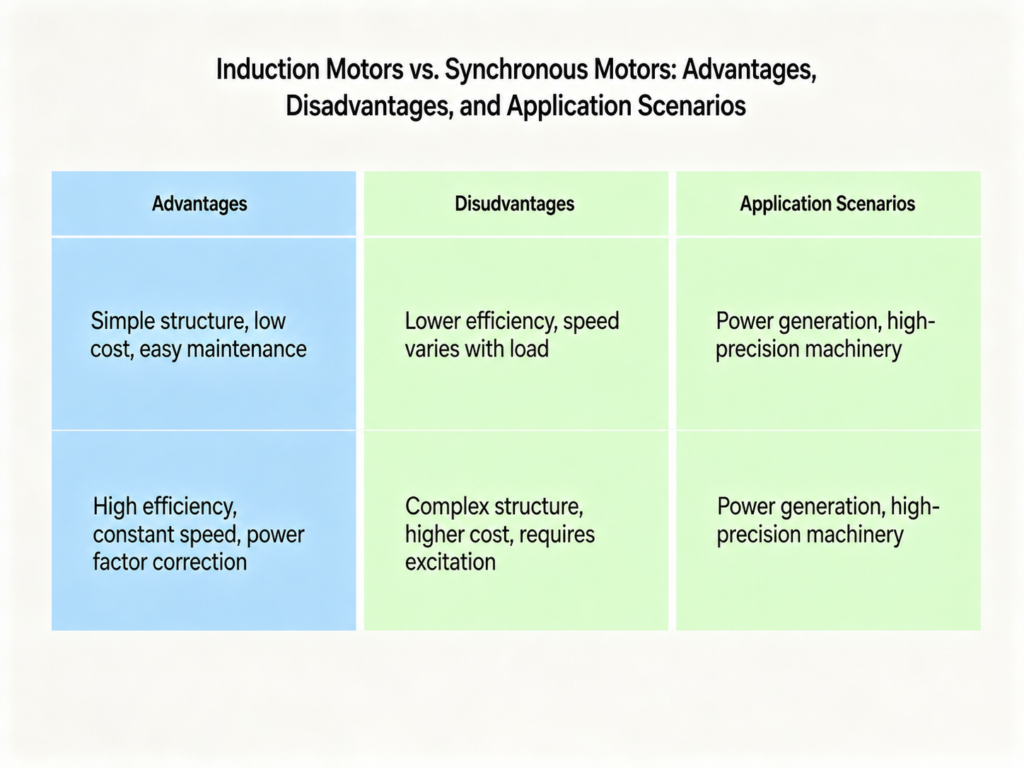
By now, you should be able to clearly distinguish between induction motors and synchronous motors. In reality, there is no absolute superiority or inferiority between them; they simply have their strengths and functions in different fields, complementing each other. Simply put, induction motors are like reliable and capable ordinary people—simple in structure, low in cost, and durable—responsible for most daily and general industrial power needs. Synchronous motors are like meticulous professionals—highly precise, efficient, and capable of adjusting the power factor, tackling high-end, high-precision power challenges. We can understand this using a simple analogy. If we compare motors to cars, induction motors are like family sedans—affordable, durable, and suitable for most people’s daily needs. Synchronous motors, on the other hand, are like high-end sports cars or special
ehicles—high-performance and highly precise. While expensive and more complex to maintain, they can accomplish tasks that ordinary cars cannot.
Conclusion: Complementary Power for a Better Life
In practical applications, the choice of motor depends primarily on the specific requirements. More specifically, for household appliances and general industrial machinery where speed accuracy is not critical and budgets are limited, induction motors are the best choice. For large-scale power generation, precision machining, and high-end equipment requiring constant speed, high precision, high efficiency, or power factor adjustment, synchronous motors are the best option. With technological advancements, the performance of both types of motors is constantly improving. For example, the efficiency of high-efficiency induction motors is continuously increasing, and the cost of permanent magnet synchronous motors is gradually decreasing. Their applications are increasingly overlapping and expanding, jointly providing stronger and more efficient power support for our lives and industrial production.
From Tesla’s invention of the induction motor to the synchronous motor’s central role in the power system, the development of these two types of motors has not only witnessed the progress of the power industry but also changed our lives. Although they are merely objects, they contain the most ingenious physical principles; seemingly ordinary, they support the normal operation of modern society. Whether it’s the electric fan spinning in your home or the roaring generator sets in a power plant, they are all silently working. Through this article, I believe everyone has gained a better understanding of the differences and characteristics of induction motors and synchronous motors. This will not only help us better understand the working principles of the devices around us but also allow us to appreciate the charm of technology. Every seemingly simple device actually embodies human wisdom and exploration.