


- Home
- Product
- GOST standard motor
- IEC standard motor
 MC Series single phase capacitor start asynchronous motor
- MY MYT series single phase capacitor running asynchronous motor
- ML Series single phase dual-capacitor asynchronous motor
- ME2 series three phase high efficiency aluminum housing motor(IE2)
- ME3 series three phase high efficiency aluminum housing motor(IE3)
- MS series three-phase aluminum housing motor (IE1)
- Y2 series three phase cast iron motor (IE1)
- YE2 series three phase high efficiency cast iron motor (IE2)
- YE3 series three phase high efficiency cast iron motor (IE3)
- Special application motor
- Rolling door motor
- Industry application
- News
- About us
- Contact us
- Certifications
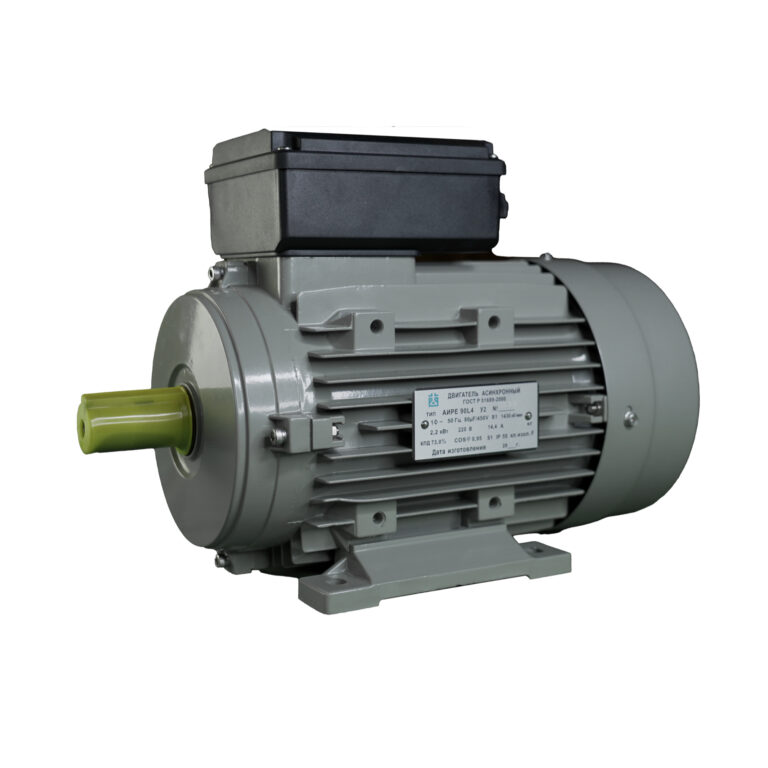
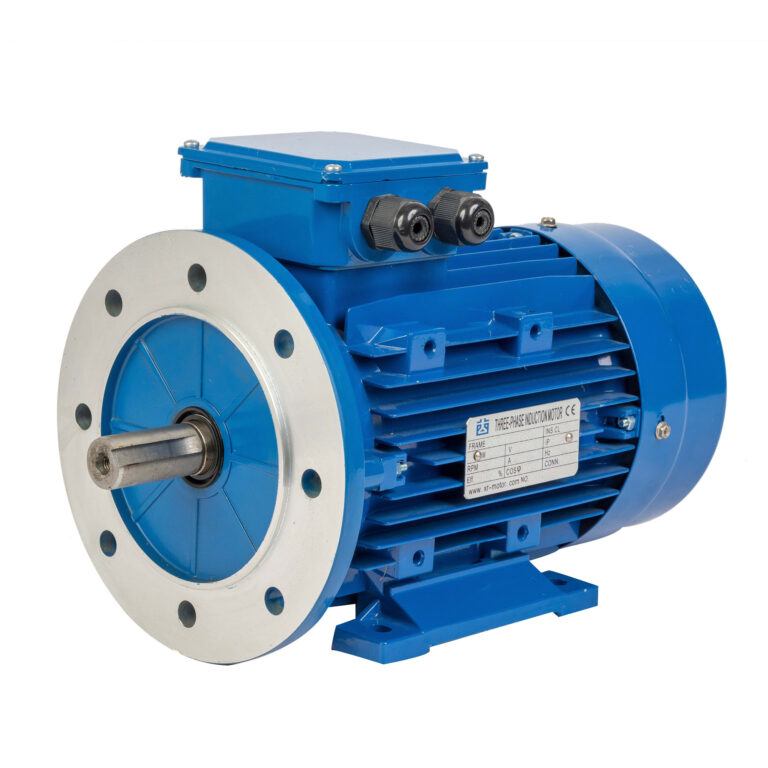
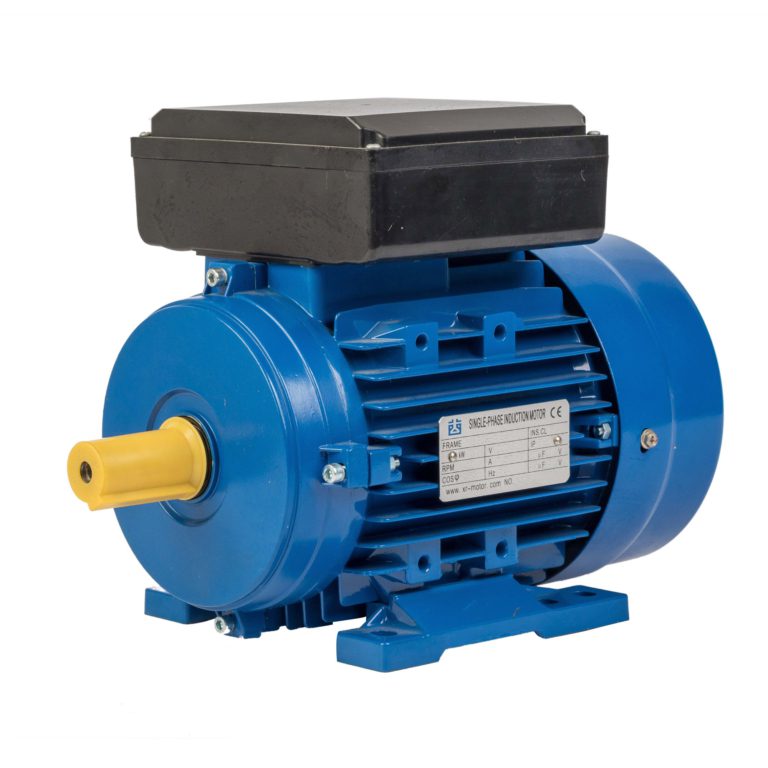
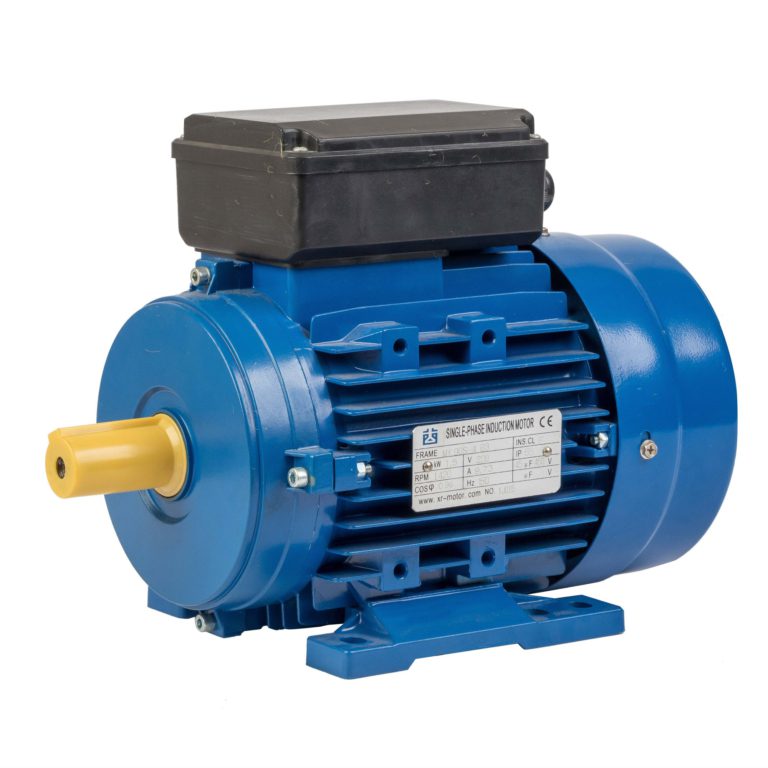
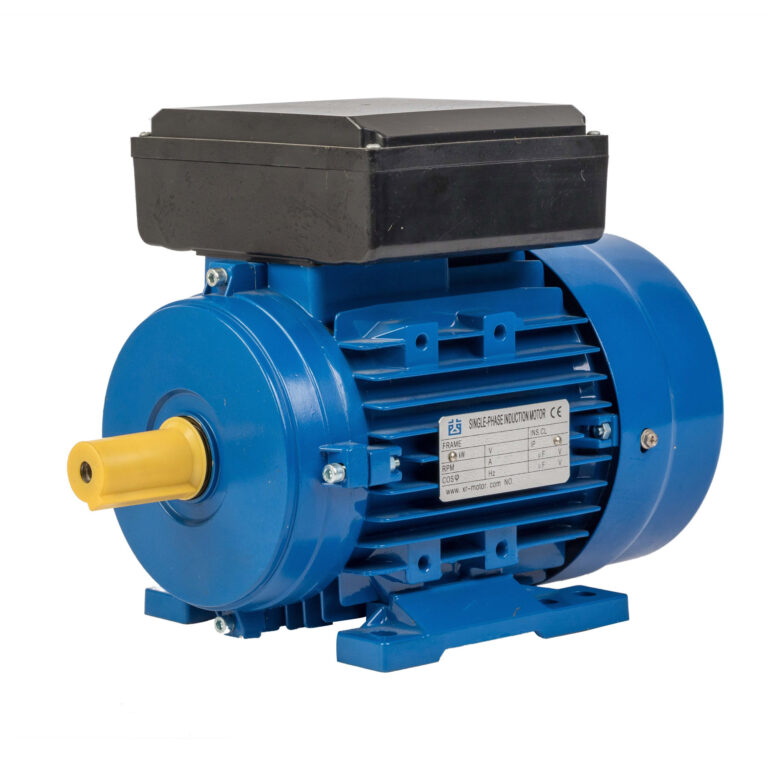
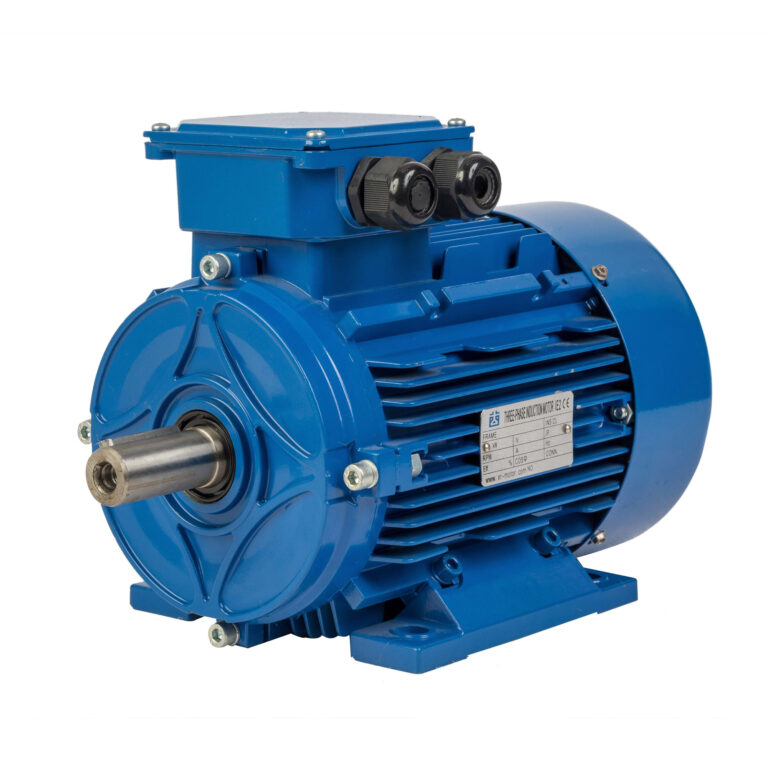
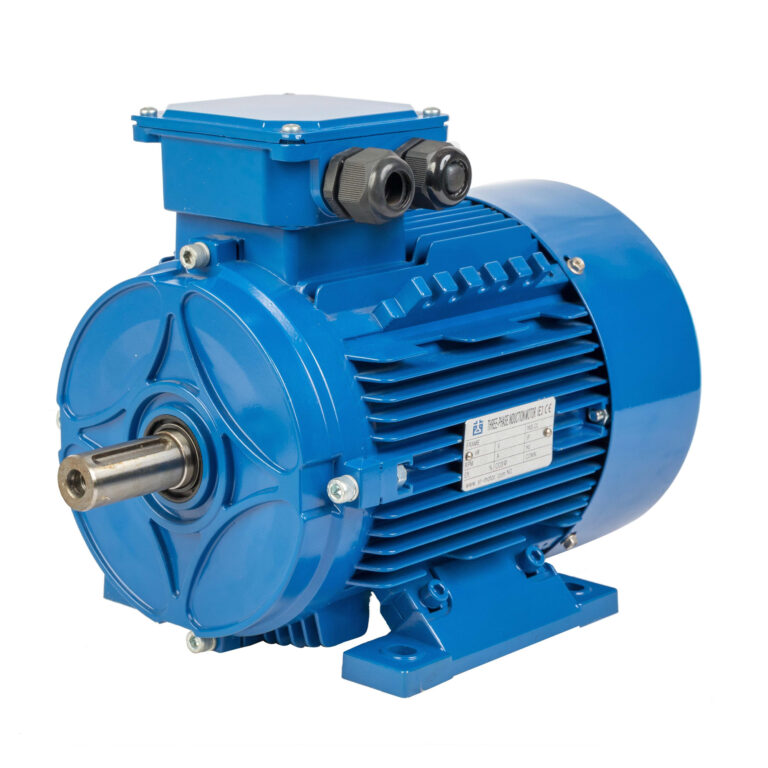
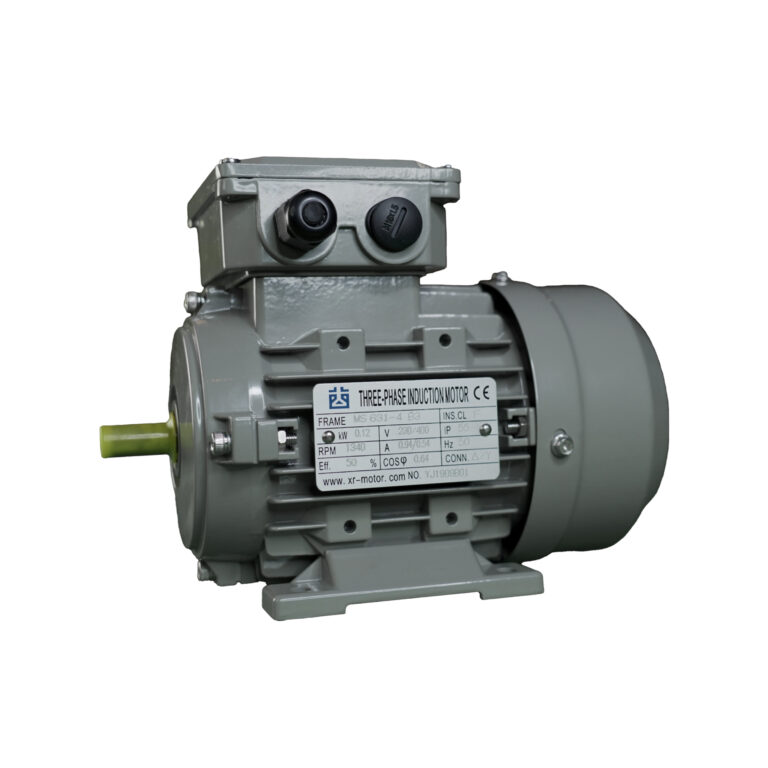
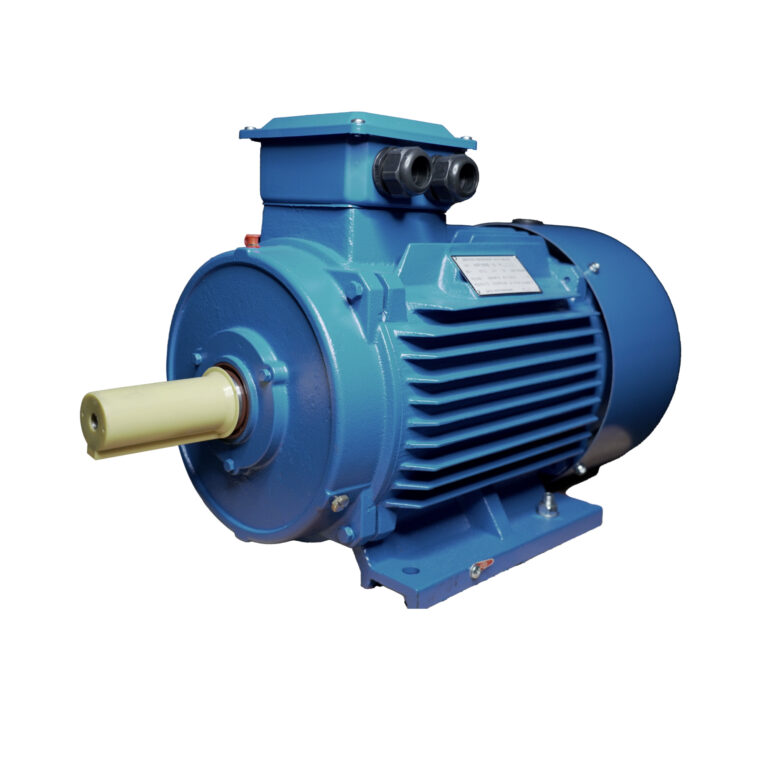
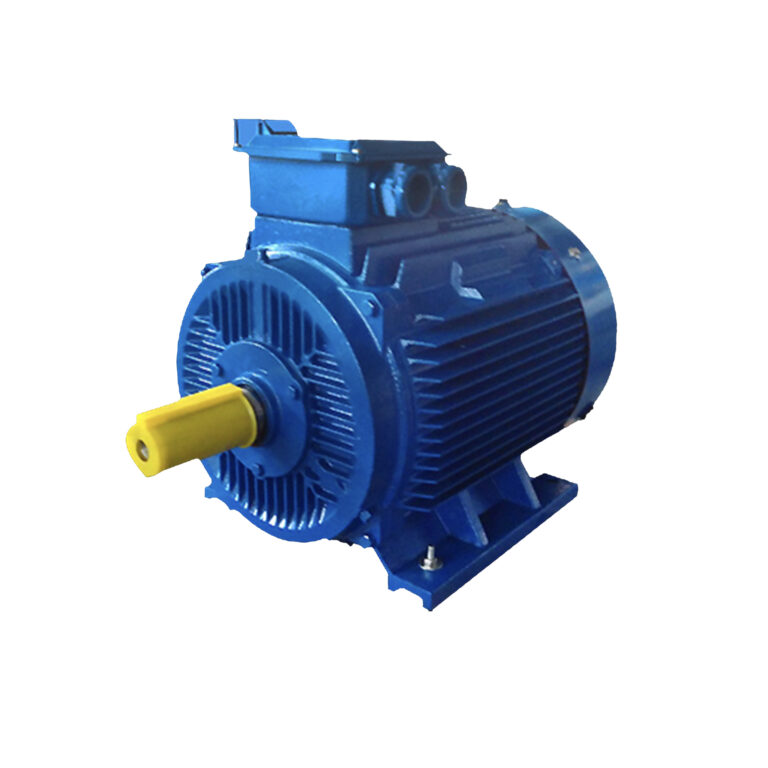
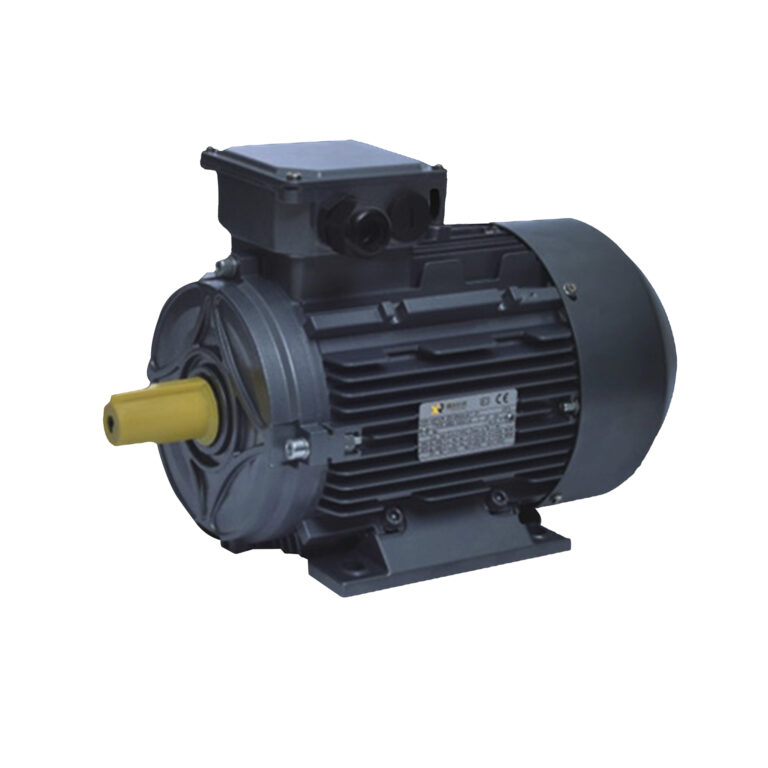
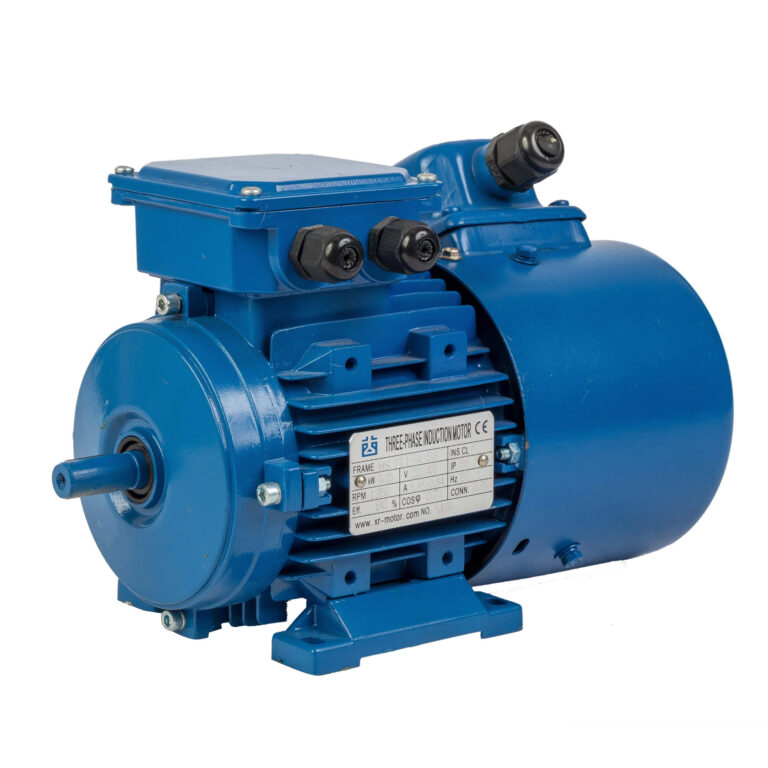
How to Read an Electric Motor Nameplate Before Buying
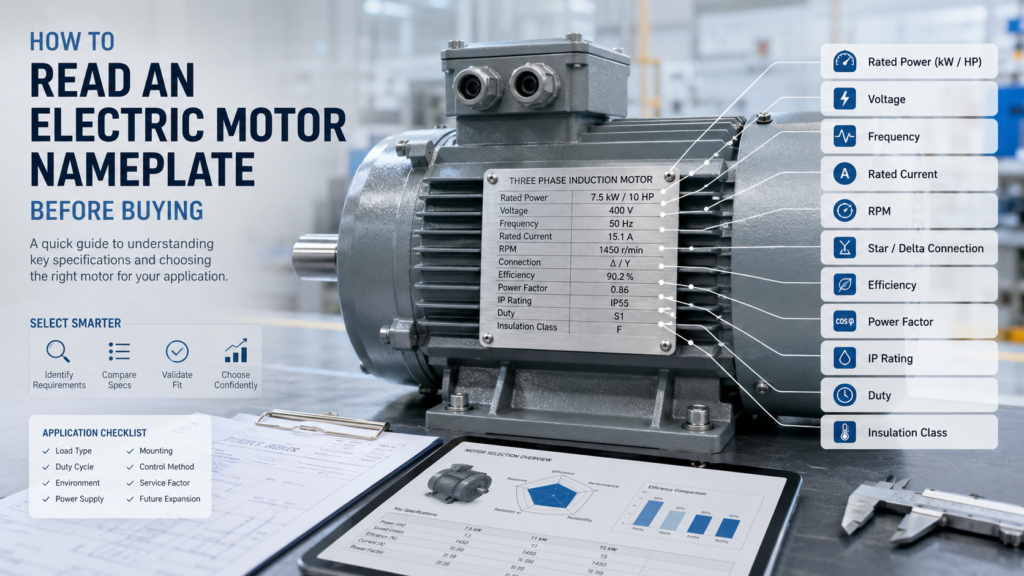
Reading a motor nameplate before you buy is one of the fastest ways to avoid an expensive mismatch between the motor, the power supply, and the driven equipment. The plate provides the baseline data for safe selection, installation, protection, and maintenance, while the full electric motor specifications tell an engineer whether the unit will truly suit a pump, fan, conveyor, gearbox, or production machine.
At DAYOU MOTOR, we often find that a customer has selected the right power rating but overlooked the voltage, frequency, mounting, or duty requirement. That is why the nameplate should be treated as an engineering reference, not just a product label.
Power, Voltage, Frequency, and Speed Form the Electrical Baseline
The motor nameplate normally identifies the model, rated output power, voltage, frequency, rated current, speed, and connection method. Rated output is usually expressed in kW under IEC practice and in horsepower under NEMA practice, although export projects may use either unit depending on the destination market.
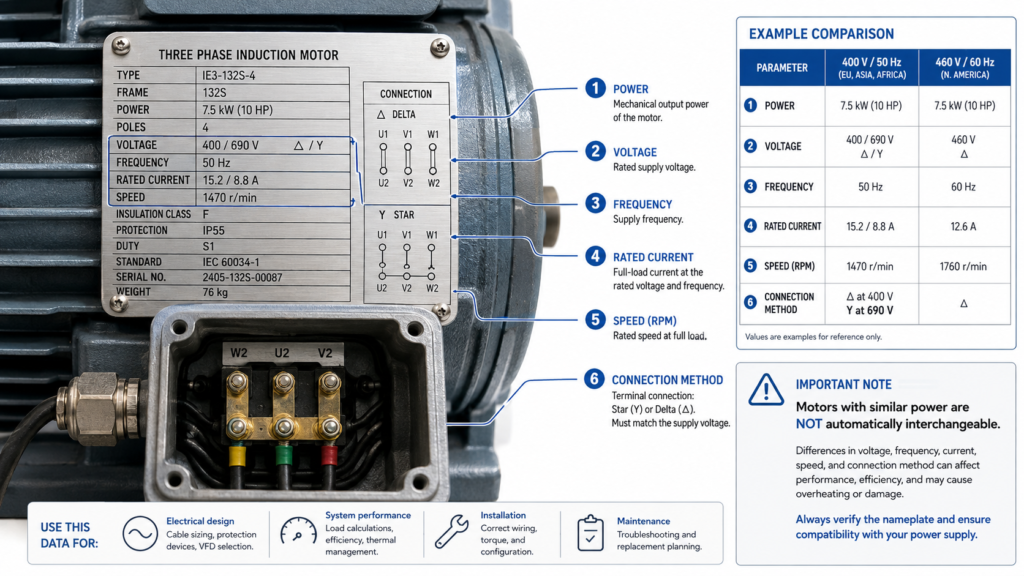
Voltage and frequency must match the available supply. A motor rated for 400 V at 50 Hz is not automatically a direct replacement for one designed for 460 V at 60 Hz, even when the power rating appears similar. These electric motor specifications should also be checked against the intended connection method, such as star or delta, before wiring begins.
IEC 60034-1 addresses rating and performance requirements for rotating electrical machines, while other applicable standards may add requirements for special environments or applications.
Rated Current Helps You Design Protection and Cabling
Rated current shows the current expected when the motor operates at its rated output, voltage, and frequency. Electricians and engineers use this value when selecting cables, contactors, overload relays, circuit breakers, and motor protection settings.
In practice, rated current is not the only value that matters. Starting method, load inertia, supply quality, and the use of a VFD can all affect the current seen during operation. I have reviewed installations where a correctly sized motor experienced nuisance trips because the protection setting was based only on its rated current, while the actual startup conditions had not been considered.
Speed Is a Working Value Rather Than a Synchronous Value
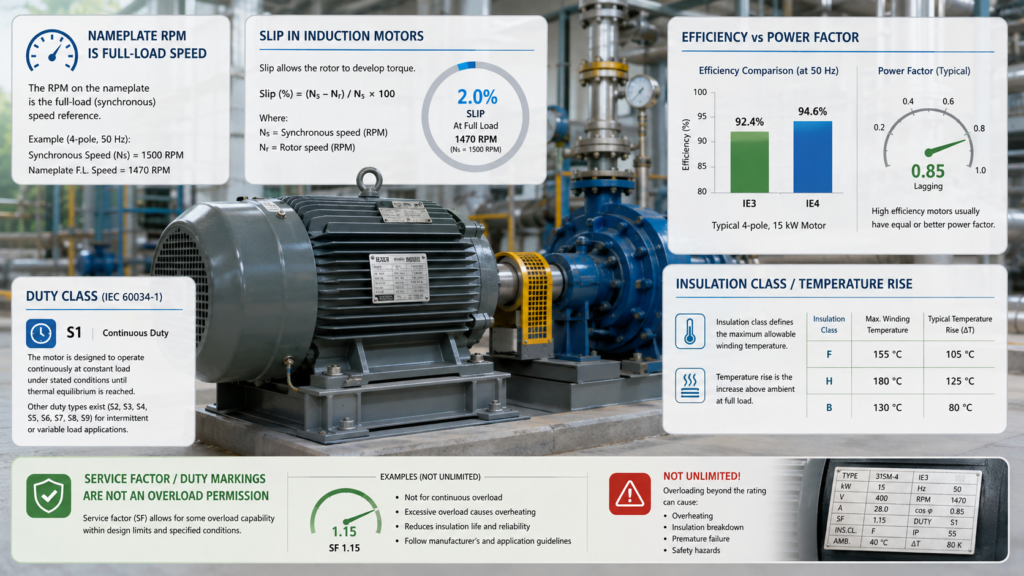
The RPM shown on a nameplate is normally the full-load operating speed, which is lower than synchronous speed because induction motors require slip to produce torque. Pole number and supply frequency determine the approximate speed range, so a 4-pole motor at 50 Hz and a 4-pole motor at 60 Hz should not be treated as mechanically identical.
For equipment such as pumps, fans, compressors, and conveyors, even a modest speed difference can affect flow, pressure, torque demand, and driven-equipment performance. I always recommend checking the actual required RPM before approving a replacement motor.
Efficiency and Power Factor Answer Different Questions
Efficiency indicates how effectively electrical input is converted into mechanical output, while power factor helps describe the relationship between real power and apparent power. A higher power factor can reduce the apparent current demand on the electrical system, but it should not be confused with motor efficiency.
When comparing two motors, efficiency class, operating hours, load profile, and electricity cost should be considered together. An IE3 or IE4 design may offer attractive long-term savings for continuous-duty equipment, but its benefit depends on the actual loading and runtime rather than the efficiency label alone.
Duty, Service Factor, and Temperature Limits Affect Motor Life
IEC motors commonly use duty classes such as S1 for continuous operation, while NEMA applications may specify a service factor. These markings should be read carefully because they describe different aspects of allowable operation and should not be used as a reason to routinely overload a motor.
Insulation class and temperature-rise information are equally important in hot, dusty, humid, poorly ventilated, or high-altitude sites. A motor that runs acceptably in a clean indoor workshop may overheat quickly when installed in a confined enclosure or near a heat source. NEMA and IEC conventions differ in presentation, so buyers should compare the complete requirement instead of matching one label in isolation.
Protection, Bearings, and Traceability Support Reliable Service
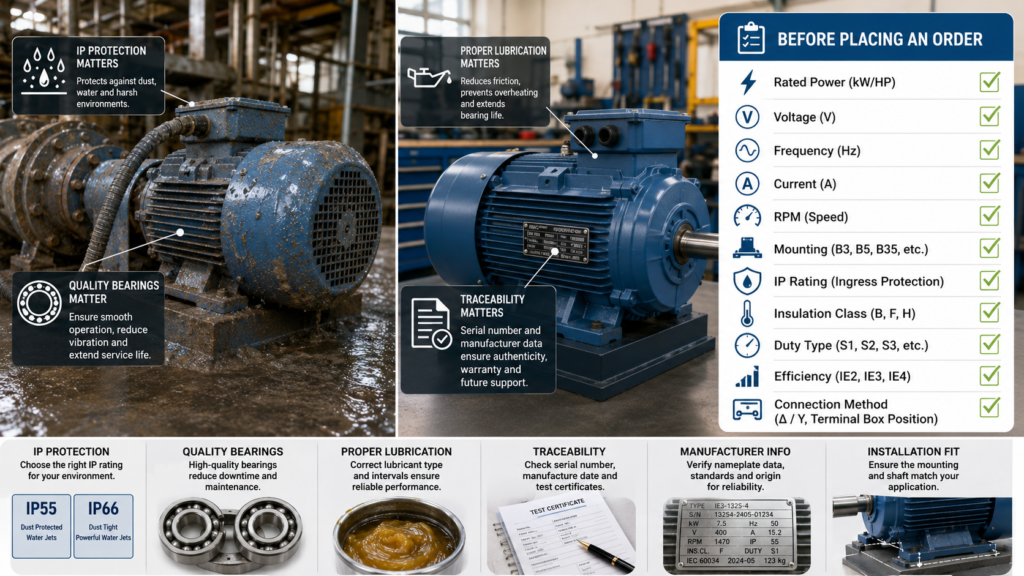
IP protection rating helps define resistance to dust and water, which makes it especially important for outdoor equipment, washdown areas, agricultural machinery, and dusty industrial plants. Bearing details, lubrication requirements, manufacturer identification, serial number, and production information may appear on the nameplate or supporting documents, and these records help maintenance teams plan inspections and trace quality issues.
An electric motor nameplate guide for North American buyers should therefore consider NEMA-related operating data alongside the site supply and application requirements. For motor nameplate requirements for European OEMs, IEC efficiency class, duty designation, protection level, and dimensional compatibility may be equally important.
DAYOU MOTOR helps customers review electric motor specifications for Middle East projects, where heat, dust, and continuous operation can affect the final configuration, as well as electric motor specifications for Southeast Asian factories that may require different voltages, humidity protection, or replacement compatibility. An industrial motor supplier in South America should also be able to provide traceable product information and practical technical support for local operating conditions.
Buyers Should Ask These Questions Before Placing an Order
Which details should I compare first on a motor nameplate?
Check rated power, voltage, frequency, current, RPM, mounting arrangement, IP rating, insulation class, duty type, efficiency class, and connection method before comparing price.
Can I replace a motor with the same kW rating?
Not without confirming the rest of the electric motor specifications. Speed, voltage, frequency, shaft dimensions, mounting, flange size, starting torque, and environment may prevent a direct replacement.
Does a higher service factor mean the motor can run overloaded all the time?
No. Service factor should be understood within the applicable standard and operating conditions. Continuous overload can still increase temperature, shorten insulation life, and affect bearing performance.
A Careful Reading Prevents a Poor Purchase Decision
A correct motor nameplate gives buyers the information needed to match the motor with the equipment, electrical system, and operating environment. When the electric motor specifications are reviewed as a complete set rather than as isolated numbers, the result is safer installation, more stable operation, and fewer unexpected downtime events.
DAYOU MOTOR supports OEMs, distributors, and end users with application-based selection, helping customers choose motors that meet the real demands of their equipment rather than simply matching a number on an old nameplate.