


- Home
- Product
- GOST standard motor
- IEC standard motor
 MC Series single phase capacitor start asynchronous motor
- MY MYT series single phase capacitor running asynchronous motor
- ML Series single phase dual-capacitor asynchronous motor
- ME2 series three phase high efficiency aluminum housing motor(IE2)
- ME3 series three phase high efficiency aluminum housing motor(IE3)
- MS series three-phase aluminum housing motor (IE1)
- Y2 series three phase cast iron motor (IE1)
- YE2 series three phase high efficiency cast iron motor (IE2)
- YE3 series three phase high efficiency cast iron motor (IE3)
- Special application motor
- Rolling door motor
- Industry application
- News
- About us
- Contact us
- Certifications
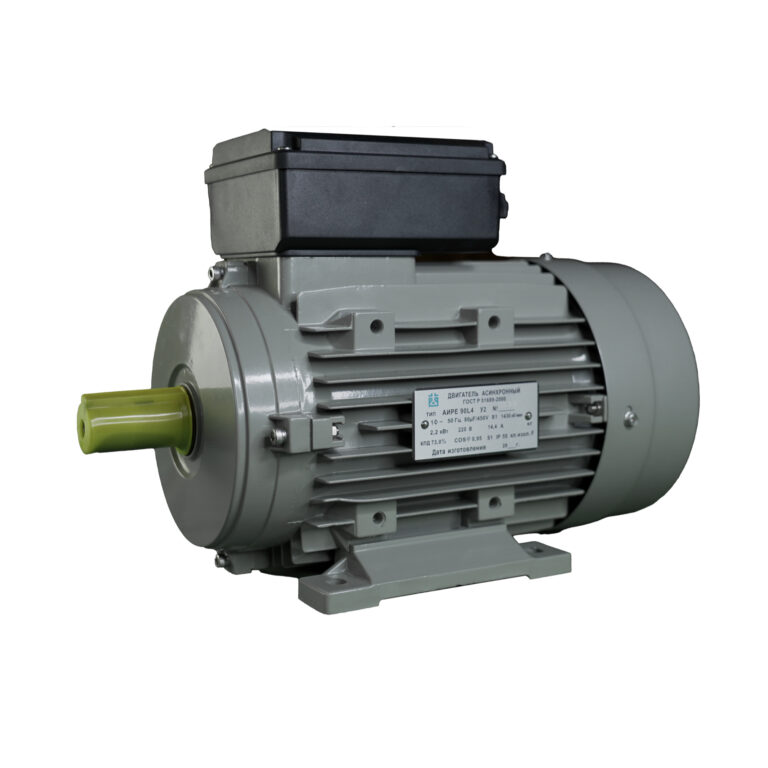
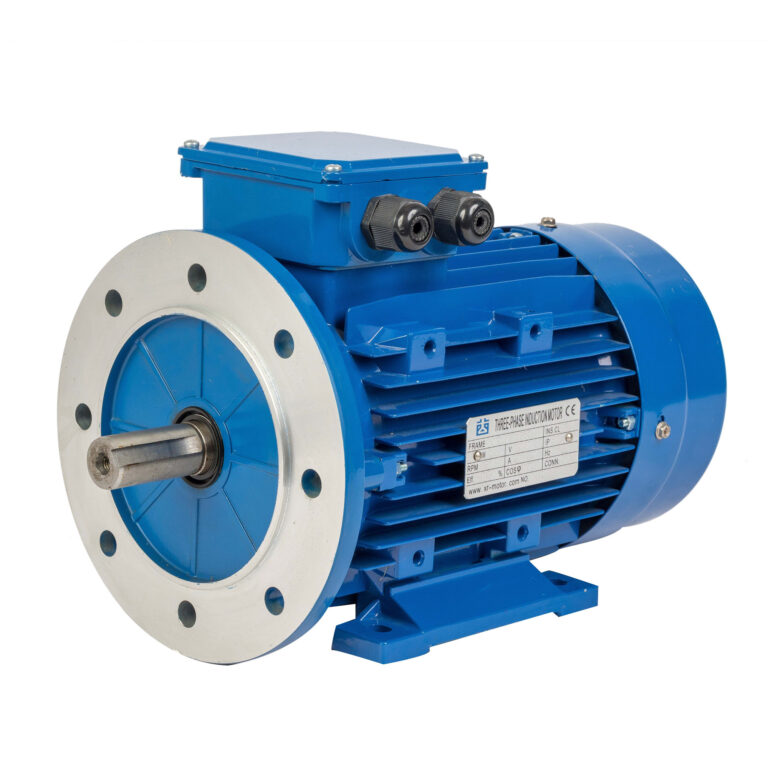
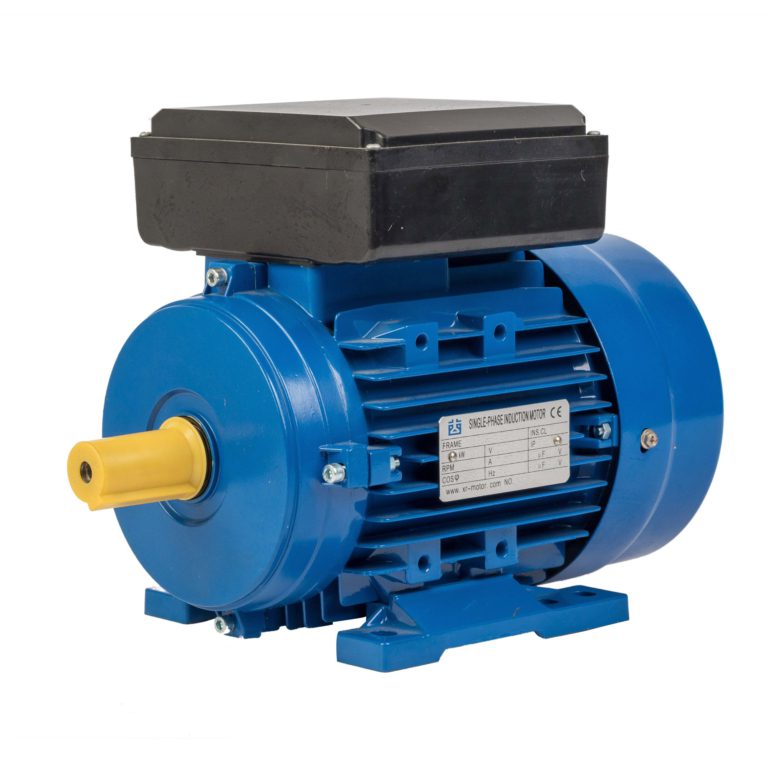
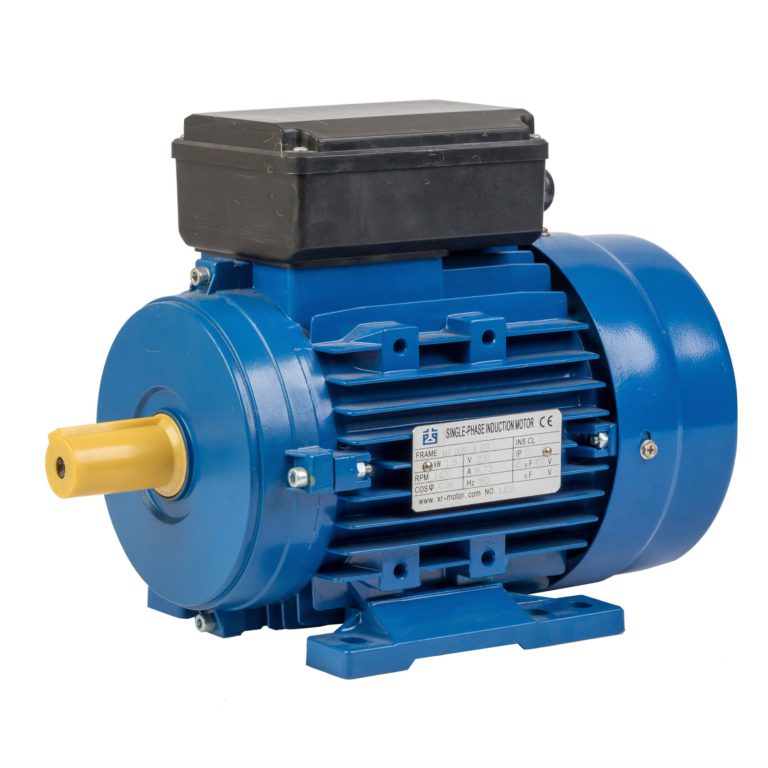
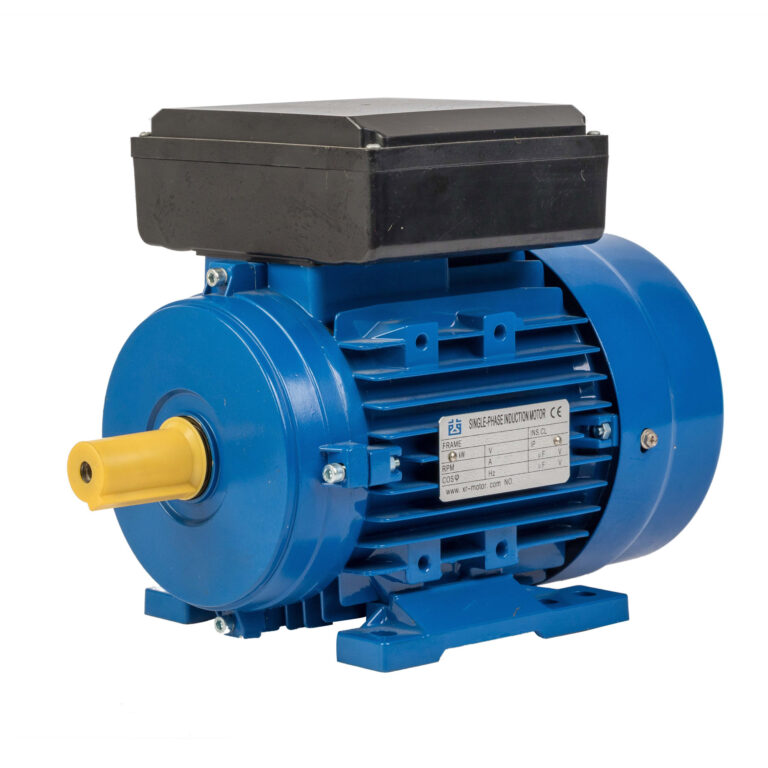
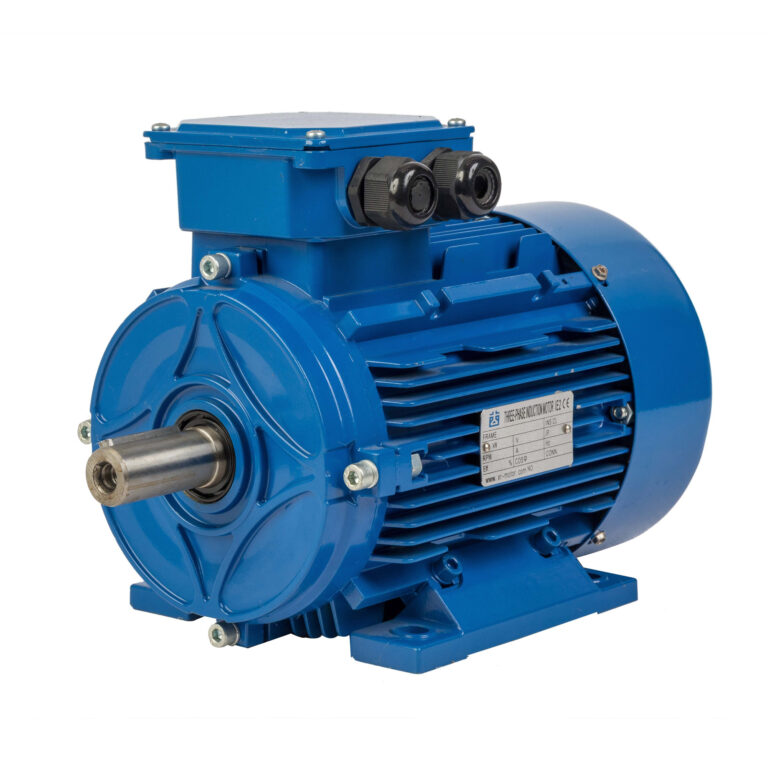
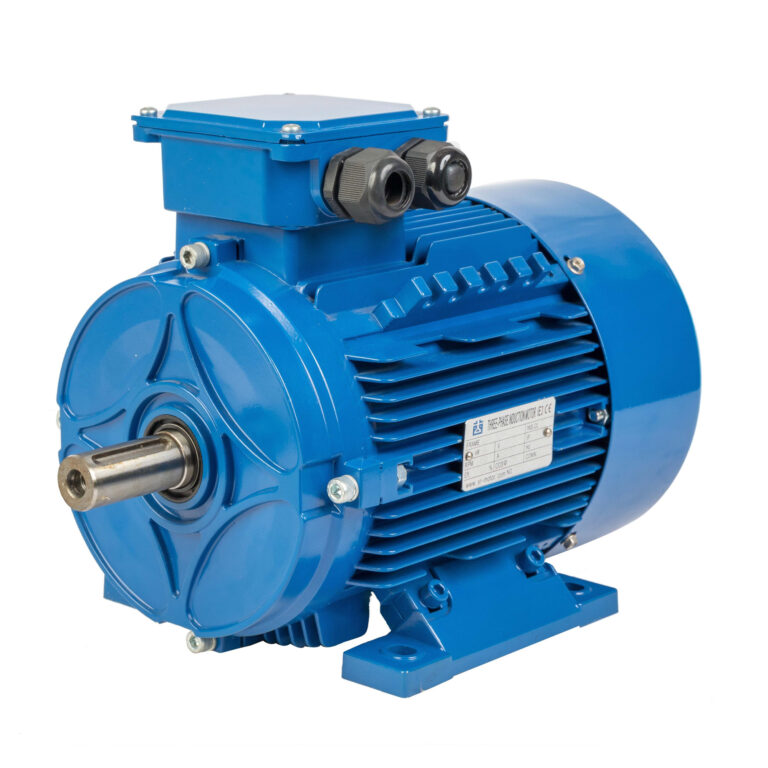
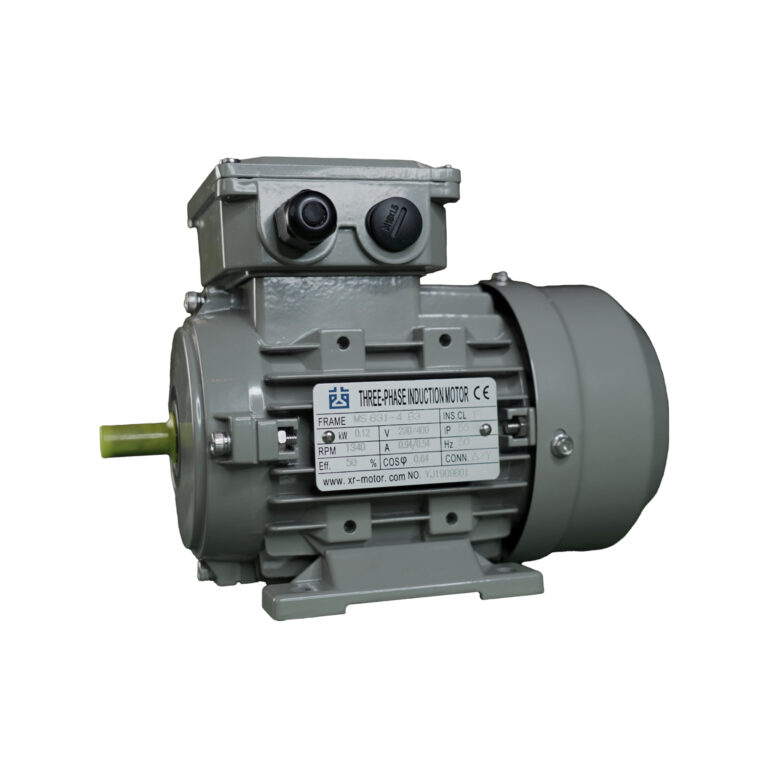
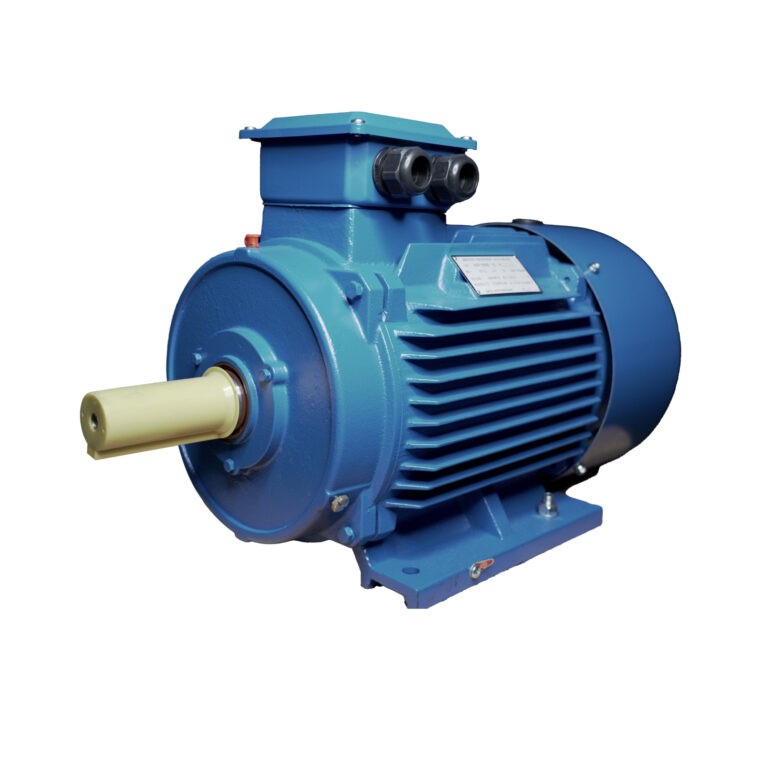
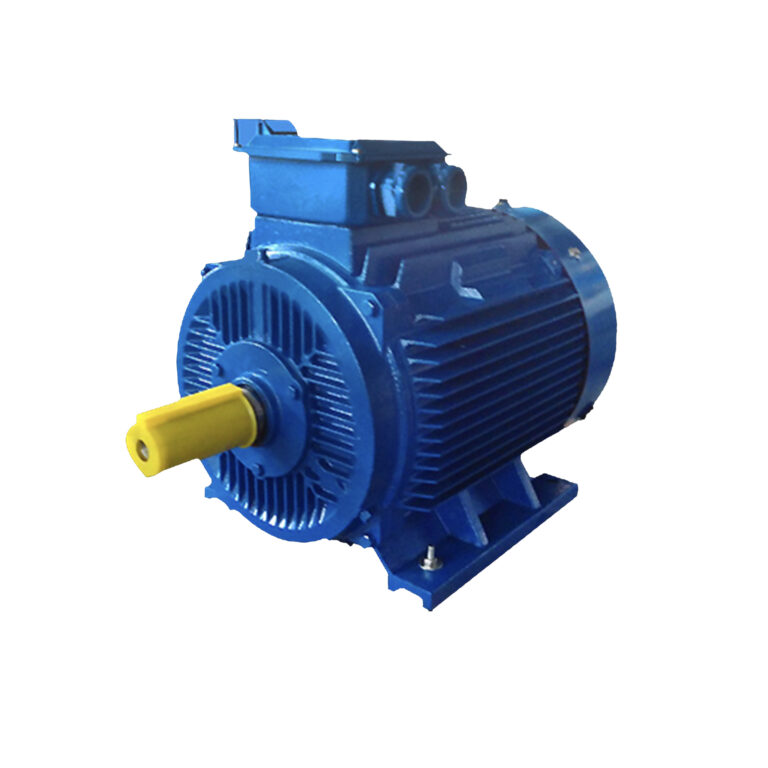
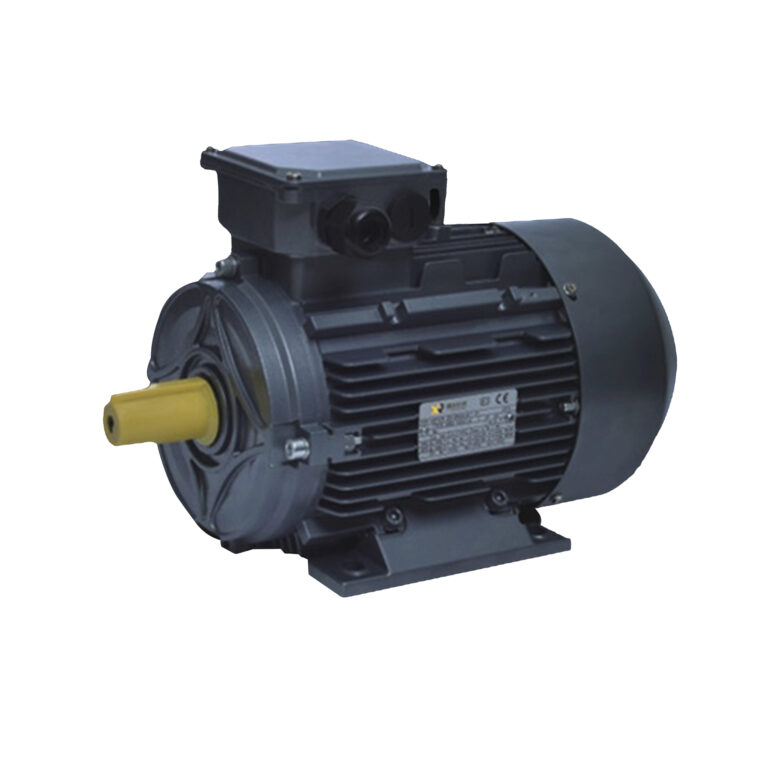
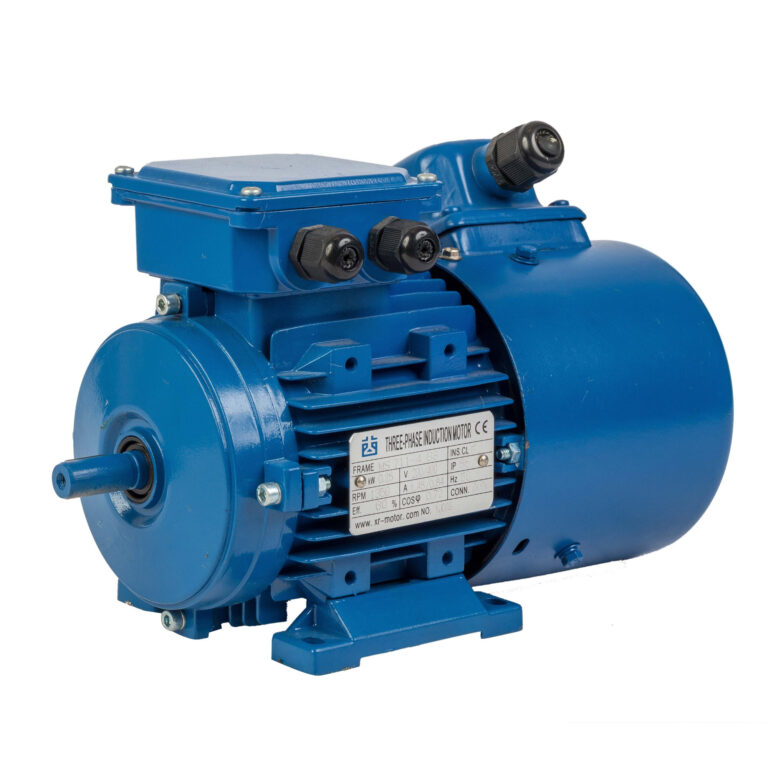
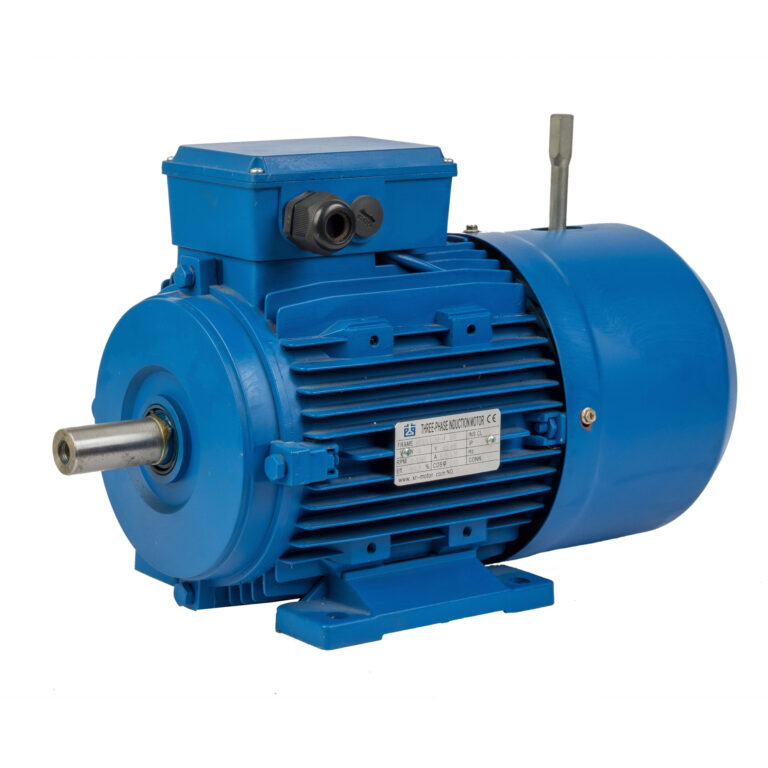
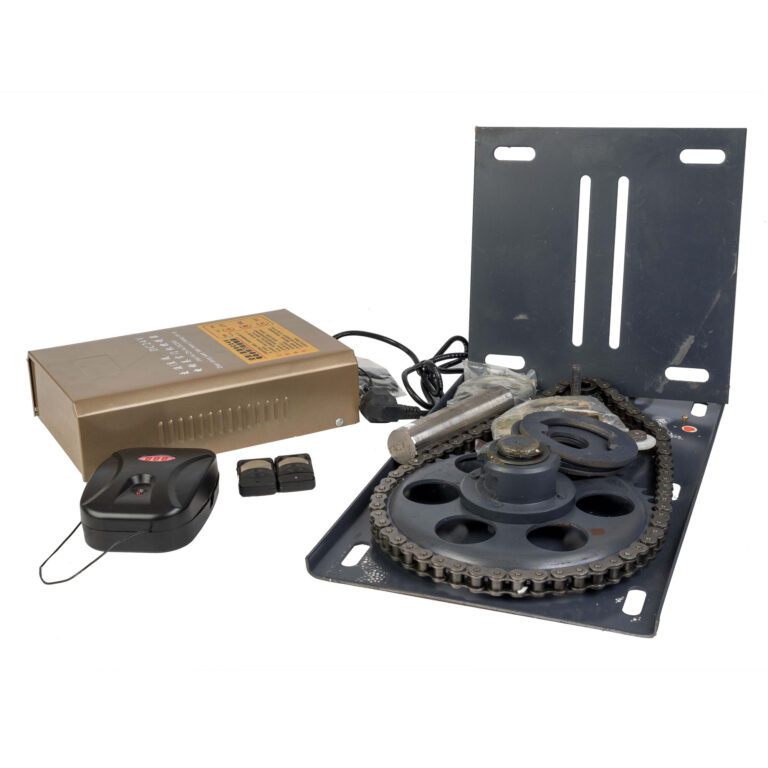
Squirrel Cage Induction Motor: Structure, Working Principle and Applications
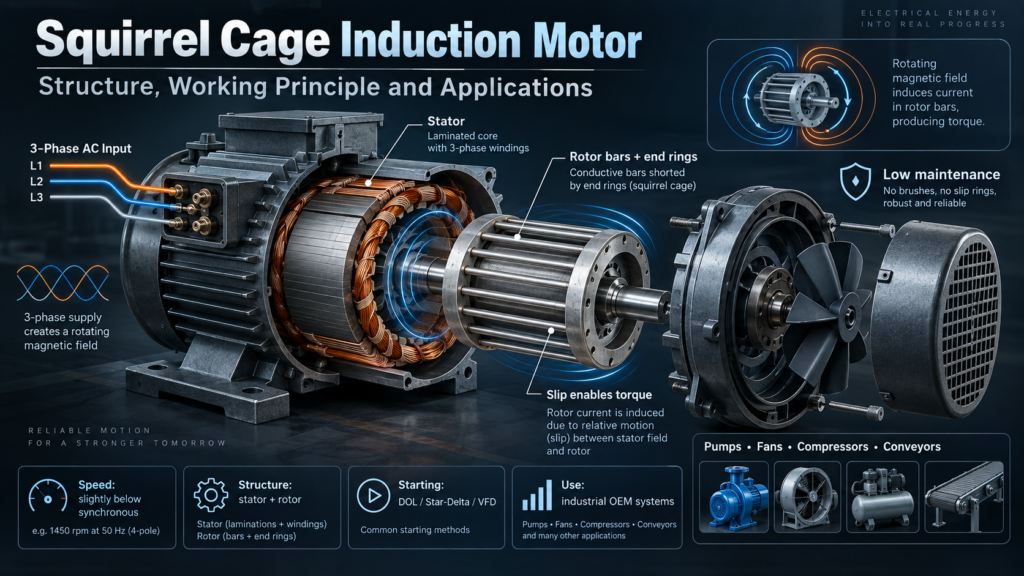
A squirrel cage induction motor is widely used in pumps, fans, compressors, conveyors, machine tools, and industrial equipment. Its simple rotor, reliable operation, low maintenance, and broad power range make it a practical choice for many applications.
The name comes from the rotor structure. Conductive bars are placed around a laminated iron core and connected by end rings, forming a cage-like shape. DAYOU MOTOR supplies standard and customized cage motors for industrial and OEM applications.
How the motor produces torque
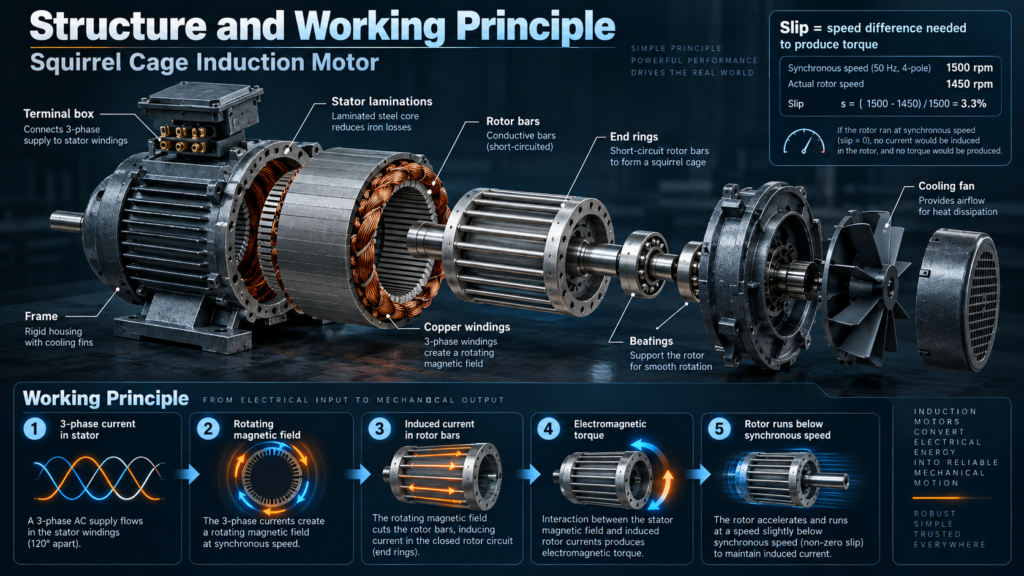
When three-phase AC power is applied to the stator windings, a rotating magnetic field is created. This field induces current in the rotor bars, and the interaction between the stator field and rotor current produces torque.
The rotor must rotate slightly slower than the magnetic field for induction to continue. This speed difference is called slip. Slip is small at light load and increases as the load rises.
Main motor structure
The main parts include the stator, rotor, shaft, bearings, frame, cooling system, and terminal box.
Stator
The stator contains a laminated steel core and insulated windings. The laminations reduce losses, while the winding design determines voltage, frequency, pole number, torque, current, and thermal performance.
Rotor
The rotor uses aluminum or copper bars connected by end rings. It has no external electrical connection, brushes, or slip rings. Slightly skewed rotor bars help reduce vibration, noise, torque pulsation, and magnetic locking.
Shaft, bearings, and frame
The shaft transfers power to the driven equipment, while bearings support the rotor. The frame supports the motor and helps release heat. Standard motors often use a shaft-mounted cooling fan.
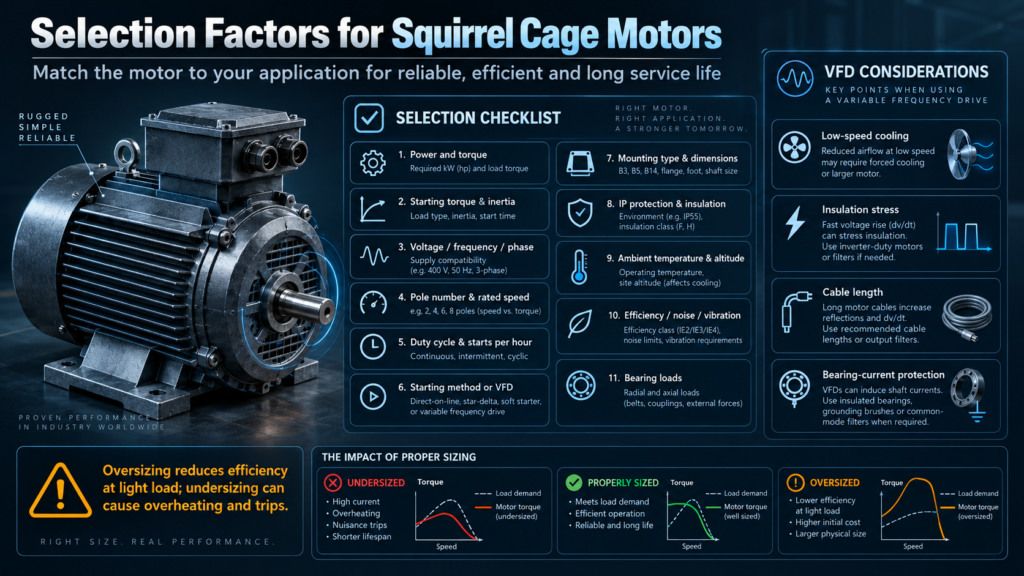
When a motor runs continuously at low speed with a VFD, an independent cooling fan may be needed because the standard fan also slows down.
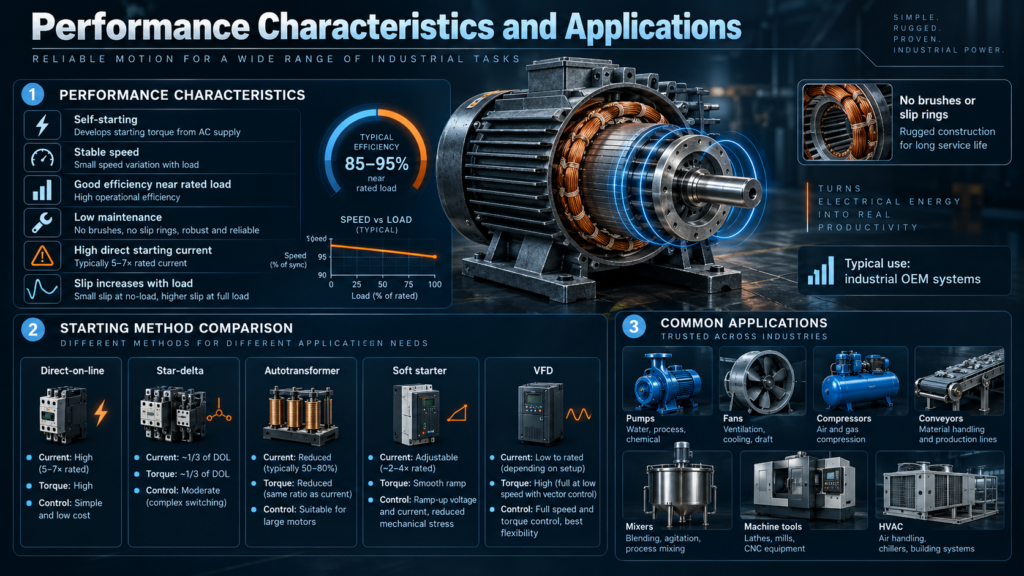
Performance characteristics
A squirrel cage motor generally offers:
- Self-starting operation with three-phase power
- Stable speed under normal load changes
- High starting current during direct starting
- Good efficiency near rated load
- Lower power factor at light load
- Increasing slip as load rises
- No brushes or slip rings
- Low routine maintenance
Two motors with the same rated power may still have different starting current, torque, slip, and efficiency. Rotor design and starting method should match the load.
A squirrel cage motor supplier in China for European pump OEMs should review the pump curve, duty, starting method, efficiency, mounting, and operating environment before recommending a model.
Starting methods
Starting method | Main characteristics | Typical use |
Direct-on-line | Simple, high starting current, full starting torque | Small motors and strong power supplies |
Star-delta | Reduces current and starting torque | Light starting loads |
Autotransformer | Uses reduced voltage during starting | Larger motors |
Soft starter | Provides smooth acceleration | Pumps, fans, and mechanical systems |
VFD | Controls speed and starting current | Variable-speed applications |
Star-delta starting requires a motor designed for delta operation at line voltage. VFD applications also require attention to cooling, insulation, cable length, bearing currents, and maximum speed.
Common applications
Cage motors are used for:
- Pumps
- Fans and blowers
- Compressors
- Conveyors
- Mixers
- Machine tools
- Crushers
- HVAC equipment
- Agricultural machinery
- Hydraulic systems
A three phase induction motor for Middle East water systems may require high-temperature derating, suitable IP protection, corrosion resistance, and compatibility with local voltage conditions.
An IE3 industrial motor for Southeast Asian factories may need protection against humidity, condensation, dust, and high ambient temperatures.
Advantages and limitations
Advantages
- Robust construction
- Low maintenance
- Reliable continuous operation
- Competitive cost
- Wide availability
- Good efficiency near rated load
- Compatibility with different starting methods
Limitations
- High direct-starting current
- Speed slightly below synchronous speed
- Limited speed control without a VFD
- Lower power factor at light load
- Possible cooling problems at low VFD speeds
- Starting torque depends on rotor design
An induction motor manufacturer in China for African mining equipment should consider dust, shock loads, power quality, cooling, bearing protection, and starting torque before selecting a model.
NEMA design letters and efficiency classes
NEMA design letters describe starting torque, starting current, maximum torque, and slip. They are not efficiency classes.
Design B is common for general industrial use. Design C provides higher starting torque, while Design D offers very high starting torque with greater slip.
Efficiency is classified separately, such as through IEC IE classes. IE3 indicates an efficiency level, not a torque-speed design.
Motor selection factors
Before selecting a squirrel cage induction motor, confirm:
- Required power and torque
- Starting torque and load inertia
- Voltage, frequency, and phase
- Pole number and rated speed
- Duty cycle and starts per hour
- Starting method or VFD operation
- Mounting type and dimensions
- IP protection and insulation
- Ambient temperature and altitude
- Efficiency, noise, and vibration limits
- Bearing requirements and external shaft loads
An IEC motor for South American conveyor systems should also match the destination voltage, frequency, mechanical interface, and environment.
Oversizing may reduce efficiency and power factor, while undersizing can cause overheating, trips, and shorter service life.
Frequently asked questions
Why is the rotor called a squirrel cage?
The rotor bars and end rings form a cage-like cylindrical structure.
Why does the rotor run below synchronous speed?
The speed difference is needed to induce rotor current and produce torque.
Can it operate with a VFD?
Yes, provided that speed range, cooling, insulation, cable length, bearing protection, and maximum speed are suitable.
Does it require brushes?
No. The rotor bars are permanently short-circuited by end rings.
Is it suitable for high-starting-torque equipment?
Yes, if the motor torque curve, rotor design, starter, and power supply match the load.
Conclusion
The right squirrel cage induction motor must match the load, starting conditions, power supply, speed, mounting, environment, and control method. Its simple construction provides reliable operation, but proper selection is still essential.
DAYOU MOTOR supplies cage motors with different power ratings, pole numbers, voltages, efficiency classes, mounting arrangements, and protection levels. Complete application information helps ensure stable operation and long service life.