


- Home
- Product
- GOST standard motor
- IEC standard motor
 MC Series single phase capacitor start asynchronous motor
- MY MYT series single phase capacitor running asynchronous motor
- ML Series single phase dual-capacitor asynchronous motor
- ME2 series three phase high efficiency aluminum housing motor(IE2)
- ME3 series three phase high efficiency aluminum housing motor(IE3)
- MS series three-phase aluminum housing motor (IE1)
- Y2 series three phase cast iron motor (IE1)
- YE2 series three phase high efficiency cast iron motor (IE2)
- YE3 series three phase high efficiency cast iron motor (IE3)
- Special application motor
- Rolling door motor
- Industry application
- News
- About us
- Contact us
- Certifications
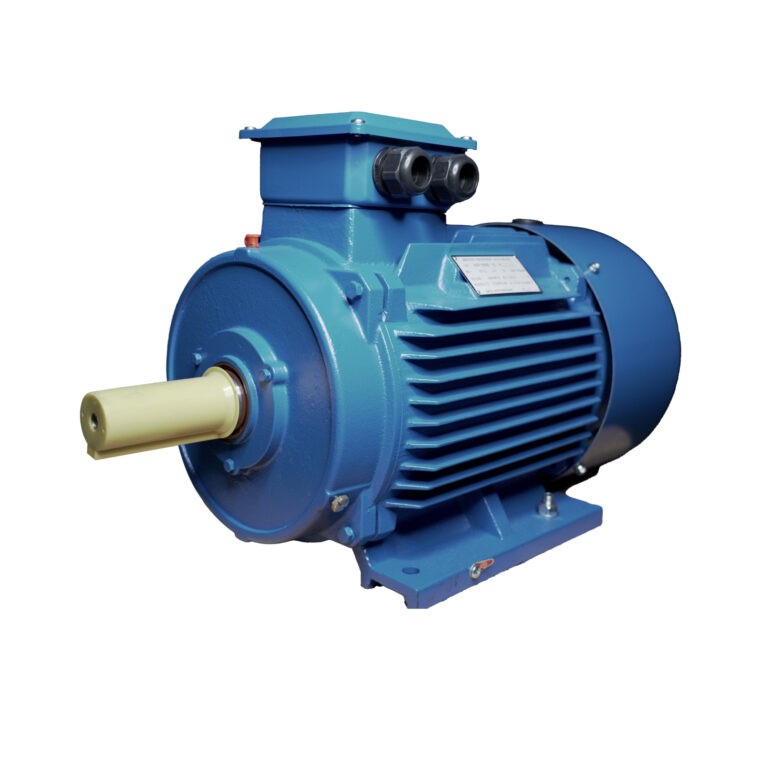
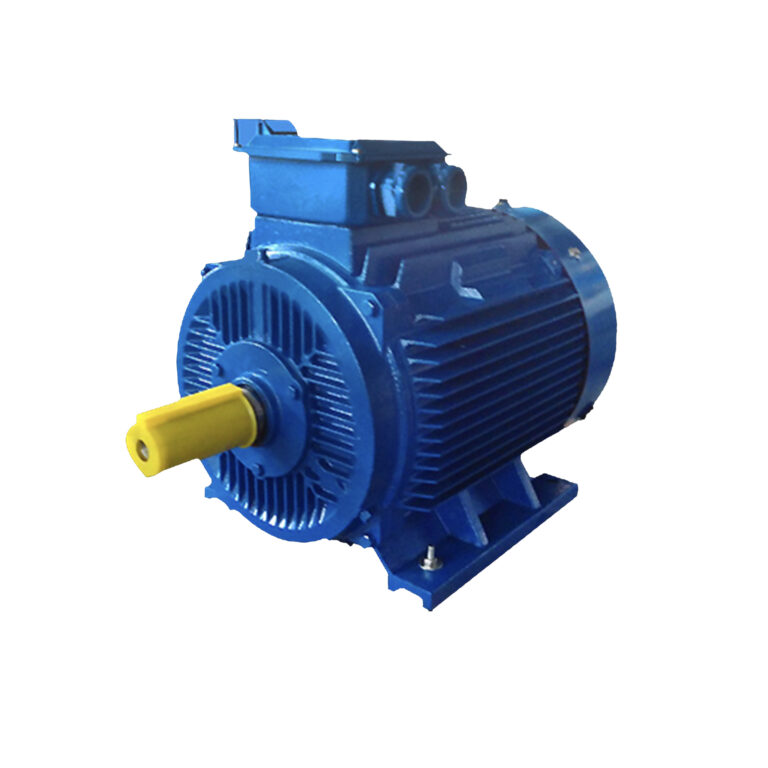
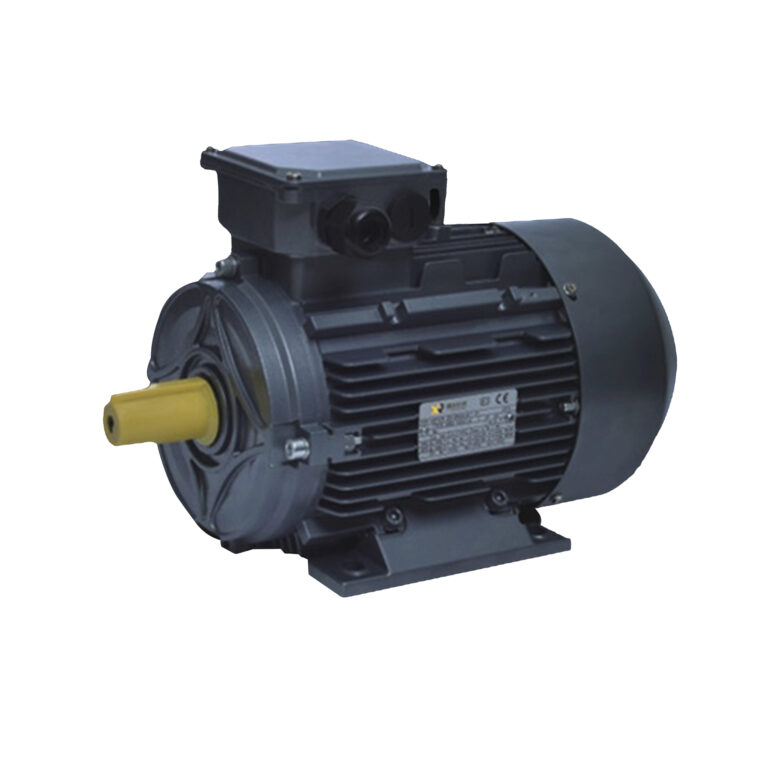
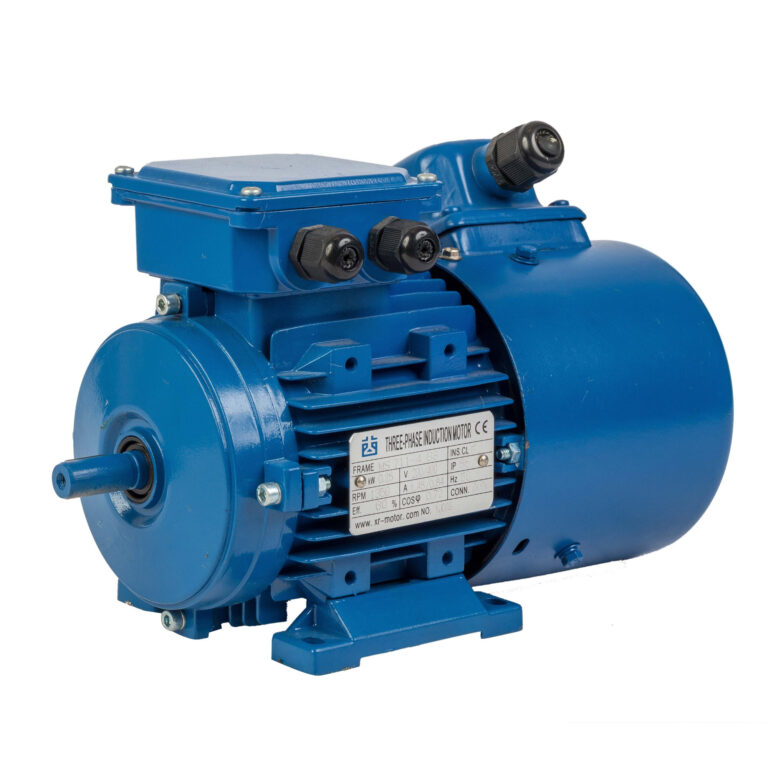
YE3 Motor: Meaning, Efficiency Level and Industrial Applications
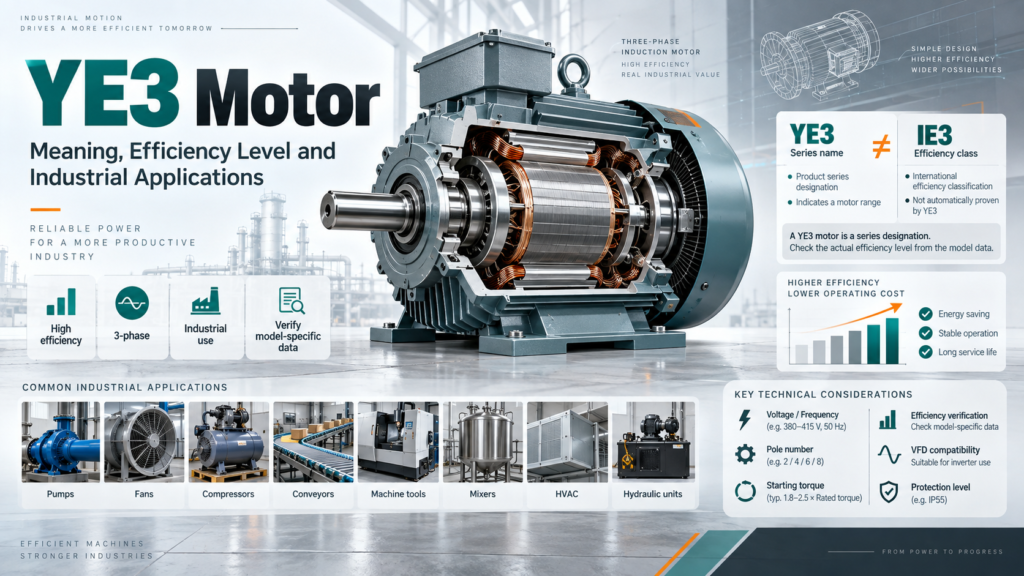
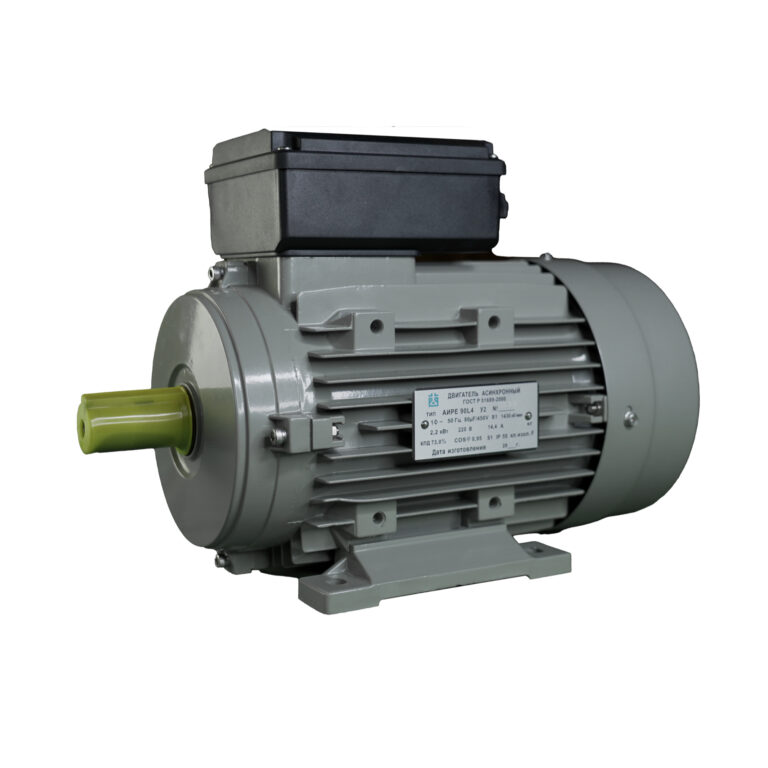
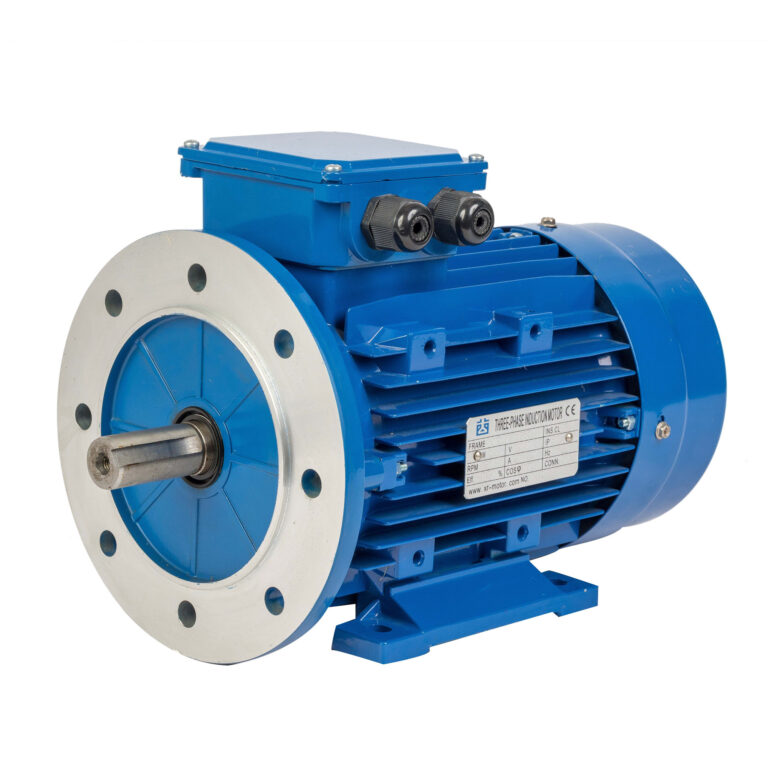
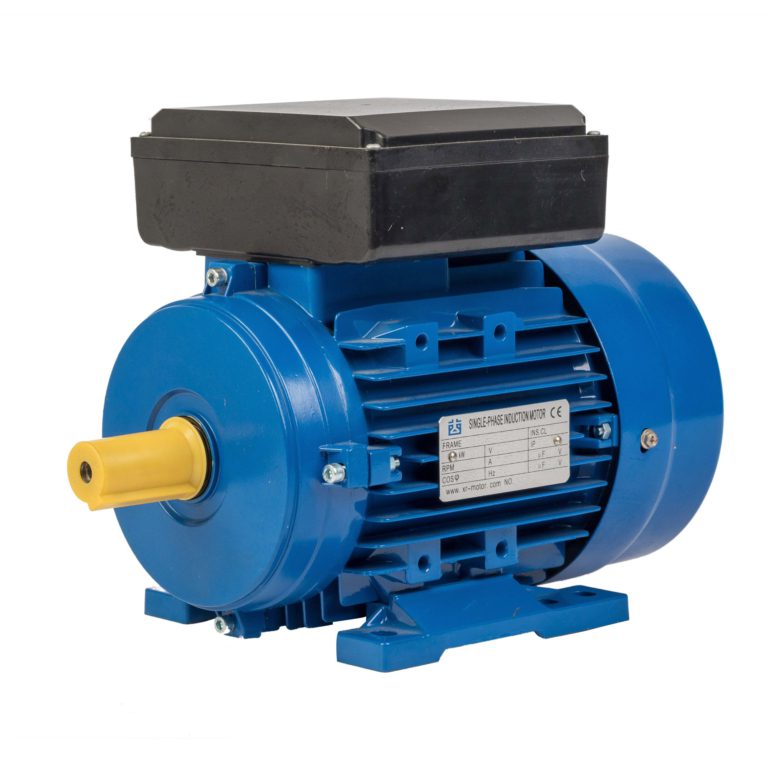
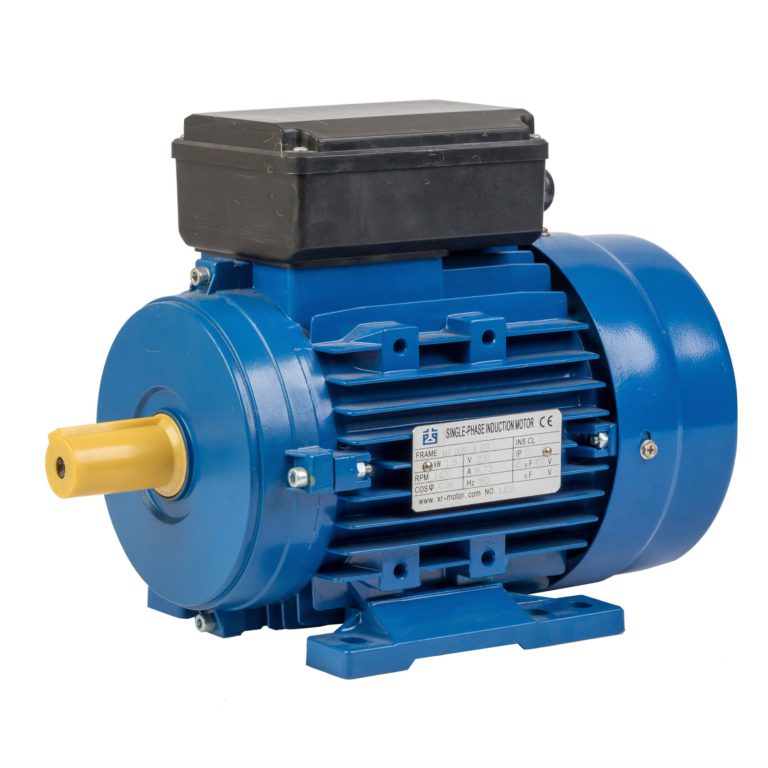
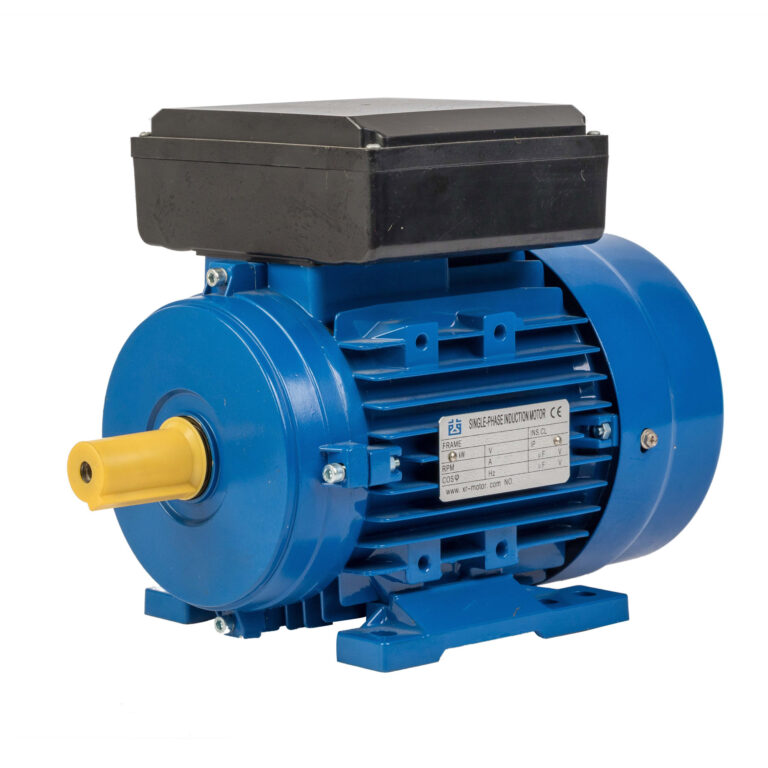
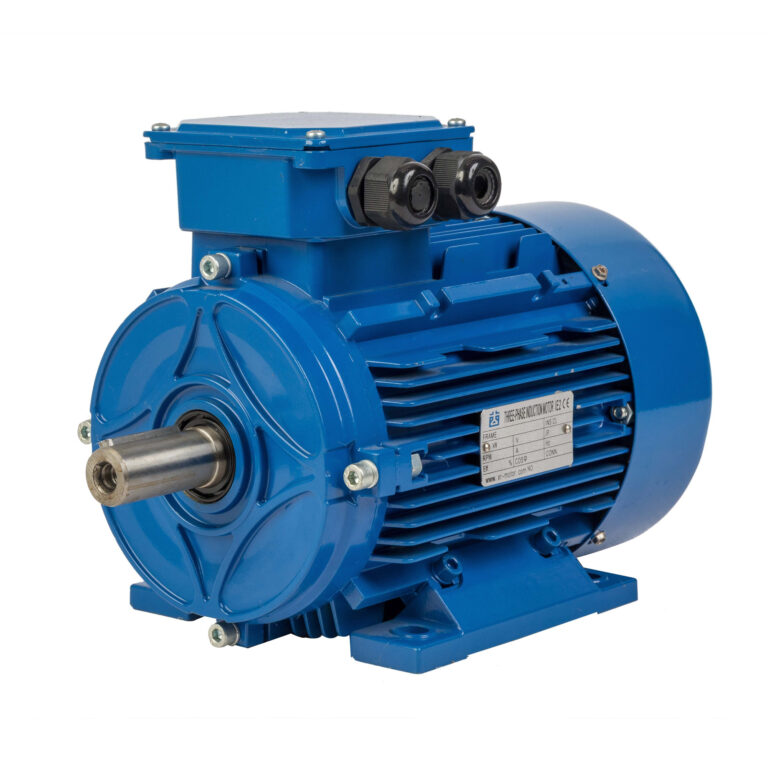
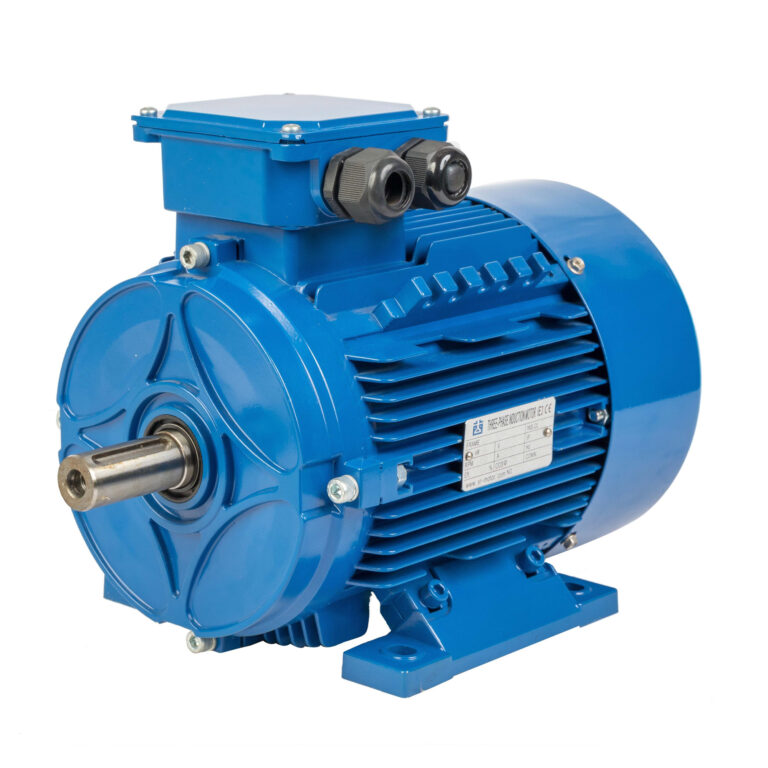
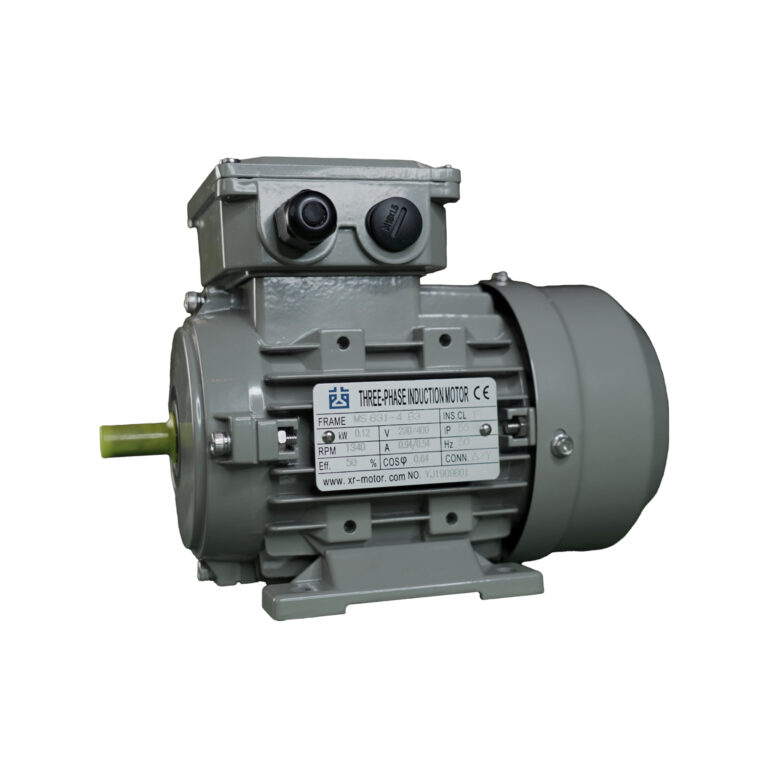
A YE3 motor is a high-efficiency three-phase induction motor series commonly supplied by Chinese manufacturers. It is generally designed for industrial equipment such as pumps, fans, compressors, conveyors, machine tools, and mixers.
However, the series name alone does not prove efficiency, starting performance, or market compliance. Buyers should verify the exact model, rated efficiency, test method, voltage, frequency, pole number, and applicable standard.
DAYOU MOTOR supplies high-efficiency induction motors for general industrial equipment, OEM machinery, and replacement projects.
What the YE3 designation means
The term YE3 motor is widely used in the Chinese motor industry. In common product naming, “YE” identifies a high-efficiency three-phase asynchronous motor family, while “3” distinguishes the series or design generation.
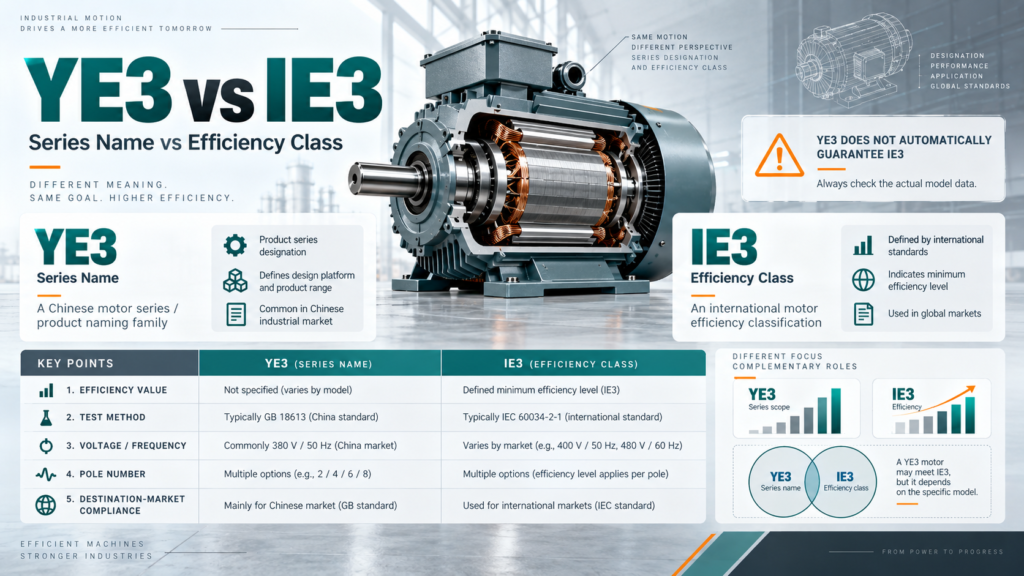
The number should not be treated as universal proof of Chinese energy-efficiency Grade 3 or IEC IE3 compliance. YE3 is a manufacturer or market series designation, whereas IE3 is a defined international efficiency class.
Two products carrying the same YE3 description may differ in:
- Efficiency
- Temperature rise
- Starting current
- Starting torque
- Frame dimensions
- Bearing arrangement
- Protection level
- Material quality
- Test method
The nameplate and model-specific technical data are therefore more important than the series name alone.
How YE3 relates to IE3 efficiency
A YE3 motor should normally be designed to achieve IE3 efficiency within its declared scope. The actual requirement depends on rated power, pole number, frequency, voltage, duty, test conditions, and the market where the product will be sold.
For international projects, buyers should review the applicable editions of IEC 60034-30-1 for efficiency classification and IEC 60034-2-1 for efficiency testing.
For products sold in China, compliance should be checked against the current applicable version and scope of GB 18613. The supplier should provide efficiency values and test records for the exact model rather than relying on a general catalogue statement.
A YE3 electric motor supplier in China for European OEMs should also confirm whether the offered model satisfies the legal and technical requirements of the destination market.
Efficiency class does not describe every performance characteristic
IE3 describes efficiency under specified conditions. It does not automatically define:
- Starting torque
- Starting current
- Maximum torque
- Permitted starts per hour
- VFD operating range
- Noise and vibration
- IP protection
- Insulation class
- Bearing life
- Overload capability
A high-efficiency model can still be unsuitable if it cannot accelerate the load, fit the machine, tolerate the environment, or operate correctly with the selected VFD.
An IE3 induction motor for Middle East pump systems may also require high-temperature derating, dust protection, corrosion-resistant finishes, and checks for local voltage conditions.
Construction varies by manufacturer and model
YE3-series products are commonly three-phase squirrel cage induction motors. Many use a totally enclosed fan-cooled structure, although enclosure and cooling arrangements can vary.
Typical features may include:
- Laminated electrical-steel stator and rotor cores
- Copper stator windings
- Aluminum or copper rotor bars
- External cooling fan
- Cast-iron or aluminum housing
- B3, B5, B14, or B35 mounting
- IP54, IP55, or higher protection
- Class F insulation
- Bearings selected for the application
These are common configurations rather than properties guaranteed by the YE3 name. The quotation and technical datasheet should identify the actual construction.
Efficiency depends on the complete electromagnetic and mechanical design. Electrical-steel quality, copper content, air gap, winding arrangement, rotor geometry, bearings, cooling fan, and manufacturing consistency all affect losses.
Common industrial applications
A YE3 motor can be used in many applications where equipment operates regularly and energy consumption matters.
Pumps
Selection should consider flow, head, maximum shaft power, operating point, liquid properties, and starting conditions.
Fans
Important factors include airflow, pressure, inertia, speed range, noise, and whether the fan will operate with a VFD.
Compressors
Buyers should check starting torque, unloading method, duty cycle, pressure requirements, and the compressor’s load profile.
Conveyors
Loaded starting, gearbox ratio, belt tension, acceleration time, and starts per hour are especially important.
Mixers
Viscosity, load variation, starting torque, overload capacity, and possible product buildup should be evaluated.
Machine tools
Speed, vibration, mounting, braking, acceleration, and control accuracy may affect motor selection.
HVAC systems
Noise, efficiency, variable-speed operation, ambient conditions, and control compatibility should be confirmed.
Hydraulic units
Pressure, torque, operating temperature, pump type, and starting requirements must match the motor’s capabilities.
A high efficiency motor for Southeast Asian factories may need additional protection against humidity, condensation, dust, and high ambient temperatures.
A three phase motor for African compressor applications should also be checked for supply stability, starting current, load inertia, cooling, and local maintenance conditions.
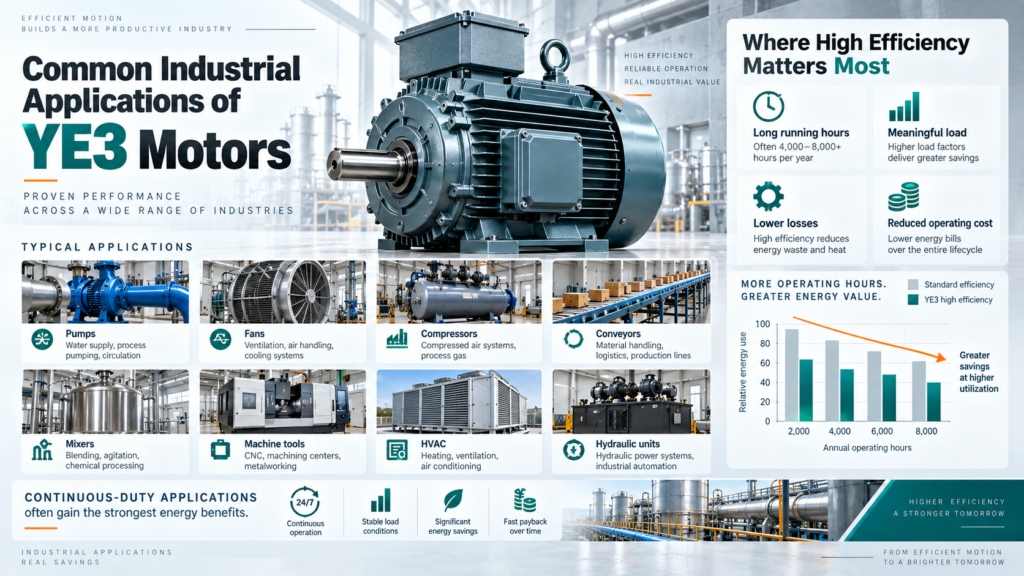
Continuous operation often provides greater energy value
High-efficiency motors normally provide the greatest financial benefit when they operate for many hours at a meaningful load. The longer the annual running time, the greater the potential value of reduced electrical losses.
A simple lifecycle comparison should consider:
- Purchase price
- Rated and part-load efficiency
- Actual operating load
- Annual running hours
- Electricity cost
- Power factor
- Maintenance cost
- Expected service life
A motor running fewer than 3,000 hours per year may still be a suitable choice, but its energy payback may take longer. Annual running hours alone do not determine whether the motor fits the application.
The product is also not automatically designed for intermittent or short-time duty. S2, S3, frequent starting, reversing, and braking duties require separate thermal evaluation.
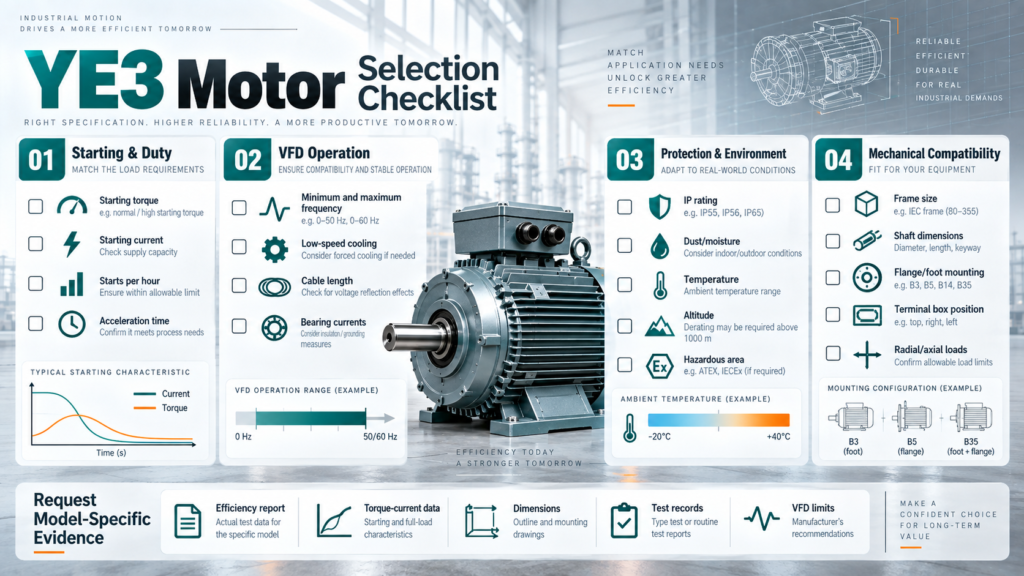
Frequent starting needs additional checks
Every start produces high current and additional rotor and winding heat. A motor may start the equipment successfully once but overheat when the same cycle is repeated frequently.
Buyers should confirm:
- Starting torque
- Starting current
- Load inertia
- Acceleration time
- Starts per hour
- Hot and cold start limits
- Duty classification
- Thermal protection
- Permitted voltage drop
Pumps and fans may start relatively easily in some systems, while loaded conveyors, crushers, mixers, and reciprocating compressors can demand considerably more torque.
If starting is difficult, the project may require a high-torque rotor design, soft starter, VFD, unloading system, or different motor size.
VFD operation must be specified
Many high-efficiency induction motors can operate with a VFD, but the permitted speed range and technical limits must be confirmed.
At low speed, a shaft-mounted fan provides less cooling. Continuous low-speed operation with high torque may require an independently powered fan.
Other points include:
- Minimum and maximum frequency
- Constant-torque speed range
- Winding insulation strength
- Motor cable length
- Carrier frequency
- Bearing currents
- Insulated bearings or grounding protection
- Maximum safe motor and equipment speed
A VFD can improve starting and process control, but it cannot correct an undersized motor or a mechanically overloaded machine.
Protection must match the environment
Before ordering a YE3 motor, buyers should describe the installation environment rather than selecting an IP rating from the catalogue without context.
Important conditions include:
- Indoor or outdoor installation
- Dust and moisture
- Water spray or washdown
- Humidity and condensation
- Corrosive gases or salt air
- Ambient temperature
- Installation altitude
- Hazardous-area classification
IP55 may suit many industrial environments, but it does not automatically provide corrosion resistance, washdown suitability, or explosion protection.
Hazardous areas require a properly certified explosion-protected design. A high IP rating cannot replace the required hazardous-area approval.
Mechanical compatibility requires full dimensional checks
A replacement motor must match more than power and speed. Buyers should verify:
- IEC frame size
- Shaft diameter and extension
- Key and keyway
- Flange register and bolt pattern
- Foot-hole spacing
- Terminal-box position
- Cable-entry direction
- Horizontal or vertical mounting
- Coupling or pulley loads
An IEC motor manufacturer in China for South American projects should also confirm destination voltage, frequency, efficiency requirements, mounting dimensions, and documentation.
For belt-driven equipment, pulley size, belt tension, radial shaft load, and bearing life require additional review.
Buyers should request model-specific evidence
A reliable quotation should include:
- Complete model number
- Rated power and speed
- Voltage, frequency, and current
- Efficiency and power factor
- Starting current and torque
- Maximum torque
- Duty and temperature-rise limits
- Protection and cooling method
- Mounting dimensions
- Bearing arrangement
- VFD operating limits
- Test and inspection records
- Warranty and spare-parts support
The efficiency report should correspond to the offered model or clearly define which ratings it covers. A report for one power, pole number, or voltage should not automatically be assumed to represent an entire series.
Frequently asked questions
Does YE3 always mean IE3?
It commonly identifies a motor series designed around IE3 efficiency, but buyers should verify the exact model, efficiency value, test method, and applicable market requirements.
Is YE3 the same as Chinese efficiency Grade 3?
They are not interchangeable naming systems. One is a product-series designation, while the other is a regulatory efficiency grade with a defined scope.
Is this series suitable for continuous operation?
Many models are designed for S1 continuous duty, but the nameplate and technical data must confirm the actual duty.
Does IE3 guarantee high starting torque?
No. Efficiency and starting performance are separate characteristics. Starting torque must be checked from model-specific data.
Is it suitable for frequent starting?
Possibly, but starts per hour, inertia, acceleration time, duty, and thermal capacity must be evaluated before selection.
Verify performance instead of relying on the name
The right YE3 motor should match the load, starting conditions, running hours, power supply, efficiency target, mounting, environment, and control method.
DAYOU MOTOR supplies high-efficiency induction motors with different powers, pole numbers, voltages, mounting arrangements, protection levels, and VFD options. Model-specific data and complete application information help buyers confirm both efficiency and operating suitability.