


Motors are crucial core equipment in modern industrial production and daily life. From small household appliances like electric fans and washing machines to large factory machine tools, mine fans, and even the drive systems of new energy vehicles, they are ubiquitous. Among the many types of motors, AC motors and DC motors are the two most basic and widely used categories. Although both can convert electrical energy into mechanical energy, they differ significantly in their working principles, structural composition, performance characteristics, and application scenarios. Many people easily confuse their uses. Today, we’ll discuss their differences and applicable scenarios in a simple and easy-to-understand way.
First, we need to clarify a basic concept. Whether it’s an AC motor or a DC motor, their core function is energy conversion. One converts electrical energy into mechanical energy to drive equipment, while the other converts mechanical energy into electrical energy for storage or transmission. In daily life, we encounter electric motors most often; for example, air conditioner compressors use AC motors, while most small motors in electric toys use DC motors. We can see their core difference from their names. While the power sources differ, this is merely the surface; the true determinants of their performance and applications lie in their internal working principles and structural design.
一、Core Definitions and Classifications of AC and DC Motors
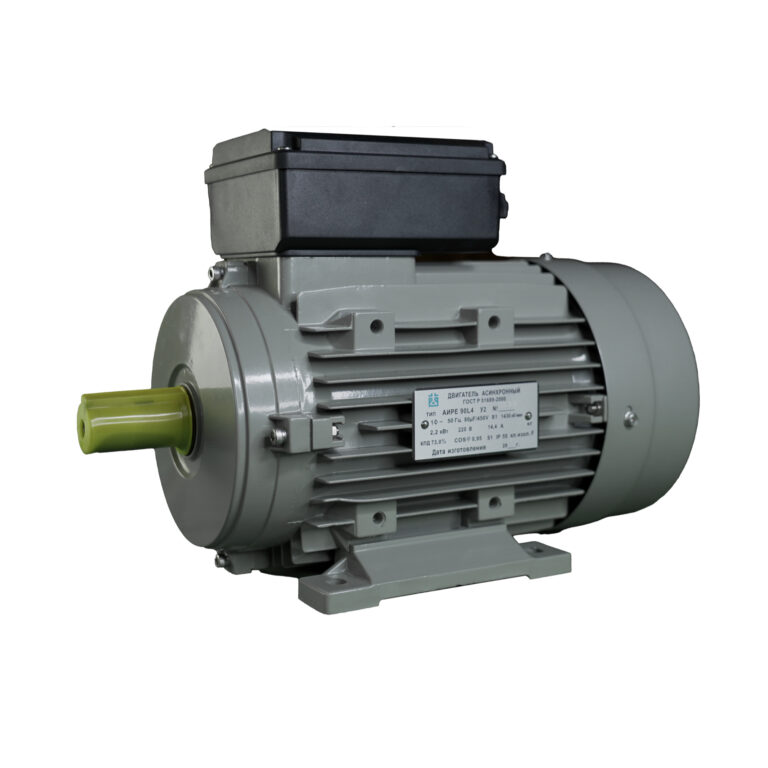
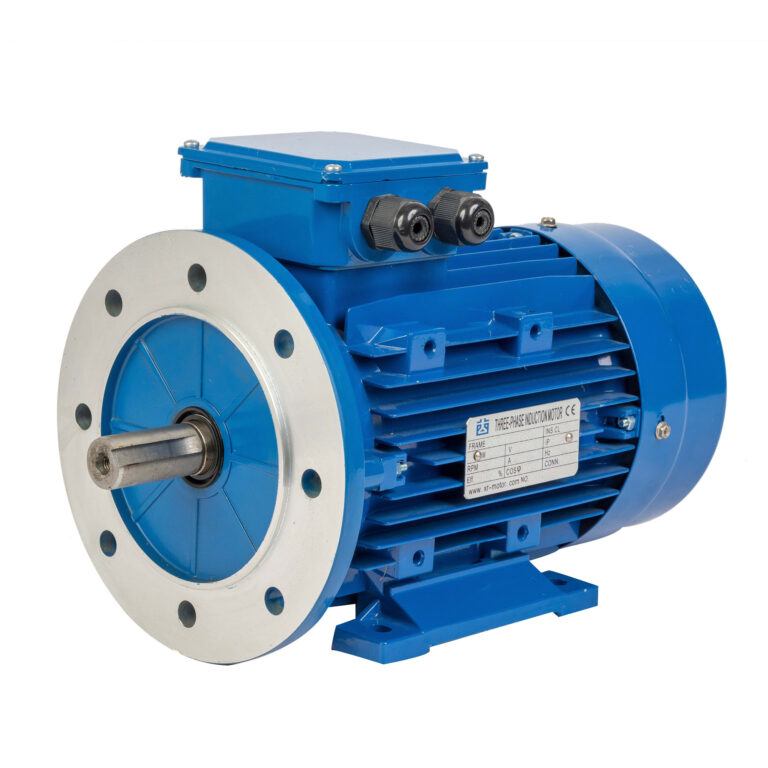
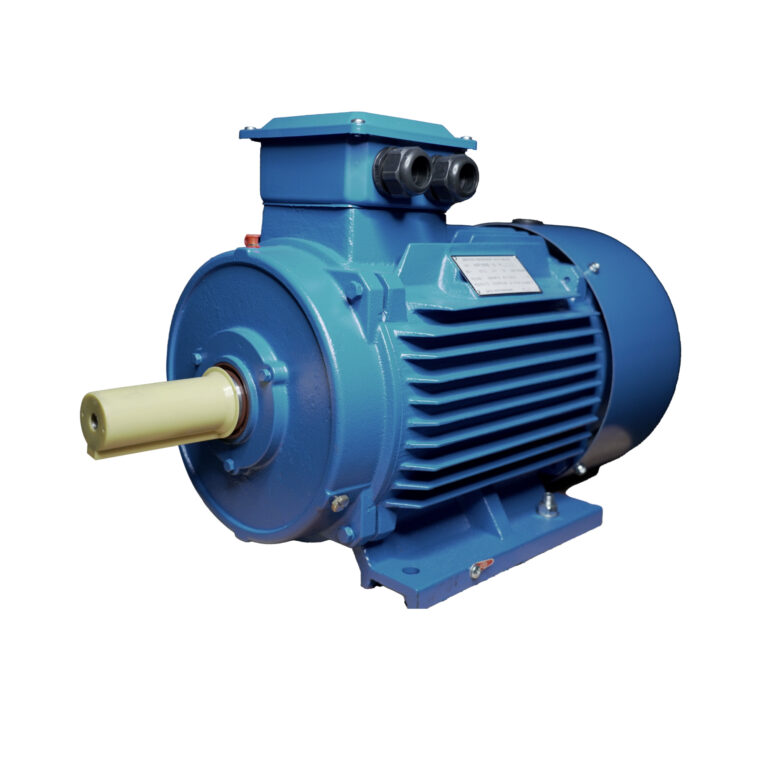
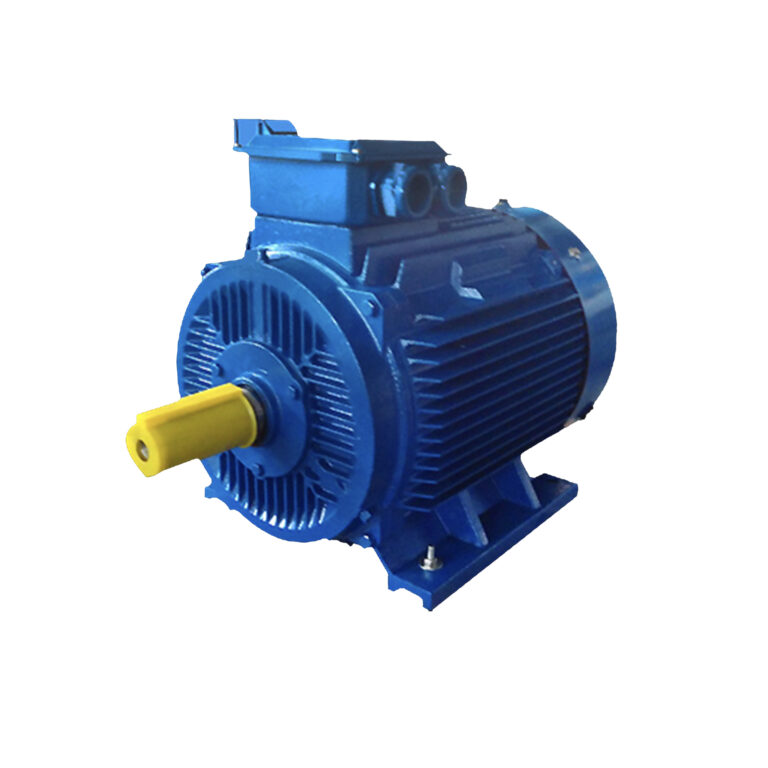
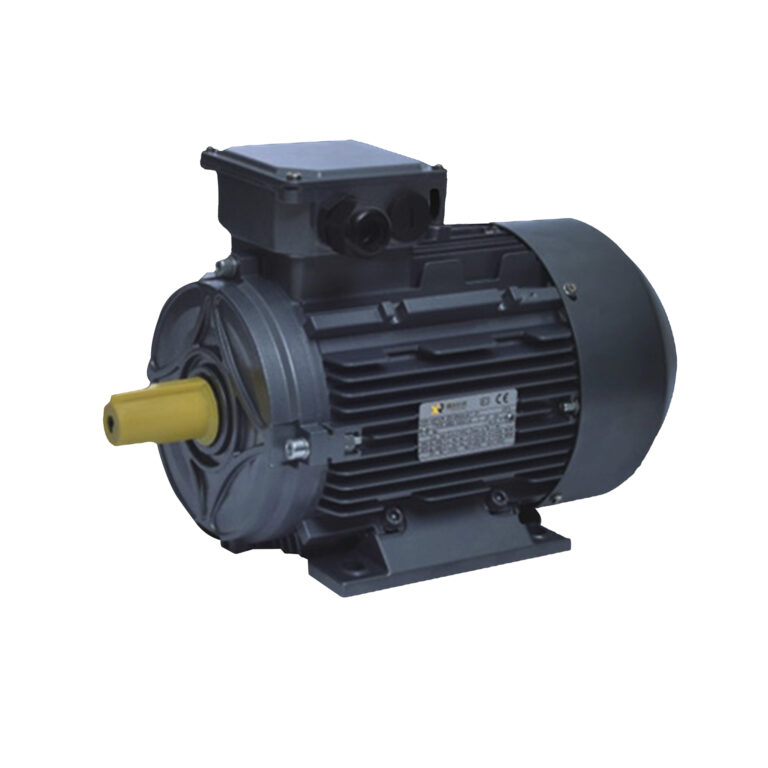
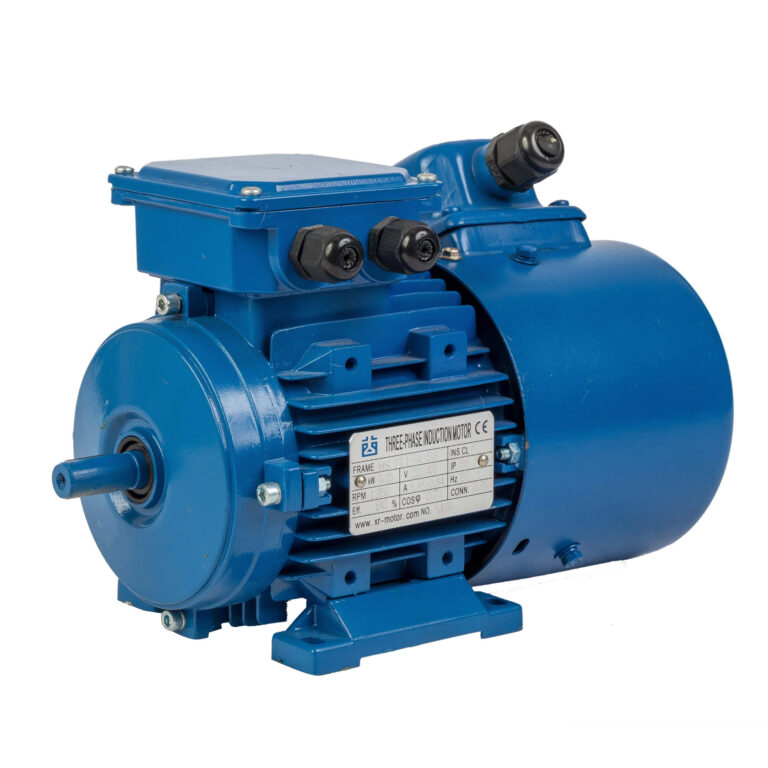
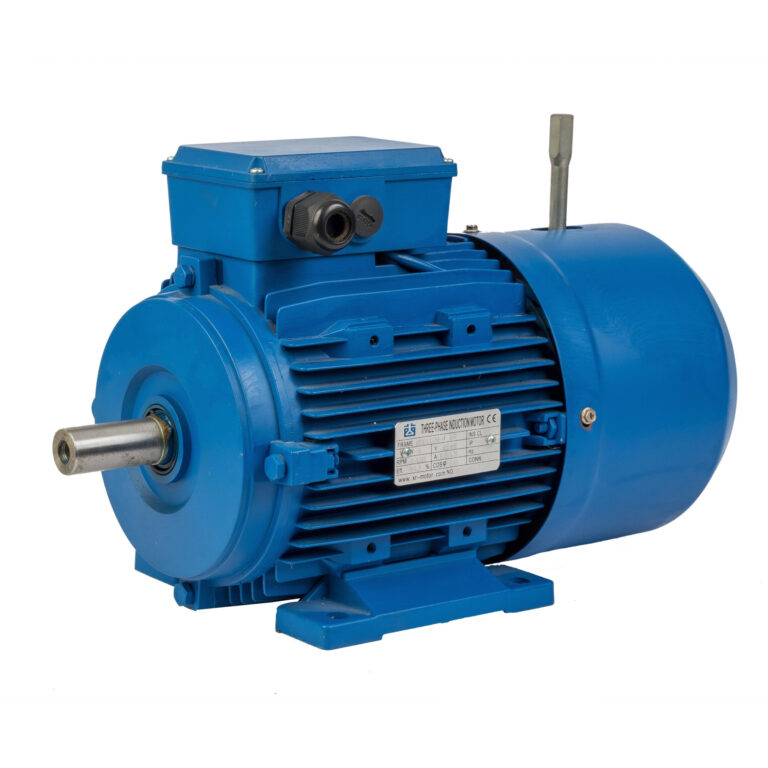
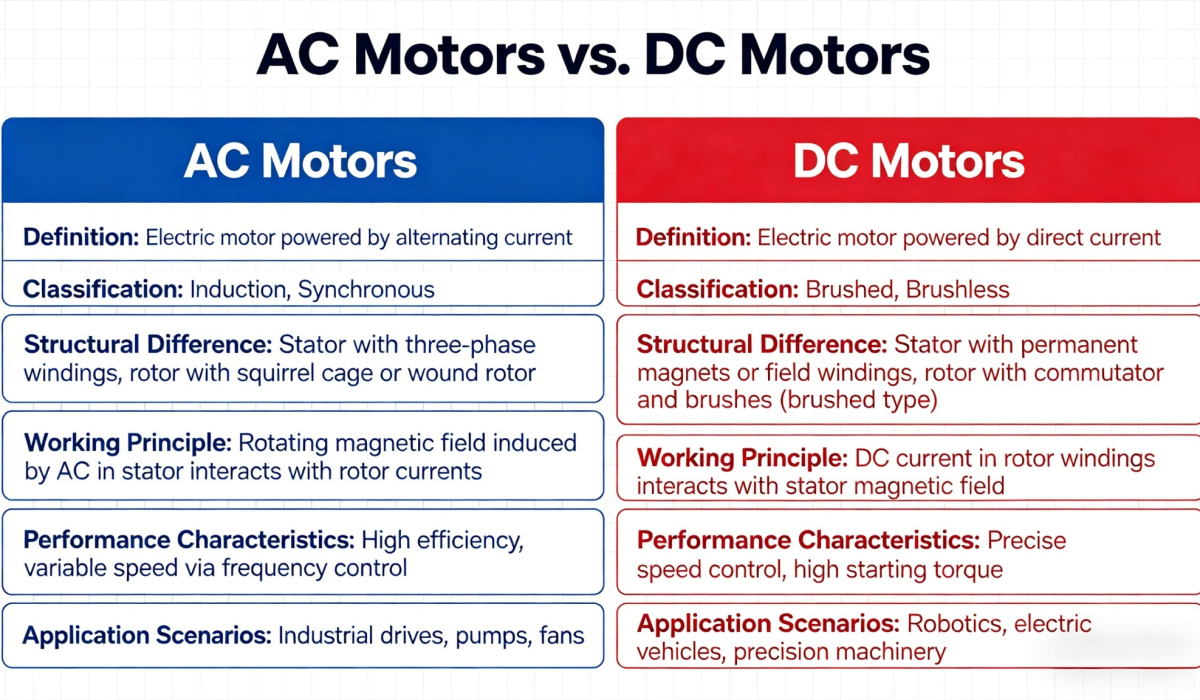
An AC motor, also known as an AC electric motor, relies on alternating current (AC) for propulsion. Its core function is to convert AC power into mechanical energy. They are ubiquitous in daily life and come in a wide variety of types. The most common classification is based on rotor rotation speed, dividing them into synchronous AC motors and induction motors. Induction motors are the most widely used, accounting for the vast majority of AC motor applications. They are commonly used in factory water pumps and fans, and in home appliances such as washing machines and air conditioners. Synchronous motors, on the other hand, are used in applications requiring high speed accuracy, such as large generators and precision machine tools.
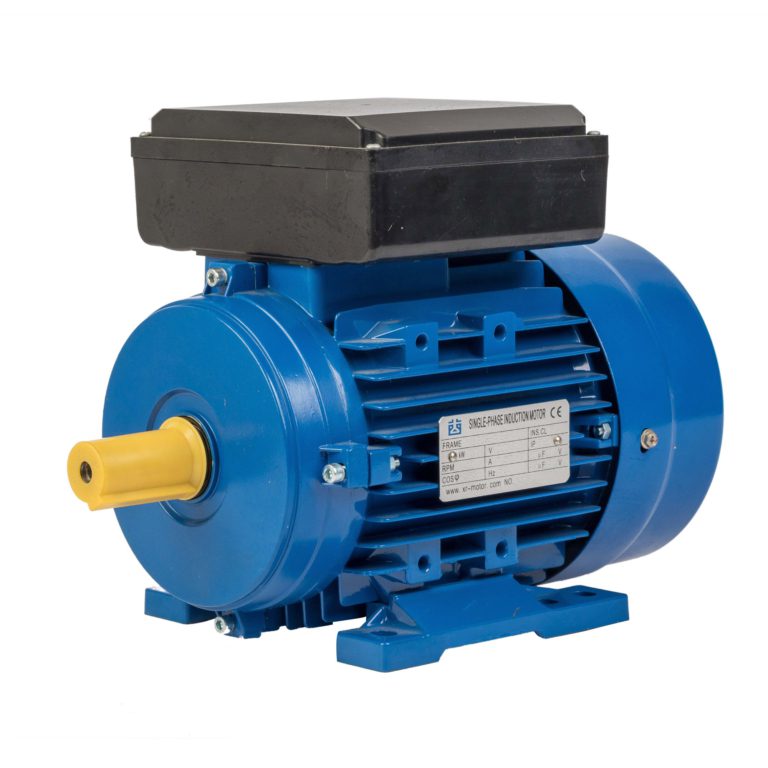
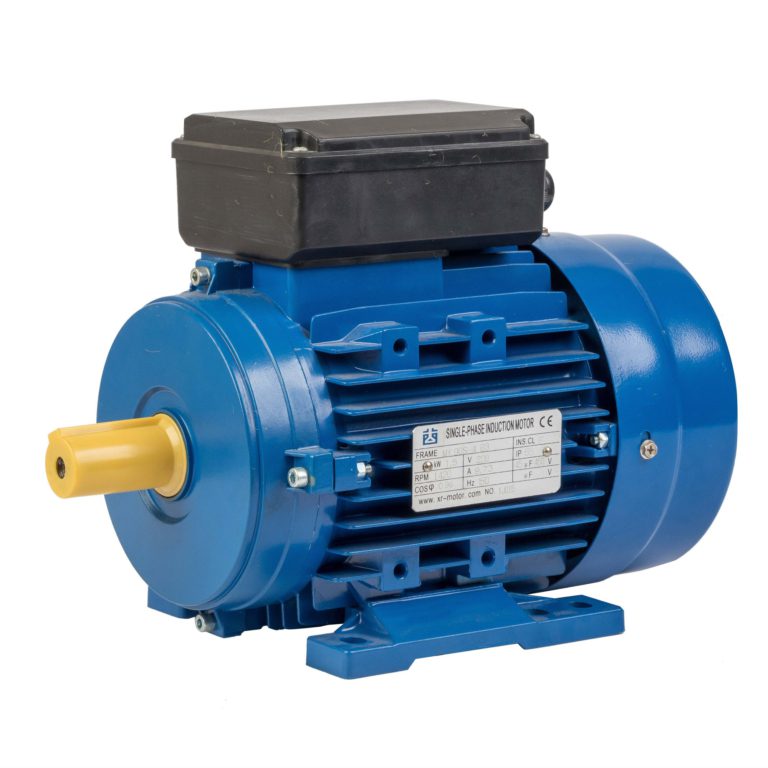
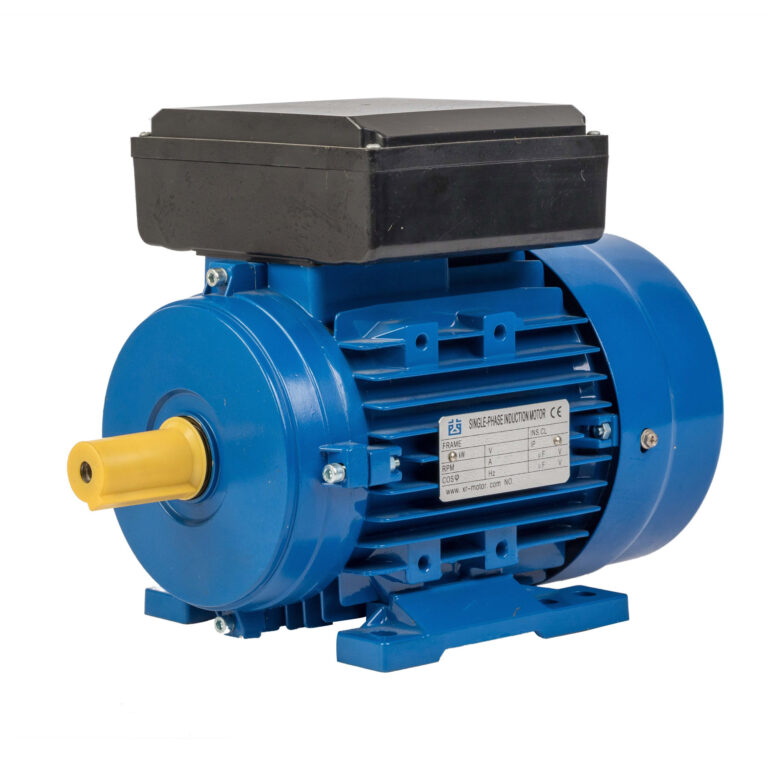
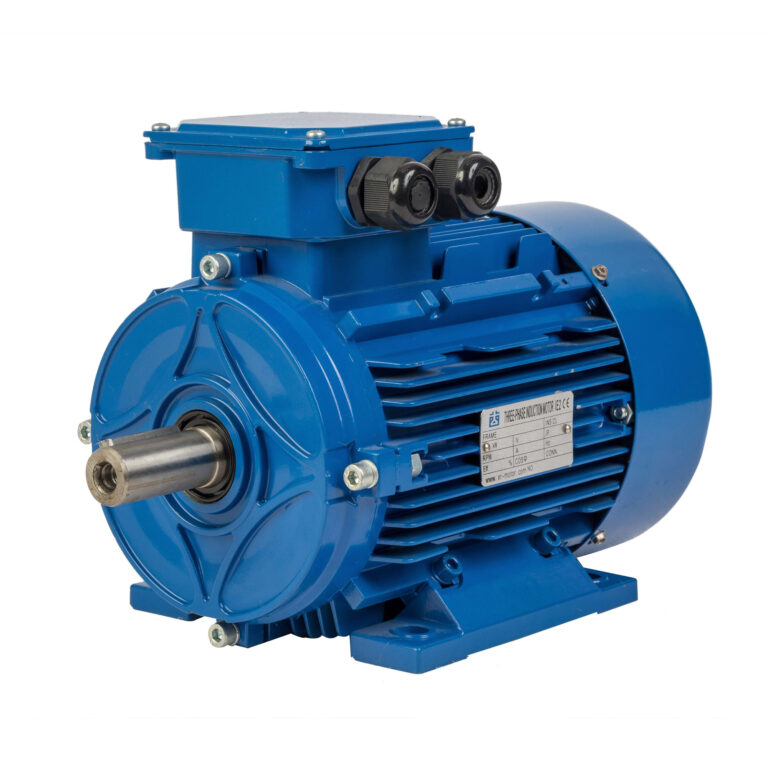
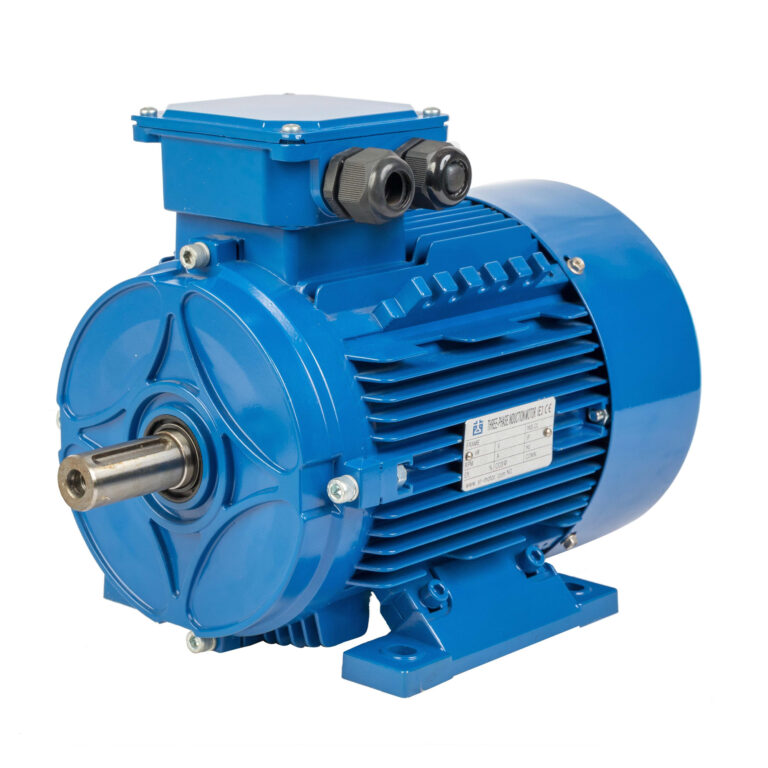
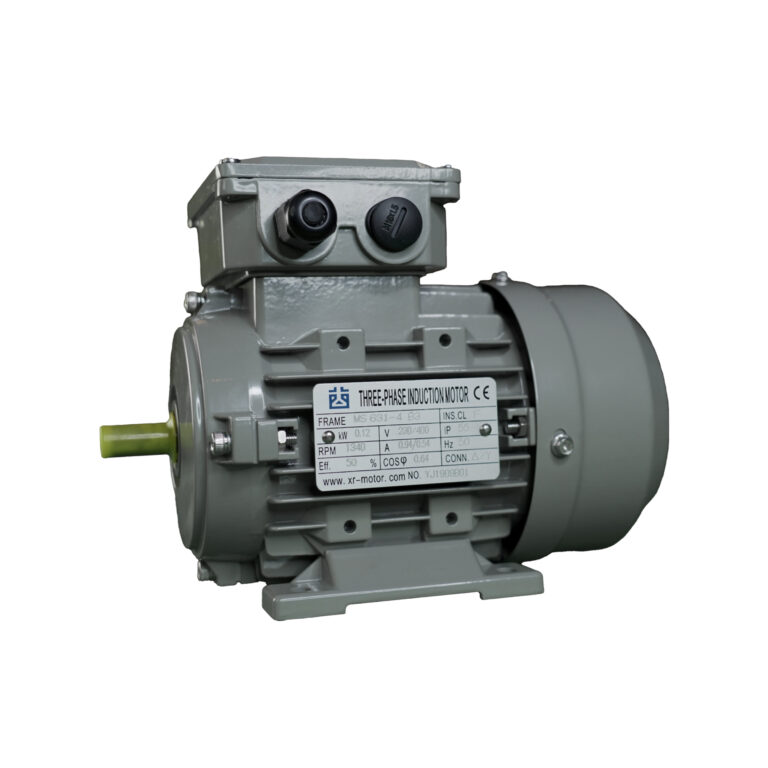
Furthermore, AC motors can be classified by the number of power phases into single-phase and three-phase. Single-phase AC motors have lower power and are mostly used in household appliances, such as electric fans and refrigerators, matching the single-phase AC power supply in homes. Three-phase AC motors have higher power and efficiency, primarily used in industrial production. Machine tools in factories and conveyor belts in mines rely on three-phase AC power lines in industrial plants for their power supply.
A DC motor, also known as a DC electric motor, is driven by direct current (DC). Its applications are primarily driven by applications requiring precise speed control and rapid response. Based on excitation method, it can be classified into four types: separately excited, shunt-wound, series-wound, and compound-wound. Separately excited DC motors have separate power supplies to the field winding and armature winding, offering the best speed control performance and are used in precision machine tools and rolling mills. Series-wound DC motors have both windings connected in series, providing high starting torque and are suitable for cranes and electric trains. Shunt-wound DC motors have both windings connected in parallel, providing stable speed and are used in water pumps and blowers.
It’s important to note that brushless DC motors are not simply an upgrade of traditional DC motors. Their working principle is closer to that of AC motors. They can be driven by an inverter converting DC to AC, combining the precise speed control of DC motors with the advantages of AC motors. Currently, they are widely used in new energy vehicles, drones, and other fields, representing a fusion of both technologies.
二、Structural Differences Between AC and DC Motors
While both AC and DC motors include a stator and rotor in their core structure, their specific components and functions differ significantly, directly determining their operating methods and performance. Let’s break it down in layman’s terms, avoiding a lot of technical jargon.
(一)Structure of an AC Motor
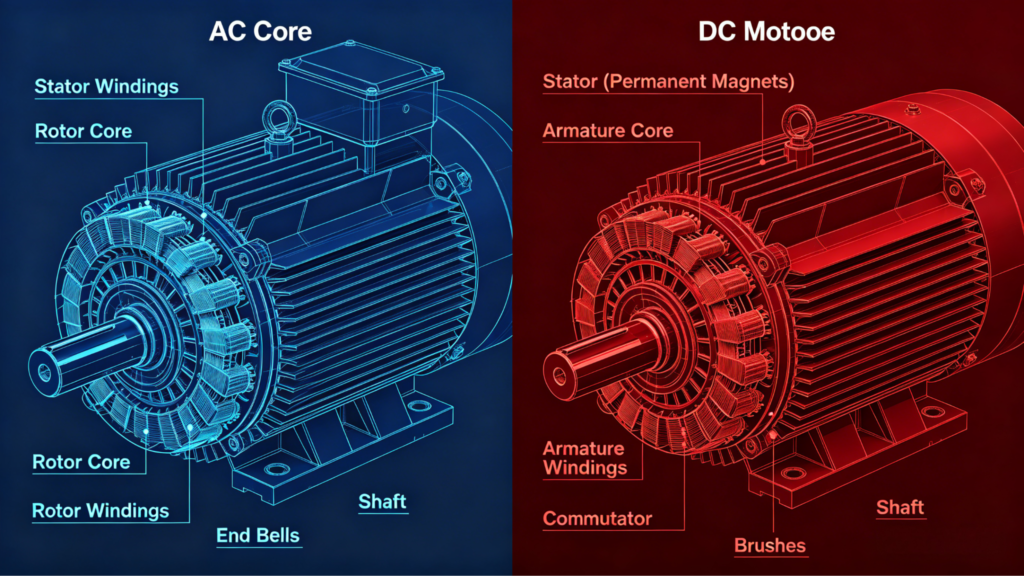
The structure of an AC motor is relatively simple, mainly consisting of a stator, rotor, bearings, and end covers. It lacks a complex commutation mechanism, which is a key reason for its ease of maintenance and low cost.
The stator is the stationary part, its core function being to generate a rotating magnetic field. It consists of a stator core and stator windings. The stator core is made of 0.35-0.5 mm thick silicon steel sheets, which effectively reduces eddy current losses and thus improves efficiency. The stator windings are copper wire coils wound inside the slots of the core. In a three-phase AC motor, the windings consist of three coils spaced 120 degrees apart, connected in a delta or star configuration. When three-phase AC current is applied, they combine to form a rotating magnetic field, which is the core driving force for the rotor’s rotation.
The rotor is the rotating part, its core function being to generate torque under the influence of the rotating magnetic field. The rotor of an induction motor is squirrel-cage shaped, with copper or aluminum bars embedded in the rotor core. Its two ends are short-circuited by end rings. Its characteristics include a robust structure and resistance to damage, which is a major reason for its widespread application. The rotor of a synchronous motor consists of protruding magnetic poles wound with coils. It requires a DC current supplied by an exciter to rotate synchronously with the stator’s rotating magnetic field.
Bearings support the rotor shaft and reduce friction. End covers fix the stator and seal the motor’s interior. Overall, AC motors have a simple structure, no easily damaged parts, a long service life, and are easy to maintain.
(二)Structure of DC Motors
DC motors have a more complex structure. In addition to the stator and rotor, the core components include a commutator and brushes. This is crucial for its precise speed regulation and is also the main reason for its high maintenance costs.
The stator of a DC motor generates a constant main magnetic field and consists of the main magnetic poles, excitation windings, and a frame. The main magnetic poles, composed of the iron core and excitation windings, generate a constant magnetic field when DC current is applied. The frame is part of the main magnetic circuit and also provides mechanical support. Unlike AC motors, DC motors have a constant, non-rotating stator magnetic field, which is the most fundamental structural difference between the two.
The rotor of a DC motor, also called the armature, consists of an armature core, armature windings, and a shaft. The armature core is also made of laminated silicon steel sheets, with copper wires wound into the slots to form armature windings. When the armature rotates in a constant magnetic field, the windings cut the magnetic field lines, generating an induced electromotive force and current, which in turn produces electromagnetic torque to drive the rotor.
The commutator is fixed to the rotor shaft and consists of mutually insulated commutator segments, each connected to both ends of the armature winding coil. The brushes are fixed to the stator and slide in contact with the commutator, responsible for introducing and extracting direct current. Because the direction of the direct current is fixed, the direction in which the windings cut the magnetic field lines changes as the armature rotates, and the direction of the induced current also changes. The cooperation of the commutator and brushes can promptly change the direction of the armature winding current, ensuring continuous unidirectional rotation of the rotor.
Commutators and brushes are also weak points in DC motors: the sliding contact between the brushes and the commutator causes wear, requiring regular replacement, and also generates sparks and noise, affecting service life and interfering with surrounding electronic equipment. Brushless DC motors, by eliminating these two components, solve this problem and are becoming increasingly widely used.
三、Differences in Working Principles between AC and DC Motors
Structure determines principle, and principle determines performance. Both are based on the law of electromagnetic induction, but due to differences in power supply and structure, their working processes are fundamentally different. Therefore, we don’t need to get bogged down in complex formulas; we can understand them directly through intuitive methods.
(一)Working Principle of AC Motors
The core principle of AC motors is “a rotating magnetic field driving the rotor to rotate.” Whether synchronous or induction motors, they all rely on the rotating magnetic field generated by the stator to drive the rotor. We take the most common three-phase induction motor as an example, as its principle is the most representative.
When three-phase AC power is applied to the stator windings, due to the 120-degree phase difference between the three phases, each coil generates an alternating magnetic field, which, when superimposed, forms a rotating magnetic field. The rotational speed of the rotating magnetic field is called the synchronous speed, calculated using the formula n = 60f/p (where f is the power supply frequency and p is the number of pole pairs). For example, a three-phase induction motor with 50Hz mains power and 4 poles has a synchronous speed of 1500 r/min.
The rotating magnetic field cuts the rotor winding conductors. According to the law of electromagnetic induction, the conductors generate an induced electromotive force and current. The current-carrying conductor experiences an electromagnetic force in the magnetic field, creating a torque that drives the rotor to rotate. Crucially, the rotor speed of an induction motor is always less than the synchronous speed; this difference is called slip. It is precisely because of slip that the rotor can continuously cut magnetic field lines, hence it is also called an asynchronous motor.
The principle of a synchronous motor is slightly different. Its rotor windings require direct current excitation to generate a constant rotor magnetic field. The stator rotating magnetic field and the rotor magnetic field attract each other, maintaining synchronous rotation. The rotor speed is equal to the synchronous speed, with no slip, resulting in precise speed control, making it suitable for applications such as large generators and precision machine tools.
(二)Working Principle of DC Motors
The core principle of a DC motor is “the rotation of a current-carrying conductor in a constant magnetic field.” Through the cooperation of the commutator and brushes, the rotor’s continuous unidirectional rotation is ensured. Taking a separately excited DC motor as an example, where the field winding and armature winding are powered separately, this principle is most representative.
First, DC current is supplied to the rotor’s field winding, generating a constant main magnetic field. Then, DC current is supplied to the rotor’s armature winding. The armature conductor is in a constant magnetic field, and according to the left-hand rule, the conductor experiences electromagnetic force, generating electromagnetic torque that drives the armature to rotate.
When the armature rotates a certain angle, the conductor will rotate to the opposite direction of the magnetic field, and the direction of the electromagnetic force will also change. Without a commutator, the rotor would reverse direction. At this time, the commutator rotates with the rotor, while the brushes remain stationary. Through commutation, the current direction in the armature winding is changed in a timely manner, ensuring that the direction of the electromagnetic force remains unchanged, and the rotor continues to rotate in one direction.
This principle allows DC motors to precisely adjust speed. Simply changing the armature voltage or current allows for flexible speed adjustment, with fast response and high starting torque—these are its core advantages. Brushless DC motors combine the advantages of both. The stator windings are fed with AC current converted by an inverter to generate a rotating magnetic field. The rotor, being a permanent magnet, requires no power, resulting in no wear, no sparks, and significantly improved lifespan and maintenance convenience.
四、Comparison of Performance Characteristics of AC and DC Motors
The performance characteristics of the two are complementary: AC motors excel in simple structure, easy maintenance, and low cost; DC motors excel in precise speed control, fast response, and high starting torque. A comparison in the following aspects will make this easier to understand.
(一)Speed Control Performance
Speed control performance is the core advantage of DC motors. Traditional DC motors can achieve wide-range, precise speed control simply by changing the armature voltage or excitation current. The process is smooth, the response is fast, and the speed error is small, making them suitable for precision machine tools, robots, and other equipment.
AC motors have relatively poor speed control performance. The speed of traditional induction motors is mainly determined by the power supply frequency and the number of pole pairs, requiring complex devices for speed control. Although subsequent technologies such as vector control have improved speed control accuracy, their flexibility and response speed are still inferior to DC motors. However, for scenarios such as fans and electric fans where precise speed control is not required, they are perfectly adequate.
(二)Starting Performance
DC motors have high starting torque, low starting current, and a smooth starting process, making them suitable for equipment requiring high starting power, such as cranes and elevators. They can easily overcome load resistance without significant impact, protecting the equipment.
AC motors have low starting torque and high starting current, easily impacting the power grid and affecting their lifespan. High-power AC motors require star-delta starting or soft starters to reduce current, while low-power motors can be started directly.
(三)Maintenance Costs and Service Life
AC motors do not have commutators or brushes. Their structure is simple, with no easily damaged parts. Regularly checking the bearings and cleaning dust is sufficient for normal operation. Their service life exceeds 10 years, and maintenance is convenient, even for ordinary people.
Traditional DC motors have commutators and brushes. Brush wear requires regular replacement, and the commutator is prone to sparking and wear. Maintenance requires professional personnel, resulting in high costs and a service life of approximately 5-8 years. Brushless DC motors eliminate these two components, making their maintenance costs and service life comparable to AC motors.
(四)Efficiency and Energy Consumption
AC motors are highly efficient and energy-efficient. Three-phase induction motors have an efficiency of 85%-95%, and their energy consumption is stable under rated load, making them suitable for equipment such as factory fans and conveyor belts that operate continuously for extended periods, thus saving energy.
Traditional DC motors have an efficiency of 75%-85%, but their energy consumption increases significantly under light loads, making them unsuitable for long-term continuous operation. Brushless DC motors have efficiency close to that of AC motors, and their energy consumption is even lower when speed is adjusted, making them widely used in energy-sensitive scenarios such as new energy vehicles and drones.
(五)Cost
AC motors have a simple structure, fewer parts, and mature manufacturing processes, resulting in lower manufacturing and operating costs. Three-phase AC motors, in particular, are affordable and are the preferred choice for both industrial and daily life.
DC motors are more expensive. Traditional DC motors have complex structures, are difficult to manufacture, and have high manufacturing and maintenance costs. Brushless DC motors require inverters, making them even more expensive, but their cost is gradually decreasing with technological advancements.
五、Comparison of Application Scenarios of AC Motors and DC Motors
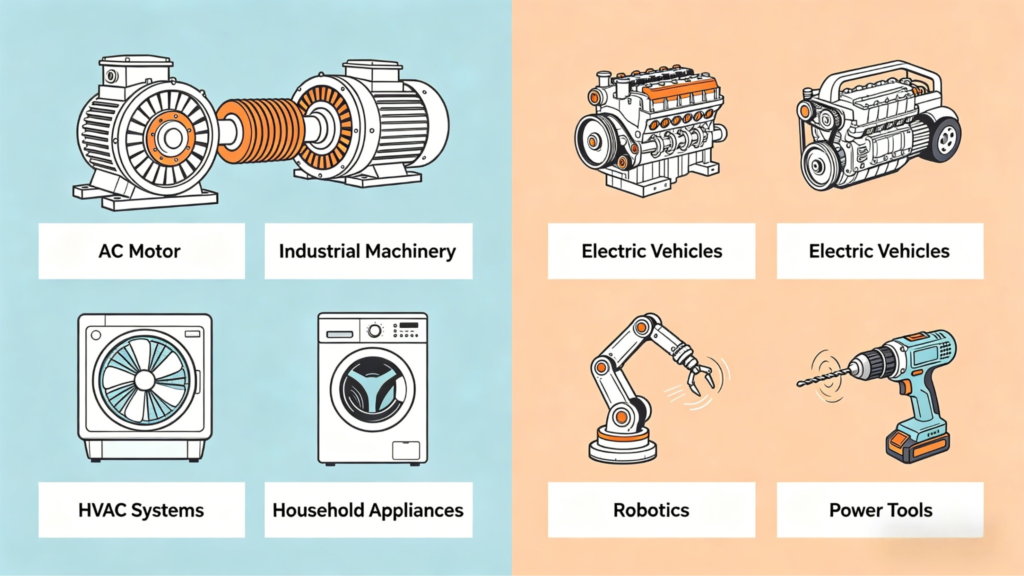
Based on the performance characteristics of AC and DC power, we can clearly distinguish their application scenarios: For applications requiring no precise speed control and prioritizing low cost and high reliability, choose AC motors; for applications requiring precise speed control, rapid response, and high starting torque, choose DC motors (or brushless DC motors), as detailed below.
(一)Application Scenarios of AC Motors
AC motors have a wide range of applications, covering multiple fields such as industry, daily life, transportation, and new energy. Firstly, AC motors can be used in industrial production, with three-phase induction motors driving equipment such as fans, pumps, and machine tools, while synchronous motors are used in large generators and precision machine tools. Secondly, they can also be used in daily life, such as in household appliances like electric fans, washing machines, and air conditioners, which use single-phase AC motors to meet stable operation requirements. Thirdly, AC motors can be used in transportation, such as in electric vehicles, trains, and subways, where the use of AC synchronous motors allows for both speed regulation and energy consumption reduction. Finally, in the current new energy field, namely wind power and hydropower generator sets, AC synchronous motors can be used to convert electrical energy.
(二)Application Scenarios of DC Motors
DC motors are mainly used in fields requiring precise speed control and high starting torque. The application scenarios for traditional and brushless models differ slightly, primarily in the following aspects: First, precision equipment: Traditional DC motors are used in precision machine tools and robots, meeting the requirements for precise speed control. Second, lifting and transportation: Traditional DC motors can be used in cranes and elevators, driving loads with their high starting torque. Third, small equipment: Traditional DC motors can be used in electric toys and power tools, offering small size and flexible speed control. Fourth, high-end fields: Brushless DC motors can be used in new energy vehicles, drones, and medical equipment, while also offering high efficiency, long lifespan, and low maintenance.
六、Development Trends of AC and DC Motors
With the development of power electronics, microelectronics, and digital control technologies, both technologies are constantly advancing, blurring the boundaries and showing a trend of “integrated development.”
The development direction of AC motors is towards higher efficiency, intelligence, and miniaturization. The greater the promotion of high-efficiency motors, the lower the energy consumption; by combining with the Industrial Internet of Things.