


- Home
- Product
- GOST standard motor
- IEC standard motor
 MC Series single phase capacitor start asynchronous motor
- MY MYT series single phase capacitor running asynchronous motor
- ML Series single phase dual-capacitor asynchronous motor
- ME2 series three phase high efficiency aluminum housing motor(IE2)
- ME3 series three phase high efficiency aluminum housing motor(IE3)
- MS series three-phase aluminum housing motor (IE1)
- Y2 series three phase cast iron motor (IE1)
- YE2 series three phase high efficiency cast iron motor (IE2)
- YE3 series three phase high efficiency cast iron motor (IE3)
- Special application motor
- Rolling door motor
- Industry application
- News
- About us
- Contact us
- Certifications
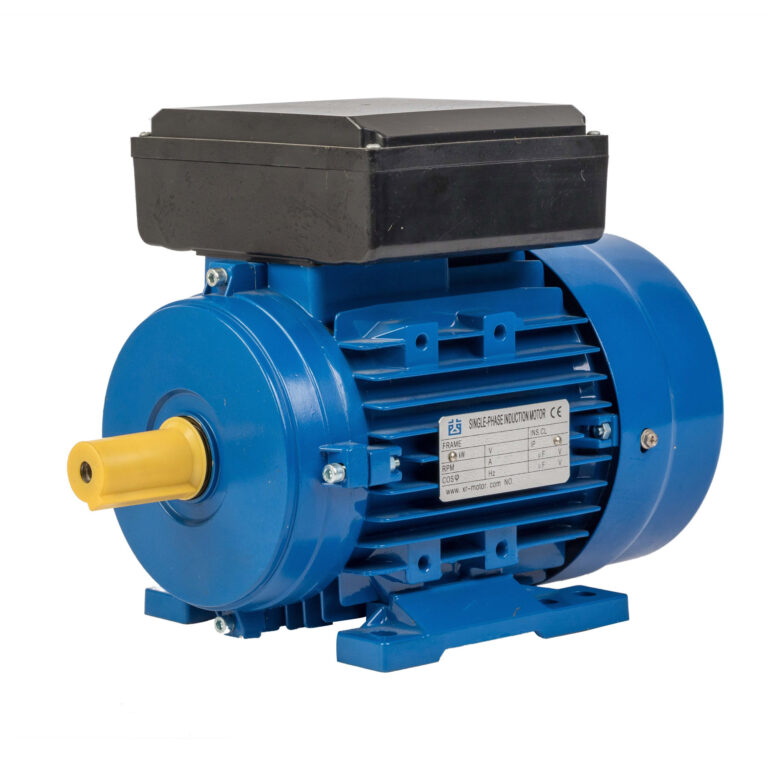
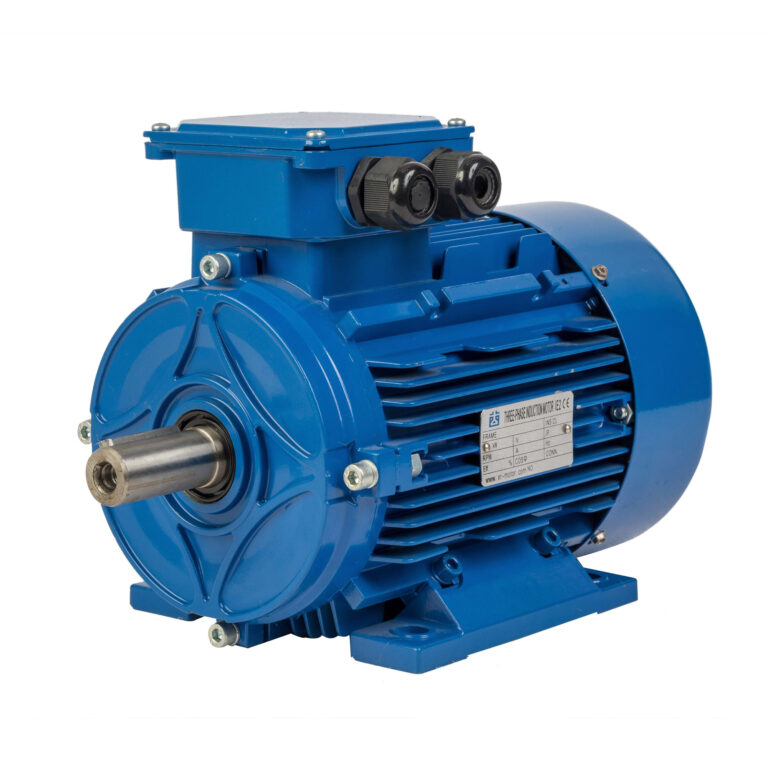
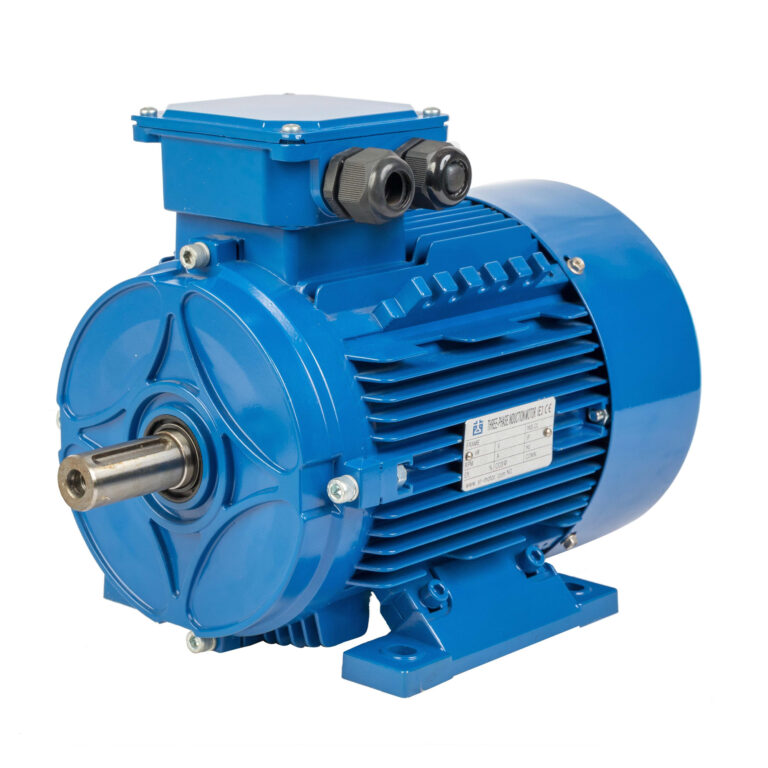
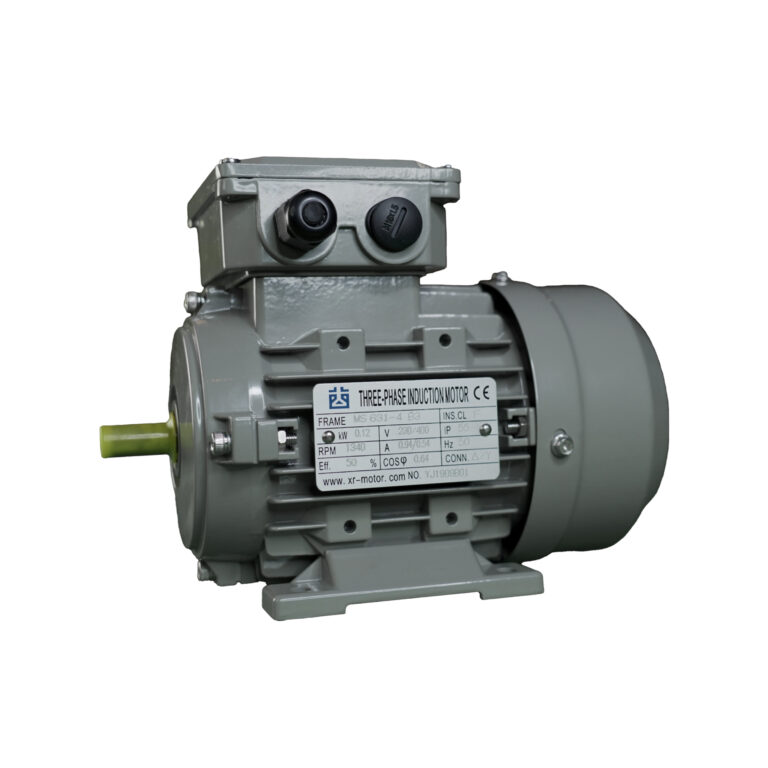
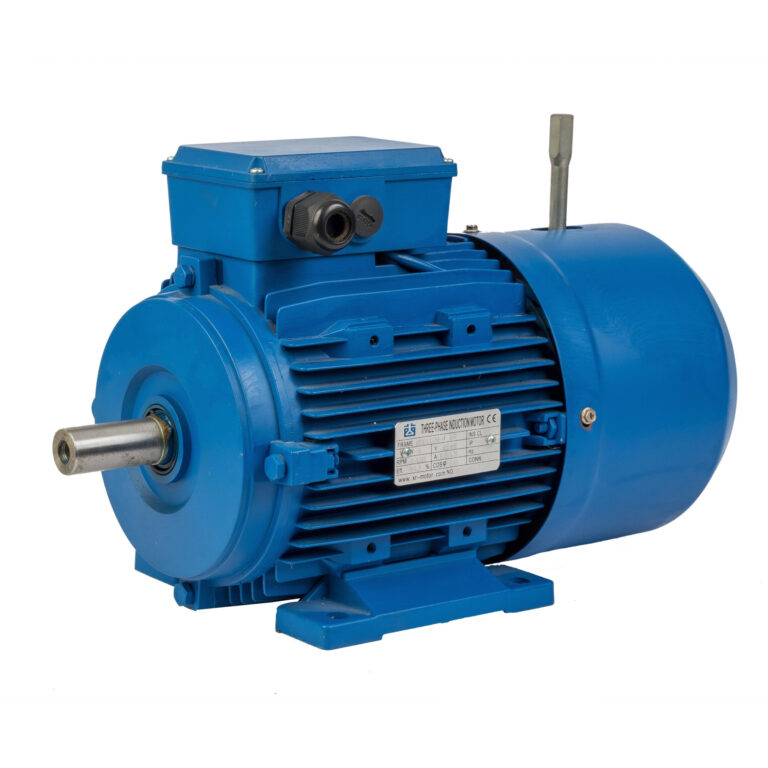
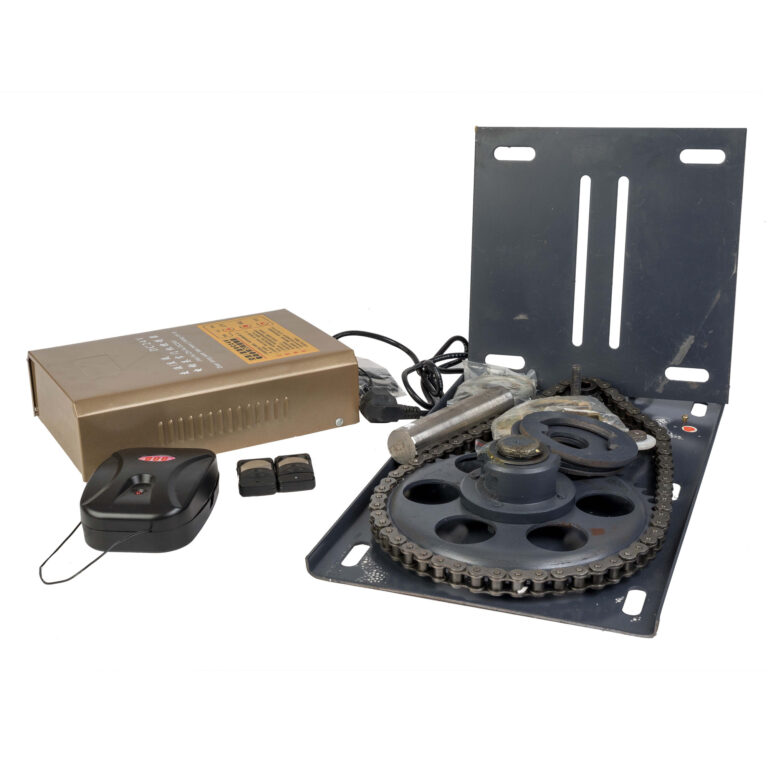
AC Motors vs. Brushless DC Motors: A Comparison of Principles, Applications, and Development
Introduction
Core Content: Introduce the popularity of motors in modern industrial production and daily life, point out that AC Motors and Brushless DC Motors are the two most widely used types of motors, indicate the problem that people often confuse the two, and clarify that this article will analyze the core characteristics, differences, applications and development of the two types of motors to help readers understand them intuitively.
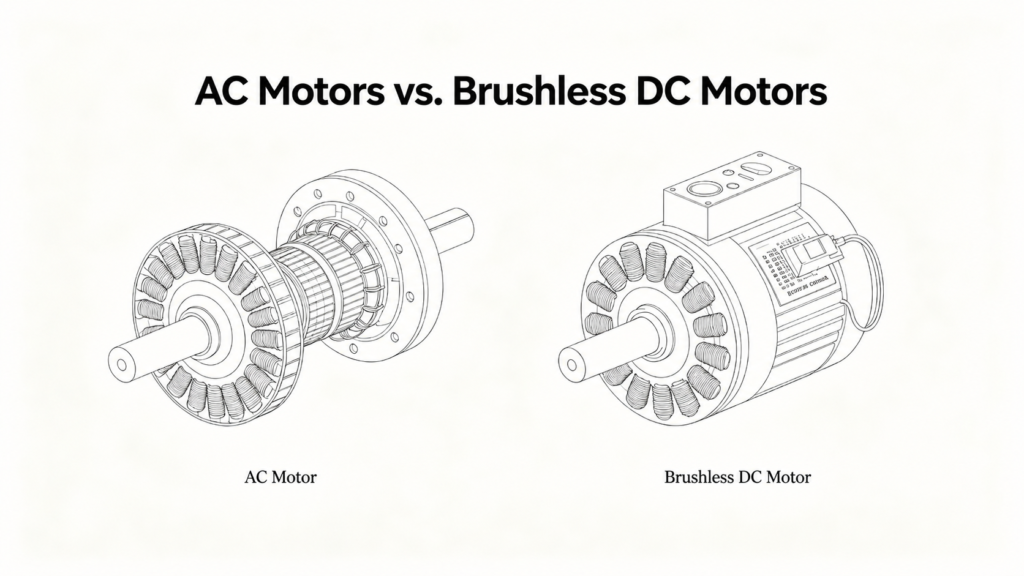
I. Basic Definitions, Core Structures and Working Principles of the Two Types of Motors
1.1 AC Motors
Core Content: Rely on alternating current and realize energy conversion through electromagnetic induction; they have a long history, mature technology and low cost. The core structure consists of a stator (fixed, composed of an iron core and windings, which generates a rotating magnetic field when energized with alternating current) and a rotor (placed in the rotating magnetic field, which rotates under the action of magnetic force to output mechanical energy). According to the rotor structure and working principle, AC motors are divided into two main categories: asynchronous motors and synchronous motors.
1.1.1 Asynchronous Motors
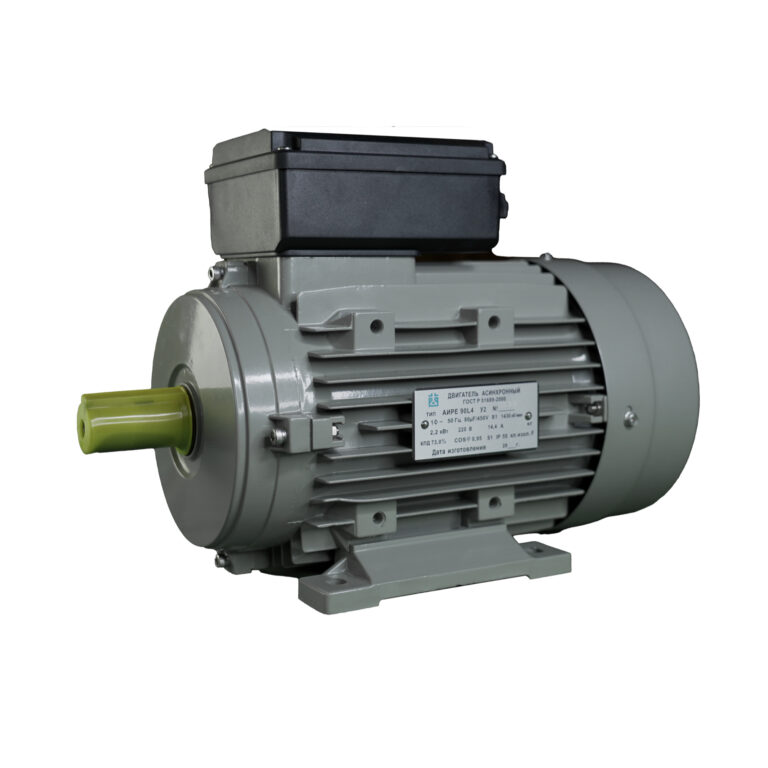
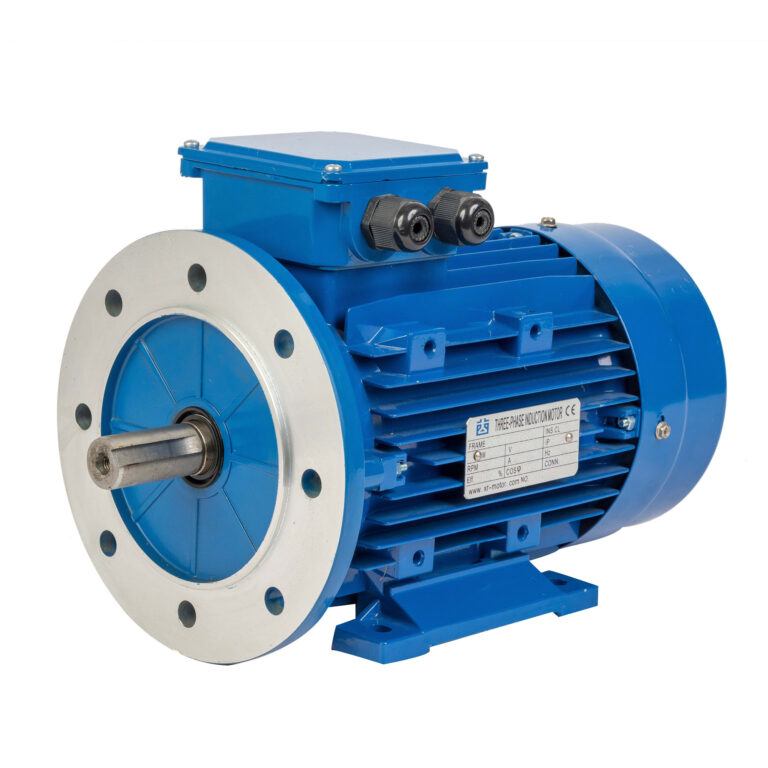
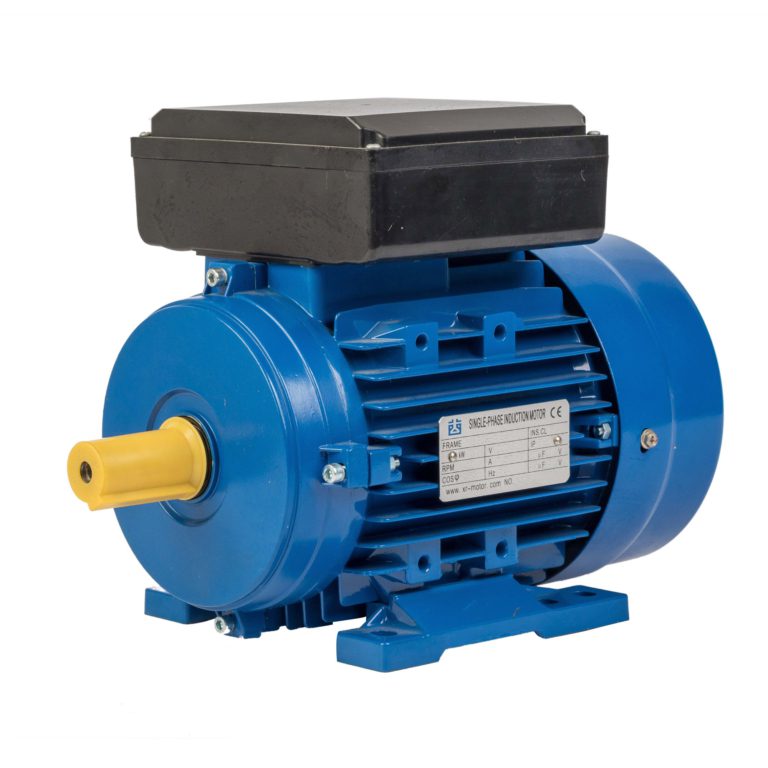
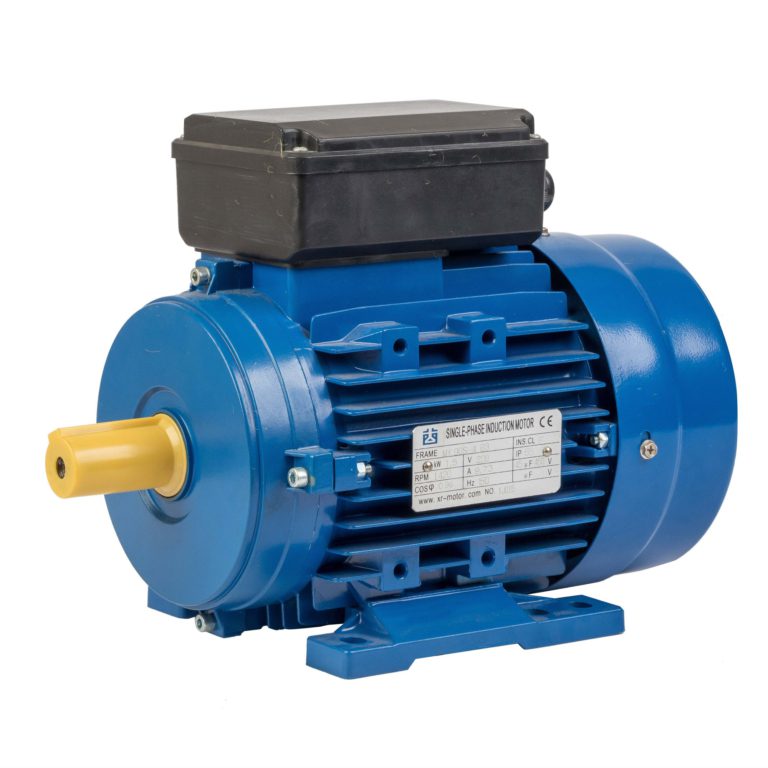
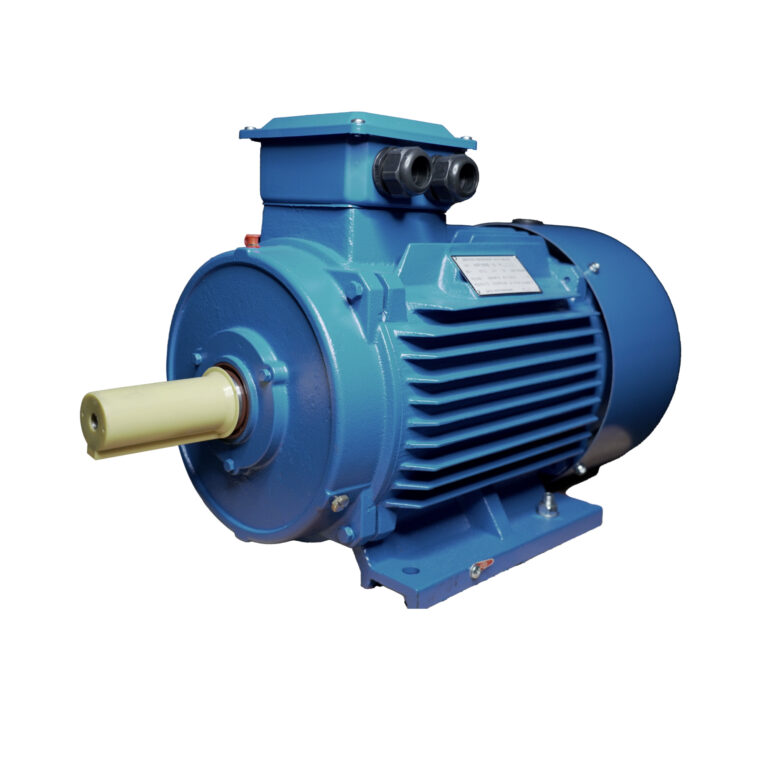
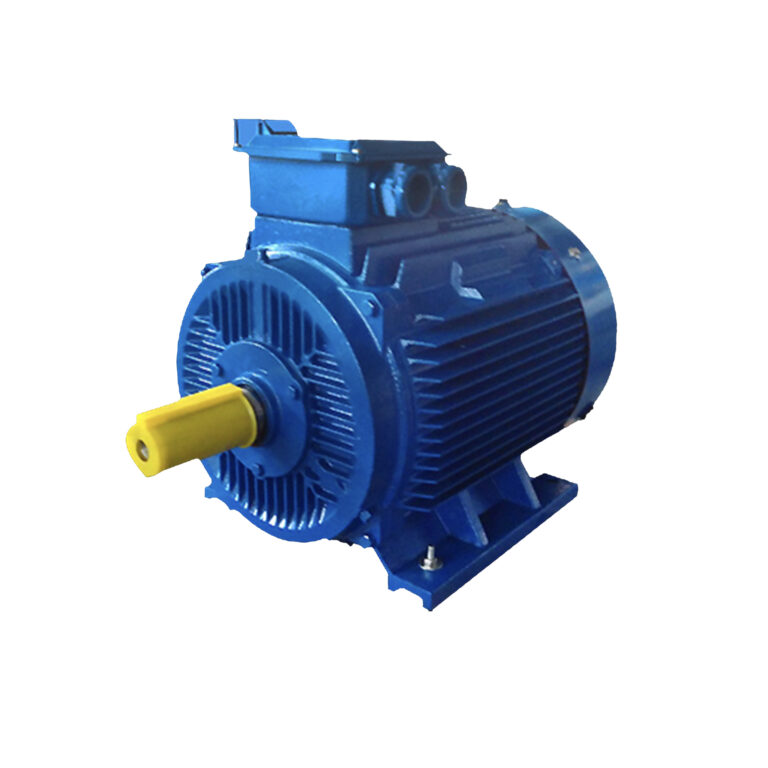
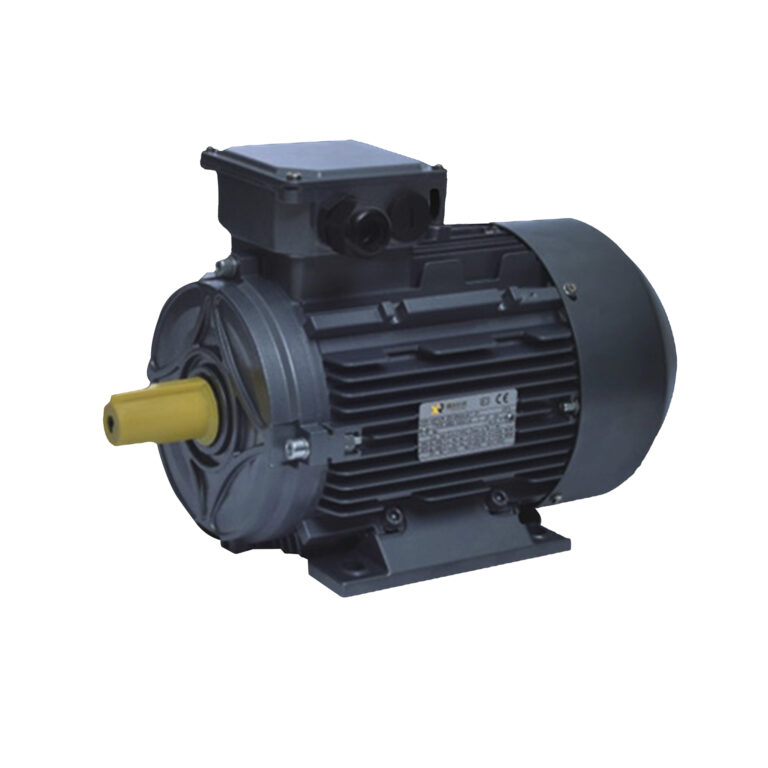
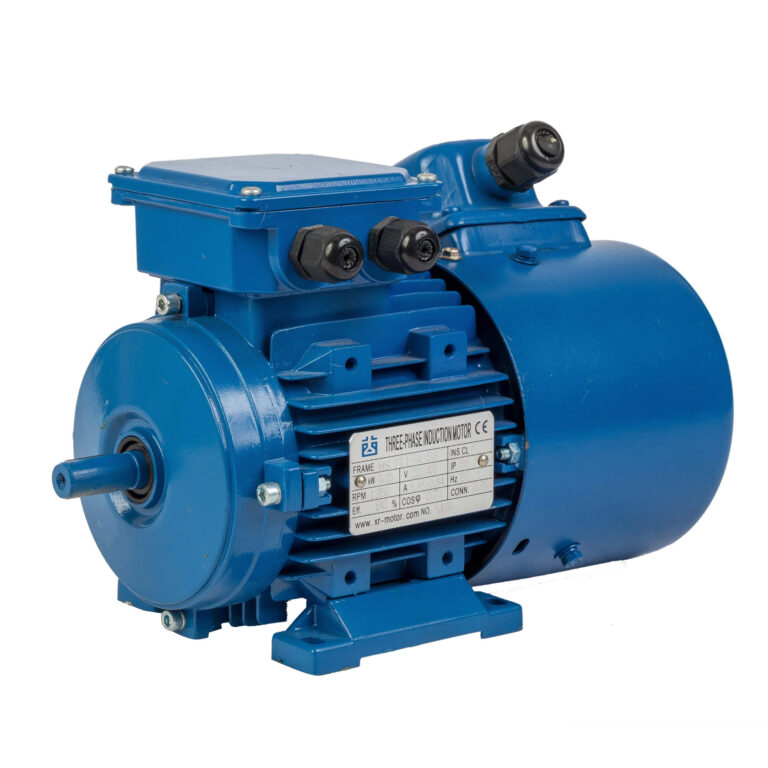
Core Content: The most common type; the rotor does not require an external power supply, and relies on the rotating magnetic field of the stator to cut the rotor windings to generate induced current and electromagnetic torque. It has a simple structure (the rotor is mostly a cage-like structure welded with aluminum or copper conductors, without windings or brushes), low cost, impact resistance and high reliability, and can operate stably for a long time in harsh environments such as dust and humidity. Application scenarios include factory ventilation fans, central air conditioning water circulation pumps, household washing machines and electric fans, with a wide power adaptation range (from a few watts to hundreds of kilowatts).
1.1.2 Wound-Rotor Asynchronous Motors
Core Content: The rotor windings can be connected to external resistors through slip rings, and the rotor resistance can be adjusted to change the starting torque and speed regulation. The starting torque is 30%–50% higher than that of squirrel-cage motors, with flexible speed regulation and relatively low cost. It is suitable for scenarios requiring heavy-load starting and frequent speed adjustment, such as bridge cranes and mining crushers.
1.1.3 Synchronous Motors
Core Content: The rotor speed is synchronized with the rotating magnetic field of the stator; the rotor usually requires a DC excitation power supply (permanent magnet synchronous motors, PMSMs, do not need external excitation). PMSMs can automatically adjust the power factor, improve power grid quality, and have higher efficiency in high-power applications, making them suitable for large-scale equipment above 1000kW (such as ammonia compressors in petrochemical plants and main drives of hot rolling mills in steel plants). At the same time, they have high efficiency and high power density, and are suitable for high-precision scenarios such as semiconductor equipment and industrial robot joints.
1.2 Brushless DC Motors
Core Content: Evolved from brushed DC motors, the core improvement is the elimination of brushes and commutators, adopting electronic commutation, which solves the problems of wear, noise and short service life of brushed motors. Essentially, it belongs to the category of electronically commutated synchronous motors, powered by DC power, but internally converts it into AC power through electronic components for operation.
1.2.1 Core Structure
Core Content: Composed of a stator and a rotor, with a more compact structure. The stator is an iron core with three-phase windings (similar to the stator of an AC motor, but with different winding methods and control logic). The rotor is composed of permanent magnets, without windings or excitation power supply (the core difference from the rotor of an AC motor). A position sensor is required to detect the position of the rotor and transmit the signal to the controller. The controller controls the energizing sequence of the stator windings through an inverter to realize electronic commutation and ensure the stable operation of the motor.
1.2.2 Working Principle
Core Content: An external DC power supply is connected to the controller. Based on the sensor signal, the controller converts the DC power into three-phase AC power through an inverter, which is then supplied to the stator windings to generate a rotating magnetic field. The rotor permanent magnets rotate under the action of this magnetic field, and the sensor provides real-time position feedback. The controller continuously adjusts the energizing sequence to ensure that the magnetic field is synchronized with the rotor, thereby achieving continuous power output. Compared with brushed motors, brushless DC motors have no brush wear, low noise, long service life, and better speed regulation performance and precision.
1.2.3 Differences from Permanent Magnet Synchronous Motors (PMSMs)
Core Content: Both are permanent magnet motors, and although their structures are similar, there are significant differences. Brushless DC motors have arc-shaped rotor magnets, trapezoidal air gap flux density, and trapezoidal stator current. They can be controlled using Hall effect sensors, offering simple and low-cost control, but with significant torque ripple. Permanent magnet synchronous motors, on the other hand, have parabolic rotor magnet pole faces, sinusoidal flux density, and sinusoidal stator current. They require precision photoelectric encoders, offering high control precision and low torque ripple, but at a higher cost. Selection requires a balance between precision and cost requirements.
II. Comparison of Core Performance, Advantages and Disadvantages
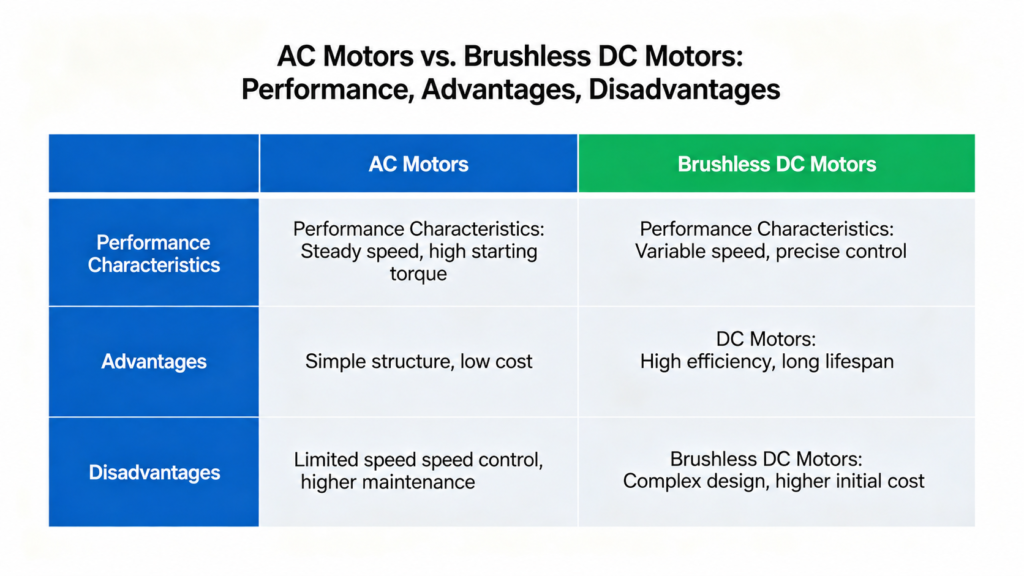
2.1 AC Motors
2.1.1 Advantages
Core Content: First, simple structure, especially asynchronous motors without complex electronic control components, resulting in low failure rate and convenient maintenance, allowing continuous operation for years without maintenance. Second, relatively low cost; mature technology and simple manufacturing process make manufacturing and maintenance costs much lower than brushless DC motors. Third, high adaptability, covering a power range from a few watts to tens of megawatts, and able to withstand harsh environments such as high temperatures and dust, making them a mainstay of industrial production.
2.1.2 Disadvantages
Core Content: Poor speed regulation performance; the speed of asynchronous motors is greatly affected by power supply frequency and load. Although frequency converters can improve this, their accuracy and response speed cannot match those of brushless DC motors. Efficiency decreases and energy consumption is higher under low-speed, light-load conditions. Low power density, resulting in larger size and weight for the same power output, making them unsuitable for applications with strict size and weight requirements.
2.2 Brushless DC Motors
2.2.1 Advantages
Core Content: Main advantages lie in control performance and service life. Wide speed range, allowing smooth speed adjustment, high precision and fast response, meeting the needs of precise control. High efficiency, maintaining high efficiency even at low speeds and light loads, in line with energy-saving trends. Low noise, operating 10-15 dB quieter than brushed motors due to the absence of brush friction, enabling silent operation. Long service life and extremely low maintenance costs. High power density, small size and light weight, suitable for small equipment.
2.2.2 Disadvantages
Core Content: Higher cost, requiring controllers and sensors, and the relatively high cost of permanent magnets, which is the key reason they cannot completely replace AC motors. More complex structure and control logic; controller failure can cause the motor to stop operating, and repairs are more difficult. Sensitive to temperature and vibration, making them unsuitable for harsh industrial environments.
III. Practical Application Scenarios
3.1 AC Motors
Core Content: Due to their simplicity, low cost and reliability, they are mainly used in scenarios where high speed control precision is not required and long-term stable operation is necessary. In the industrial sector, asynchronous motors are widely used in fans, pumps, conveyor belts and other applications. Wound-rotor motors are used for heavy-duty starting equipment, while synchronous motors are used in large, high-power equipment. In daily life, mid-to-low-end household appliances such as washing machines, electric fans, and air conditioner compressors, as well as infrastructure such as urban water supply and agricultural irrigation, all rely on AC motors for driving.
3.2 Brushless DC Motors
Core Content: Used in applications with strict requirements for speed control accuracy, efficiency, noise, and size, and their application range is constantly expanding. In industrial automation, they are used for generating roller motors in automated production lines and driving sorting robots, ensuring precise control. In robotics, they are used in the joints of collaborative robots and the drive wheels of AGV mobile robots, ensuring flexible movement due to their high torque density and fast response. In daily life, high-end household appliances use them to drive fans, achieving noise levels as low as 22dB and energy savings. Small devices such as drones, electric toothbrushes, and shavers also benefit from their small size and long lifespan, enabling stable operation. In the medical field, equipment such as CT scanners and ventilators rely on low noise and high precision. In the new energy vehicle sector, the Tesla Model 3’s drive system uses a brushless DC motor with an efficiency of 97% and a braking energy recovery rate of 23%. Electric power steering and air conditioning compressors also utilize this type of motor.
IV. Development Trends of the Two Types of Motors
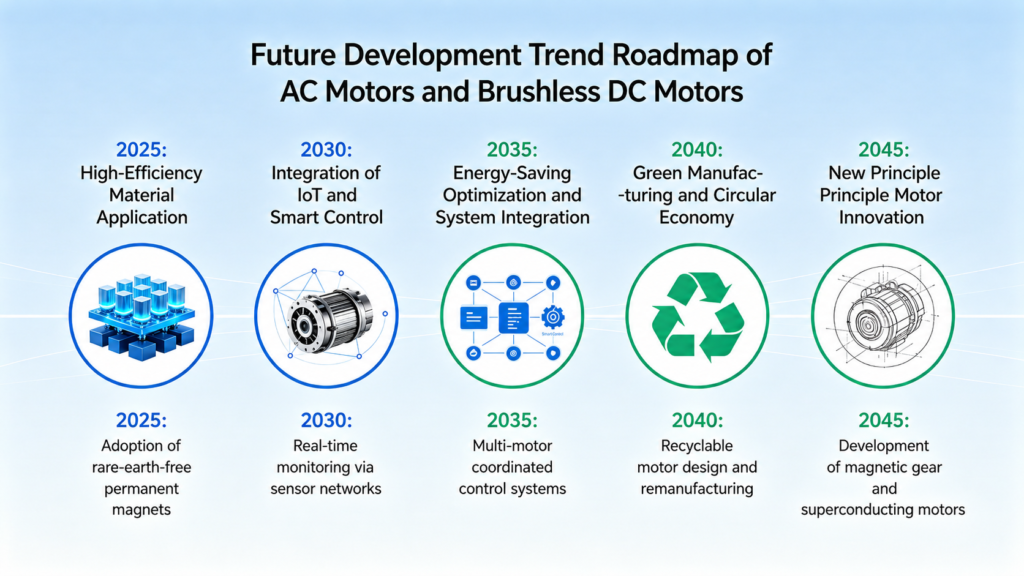
Core Content: With technological advancements, both types of motors are upgrading towards higher efficiency, energy saving, and intelligence. AC motors are improving efficiency through optimized structure and the use of high-efficiency materials, and enhancing speed control performance through variable frequency speed control technology. They are also evolving towards larger sizes and greater intelligence, enabling remote monitoring and fault warnings. Brushless DC motors, on the other hand, are reducing costs through advancements in permanent magnet materials and electronic components, optimizing control algorithms to reduce torque pulsation, and are developing towards miniaturization and integration, combining the motor, controller, and sensors into a single unit, expanding their application range.
V. Future Development and Selection Suggestions
5.1 Future Development
Core Content: Many people wonder which of these two types of motors will replace the other in the future. In reality, they are complementary and symbiotic, each playing a role in its advantageous areas. AC motors will continue to dominate in industrial production, infrastructure, and low-to-mid-range home appliances; brushless DC motors will further increase their popularity in high-end home appliances, industrial automation, and new energy vehicles. With technological advancements, the gap between AC and brushless DC motors will continue to narrow, and new types of motors combining the advantages of both may emerge in the future, meeting the needs of more diverse applications.
5.2 Selection Suggestions
Core Content: In practical selection, we should consider the scenario, requirements, and cost. For large industrial equipment with limited budgets and low speed control precision requirements, we should prioritize AC motors. For high-end home appliances, precision equipment, and new energy vehicles, where precision, efficiency, and size are crucial and budgets are ample, we should prioritize brushless DC motors. Simultaneously, we must consider maintenance costs and the motor’s adaptability to environmental changes; AC motors are preferred for harsh environments, while brushless DC motors are preferred for precision control applications.
Conclusion
Core Content: In summary, both AC and brushless DC motors are vital power devices in modern society. AC motors are technologically mature, reliable, and durable, safeguarding the foundation of industrial production; while brushless DC motors are highly efficient, intelligent, compact, and quiet, leading the development of high-end equipment. With technological progress, both will continue to upgrade, bringing greater convenience to production and daily life, and driving society towards efficiency, energy conservation, and intelligence. Their development is inseparable from technological innovation and demand-driven factors, constantly changing our lives and propelling industrial civilization forward.